A Dodge Ram 1500 water pump replacement fixes a cooling system problem caused by poor coolant circulation. The water pump moves coolant through the engine and radiator. This process keeps engine temperature under control during normal driving.
A damaged water pump can cause several problems. The engine may overheat. Coolant may leak from the front of the engine. Drivers may also notice unusual noises near the water pump area.
Early inspection helps prevent major engine damage. A failed water pump can affect other cooling system components, including the radiator, thermostat, and coolant system. Repair costs often increase when overheating damages internal engine parts.
The cost of a Dodge Ram 1500 water pump replacement depends on several factors. These factors include the truck’s engine type, replacement part quality, labor costs, and additional repairs. The 5.7L HEMI V8 and 3.6L Pentastar V6 engines may require different replacement procedures.
This guide explains the main causes of water pump failure, common symptoms, replacement costs, and the correct repair process. It also explains how regular maintenance can help Dodge Ram 1500 owners protect their cooling system.
What Does a Water Pump Do on a Dodge Ram 1500?
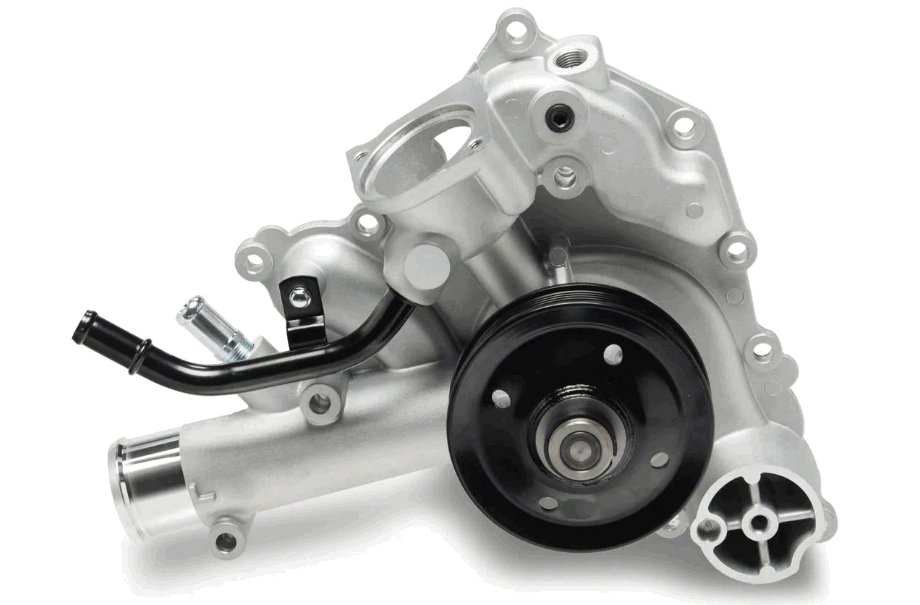
A water pump on a Dodge Ram 1500 circulates coolant through the engine cooling system. The pump moves coolant from the radiator into the engine block and returns heated coolant back to the radiator. This continuous circulation removes excess heat and keeps the engine operating within a safe temperature range.
The water pump works together with several cooling system components. The radiator releases heat from the coolant, while the thermostat controls coolant flow based on engine temperature. The cooling fan helps remove additional heat when airflow is limited, especially during slow driving or heavy loads.
The water pump uses an impeller to push coolant through the system. When the engine runs, the pump rotates through a belt-driven mechanism and creates coolant movement. This process prevents hot spots from forming inside the engine block and cylinder heads.
Dodge Ram 1500 models use different engine configurations, and each engine has specific cooling system requirements. The 5.7L HEMI V8 engine and 3.6L Pentastar V6 engine both rely on a properly functioning water pump to maintain stable operating temperatures. A damaged pump can reduce coolant circulation and increase the risk of overheating.
A properly working water pump supports engine performance, fuel efficiency, and long-term reliability. When the pump starts to fail, the cooling system loses its ability to control engine heat effectively. This makes water pump inspection an important part of Dodge Ram 1500 maintenance, especially on older trucks or vehicles with high mileage.
What Are the Signs That a Dodge Ram 1500 Water Pump Needs Replacement?
A Dodge Ram 1500 water pump needs replacement when it can no longer move coolant efficiently through the engine cooling system. The most common warning signs include coolant leaks, engine overheating, unusual noises, and unstable engine temperatures. These symptoms show that the pump may have damaged internal parts or lost its ability to maintain proper coolant flow.
Coolant leaks are one of the clearest signs of water pump failure. A worn water pump seal or damaged gasket can allow coolant to escape from the pump area. Drivers may notice coolant puddles under the front of the truck or a low coolant level in the reservoir. A leaking water pump reduces the amount of coolant available for heat control and increases the risk of engine overheating.
Engine overheating is another major indicator of a failing water pump. When the pump cannot circulate coolant properly, heat builds up inside the engine block. The temperature gauge may rise above its normal position, and the engine may show signs of excessive heat during driving. Continuous overheating can damage important components, including the cylinder head and head gasket.
A failing water pump can also create unusual sounds from the engine compartment. Damaged bearings inside the pump often produce grinding, whining, or squealing noises. These sounds usually become more noticeable as engine speed increases because the water pump rotates faster with engine operation.
Temperature fluctuations can also indicate a cooling system problem. A Dodge Ram 1500 may experience inconsistent temperature readings when coolant flow becomes restricted. The engine may run hotter during towing, heavy loads, or extended driving because the cooling system cannot remove heat effectively.
Recognizing these symptoms early helps prevent larger repair costs. Replacing a failing water pump before severe overheating occurs protects the engine and maintains the reliability of the Dodge Ram 1500 cooling system.
How Much Does Dodge Ram 1500 Water Pump Replacement Cost?
The average cost of a Dodge Ram 1500 water pump replacement depends on the engine type, replacement part quality, and labor rates in your area. Most owners pay for both the water pump part and professional installation because the repair requires removing several cooling system components. The total cost usually includes the replacement pump, gasket, coolant, and labor.
The water pump itself represents a major part of the repair cost. An OEM water pump usually costs more because it follows the original manufacturer specifications and provides direct fitment for the vehicle. Aftermarket water pumps often cost less, but quality varies between brands. Choosing a reliable replacement part helps maintain proper coolant circulation and reduces the chance of early failure.
Labor cost creates another significant difference in the final replacement price. A mechanic must drain the coolant, remove connected components, replace the pump, install new seals, and refill the cooling system. The repair time depends on the Dodge Ram 1500 model year and engine configuration. Trucks with the 5.7L HEMI V8 and 3.6L Pentastar V6 may require different procedures because of engine layout differences.
Additional repairs can increase the total cost of water pump replacement. A mechanic may find worn belts, damaged pulleys, leaking hoses, or contaminated coolant during the inspection. Replacing related cooling system components during the same service can prevent future breakdowns and reduce repeated labor expenses.
Comparing repair options helps Dodge Ram 1500 owners make better decisions. A lower upfront cost does not always provide the best value if the replacement part has poor durability. Selecting the correct water pump and completing the installation properly protects the engine cooling system and improves long-term reliability.
How Do You Replace a Water Pump on a Dodge Ram 1500?
A Dodge Ram 1500 water pump replacement requires careful removal of cooling system components and correct installation of the new pump. The process involves draining coolant, removing connected parts, replacing the pump and gasket, and testing the cooling system after installation. Proper replacement prevents coolant leaks and helps the engine maintain stable operating temperatures.
The first step involves preparing the vehicle and removing the coolant. The mechanic allows the engine to cool completely before opening the cooling system. After draining the coolant, the mechanic removes components that block access to the water pump, such as the serpentine belt and related covers or brackets. The exact removal process depends on the Dodge Ram 1500 engine configuration.
After gaining access to the water pump, the mechanic removes the old pump from the engine block. The old gasket or sealing surface must be cleaned carefully before installing the replacement pump. Any remaining debris or damaged sealing material can create coolant leaks after the repair. A new gasket should be installed to create a proper seal between the pump and engine.
The replacement water pump must follow the manufacturer’s installation specifications. The mechanic tightens bolts according to the correct torque requirements to prevent damage and ensure proper sealing. Incorrect bolt tension can cause leaks or affect the pump’s performance.
After installing the new water pump, the cooling system receives fresh coolant. The mechanic removes trapped air from the system because air pockets can reduce coolant circulation and create inaccurate temperature readings. The engine then runs through a temperature test to confirm that the water pump, thermostat, and radiator work correctly.
A professional inspection after replacement helps verify repair quality. A correctly installed water pump restores coolant circulation and protects the Dodge Ram 1500 engine from overheating problems.
How Long Does a Dodge Ram 1500 Water Pump Last?
A Dodge Ram 1500 water pump usually lasts for many years when the cooling system receives proper maintenance. The actual lifespan depends on several factors, including driving conditions, coolant quality, engine temperature, and maintenance history. A well-maintained cooling system helps the water pump operate efficiently and reduces premature wear.
Coolant condition plays an important role in water pump durability. Old or contaminated coolant can damage internal seals and create corrosion inside the cooling system. When the coolant loses its protective properties, the water pump may experience increased wear because its internal components operate in a less stable environment.
Driving habits also affect water pump lifespan. Dodge Ram 1500 trucks used for towing, hauling heavy loads, or frequent high-temperature driving place more stress on the cooling system. Heavy workloads increase engine heat production, which requires the water pump to circulate coolant more consistently.
Regular cooling system inspections help identify early water pump problems. Checking coolant levels, looking for leaks, monitoring engine temperature, and inspecting related components can prevent unexpected failures. A small coolant leak or unusual noise often appears before complete water pump failure.
The water pump should also be inspected when other cooling system repairs occur. Components such as the thermostat, radiator, hoses, and serpentine belt work together with the water pump. Replacing worn parts at the right time helps maintain the overall reliability of the Dodge Ram 1500 cooling system.
Preventive maintenance is the most effective way to extend water pump service life. Following recommended coolant replacement intervals and addressing cooling system issues early can help owners avoid costly engine repairs caused by overheating.
Should You Replace a Dodge Ram 1500 Water Pump With OEM or Aftermarket Parts?
Choosing between an OEM and aftermarket water pump affects the reliability of a Dodge Ram 1500 cooling system. Both options can restore coolant circulation, but they differ in manufacturing standards, pricing, warranty coverage, and long-term durability. The right choice depends on the vehicle’s condition, repair goals, and budget.
An OEM water pump follows the original equipment specifications created for the Dodge Ram 1500. These parts match factory requirements for fitment, materials, and performance. OEM pumps are often preferred by owners who want the same specifications as the original component and plan to keep the truck for many years.
Aftermarket water pumps provide more replacement options and often have lower purchase costs. Some aftermarket manufacturers produce high-quality components that meet or exceed original specifications. However, quality differences between brands can affect durability. A low-quality water pump may wear faster, develop leaks, or require another replacement sooner.
The engine configuration also influences part selection. Dodge Ram 1500 models with the 5.7L HEMI V8, 3.6L Pentastar V6, and other engine options may require specific water pump designs. Selecting a pump that matches the exact engine application is essential for proper installation and cooling performance.
Warranty coverage is another factor to consider when choosing a replacement pump. A longer warranty can provide additional protection if the part fails prematurely. Owners should compare manufacturer reputation, warranty terms, and compatibility before purchasing a replacement component.
The best water pump choice balances quality, fitment, and cost. For drivers who prioritize long-term reliability, an OEM or premium aftermarket pump is usually the better option. For owners with budget limitations, a trusted aftermarket replacement can provide reliable performance when it meets proper quality standards.
Can You Drive a Dodge Ram 1500 With a Bad Water Pump?
Driving a Dodge Ram 1500 with a bad water pump is not recommended because the engine may lose its ability to control operating temperature. A failing water pump can reduce coolant circulation and cause the engine to overheat. Continued driving under these conditions can lead to severe engine damage and expensive repairs.
A damaged water pump affects the entire cooling system. When coolant cannot move properly, heat builds up inside the engine block and cylinder heads. The temperature gauge may rise quickly, especially during towing, heavy acceleration, or long-distance driving. Excessive heat can damage components such as the head gasket, pistons, and cylinder heads.
Some drivers continue using their truck because the symptoms appear minor at first. A small coolant leak or unusual noise may not seem urgent, but these signs often indicate internal water pump wear. The problem usually becomes worse over time because the pump continues to lose efficiency during engine operation.
A Dodge Ram 1500 with a failing water pump should receive an inspection as soon as possible. If the engine temperature increases, coolant leaks heavily, or steam appears from the engine compartment, stopping the vehicle is the safest option. Continuing to drive an overheating engine can transform a cooling system repair into a major engine rebuild.
In some cases, towing the truck to a repair facility is a better decision than driving it. A professional technician can diagnose the water pump, cooling system, and related components before replacing damaged parts. Early repair protects the engine and helps maintain the long-term reliability of the Dodge Ram 1500.
How Can You Protect Your Dodge Ram 1500 Cooling System After Water Pump Replacement?
A Dodge Ram 1500 water pump replacement restores coolant circulation and helps the engine maintain a stable operating temperature. However, replacing the pump is only one part of maintaining a reliable cooling system. Regular inspections and proper maintenance reduce the risk of future cooling problems.
Checking coolant levels, inspecting hoses, and monitoring engine temperature are important maintenance steps. These actions help identify leaks, worn components, or unusual temperature changes before they create larger engine problems. A healthy cooling system depends on multiple parts working together, including the radiator, thermostat, coolant, and water pump.
Using the correct coolant and following recommended service intervals also improves cooling system reliability. Old or contaminated coolant can damage internal components and reduce the efficiency of the water pump. Regular coolant replacement helps protect seals, prevent corrosion, and maintain proper heat transfer.
Dodge Ram 1500 owners should also pay attention to early warning signs after a water pump replacement. Coolant leaks, abnormal noises, or overheating symptoms require immediate inspection. Addressing these problems early prevents additional damage and reduces long-term repair costs.
A properly maintained water pump and cooling system help the Dodge Ram 1500 deliver consistent performance. Understanding replacement costs, failure symptoms, and maintenance requirements allows owners to make better repair decisions and protect their vehicle investment.