Dodge Journey transmission recall helps owners identify safety issues related to specific transmission defects in their vehicles. A recall happens when Dodge or Chrysler finds a problem that may affect vehicle performance or driver safety.
Many Dodge Journey owners search for transmission recall information because they notice shifting problems, warning lights, or unusual driving behavior. These symptoms may indicate a transmission issue, but they do not always mean the vehicle has a recall. Owners need to verify their vehicle status through the VIN before making repair decisions.
A transmission recall differs from a normal repair. A recall addresses a manufacturer identified defect, while a regular repair usually covers wear, damage, or maintenance problems. If a Dodge Journey qualifies for a recall, an authorized service center can inspect the vehicle and complete the required repair.
This guide explains Dodge Journey transmission recall information, common transmission problems, VIN checking steps, repair options, and owner actions. Understanding these details helps owners protect vehicle safety and avoid unnecessary repair costs.
What Is the Dodge Journey Transmission Recall?
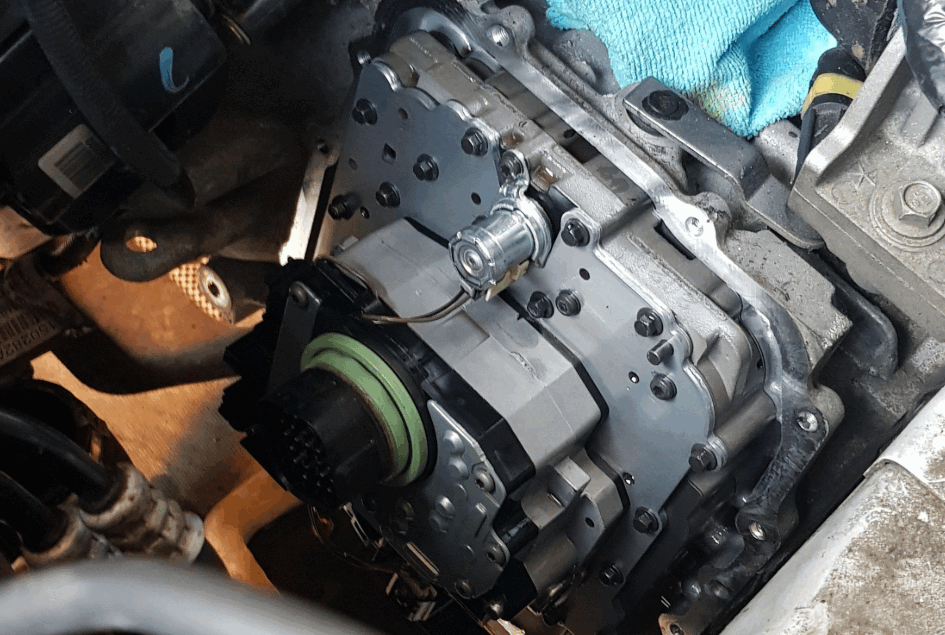
A Dodge Journey transmission recall is a manufacturer action that addresses a specific transmission defect that may affect vehicle safety or performance. Dodge or Chrysler issues a recall when engineers identify a problem that affects a group of vehicles and requires an official repair solution.
A transmission recall focuses on a defect linked to vehicle production, design, or system operation. It does not cover every transmission problem that occurs during vehicle ownership. For example, a worn transmission component caused by high mileage may require a regular repair, while a defective transmission control system may qualify for a recall if it creates a safety concern.
The main purpose of a recall is to remove a known risk from affected vehicles. Manufacturers usually identify the affected vehicles by model year, production period, and Vehicle Identification Number (VIN). Owners can then confirm whether their Dodge Journey requires inspection or repair.
Transmission related recalls can involve different parts of the transmission system. These parts may include transmission control modules, electronic components, shifting mechanisms, or other components that affect gear operation. A defect in these areas can cause symptoms such as delayed shifting, unexpected gear changes, or reduced driving performance.
Understanding the difference between a recall and a normal transmission repair helps Dodge Journey owners choose the correct solution. A recall requires owners to verify vehicle eligibility, while standard repairs depend on the condition of the vehicle and the cause of the failure.
Does the Dodge Journey Have a Transmission Recall?
Dodge Journey vehicles have had recall campaigns related to different safety and mechanical concerns, but owners must verify their specific vehicle before assuming a transmission recall applies. Recall status depends on factors such as model year, production date, vehicle equipment, and VIN information.
Many owners search for Dodge Journey transmission recall information because they experience shifting problems or transmission warning signs. However, transmission symptoms alone do not confirm recall eligibility. A vehicle may have a transmission problem caused by normal wear, poor maintenance, electrical faults, or component failure without having an active recall.
The most accurate method to check recall status is through the vehicle identification number. The VIN provides a unique record of the vehicle’s production details and allows owners to match their Dodge Journey with official recall information. Dodge dealerships and government recall databases use this information to identify affected vehicles.
Recall information can change as manufacturers investigate new defects or release repair programs. Owners should check official sources instead of relying only on online discussions or general lists of affected vehicles. Two Dodge Journey models from the same production period may have different recall statuses because manufacturers track vehicles individually.
Checking recall eligibility before paying for transmission repairs can prevent unnecessary expenses. If the vehicle qualifies for a recall, the manufacturer may provide inspection and repair services through an authorized dealer. If the vehicle does not qualify, owners may need to explore warranty coverage, maintenance records, or independent repair options.
What Transmission Problems Are Common in Dodge Journey Vehicles?
Dodge Journey transmission problems often appear through changes in shifting behavior, vehicle response, and warning signals. These problems can affect driving comfort, fuel efficiency, and overall vehicle reliability. Identifying early symptoms helps owners prevent more serious transmission damage.
One common issue is delayed shifting. The vehicle may hesitate before changing gears, especially when accelerating from a stop or increasing speed on the highway. This happens when the transmission system cannot engage the correct gear at the expected time. Low transmission fluid, worn components, or electronic control problems can contribute to this condition.
Another common symptom is transmission slipping. A slipping transmission occurs when the engine speed increases, but the vehicle does not accelerate at the same rate. This problem may indicate internal wear, damaged transmission components, or insufficient hydraulic pressure inside the transmission system.
Dodge Journey owners may also notice warning lights, unusual noises, or rough gear changes. A transmission warning indicator can signal problems with sensors, the transmission control module, or other electronic systems. Grinding sounds, jerking movements, or sudden changes between gears require professional inspection because they may indicate a developing failure.
Transmission problems do not always mean a vehicle has a recall. Some issues develop from age, mileage, maintenance history, or driving conditions. For example, a Dodge Journey with poor transmission fluid maintenance may experience shifting problems even when no recall campaign applies.
Early diagnosis gives owners more repair options. A technician can inspect transmission fluid condition, scan electronic systems, and identify whether the problem relates to a known defect, normal wear, or another mechanical issue.
How Can You Check If Your Dodge Journey Is Affected by a Transmission Recall?
You can check if your Dodge Journey is affected by a transmission recall by using the vehicle identification number (VIN). The VIN provides the exact information needed to match a vehicle with manufacturer recall records.
The VIN contains 17 characters and identifies important vehicle details, including the model year, production information, and factory specifications. Owners can usually find the VIN on the driver’s side dashboard, the driver’s side door frame, vehicle registration documents, or insurance paperwork.
After finding the VIN, owners should check official recall resources or contact an authorized Dodge dealer. These sources can confirm whether the vehicle has an open recall, whether previous recall repairs were completed, and what repair action the manufacturer recommends.
A recall check provides more accurate information than searching by vehicle model alone. Dodge Journey vehicles from the same year may have different recall statuses because manufacturers select affected vehicles based on specific production records. A VIN lookup removes this uncertainty by connecting the vehicle directly with official recall data.
Owners should prepare additional information before contacting a dealership. Vehicle mileage, maintenance history, previous repair records, and recall notifications can help technicians understand the vehicle condition and provide faster assistance.
Checking recall status before scheduling transmission repairs can save time and money. If the Dodge Journey qualifies for a recall repair, the owner can usually receive the required service through an authorized repair facility. If no recall applies, the owner can continue with normal diagnostic and repair options.
Is Dodge Journey Transmission Recall Repair Free?
Dodge Journey transmission recall repair is usually free when the vehicle qualifies for an active recall campaign. Manufacturers provide recall repairs because they must correct identified safety defects or compliance issues in affected vehicles.
A recall repair does not work the same way as a regular transmission service. A standard repair usually requires the owner to pay for diagnosis, parts, and labor. A recall repair follows a manufacturer program that covers the required inspection and repair procedure for eligible vehicles.
The repair process depends on the type of transmission issue identified by the manufacturer. A service center may inspect the transmission system, update software, replace defective components, or perform other approved repairs. Technicians follow manufacturer repair instructions to restore the vehicle to the required safety standard.
Owners should contact an authorized Dodge dealer before paying for major transmission work. A dealer can check the VIN, confirm recall eligibility, and explain the available repair options. Paying for transmission repairs before checking recall status may result in unnecessary expenses if the vehicle qualifies for manufacturer coverage.
A Dodge Journey that does not qualify for a recall may still require transmission service. In this situation, owners need to consider other options such as warranty coverage, extended protection plans, maintenance records, or independent repair services. The cause of the problem determines the correct repair solution.
Understanding recall coverage helps owners separate manufacturer responsibility from normal vehicle maintenance. A recall addresses a specific defect, while general transmission repairs usually involve wear, damage, or maintenance-related issues.
How Much Does Dodge Journey Transmission Repair Cost Without a Recall?
Dodge Journey transmission repair costs vary depending on the type of problem, damaged components, labor requirements, and vehicle condition. Owners who do not qualify for a transmission recall usually need to pay for diagnosis and repairs based on the actual cause of the failure.
Minor transmission services usually cost less than major repairs. For example, replacing transmission fluid, repairing small leaks, or updating electronic components generally requires less work than rebuilding or replacing the entire transmission system. The final cost depends on the parts involved and the amount of labor required.
Major transmission repairs create higher expenses because technicians may need to remove and rebuild internal components. A transmission replacement costs more because it involves a complete unit replacement, additional labor time, and possible programming or calibration procedures for electronic systems.
Several factors influence Dodge Journey transmission repair costs. Vehicle mileage, maintenance history, transmission condition, part availability, and repair location all affect the final price. A vehicle with regular transmission maintenance may avoid major damage, while delayed repairs can increase the cost by allowing smaller issues to become larger failures.
Owners should request a professional diagnosis before approving expensive repairs. A transmission problem may come from different sources, including fluid issues, electrical faults, sensors, or internal mechanical damage. Accurate diagnosis helps prevent unnecessary part replacement.
Checking recall eligibility remains the first step before paying for transmission repairs. If a manufacturer covers the defect through a recall program, owners may avoid repair costs that would otherwise require personal payment.
Can You Drive a Dodge Journey With Transmission Problems?
You should avoid driving a Dodge Journey with serious transmission problems because the issue can reduce vehicle control and increase safety risks. A transmission problem may start with minor symptoms, but continued driving can cause additional damage to internal components.
Some transmission symptoms require immediate inspection. These include sudden gear changes, delayed acceleration, inability to shift gears, burning smells, fluid leaks, and transmission warning lights. These signs indicate that the transmission system may not operate correctly and could affect how the vehicle responds during driving.
Driving with a damaged transmission can create several risks. A slipping transmission may cause unexpected power loss when accelerating. A delayed gear engagement problem may make it difficult to merge into traffic or climb steep roads. A complete transmission failure can leave the vehicle unable to move.
The severity of the problem depends on the cause and condition of the transmission. A minor electrical issue may require a simple repair, while internal mechanical damage may require extensive service. A professional inspection can identify whether the vehicle remains safe to drive.
Owners should also consider whether the problem relates to a recall. If a transmission defect connects to an active Dodge Journey recall, the manufacturer may provide a specific repair procedure. Checking recall status before continuing to drive can help owners make safer decisions.
Regular maintenance and early diagnosis reduce the risk of severe transmission damage. Addressing unusual shifting behavior quickly can protect the transmission system and prevent more expensive repairs in the future.
How Can You Prevent Dodge Journey Transmission Problems?
You can prevent many Dodge Journey transmission problems by maintaining the transmission system, monitoring early warning signs, and following recommended service practices. Regular maintenance helps reduce unnecessary wear and allows owners to identify problems before they become major failures.
Transmission fluid maintenance is one of the most important factors in transmission reliability. The fluid helps lubricate internal components, control hydraulic pressure, and manage heat inside the transmission system. Old, contaminated, or insufficient fluid can increase friction and accelerate component wear.
Owners should also pay attention to early transmission symptoms. Delayed shifting, unusual noises, rough gear changes, or fluid leaks indicate that the transmission needs inspection. Addressing these signs early can prevent minor problems from developing into expensive repairs.
Driving habits also affect transmission lifespan. Frequent aggressive acceleration, carrying excessive loads, and ignoring overheating warnings can increase stress on transmission components. Smooth acceleration and proper vehicle use help reduce unnecessary pressure on the transmission system.
Regular inspections provide another layer of protection. A qualified technician can check fluid condition, scan electronic systems, and identify potential transmission issues before they create serious failures. This approach helps owners understand whether a problem comes from maintenance, mechanical wear, or a possible manufacturer defect.
Although preventive maintenance cannot eliminate every transmission failure, it improves reliability and reduces repair risks. Dodge Journey owners who combine proper servicing with early problem detection have a better chance of maintaining safe and dependable vehicle performance.
Dodge Journey Transmission Recall: A Complete Guide for Owners
Understanding Dodge Journey transmission recall information helps owners identify potential safety issues and choose the correct repair solution. A recall does not apply to every transmission problem, so owners should confirm their vehicle status through the VIN before taking further action.
Transmission symptoms such as delayed shifting, slipping gears, warning lights, and unusual noises require proper diagnosis. These signs may indicate a mechanical problem, an electrical issue, or a condition unrelated to a recall campaign. Identifying the actual cause helps owners avoid unnecessary repairs and make better maintenance decisions.
For Dodge Journey owners, checking recall eligibility should be the first step when transmission problems appear. If the vehicle qualifies for an active recall, an authorized Dodge service center can provide the required repair according to manufacturer guidelines. If no recall applies, owners can explore standard repair options based on the vehicle’s condition.
Maintaining the transmission system through regular inspections, proper fluid service, and early problem detection supports long-term vehicle reliability. By understanding how Dodge Journey transmission recall programs work, owners can protect vehicle safety, reduce repair risks, and make informed decisions about their vehicle’s future.