RAM Truck transmission issues affect the reliability and performance of vehicles such as the RAM 1500, RAM 2500, and RAM 3500. Common problems include transmission slipping, hard shifting, delayed engagement, overheating, and sudden gear changes. These issues often appear because of fluid problems, mechanical wear, electronic faults, or heavy vehicle use.
RAM trucks use transmission systems that handle high torque and demanding workloads. However, constant towing, hauling, and high mileage can increase stress on internal components. Parts such as the torque converter, clutch packs, solenoids, and transmission control module can develop problems over time.
Drivers can identify many transmission failures through early warning signs. Strange noises, slow gear engagement, rough shifting, and reduced acceleration often indicate a developing issue. Early diagnosis helps prevent severe damage and lowers repair costs.
This guide explains the most common RAM Truck transmission issues, their causes, symptoms, diagnosis methods, and repair solutions. It also covers maintenance practices that help extend transmission lifespan and improve long term truck reliability.
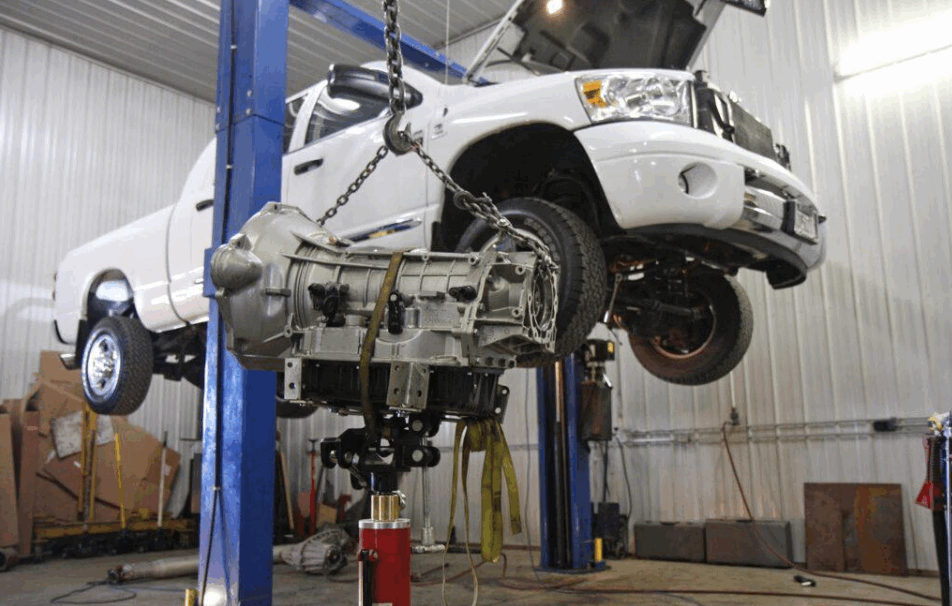
What Are the Most Common RAM Truck Transmission Issues?
RAM Truck transmission issues usually appear through several common failure patterns that affect shifting performance, acceleration, and overall drivability. The most frequent problems include transmission slipping, hard shifting, delayed gear engagement, overheating, gear hunting, and transmission shuddering. Each problem indicates a different type of stress inside the transmission system.
Transmission slipping happens when the transmission cannot maintain proper power transfer between the engine and wheels. Drivers may notice that the engine RPM increases while the truck fails to accelerate at the expected speed. This problem often points to worn clutch packs, low transmission fluid, or internal hydraulic pressure issues. A slipping transmission can become more serious if the vehicle continues to operate without proper diagnosis.
Hard shifting is another common issue in RAM trucks. This problem occurs when the transmission changes gears with excessive force or hesitation. Faulty shift solenoids, valve body problems, incorrect fluid pressure, or transmission control module errors can affect the smooth operation of automatic transmissions. Drivers may feel sudden impacts when the truck moves between gears.
Delayed gear engagement happens when the transmission takes extra time to respond after the driver selects Drive or Reverse. This issue often develops because of low fluid levels, fluid contamination, or worn internal components. In heavy duty models such as the RAM 2500 and RAM 3500, towing and hauling loads can increase transmission stress and accelerate component wear.
Transmission overheating also affects RAM trucks that frequently perform demanding tasks. Excessive heat reduces transmission fluid effectiveness and increases wear on internal parts such as clutch components and seals. Regular maintenance and proper cooling system performance help prevent heat related transmission damage.
What Causes RAM Truck Transmission Problems?
RAM Truck transmission problems develop because of several mechanical, hydraulic, electronic, and operational factors. The transmission system depends on precise fluid pressure, stable temperatures, and properly functioning internal components. When one of these areas fails, the transmission may lose its ability to shift smoothly and transfer engine power efficiently.
Transmission fluid problems are one of the most common causes of RAM transmission issues. The fluid performs three important functions: lubrication, heat control, and hydraulic pressure management. Low fluid levels reduce lubrication and increase friction between internal parts. Old or contaminated fluid can also affect valve operation and reduce shifting performance. Regular fluid inspection helps detect problems before they damage major transmission components.
Mechanical wear creates another major source of transmission failure. Components such as clutch packs, torque converters, bearings, and seals experience continuous stress during normal operation. Heavy towing and frequent hauling increase this stress because the transmission must handle higher loads and generate more heat. Over time, worn parts can cause slipping, delayed engagement, and abnormal shifting behavior.
Electronic failures also influence modern RAM transmission performance. Automatic transmissions rely on sensors, solenoids, and the transmission control module to manage gear changes. A faulty sensor or malfunctioning solenoid can send incorrect signals and create rough shifts, delayed responses, or unexpected gear changes. Diagnostic scanning helps identify electronic problems before technicians perform major repairs.
Driving conditions also affect transmission reliability. RAM trucks used for towing trailers, carrying heavy cargo, or operating in extreme temperatures experience greater transmission stress than vehicles used for normal commuting. Proper maintenance, correct towing practices, and regular inspections help reduce the risk of premature transmission failure.
What Are the Warning Signs of a Failing RAM Truck Transmission?
RAM Truck transmission problems often show clear warning signs before a complete failure occurs. Recognizing these symptoms early helps owners avoid expensive repairs and protect other drivetrain components. A failing transmission usually affects shifting quality, vehicle response, and driving comfort.
One common warning sign is difficulty changing gears. A healthy transmission should shift smoothly without hesitation, noise, or sudden impact. When drivers feel rough gear changes or unexpected delays, the problem may come from low transmission fluid, damaged solenoids, or internal component wear. These symptoms usually become more noticeable during acceleration or when the truck carries heavy loads.
Transmission slipping is another serious warning sign. This happens when the transmission loses the ability to transfer engine power effectively. The truck may experience slow acceleration while engine RPM increases without a matching increase in speed. Worn clutch packs, poor fluid condition, or internal pressure problems often cause this issue.
Unusual sounds can also indicate transmission damage. Grinding, whining, humming, or clunking noises may point to problems with internal gears, bearings, or other moving components. These sounds usually require professional inspection because they can indicate damage that becomes worse over time.
A burning smell from the transmission area often signals overheating or degraded transmission fluid. Excessive heat breaks down fluid performance and increases friction between internal parts. Drivers should inspect the vehicle immediately when they notice this smell because continued operation can cause severe transmission damage.
Warning lights provide another important signal. The check engine light or transmission warning indicators can appear when sensors detect abnormal transmission operation. A diagnostic scan can identify stored error codes and help technicians determine whether the problem comes from electronic controls, fluid issues, or mechanical failure.
Which RAM Truck Models Experience Transmission Issues?
RAM trucks use different transmission systems across multiple models, including the RAM 1500, RAM 2500, and RAM 3500. Each model has different driving purposes, engine options, and workload requirements. These differences affect how transmission problems develop and which components experience the most stress.
The RAM 1500 commonly experiences transmission concerns related to daily driving conditions and automatic transmission operation. Many RAM 1500 models use advanced automatic transmissions designed for smooth shifting and fuel efficiency. However, problems such as delayed shifting, rough gear changes, and transmission hesitation can appear when components wear out or when fluid conditions decline. Drivers who frequently tow trailers or carry heavy loads may experience faster transmission wear because the system operates under higher stress.
The RAM 2500 and RAM 3500 face different transmission challenges because they serve heavy duty applications. These trucks often support towing, commercial work, and large payload requirements. Higher torque output from diesel engines places additional demands on transmission components. Problems such as overheating, fluid breakdown, and accelerated clutch wear become more likely when owners exceed recommended towing limits or ignore maintenance schedules.
Transmission issues can also vary depending on the transmission type installed in each RAM model. Some trucks use six speed automatic transmissions, while newer models may use advanced eight speed systems. Each transmission design has specific components, operating characteristics, and maintenance requirements.
Understanding the differences between RAM truck models helps owners recognize potential problems faster. A transmission issue in a daily driven RAM 1500 may require a different diagnosis approach than a heavy duty RAM 3500 used for regular towing. Proper inspection should consider the truck model, engine type, mileage, driving conditions, and maintenance history.
How Are RAM Truck Transmission Problems Diagnosed?
Diagnosing RAM Truck transmission problems requires a systematic inspection process because many symptoms can come from different causes. A transmission issue that appears as hard shifting may result from fluid problems, electronic failures, or damaged internal components. Accurate diagnosis helps technicians choose the correct repair method and prevents unnecessary part replacement.
The first step in diagnosis is a computer scan that checks the transmission control module and other vehicle systems. Modern RAM trucks use electronic controls to manage shift timing, hydraulic pressure, and gear selection. Diagnostic tools can identify stored trouble codes related to sensors, solenoids, and transmission performance. These codes provide important information about where the problem may exist.
Transmission fluid inspection is another important diagnostic step. Technicians check the fluid level, color, smell, and overall condition. Healthy transmission fluid supports lubrication and heat control, while dark or contaminated fluid may indicate overheating or internal wear. Low fluid levels can also reduce hydraulic pressure and create shifting problems.
A road test allows technicians to evaluate how the transmission behaves under real driving conditions. They can observe delayed engagement, slipping, abnormal shifting patterns, and unusual noises during acceleration or braking. This step helps connect diagnostic data with actual vehicle performance.
For more serious problems, technicians may perform additional mechanical tests. These tests can include pressure checks and internal inspections to evaluate components such as clutch packs, valve bodies, and torque converters. A complete diagnosis provides a clear understanding of the failure source and helps determine whether the truck needs maintenance, repair, rebuilding, or transmission replacement.
How Much Does It Cost to Fix RAM Truck Transmission Issues?
The cost of fixing RAM Truck transmission issues depends on the type of failure, damaged components, labor requirements, and the truck model. Minor problems usually require simple maintenance, while severe internal damage may require a transmission rebuild or complete replacement. Understanding the repair options helps owners make better decisions before approving major work.
A transmission fluid service is one of the lowest cost solutions for RAM transmission problems. This service includes checking fluid condition, replacing old fluid, and inspecting the transmission system. It can improve shifting performance when the problem comes from degraded fluid or improper fluid levels. However, fluid service cannot repair damaged internal components.
Component replacement creates a higher repair cost because technicians must remove and replace specific transmission parts. Common repairs include replacing shift solenoids, sensors, valve bodies, or torque converter components. These repairs often address problems such as hard shifting, delayed engagement, and incorrect gear changes.
A transmission rebuild costs more because technicians must disassemble the transmission and replace worn internal parts. This process may involve replacing clutch packs, seals, bearings, and other damaged components. A rebuild can restore transmission performance when the main housing remains in good condition.
Transmission replacement represents the highest repair option because it involves installing a new or remanufactured transmission unit. Owners usually consider replacement when internal damage becomes extensive or when repair costs approach the vehicle’s value.
Several factors influence the final repair price, including RAM model, transmission type, mileage, and damage severity. Early diagnosis often reduces repair expenses because technicians can address smaller problems before they develop into major transmission failures.
How Can You Prevent RAM Truck Transmission Problems?
Preventing RAM Truck transmission problems requires consistent maintenance, proper driving habits, and early attention to warning signs. A transmission system operates under constant pressure during acceleration, towing, and hauling. Regular care reduces wear on internal components and helps maintain reliable performance throughout the vehicle’s lifespan.
Maintaining proper transmission fluid condition is one of the most important prevention steps. Transmission fluid supports lubrication, controls operating temperature, and creates hydraulic pressure for smooth gear changes. Owners should check fluid condition regularly and follow recommended service intervals based on their RAM model and driving conditions. Trucks used for towing or heavy workloads often require more frequent inspections because they generate additional heat and stress.
Using proper towing practices also protects the transmission system. Heavy loads increase the amount of work required from the transmission, especially during uphill driving, long trips, or frequent acceleration. Drivers should follow the truck’s towing capacity and avoid excessive loads that create unnecessary strain on transmission components.
Monitoring transmission temperature helps prevent heat related damage. Excessive heat can break down transmission fluid and accelerate wear on clutch packs, seals, and other internal parts. A properly functioning cooling system helps maintain stable transmission temperatures during demanding driving situations.
Regular inspections allow owners to identify small problems before they become major failures. Checking for fluid leaks, unusual noises, shifting changes, and warning lights provides early information about transmission condition. Professional inspections can detect issues that drivers may not notice during normal operation.
Proper maintenance does not eliminate every possible transmission failure, but it significantly reduces the risk of premature damage. A well maintained RAM truck transmission can deliver better reliability, smoother operation, and longer service life.
Conclusion
RAM Truck transmission issues can affect performance, reliability, and ownership costs when drivers ignore early warning signs. Common problems such as slipping gears, hard shifting, delayed engagement, and overheating usually develop because of fluid problems, mechanical wear, electronic failures, or demanding driving conditions.
A reliable diagnosis helps identify the actual cause of transmission problems before major damage occurs. Checking transmission fluid condition, scanning electronic systems, and inspecting internal components allow technicians to choose the correct repair solution. Depending on the severity of the issue, repairs may include fluid service, component replacement, transmission rebuilding, or complete replacement.
Regular maintenance remains the most effective way to protect a RAM truck transmission. Proper fluid care, responsible towing practices, temperature monitoring, and routine inspections help reduce unnecessary stress on transmission components. These practices are especially important for RAM 2500 and RAM 3500 models that frequently handle heavy workloads.
Understanding the symptoms, causes, and solutions behind RAM Truck transmission issues allows owners to make better maintenance decisions. Early action not only prevents expensive repairs but also improves long term vehicle reliability and driving performance.