A Dodge RAM 1500 whining noise when accelerating usually points to a problem with a rotating component, drivetrain system, or fluid related part. The noise often becomes louder because acceleration increases engine speed and mechanical load.
The source of the sound depends on when it appears. A whining noise that changes with engine RPM often comes from the serpentine belt system, alternator, or power steering pump. A noise that increases with vehicle speed may indicate an issue with the transmission, differential, driveshaft, or wheel bearings.
Some whining noises only indicate normal wear. Other noises can warn about mechanical problems that require attention. For example, a worn belt component can affect connected engine accessories. A transmission or differential problem can reduce truck performance and lead to more expensive repairs.
This guide explains why a Dodge RAM 1500 makes a whining noise during acceleration. It covers the most common causes, diagnostic methods, and repair options. Understanding the location and behavior of the noise helps owners identify problems earlier and choose the right maintenance solution.
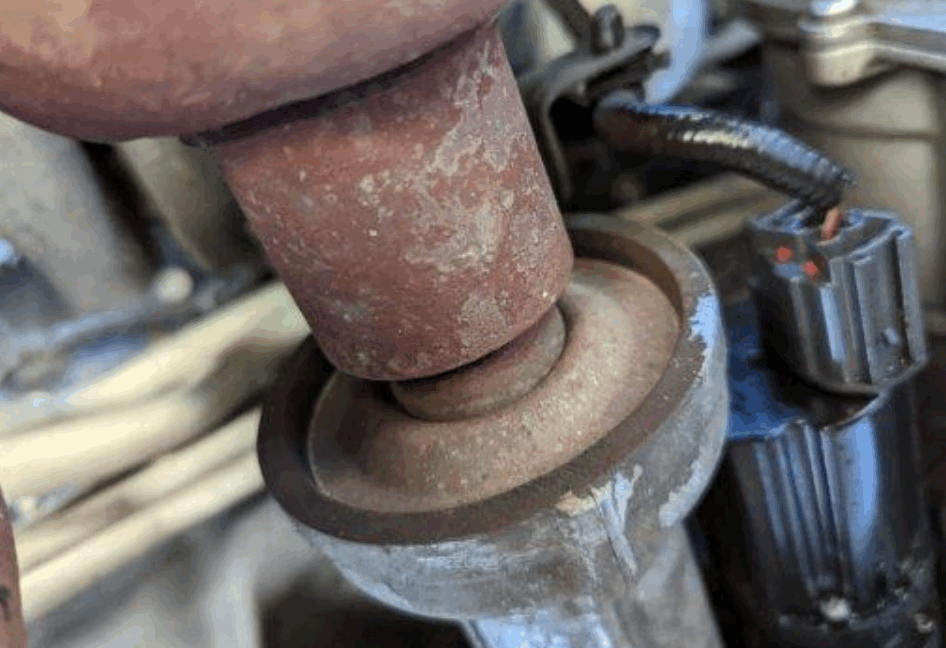
Why Does My Dodge RAM 1500 Make a Whining Noise When Accelerating?
A Dodge RAM 1500 makes a whining noise when accelerating because acceleration increases the workload on rotating and power transfer components. The engine produces more power during acceleration, which forces connected systems to spin faster and handle greater mechanical stress. Any worn, damaged, or poorly lubricated component can create a noticeable whining sound under these conditions.
The first step in identifying the problem is to understand whether the noise follows engine RPM or vehicle speed. If the sound becomes louder when the engine revs increase, the problem often involves engine mounted components. The serpentine belt system, alternator, and power steering pump all rotate according to engine speed, so they can create a higher pitched whining noise when they wear out.
A noise that increases with vehicle speed points toward different components. The transmission, differential, driveshaft, and wheel bearings operate according to vehicle movement. These parts transfer power from the engine to the wheels, so acceleration places additional pressure on their internal gears, bearings, and fluids.
The type of whining noise also provides important diagnostic information. A sharp whine may indicate a bearing or belt related issue, while a deeper humming sound may suggest a drivetrain problem. The location of the sound, the driving condition when it appears, and changes in noise intensity help narrow down the possible cause.
For example, a Dodge RAM 1500 that produces a whining sound only during acceleration but stays quiet while idling may have a component that reacts to increased load. A truck that produces the same sound while cruising may have a different problem related to speed sensitive components.
Understanding these differences prevents unnecessary part replacements. Proper diagnosis requires checking the relationship between engine speed, vehicle speed, and mechanical load before choosing a repair solution.
What Are the Most Common Causes of a Dodge RAM 1500 Whining Noise?
A Dodge RAM 1500 whining noise when accelerating usually comes from a component that rotates faster or works harder under engine load. The most common sources include the serpentine belt system, engine accessories, transmission, and drivetrain components. Each system creates different sounds because each component operates under different mechanical conditions.
The serpentine belt system is one of the most common causes of whining noise. The belt transfers engine power to accessories such as the alternator and power steering pump. A worn belt, weak tensioner, or damaged pulley bearing can create friction and produce a high pitched whining sound. The noise often becomes louder when engine RPM increases during acceleration.
The alternator and power steering pump can also produce similar symptoms. A worn alternator bearing creates noise as the internal rotor spins faster. A failing power steering pump may whine because of low fluid levels, contaminated fluid, or internal wear. These problems often appear during acceleration because the engine places more demand on connected accessories.
Transmission and drivetrain problems represent another major cause. Low transmission fluid, worn gears, damaged bearings, or differential issues can create a whining sound when the truck transfers more power to the wheels. A noise that changes with vehicle speed instead of engine RPM usually points toward these components.
Identifying the exact source requires checking when the noise appears and how it changes. A quick diagnosis helps prevent unnecessary repairs and reduces the risk of additional mechanical damage.
How Can I Diagnose the Source of a Whining Noise on a Dodge RAM 1500?
Diagnosing a Dodge RAM 1500 whining noise requires identifying when the sound appears and which system changes with the noise. The most important factors are engine RPM, vehicle speed, and driving conditions. These details help separate engine accessory problems from transmission or drivetrain issues.
The first diagnostic step is to determine whether the noise follows engine speed or vehicle movement. Start the truck and listen while the engine idles. If the whining noise appears while the truck is stationary and becomes louder when you increase RPM, the source likely comes from engine mounted components. Common examples include the serpentine belt, alternator, and power steering pump.
If the noise only appears while driving, check whether it changes with vehicle speed. A whining sound that increases as the truck moves faster may indicate problems with the transmission, differential, driveshaft, or wheel bearings. These components rotate based on vehicle movement and experience higher stress during acceleration.
Fluid inspection is another important diagnostic step. Low or degraded transmission fluid can create abnormal sounds during gear operation. Low differential fluid can increase friction between internal gears and cause a whining noise under load. Checking fluid condition can reveal maintenance issues before they create major damage.
A visual inspection can also identify common problems. Look for cracks on the serpentine belt, damaged pulleys, fluid leaks, or unusual wear around rotating components. However, internal transmission or differential problems usually require professional inspection because the damaged parts are not visible from outside.
For example, a RAM 1500 that makes a whining noise only when pressing the accelerator may have a load related issue. A truck that produces the same sound at constant speed may have a speed related component problem. Comparing these conditions helps narrow down the repair path and prevents replacing the wrong parts.
Is a Whining Noise When Accelerating Dangerous on a Dodge RAM 1500?
A whining noise when accelerating is not always dangerous on a Dodge RAM 1500, but it should not be ignored. The risk depends on the component creating the sound and how quickly the problem develops. A minor belt issue may only require simple maintenance, while a transmission or drivetrain problem can lead to expensive repairs if the truck continues to operate without inspection.
A noise from the serpentine belt system or engine accessories often starts as a small warning sign. A worn belt, tensioner, or pulley bearing may continue working for a short period, but failure can affect other connected components. For example, a damaged belt can reduce the performance of important accessories and leave the truck unable to operate normally.
Transmission and drivetrain related whining noises usually require more attention. These components handle the transfer of engine power to the wheels, especially during acceleration. Low transmission fluid, worn gears, or damaged differential parts can create additional friction and heat. Continued driving under these conditions may increase internal damage and repair costs.
Certain symptoms indicate a higher risk of mechanical failure. A Dodge RAM 1500 requires immediate inspection if the whining noise becomes louder, appears suddenly, comes with fluid leaks, affects shifting, or causes a loss of acceleration. These signs suggest that the affected component may already have significant wear.
However, some whining sounds develop gradually and do not indicate immediate failure. The key factor is early diagnosis. Identifying the source of the noise allows owners to repair the correct component before a small mechanical issue becomes a larger problem.
How Do You Fix a Dodge RAM 1500 Whining Noise?
Fixing a Dodge RAM 1500 whining noise requires repairing the component that creates the sound. The correct solution depends on whether the problem comes from the belt system, engine accessories, transmission, or drivetrain. Replacing parts without identifying the source can waste money and may not solve the underlying issue.
If the noise comes from the serpentine belt system, the repair usually involves inspecting and replacing worn components. A damaged serpentine belt, weak belt tensioner, or failing pulley bearing can create friction and vibration. Replacing these parts restores proper belt movement and prevents damage to connected engine accessories.
Engine accessory problems require component specific repairs. A failing alternator may need bearing replacement or complete alternator replacement if internal damage is severe. A power steering pump that produces a whining noise may require fluid service, leak repair, or pump replacement depending on the level of wear.
Transmission related whining noises require careful inspection because the transmission contains many internal components. Low or degraded transmission fluid may cause abnormal operation and noise. In some cases, a fluid service can improve performance. However, worn gears or internal bearings may require professional transmission repair.
Drivetrain problems involving the differential or driveshaft need similar attention. Low differential fluid can increase friction between gears, while damaged bearings or gears may create continuous whining sounds. A technician may need to inspect these components and replace worn parts to restore normal operation.
Preventing unnecessary repairs starts with accurate diagnosis. A Dodge RAM 1500 owner should identify when the noise occurs, check fluid levels, and inspect visible components before choosing a repair. Early maintenance often reduces repair costs and helps protect the truck’s long term reliability.
How Can You Prevent Whining Noise Problems on a Dodge RAM 1500?
Preventing whining noise problems on a Dodge RAM 1500 requires regular maintenance of the components that transfer power and support engine operation. Many mechanical noises develop because of worn parts, low fluid levels, or delayed maintenance. A consistent service routine helps identify these problems before they affect truck performance.
Regular inspection of the serpentine belt system is an important preventive step. The belt, tensioner, and pulleys operate continuously while the engine runs. Checking these components during routine maintenance helps detect cracks, looseness, or unusual wear before they create acceleration related noises.
Maintaining proper fluid levels also protects major drivetrain components. Transmission fluid reduces friction between internal parts and helps the transmission operate smoothly under load. Differential fluid performs a similar function by protecting gears and bearings inside the drivetrain. Replacing fluids according to the manufacturer’s maintenance schedule reduces unnecessary wear.
Drivers should also pay attention to changes in vehicle sounds. A new whining noise, vibration, or change in acceleration performance often indicates an early mechanical problem. Addressing these symptoms quickly can prevent a small issue from affecting additional components.
For example, replacing a worn belt tensioner is usually less expensive than repairing damaged engine accessories caused by belt failure. Similarly, servicing old differential fluid can help prevent premature gear wear. Regular inspections, proper lubrication, and early repairs help maintain the reliability of a Dodge RAM 1500 and reduce the chance of unexpected mechanical failures.
What Should You Do If Your Dodge RAM 1500 Makes a Whining Noise When Accelerating?
A Dodge RAM 1500 whining noise when accelerating usually indicates that a component needs inspection. The sound may come from the serpentine belt system, engine accessories, transmission, differential, or other drivetrain parts. Identifying the exact source is the most important step because each component requires a different repair approach.
Start by observing when the noise appears. A sound that changes with engine RPM often points toward engine mounted components such as the alternator, belt system, or power steering pump. A sound that changes with vehicle speed may indicate a problem with the transmission or drivetrain.
Ignoring a growing whining noise can increase the risk of expensive repairs. A small issue, such as a worn pulley or low fluid level, can develop into more serious mechanical damage when the affected component continues to operate under stress.
The best solution is to diagnose the noise early and repair the specific component causing the problem. Regular maintenance, fluid inspections, and attention to unusual sounds help maintain the reliability of a Dodge RAM 1500 and prevent avoidable failures.