A coolant leak in your Jeep Grand Cherokee is never something to ignore. Whether you’ve noticed a puddle of green, orange, or pink fluid beneath your SUV, a persistent low coolant warning, or an engine temperature gauge climbing higher than normal, these are all signs that your cooling system may be failing. Even a small coolant leak can quickly turn into a major problem, leading to engine overheating, expensive repairs, or even complete engine failure if left untreated.
The Jeep Grand Cherokee is well known for its capability, comfort, and performance, but like any vehicle, its cooling system components wear out over time. Radiators, water pumps, thermostat housings, coolant hoses, and reservoir tanks can all develop leaks after years of exposure to heat, pressure, and vibration. In some cases, coolant may even disappear without leaving visible puddles, making diagnosis more challenging.
Fortunately, most coolant leaks can be identified early by recognizing the warning signs and inspecting the most common failure points. Acting quickly can save you thousands of dollars in repair costs while protecting your engine from severe damage.
In this comprehensive guide, you’ll learn the most common causes of a Jeep Grand Cherokee coolant leak, the symptoms to watch for, step-by-step diagnostic methods, recommended repair solutions, estimated repair costs, and practical maintenance tips to help keep your cooling system operating reliably for years to come.
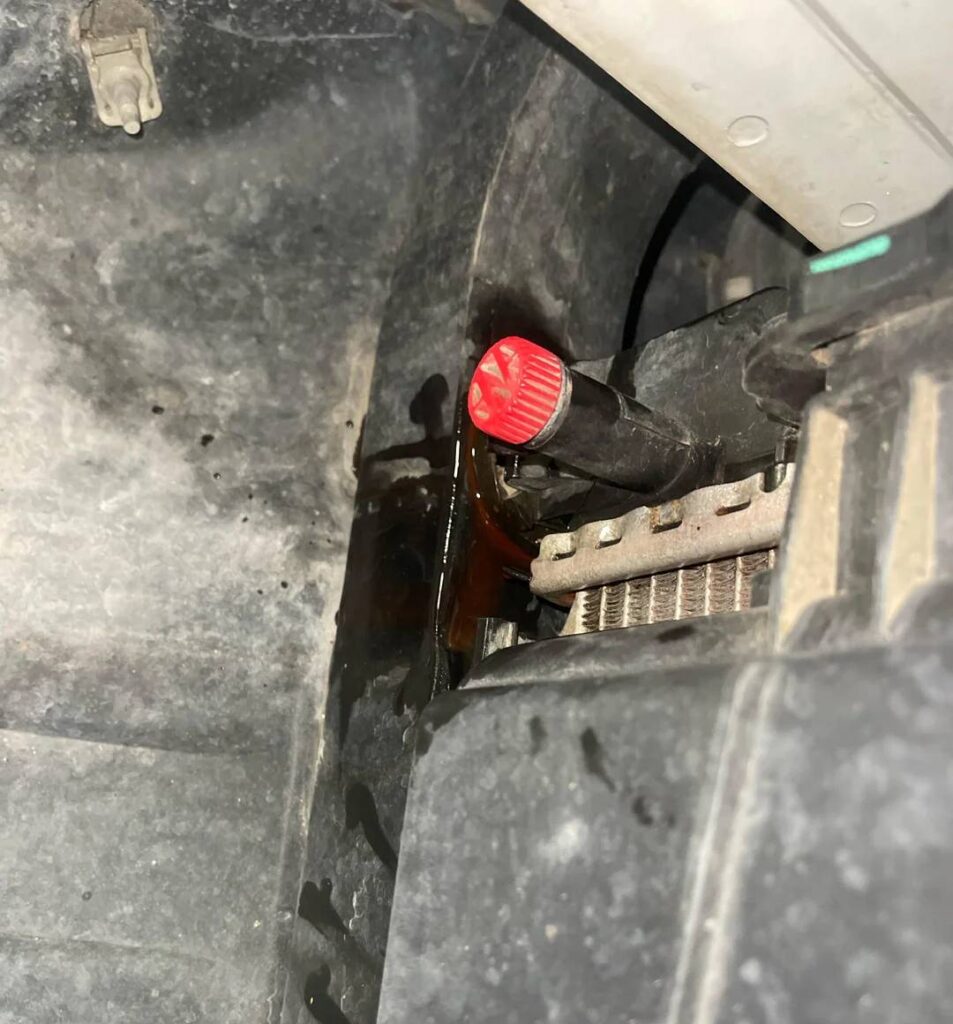
What Does a Coolant Leak Mean?
A coolant leak means that the closed cooling system in your Jeep Grand Cherokee is losing fluid somewhere between the radiator, engine, hoses, water pump, heater core, and coolant reservoir. The cooling system is designed to circulate coolant through the engine, absorb excess heat, and transfer that heat to the radiator. Once the coolant reaches the radiator, airflow helps reduce its temperature before it returns to the engine.
When coolant escapes from the system, the remaining fluid may no longer be able to control engine temperature effectively. A small leak may seem harmless at first because the temperature gauge can remain normal for several days or even weeks. However, the leak can gradually become worse as pressure, vibration, and heat continue to affect the damaged component.
Low coolant also creates air pockets inside the cooling system. These air pockets can prevent proper circulation, reduce heater performance, and cause sudden temperature fluctuations. In severe cases, the engine may overheat within minutes, especially during heavy traffic, towing, steep climbs, or hot weather.
A Jeep Grand Cherokee coolant leak can be external or internal. An external leak usually leaves visible fluid under the vehicle or dried coolant residue around a component. An internal leak may allow coolant to enter the combustion chamber, engine oil, or exhaust system. Internal leaks are more difficult to detect and can cause serious engine damage if they are not diagnosed quickly.
The color of the leaking fluid can vary depending on the coolant type used in the vehicle. It may appear orange, purple, pink, green, or yellow. Coolant also has a noticeably sweet smell and often feels slightly slippery. However, you should never touch hot coolant or remove the coolant reservoir cap while the engine is warm because the system may be under pressure.
Common Symptoms of a Jeep Grand Cherokee Coolant Leak
Recognizing the early symptoms of a coolant leak can help you avoid overheating and expensive engine repairs. Some signs are obvious, while others are easy to overlook until the cooling system begins to fail.
Engine Overheating
Engine overheating is one of the most serious symptoms of coolant loss. You may notice the temperature gauge moving above its normal position or a warning message appearing on the dashboard. In some situations, the temperature may rise only when the vehicle is idling, towing, or driving uphill.
An overheating engine should never be ignored. Continuing to drive can warp cylinder heads, damage seals, crack engine components, or cause head gasket failure. If the temperature enters the red zone, safely pull over, turn off the engine, and allow it to cool completely.
Low Coolant Warning
Some Jeep Grand Cherokee models display a low coolant warning when the fluid level drops below the recommended range. You may also notice that the coolant reservoir requires frequent refilling.
A single low level may result from improper servicing or trapped air after a repair. However, repeated coolant loss usually indicates a leak. Adding more coolant without identifying the cause only delays the repair and increases the risk of overheating.
Sweet Smell From the Engine Bay
Engine coolant has a distinctive sweet odor. If you smell it around the front of the vehicle after driving, coolant may be leaking onto the radiator, engine, exhaust, or another hot component.
A sweet smell inside the cabin may point to a leaking heater core. This problem may also cause foggy windows, poor heater performance, or damp carpeting near the front passenger area.
Steam From Under the Hood
Steam under the hood often appears when coolant contacts a hot engine surface. It may come from a split hose, leaking radiator, damaged water pump, or loose connection.
Do not open the coolant cap while steam is present. Pressurized coolant can spray from the reservoir and cause severe burns. Wait until the engine is completely cool before inspecting the system.
Colored Fluid Under the Vehicle
A puddle beneath your Jeep is one of the clearest signs of an external leak. Coolant may appear green, orange, yellow, pink, or purple depending on the fluid installed in the system.
The location of the puddle can provide a useful clue. Fluid near the front of the vehicle may come from the radiator or lower hose. Fluid closer to the center of the engine may indicate a water pump, thermostat housing, or engine gasket leak. Keep in mind that coolant can travel along protective panels before dripping onto the ground, so the puddle may not be directly below the failed part.
Heater Stops Blowing Hot Air
The cabin heater relies on hot coolant flowing through the heater core. When the coolant level becomes too low, the heater may blow cold or inconsistent air even after the engine reaches operating temperature.
This symptom often appears before severe overheating. If heater output suddenly becomes cold while the temperature gauge rises, stop driving as soon as it is safe to do so.
Frequent Coolant Refills
A healthy cooling system should not require frequent coolant additions. If you need to refill the reservoir every few days or weeks, there is likely a leak even if you cannot see fluid under the vehicle.
The coolant may be leaking only when the engine is hot and the system is pressurized. It may also be evaporating on hot components or entering the engine internally. A cooling system pressure test can help locate leaks that are difficult to see during a basic inspection.
White Exhaust Smoke
Persistent white smoke from the exhaust after the engine has warmed up may indicate that coolant is entering the combustion chamber. This can happen because of a damaged head gasket, cracked cylinder head, or another internal engine problem.
Light vapor during cold weather can be normal. However, thick white smoke combined with coolant loss, a sweet exhaust smell, rough running, or overheating requires immediate diagnosis.
Milky Engine Oil
Coolant mixing with engine oil may create a milky, tan, or creamy substance under the oil cap or on the dipstick. This is a serious warning sign because contaminated oil cannot lubricate the engine effectively.
Do not continue driving if you suspect coolant has entered the oil. Internal engine damage can occur quickly, and the vehicle should be inspected by a qualified technician.
Most Common Causes of a Jeep Grand Cherokee Coolant Leak
Several components can cause a Jeep Grand Cherokee coolant leak. The exact failure point often depends on the vehicle’s model year, engine, mileage, maintenance history, and previous repairs.
Leaking Radiator
The radiator is located at the front of the vehicle and is exposed to road debris, corrosion, temperature changes, and continuous system pressure. Over time, the radiator core, seams, or plastic end tanks can crack and begin leaking.
A radiator leak may leave a puddle near the front bumper, wet spots around the radiator, or dried coolant deposits along the seams. Small cracks may leak only when the engine is hot and the cooling system is pressurized.
Minor radiator damage is sometimes difficult to see without a pressure test. In most cases, replacement is more reliable than attempting to seal a damaged radiator. Coolant stop leak products may temporarily slow a small leak, but they can also restrict narrow cooling passages and create additional problems.
Worn or Damaged Coolant Hoses
Coolant hoses carry fluid between the engine, radiator, heater core, and reservoir. Years of heat exposure can cause the rubber to harden, swell, crack, or become soft.
Leaks often develop near hose connections where clamps apply pressure. A loose clamp may allow coolant to seep out, while a damaged hose can split suddenly and release a large amount of fluid.
Inspect the upper and lower radiator hoses, heater hoses, and smaller coolant lines. Look for cracks, bulges, wet areas, crusty residue, and oil contamination. A swollen or unusually soft hose should be replaced before it fails.
Faulty Water Pump
The water pump circulates coolant through the engine and radiator. A worn shaft seal can allow coolant to escape through the pump’s drainage opening. A failing bearing may also cause grinding, whining, or rattling noises near the front of the engine.
Water pump leaks may leave coolant residue around the pump, nearby pulleys, or lower engine area. Because the rotating pulley can spread coolant, the source may initially appear to be somewhere else.
A failing water pump should be replaced promptly. If the pump stops circulating coolant, the engine can overheat even when the reservoir still contains fluid.
Thermostat Housing Leak
The thermostat regulates coolant flow based on engine temperature. It is mounted inside a housing that may be made from plastic, aluminum, or another composite material.
The housing can warp, crack, or leak around its gasket. Repeated heating and cooling cycles increase the risk, especially on higher mileage vehicles. Coolant residue near the front or upper section of the engine may indicate a thermostat housing problem.
Replacing the gasket may solve the leak if the housing is still in good condition. A cracked or warped housing should be replaced completely.
Cracked Coolant Reservoir
The coolant reservoir stores expanding fluid as the engine warms and allows coolant to return to the system as it cools. The plastic tank can become brittle with age and develop small cracks around the seams, mounting points, or hose connections.
A reservoir leak may appear only when the coolant is hot and expanded. You may notice wetness around the tank, dried residue on its surface, or a coolant level that drops shortly after driving.
The reservoir cap can also cause problems. If it cannot hold the correct pressure, coolant may escape as vapor or overflow. Replacing a damaged reservoir or faulty cap is generally straightforward, but the system should be checked for other pressure related issues.
Heater Core Leak
The heater core is a small radiator located inside the dashboard. Hot coolant passes through it to warm the cabin. Corrosion, age, or excessive pressure can cause it to leak.
Common symptoms include a sweet smell inside the vehicle, foggy windows, damp front carpeting, low coolant, and weak cabin heat. Because the heater core is located deep inside the dashboard, replacement can require extensive labor.
A heater core leak should not be ignored. Coolant vapor inside the cabin can reduce visibility and may irritate passengers. The leak will also continue lowering the coolant level and increasing the risk of overheating.
Head Gasket Failure
The head gasket seals the space between the engine block and cylinder head. If it fails, coolant may enter the combustion chambers, engine oil, or cooling system pressure passages.
Possible symptoms include unexplained coolant loss, white exhaust smoke, overheating, bubbling in the reservoir, rough starts, misfires, and milky oil. Some head gasket failures do not produce visible external leaks.
Diagnosis may require a combustion gas test, compression test, leak down test, or cooling system pressure test. Head gasket repair is complex and expensive because much of the engine must be disassembled.
Damaged Freeze Plug
Freeze plugs seal manufacturing openings in the engine block. Corrosion can eventually create small holes that allow coolant to leak from the side or rear of the engine.
These leaks are less common than hose or radiator problems, but they can be difficult to access. Repair cost depends heavily on the plug location. Some can be replaced easily, while others may require removal of major components.
Loose Connections or Damaged Seals
Coolant can also leak from O rings, gaskets, quick connectors, hose clamps, and fittings. These small components may harden, shrink, crack, or loosen over time.
A leak may begin after another cooling system repair if a seal is reused, installed incorrectly, or damaged during assembly. Carefully inspecting recently serviced areas can help identify the problem.
The most effective approach is to clean the affected area, pressurize the cooling system, and watch for fresh coolant. This prevents old residue from being mistaken for an active leak.
Jeep Grand Cherokee Coolant Leak by Model Year
The causes of a Jeep Grand Cherokee coolant leak can vary depending on the vehicle’s generation, engine type, mileage, and maintenance history. While many cooling system components are shared across different model years, certain generations have their own common failure points that owners should be aware of.
Understanding the typical coolant issues associated with each generation can help narrow down the diagnosis and prevent unnecessary part replacements.
2011 to 2015 Jeep Grand Cherokee Coolant Leak Issues
The 2011 to 2015 Jeep Grand Cherokee belongs to the WK2 generation and is commonly equipped with engines such as the 3.6L Pentastar V6, 5.7L HEMI V8, and 3.0L EcoDiesel in later models. As these vehicles age, several cooling system components can become vulnerable to leaks.
The 3.6L Pentastar V6 is one of the most widely used engines in the Grand Cherokee lineup. A common area of concern is the thermostat housing, which uses plastic components that may become brittle after years of heat cycles. Cracks or gasket failures can allow coolant to escape slowly, often leaving dried coolant residue around the front area of the engine.
The water pump is another component that may develop leaks over time. A failing water pump can leak from the shaft seal or weep hole, causing coolant loss that may appear as a puddle near the front of the engine. In some cases, the leak becomes noticeable only after the engine reaches operating temperature.
Radiator issues can also appear in higher mileage vehicles. The plastic radiator tanks and sealing areas may weaken due to repeated temperature changes. Small cracks may not leak continuously but can release coolant when the system builds pressure.
Owners of 2011 to 2015 models should also inspect coolant hoses, clamps, and reservoir tanks regularly. These parts experience constant exposure to heat and pressure, making them common sources of slow coolant loss.
2016 to 2021 Jeep Grand Cherokee Coolant Leak Issues
The 2016 to 2021 Jeep Grand Cherokee models continued using many proven powertrain options, including the 3.6L Pentastar V6 and 5.7L HEMI V8. However, as these vehicles accumulate mileage, cooling system wear becomes increasingly common.
One area that deserves attention is the cooling system connections around the thermostat and coolant crossover components. Plastic housings and seals can deteriorate over time, especially in vehicles that experience frequent temperature changes or extended periods of heavy use.
The coolant reservoir is another component that may develop problems. The plastic expansion tank can develop hairline cracks that are difficult to detect during a quick inspection. These cracks may only leak when the engine is hot and coolant pressure increases.
Water pump wear remains another possible cause of coolant leaks. Symptoms may include coolant residue near the front of the engine, overheating during extended driving, unusual noises from the accessory drive area, or repeated coolant loss.
Some owners may notice coolant disappearing without obvious external leaks. In these situations, a professional pressure test is often necessary to identify small leaks that occur only under operating conditions.
2022 and Newer Jeep Grand Cherokee Coolant Leak Issues
The newer generation Jeep Grand Cherokee introduced updated designs, improved technology, and new powertrain options, including the available 2.0L turbocharged plug-in hybrid system in certain models. Although newer vehicles generally experience fewer age-related failures, coolant leaks can still occur due to manufacturing defects, damaged components, or improper maintenance.
Modern cooling systems operate under precise pressure conditions, meaning even a small failure in a hose, seal, pump, or connection can affect overall performance. Owners should not assume a newer vehicle is immune from coolant problems.
Because newer Grand Cherokee models contain more electronic monitoring systems, drivers may receive warning messages earlier than in older vehicles. However, a warning light should still be treated seriously because coolant loss can quickly affect engine temperature and hybrid system components where applicable.
Regular inspections, proper coolant service intervals, and addressing minor leaks immediately remain the best ways to prevent major cooling system failures.
How to Diagnose a Jeep Grand Cherokee Coolant Leak
Finding the source of a coolant leak can sometimes be straightforward, but many leaks are hidden and only appear under specific conditions. A proper diagnosis involves checking the entire cooling system instead of replacing parts based only on symptoms.
Step 1: Check for Visible Coolant Around the Vehicle
Begin by inspecting the area where your Jeep Grand Cherokee is usually parked. Look for fresh fluid, dried residue, or stains on the ground.
Coolant may appear as a colored puddle, but older leaks often leave behind a white, orange, or crusty deposit after the liquid evaporates. Pay attention to the front area of the vehicle, underneath the engine bay, and around the wheels because coolant can travel along protective covers before reaching the ground.
Always inspect the vehicle when the engine is cool. Hot coolant can cause serious burns and may spray under pressure.
Step 2: Inspect the Coolant Level
Check the coolant reservoir level when the engine is completely cold. The fluid should typically sit between the minimum and maximum markings.
If the level repeatedly drops after being refilled, there is likely an active leak. Do not rely only on adding coolant because this does not solve the underlying problem.
A consistently low coolant level can also introduce air into the system, reducing cooling efficiency and increasing the chance of overheating.
Step 3: Examine Hoses and Connections
Inspect all visible coolant hoses for signs of damage. Look for cracks, swelling, soft areas, wet spots, loose clamps, or dried coolant deposits.
The upper and lower radiator hoses are common inspection points, but smaller heater hoses and bypass lines should also be checked. A hose may appear normal when cold but leak when it expands under operating pressure.
Pay special attention to connection points because clamps and seals often fail before the hose itself.
Step 4: Check the Radiator and Reservoir
Inspect the radiator edges, plastic tanks, seams, and drain area for signs of leakage. Small cracks may be difficult to see, especially if coolant only escapes when the system is pressurized.
The coolant reservoir should also be checked carefully. Look for cracks, discoloration, wet areas, or coolant residue around the cap and mounting points.
A damaged reservoir cap can also create problems by preventing the system from maintaining proper pressure.
Step 5: Inspect the Water Pump Area
The water pump should be inspected for coolant stains, moisture, or residue around the pump housing and pulley area.
If the water pump bearing is failing, you may hear whining, grinding, or unusual mechanical noise. A damaged pump can cause both coolant loss and poor coolant circulation.
Because coolant can spread around the engine bay while driving, identifying the exact source may require additional testing.
Step 6: Perform a Cooling System Pressure Test
A pressure test is one of the most effective ways to locate difficult coolant leaks. A technician uses a specialized tool to pressurize the cooling system while the engine is off.
This allows leaks that normally occur only during driving conditions to become visible. Pressure testing can reveal leaks from radiators, hoses, water pumps, thermostat housings, and other components.
If pressure drops during the test, the system is losing coolant somewhere and requires further inspection.
Step 7: Check for Internal Coolant Leaks
If coolant disappears without visible external leaks, an internal problem may be responsible.
Check for warning signs such as white exhaust smoke, coolant contamination in engine oil, bubbling in the reservoir, rough engine operation, or repeated overheating.
A mechanic may perform additional tests, including combustion gas testing, compression testing, or leak-down testing, to confirm internal engine damage.
Can You Drive With a Jeep Grand Cherokee Coolant Leak?
Driving with a coolant leak depends on the severity and location of the leak. A small leak may allow you to drive a short distance to a repair facility, but ignoring the problem can quickly lead to serious engine damage.
If the temperature gauge remains normal, the coolant level is only slightly low, and the leak is minor, you may be able to move the vehicle carefully while monitoring the temperature. However, this should only be considered a temporary solution.
You should stop driving immediately if you notice:
The temperature gauge entering the red zone.
Steam coming from the engine bay.
A strong coolant smell.
A low coolant warning combined with overheating.
White smoke from the exhaust.
Loss of engine power or unusual engine noises.
An overheating engine can cause damage within minutes. Repair costs that start as a simple hose replacement can become thousands of dollars if the engine suffers warped cylinder heads, damaged gaskets, or internal component failure.
The safest approach is to identify and repair the coolant leak as soon as possible. A small cooling system problem is usually much cheaper and easier to fix than an engine damaged by overheating.
How to Fix a Jeep Grand Cherokee Coolant Leak
Repairing a Jeep Grand Cherokee coolant leak depends on the source of the problem, the severity of the damage, and the vehicle’s condition. Some repairs are relatively simple and can be completed with basic mechanical skills, while others require professional equipment and extensive labor.
Before replacing any parts, it is important to accurately identify the leak source. Replacing the wrong component can waste time and money while allowing the original problem to continue. A cooling system pressure test is often the most reliable method for confirming the exact failure point.
Repairing a Small Coolant Hose Leak
A damaged coolant hose is one of the most common and affordable coolant leak repairs. If the hose has cracks, swelling, soft spots, or visible damage, replacement is usually the best solution.
Replacing a coolant hose involves draining some coolant, removing the damaged hose, installing a new one, securing the clamps, and refilling the cooling system with the correct coolant mixture.
After replacement, the system should be checked for air pockets. Trapped air can reduce coolant circulation and create temperature fluctuations. Proper bleeding of the cooling system ensures that coolant flows correctly through the engine and heater core.
While hose replacement is often considered a simple repair, choosing the correct hose quality is important. Low quality aftermarket hoses may deteriorate faster and lead to another coolant leak.
Replacing a Leaking Radiator
If the radiator is cracked, corroded, or damaged, replacement is usually required. Radiators are difficult to repair permanently because the cooling system operates under pressure and experiences constant temperature changes.
A radiator replacement typically involves removing coolant, disconnecting hoses and transmission cooler lines if equipped, removing mounting hardware, installing the new radiator, and refilling the cooling system.
After installation, the technician should inspect for leaks and verify that the cooling fans, thermostat, and coolant circulation are working properly.
A failing radiator should not be ignored because reduced cooling efficiency can cause overheating, especially during highway driving, towing, or extreme temperatures.
Replacing a Faulty Water Pump
A leaking water pump requires replacement because internal seals and bearings cannot usually be repaired effectively.
The repair process can be more complex because the water pump is connected to the engine’s cooling and accessory systems. Labor time varies depending on the engine configuration.
Common signs that a water pump replacement may be needed include:
Coolant leaking near the front of the engine.
Grinding or whining noises from the pump area.
Engine overheating despite having enough coolant.
Coolant residue around the pump pulley.
After replacing the water pump, the cooling system must be properly filled and tested. A new pump will not solve overheating issues if another problem exists, such as a blocked radiator or faulty thermostat.
Replacing the Thermostat Housing
A cracked thermostat housing or failed gasket can cause a slow Jeep Grand Cherokee coolant leak. Repair usually involves replacing the damaged housing and installing a new seal.
The thermostat itself may also be replaced at the same time, especially if the vehicle has high mileage. A thermostat that sticks open or closed can affect engine temperature and fuel efficiency.
During installation, the sealing surface must be cleaned properly. A damaged or improperly installed gasket can create another leak shortly after repair.
Replacing a Damaged Coolant Reservoir
A cracked coolant reservoir is one of the easier cooling system repairs. The replacement process usually involves draining some coolant, removing the old tank, transferring hoses or sensors if required, installing the new reservoir, and refilling the system.
Although the repair is simple, the reservoir should not be ignored. A damaged expansion tank can allow coolant loss during normal driving and may prevent the cooling system from maintaining proper pressure.
The reservoir cap should also be inspected. A weak cap can cause coolant evaporation, overflow, or pressure problems even when the tank itself appears normal.
Repairing a Heater Core Leak
A leaking heater core is one of the more complicated coolant repairs because it is located behind the dashboard.
Common symptoms include:
A sweet coolant smell inside the cabin.
Foggy windows.
Wet carpet near the passenger side.
Poor heater performance.
Heater core replacement often requires significant labor because dashboard components must be removed to access the part.
Some temporary solutions involve bypassing the heater core, but this removes cabin heating functionality and should only be considered a short term measure. A proper repair is replacing the damaged heater core.
Repairing a Failed Head Gasket
A head gasket failure is among the most expensive causes of a Jeep Grand Cherokee coolant leak.
Repair requires removing major engine components and carefully inspecting the cylinder head and engine block. If overheating has caused warping or cracking, additional machining or replacement parts may be required.
Signs that a head gasket repair may be necessary include:
Continuous coolant loss without an external leak.
White exhaust smoke.
Engine misfires.
Low compression.
Milky engine oil.
Because head gasket repairs are expensive, early diagnosis is critical. In some cases, repairing smaller cooling system issues before overheating occurs can prevent this major engine failure.
Jeep Grand Cherokee Coolant Leak Repair Cost
The cost of fixing a Jeep Grand Cherokee coolant leak depends on the failed component, labor rates, vehicle model year, and engine type. A simple hose replacement may cost less than a few hundred dollars, while major repairs involving the engine can cost several thousand dollars.
Below is a general estimate of common coolant leak repair costs:
| Repair Type | Estimated Cost |
|---|---|
| Coolant hose replacement | $80 to $250 |
| Coolant reservoir replacement | $120 to $400 |
| Thermostat housing replacement | $200 to $600 |
| Radiator replacement | $400 to $1,000 |
| Water pump replacement | $500 to $1,200 |
| Heater core replacement | $900 to $2,000 |
| Head gasket repair | $2,000 to $5,000 or more |
These prices are general estimates and may vary depending on location, dealership versus independent repair shop rates, parts availability, and additional damage discovered during inspection.
For example, replacing a water pump may become more expensive if other cooling system components, belts, or seals require replacement at the same time. Similarly, a radiator repair may involve additional costs if hoses, coolant fans, or thermostat components are also worn.
Many Jeep Grand Cherokee owners delay repairs because the vehicle still appears to drive normally. However, a coolant leak rarely fixes itself. The longer the problem continues, the greater the chance of overheating and expensive secondary damage.
How to Prevent Future Jeep Grand Cherokee Coolant Leaks
Preventing coolant leaks is much easier and less expensive than repairing overheating damage. Regular maintenance helps identify weak components before they fail completely.
Follow the Recommended Coolant Service Schedule
Coolant loses its protective properties over time. Old coolant may become acidic and contribute to corrosion inside the radiator, water pump, and cooling passages.
Replacing coolant at the recommended intervals helps maintain proper temperature control and protects internal components.
Inspect Hoses and Connections Regularly
During routine maintenance, inspect visible hoses for cracks, swelling, and soft areas. Pay attention to clamps and connection points because these areas commonly develop leaks.
Replacing an aging hose before it fails can prevent sudden coolant loss while driving.
Use the Correct Coolant Type
Using the wrong coolant or mixing incompatible coolant types can reduce corrosion protection and create deposits inside the cooling system.
Always follow the manufacturer’s recommended coolant specifications for your Jeep Grand Cherokee.
Monitor Coolant Levels
Check the coolant reservoir regularly, especially before long trips or heavy towing.
A small decrease may be difficult to notice, but a repeated drop in coolant level is an early warning sign that should be investigated.
Watch the Temperature Gauge
The temperature gauge provides important information about the cooling system’s condition.
If the engine begins running hotter than normal, investigate the cause immediately. Continuing to drive with rising temperatures can turn a minor cooling issue into major engine damage.
Address Small Leaks Early
A small coolant leak today can become a major failure tomorrow. A leaking hose, loose clamp, or weak seal should be repaired before it affects other components.
Regular inspections can save money by preventing larger repairs and extending the life of your Jeep Grand Cherokee engine.
Frequently Asked Questions About Jeep Grand Cherokee Coolant Leak
Why Is My Jeep Grand Cherokee Losing Coolant But There Is No Visible Leak?
A Jeep Grand Cherokee can lose coolant without showing an obvious external leak for several reasons. In some cases, the coolant may only escape when the engine is hot and the cooling system is under pressure, making the leak difficult to detect during a basic inspection.
Common causes include a small radiator crack, leaking water pump seal, faulty thermostat housing, damaged heater core, or a weak coolant reservoir cap. The coolant may evaporate after contacting hot engine components, leaving behind only dried residue.
An internal coolant leak is another possibility. A damaged head gasket or cracked engine component can allow coolant to enter the combustion chamber or mix with engine oil. Signs of an internal leak may include white exhaust smoke, a sweet smell from the exhaust, milky engine oil, rough engine operation, or repeated overheating.
If your Jeep Grand Cherokee continues losing coolant without visible signs of leakage, a cooling system pressure test and internal inspection are recommended. Continuing to drive while the engine is slowly losing coolant can eventually lead to severe overheating damage.
Is It Safe to Drive a Jeep Grand Cherokee With a Coolant Leak?
Driving with a coolant leak is generally not recommended because the cooling system plays a critical role in protecting the engine from excessive heat.
If the leak is very small and the engine temperature remains normal, you may be able to drive a short distance to a repair facility. However, you should monitor the temperature gauge closely and avoid heavy loads, towing, or long trips.
You should stop driving immediately if you notice overheating, steam from the engine bay, a strong coolant smell, warning lights, or a rapidly dropping coolant level.
An overheated engine can suffer expensive damage, including warped cylinder heads, damaged pistons, failed head gaskets, and complete engine failure. A repair that begins as a simple hose replacement can become a major engine repair if the coolant leak is ignored.
How Much Does It Cost to Fix a Jeep Grand Cherokee Coolant Leak?
The cost of repairing a Jeep Grand Cherokee coolant leak depends on the source of the problem. Minor leaks involving hoses, clamps, or reservoir tanks are usually affordable, while repairs involving the water pump, heater core, or engine components can be much more expensive.
Typical repair costs include:
Coolant hose replacement: around $80 to $250.
Coolant reservoir replacement: around $120 to $400.
Thermostat housing repair: around $200 to $600.
Radiator replacement: around $400 to $1,000.
Water pump replacement: around $500 to $1,200.
Heater core replacement: around $900 to $2,000.
Head gasket repair: around $2,000 to $5,000 or more.
The final cost depends on the vehicle’s model year, engine configuration, labor rates, and whether additional damaged components are discovered during repair.
Can I Use Coolant Stop Leak Products in a Jeep Grand Cherokee?
Coolant stop leak products are designed to temporarily seal very small leaks in some cooling systems. While they may appear to solve the problem, they are not a permanent repair and should be used carefully.
These products contain sealing particles that can clog small passages inside the radiator, heater core, or cooling system. This can reduce coolant flow and potentially create new problems.
For emergency situations, a stop leak product may help you reach a repair location, but identifying and repairing the actual failed component is the best long-term solution.
If your Jeep Grand Cherokee has a serious leak from a radiator, water pump, thermostat housing, or head gasket, stop leak products are unlikely to provide a reliable fix.
Which Jeep Grand Cherokee Engines Are More Likely to Experience Coolant Problems?
Any Jeep Grand Cherokee engine can develop cooling system problems as it ages, but certain components are more commonly affected due to design, mileage, and operating conditions.
The 3.6L Pentastar V6 is one of the most common engines in the Grand Cherokee lineup. Owners may experience issues involving thermostat housings, water pumps, coolant hoses, and plastic cooling system components after years of heat exposure.
The 5.7L HEMI V8 is generally durable, but cooling system components such as hoses, radiators, and water pumps can still wear out with age and mileage.
The 3.0L EcoDiesel and newer turbocharged powertrains also rely on complex cooling systems with additional components that require proper maintenance.
Rather than focusing only on the engine type, vehicle age, mileage, maintenance history, and driving conditions are usually better indicators of potential coolant problems.
How Often Should I Check the Coolant Level in My Jeep Grand Cherokee?
It is a good habit to inspect your coolant level at least once a month and before long trips. Always check the level when the engine is completely cool.
Regular monitoring helps identify slow coolant loss before it becomes a major issue. If the reservoir level drops repeatedly, the vehicle should be inspected even if there are no visible puddles.
Drivers who frequently tow, drive in extreme temperatures, or operate their Jeep under heavy conditions should check the cooling system more frequently.
What Color Coolant Does a Jeep Grand Cherokee Use?
The correct coolant color depends on the specific model year and factory coolant specification. Modern vehicles may use different coolant formulations that are not always identified reliably by color alone.
Many Jeep Grand Cherokee models use coolant designed for long-life protection, but owners should always follow the manufacturer’s recommended specification rather than mixing fluids based only on appearance.
Using an incorrect coolant type can reduce corrosion protection and may create deposits inside the cooling system.
Why Does My Jeep Grand Cherokee Overheat After Losing Coolant?
A Jeep Grand Cherokee may overheat after losing coolant because the engine no longer has enough fluid to absorb and transfer heat effectively.
Low coolant levels can prevent proper circulation, create air pockets, and reduce the ability of the radiator and heater system to remove heat.
Other damaged components may also contribute to overheating, including a failed thermostat, faulty water pump, blocked radiator, cooling fan issue, or head gasket failure.
If your Jeep overheats after a coolant leak, do not simply refill the reservoir and continue driving. The original cause of the coolant loss must be identified and repaired.
Final Thoughts
A Jeep Grand Cherokee coolant leak may start as a small inconvenience, but it can quickly develop into a serious engine problem if ignored. From worn hoses and cracked reservoirs to water pump failures and head gasket issues, understanding the warning signs is the first step toward protecting your vehicle.
The most common symptoms include low coolant levels, overheating, sweet coolant smells, visible fluid under the vehicle, poor heater performance, and unexplained coolant loss. Early diagnosis can help prevent expensive repairs and keep your Jeep performing reliably.
The best approach is to inspect the cooling system regularly, maintain the correct coolant level, use the recommended coolant type, and repair leaks as soon as they appear. While some fixes can be completed at home, more complex issues involving the water pump, heater core, or engine should be handled by experienced technicians.
A well-maintained Jeep Grand Cherokee can provide years of dependable performance. Paying attention to small cooling system problems today can prevent major engine damage tomorrow.
Have you experienced a coolant leak with your Jeep Grand Cherokee? Share your symptoms, model year, and repair experience in the comments to help other Jeep owners identify similar problems.