When shopping for an SUV, longevity is often just as important as performance, comfort, or technology. If you’re considering a Jeep Grand Cherokee, one question likely comes to mind: How long do Jeep Grand Cherokees last? The good news is that this iconic midsize SUV has the potential to remain reliable for many years when properly maintained. In fact, many owners report their vehicles surpassing 200,000 miles, while some well-maintained models have even exceeded 300,000 miles.
However, reaching those impressive milestones doesn’t happen by chance. A Jeep Grand Cherokee’s lifespan depends on several factors, including routine maintenance, driving habits, road conditions, engine choice, and the specific model year. Skipping scheduled services or ignoring small mechanical issues can significantly shorten the vehicle’s life, while consistent care can help prevent costly repairs and extend its reliability for decades.
Whether you’re planning to buy a brand-new Grand Cherokee, considering a high-mileage used model, or simply want to maximize the lifespan of your current SUV, understanding what affects its durability is essential. Knowing which model years are the most reliable, what common problems to watch for, and how to follow the right maintenance schedule can save you thousands of dollars in repair costs over the life of the vehicle.
In this comprehensive guide, we’ll explore the average lifespan of the Jeep Grand Cherokee, expected mileage before major repairs, the most dependable model years, common issues that can reduce longevity, and practical maintenance tips to help your SUV stay on the road for 250,000 miles or more.
How Long Do Jeep Grand Cherokees Last?
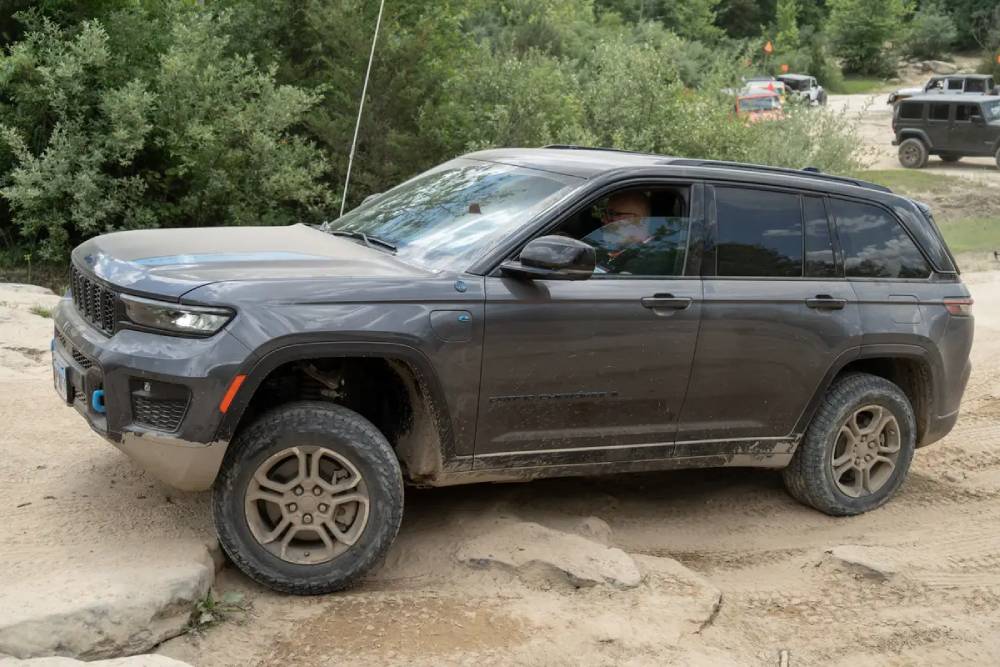
A well-maintained Jeep Grand Cherokee can typically last between 200,000 and 250,000 miles. For the average driver covering about 12,000 to 15,000 miles per year, that translates to roughly 15 to 20 years of service. Some owners manage to push their SUVs beyond 300,000 miles, but reaching that level usually requires consistent maintenance, careful driving, and prompt attention to mechanical problems.
The answer to “How long do Jeep Grand Cherokees last?” depends heavily on how the vehicle has been treated throughout its life. Two Grand Cherokees from the same model year can have completely different outcomes. One may still feel solid at 220,000 miles, while another may experience expensive transmission, suspension, or electrical problems before reaching 150,000 miles.
Maintenance history is often more important than mileage alone. A Grand Cherokee with 160,000 miles and a complete service record may be a safer purchase than one with 90,000 miles that has missed oil changes, fluid services, and routine inspections. Consistent care helps reduce internal engine wear, prevents overheating, and allows owners to repair small problems before they cause larger failures.
Driving conditions also play an important role. Vehicles used mainly for highway travel generally experience less wear than those driven in heavy traffic, extreme temperatures, mountainous areas, or harsh off-road environments. Frequent towing can also place additional pressure on the engine, transmission, cooling system, brakes, and suspension.
The expected lifespan can be estimated based on the level of care the vehicle receives.
| Maintenance Level | Expected Lifespan |
|---|---|
| Excellent maintenance | 250,000 to 300,000+ miles |
| Average maintenance | 180,000 to 220,000 miles |
| Inconsistent maintenance | 130,000 to 180,000 miles |
| Poor maintenance | Often below 150,000 miles |
These figures should be viewed as general estimates rather than guarantees. Model year, engine type, drivetrain configuration, accident history, and previous repairs can all change the outcome.
The Jeep Grand Cherokee is also more mechanically complex than some basic family SUVs. Depending on the trim and model year, it may include four-wheel-drive hardware, air suspension, advanced electronics, multiple cooling components, and high-output engine options. These features improve comfort and capability, but they can also increase repair costs as the vehicle ages.
For owners who want to keep their Grand Cherokee for the long term, the most important goal is not simply reaching a certain number on the odometer. The real goal is reaching high mileage without allowing neglected maintenance to create repeated breakdowns. A vehicle that reaches 250,000 miles after several expensive engine and transmission replacements may technically last a long time, but it may not be economical to own.
In most cases, 200,000 miles is a realistic target for a properly maintained Jeep Grand Cherokee. Reaching 250,000 miles is achievable with stronger preventive care, while 300,000 miles should be considered an exceptional result rather than the standard expectation.
Average Mileage Before Major Repairs
Major repairs on a Jeep Grand Cherokee can occur at very different mileage points depending on the generation, engine, transmission, maintenance history, and driving environment. Some vehicles remain largely trouble-free beyond 150,000 miles, while others begin requiring expensive work shortly after the factory warranty period.
The first 60,000 miles are usually focused on routine maintenance. Owners should expect oil changes, tire rotations, brake inspections, fluid checks, filters, and possibly a new battery or set of tires. Serious mechanical problems are less common during this period unless the vehicle has a manufacturing defect, accident history, or unusually severe use.
Between 60,000 and 100,000 miles, maintenance becomes more important. Spark plugs, coolant, transmission fluid, differential fluid, transfer case fluid, belts, hoses, and suspension components may require attention. Ignoring these services can increase the risk of failures later.
Once a Grand Cherokee passes 100,000 miles, age-related wear becomes more noticeable. Water pumps, engine mounts, wheel bearings, control arms, sensors, cooling system parts, and electrical components may begin to fail. These problems do not necessarily mean the vehicle is near the end of its life, but repair frequency may increase.
Between 150,000 and 200,000 miles, owners should be prepared for larger maintenance expenses. Transmission performance, oil consumption, cooling efficiency, suspension wear, differential noise, and electronic reliability should be monitored carefully. A vehicle with complete service records may still perform well at this stage, while a neglected example may become expensive to keep on the road.
The following timeline provides a general overview of what owners may encounter.
| Mileage Range | Common Maintenance or Repair Concerns |
|---|---|
| 0 to 60,000 miles | Oil changes, tires, brakes, battery, filters |
| 60,000 to 100,000 miles | Spark plugs, fluid services, belts, hoses, suspension wear |
| 100,000 to 150,000 miles | Water pump, wheel bearings, sensors, engine mounts, cooling components |
| 150,000 to 200,000 miles | Transmission wear, oil leaks, suspension repairs, electrical issues |
| 200,000+ miles | Major drivetrain repairs, increased oil consumption, repeated age-related failures |
Transmission condition is one of the biggest concerns for high-mileage buyers. Warning signs include delayed shifting, hard shifts, slipping, unusual noises, fluid leaks, or hesitation when moving from park into drive. A transmission that has received proper fluid service and has not been abused by excessive towing may last well beyond 150,000 miles. However, poor maintenance and overheating can shorten its life significantly.
The cooling system also deserves close attention. Overheating can cause severe engine damage, including warped components, damaged head gaskets, and internal wear. Radiators, thermostats, water pumps, hoses, fans, and coolant should be inspected regularly, especially after 100,000 miles.
Suspension repairs are another common ownership expense. Grand Cherokees are relatively heavy vehicles, and their control arms, bushings, shocks, struts, wheel bearings, and air suspension components can wear over time. Models equipped with air suspension may provide excellent ride comfort, but repairs can be costly when compressors, sensors, air lines, or air springs begin to fail.
Electrical issues may also become more common as the vehicle ages. Owners may experience warning lights, faulty sensors, power accessory problems, infotainment failures, or intermittent starting issues. These problems can be difficult to diagnose because several components may produce similar symptoms.
A major repair does not always mean the vehicle should be replaced. The decision depends on the SUV’s overall condition, market value, maintenance history, rust level, and the cost of the repair. Replacing a water pump or suspension component may be reasonable on an otherwise reliable vehicle. Replacing an engine or transmission on a heavily rusted Grand Cherokee with multiple electrical problems may not be financially sensible.
The best way to delay major repairs is to follow the recommended service schedule and respond quickly to warning signs. Strange noises, fluid leaks, temperature changes, rough shifting, and dashboard alerts should never be ignored. Small problems are often far less expensive to fix before they damage nearby systems.
Factors That Affect Jeep Grand Cherokee Lifespan
The lifespan of a Jeep Grand Cherokee is influenced by more than its model year or current mileage. Maintenance habits, driving behavior, climate, engine choice, off-road use, and accident history can all determine whether the SUV remains dependable beyond 200,000 miles.
Regular Maintenance
Routine maintenance is the most important factor affecting long-term durability. Engine oil lubricates internal components, reduces heat, and helps prevent sludge buildup. Delayed oil changes can increase friction and accelerate wear inside the engine.
Other fluids are equally important. Transmission fluid helps control heat and supports smooth shifting. Coolant protects the engine from overheating and corrosion. Differential and transfer case fluids protect four-wheel-drive components under heavy loads. Brake fluid absorbs moisture over time and should also be replaced when necessary.
Owners should not rely only on dashboard warning lights. A detailed maintenance record should include oil changes, inspections, fluid services, tire rotations, brake work, battery replacement, cooling system repairs, and any major component replacements.
Driving Habits
Aggressive driving can shorten the life of the engine, transmission, brakes, tires, and suspension. Hard acceleration, sudden braking, high-speed cornering, and repeated short trips increase wear.
Short trips can be especially demanding because the engine may not reach its ideal operating temperature. Moisture and fuel contamination may remain in the oil, increasing the risk of deposits. Highway driving is generally easier on a vehicle because the engine operates at a stable temperature and the transmission shifts less frequently.
Towing also affects longevity. The Grand Cherokee can be a capable tow vehicle, but repeatedly pulling heavy trailers creates additional heat and stress. Owners who tow frequently should follow severe-use maintenance intervals and inspect the transmission, brakes, cooling system, and suspension more often.
Climate and Road Conditions
Extreme temperatures can reduce vehicle lifespan. Hot climates place additional stress on batteries, cooling systems, air-conditioning components, and rubber seals. Cold climates can make engine oil thicker, reduce battery performance, and increase corrosion risk when road salt is used.
Rust is one of the most serious concerns for older Grand Cherokees. Corrosion can affect the frame, suspension mounting points, brake lines, exhaust system, and body panels. A mechanically healthy vehicle may still become unsafe or uneconomical to repair if structural rust is severe.
Regular underbody washing, rust prevention treatments, and prompt repair of paint damage can help protect vehicles used in snowy or coastal regions.
Engine Choice
Different engines offer different combinations of power, efficiency, complexity, and maintenance requirements.
The Pentastar V6 is widely used and offers a practical balance of performance and fuel economy. With proper oil changes, cooling system care, and timely repairs, it can deliver strong long-term mileage. Owners should still watch for oil leaks, cooling issues, unusual valve train noise, and changes in oil consumption.
HEMI V8 engines provide greater towing capability and stronger acceleration, but they also use more fuel and generate more heat. Maintenance can be more expensive because of the additional cylinders and related components. A well-maintained V8 can still last a long time, but neglected cooling or lubrication issues may lead to costly repairs.
Diesel-powered models may offer strong torque and highway efficiency, but they include additional emissions and fuel-system components. Repair costs can rise when diesel particulate filters, exhaust treatment systems, turbochargers, or high-pressure fuel components develop problems. Diesel models may suit long-distance drivers better than owners who mainly make short urban trips.
Off-Road Use
The Jeep Grand Cherokee is designed to handle conditions that many crossovers cannot. However, frequent off-road driving can increase wear on the suspension, steering, tires, brakes, skid plates, differentials, and four-wheel-drive system.
Mud, sand, rocks, and water crossings can also affect seals, bearings, electrical connectors, and fluids. Owners who regularly drive off-road should inspect the underbody after each demanding trip and replace contaminated fluids when necessary.
Off-road use does not automatically shorten the vehicle’s life. The greatest risk comes from failing to inspect and maintain the SUV after exposure to harsh conditions.
Accident and Repair History
A previous collision can affect long-term reliability even when the vehicle looks normal from the outside. Poor-quality repairs may cause alignment problems, uneven tire wear, water leaks, electrical faults, suspension damage, or premature corrosion.
Before buying a used Grand Cherokee, shoppers should review its history report and arrange an independent pre-purchase inspection. A qualified mechanic can look for frame damage, mismatched paint, irregular panel gaps, replaced structural parts, fluid leaks, and signs of flood exposure.
Service records are also valuable. They show whether the previous owner treated the SUV as a long-term investment or postponed necessary repairs. A complete history cannot guarantee reliability, but it reduces uncertainty and helps buyers understand what maintenance may be due next.
Ultimately, a Jeep Grand Cherokee’s lifespan reflects the combined effect of design, ownership habits, and operating conditions. Choosing a reliable model year is helpful, but careful maintenance and responsible driving often make the greatest difference.
Jeep Grand Cherokee Reliability by Generation
Not every Jeep Grand Cherokee is built the same. Over the years, Jeep has introduced several generations with different powertrains, transmissions, technologies, and design improvements. While each generation has its strengths, some are known for better long-term reliability than others. Understanding these differences can help buyers choose a model that offers the best balance between performance and durability.
WK Generation (2005–2010)
The WK generation marked a significant improvement over earlier Grand Cherokee models. It introduced a more refined interior, better ride quality, and improved engine options. Many owners praise this generation for its rugged construction and dependable four-wheel-drive systems.
The 3.7L V6 engine delivers acceptable reliability but lacks the power of later engines. The 4.7L V8 provides stronger performance but may develop cooling system issues and oil leaks as mileage increases. The 5.7L HEMI V8 remains a popular choice thanks to its durability and towing capability when maintained properly.
Common issues on WK models include worn suspension components, aging electrical systems, leaking differential seals, and occasional transmission problems on neglected vehicles. Fortunately, replacement parts are widely available and repair costs are generally lower than newer generations because of their simpler design.
Overall, a properly maintained WK Grand Cherokee can comfortably exceed 200,000 miles, making it an attractive option for buyers seeking an affordable used SUV.
WK2 Generation (2011–2021)
The WK2 generation is widely considered one of the best Grand Cherokee generations ever produced. It introduced a completely redesigned platform with improved safety, higher-quality materials, and more advanced technology.
Most experts consider the 2018 through 2021 models to be the most reliable years because Jeep had already addressed many of the early production issues found in the first few years of the generation.
The 3.6L Pentastar V6 became the most common engine choice thanks to its balance of fuel economy, reliability, and lower maintenance costs. The 5.7L HEMI V8 remained an excellent option for drivers who regularly tow heavy loads or prefer stronger acceleration.
Earlier WK2 models, especially those built between 2011 and 2014, experienced a higher number of reported issues involving electronic modules, transmission software, air suspension systems, and the Totally Integrated Power Module (TIPM). Many of these concerns were improved through software updates, recalls, and later production revisions.
When properly serviced, WK2 models frequently reach 200,000 to 250,000 miles while maintaining strong resale value. Their comfortable ride, capable four-wheel-drive systems, and proven powertrains make them one of the most recommended used midsize SUVs.
WL Generation (2022–Present)
The newest WL generation brings a modern redesign with improved technology, updated engines, and significantly enhanced interior quality. Buyers can choose between two-row and three-row configurations, making the Grand Cherokee more versatile than ever before.
Advanced driver assistance features, larger infotainment displays, digital instrument clusters, and plug-in hybrid options make this generation one of the most technologically advanced Jeeps ever produced.
Because the WL generation is still relatively new, long-term reliability data remains limited. Most vehicles have not accumulated enough mileage to accurately evaluate whether they will match the longevity of previous generations.
Like many newly redesigned vehicles, early production models have experienced isolated software glitches, infotainment issues, and electronic system updates. These concerns are relatively common for first-year redesigns and are often corrected through manufacturer service campaigns.
For buyers planning long-term ownership, later production years are expected to become more reliable as Jeep continues refining the platform.
Best Jeep Grand Cherokee Model Years for Longevity
If your primary goal is to own a Jeep Grand Cherokee for well over 200,000 miles, choosing the right model year can make a significant difference. While maintenance history remains the most important factor, some production years have consistently demonstrated better reliability than others.
2018 Jeep Grand Cherokee
Many automotive experts consider the 2018 model one of the most dependable Grand Cherokees ever built. By this point, Jeep had resolved many of the issues that affected earlier WK2 models.
The Pentastar V6 engine proved dependable, transmission calibration improved considerably, and overall build quality became more consistent. Owners frequently report minimal unexpected repairs beyond normal maintenance.
2019 Jeep Grand Cherokee
The 2019 model continued the improvements introduced in previous years. It offered refined software, better reliability ratings, and fewer reported electrical complaints.
This model year is particularly attractive for used-car buyers because it combines modern technology with mature engineering and relatively affordable pricing compared to newer models.
2020 Jeep Grand Cherokee
The 2020 Grand Cherokee represents one of the final years of the WK2 platform. Years of production allowed Jeep to eliminate many early manufacturing defects, making this one of the safest choices for buyers seeking long-term ownership.
The Pentastar V6 continues to be the recommended engine for most drivers due to its combination of reliability, efficiency, and lower operating costs. Drivers needing additional towing capacity may still find the HEMI V8 to be an excellent investment.
2021 Jeep Grand Cherokee
As the final production year before the complete redesign, the 2021 model benefits from the highest level of refinement within the WK2 generation.
Many reliability surveys place this model among the strongest Grand Cherokee years available. Interior quality, drivetrain reliability, safety features, and overall owner satisfaction are consistently above average.
The following table summarizes the most recommended model years.
| Model Year | Reliability Rating | Recommendation |
|---|---|---|
| 2018 | Excellent | Highly Recommended |
| 2019 | Excellent | Highly Recommended |
| 2020 | Excellent | Best Value |
| 2021 | Excellent | Best Overall Choice |
Although these model years stand out, buyers should always prioritize maintenance records over model year alone. A well-maintained older vehicle often outperforms a newer one that has been neglected.
Worst Jeep Grand Cherokee Years to Avoid
While the Jeep Grand Cherokee has built a reputation as a capable and durable SUV, not every model year has delivered the same level of reliability. Some years experienced more owner complaints, recalls, and expensive repairs than others. Buyers considering a used Grand Cherokee should pay extra attention when evaluating these models.
2011 Jeep Grand Cherokee
The 2011 model introduced the WK2 generation and included a completely redesigned platform. First-year redesigns often experience unexpected issues, and the Grand Cherokee was no exception.
Many owners reported electrical malfunctions, software glitches, suspension concerns, transmission calibration problems, and failures involving the Totally Integrated Power Module. Although many vehicles were repaired under warranty or through recalls, repair history should be reviewed carefully before purchasing.
2012 Jeep Grand Cherokee
The 2012 model improved upon the previous year but continued to experience several recurring problems.
Electrical issues remained common, while some owners reported premature alternator failures, fuel pump concerns, and transmission shifting complaints. Vehicles with incomplete maintenance histories may require expensive repairs as they age.
2014 Jeep Grand Cherokee
The 2014 Grand Cherokee introduced the eight-speed automatic transmission, which improved fuel economy and driving performance. However, early transmission software created rough shifting, hesitation, and inconsistent gear changes for some owners.
Many of these concerns were resolved through software updates, but buyers should confirm that all recalls and service bulletins have been completed before making a purchase.
Additional complaints during this model year included air suspension failures, infotainment system glitches, and occasional cooling system problems.
These model years are not necessarily vehicles to avoid entirely. Many owners continue driving them successfully well beyond 150,000 miles. The key is verifying that previous owners addressed recalls, completed recommended maintenance, and repaired known issues promptly.
Before purchasing any used Jeep Grand Cherokee, arrange a professional pre-purchase inspection, review the complete service history, and test every major mechanical and electronic system. Spending a few hundred dollars on an inspection can prevent thousands of dollars in unexpected repair costs later.
Common Problems That Can Shorten Jeep Grand Cherokee Lifespan
Like any vehicle, the Jeep Grand Cherokee has several common issues that can affect its longevity if left unaddressed. Most of these problems develop gradually, giving owners plenty of warning before they become major repairs. Performing routine inspections and addressing issues early can significantly reduce repair costs while helping the SUV remain reliable well beyond 200,000 miles.
Transmission Problems
Transmission issues are among the most expensive repairs on any vehicle. Some Grand Cherokee owners have reported rough shifting, delayed engagement, slipping gears, hesitation during acceleration, or transmission warning lights. While later models have become more reliable, poor maintenance remains one of the leading causes of premature transmission failure.
Changing transmission fluid according to the manufacturer’s maintenance schedule helps reduce internal wear and keeps operating temperatures under control. Drivers who regularly tow heavy trailers or travel in mountainous terrain should consider more frequent transmission service.
Cooling System Failures
The cooling system plays a critical role in protecting the engine from overheating. Components such as the radiator, thermostat, water pump, cooling fan, and hoses naturally wear over time.
Ignoring coolant leaks or temperature warnings can quickly lead to serious engine damage, including warped cylinder heads or blown head gaskets. Replacing inexpensive cooling components before they fail is far more economical than repairing an overheated engine.
Suspension Wear
Because the Grand Cherokee is designed for both on-road comfort and off-road capability, its suspension system experiences considerable stress throughout its lifetime.
Control arms, bushings, ball joints, sway bar links, shocks, and wheel bearings gradually wear as mileage increases. Vehicles equipped with Quadra-Lift air suspension may eventually require replacement of air springs, compressors, or height sensors, all of which can increase maintenance costs.
Regular suspension inspections improve ride quality while preventing uneven tire wear and additional steering problems.
Electrical Issues
Modern Grand Cherokees include dozens of electronic control modules that manage everything from engine performance to driver assistance systems.
As vehicles age, sensors, wiring, switches, and electronic modules may begin to fail. Common symptoms include warning lights, malfunctioning power windows, intermittent starting issues, backup camera failures, infotainment glitches, and battery drain.
Although electrical repairs can sometimes be difficult to diagnose, addressing small faults early often prevents more widespread system failures.
Oil Leaks
Oil leaks become more common as seals and gaskets age. Valve cover gaskets, oil filter housings, oil cooler assemblies, and rear main seals are among the components that may eventually require replacement.
Even minor leaks should not be ignored. Low oil levels increase internal engine wear and may eventually lead to catastrophic engine damage if lubrication becomes insufficient.
Differential and Transfer Case Wear
Four-wheel-drive models depend on properly lubricated differentials and transfer cases. Over time, fluid breaks down and loses its protective properties.
Replacing these fluids at recommended intervals helps reduce gear wear and extends the lifespan of expensive drivetrain components.
Brake System Wear
Brake pads and rotors naturally wear during normal driving. However, neglected brake maintenance can damage calipers, brake lines, wheel bearings, and suspension components.
Drivers who frequently tow or drive in mountainous regions should inspect braking components more often due to increased heat and stress.
Maintenance Tips to Reach 250,000+ Miles
Although no maintenance schedule can guarantee a specific lifespan, consistent preventive care dramatically increases the likelihood that a Jeep Grand Cherokee will exceed 200,000 miles and possibly reach 250,000 miles or more.
The foundation of long-term reliability begins with regular engine oil changes. Using high-quality engine oil that meets Jeep’s specifications helps reduce internal wear, improve fuel efficiency, and protect critical engine components from excessive heat and friction.
Transmission service should never be overlooked. Fresh transmission fluid helps maintain smooth shifting while reducing internal temperatures. Owners who tow frequently or drive in severe conditions should shorten service intervals accordingly.
Cooling system maintenance is equally important. Replacing coolant at recommended intervals and inspecting hoses, water pumps, thermostats, and radiators can prevent costly overheating repairs.
Brake fluid, differential fluid, transfer case fluid, and power steering fluid should also be replaced according to Jeep’s maintenance schedule.
Routine inspections provide an opportunity to identify worn belts, cracked hoses, leaking seals, damaged suspension parts, and weak batteries before they result in roadside breakdowns.
The following maintenance schedule offers a general guideline for long-term ownership.
| Maintenance Item | Recommended Interval |
|---|---|
| Engine oil and filter | Every 5,000 to 7,500 miles |
| Tire rotation | Every 5,000 to 7,500 miles |
| Engine air filter | Every 20,000 to 30,000 miles |
| Cabin air filter | Every 20,000 miles |
| Spark plugs | Around 100,000 miles for most V6 models |
| Transmission fluid | Approximately 60,000 to 100,000 miles depending on driving conditions |
| Differential fluid | Every 40,000 to 60,000 miles for frequent towing or off-road use |
| Coolant replacement | Around 100,000 miles, then according to manufacturer recommendations |
| Brake fluid | Every 2 to 3 years |
| Battery inspection | Annually after three years of service |
Keeping the vehicle clean also contributes to longevity. Washing the underbody during winter helps remove road salt that accelerates corrosion. Applying rust protection in areas with harsh winters or coastal climates can significantly extend the life of the frame and suspension.
Owners should also pay close attention to dashboard warning lights. Delaying repairs often allows relatively inexpensive problems to become much larger mechanical failures.
Maintaining detailed service records not only helps owners stay organized but also increases resale value by demonstrating that the vehicle has been properly maintained throughout its life.
Is It Worth Buying a High-Mileage Jeep Grand Cherokee?
A high-mileage Jeep Grand Cherokee can still be an excellent purchase if it has been properly maintained. Mileage alone does not determine a vehicle’s condition. Instead, buyers should evaluate service history, accident records, inspection reports, and the overall mechanical condition.
A Grand Cherokee with approximately 100,000 miles is generally considered to have plenty of useful life remaining, provided routine maintenance has been performed consistently.
Vehicles with 150,000 miles can still offer years of dependable service if major components such as the engine, transmission, cooling system, and suspension have been maintained or replaced when necessary.
Even examples exceeding 200,000 miles may continue operating reliably when previous owners have followed recommended maintenance schedules. However, buyers should expect higher maintenance costs as more components naturally reach the end of their service life.
Before purchasing a used Grand Cherokee, inspect the following areas carefully.
Check for complete maintenance records.
Inspect for fluid leaks underneath the vehicle.
Verify smooth transmission operation during a road test.
Listen for suspension noises over uneven pavement.
Inspect the frame and underbody for rust.
Test all electronic features, including infotainment, power accessories, cameras, and driver assistance systems.
Confirm that recall work has been completed.
Arrange a professional pre-purchase inspection by an experienced technician.
Spending time evaluating a used vehicle before purchase can prevent expensive surprises later.
Frequently Asked Questions
Can a Jeep Grand Cherokee last 300,000 miles?
Yes. While most Grand Cherokees are expected to last between 200,000 and 250,000 miles, some owners have surpassed 300,000 miles through consistent maintenance, careful driving habits, and prompt repairs.
Is 200,000 miles too much for a Jeep Grand Cherokee?
Not necessarily. A well-maintained Grand Cherokee with 200,000 miles may still provide dependable transportation. Service history and overall condition are far more important than mileage alone.
Which Jeep Grand Cherokee engine lasts the longest?
The 3.6-liter Pentastar V6 has earned a strong reputation for durability when maintained properly. The 5.7-liter HEMI V8 is also capable of excellent longevity but generally requires higher fuel and maintenance costs.
Are Jeep Grand Cherokees expensive to maintain?
Maintenance costs are generally moderate for a midsize SUV. Routine maintenance is affordable, but repairs involving air suspension, advanced electronics, or transmission components can become expensive as the vehicle ages.
What is the best Jeep Grand Cherokee model year?
Many automotive experts recommend the 2018 through 2021 model years because they combine mature engineering, improved reliability, and modern safety and technology features.
Final Verdict
So, how long do Jeep Grand Cherokees last? For most owners, the answer is between 200,000 and 250,000 miles, or roughly 15 to 20 years of dependable service. With exceptional care, many examples continue well beyond that milestone, proving that the Grand Cherokee is capable of impressive long-term durability.
Choosing the right model year, following the recommended maintenance schedule, and addressing minor problems before they become major repairs are the three most important factors in maximizing the lifespan of any Jeep Grand Cherokee. Vehicles with complete maintenance records consistently outperform neglected examples, regardless of mileage.
If you’re shopping for a used Grand Cherokee, don’t focus solely on the odometer. Instead, evaluate service history, mechanical condition, accident records, and the results of a professional inspection. A carefully maintained high-mileage SUV may be a better investment than a lower-mileage vehicle with a history of neglected maintenance.
Whether you’re planning to buy your first Jeep Grand Cherokee or hoping to keep your current one on the road for another decade, proactive maintenance is the key to long-term reliability. With the right care, this capable SUV can continue delivering comfort, performance, and confidence for hundreds of thousands of miles.