Keeping up with the Jeep Wrangler service schedule is one of the most effective ways to ensure your vehicle remains dependable, safe, and ready for every adventure. Whether you use your Wrangler for daily commuting, weekend road trips, or challenging off road trails, regular maintenance plays a critical role in preserving engine performance, improving fuel efficiency, and preventing costly repairs. Ignoring routine service intervals may seem harmless at first, but small issues can quickly develop into expensive mechanical failures that could have been avoided with timely inspections and maintenance.
Jeep engineers have designed a recommended maintenance schedule based on mileage to help owners keep every major system in excellent condition. From routine oil changes every 5,000 miles to comprehensive inspections at 60,000 and 100,000 miles, each service interval targets components that naturally wear over time. Following these recommendations not only extends the lifespan of your Wrangler but also helps maintain its resale value and ensures optimal performance in all driving conditions.
If your Jeep frequently tackles muddy trails, rocky terrain, deep water crossings, or dusty environments, you may need to perform certain maintenance tasks more often than the standard schedule suggests. Severe driving conditions place additional stress on the engine, suspension, drivetrain, and braking system, making proactive maintenance even more important.
This complete guide explains the Jeep Wrangler service schedule by mileage, detailing what should be inspected, replaced, or serviced at every major interval. You’ll also find practical maintenance tips, estimated service costs, and expert advice to help keep your Wrangler performing at its best for years to come.
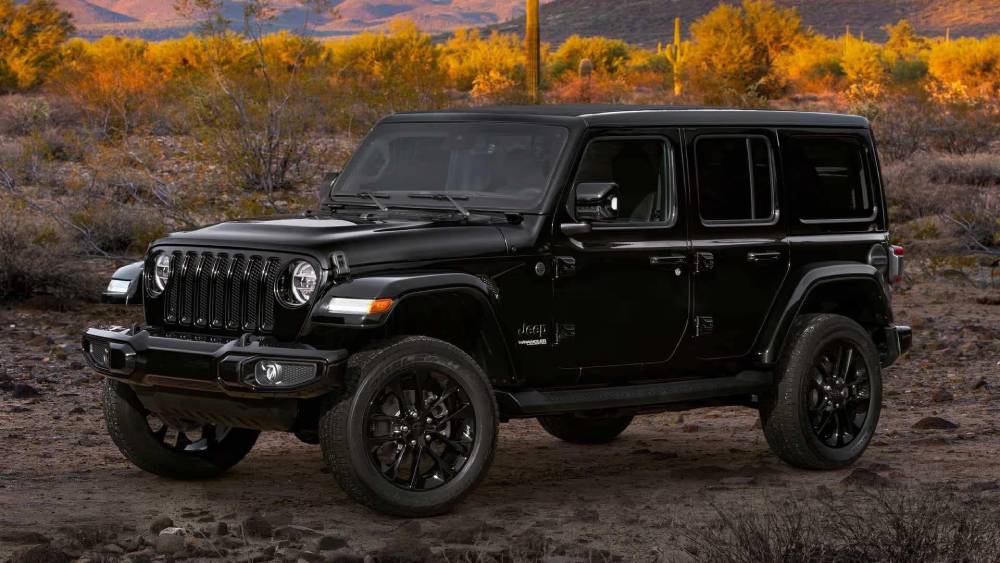
Why Following the Jeep Wrangler Service Schedule Matters
Owning a Jeep Wrangler is about more than simply getting from one place to another. It is a vehicle built for adventure, capable of tackling rugged trails, steep inclines, muddy paths, and everyday city streets with equal confidence. However, even one of the most durable SUVs on the market depends on regular maintenance to continue delivering the performance and reliability that drivers expect. Following the recommended Jeep Wrangler service schedule is the key to keeping your vehicle in peak condition throughout its lifetime.
Protects Engine Performance
The engine is the heart of every Jeep Wrangler. Over thousands of miles, engine oil gradually breaks down, filters become clogged, and contaminants begin circulating throughout the lubrication system. If routine oil changes are skipped, these contaminants can increase friction between moving parts, causing premature wear and reducing engine efficiency.
Routine maintenance ensures fresh engine oil, a clean oil filter, and proper lubrication for critical engine components. This helps maintain smooth operation, improves fuel economy, and reduces the likelihood of expensive engine repairs.
Prevents Costly Repairs
Many major mechanical failures begin as small problems that go unnoticed. A cracked drive belt, low coolant level, worn brake pads, or contaminated transmission fluid may seem insignificant initially, but delaying maintenance often allows these issues to worsen.
For example, replacing worn brake pads is relatively inexpensive. Ignoring them until the brake rotors become damaged can multiply repair costs several times over. Likewise, replacing transmission fluid at the recommended interval is far less expensive than rebuilding or replacing a failed transmission.
Preventive maintenance allows technicians to identify potential issues before they become serious, saving both time and money in the long run.
Improves Safety
A well maintained Jeep Wrangler is also a safer vehicle. During scheduled service visits, technicians inspect essential safety components such as:
- Brake pads and brake rotors
- Brake fluid condition
- Tires and tire pressure
- Steering components
- Suspension parts
- Lights and electrical systems
- Windshield wipers
- Battery condition
These inspections help ensure your Wrangler responds predictably in emergency situations and performs safely under a variety of driving conditions.
Maximizes Off Road Reliability
Many Wrangler owners regularly venture off pavement, where vehicles are exposed to mud, rocks, water crossings, loose gravel, and uneven terrain. These environments place additional stress on the drivetrain, suspension, differential, transfer case, and underbody components.
Following the Jeep Wrangler maintenance schedule becomes even more important for off road enthusiasts. Cleaning the undercarriage, inspecting suspension components, checking differential fluid, and replacing dirty air filters more frequently can prevent accelerated wear caused by harsh environments.
Drivers who frequently tow trailers or carry heavy cargo should also consider shorter maintenance intervals because these activities increase stress on the engine and transmission.
Extends Vehicle Lifespan
One of the greatest benefits of routine maintenance is longevity. Many Jeep Wranglers remain dependable well beyond 200,000 miles when serviced consistently according to factory recommendations.
Replacing fluids, inspecting critical systems, and addressing small issues early allows components to operate within their intended specifications. This reduces unnecessary wear and helps major systems such as the engine, transmission, cooling system, and four wheel drive components last significantly longer.
Regular maintenance is an investment that pays dividends throughout the ownership experience.
Preserves Resale Value
A Jeep Wrangler with a documented maintenance history is typically more attractive to potential buyers. Service records demonstrate that the vehicle has been properly cared for and reduce concerns about hidden mechanical problems.
Whether you plan to sell your Wrangler privately or trade it in at a dealership, maintaining a complete service history can increase buyer confidence and potentially improve resale value.
Maintains Warranty Coverage
For newer Jeep Wranglers, following the manufacturer’s recommended maintenance schedule helps support warranty compliance. While routine service does not necessarily have to be performed at a dealership, owners should keep detailed maintenance records, receipts, and documentation showing that required services were completed according to Jeep’s recommendations.
Having organized maintenance records can simplify warranty claims if a covered repair becomes necessary.
Delivers Better Driving Performance
Routine maintenance affects nearly every aspect of the driving experience. Clean fluids, properly inflated tires, fresh filters, and well maintained suspension components contribute to:
- Smoother acceleration
- Better fuel efficiency
- Improved steering response
- Shorter braking distances
- Reduced engine noise
- More comfortable ride quality
- Consistent four wheel drive performance
These improvements become especially noticeable during long road trips or demanding off road adventures.
Peace of Mind for Every Journey
Perhaps the most valuable benefit of following the Jeep Wrangler service schedule is confidence. Knowing your vehicle has been properly inspected and maintained allows you to focus on the road ahead instead of worrying about unexpected breakdowns.
Whether you are commuting to work, exploring remote trails, or embarking on a cross country adventure, a well maintained Jeep Wrangler is far more likely to deliver the dependable performance that has made it one of the world’s most respected off road vehicles.
Jeep Wrangler Recommended Service Schedule by Mileage
Following the recommended Jeep Wrangler service schedule helps ensure every major component receives the attention it needs before excessive wear occurs. While maintenance requirements may vary slightly depending on the model year, engine type, and driving conditions, the factory maintenance schedule follows a consistent mileage-based approach. Performing services at the recommended intervals reduces the risk of unexpected breakdowns, improves vehicle performance, and extends the lifespan of your Wrangler.
The table below provides a quick overview of the major maintenance milestones. Afterward, we’ll examine each service interval in greater detail.
Jeep Wrangler Maintenance Schedule by Mileage
| Mileage | Recommended Maintenance |
|---|---|
| Every 5,000 miles | Change engine oil and oil filter, rotate tires, inspect brakes, check fluid levels, inspect belts and hoses |
| 10,000 miles | Inspect cabin air filter, steering components, suspension, exhaust system, battery condition |
| 15,000 miles | Replace engine air filter if needed, inspect cooling system, inspect drive belts, check wheel alignment |
| 20,000 miles | Inspect brake pads and rotors, test battery, inspect differential and transfer case |
| 30,000 miles | Inspect transmission fluid, inspect coolant, inspect fuel system, inspect steering and suspension |
| 60,000 miles | Replace spark plugs, transmission fluid, transfer case fluid, differential fluid, brake fluid, coolant if required |
| 100,000 miles | Comprehensive inspection of major mechanical systems and replacement of high-wear components |
Note: If your Jeep Wrangler is frequently driven off road, used for towing, operated in extremely dusty conditions, or exposed to frequent stop-and-go traffic, some maintenance items may need to be performed sooner than the standard intervals.
Every 5,000 Miles Maintenance
The first and most frequent maintenance interval occurs every 5,000 miles. Although this service is relatively simple, it plays a significant role in protecting your Jeep’s engine and ensuring safe operation.
Change Engine Oil and Oil Filter
Engine oil lubricates moving parts, reduces friction, and helps regulate engine temperature. Over time, oil degrades and collects dirt, metal particles, and combustion byproducts.
Replacing both the oil and oil filter every 5,000 miles helps maintain optimal lubrication and prevents premature engine wear. Many newer Jeep Wrangler models use synthetic oil, which provides better protection under extreme temperatures and demanding driving conditions.
Rotate the Tires
Regular tire rotation promotes even tread wear across all four tires. Since the front and rear tires experience different levels of stress, rotating them at each oil change can significantly extend tire life.
Proper tire rotation also improves handling, traction, and ride comfort while reducing road noise.
Inspect the Brake System
Brake pads naturally wear down with use. During every scheduled service, technicians should inspect:
- Brake pad thickness
- Brake rotors
- Brake lines
- Brake fluid level
- Brake calipers
Early detection of brake wear helps avoid more expensive repairs and ensures maximum stopping performance.
Check All Fluid Levels
Several essential fluids should be inspected during every maintenance visit, including:
- Engine coolant
- Brake fluid
- Power steering fluid (if equipped)
- Transmission fluid
- Windshield washer fluid
- Differential fluid (visual inspection)
Maintaining proper fluid levels reduces wear on critical mechanical systems and helps prevent overheating or component failure.
Inspect Belts and Hoses
Rubber belts and hoses gradually deteriorate due to heat, age, and constant engine vibration.
Look for signs such as:
- Cracks
- Fraying
- Bulging
- Soft spots
- Fluid leaks
Replacing worn belts or hoses before they fail can prevent roadside breakdowns and expensive engine damage.
Check Tire Pressure
Maintaining the correct tire pressure improves fuel efficiency, tire longevity, and vehicle handling.
Underinflated tires generate excess heat and wear more quickly, while overinflated tires reduce traction and create a harsher ride.
Drivers should check tire pressure at least once a month and before any long-distance trip.
Inspect Lights and Electrical Components
Verify that all exterior and interior lights are functioning correctly, including:
- Headlights
- High beams
- Brake lights
- Turn signals
- Fog lights
- Reverse lights
- Hazard lights
Replacing burned-out bulbs promptly improves visibility and helps keep your Wrangler compliant with road safety regulations.
Inspect the Battery
Battery terminals should be clean and free from corrosion. Technicians typically check:
- Battery voltage
- Charging performance
- Terminal connections
- Signs of corrosion
- Battery case condition
A healthy battery reduces the likelihood of unexpected starting problems, especially during extreme weather conditions.
Why the 5,000-Mile Service Is So Important
Many owners underestimate the value of routine maintenance because it appears simple compared to major service intervals. However, the 5,000-mile service establishes the foundation for your Jeep Wrangler’s long-term reliability.
Completing these inspections regularly allows small issues to be identified before they become expensive repairs. Whether it’s a minor oil leak, uneven tire wear, or a weakening battery, addressing problems early can save hundreds or even thousands of dollars over the life of the vehicle.
By consistently following this first maintenance interval, you’ll not only improve engine performance and fuel efficiency but also prepare your Wrangler for the more comprehensive inspections that occur at higher mileage milestones.
10,000-Mile Service
By the time your Jeep Wrangler reaches 10,000 miles, it has likely experienced a variety of road conditions, from highways and city traffic to dirt roads and light off road trails. While this service interval is not considered a major milestone, it focuses on inspecting components that directly affect driving comfort, air quality, and overall vehicle reliability.
Inspect the Cabin Air Filter
The cabin air filter keeps dust, pollen, and airborne contaminants from entering the passenger compartment through the HVAC system. A clogged filter can reduce airflow, place additional strain on the climate control system, and lead to unpleasant odors inside the cabin.
Replace the filter if it is heavily contaminated or according to the recommendations in your owner’s manual.
Inspect the Steering System
The steering system should be checked for excessive play, worn joints, damaged boots, and fluid leaks where applicable. Even minor steering issues can affect handling and become more noticeable during highway driving or off road adventures.
Examine the Suspension
Inspect shock absorbers, springs, control arms, ball joints, and bushings for signs of wear or damage. A healthy suspension system improves ride comfort, enhances vehicle stability, and ensures consistent tire contact with the road.
Check the Exhaust System
Inspect the exhaust pipes, heat shields, catalytic converter, and mounting hardware for corrosion, leaks, or physical damage. Catching minor exhaust issues early can help prevent costly repairs later.
Test Battery Condition
Even though most batteries last several years, periodic testing helps identify declining performance before unexpected starting problems occur. Clean battery terminals and secure electrical connections also contribute to reliable operation.
15,000-Mile Service
The 15,000-mile maintenance interval focuses on components that directly affect engine efficiency, cooling performance, and overall drivability. Performing these inspections helps maintain consistent performance and prepares the vehicle for more demanding service intervals ahead.
Inspect or Replace the Engine Air Filter
The engine air filter prevents dirt and debris from entering the engine. Driving on dusty roads or frequently traveling off road can cause the filter to become clogged much sooner than expected.
A clean air filter improves airflow, supports efficient combustion, and may contribute to better fuel economy.
Inspect the Cooling System
The cooling system should be checked for coolant leaks, damaged hoses, loose clamps, and signs of corrosion. Maintaining proper coolant levels helps prevent overheating, especially during summer driving or when towing heavy loads.
Examine Drive Belts
Drive belts power essential accessories such as the alternator, water pump, and air conditioning compressor. Look for cracks, glazing, fraying, or excessive wear. Replacing worn belts before failure reduces the risk of roadside breakdowns.
Check Wheel Alignment
Misaligned wheels often cause uneven tire wear, steering pull, and reduced fuel efficiency. If you notice your Wrangler drifting to one side or your steering wheel is no longer centered, a professional alignment inspection is recommended.
Inspect Tires for Uneven Wear
In addition to tire rotation, inspect each tire for cuts, punctures, sidewall damage, or irregular tread wear patterns. Uneven wear may indicate suspension or alignment issues that should be corrected promptly.
20,000-Mile Service
At 20,000 miles, your Jeep Wrangler begins approaching a stage where several wear items deserve closer attention. This service interval emphasizes braking performance, drivetrain health, and electrical reliability.
Inspect Brake Pads and Rotors
Brake components naturally wear over time. Technicians should measure brake pad thickness, inspect rotor surfaces, and verify that calipers operate smoothly.
Replacing brake pads before they become excessively worn helps prevent rotor damage and maintains strong braking performance.
Check Brake Fluid
Brake fluid absorbs moisture as it ages, reducing braking efficiency and increasing the risk of internal corrosion. Inspect fluid condition and replace it if contamination or excessive moisture is detected.
Test Battery Health
Battery capacity gradually decreases with age. A load test can determine whether the battery still delivers sufficient power for reliable starting under all weather conditions.
Inspect the Differential
Both the front and rear differentials should be inspected for leaks, damaged seals, and abnormal fluid conditions. Vehicles that regularly travel off road or tow heavy loads may require more frequent differential fluid service.
Inspect the Transfer Case
The transfer case distributes power between the front and rear axles in four wheel drive mode. Inspect for leaks, unusual noises, and fluid condition to ensure dependable off road capability.
Inspect Suspension Fasteners
Driving over rough terrain may loosen suspension hardware over time. Verify that bolts, brackets, and mounting points remain properly secured.
30,000-Mile Service
The 30,000-mile service is widely considered one of the first major maintenance milestones for the Jeep Wrangler. Several mechanical systems require more comprehensive inspections to ensure continued reliability.
Inspect Transmission Fluid
Transmission fluid lubricates gears, controls hydraulic pressure, and helps regulate operating temperatures. Inspect both the fluid level and condition. Dark, burnt-smelling, or contaminated fluid may indicate that service is required.
Vehicles used for towing or frequent off road driving often benefit from earlier transmission maintenance.
Inspect Engine Coolant
Coolant protects the engine against overheating, freezing, and internal corrosion. Check coolant concentration, reservoir level, and inspect the radiator, hoses, and water pump for leaks.
Inspect the Fuel System
Examine fuel lines, fittings, and the fuel tank for leaks or damage. Modern fuel systems are highly reliable, but routine inspections help identify problems before they affect engine performance.
Inspect Steering Components
Inspect tie rod ends, steering linkage, steering gear, and related hardware for wear or looseness. Maintaining precise steering is essential for both highway safety and off road control.
Inspect Suspension Components
Carefully inspect control arms, sway bar links, shock absorbers, bushings, and mounting brackets. Worn suspension components can negatively affect ride quality, tire wear, and vehicle stability.
Inspect Driveshafts and Universal Joints
Universal joints and driveshafts operate under heavy loads, especially during off road driving. Check for excessive play, damaged seals, rust, or unusual noises that may indicate wear.
Perform a Comprehensive Fluid Inspection
In addition to the engine oil, technicians should inspect all critical vehicle fluids, including:
- Transmission fluid
- Differential fluid
- Transfer case fluid
- Brake fluid
- Engine coolant
- Windshield washer fluid
Identifying leaks or contamination early helps prevent more serious mechanical issues and ensures every major system continues to operate as designed.
By completing the recommended services at the 30,000-mile mark, Jeep Wrangler owners can significantly reduce the likelihood of unexpected repairs while maintaining the vehicle’s legendary capability both on and off the road.
60,000-Mile Service
Reaching 60,000 miles is one of the most important milestones in the Jeep Wrangler service schedule. By this point, many components have endured years of heat, vibration, and daily use. While routine inspections remain essential, several fluids and wear items should now be replaced rather than simply inspected.
Completing the recommended maintenance at this interval helps restore vehicle performance, reduce the risk of expensive repairs, and keep your Wrangler ready for both daily driving and demanding off road adventures.
Replace Spark Plugs
Spark plugs play a crucial role in the combustion process by igniting the air and fuel mixture inside the engine cylinders. As they wear, ignition becomes less efficient, leading to poor fuel economy, rough idling, slower acceleration, and occasional engine misfires.
Installing new spark plugs restores smooth engine performance and improves fuel efficiency. Depending on the engine installed in your Wrangler, replacement intervals may vary, so always verify the recommendations in your owner’s manual.
Replace Transmission Fluid
Transmission fluid gradually loses its ability to lubricate and cool internal components. Replacing the fluid at the recommended interval helps protect gears, bearings, and clutch packs from excessive wear.
If your Wrangler is frequently used for towing, rock crawling, or driving in mountainous terrain, transmission fluid may require replacement sooner than the standard schedule.
Replace Differential Fluid
The front and rear differentials work continuously to distribute power to the wheels. Fresh differential fluid protects gears from friction, minimizes heat buildup, and extends component life.
Wranglers that regularly encounter water crossings, mud, sand, or dusty environments should have differential fluid inspected more frequently.
Replace Transfer Case Fluid
The transfer case is a vital component of every four wheel drive Jeep Wrangler. Fresh transfer case fluid ensures smooth power delivery between the front and rear axles while reducing wear on internal gears and bearings.
Ignoring transfer case maintenance can eventually lead to expensive drivetrain repairs.
Replace Brake Fluid
Brake fluid naturally absorbs moisture over time, reducing braking performance and increasing the risk of corrosion within the braking system.
Replacing the brake fluid restores hydraulic efficiency and helps maintain consistent braking performance under both normal and demanding driving conditions.
Replace Engine Coolant
Coolant not only regulates engine temperature but also protects the cooling system against corrosion and freezing.
Fresh coolant helps maintain stable operating temperatures and protects components such as the radiator, heater core, thermostat, and water pump.
Inspect the Drive Belt
Although drive belts may have been inspected at previous service intervals, many begin showing noticeable wear after several years of operation.
Replace the belt if you notice:
- Cracks
- Frayed edges
- Glazing
- Squealing noises
- Missing ribs
Replacing a worn drive belt before it fails can prevent sudden loss of power steering, battery charging, or engine cooling.
Comprehensive Vehicle Inspection
The 60,000-mile service should also include a thorough inspection of:
- Suspension components
- Steering linkage
- Wheel bearings
- CV joints
- Driveshafts
- Exhaust system
- Engine mounts
- Battery
- Electrical connections
Addressing small issues now can prevent much larger repairs in the future.
100,000-Mile Major Service
Reaching 100,000 miles is a significant achievement for any Jeep Wrangler. With proper maintenance, many Wranglers continue performing reliably for another 100,000 miles or more. However, this milestone requires one of the most comprehensive inspections in the vehicle’s lifetime.
Perform a Complete Mechanical Inspection
Every major system should be carefully evaluated, including:
- Engine
- Transmission
- Transfer case
- Differentials
- Cooling system
- Suspension
- Steering system
- Brakes
- Electrical system
This inspection establishes a solid maintenance baseline for the next phase of the vehicle’s life.
Inspect the Water Pump
The water pump circulates coolant throughout the engine.
Signs of a failing water pump include:
- Coolant leaks
- Bearing noise
- Engine overheating
- Coolant residue around the pump
Replacing the water pump before failure helps prevent severe engine damage.
Replace Radiator Hoses
Rubber radiator hoses become brittle with age and repeated heat cycles.
Replacing aging hoses reduces the risk of coolant leaks and overheating during long trips or challenging off road conditions.
Inspect Shock Absorbers
Shock absorbers gradually lose their damping ability after years of use.
Symptoms of worn shocks include:
- Excessive bouncing
- Longer stopping distances
- Uneven tire wear
- Reduced handling stability
Replacing worn shocks restores ride quality and improves vehicle control.
Inspect Suspension Bushings
Rubber suspension bushings absorb vibration while allowing controlled movement of suspension components.
Cracked or deteriorated bushings can create excessive noise, poor handling, and premature tire wear.
Inspect Wheel Bearings
Wheel bearings support the vehicle’s weight while allowing the wheels to rotate smoothly.
Listen for humming noises, vibration, or excessive wheel movement, all of which may indicate bearing wear.
Inspect Fuel Injectors
Fuel injectors gradually accumulate deposits that affect spray patterns and combustion efficiency.
Cleaning or replacing worn injectors can restore engine performance and improve fuel economy.
Replace Additional Wear Components
Depending on your Wrangler’s condition, technicians may also recommend replacing:
- PCV valve
- Serpentine belt
- Thermostat
- Oxygen sensors
- Battery
- Suspension links
- Brake hoses
These components naturally wear with age and mileage.
Additional Maintenance for Off Road Driving
Jeep Wranglers are designed for adventure, but challenging terrain places far greater stress on mechanical components than normal highway driving. Owners who frequently drive off road should consider shorter maintenance intervals than those listed in the standard Jeep Wrangler maintenance schedule.
Clean the Undercarriage
Mud, sand, salt, and debris often accumulate underneath the vehicle after off road trips.
Thoroughly washing the undercarriage helps prevent corrosion while making it easier to identify fluid leaks or damaged components.
Inspect the Suspension
Off road driving places tremendous stress on:
- Control arms
- Ball joints
- Shock absorbers
- Coil springs
- Sway bar links
Inspect these components after every demanding trail ride.
Check Differential Breathers
Driving through water can introduce moisture into axle housings if differential breathers become damaged or clogged.
Inspect breathers regularly to help prevent contaminated differential fluid.
Replace Air Filters More Frequently
Dusty trails can clog engine air filters much faster than normal highway driving.
A clean air filter improves engine performance while protecting internal engine components from abrasive particles.
Inspect Skid Plates and Underbody Protection
Rock impacts can loosen or damage skid plates that protect vital drivetrain components.
Check mounting hardware after every significant off road trip.
Lubricate Chassis Components
If your Wrangler is equipped with grease fittings, lubricate suspension and steering components according to Jeep’s recommendations.
Proper lubrication reduces wear and extends component life.
Inspect Recovery Equipment
If you regularly use recovery gear, inspect:
- Tow hooks
- Winch cables
- Recovery straps
- Shackles
- Mounting bolts
Damaged recovery equipment can become dangerous during vehicle recovery operations.
Following these additional maintenance practices ensures your Jeep Wrangler remains ready for the toughest trails while minimizing unnecessary wear on critical components.
Estimated Jeep Wrangler Maintenance Costs
The cost of maintaining a Jeep Wrangler varies depending on the model year, engine type, driving habits, and whether maintenance is performed at a dealership or an independent repair shop. While routine services are relatively affordable, larger maintenance intervals require additional labor and replacement parts.
The table below provides average maintenance costs that Jeep owners can expect. Actual prices may vary depending on your location and the condition of your vehicle.
| Service | Estimated Cost (USD) |
|---|---|
| Engine oil and filter change | $80–$150 |
| Tire rotation | $25–$75 |
| Cabin air filter replacement | $40–$100 |
| Engine air filter replacement | $40–$90 |
| Brake fluid replacement | $100–$180 |
| Coolant flush | $150–$300 |
| Transmission fluid service | $250–$600 |
| Differential fluid replacement | $120–$250 per axle |
| Transfer case fluid replacement | $100–$200 |
| Spark plug replacement | $250–$500 |
| Brake pad replacement | $250–$600 per axle |
| Battery replacement | $180–$350 |
| Major 60,000-mile service | $800–$1,500 |
| Major 100,000-mile service | $1,000–$2,500 |
Although these costs may seem significant, they are often far less expensive than repairing a neglected engine, transmission, or four wheel drive system. Investing in preventive maintenance can save thousands of dollars over the life of your Jeep Wrangler.
Tips to Extend Your Jeep Wrangler’s Lifespan
A Jeep Wrangler is built to handle demanding conditions, but proper care is essential if you want it to remain reliable for many years. Many well-maintained Wranglers exceed 200,000 miles with relatively few major mechanical problems.
Here are several expert tips to maximize your vehicle’s lifespan.
Follow the Recommended Maintenance Schedule
Never postpone routine maintenance. Replacing fluids and inspecting components at the recommended intervals is the easiest way to prevent expensive repairs.
Use High-Quality Engine Oil
Always use engine oil that meets Jeep’s specifications. Premium synthetic oil provides superior protection during extreme temperatures, heavy towing, and off road driving.
Check Fluid Levels Regularly
Even between scheduled service visits, inspect:
- Engine oil
- Engine coolant
- Brake fluid
- Transmission fluid
- Windshield washer fluid
Low fluid levels may indicate leaks that require immediate attention.
Maintain Proper Tire Pressure
Correct tire pressure improves fuel efficiency, enhances handling, and promotes even tire wear. Check tire pressure at least once a month and before long trips.
Wash Your Wrangler After Off Road Adventures
Mud, sand, salt, and road debris can trap moisture against metal components, accelerating corrosion.
Pay special attention to:
- Undercarriage
- Suspension
- Axles
- Skid plates
- Brake components
Cleaning these areas helps extend the life of your vehicle.
Listen for Unusual Noises
Unusual sounds often provide the first warning of mechanical problems.
Pay attention to:
- Grinding brakes
- Suspension clunks
- Engine knocking
- Whining differentials
- Transmission noises
Addressing these symptoms early can prevent more extensive damage.
Replace Worn Parts Promptly
Ignoring worn components often causes additional parts to fail.
For example:
- Worn brake pads can damage brake rotors.
- Failing shocks can accelerate tire wear.
- Leaking hoses may lead to engine overheating.
Replacing inexpensive wear items on time helps avoid much larger repair bills.
Use Genuine or High-Quality Replacement Parts
Original Equipment Manufacturer (OEM) parts are designed specifically for your Jeep Wrangler. If aftermarket parts are used, choose products from reputable manufacturers that meet or exceed factory specifications.
Keep Maintenance Records
Document every service performed on your Wrangler, including oil changes, inspections, repairs, and part replacements.
A complete maintenance history makes future servicing easier and can significantly increase resale value.
Frequently Asked Questions
How often should a Jeep Wrangler be serviced?
Most Jeep Wrangler models should receive routine maintenance every 5,000 miles or approximately every six months, whichever comes first. Always consult your owner’s manual for model-specific recommendations.
Does off road driving require more frequent maintenance?
Yes. Off road driving exposes the vehicle to dirt, water, rocks, and heavy loads that accelerate wear. Components such as air filters, differential fluids, suspension parts, and brakes should be inspected more frequently.
When should I replace the engine oil?
For most modern Jeep Wrangler models using synthetic oil, an oil and filter change is recommended approximately every 5,000 miles. However, severe driving conditions may require shorter intervals.
How often should transmission fluid be replaced?
Transmission fluid is commonly inspected around 30,000 miles and replaced near 60,000 miles, depending on driving conditions and manufacturer recommendations.
When should spark plugs be replaced?
Many Jeep Wrangler models require spark plug replacement around 60,000 miles, although some engine configurations may have different service intervals.
Is synthetic oil recommended?
Yes. Most newer Jeep Wrangler models are designed to use full synthetic engine oil because it provides better protection, especially during extreme temperatures and demanding driving conditions.
Can I perform basic maintenance myself?
Yes. Many owners can safely perform simple maintenance tasks such as:
- Checking tire pressure
- Replacing windshield wiper blades
- Changing engine oil
- Replacing air filters
- Inspecting fluid levels
More advanced maintenance should be completed by qualified technicians.
What happens if I skip scheduled maintenance?
Ignoring the recommended maintenance schedule increases the risk of engine wear, transmission damage, overheating, brake failure, reduced fuel economy, and costly repairs.
Does following the maintenance schedule improve resale value?
Absolutely. Buyers are more likely to purchase a Jeep Wrangler with a documented maintenance history because it demonstrates responsible ownership and reduces concerns about hidden mechanical issues.
Where can I find the official Jeep Wrangler service schedule?
The official maintenance schedule is available in your Jeep Wrangler Owner’s Manual. You can also contact an authorized Jeep dealership for model-specific service recommendations.
Conclusion
Following the recommended Jeep Wrangler service schedule is one of the smartest investments you can make as a vehicle owner. Routine maintenance not only protects your engine, transmission, brakes, and four wheel drive system but also improves safety, fuel efficiency, and long-term reliability.
Whether your Wrangler spends most of its time on city streets or conquers rugged mountain trails every weekend, servicing it at the proper mileage intervals helps prevent unexpected breakdowns and expensive repairs. Small maintenance tasks performed consistently are far more affordable than replacing major drivetrain components after years of neglect.
Remember that maintenance schedules may vary slightly depending on your Wrangler’s model year, engine, and driving conditions. If you frequently tow heavy loads or enjoy off road adventures, consider inspecting critical components more often than the standard schedule recommends.
By combining routine inspections, timely fluid replacements, and high-quality replacement parts, you can help your Jeep Wrangler deliver dependable performance for well over 200,000 miles.
Save this guide for future reference and use it as a practical checklist throughout your ownership journey. Staying proactive today will help ensure your Jeep Wrangler is always ready for the next road trip, trail ride, or adventure that lies ahead.