RAM 2500 wheel torque specs show the correct force needed to tighten wheel lug nuts. These specifications help owners and technicians secure the wheel assembly correctly. A proper torque value keeps the wheel connected firmly to the hub during towing, hauling, and daily driving.
RAM 2500 trucks handle heavy loads, so wheel installation requires accurate torque control. Loose lug nuts can reduce clamping force and create wheel movement. Excessive torque can damage wheel studs, deform threads, and make wheel removal harder.
The correct RAM 2500 lug nut torque depends on the model year and wheel configuration. Different generations may use different wheel components and specifications. Owners should always check the correct torque value before installing or servicing wheels.
This guide explains RAM 2500 wheel torque specs by year. It also covers proper lug nut installation, required tools, and common problems caused by incorrect torque. Following the correct procedure helps protect wheel studs, hubs, and braking components.
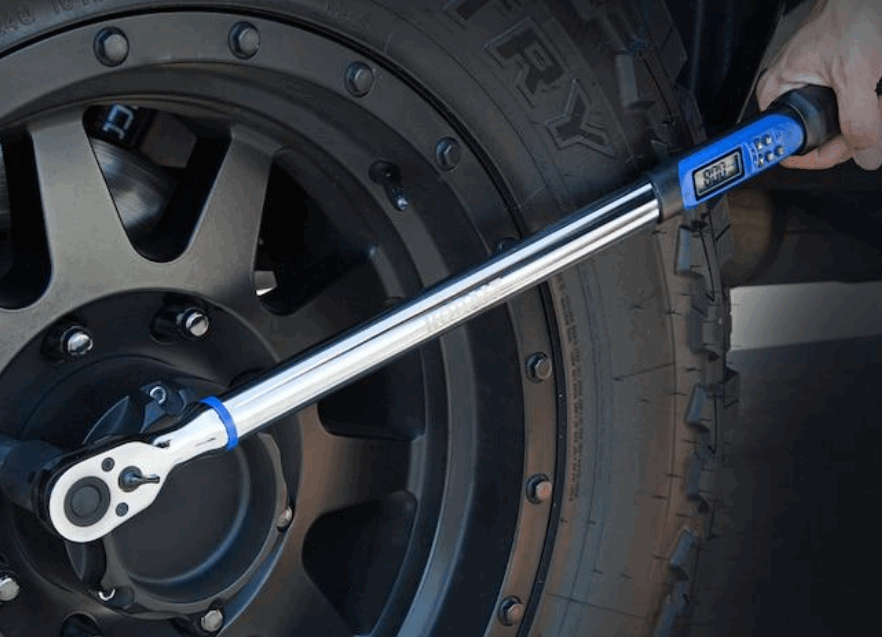
What Are the RAM 2500 Wheel Torque Specs?
RAM 2500 wheel torque specs are the recommended tightening values for the lug nuts that secure the wheels to the vehicle hub. These specifications describe the amount of rotational force needed to create the correct clamping force between the wheel, hub, and wheel studs. The measurement usually appears in foot-pounds (ft-lb) or Newton meters (Nm).
Torque is different from simple tightening force because it measures rotational force applied through a tool such as a torque wrench. A technician applies torque to the lug nut until it reaches the manufacturer’s specified value. This process creates consistent pressure across all wheel mounting points and keeps the wheel attached properly during operation.
The correct torque specification matters because the RAM 2500 is a heavy-duty pickup truck designed for demanding conditions. Towing heavy trailers, carrying payloads, and driving on uneven roads place additional stress on the wheel assembly. Proper lug nut torque helps maintain the connection between the wheel and hub while reducing the risk of wheel movement.
RAM 2500 wheel torque specifications depend on factors such as model year, wheel design, and factory equipment. For example, a fifth-generation RAM 2500 may use different wheel components compared with an older generation model. Always verify the exact specification for the specific truck before completing wheel installation or maintenance.
What Are the RAM 2500 Lug Nut Torque Specs by Year?
RAM 2500 lug nut torque specs vary by model year because Ram changes wheel designs, chassis components, and hardware specifications across different generations. The correct torque value ensures that the lug nuts create the proper clamping force without damaging wheel studs or mounting surfaces.
For most RAM 2500 models, the factory wheel lug torque specification falls within the range recommended by Ram for heavy-duty wheel assemblies. However, the exact value depends on the vehicle generation, wheel type, and factory configuration. Owners should always confirm the specification using the owner’s manual or official service information for their specific truck.
The RAM 2500 lineup includes several generations with different engineering designs. Earlier Dodge Ram 2500 models, fourth-generation RAM 2500 trucks, and fifth-generation RAM 2500 trucks may use different wheel hardware and torque requirements. Changes in wheel studs, wheel materials, and axle designs can affect the recommended torque value.
A proper torque reference should include the model year, wheel size, and wheel configuration. For example, a factory steel wheel and an aftermarket aluminum wheel may require different installation considerations even when they fit the same RAM 2500 model.
| RAM 2500 Model Year | Wheel Lug Torque Specification |
|---|---|
| 2010 RAM 2500 | Verify manufacturer specification |
| 2011 RAM 2500 | Verify manufacturer specification |
| 2012 RAM 2500 | Verify manufacturer specification |
| 2013 RAM 2500 | Verify manufacturer specification |
| 2014 RAM 2500 | Verify manufacturer specification |
| 2015 RAM 2500 | Verify manufacturer specification |
| 2016 RAM 2500 | Verify manufacturer specification |
| 2017 RAM 2500 | Verify manufacturer specification |
| 2018 RAM 2500 | Verify manufacturer specification |
| 2019 RAM 2500 | Verify manufacturer specification |
| 2020 RAM 2500 | Verify manufacturer specification |
| 2021 RAM 2500 | Verify manufacturer specification |
| 2022 RAM 2500 | Verify manufacturer specification |
| 2023 RAM 2500 | Verify manufacturer specification |
| 2024 RAM 2500 | Verify manufacturer specification |
Using an incorrect torque value can create problems even when the wheel appears tight. Under-torqued lug nuts may loosen during driving, while over-torqued lug nuts may stretch studs or damage threads. Checking the correct RAM 2500 wheel torque specification before installation protects both the wheel system and vehicle safety.
How Do You Properly Torque RAM 2500 Wheel Lug Nuts?
To properly torque RAM 2500 wheel lug nuts, tighten each lug nut in the correct sequence and apply the recommended torque value with a calibrated torque wrench. This process creates even clamping force across the wheel mounting surface and helps prevent wheel movement, stud damage, and uneven pressure on the hub.
The first step is to prepare the wheel and hub surfaces before installation. Remove dirt, rust, or debris from the contact areas between the wheel and hub. A clean mounting surface allows the wheel to sit flat and helps the lug nuts maintain consistent pressure after tightening.
Install the lug nuts by hand before using any power tools. Hand installation prevents cross-threading and ensures that each lug nut sits correctly on the wheel stud. Impact tools can tighten lug nuts quickly, but they may apply inconsistent force and exceed the recommended torque value.
After installing the lug nuts, tighten them using a star pattern. This pattern distributes pressure evenly across the wheel instead of tightening one side before the other. Uneven tightening can create poor wheel seating and increase stress on the wheel mounting components.
Use a torque wrench for the final tightening step. Set the wrench to the correct RAM 2500 wheel torque specification and tighten each lug nut until the tool reaches the selected value. After driving, check the lug nuts again if recommended by the wheel or vehicle manufacturer, especially after wheel removal or installation.
Proper torque installation protects important components such as wheel studs, lug nuts, hubs, and brake rotors. A consistent installation procedure also improves wheel reliability during towing, hauling, and everyday driving conditions.
What Happens If RAM 2500 Lug Nuts Are Over-Tightened?
Over-tightening RAM 2500 lug nuts can damage wheel components and reduce the reliability of the wheel mounting system. Many people assume that tighter lug nuts create a safer connection, but excessive torque applies more force than the wheel studs and fasteners can handle.
The most common problem from over-tightened lug nuts is stretched wheel studs. A wheel stud works by creating controlled tension when the lug nut tightens. Excessive torque can stretch the metal beyond its designed limit, which reduces the stud’s ability to maintain proper clamping force over time.
Over-tightening can also damage lug nut threads and wheel mounting surfaces. When the threads receive excessive force, they may become damaged or difficult to remove during future maintenance. In severe cases, a technician may need to replace damaged studs before installing the wheel again.
Another potential issue involves brake components. Excessive and uneven lug nut torque can create irregular pressure between the wheel and hub. This condition may contribute to brake rotor distortion, vibration, or uneven braking performance.
RAM 2500 owners should avoid using impact tools without torque control because these tools can easily exceed the recommended specification. A calibrated torque wrench provides better accuracy and helps maintain the correct balance between wheel security and component protection.
Using the correct RAM 2500 wheel torque specification protects the wheel assembly and prevents unnecessary repair costs. Proper torque does not mean maximum tightness. It means applying the exact amount of force required by the vehicle manufacturer.
What Happens If RAM 2500 Lug Nuts Are Too Loose?
Loose RAM 2500 lug nuts reduce the clamping force between the wheel and hub, which can create serious wheel installation problems. The lug nuts must maintain enough pressure to keep the wheel firmly attached during driving. When they lose the correct torque, the wheel assembly can move and create safety risks.
The first warning sign of loose lug nuts is often wheel vibration. As the wheel moves slightly against the hub surface, drivers may feel shaking through the steering wheel or vehicle body. This problem can become more noticeable at higher speeds or during towing because heavy loads increase stress on the wheel assembly.
Loose lug nuts can also create unusual noises. Drivers may hear clicking, knocking, or rattling sounds near the wheels. These sounds occur because the wheel and lug nuts no longer maintain a stable connection with the hub and wheel studs.
If loose lug nuts remain untreated, they can damage wheel studs and mounting surfaces. Continuous movement between the wheel and hub creates friction and impact forces that can wear components over time. In severe cases, the wheel may separate from the vehicle, creating a dangerous driving condition.
Checking lug nut torque after wheel installation helps prevent these problems. RAM 2500 owners should use the correct torque specification and follow the recommended tightening pattern to maintain proper wheel security. Regular inspection becomes especially important after tire replacement, wheel rotation, or other wheel service work.
Do Aftermarket Wheels Use Different RAM 2500 Torque Specs?
Aftermarket wheels may require different torque considerations compared with factory RAM 2500 wheels. The correct lug nut torque depends on the wheel manufacturer, wheel material, lug nut design, and mounting hardware. Vehicle owners should check both the RAM 2500 specifications and the aftermarket wheel recommendations before installation.
Factory wheels follow the specifications developed by Ram during vehicle design and testing. These specifications consider the original wheel structure, wheel studs, lug nuts, and hub assembly. When owners replace factory wheels with aftermarket options, the wheel design and materials may change the way clamping force transfers through the assembly.
Aluminum wheels and steel wheels can respond differently to torque because they have different material properties. Aluminum wheels may require additional attention because improper torque can affect the wheel mounting surface and lug nut seating area. Steel wheels generally handle heavy-duty applications well, but they still require the correct torque value to maintain safe operation.
The lug nut design also affects proper wheel installation. Aftermarket wheels may use different seat types, including conical seats, ball seats, or specialized lug nuts. Using the wrong lug nut type can prevent proper contact between the wheel and fastener, even when the torque value appears correct.
When installing aftermarket wheels on a RAM 2500, follow the wheel manufacturer’s instructions and confirm compatibility with the truck’s wheel studs. The correct combination of wheel design, lug nut type, and torque specification ensures proper wheel security and long-term reliability.
What Tools Do You Need to Torque RAM 2500 Wheels Correctly?
To torque RAM 2500 wheels correctly, you need the right tools to measure and apply the required lug nut torque value. Using proper equipment helps create consistent clamping force and prevents problems caused by incorrect wheel installation.
The most important tool is a calibrated torque wrench. A torque wrench allows the user to apply a specific amount of rotational force instead of relying on guesswork. For RAM 2500 wheel installation, the wrench should cover the required torque range and provide accurate measurements in foot-pounds (ft-lb) or Newton meters (Nm).
A properly sized socket is also necessary for lug nut installation. The socket must match the lug nut size and fit securely to prevent damage to the fastener. Using a damaged or incorrect socket can affect tightening accuracy and make lug nut removal more difficult.
A hydraulic jack or floor jack helps lift the RAM 2500 safely during wheel service, while jack stands provide stable support after lifting. Wheel chocks also improve safety by preventing unwanted vehicle movement during maintenance.
Some technicians use impact wrenches for initial lug nut installation, but these tools should not replace a torque wrench for final tightening. Impact tools can apply inconsistent force and may exceed the recommended specification without proper control.
Maintaining and checking tool condition also affects torque accuracy. A damaged or uncalibrated torque wrench may display incorrect readings and lead to improper wheel installation. Using reliable tools ensures that RAM 2500 lug nuts receive the correct torque and helps protect wheel studs, hubs, and other components.
How Can You Maintain Proper RAM 2500 Wheel Torque?
Maintaining proper RAM 2500 wheel torque requires using the correct specification, applying the right installation method, and checking wheel components regularly. The lug nut torque value keeps the wheel securely attached to the hub while protecting wheel studs, lug nuts, and mounting surfaces.
RAM 2500 wheel torque specs depend on the model year, wheel configuration, and installation hardware. Owners should verify the correct specification before performing wheel service because different generations and wheel setups may require different torque values.
Using a calibrated torque wrench, following the correct tightening pattern, and avoiding excessive force are essential steps for safe wheel installation. These practices help prevent common problems such as loose lug nuts, damaged wheel studs, vibration, and uneven wheel mounting.
Regular wheel maintenance becomes especially important for RAM 2500 trucks used for towing, hauling, and heavy-duty driving. These conditions place additional stress on the wheel assembly and require reliable fastener performance.
Following the correct RAM 2500 wheel torque procedure helps maintain vehicle safety and component durability. Always confirm the recommended torque value for your specific truck before installing or servicing wheels.