A Dodge P0420 Code indicates that the Powertrain Control Module (PCM) has detected reduced efficiency in the catalytic converter on Bank 1. Although many vehicle owners immediately assume the catalytic converter has failed, that conclusion is often incorrect. The P0420 code can also result from faulty oxygen sensors, exhaust leaks, engine misfires, or fuel system problems that affect the converter’s ability to reduce harmful emissions. Identifying the true cause is essential because replacing a catalytic converter without proper testing can lead to unnecessary repair costs while leaving the original problem unresolved.
Modern Dodge vehicles continuously monitor the performance of the emissions system through upstream and downstream oxygen sensors. The PCM compares sensor signals to determine whether the catalytic converter is storing and converting exhaust gases efficiently. When the downstream sensor begins to mirror the upstream sensor more closely than expected, the PCM interprets the catalyst as operating below its required efficiency threshold and stores the P0420 diagnostic trouble code while illuminating the Check Engine Light.
This guide explains everything you need to know about the Dodge P0420 Code, including its meaning, common causes, symptoms, professional diagnostic procedures, repair options, estimated costs, and practical prevention methods. By following the correct diagnostic sequence, you can identify the root cause with confidence, avoid replacing functional components, and restore your Dodge vehicle to proper operating condition while maintaining emissions compliance.
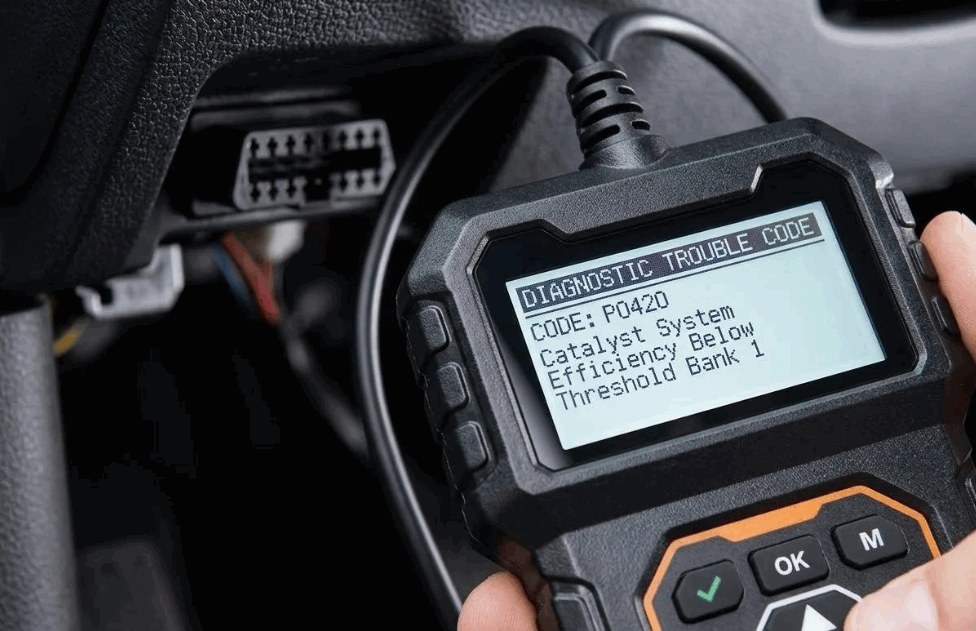
What Does the Dodge P0420 Code Mean?
The Dodge P0420 Code means the Powertrain Control Module (PCM) has detected low catalytic converter efficiency on Bank 1. The official OBD-II definition is “Catalyst System Efficiency Below Threshold (Bank 1).” This code does not automatically mean the catalytic converter has failed. It only shows that the emissions system is no longer performing within the expected range.
The catalytic converter reduces harmful exhaust emissions before they leave the tailpipe. It converts carbon monoxide, hydrocarbons, and nitrogen oxides into less harmful gases through chemical reactions. Precious metals inside the converter make these reactions possible. When the converter loses efficiency, exhaust emissions increase and the PCM records a fault code.
The PCM monitors catalyst performance by comparing signals from two oxygen sensors. The upstream sensor measures exhaust gases before they enter the catalytic converter. The downstream sensor measures the gases after they leave the converter. A healthy converter creates a clear difference between these two sensor signals. If both sensors begin showing similar patterns, the PCM determines that the catalyst is no longer storing oxygen effectively. It then stores the P0420 code and turns on the Check Engine Light.
A worn catalytic converter is only one possible cause of this fault. A failing oxygen sensor can produce incorrect readings. An exhaust leak may allow outside air into the system and distort sensor data. Engine misfires, fuel delivery problems, and ignition faults can also reduce catalyst efficiency over time. For this reason, a complete diagnosis should always come before replacing expensive emissions components. This approach saves money and prevents the code from returning.
What Causes the Dodge P0420 Code?
Several mechanical and electronic problems can trigger the Dodge P0420 Code. Although the catalytic converter is often suspected first, it is not always the component that has failed. In many cases, another fault reduces catalyst efficiency or causes incorrect sensor readings. Identifying the root cause is essential before replacing any expensive parts.
A worn catalytic converter is the most common cause of this code. Over time, the catalyst loses its ability to store oxygen and convert harmful gases. Heat damage, contamination, and normal wear gradually reduce its efficiency. Once its performance drops below the required threshold, the PCM stores the P0420 code.
Faulty oxygen sensors are another common cause. The upstream sensor measures the oxygen level before exhaust gases enter the converter. The downstream sensor monitors the gases after they leave the converter. If either sensor reports inaccurate data, the PCM may incorrectly calculate catalyst efficiency. A damaged sensor can therefore trigger the code even when the catalytic converter is still functioning properly.
Exhaust leaks can also produce false diagnostic results. A small leak before the downstream oxygen sensor allows fresh air to enter the exhaust system. This changes the oxygen reading and makes the converter appear less efficient than it actually is. Even a minor leak around the exhaust manifold or pipe can contribute to this condition.
Engine performance problems often damage the catalytic converter over time. Repeated misfires send unburned fuel into the exhaust system. Rich air fuel mixtures create excessive heat inside the converter. Leaking fuel injectors, worn spark plugs, and failing ignition coils can all accelerate catalyst deterioration. In some vehicles, outdated PCM software or wiring faults may also contribute to incorrect catalyst monitoring. A complete inspection of the engine, exhaust system, and sensor data is the most reliable way to determine the actual cause of the Dodge P0420 Code.
What Are the Symptoms of a Dodge P0420 Code?
The Dodge P0420 Code does not always cause immediate drivability problems. Many vehicles continue to run normally when the code first appears. However, the fault often indicates that the emissions system is no longer working efficiently. If the underlying problem remains unresolved, additional symptoms may develop over time.
The most common symptom is an illuminated Check Engine Light. In many Dodge models, this may be the only noticeable sign during the early stages of the problem. Since the PCM stores the code after detecting reduced catalyst efficiency, drivers usually need an OBD-II scanner to identify the exact fault.
Reduced fuel economy is another common symptom. A failing oxygen sensor or an incorrect air-fuel mixture can cause the engine to consume more fuel than necessary. Poor combustion also places additional stress on the catalytic converter. As a result, fuel efficiency gradually declines while emissions increase.
Some drivers notice slower acceleration or reduced engine responsiveness. This usually happens when the catalytic converter becomes partially clogged. A restricted converter limits exhaust flow and increases back pressure inside the engine. The engine must work harder to expel exhaust gases, which reduces overall performance, especially during acceleration or when driving uphill.
An unusual sulfur smell may also indicate catalyst problems. The odor is often described as similar to rotten eggs. It develops when the catalytic converter can no longer process sulfur compounds efficiently. In severe cases, excessive heat inside the converter may produce a burning smell after long drives.
A vehicle with a Dodge P0420 Code may also fail an emissions inspection. Even if the engine appears to operate normally, increased exhaust emissions can prevent the vehicle from meeting local environmental standards. For this reason, the code should never be ignored. Early diagnosis helps protect the catalytic converter, reduces repair costs, and prevents more serious engine or exhaust system damage.
How Do You Diagnose the Dodge P0420 Code?
Diagnosing the Dodge P0420 Code requires a systematic approach. Replacing parts without testing often leads to unnecessary expenses and repeated repairs. The goal is to identify the root cause before replacing the catalytic converter. A complete inspection also helps uncover engine or exhaust problems that may have triggered the code.
The first step is to connect an OBD-II scanner and read all stored trouble codes. Freeze Frame Data should also be reviewed because it records engine conditions when the fault occurred. Engine speed, coolant temperature, fuel trims, and vehicle speed provide valuable clues. If additional codes such as misfire or oxygen sensor faults are present, they should be repaired before focusing on the P0420 code.
Next, inspect the live data from both oxygen sensors. The upstream sensor should switch rapidly between rich and lean conditions during normal operation. The downstream sensor should remain much more stable when the catalytic converter is working correctly. If both sensors display similar voltage patterns, the converter may no longer be storing oxygen efficiently. However, a faulty sensor can produce the same result, so sensor performance should always be verified before replacing the converter.
The exhaust system should then be inspected for leaks. Even a small crack near the exhaust manifold or a loose gasket can introduce outside air into the system. This changes the oxygen sensor readings and may trigger a false P0420 code. The inspection should also include the catalytic converter housing, exhaust pipes, and sensor mounting points for signs of damage or corrosion.
Finally, evaluate the engine’s overall condition. Check for ignition problems, fuel delivery issues, vacuum leaks, and excessive oil or coolant consumption. Any of these faults can reduce catalyst efficiency over time. Only after every supporting system has been tested should the catalytic converter be considered defective. Following this diagnostic sequence improves repair accuracy, reduces unnecessary parts replacement, and increases the likelihood of permanently eliminating the Dodge P0420 Code.
How Do You Fix the Dodge P0420 Code?
Fixing the Dodge P0420 Code begins with correcting the underlying problem rather than replacing the catalytic converter immediately. The P0420 code is often the result of another engine or exhaust system fault. A proper repair starts with an accurate diagnosis and ends with a successful drive cycle that confirms the issue has been resolved.
If the inspection reveals an exhaust leak, repair it first. Cracked exhaust manifolds, damaged gaskets, or leaking exhaust pipes can change oxygen sensor readings and trigger the P0420 code. Even a small leak can affect catalyst monitoring. After the repair, clear the code and perform another road test to verify the results.
Faulty oxygen sensors should be replaced when testing confirms inaccurate or slow voltage readings. A worn upstream sensor can cause incorrect fuel adjustments, while a failing downstream sensor can report false catalyst efficiency. Always use high-quality replacement sensors that meet the manufacturer’s specifications. Cheap aftermarket sensors often create new diagnostic problems and shorten service life.
Engine performance issues must also be repaired before replacing the catalytic converter. Misfires, leaking fuel injectors, vacuum leaks, and ignition failures increase exhaust temperatures and allow unburned fuel to enter the converter. Over time, this damages the catalyst and reduces its efficiency. Correcting these problems helps protect the new converter and prevents the code from returning.
Replace the catalytic converter only after every supporting system has passed inspection. A converter that is melted, contaminated, or internally damaged cannot restore its original efficiency. Installing a new converter without repairing the original cause usually results in another P0420 code within a short period. This is one of the most common and expensive repair mistakes.
After completing the repair, clear the diagnostic trouble code with an OBD-II scanner and complete the recommended drive cycle. The PCM must run the catalyst monitor before confirming that the repair was successful. If no fault codes return and all emissions monitors reach a ready status, the repair can be considered complete. Following this process improves repair accuracy, protects expensive emissions components, and provides a long-term solution for the Dodge P0420 Code.
Can You Drive With a Dodge P0420 Code?
In most cases, you can continue driving with a Dodge P0420 Code for a short period. The vehicle usually remains safe to operate because this code primarily affects the emissions system. Many drivers notice no change in engine performance when the code first appears. However, delaying repairs increases the risk of more expensive damage if another engine problem is causing the fault.
Driving with a failing catalytic converter may gradually reduce engine performance. As the converter becomes more restricted, exhaust gases cannot flow efficiently. This increases back pressure and forces the engine to work harder. Drivers may notice slower acceleration, reduced fuel economy, or poor performance when climbing hills or carrying heavy loads.
The greatest risk is ignoring the underlying cause. An engine misfire, leaking fuel injector, or faulty ignition component can overheat the catalytic converter. Excessive heat may melt the catalyst substrate and permanently damage the converter. Since a catalytic converter is one of the most expensive emissions components, postponing repairs often leads to much higher repair costs.
You should avoid long trips or heavy towing if the Check Engine Light begins flashing. A flashing light usually indicates an active engine misfire rather than a simple catalyst efficiency problem. Continuing to drive under these conditions can quickly destroy the catalytic converter and may damage other engine components. If the warning light flashes or the vehicle runs poorly, stop driving and have the problem diagnosed as soon as possible.
How Much Does It Cost to Fix a Dodge P0420 Code?
The cost to repair a Dodge P0420 Code depends entirely on the component that has failed. Some repairs are relatively inexpensive, while others require replacement of the catalytic converter. A complete diagnosis should always come before ordering replacement parts. This prevents unnecessary expenses and ensures the correct repair is performed the first time.
Replacing an oxygen sensor is usually one of the least expensive repairs. Labor is often minimal because the sensor threads directly into the exhaust system. Repairing a small exhaust leak is also affordable when the damage is limited to a gasket or pipe connection. These repairs frequently solve the problem if the catalytic converter is still operating correctly.
Repair costs increase significantly when the catalytic converter has failed. The converter itself is an expensive emissions component, especially when an original equipment replacement is required. Labor costs also vary by vehicle model because some converters are easier to access than others. Additional expenses may arise if damaged sensors, exhaust components, or engine parts must also be replaced.
Professional diagnostic testing is a worthwhile investment before approving major repairs. A technician can verify catalyst efficiency, inspect live sensor data, and identify related engine faults. Spending money on proper testing often prevents the unnecessary replacement of a functioning catalytic converter. In many cases, repairing the actual root cause restores normal system operation at a much lower cost.
How Can You Prevent the Dodge P0420 Code?
Preventing the Dodge P0420 Code starts with regular vehicle maintenance. The catalytic converter depends on a healthy engine and a properly functioning fuel system. Small problems that are ignored for too long often lead to reduced catalyst efficiency. Routine inspections help identify these issues before they cause permanent damage.
Follow the manufacturer’s recommended maintenance schedule for spark plugs, air filters, and engine oil. Worn ignition components can cause misfires, while dirty air filters affect the air-fuel mixture. Fresh engine oil also reduces the risk of oil contamination entering the exhaust system. Keeping the engine in good condition extends the life of the catalytic converter.
Address Check Engine Light warnings as soon as they appear. Fault codes related to oxygen sensors, ignition coils, or fuel injectors should never be ignored. These components directly influence combustion efficiency and exhaust emissions. Repairing them early prevents excessive heat and unburned fuel from reaching the catalytic converter.
Inspect the exhaust system during routine service visits. Loose connections, damaged pipes, and leaking gaskets can affect oxygen sensor readings and trigger false catalyst efficiency codes. Replacing worn exhaust components before they fail helps maintain accurate emissions monitoring and reliable engine performance.
Using quality fuel and replacement parts also contributes to long-term reliability. Fuel that meets the manufacturer’s specifications helps maintain efficient combustion. High-quality oxygen sensors and original-equipment or equivalent replacement parts provide more accurate performance than low-cost alternatives. Consistent maintenance and early repairs are the most effective ways to avoid the Dodge P0420 Code and extend the service life of the emissions system.
Conclusion
The Dodge P0420 Code indicates that the catalytic converter is no longer meeting the efficiency standards expected by the Powertrain Control Module. While the catalytic converter is often associated with this code, it is not always the component that has failed. Oxygen sensors, exhaust leaks, engine misfires, and fuel system problems can all produce the same diagnostic result.
A structured diagnostic process is the key to an accurate repair. Reading fault codes, analyzing live sensor data, inspecting the exhaust system, and correcting engine performance issues should always come before replacing the catalytic converter. This approach reduces unnecessary repair costs and prevents the code from returning.
Regular maintenance is the best long-term strategy for preventing catalyst efficiency problems. Keeping the ignition system, fuel system, and exhaust system in good condition protects the catalytic converter and improves overall engine performance. When diagnosed correctly and repaired promptly, most vehicles can be restored to normal operation without replacing unnecessary parts. Following the proper repair process saves money, maintains emissions compliance, and helps ensure reliable performance for years to come.