The 3.0 EcoDiesel engine combines strong towing capability with impressive fuel efficiency. It powers several popular vehicles, including the Ram 1500, Jeep Grand Cherokee, Jeep Wrangler, and Jeep Gladiator. Many drivers choose this V6 turbo diesel engine because it delivers high torque without sacrificing everyday comfort.
Despite these advantages, the engine has developed a reputation for several recurring reliability issues. Some problems reduce performance over time, while others can cause severe engine damage if owners ignore the early warning signs. High-pressure fuel pump failures, EGR system faults, turbocharger issues, carbon buildup, and bearing wear rank among the most common concerns. These failures often begin with minor symptoms before they develop into expensive repairs.
Knowing what causes these problems helps owners react before the damage spreads. Regular oil changes, quality diesel fuel, scheduled maintenance, and early inspections all improve long-term reliability. Buyers also benefit from understanding which model years perform well and which ones require extra attention before purchase.
This guide examines the 12 most common 3.0 EcoDiesel problems in detail. It explains the symptoms, root causes, repair costs, and practical solutions for each issue. You will also learn which model years offer better reliability and how proper maintenance can help the engine deliver a longer service life.
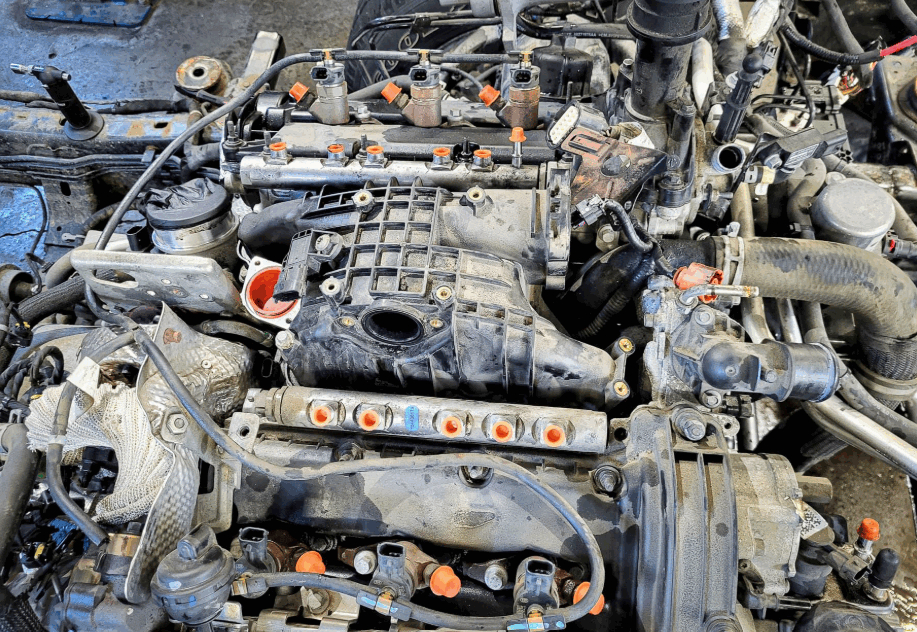
What Are the 12 Most Common 3.0 EcoDiesel Problems?
The 3.0 EcoDiesel engine suffers from several recurring mechanical and emissions-related issues that affect both reliability and long-term ownership costs. Although not every engine develops the same faults, certain problems appear far more frequently than others. Most owners report failures involving the high-pressure fuel pump, EGR system, turbocharger, oil cooler, intake manifold, and emissions components. More serious cases include rod bearing wear and crankshaft damage, both of which can require a complete engine replacement.
Many of these problems develop slowly instead of appearing without warning. A small coolant leak may indicate a failing EGR cooler, while reduced acceleration can point to carbon buildup inside the intake manifold. Drivers often notice rough idling, poor fuel economy, excessive exhaust smoke, or a persistent Check Engine Light long before a major failure occurs. Recognizing these early symptoms allows owners to schedule repairs before the damage spreads to expensive engine components.
Maintenance history also plays a major role in overall reliability. Engines that receive regular oil changes with the correct specification, clean fuel filters, and high-quality diesel fuel usually experience fewer mechanical failures. In contrast, delayed maintenance increases wear on critical parts and places additional stress on the fuel, lubrication, and emissions systems. Driving habits also influence engine health because frequent short trips prevent the diesel particulate filter from completing proper regeneration cycles.
The table below summarizes the most common 3.0 EcoDiesel problems, their typical severity, and the average repair cost. The following sections examine each issue in greater detail, explain why it happens, and provide practical solutions that help reduce repair expenses and improve long-term engine reliability.
| Common Problem | Severity | Typical Repair Cost |
|---|---|---|
| High-Pressure Fuel Pump Failure | Very High | $4,000–$10,000 |
| EGR Cooler Failure | High | $900–$2,200 |
| EGR Valve Carbon Buildup | Medium | $350–$900 |
| Turbocharger Failure | High | $1,500–$3,500 |
| Oil Cooler Failure | High | $800–$2,000 |
| Rod Bearing Wear | Critical | $5,000–$12,000 |
| Crankshaft Failure | Critical | $8,000–$15,000 |
| Intake Manifold Carbon Buildup | Medium | $500–$1,500 |
| DEF System Failure | Medium | $400–$2,000 |
| DPF Regeneration Problems | Medium | $600–$3,000 |
| Timing Chain Wear | High | $1,800–$3,500 |
| Cooling System Problems | Medium | $300–$1,500 |
Why Does the High Pressure Fuel Pump (HPFP) Fail?
High Pressure Fuel Pump failure ranks among the most serious 3.0 EcoDiesel problems because it can damage the entire fuel system within a short period. The HPFP supplies diesel fuel at extremely high pressure to the fuel injectors. When the pump begins to fail, it often releases tiny metal particles into the fuel lines. These particles travel through the injectors, fuel rails, and fuel tank, turning a single component failure into a complete fuel system repair.
Several factors increase the risk of HPFP failure. Poor fuel quality, contaminated diesel, inadequate fuel lubrication, and normal mechanical wear all place additional stress on the pump’s internal components. Low-quality fuel reduces lubrication inside the pump, causing excessive friction between moving parts. As the internal surfaces wear down, metal shavings enter the fuel system and accelerate damage throughout the engine. Drivers who frequently operate with a nearly empty fuel tank may also increase pump wear because the fuel provides both cooling and lubrication.
Most engines display warning signs before the pump fails completely. Hard starting, rough idling, reduced engine power, hesitation during acceleration, and longer cranking times often appear first. Some vehicles also trigger the Check Engine Light or enter Limp Mode to protect the engine from further damage. Ignoring these symptoms allows contamination to spread, which dramatically increases repair costs.
Repair expenses depend on how much contamination reaches the fuel system. Replacing only the HPFP costs far less than replacing the pump, injectors, fuel rails, fuel lines, and fuel tank together. In severe cases, owners may spend between $4,000 and $10,000 to restore the entire system. Early diagnosis remains the most effective way to avoid these expenses.
Owners can reduce the likelihood of HPFP failure through consistent preventive maintenance. Filling up at reputable fuel stations, replacing the fuel filter at the recommended interval, and avoiding contaminated diesel help protect the pump from premature wear. Regular inspections also allow technicians to detect abnormal fuel pressure or metal contamination before major engine damage occurs.
Why Are EGR, DPF, and DEF System Problems So Common?
The EGR, DPF, and DEF systems cause many of the most common 3.0 EcoDiesel problems because they operate together to reduce exhaust emissions. While these components help the engine meet strict environmental regulations, they also work under high temperatures and constant exposure to soot. Over time, carbon deposits and heat place extra stress on the entire emissions system, increasing the likelihood of performance issues and expensive repairs.
The Exhaust Gas Recirculation system lowers combustion temperatures by returning a portion of exhaust gas to the engine. This process reduces nitrogen oxide emissions, but it also introduces soot into the intake system. As carbon accumulates, the EGR valve may stick or the EGR cooler may lose efficiency. Drivers often notice rough idling, sluggish acceleration, poor fuel economy, or excessive black smoke from the exhaust. If the EGR cooler develops an internal leak, coolant loss and white exhaust smoke may appear before the engine overheats.
The Diesel Particulate Filter creates another common source of trouble. Its primary job is to capture soot before it leaves the exhaust system. During normal driving, the engine performs regeneration by raising exhaust temperatures to burn away the trapped particles. Frequent short trips prevent this process from finishing, allowing soot to build inside the filter. As restriction increases, the engine loses power, fuel consumption rises, and the vehicle may enter Limp Mode to protect critical components.
The Diesel Exhaust Fluid system also requires regular attention. DEF helps the Selective Catalytic Reduction system convert harmful nitrogen oxides into harmless nitrogen and water vapor. A contaminated DEF tank, a faulty injector, or a failed NOx sensor can interrupt this process and trigger warning messages on the dashboard. If the problem remains unresolved, many vehicles limit engine performance or prevent the engine from restarting after shutdown.
Regular highway driving, high-quality DEF, and routine inspections help keep these systems operating efficiently. Addressing warning lights as soon as they appear also prevents small faults from developing into costly repairs. Owners who follow the recommended maintenance schedule often experience fewer emissions-related failures and lower long-term operating costs.
What Causes Turbocharger, Oil Cooler, and Intake Manifold Failures?
Turbocharger, oil cooler, and intake manifold failures often develop together because these components depend on clean oil, stable operating temperatures, and unrestricted airflow. When one part begins to fail, it places additional stress on the others. This chain reaction reduces engine performance, increases fuel consumption, and raises the risk of costly repairs if owners delay maintenance.
The turbocharger relies on a constant supply of clean engine oil to lubricate its high-speed bearings. Dirty oil, extended oil change intervals, or low oil pressure can accelerate bearing wear and damage the turbine shaft. Drivers usually notice slower acceleration, reduced boost pressure, unusual whistling noises, or blue exhaust smoke as the first warning signs. A damaged turbocharger also forces the engine to work harder, which reduces fuel efficiency and increases exhaust temperatures.
The oil cooler plays an equally important role by controlling engine oil temperature during heavy loads and extended driving. Internal corrosion, coolant contamination, or clogged passages reduce its ability to remove heat from the oil. As oil temperatures rise, lubrication becomes less effective and critical engine components experience greater friction. Drivers may notice rising coolant temperatures, unexplained coolant loss, or signs of oil contamination before the problem becomes severe. Replacing a leaking oil cooler early helps prevent overheating and protects the engine from premature wear.
Carbon buildup inside the intake manifold creates another common reliability concern. The combination of exhaust gases from the EGR system and oil vapor from the crankcase ventilation system gradually coats the intake passages with thick deposits. Restricted airflow limits combustion efficiency, causing rough idling, sluggish throttle response, reduced power, and poor fuel economy. In advanced cases, excessive carbon buildup can also increase emissions and trigger the Check Engine Light.
Routine maintenance greatly reduces the likelihood of these failures. Using the correct synthetic engine oil, following the recommended service intervals, and inspecting the cooling system help protect the turbocharger and oil cooler. Periodic intake cleaning also restores proper airflow and improves engine efficiency. These preventive measures cost far less than replacing major engine components and help the 3.0 EcoDiesel deliver more consistent long-term performance.
Why Do Rod Bearing and Crankshaft Failures Lead to Complete Engine Damage?
Rod bearing and crankshaft failures represent the most expensive 3.0 EcoDiesel problems because they damage the engine’s rotating assembly. Unlike emissions or turbocharger issues, these failures affect the engine’s core mechanical components. Once severe wear begins, the damage often spreads rapidly and leaves owners with the choice of rebuilding or replacing the entire engine.
Rod bearings create a thin protective layer between the connecting rods and the crankshaft journals. This layer depends on a continuous supply of clean engine oil to prevent direct metal-to-metal contact. When oil pressure drops or lubrication becomes inadequate, friction increases immediately. The bearings begin to wear, clearances become larger, and excessive heat develops inside the engine. As the damage progresses, the crankshaft journals also wear down, making repairs significantly more expensive.
Several factors contribute to premature bearing wear. Extended oil change intervals, contaminated engine oil, low oil levels, overheating, and poor maintenance all increase the risk of failure. Heavy towing and aggressive driving place additional loads on the rotating assembly, especially when the engine already suffers from poor lubrication. Once metal particles circulate through the lubrication system, they accelerate wear in other internal components and reduce overall engine reliability.
Early warning signs should never be ignored. Drivers may hear a knocking or ticking noise during acceleration, notice lower oil pressure, or experience increased engine vibration. Some vehicles also display a Check Engine Light or enter Limp Mode after the engine detects abnormal operating conditions. These symptoms rarely disappear on their own and usually indicate that internal damage has already started.
Repair costs increase dramatically as the failure progresses. Replacing worn bearings during the early stages costs far less than repairing a damaged crankshaft or installing a replacement engine. If the crankshaft seizes or a connecting rod fails, repair bills often exceed $10,000. Many owners choose a remanufactured engine because rebuilding extensive internal damage can become even more expensive.
Owners can greatly reduce the risk of bearing and crankshaft failure through consistent maintenance. Using the correct engine oil, replacing it at shorter intervals than the maximum factory recommendation, monitoring oil pressure, and investigating unusual engine noises immediately all help protect the rotating assembly. Preventive maintenance remains the most effective strategy for extending the service life of the 3.0 EcoDiesel engine and avoiding catastrophic engine failure.
Which 3.0 EcoDiesel Model Years Have the Most Problems?
The reliability of the 3.0 EcoDiesel engine varies significantly by model year. Early versions experienced more mechanical and emissions-related issues, while later generations introduced important design improvements. Buyers who understand these differences can avoid costly repairs and choose a model with a stronger long-term reliability record.
The 2014 through 2016 model years receive the most complaints from owners. These engines commonly experience EGR cooler failures, turbocharger problems, oil cooler leaks, and premature bearing wear. Many vehicles from this period also require software updates or recall repairs related to emissions systems. Although proper maintenance improves reliability, these early engines generally carry the highest ownership risk.
The 2017 through 2019 models offer moderate improvements but still report several recurring issues. FCA introduced software revisions and updated some engine components to improve durability. Even so, carbon buildup, DEF system faults, DPF regeneration problems, and occasional HPFP failures remain common concerns. Buyers should review maintenance records carefully because neglected service can shorten engine life regardless of the production year.
The third-generation 3.0 EcoDiesel, introduced for the 2020 model year, represents the most significant redesign. Engineers updated the turbocharger, cylinder heads, intake ports, pistons, cooling system, and exhaust gas recirculation components to improve performance and reliability. These improvements reduced many of the weaknesses found in earlier engines. While no diesel engine is completely free from maintenance requirements, the latest generation generally experiences fewer major mechanical failures when owners follow the recommended service schedule.
The table below summarizes the overall reliability of each production period.
| Model Years | Reliability | Common Issues | Buying Recommendation |
|---|---|---|---|
| 2014–2016 | Fair | EGR cooler, turbocharger, oil cooler, bearing wear | Buy only with complete service history |
| 2017–2019 | Good | DPF, DEF, carbon buildup, HPFP | Good value if maintenance records are available |
| 2020–2023 | Very Good | Minor emissions issues, routine maintenance | Recommended for most buyers |
Before purchasing any used 3.0 EcoDiesel, inspect the service history instead of relying only on the model year. A well-maintained 2018 engine often proves more dependable than a neglected 2022 model. Verify that recall work has been completed, confirm regular oil and fuel filter changes, and inspect the emissions system for warning codes. A professional pre-purchase inspection also helps identify hidden mechanical problems before they become expensive repairs.
How Much Does It Cost to Repair Common 3.0 EcoDiesel Problems?
Repair costs vary widely depending on the affected component and how quickly the problem is diagnosed. Minor issues often require a simple repair or replacement, while major mechanical failures can damage multiple systems and increase the total repair bill. Addressing problems early remains the most effective way to control ownership costs and protect the engine from secondary damage.
The high-pressure fuel pump is one of the most expensive components to repair. If the pump fails without contaminating the fuel system, replacement costs usually range from $1,500 to $2,500. However, metal debris can spread through the injectors, fuel rails, fuel lines, and fuel tank. In that situation, the repair cost often climbs to between $4,000 and $10,000 because several components must be replaced together.
Emissions-related repairs generally cost less but still represent a significant expense. Replacing an EGR valve typically costs between $350 and $900, while a failed EGR cooler may cost $900 to $2,200. DPF cleaning is often less expensive than replacing the filter, but a severely clogged unit can increase the repair bill to more than $3,000. DEF injectors, NOx sensors, and SCR components also vary in price depending on the failed part and the amount of diagnostic work required.
Mechanical failures become considerably more expensive when they affect internal engine components. A replacement turbocharger usually costs between $1,500 and $3,500, while an oil cooler replacement often ranges from $800 to $2,000. Rod bearing or crankshaft damage creates the highest repair costs because technicians must disassemble a large portion of the engine. Complete engine repairs or replacements frequently exceed $10,000, especially when metal contamination damages multiple internal parts.
The following table provides a general estimate of common repair costs.
| Repair | Average Cost |
|---|---|
| High Pressure Fuel Pump | $1,500–$10,000 |
| EGR Valve | $350–$900 |
| EGR Cooler | $900–$2,200 |
| Turbocharger | $1,500–$3,500 |
| Oil Cooler | $800–$2,000 |
| Intake Manifold Cleaning | $500–$1,500 |
| DPF Cleaning or Replacement | $600–$3,000 |
| DEF System Repair | $400–$2,000 |
| Timing Chain Replacement | $1,800–$3,500 |
| Engine Replacement | $8,000–$15,000+ |
Repair estimates should always be viewed as a general guide because labor rates, replacement parts, and regional pricing differ across repair shops. Obtaining a professional diagnosis before replacing major components can also prevent unnecessary expenses. In many cases, repairing a small problem early costs only a fraction of what owners pay after a complete engine failure.
How Can You Prevent Common 3.0 EcoDiesel Problems?
Preventive maintenance is the most effective way to reduce the risk of major 3.0 EcoDiesel problems. Most serious failures begin as small issues that remain unnoticed or untreated for too long. Following a consistent maintenance routine protects critical engine components, improves long-term reliability, and lowers the overall cost of ownership. Owners who service their vehicles on time often avoid the expensive repairs associated with neglected diesel engines.
Engine oil plays a critical role in protecting the turbocharger, crankshaft, rod bearings, and timing components. Using the manufacturer-recommended full synthetic oil and replacing it before the maximum service interval helps maintain proper lubrication under heavy loads. Many experienced diesel technicians recommend shortening the oil change interval if the vehicle frequently tows heavy trailers, operates in dusty environments, or spends long periods in stop-and-go traffic. Fresh oil reduces internal friction, removes contaminants, and slows wear throughout the engine.
The fuel system also benefits from regular attention. Filling the tank with high-quality diesel fuel minimizes contamination and improves fuel lubrication. Replacing the fuel filter at the recommended interval prevents dirt and water from reaching the high-pressure fuel pump and injectors. Drivers should also avoid operating with a nearly empty fuel tank because diesel fuel helps cool and lubricate the fuel pump during normal operation.
Proper driving habits significantly improve the health of the emissions system. Short trips rarely allow the diesel particulate filter to complete a full regeneration cycle, which encourages soot accumulation inside the filter. Taking the vehicle on regular highway drives at operating temperature supports successful regeneration and reduces carbon buildup. Owners should also refill the DEF tank with certified fluid and investigate any emissions warning lights as soon as they appear.
Routine inspections help identify developing problems before they become major failures. Monitoring coolant levels, checking for oil leaks, listening for unusual engine noises, and scanning for diagnostic trouble codes provide valuable information about the engine’s condition. Scheduling professional inspections during routine maintenance also allows technicians to detect worn components before they fail unexpectedly.
Preventive maintenance cannot eliminate every potential problem, but it greatly improves the engine’s durability and reliability. Owners who combine quality parts, timely servicing, and responsible driving habits often enjoy lower repair costs and a longer engine lifespan. Investing in maintenance today usually costs far less than repairing catastrophic engine damage later.
Is the 3.0 EcoDiesel Engine Still Worth Buying?
The 3.0 EcoDiesel engine remains a worthwhile choice for drivers who value fuel efficiency, strong low-end torque, and long-distance driving comfort. Although the engine has experienced several well-documented reliability concerns, many of these problems become manageable when owners follow the recommended maintenance schedule and address minor faults before they develop into major repairs. For buyers who understand its strengths and weaknesses, the EcoDiesel continues to offer a balanced combination of performance and economy.
One of the engine’s biggest advantages is its ability to produce high torque at low engine speeds. This characteristic makes towing, hauling, and highway cruising more comfortable than many gasoline-powered alternatives. The engine also delivers impressive fuel economy for a full-size pickup or SUV, helping owners reduce fuel expenses during long trips. Drivers who regularly travel long distances often benefit the most because diesel engines perform efficiently after reaching normal operating temperature.
The decision becomes more complicated when purchasing a used vehicle. Service history matters far more than mileage alone. An engine that has received regular oil changes, fuel filter replacements, and timely emissions system repairs is usually a safer investment than one with incomplete maintenance records. Buyers should also confirm that all manufacturer recalls have been completed and inspect the vehicle for active diagnostic trouble codes before making a purchase.
Model year also plays an important role in overall reliability. Early production models, particularly those built between 2014 and 2016, report a higher number of mechanical and emissions-related problems. Later versions benefit from several engineering improvements that increase durability and reduce the frequency of major failures. While no version is completely free from maintenance requirements, the third-generation EcoDiesel generally provides the strongest balance between performance and reliability.
The 3.0 EcoDiesel is not the ideal engine for every driver. Owners who make frequent short trips may experience recurring DPF regeneration issues because the engine rarely reaches the operating conditions required for proper soot removal. In contrast, drivers who regularly travel on highways or tow moderate loads often experience fewer emissions-related problems and better overall reliability.
For most buyers, the engine remains a practical option when maintenance history, inspection results, and model year receive careful consideration. Choosing a well-maintained vehicle and following a proactive service schedule significantly reduces the risk of expensive repairs while allowing the engine to deliver the efficiency and towing capability that made it popular in the first place.
Conclusion
The 3.0 EcoDiesel engine offers an appealing combination of fuel efficiency, towing performance, and everyday drivability, but it also requires consistent maintenance to achieve its full lifespan. Problems involving the high-pressure fuel pump, EGR system, turbocharger, emissions components, and internal engine bearings represent the most significant reliability concerns. Fortunately, most major failures begin with recognizable warning signs that give owners an opportunity to act before repair costs escalate.
Regular oil changes, clean fuel, timely filter replacements, and routine inspections remain the most effective ways to improve engine reliability. Buyers considering a used EcoDiesel should place greater importance on documented service records than mileage alone. A thorough pre-purchase inspection can also identify hidden issues that may not appear during a short test drive.
When maintained correctly, the 3.0 EcoDiesel is capable of delivering many years of dependable performance while providing excellent fuel economy and strong towing capability. Understanding its common problems, recognizing early symptoms, and following a preventive maintenance plan will help owners reduce repair costs and enjoy a more reliable ownership experience.