Choosing a used SUV can be a challenging decision, especially when reliability, maintenance costs, and long term value are important factors. The Honda Pilot has built a strong reputation as a practical three row SUV that offers comfortable seating, a powerful V6 engine, and family friendly features. However, not every model year delivers the same ownership experience. Some Honda Pilot years provide excellent reliability and lower maintenance costs, while others may come with mechanical issues that can lead to unexpected repairs.
Finding the Best Years for Honda Pilot requires more than looking at the newest model available. A smart buyer needs to consider factors such as engine durability, transmission performance, safety technology, owner feedback, repair history, and overall value in the used car market.
This guide examines the most reliable Honda Pilot model years, highlights common problems to watch for, and explains which versions offer the best balance between affordability and long term dependability. Whether you are searching for a family SUV, replacing an older vehicle, or looking for a reliable used Honda Pilot, understanding the differences between model years can help you make a confident buying decision and avoid costly mistakes.
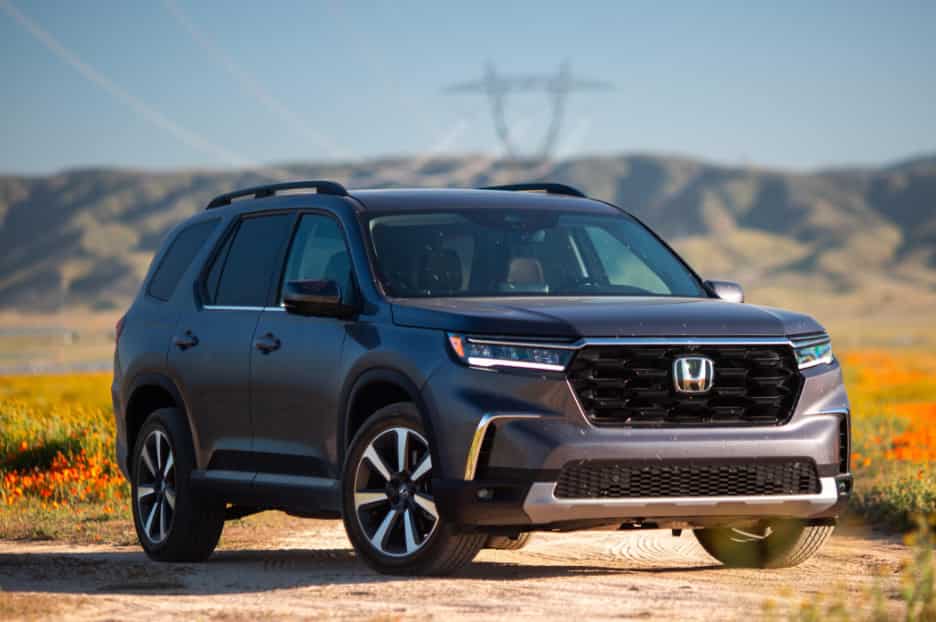
How We Ranked the Best Years for Honda Pilot
Determining the Best Years for Honda Pilot requires looking beyond popularity or model age. A reliable used SUV should provide consistent performance, affordable ownership, and confidence for many years after purchase. Since the Honda Pilot has gone through several generations, each model year comes with different strengths, weaknesses, and improvements that can affect the ownership experience.
The ranking process focuses on several important factors that influence long term reliability. The first factor is mechanical durability, including engine performance, transmission quality, and the frequency of reported issues. A Honda Pilot with a proven powertrain and fewer major repairs is more likely to deliver better value for used car buyers.
Maintenance history is another key consideration. Even the most reliable Honda Pilot model year can become expensive if previous owners neglected regular servicing. Models with strong maintenance records, reasonable repair costs, and widely available replacement parts receive higher ratings because they are easier to own over time.
Safety and technology improvements also play an important role. Newer Honda Pilot models often include advanced driver assistance features, improved infotainment systems, and better interior comfort. These upgrades can make a significant difference for families who plan to keep their SUV for many years.
Finally, resale value and market demand are considered when identifying the best Honda Pilot years to buy. A model that combines reliability, practical features, and reasonable pricing usually provides the strongest overall ownership experience. By evaluating these factors together, buyers can better understand which Honda Pilot years offer the best combination of performance, durability, and value.
Best Years for Honda Pilot: Top Reliable Models to Buy
2021 Honda Pilot: Best Modern Balance of Reliability and Features
The 2021 Honda Pilot stands out as one of the Best Years for Honda Pilot because it delivers a strong combination of reliability, modern features, and everyday practicality. As part of the third generation, the 2021 model benefits from several years of refinement compared with earlier versions of the same platform. This means buyers can enjoy updated technology and improved comfort without choosing a brand new SUV with a much higher purchase price.
One of the biggest advantages of the 2021 Honda Pilot is its proven 3.5 liter V6 engine. This naturally aspirated powertrain provides smooth acceleration, strong performance for highway driving, and enough capability for family trips or light towing needs. When properly maintained, the engine has a reputation for lasting well beyond 200,000 miles, making it an attractive choice for buyers who prioritize long term ownership.
The interior is another reason why this model year remains popular. The Honda Pilot offers three rows of seating, generous passenger space, and practical storage solutions that make it suitable for growing families. Higher trims such as the EX L, Touring, and Elite provide additional comfort features, including leather seating, advanced driver assistance technology, and premium convenience options.
However, buyers should still inspect the vehicle carefully before purchasing. Some owners have reported minor concerns related to infotainment performance, transmission behavior, or electronic features. These issues are generally less concerning compared with problems found in some older Honda Pilot generations, especially when the vehicle has complete maintenance records.
The 2021 Honda Pilot represents a balanced choice for buyers who want modern safety features, dependable performance, and a lower ownership risk. It provides many of the benefits of a newer SUV while avoiding the higher depreciation costs associated with purchasing a new vehicle.
2020 Honda Pilot: A Dependable Family SUV Choice
The 2020 Honda Pilot is another strong candidate among the Best Years for Honda Pilot because it combines proven engineering with practical family focused features. By this point, the third generation had already been on the market for several years, allowing Honda to improve the platform and address many early production concerns.
The biggest advantage of the 2020 model is its balance between price and capability. Used buyers can often find this year at a more affordable price compared with newer Pilot models while still receiving modern safety equipment and a comfortable driving experience. The vehicle comes equipped with Honda Sensing safety technology on most trims, which includes important features such as collision mitigation braking, adaptive cruise control, and lane keeping assistance.
The 3.5 liter V6 engine remains one of the strongest aspects of the 2020 Honda Pilot. It delivers dependable power, smooth operation, and strong durability when owners follow recommended maintenance schedules. The available all wheel drive system also makes this SUV a practical option for drivers who experience challenging weather conditions or frequently travel with passengers.
Inside the cabin, the 2020 Pilot provides the space and flexibility expected from a three row SUV. Families benefit from comfortable seating, easy access to the third row, and useful cargo capacity when the rear seats are folded. These features help the Pilot compete effectively against other midsize SUVs in the same category.
While the 2020 Honda Pilot is not completely free from potential issues, it avoids many of the concerns associated with older models. A thorough inspection should still check the transmission response, service history, and overall condition before purchase.
For buyers seeking a reliable used Honda Pilot with modern features and reasonable ownership costs, the 2020 model remains one of the most attractive options available.
2015 Honda Pilot: Best Second Generation Model Year for Long Term Reliability
The 2015 Honda Pilot is one of the Best Years for Honda Pilot for buyers who want proven reliability and affordable ownership. It is the final model year of the second generation. This gives it an advantage over earlier versions because Honda had more time to improve the platform.
The biggest strength of the 2015 Honda Pilot is its simple and durable design. It uses a proven 3.5 liter V6 engine. This engine delivers smooth power and strong reliability. With proper maintenance, many models can reach high mileage without major engine repairs.
The second generation Pilot is also practical for families. Its boxy design creates a spacious interior. The cabin offers comfortable seating for up to eight passengers. It also provides useful cargo space for daily driving, family trips, and outdoor activities.
Another benefit is its affordable price in the used SUV market. The 2015 Honda Pilot usually costs less than newer third generation models. Buyers can get Honda reliability without paying a premium price.
However, maintenance history is extremely important. Before purchasing, buyers should check whether major services were completed. Timing belt replacement, fluid changes, and regular inspections can affect long term ownership costs.
A well maintained 2015 Honda Pilot can provide many years of dependable service. It is a great option for drivers who prefer durability over the latest technology.
2019 Honda Pilot: Best Combination of Price, Technology, and Reliability
The 2019 Honda Pilot offers an excellent balance between modern features and proven reliability. It belongs to the third generation, which means Honda had already improved many early design concerns.
This model is popular among used SUV buyers because of its strong value. It provides many features found in newer vehicles but usually comes at a lower price. This makes it a smart choice for families who want comfort and practicality.
The 3.5 liter V6 engine is one of the main reasons why the 2019 Pilot performs well. It provides smooth acceleration and dependable power. The engine is suitable for commuting, highway driving, and family transportation.
Safety is another important advantage. Many 2019 Honda Pilot models include Honda Sensing technology. This system adds features such as adaptive cruise control and collision mitigation braking. These features improve driver confidence and passenger protection.
The interior remains one of the Pilot’s strongest points. It offers three rows of seating and flexible storage options. Higher trims provide premium features such as leather seats, upgraded audio systems, and additional convenience technology.
Buyers should still inspect the vehicle before purchase. Checking service records and testing the transmission are important steps. A properly maintained 2019 Honda Pilot can deliver a reliable and comfortable ownership experience.
For shoppers who want a modern used SUV without the cost of a newer model, the 2019 Honda Pilot is one of the strongest choices available.
2018 Honda Pilot: Strong Value in the Used SUV Market
The 2018 Honda Pilot is another strong option for buyers searching for the Best Years for Honda Pilot. This model provides a good balance of comfort, reliability, and affordability. It is part of the third generation, which means it benefits from Honda’s improvements after the initial redesign years.
One of the biggest advantages of the 2018 Pilot is its family friendly design. The cabin is spacious and practical. It offers comfortable seating for up to eight passengers. The second row provides easy access to the third row, which makes daily family use more convenient.
The 2018 Honda Pilot also uses the reliable 3.5 liter V6 engine. This engine provides smooth performance and enough power for different driving situations. It works well for city driving, highway trips, and occasional towing needs.
Technology is another reason why this model remains attractive. Many trims include features such as smartphone integration, advanced safety systems, and convenient driver assistance technology. These features help the Pilot compete with newer midsize SUVs.
However, buyers should pay attention to maintenance records. Some owners have reported concerns related to transmission performance and electronic features. A detailed inspection can help identify potential problems before purchase.
The 2018 Honda Pilot offers strong value because it combines modern features with reasonable pricing. It is a practical choice for families who want a reliable three row SUV without spending too much money.
2022 Honda Pilot: One of the Best Late Third Generation Models
The 2022 Honda Pilot is one of the strongest choices for buyers who want a newer used SUV. As one of the final years of the third generation, it benefits from years of updates and improvements. This makes it one of the most refined versions before the complete redesign.
The main advantage of the 2022 Honda Pilot is its balance between modern features and proven reliability. Buyers get updated safety technology, a comfortable interior, and a powertrain that has already established a strong reputation.
The 3.5 liter V6 engine continues to be a major strength. It delivers smooth power and dependable performance. Many owners appreciate its durability and predictable maintenance needs.
The interior design is also a major selling point. The Pilot provides excellent passenger space and flexible seating options. Families can easily carry passengers, luggage, and daily equipment without feeling limited.
The 2022 model also includes advanced safety features through Honda Sensing. These systems help reduce driver stress during daily commuting and long road trips. This is especially valuable for families who prioritize safety.
The main disadvantage is the higher used market price. Since it is newer than many other Pilot models, it usually costs more. However, the additional features and lower age can justify the higher investment.
For buyers who want a dependable SUV with modern technology, the 2022 Honda Pilot is among the best choices available. It offers the reliability of an established platform with many benefits of a newer vehicle.
Honda Pilot Years to Avoid: Models With More Reported Problems
Although the Honda Pilot has earned a strong reputation for reliability, not every model year delivers the same ownership experience. Some versions provide excellent durability and low maintenance costs, while others may require more attention because of reported mechanical or technology concerns. For used car buyers, understanding which Honda Pilot years have more potential problems can help prevent expensive repairs and unexpected ownership stress.
The condition of a used Honda Pilot always depends on its maintenance history. A well cared for vehicle can perform better than a neglected example from a newer year. However, certain model years have received more complaints from owners. These years deserve extra attention during the buying process.
2003 Honda Pilot: Early Production Concerns
The 2003 Honda Pilot was the first year of Honda’s three row SUV. It introduced a practical design with a reliable V6 engine and a spacious interior. However, first year models often have more problems because manufacturers are still improving the vehicle after its initial launch.
Some owners reported concerns related to transmission performance and electrical components. Today, age is another important factor because many 2003 Honda Pilot models have accumulated high mileage. Components such as suspension parts, seals, and electronic systems may require replacement as the vehicle gets older.
A 2003 Honda Pilot with excellent maintenance records can still be a useful family SUV. However, buyers should carefully inspect the vehicle before purchase. The lower purchase price may not always represent the best value if expensive repairs appear later.
2005 Honda Pilot: Check Transmission Condition Carefully
The 2005 Honda Pilot continued the strengths of the first generation. It offered a durable V6 engine, comfortable seating, and practical family transportation. However, some buyers have reported transmission related concerns with this model year.
Transmission repairs can become one of the most expensive problems for any used SUV. Because of this, buyers should pay close attention to how the vehicle shifts during a test drive. Rough shifting, hesitation, or unusual sounds may indicate possible problems that need further inspection.
The 2005 Honda Pilot is not automatically a poor choice. A vehicle with regular servicing and proper care may still provide reliable transportation. However, compared with newer Pilot models, it carries a higher ownership risk due to its age and potential repair needs.
2016 Honda Pilot: First Year of a Major Redesign
The 2016 Honda Pilot introduced a completely redesigned third generation. It brought a more modern appearance, improved interior quality, and additional technology features. However, the first year of a redesign can sometimes experience more complaints because new systems and components have not been fully proven.
Some owners reported issues involving transmission response, infotainment performance, and electronic features. These concerns were not found in every vehicle, but they are important for used buyers to consider.
The 2016 Pilot also added more advanced technology compared with previous generations. While these features improved comfort and safety, they also increased the number of electronic systems that could require repairs over time.
For buyers considering a 2016 Honda Pilot, a complete inspection is essential. Reviewing maintenance records and confirming previous repairs can reduce potential risks. In many cases, choosing later third generation models may provide a more refined ownership experience.
When searching for the Best Years for Honda Pilot, buyers should focus on models that offer proven reliability, strong maintenance history, and fewer reported concerns. Avoiding higher risk years does not mean every vehicle from those years should be ignored. It simply helps buyers make a more informed decision and find a Honda Pilot that delivers better long term value.
Honda Pilot Generations Explained: Which Generation Is Best?
Understanding the different Honda Pilot generations is one of the best ways to find the Best Years for Honda Pilot. Each generation introduced new improvements in design, technology, safety, and driving experience. However, newer does not always mean better. Some older models are known for their durability, while newer versions offer better comfort and advanced features.
The Honda Pilot has evolved through four generations since its introduction. Each generation has its own strengths and weaknesses. Knowing these differences can help buyers choose a model that matches their budget and ownership needs.
First Generation Honda Pilot (2003 to 2008): Simple Design and Proven Durability
The first generation Honda Pilot was introduced as a practical alternative for families who needed more space than a traditional sedan. It featured a boxy design, a spacious cabin, and a reliable V6 engine.
One of the biggest advantages of this generation is its mechanical simplicity. The 3.5 liter V6 engine is known for durability when properly maintained. Many owners appreciate the straightforward design because it can be easier and less expensive to repair compared with newer vehicles.
The interior is also highly practical. The first generation Pilot offers three rows of seating and a large cargo area. This makes it useful for families, road trips, and everyday transportation.
However, age is the biggest challenge for these models. Many first generation Pilots now have high mileage. Buyers need to check important maintenance items, including timing belt service, suspension condition, and transmission performance.
Among first generation models, later years such as 2007 and 2008 are generally more attractive because Honda had more time to improve the platform. These models can be good choices for buyers who value affordability and durability.
Second Generation Honda Pilot (2009 to 2015): Improved Comfort and Family Practicality
The second generation Honda Pilot brought a more refined driving experience. Honda improved the interior quality, ride comfort, and overall design while keeping the reliable V6 engine.
This generation became popular with families because of its spacious cabin and practical features. The interior provided better passenger comfort, and the larger design created more room for people and cargo.
The second generation Pilot also offered a smoother driving experience compared with the first generation. It felt more stable on highways and more comfortable during long trips.
Reliability remained one of its strongest advantages. Later models, especially the 2013 to 2015 Honda Pilot, are often considered better choices because they benefited from years of updates and improvements.
The main disadvantage is that these vehicles lack some modern technology found in newer SUVs. Buyers may miss features such as advanced driver assistance systems and newer infotainment options.
For shoppers who want a dependable used SUV at an affordable price, the second generation remains one of the strongest options.
Third Generation Honda Pilot (2016 to 2022): Modern Features and Better Technology
The third generation Honda Pilot introduced major changes in design and technology. It moved away from the boxy appearance of earlier models and adopted a more modern SUV style.
This generation improved comfort, fuel efficiency, and safety features. Many models include Honda Sensing technology, which provides additional driver assistance features. These improvements make the Pilot more competitive with newer midsize SUVs.
The 3.5 liter V6 engine continued to provide strong performance and reliability. Later models received updates that improved the overall ownership experience.
The best choices from this generation are often the later years. Models from 2019 to 2022 provide better refinement, updated features, and a more mature platform.
The main disadvantage of this generation is increased complexity. More technology means more electronic systems that may require attention as the vehicle ages. Buyers should always review service records before purchasing.
For many drivers, the third generation represents the ideal balance between modern features and proven Honda reliability.
Fourth Generation Honda Pilot (2023 and Newer): Modern Design and Advanced Features
The fourth generation Honda Pilot introduced a new direction for the SUV. It features a more rugged design, updated technology, and a stronger focus on modern family needs.
This generation offers improved interior materials, updated safety systems, and a more refined driving experience. It is designed for buyers who want the latest features and a vehicle that feels current for many years.
The main limitation is price. Newer Honda Pilot models usually cost significantly more than previous generations. Used buyers may need to wait until depreciation creates better value opportunities.
For buyers who want the newest technology and plan to keep their SUV for a long time, the fourth generation is an attractive choice. However, those searching for the best combination of price and reliability may still find more value in later third generation models.
Overall, the best Honda Pilot generation depends on what matters most to the buyer. The second generation offers simplicity and affordability. The third generation provides the strongest balance of technology and reliability. The fourth generation delivers the newest features and modern design.
For most used SUV shoppers, later third generation models remain some of the Best Years for Honda Pilot because they combine proven performance, practical features, and long term ownership value.
Common Honda Pilot Problems to Check Before Buying
Even the Best Years for Honda Pilot can develop problems if previous owners did not follow proper maintenance schedules. Before buying a used Honda Pilot, understanding common issues can help you avoid expensive repairs and make a smarter decision.
One of the most important areas to inspect is the transmission. Some Honda Pilot models have reported concerns such as rough shifting, hesitation, or delayed gear changes. During a test drive, buyers should check whether the vehicle shifts smoothly. Reviewing service records can also reveal whether the transmission received proper care.
Another important maintenance item is the timing belt. Honda Pilot models with the V6 engine require scheduled timing belt replacement. If this service has not been completed, the buyer may face additional costs shortly after purchase. A lower price does not always mean better value if major maintenance is overdue.
Modern Honda Pilot models also include many electronic features. Infotainment systems, sensors, cameras, and driver assistance technology should all be tested before purchase. These features improve comfort but may become expensive to repair when problems appear.
Suspension components and brakes should also be inspected, especially on older models with higher mileage. Worn parts can affect ride quality, safety, and ownership costs.
A reliable used Honda Pilot depends on condition, mileage, and maintenance history. By checking these common problem areas, buyers can choose a model that delivers better reliability, comfort, and long term value.
Used Honda Pilot Buying Checklist: What to Check Before You Buy
Buying a used Honda Pilot can be a smart choice for families and SUV buyers who want reliability, space, and long term value. However, choosing the right vehicle requires more than finding a low price. A careful inspection can help you avoid expensive repairs and identify whether the Honda Pilot is worth your investment.
The first step is checking the maintenance history. A well maintained Honda Pilot usually provides a better ownership experience than a vehicle with an unclear service background. Buyers should review records for regular oil changes, fluid services, timing belt replacement, and previous repairs.
The vehicle’s mileage is another important factor. A Honda Pilot with higher mileage is not automatically a bad choice. Many models can last for many years when they receive proper maintenance. However, higher mileage vehicles require closer inspection because more components may need replacement.
A test drive is also essential. Pay attention to the transmission response, engine performance, braking, and suspension comfort. The vehicle should accelerate smoothly without unusual sounds or vibrations. Any hesitation or strange behavior should be checked by a professional mechanic.
Buyers should also inspect the interior technology and safety features. Test the infotainment system, cameras, sensors, climate controls, and driver assistance features. Repairing electronic systems can become expensive, especially on higher trim levels.
The exterior condition can provide clues about previous ownership. Check for uneven paint, accident repairs, tire wear, and signs of poor maintenance. A vehicle inspection report can provide valuable information before completing the purchase.
Choosing the right Honda Pilot is about finding the best combination of model year, condition, mileage, and maintenance history. By following a careful inspection process, buyers can avoid common mistakes and find a reliable SUV that provides excellent value for many years.
Conclusion
Finding the Best Years for Honda Pilot depends on more than choosing the newest model available. The best option is a vehicle that combines strong reliability, reasonable maintenance costs, useful features, and a proven ownership history.
Models such as the 2021, 2020, 2019, 2018, and 2015 Honda Pilot stand out because they offer a strong balance between durability and value. Later third generation models are especially attractive for buyers who want modern safety technology with a reliable V6 engine.
However, every used Honda Pilot should be evaluated carefully. Maintenance records, mileage, previous repairs, and overall condition are just as important as the model year. A well maintained vehicle can provide many years of dependable service, while a neglected SUV can create unexpected expenses.
Before buying, take time to inspect the vehicle, review its history, and compare different model years. The right Honda Pilot can deliver excellent comfort, practicality, and long term value for families and everyday drivers.
Which Honda Pilot year are you considering buying? Share your experience or questions in the comments below.