Finding the right Honda VTM-4 Fluid equivalent can be confusing for many Honda owners. When a vehicle requires a specific rear differential fluid, choosing a random replacement may create compatibility issues, reduce AWD performance, or lead to unnecessary repair costs. Many drivers search for alternatives because genuine Honda VTM-4 Fluid can sometimes be expensive, difficult to find, or unavailable in certain regions.
Honda developed the VTM-4 system to improve traction and power distribution in specific all wheel drive vehicles. This advanced drivetrain technology depends on the correct fluid characteristics to ensure smooth operation of the rear differential and torque management system. Using the wrong fluid can affect how the system responds, especially during slippery conditions, towing, or heavy driving situations.
This guide explains everything you need to know about Honda VTM-4 Fluid equivalent options, including compatible replacement fluids, important specifications, OEM versus aftermarket choices, and expert maintenance tips. Whether you drive a Honda Pilot, Honda Ridgeline, or Acura MDX equipped with VTM-4 technology, understanding the correct fluid requirements can help protect your vehicle and avoid costly drivetrain problems.
By the end of this guide, you will know how to choose a suitable replacement while maintaining the reliability and performance of your Honda AWD system.
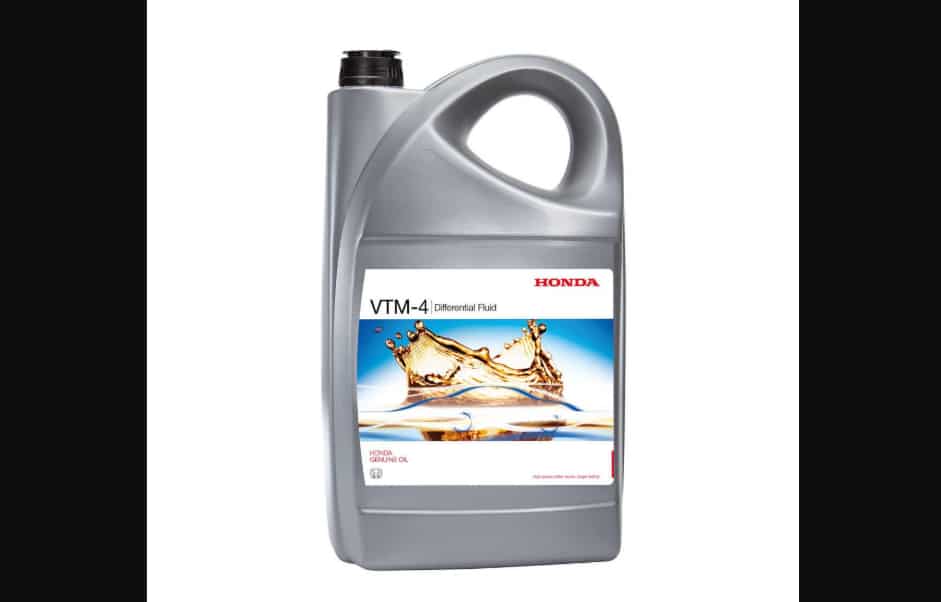
What Is Honda VTM-4 Fluid and Why Does Your Vehicle Need It?
Honda VTM-4 Fluid is a specialized lubricant for vehicles that use Honda’s Variable Torque Management 4WD system. It helps the rear differential work smoothly and efficiently during different driving conditions.
Unlike regular gear oils, VTM-4 Fluid has a unique formula. It supports the specific requirements of Honda’s rear differential system. The fluid helps control friction inside the clutch packs while protecting internal components from excessive wear.
The VTM-4 system manages torque distribution between the front and rear wheels. When the vehicle needs extra traction, the system sends more power to the rear wheels. This process helps improve stability on slippery roads, steep surfaces, and during heavy driving situations.
Honda uses VTM-4 technology in several vehicles, including the Honda Pilot, Honda Ridgeline, and Acura MDX. These models require proper rear differential lubrication to maintain reliable all wheel drive performance.
Many owners believe that any differential fluid can replace Honda VTM-4 Fluid. However, this assumption can create problems. Fluid compatibility depends on more than viscosity. The replacement fluid must also provide the correct friction control, heat resistance, and additive protection.
Using the wrong fluid may affect AWD operation. Some drivers may notice unusual noises, vibration, or reduced traction performance. In severe cases, incorrect lubrication can increase wear on expensive drivetrain components.
Choosing the right Honda VTM-4 Fluid equivalent starts with understanding how the system works. A suitable replacement should match the performance requirements of the original fluid while protecting the vehicle’s AWD system for long term reliability.
Honda VTM-4 Fluid Equivalent Specifications You Should Know
Choosing the right Honda VTM-4 Fluid equivalent requires more than finding a product with a similar label. A compatible replacement must match the performance needs of Honda’s VTM-4 system. The fluid must protect the rear differential while supporting smooth torque transfer during different driving conditions.
One of the most important factors is friction control. The VTM-4 system uses internal clutch components to manage power distribution between the wheels. These components need a fluid that provides the correct level of friction. A fluid with the wrong friction properties may cause hesitation, noise, or poor AWD engagement.
Temperature stability is another important consideration. The rear differential can experience high temperatures during towing, mountain driving, or frequent AWD operation. A quality Honda VTM-4 Fluid equivalent should maintain its protective properties under both normal and demanding conditions.
The additive package also plays a major role in fluid performance. High quality differential fluids contain additives that reduce wear, protect metal surfaces, and support long term component durability. However, more additives do not always mean better compatibility. The formula must match the requirements of the VTM-4 system.
Many vehicle owners focus only on viscosity when comparing replacement fluids. While viscosity matters, it does not provide the complete picture. A suitable replacement should offer the right balance of lubrication, friction management, heat resistance, and component protection.
Before choosing an alternative fluid, always check product specifications and vehicle requirements. A reliable Honda VTM-4 Fluid equivalent should meet the technical demands of your AWD system and help maintain smooth performance throughout the vehicle’s lifespan.
Best Honda VTM-4 Fluid Equivalent Replacement Options
When searching for a Honda VTM-4 Fluid equivalent, many vehicle owners want a solution that balances reliability, compatibility, and cost. The safest choice depends on your vehicle model, driving conditions, and maintenance goals. Some drivers prefer the original Honda fluid because it offers factory level compatibility. Others look for aftermarket options that provide similar performance at a lower price.
Understanding the differences between these choices can help you avoid selecting the wrong fluid for your AWD system.
Honda Genuine VTM-4 Fluid
Honda Genuine VTM-4 Fluid remains the most direct option for vehicles equipped with the VTM-4 system. Honda designed this fluid specifically for its rear differential technology, which means it matches the requirements of the system without requiring additional compatibility research.
The biggest advantage of using the original Honda fluid is confidence. Vehicle owners do not need to compare complex specifications or wonder whether an aftermarket product will work correctly. The fluid already matches the engineering requirements of Honda’s drivetrain system.
Another benefit is consistency. Honda technicians commonly use factory fluids during scheduled maintenance because they follow the manufacturer’s recommended standards. This can make the service process easier, especially for owners who want to maintain their vehicle according to factory guidelines.
However, Honda Genuine VTM-4 Fluid may not always be the most convenient option. Some owners experience higher costs compared with aftermarket products. Availability can also vary depending on location. Drivers who live far from Honda dealerships may need to order the fluid in advance.
For owners who prioritize maximum compatibility and want the simplest solution, Honda Genuine VTM-4 Fluid remains the benchmark choice.
Aftermarket Differential Fluids Designed for AWD Systems
Many drivers search for a Honda VTM-4 Fluid equivalent because they want more affordable alternatives. Aftermarket differential fluids can provide a practical solution when they meet the correct performance requirements.
The key factor is not the brand name alone. A replacement fluid should support the same operating needs as the original VTM-4 Fluid. This includes proper friction characteristics, heat resistance, lubrication quality, and protection for differential components.
High quality aftermarket fluids often attract drivers who perform their own maintenance. These products can be easier to find and may offer competitive pricing compared with OEM fluids. They also provide more options for owners who need regular servicing.
However, not every differential fluid works with Honda’s VTM-4 system. A common mistake is choosing a product based only on viscosity or general descriptions such as “gear oil” or “AWD fluid.” The vehicle’s drivetrain design requires a fluid that supports the specific operation of the rear differential clutch system.
Before selecting an aftermarket replacement, always review the manufacturer’s specifications. Confirm that the product matches the requirements of your Honda model and AWD system.
Synthetic Differential Fluid Alternatives
Synthetic fluids have become popular among many vehicle owners because they often provide strong performance under demanding conditions. They can handle temperature changes well and maintain lubrication quality during extended use.
For Honda vehicles that experience heavy workloads, such as towing or frequent driving in extreme weather, a high quality synthetic alternative may provide additional protection. The fluid must still meet the requirements of the VTM-4 system.
Synthetic technology alone does not guarantee compatibility. A premium synthetic fluid designed for another type of differential may not work correctly in a Honda VTM-4 application. Owners should focus on compatibility first and performance features second.
A suitable Honda VTM-4 Fluid equivalent should protect the drivetrain while allowing the AWD system to operate smoothly. The best replacement is not always the cheapest product or the most advanced formula. It is the option that matches the technical needs of your specific vehicle.
How to Choose the Right Replacement Fluid
Choosing the correct Honda VTM-4 Fluid equivalent becomes easier when you follow a few important steps. First, identify your exact vehicle model and year. Honda has used different drivetrain technologies across its lineup, so compatibility can vary.
Next, check the fluid requirements listed in your owner’s manual or maintenance documentation. These details provide the most reliable guidance for selecting a replacement.
You should also consider your driving habits. A vehicle used mainly for daily commuting may have different needs compared with one used for towing, off road driving, or frequent harsh conditions.
Finally, consider long term protection rather than short term savings. Saving a small amount on fluid may not be worthwhile if the wrong product causes drivetrain problems later.
A quality Honda VTM-4 Fluid equivalent should provide reliable lubrication, support AWD performance, and protect important rear differential components. By focusing on compatibility and specifications, owners can make a smarter maintenance decision.
Honda VTM-4 Fluid Equivalent Compatibility Guide by Vehicle Model
Choosing the right Honda VTM-4 Fluid equivalent starts with identifying your vehicle model and drivetrain requirements. Honda uses VTM-4 technology in several vehicles, including the Honda Pilot, Honda Ridgeline, and Acura MDX. Each model relies on proper rear differential lubrication to maintain smooth AWD performance.
The Honda Pilot is one of the most common vehicles equipped with the VTM-4 system. A compatible fluid helps the rear differential manage torque distribution and maintain reliable traction in different driving conditions. Owners who drive in snow, tow regularly, or travel on rough roads should pay extra attention to fluid quality.
The Honda Ridgeline also uses a VTM-4 based AWD system that requires proper lubrication for long term durability. Choosing an unsuitable replacement fluid may affect AWD operation and increase component wear over time.
The Acura MDX uses similar AWD technology in certain models. However, owners should always confirm their specific model year before selecting a replacement fluid.
When comparing OEM Honda VTM-4 Fluid with aftermarket alternatives, compatibility should remain the top priority. OEM fluid provides factory level confidence, while aftermarket options may offer lower costs and easier availability.
A reliable Honda VTM-4 Fluid equivalent should meet the technical requirements of the AWD system. Checking specifications before purchase helps protect the rear differential and maintain vehicle performance.
Signs Your Honda Needs VTM-4 Fluid Replacement
Knowing when to replace your VTM-4 Fluid can help prevent expensive drivetrain problems. Over time, differential fluid loses its ability to protect internal components. Old or contaminated fluid may reduce AWD performance and affect driving comfort.
One common sign is unusual noise from the rear differential. Some drivers notice humming, whining, or grinding sounds during turns or acceleration. These noises may indicate that the fluid no longer provides proper lubrication.
Another warning sign is hesitation when the AWD system activates. The VTM-4 system depends on smooth clutch operation to transfer power between the wheels. If the fluid cannot maintain the correct friction characteristics, the system may respond slower than expected.
Some Honda owners also experience vibration during low speed turns. This symptom can appear when the rear differential does not operate smoothly. While several issues can cause vibration, checking the fluid condition is an important maintenance step.
Drivers should also consider fluid replacement based on mileage and driving conditions. Vehicles used for towing, frequent AWD operation, or harsh weather may require more frequent maintenance.
Ignoring VTM-4 Fluid maintenance can increase wear on expensive drivetrain components. A timely fluid change helps protect the rear differential and supports reliable AWD performance.
If you are searching for a Honda VTM-4 Fluid equivalent, choose a product that matches the original system requirements. The right replacement fluid can improve reliability and help your Honda maintain smooth performance for years.
How Often Should You Change Honda VTM-4 Fluid?
Regular VTM-4 Fluid replacement plays an important role in maintaining Honda AWD performance. Over time, the fluid collects contaminants and loses some of its protective properties. Changing it at the right interval helps keep the rear differential working smoothly.
The recommended replacement interval can vary depending on the Honda model, driving conditions, and maintenance schedule. Owners should always check their vehicle’s owner manual for the most accurate recommendation.
Normal daily driving usually creates less stress on the VTM-4 system. However, vehicles that experience demanding conditions may need more frequent fluid changes. These conditions include regular towing, driving on steep roads, frequent snow or rain exposure, and heavy vehicle loads.
Many Honda owners choose to replace the fluid during scheduled maintenance services. This approach helps prevent fluid deterioration before it affects AWD performance.
When replacing the fluid, choosing the correct Honda VTM-4 Fluid equivalent is important. The replacement should provide proper lubrication, friction control, and protection for the rear differential components.
Delaying fluid changes can increase the risk of wear inside the AWD system. A small maintenance expense today can help prevent larger repair costs in the future.
Keeping track of service history also makes vehicle ownership easier. Regular inspections and timely fluid replacement help ensure that your Honda Pilot, Honda Ridgeline, or Acura MDX continues to deliver reliable traction and smooth AWD operation.
Common Mistakes When Choosing a Honda VTM-4 Fluid Equivalent
Choosing a Honda VTM-4 Fluid equivalent requires careful attention. Many vehicle owners make simple mistakes that can affect AWD performance and long term reliability.
One common mistake is using any gear oil without checking compatibility. Although many differential fluids may look similar, they can have different friction properties and additive formulas. The VTM-4 system requires a fluid that supports its specific clutch operation.
Another mistake is focusing only on price. A cheaper fluid may seem attractive, but saving money on the wrong product can lead to higher repair costs later. The replacement fluid should match the technical requirements of your Honda drivetrain.
Some owners also choose products based only on viscosity. While viscosity affects lubrication, it does not determine complete compatibility. A suitable Honda VTM-4 Fluid equivalent should also provide proper friction control, heat resistance, and component protection.
Ignoring the vehicle model and year is another frequent error. Honda Pilot, Honda Ridgeline, and Acura MDX models may have different specifications depending on their production year and drivetrain configuration.
Mixing different types of differential fluids can also create problems. When changing VTM-4 Fluid, it is better to use a complete replacement instead of combining unknown fluid types.
Avoiding these mistakes helps protect your AWD system and maintain reliable vehicle performance. Always check specifications, understand your driving needs, and select a replacement fluid designed for your Honda’s requirements.
Frequently Asked Questions About Honda VTM-4 Fluid Equivalent
Can I use regular gear oil instead of Honda VTM-4 Fluid?
Regular gear oil is not always suitable for Honda vehicles with VTM-4 technology. The system requires specific friction characteristics to support proper clutch operation inside the rear differential. Always check compatibility before choosing a replacement.
What is the best Honda VTM-4 Fluid equivalent?
The best option depends on your vehicle model, driving conditions, and maintenance goals. Honda Genuine VTM-4 Fluid provides factory level compatibility, while carefully selected aftermarket alternatives may offer a balance between performance and cost.
Which vehicles use Honda VTM-4 Fluid?
Honda VTM-4 technology appears in several models, including the Honda Pilot, Honda Ridgeline, and Acura MDX. However, requirements may vary depending on the model year.
How often should Honda VTM-4 Fluid be changed?
The replacement interval depends on your vehicle specifications and driving conditions. Owners who frequently tow, drive in harsh weather, or use AWD regularly may need more frequent maintenance.
Why is choosing the correct VTM-4 Fluid important?
The correct fluid helps maintain smooth AWD operation, protects rear differential components, and supports reliable torque distribution. Using an unsuitable fluid may reduce performance and increase wear.
Conclusion
Choosing the right Honda VTM-4 Fluid equivalent is an important part of maintaining your vehicle’s AWD system. The correct fluid helps protect the rear differential, supports smooth torque transfer, and improves long term reliability.
Honda Genuine VTM-4 Fluid remains the safest choice for owners who want direct factory compatibility. However, quality aftermarket alternatives can also provide a practical option when they match the required specifications.
Before purchasing a replacement fluid, consider your Honda model, driving habits, and maintenance requirements. A Honda Pilot used for family travel may have different needs compared with a Honda Ridgeline used for towing or heavy loads.
The most important factor is compatibility. A suitable Honda VTM-4 Fluid equivalent should provide proper lubrication, friction control, and protection for the AWD system.
Taking time to choose the right fluid can help prevent unnecessary repairs and keep your Honda performing smoothly for many years. Regular maintenance remains one of the simplest ways to protect your investment and enjoy reliable driving performance.