Hyundai Palisade overheating happens when the engine cooling system cannot control rising engine temperature. The cooling system removes heat through coolant circulation, the radiator, the thermostat, the cooling fan, and the water pump.
An overheating engine creates a serious risk for Hyundai Palisade owners. High temperatures can damage engine components and increase repair costs. Drivers should identify overheating signs early to prevent larger mechanical failures.
Several issues can cause Hyundai Palisade overheating. Common causes include low coolant levels, coolant leaks, restricted coolant flow, faulty thermostats, radiator problems, and cooling fan failures. Each component plays a specific role in maintaining safe engine temperature.
This guide explains the main causes of Hyundai Palisade overheating, the symptoms drivers should watch for, and the steps needed to diagnose the problem. It also covers repair options and maintenance practices that help prevent future overheating issues.
Why Is My Hyundai Palisade Overheating?
Hyundai Palisade overheating happens when the cooling system cannot remove enough heat from the engine. The engine creates heat during combustion, and the cooling system controls this temperature through coolant circulation and heat transfer. When one part of this system fails, engine temperature can rise above the normal operating range.
The cooling system uses several components to manage engine heat. Engine coolant absorbs heat from the engine block and transfers it to the radiator. The radiator releases this heat into the air, while the thermostat controls coolant flow based on engine temperature. The cooling fan supports heat removal, especially during slow driving or when the vehicle stops.
A Hyundai Palisade can overheat when coolant cannot move properly or when the system cannot release heat efficiently. A low coolant level reduces heat absorption. A damaged radiator limits heat transfer. A failed thermostat can block coolant circulation. These problems prevent the engine from maintaining a stable temperature.
Overheating does not always point to one specific failure. The problem often develops from a combination of cooling system issues. For example, a small coolant leak can reduce fluid levels over time, which forces the engine to operate with less cooling protection. Early diagnosis helps owners prevent severe engine damage and avoid expensive repairs.
What Are the Symptoms of Hyundai Palisade Overheating?
Hyundai Palisade overheating creates several warning signs that help drivers identify rising engine temperature. The most common symptoms include a high temperature gauge reading, overheating warning messages, steam from the engine bay, coolant odors, and reduced engine performance. Recognizing these signs early helps prevent serious engine damage.
The temperature gauge provides one of the first indications of an overheating problem. A normal engine temperature stays within a stable range during regular driving. When the gauge moves toward the hot zone, the engine produces more heat than the cooling system can remove. Drivers should treat this warning as a sign that the vehicle needs inspection.
Another common symptom appears when the Hyundai Palisade loses coolant. A low coolant level can create an imbalance in the cooling system and reduce heat transfer efficiency. Drivers may notice a sweet coolant smell, visible fluid under the vehicle, or repeated coolant level drops after refilling the reservoir.
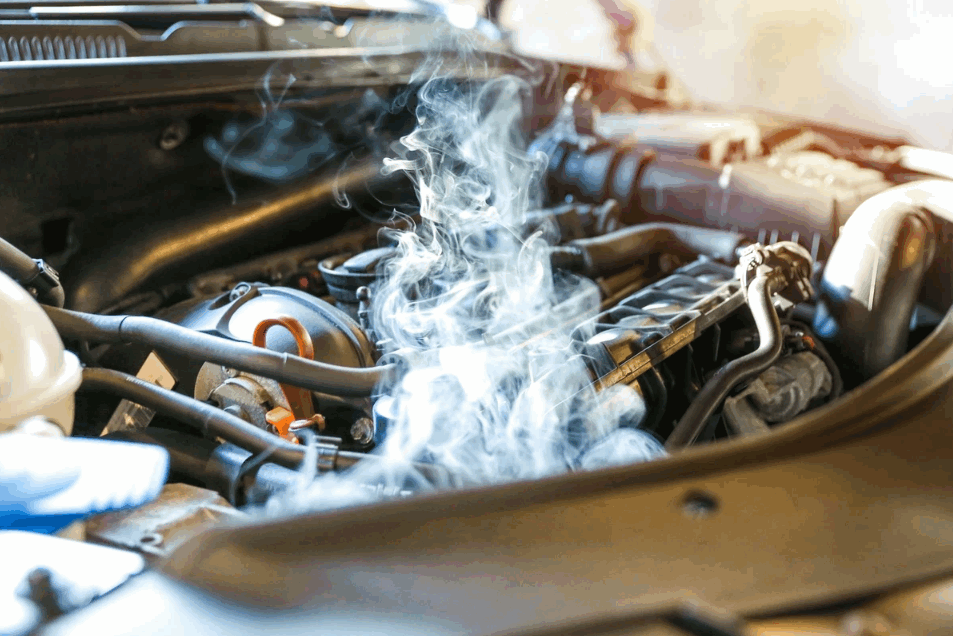
Steam from the engine compartment indicates a more severe overheating condition. Steam usually appears when coolant reaches a high temperature and escapes from the cooling system. Drivers should stop the vehicle safely and allow the engine to cool before checking the system.
Overheating can also affect engine performance. The vehicle may experience reduced power, unusual engine sounds, or unstable operation because high temperatures affect normal engine function. These symptoms show that the cooling system cannot maintain the temperature required for efficient operation.
What Causes Hyundai Palisade Overheating?
Hyundai Palisade overheating usually happens because the cooling system cannot control engine temperature effectively. The cooling system depends on several components working together, including coolant, the radiator, thermostat, cooling fan, and water pump. A failure in any of these areas can reduce the system’s ability to remove heat.
Low coolant levels are one of the most common causes of overheating. Coolant absorbs heat from the engine and carries it to the radiator for release. When the coolant level drops, the system loses its ability to transfer heat efficiently. A leak from the radiator, hose, coolant reservoir, or other cooling components can slowly reduce coolant levels and increase engine temperature.
A faulty thermostat can also cause Hyundai Palisade overheating. The thermostat controls when coolant flows through the engine and radiator. If it remains closed when the engine gets hot, coolant cannot circulate properly. This restriction traps heat inside the engine and causes the temperature to rise.
A damaged radiator can prevent the Hyundai Palisade cooling system from releasing heat effectively. The radiator removes heat from the coolant before the fluid returns to the engine. Blocked radiator passages, physical damage, or poor airflow can reduce cooling performance and increase overheating risk.
The cooling fan plays an important role when the vehicle moves slowly or remains stationary. A failed fan motor, electrical issue, or damaged fan control system can reduce airflow through the radiator. This problem often appears during city driving, traffic conditions, or hot weather.
A failing water pump can create coolant circulation problems. The water pump moves coolant between the engine and radiator to maintain temperature control. When the pump loses efficiency or stops working, coolant cannot remove heat properly, which allows engine temperature to rise.
Several overheating problems develop gradually before they become severe. For example, a small coolant leak may appear harmless at first, but continuous coolant loss can eventually create major temperature problems. Regular inspections help identify cooling system failures before they damage the engine.
What Should You Do When Your Hyundai Palisade Overheats?
When your Hyundai Palisade overheats, you should act quickly to reduce engine stress and prevent further damage. Continuing to drive with high engine temperature can damage internal components and increase repair costs. The first priority is to protect the engine and move the vehicle to a safe location.
Stop the vehicle as soon as you can do so safely. Turn off the engine and allow it to cool down before checking any cooling system components. The engine needs time to reduce temperature because hot coolant and pressurized components can cause burns if you inspect them too soon.
Do not open the radiator cap while the engine remains hot. The cooling system operates under pressure, and releasing the cap can allow hot coolant or steam to escape suddenly. Wait until the engine cools completely before checking the coolant reservoir or looking for visible leaks.
Check the coolant level after the engine reaches a safe temperature. A low coolant level can indicate a leak or a cooling system problem that requires further inspection. Adding coolant may temporarily restore fluid levels, but it does not fix the source of the problem.
Avoid driving the Hyundai Palisade again if the temperature gauge rises quickly after restarting. Repeated overheating usually indicates a mechanical issue that needs professional diagnosis. A technician can inspect the radiator, thermostat, cooling fan, water pump, and other cooling system components to identify the cause.
Taking immediate action protects the engine from severe overheating damage. Early inspection also helps owners repair smaller cooling system issues before they become major engine failures.
How Do You Diagnose Hyundai Palisade Overheating?
Diagnosing Hyundai Palisade overheating requires checking the entire cooling system instead of replacing random parts. Technicians usually follow a step by step inspection process to identify where the system loses its ability to control engine temperature. A complete diagnosis helps find the actual failure and prevents unnecessary repair costs.
The first step involves checking the coolant level and condition. Low coolant levels often indicate leaks or poor maintenance. A technician inspects the coolant reservoir, hoses, radiator connections, and other cooling components for signs of fluid loss. The coolant condition also shows whether the system needs maintenance or replacement.
The next step focuses on finding coolant leaks. Small leaks can develop around hoses, the radiator, water pump, or coolant reservoir. Even a minor leak can reduce cooling efficiency over time because the engine loses the fluid needed for heat transfer.
Technicians also test the thermostat because it controls coolant movement through the engine. A thermostat that does not open correctly can restrict coolant flow and cause overheating. Testing this component helps determine whether the engine receives enough coolant circulation during operation.
The radiator and cooling fan require inspection because both components control heat removal. The radiator must transfer heat from the coolant, while the cooling fan provides airflow when driving conditions create limited natural airflow. A damaged radiator or failed fan can prevent the system from lowering engine temperature.
A cooling system pressure test provides additional information during diagnosis. This test helps technicians identify leaks that may not appear during a visual inspection. Combined with component testing, it allows a more accurate evaluation of Hyundai Palisade overheating problems.
A proper diagnosis saves time and reduces repair risks. Identifying the exact cause allows owners to repair the failed component instead of replacing unnecessary parts.
How Much Does It Cost to Fix Hyundai Palisade Overheating?
The cost to fix Hyundai Palisade overheating depends on the failed component, repair complexity, and the level of engine damage. A cooling system problem caused by low coolant or a minor leak usually costs less than repairs involving major components such as the radiator, water pump, or engine parts.
A coolant replacement or cooling system service is usually one of the lower cost repairs. This service restores proper fluid levels and helps maintain heat transfer between the engine and radiator. However, coolant service only solves the problem when the overheating comes from old coolant, incorrect fluid levels, or basic maintenance issues.
Thermostat replacement can increase repair costs because the component controls coolant circulation inside the engine. A failed thermostat may require labor to access the cooling system, test the component, and restore proper coolant flow. Replacing the thermostat early can prevent repeated overheating and additional engine stress.
Radiator and water pump repairs usually involve higher costs because these components directly affect heat removal and coolant circulation. A damaged radiator may require replacement if leaks or internal blockages prevent normal operation. A failing water pump may also require more labor because technicians need to access the engine cooling system.
Severe overheating can create much higher repair expenses if excessive heat damages engine components. Problems such as a damaged head gasket, warped engine parts, or internal engine failures require more extensive repairs than standard cooling system maintenance.
The best way to control repair costs is to diagnose Hyundai Palisade overheating early. Addressing warning signs such as rising temperature readings, coolant loss, or overheating messages helps prevent small cooling system issues from developing into major engine repairs.
How Can You Prevent Hyundai Palisade Overheating Problems?
Preventing Hyundai Palisade overheating requires regular cooling system maintenance and early attention to warning signs. The engine depends on a stable cooling system to control temperature during different driving conditions. Proper maintenance helps each cooling component work together and reduces the risk of sudden overheating.
Check the coolant level regularly to maintain proper heat transfer. The coolant absorbs engine heat and moves it to the radiator for removal. A low coolant level reduces cooling performance and often indicates a leak that needs inspection. Drivers should follow the recommended coolant service intervals in the Hyundai Palisade maintenance schedule.
Inspect cooling system components during routine vehicle maintenance. The radiator, hoses, coolant reservoir, thermostat, cooling fan, and water pump all affect engine temperature control. Finding small problems early can prevent larger failures that require expensive repairs.
Monitor changes in engine temperature and vehicle behavior. A rising temperature gauge, coolant smell, warning light, or repeated coolant loss can indicate a developing cooling system problem. Addressing these signs quickly prevents the engine from operating under excessive heat.
Keep the radiator area clean to support proper airflow. The radiator releases heat through airflow, and blocked air passages can reduce cooling efficiency. Regular inspections help remove debris and identify damage that affects heat transfer.
Follow consistent maintenance practices to protect Hyundai Palisade engine reliability. Preventive care reduces the chance of overheating and helps owners avoid unexpected breakdowns caused by cooling system failures.
Is Hyundai Palisade Overheating a Serious Problem?
Hyundai Palisade overheating can become a serious problem if drivers ignore the warning signs. The cooling system protects the engine by maintaining a stable operating temperature. When the system fails, excessive heat can affect engine performance and damage important components.
A temporary increase in engine temperature does not always mean a major failure. For example, high outside temperatures, heavy towing, or extended driving under demanding conditions can increase engine workload. However, the temperature should return to the normal range once the cooling system manages the additional heat.
Repeated overheating indicates a deeper mechanical issue. A Hyundai Palisade that frequently reaches high temperatures may have problems with coolant circulation, heat transfer, or cooling system control. Common causes include coolant leaks, thermostat failures, radiator issues, cooling fan problems, and water pump failures.
Ignoring overheating can lead to expensive engine repairs. Excessive heat can damage components such as the head gasket, cylinder head, and other internal engine parts. These repairs usually cost significantly more than fixing the original cooling system problem.
Hyundai Palisade owners should treat overheating as an important warning signal. Early diagnosis helps protect engine reliability, reduces repair costs, and prevents a minor cooling system issue from developing into major engine damage.
When Should You Take a Hyundai Palisade With Overheating to a Mechanic?
You should take a Hyundai Palisade with overheating to a mechanic when the engine temperature rises repeatedly or when basic checks do not solve the problem. Continuous overheating usually indicates a cooling system failure that requires professional inspection. Delaying repairs can increase the risk of engine damage.
Schedule a professional inspection when the temperature gauge frequently moves into the hot range. A properly functioning cooling system should maintain stable engine temperature during normal driving. Repeated temperature spikes often point to problems with coolant circulation, heat transfer, or cooling system components.
Seek immediate assistance if you notice steam from the engine compartment, a strong coolant smell, visible coolant leaks, or overheating warning messages. These signs indicate that the cooling system may have lost its ability to control engine heat. Continuing to drive in this condition can create severe mechanical problems.
A mechanic should also inspect the vehicle when coolant levels continue to drop after refilling. Repeated coolant loss usually means the system has a leak or a damaged component. A professional inspection can identify problems with the radiator, hoses, thermostat, cooling fan, or water pump.
Professional diagnosis becomes especially important after an overheating event. Even if the vehicle returns to normal temperature, hidden damage may remain inside the engine or cooling system. A complete inspection helps confirm that the Hyundai Palisade can operate safely and reliably.