A Hyundai Palisade AC blowing hot air means the cooling system has a problem. The HVAC system cannot remove enough heat from the cabin. As a result, the vents deliver warm air instead of cold air.
The most common causes include low refrigerant, AC compressor failure, airflow problems, and electrical faults. Each issue affects a different part of the cooling process. A refrigerant problem reduces cooling capacity. A compressor problem prevents the AC system from creating cold air.
The Hyundai Palisade uses several components to control cabin temperature. These include the compressor, condenser, evaporator, sensors, and climate control module. When one component fails, the entire AC system may lose cooling performance.
This guide explains why a Hyundai Palisade AC blows hot air. It covers the main causes, diagnostic steps, repair options, and prevention methods. Understanding these problems helps vehicle owners identify the right solution and avoid unnecessary AC repairs.
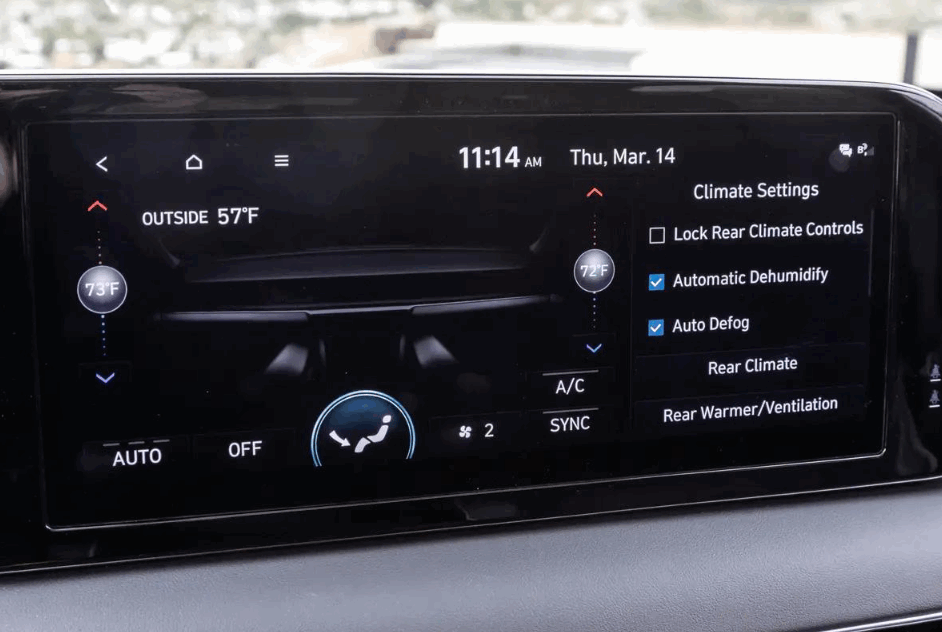
Why Is My Hyundai Palisade AC Blowing Hot Air?
A Hyundai Palisade AC blows hot air when the HVAC system cannot complete the cooling process. The AC system needs several components to work together. The compressor moves refrigerant, the condenser removes heat, and the evaporator cools the cabin air. When one part fails, the vents may release warm air instead of cold air.
There are 5 main categories of Hyundai Palisade AC problems that cause hot air from the vents. These include low refrigerant, compressor issues, airflow restrictions, electrical failures, and climate control problems. Each category affects a different stage of the cooling cycle.
Low refrigerant is one of the most common causes of weak AC performance. The refrigerant absorbs heat from inside the cabin and transfers it outside the vehicle. When the system loses refrigerant through a leak, the AC cannot create enough cooling pressure.
A faulty AC compressor can also cause the Hyundai Palisade AC to blow warm air. The compressor creates pressure inside the refrigerant system and starts the cooling cycle. If the compressor does not operate correctly, the refrigerant cannot circulate properly.
Airflow problems can reduce cooling even when the AC system produces cold air. A clogged cabin air filter can block air movement through the vents. A failed blend door actuator can also mix warm air with cold air and reduce cabin cooling.
Electrical problems create another common failure point. The Hyundai Palisade AC system uses sensors, fuses, relays, and control modules to manage temperature. A failed sensor or control component can prevent the system from activating the correct cooling functions.
What Are the Most Common Causes of Hyundai Palisade AC Blowing Hot Air?
A Hyundai Palisade AC blows hot air because the cooling system loses its ability to transfer heat from the cabin. The failure usually comes from a problem with refrigerant flow, mechanical components, airflow control, or electrical communication. Identifying the exact cause helps avoid replacing parts that still work.
The 5 most common causes of Hyundai Palisade AC blowing hot air include low refrigerant, a damaged compressor, a faulty blend door actuator, restricted airflow, and electrical system problems.
Low refrigerant levels can reduce the cooling performance of the Hyundai Palisade AC system. The refrigerant carries heat away from the cabin and allows the evaporator to create cold air. When a leak lowers refrigerant levels, the system cannot maintain the pressure needed for proper cooling.
A refrigerant leak can happen in several AC components, including hoses, seals, connections, and the condenser. Drivers may notice symptoms such as weak airflow cooling, longer cooling times, or warm air from the vents even when the AC runs continuously.
An AC compressor failure can also make the Hyundai Palisade produce warm air. The compressor works as the main pump of the AC system. It compresses refrigerant and pushes it through the cooling cycle. If the compressor stops working, the refrigerant cannot absorb and release heat effectively.
A faulty compressor may show several warning signs. These include unusual noises, the compressor clutch not engaging, or the AC system blowing warm air immediately after activation. A professional inspection can confirm whether the compressor needs repair or replacement.
The blend door actuator controls how much warm and cold air enters the cabin. When this component fails, the HVAC system may continue mixing heated air with cooled air. This problem often creates uneven temperatures between different vents.
Restricted airflow can also reduce AC performance. A dirty cabin air filter limits the amount of air that passes through the evaporator. The AC may still create cold air, but the cabin receives less airflow and feels warmer.
Electrical problems can interrupt communication between AC components. The Hyundai Palisade uses sensors, relays, fuses, and control modules to regulate cooling operation. A failed electrical component can stop the compressor, prevent accurate temperature readings, or disable specific climate control functions.
How Do You Diagnose Hyundai Palisade AC Blowing Hot Air?
Diagnosing a Hyundai Palisade AC blowing hot air requires checking the cooling system step by step. The AC system contains mechanical, electrical, and refrigerant components. A proper diagnosis helps identify the failed component before starting repairs.
The first step is to check the basic AC settings and airflow conditions. Confirm that the temperature setting is at the coldest level and that the climate control system works correctly. Check whether all vents produce the same temperature or if only specific vents blow warm air.
A difference between vent temperatures can indicate a problem with airflow control. For example, the driver side may blow cold air while the passenger side produces warm air. This symptom often points to a blend door actuator problem or a climate control issue.
The next step involves checking the AC compressor operation. Start the engine, turn on the AC, and listen for compressor engagement. A working compressor should activate when the system requests cooling. If the compressor does not engage, the problem may involve the compressor, electrical system, or pressure sensor.
Checking refrigerant pressure provides more information about the cooling cycle. Low refrigerant pressure usually indicates a leak or insufficient refrigerant volume. However, adding refrigerant without finding the cause can only provide temporary results.
A professional technician can use AC pressure gauges and diagnostic equipment to measure system performance. These tools help identify refrigerant problems, compressor failures, and sensor faults that basic visual inspections cannot detect.
The final step involves checking electrical components. The Hyundai Palisade AC system depends on fuses, relays, sensors, and control modules. A diagnostic scan tool can detect communication errors and identify electronic problems affecting AC operation.
A systematic diagnosis prevents unnecessary part replacement. For example, replacing an AC compressor will not solve the problem if the actual cause comes from a refrigerant leak or a failed pressure sensor.
How Much Does It Cost to Fix Hyundai Palisade AC Blowing Hot Air?
The cost to fix a Hyundai Palisade AC blowing hot air depends on the failed component and the amount of labor required. A simple refrigerant service usually costs less than a compressor replacement because major component repairs require more parts and diagnostic time.
The 5 main repair categories that affect Hyundai Palisade AC repair costs include refrigerant service, leak repair, compressor replacement, actuator replacement, and electrical diagnosis.
A refrigerant recharge is one of the lower-cost AC services. Technicians refill the refrigerant when the system has lost cooling capacity. However, a recharge only solves the problem when the system does not have an active leak. If refrigerant escapes again, the technician needs to locate and repair the leak first.
Refrigerant leak repairs usually cost more because they require additional inspection. The technician may need to test AC hoses, connections, seals, the condenser, or other refrigerant components. The final repair cost depends on the location of the leak and the replacement parts required.
An AC compressor replacement usually creates a higher repair cost. The compressor is one of the main components in the cooling cycle. Replacing it requires removing the failed unit, installing a new compressor, and checking the entire refrigerant system after installation.
A blend door actuator replacement usually costs less than compressor repair but still requires labor inside the HVAC system. The technician may need to access dashboard components because the actuator controls the airflow direction and temperature mixing inside the cabin.
Electrical diagnosis can vary widely depending on the faulty component. A failed fuse or relay may require a simple repair, while a damaged control module or sensor may need advanced testing and replacement.
Vehicle owners should avoid choosing repairs based only on symptoms. A Hyundai Palisade AC that blows hot air can have different causes with very different repair requirements. Accurate diagnosis helps reduce unnecessary costs and prevents replacing parts that still function correctly.
How Can You Prevent Hyundai Palisade AC From Blowing Hot Air?
Preventive maintenance helps keep the Hyundai Palisade AC system working efficiently and reduces the risk of sudden cooling failure. The HVAC system depends on several connected components, so regular inspections can identify small problems before they affect overall performance.
The 5 main maintenance practices that help prevent Hyundai Palisade AC problems include checking refrigerant levels, replacing the cabin air filter, monitoring unusual AC sounds, maintaining electrical components, and servicing the HVAC system when needed.
Checking refrigerant levels helps maintain proper cooling performance. The AC system needs the correct refrigerant pressure to move heat from the cabin to the outside environment. Low refrigerant levels often indicate a leak, so drivers should inspect the system instead of only adding more refrigerant.
Replacing the cabin air filter improves airflow through the HVAC system. A dirty filter reduces the amount of air reaching the evaporator and can make the AC feel weaker. Regular filter replacement also helps maintain cleaner air inside the vehicle.
Paying attention to unusual AC symptoms can prevent larger repairs. Strange noises from the compressor, weak airflow, unusual odors, or inconsistent temperatures often indicate early system problems. Addressing these signs quickly can reduce repair complexity.
Maintaining the electrical system also supports reliable AC operation. The Hyundai Palisade AC system uses sensors, relays, fuses, and control modules to manage cooling functions. Regular vehicle inspections can help identify electrical problems before they stop the AC system.
Professional HVAC service becomes important when the system shows repeated cooling issues. A technician can inspect refrigerant pressure, test AC components, and identify hidden problems that basic checks cannot detect.
When Should You Take a Hyundai Palisade With AC Problems to a Repair Shop?
A Hyundai Palisade with AC problems needs professional inspection when basic checks cannot restore normal cooling performance. The AC system combines refrigerant, mechanical parts, electrical components, and climate controls. A failure in any of these areas can require specialized tools to identify the exact cause.
You should take your Hyundai Palisade to a repair shop when the AC suddenly stops producing cold air. A sudden cooling failure often indicates a component problem rather than a simple temperature adjustment issue. A technician can test the system and determine whether the cause comes from refrigerant loss, compressor failure, or an electrical fault.
Professional diagnosis becomes important when the AC compressor creates unusual sounds. Grinding, clicking, or abnormal noises can indicate internal compressor damage or problems with related components. Continuing to operate a damaged compressor may increase repair costs.
You should also seek professional service when you suspect a refrigerant leak. Refrigerant leaks require specialized equipment to locate the source. Adding refrigerant without repairing the leak only provides temporary cooling and does not solve the underlying problem.
Electrical AC problems also require professional testing. The Hyundai Palisade uses sensors and control modules to manage temperature regulation. A diagnostic scan tool can identify communication problems that are difficult to detect through visual inspection.
A repair shop can provide a complete HVAC system evaluation when multiple symptoms appear together. For example, weak airflow, inconsistent temperatures, unusual noises, and repeated cooling loss often indicate a deeper AC system problem.
What Should You Do If Your Hyundai Palisade AC Keeps Blowing Hot Air?
A Hyundai Palisade AC blowing hot air usually indicates a problem within the cooling system that requires proper diagnosis. The issue may come from low refrigerant, compressor failure, airflow restrictions, electrical faults, or climate control problems. Each cause affects a different part of the HVAC system, so the correct repair depends on identifying the failed component.
Start with simple checks such as AC settings, airflow performance, and visible signs of system problems. If the AC still produces warm air, professional diagnosis can help measure refrigerant pressure, test electrical signals, and inspect major components such as the compressor and blend door actuator.
Regular maintenance also reduces the chance of future AC failures. Replacing the cabin air filter, checking cooling performance, and addressing unusual symptoms early can protect the HVAC system and prevent more expensive repairs.
A reliable Hyundai Palisade AC system depends on proper maintenance and accurate troubleshooting. Understanding the cause of hot air from the vents helps vehicle owners choose the right solution and restore comfortable cabin temperatures.