Hyundai Palisade oil consumption describes how much engine oil a vehicle uses during operation. A small amount of oil usage can occur in normal driving conditions. However, rapid oil loss may signal an engine problem that requires inspection.
Hyundai Palisade owners should monitor oil levels between scheduled oil changes. A stable oil level helps maintain proper engine lubrication and protects internal components. A dropping oil level may come from oil leaks, internal oil burning, worn engine parts, or ventilation system problems.
This guide explains Hyundai Palisade oil consumption through four key areas: causes, symptoms, diagnosis, and solutions. It helps owners identify abnormal oil loss, understand possible mechanical issues, and choose the right maintenance steps.
Understanding oil consumption allows Hyundai Palisade owners to protect engine reliability and avoid costly repairs caused by poor lubrication.
How much oil consumption is normal for a Hyundai Palisade?
Normal Hyundai Palisade oil consumption depends on engine condition, driving habits, mileage, and maintenance history. A healthy engine should maintain a stable oil level between regular oil changes, while frequent oil top-ups may indicate excessive oil consumption.
Engine oil naturally decreases during operation because small amounts of oil can enter the combustion process and evaporate through the engine ventilation system. Modern engines use oil to lubricate moving parts, reduce friction, and control heat. A small reduction in oil level does not always indicate a mechanical failure.
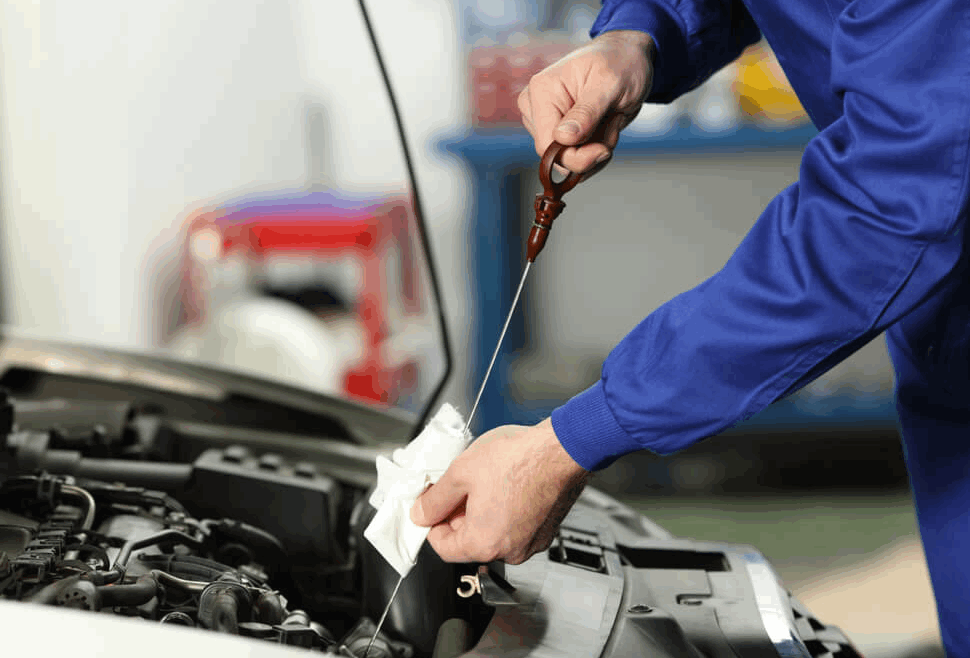
Hyundai Palisade owners should evaluate oil consumption by tracking how much oil the engine loses over a specific mileage period. Checking the oil level at the same time and under similar conditions creates a more accurate measurement. For example, checking the oil dipstick after the engine cools and recording oil changes after every service helps identify unusual patterns.
Several factors influence Hyundai Palisade oil consumption, including vehicle age, engine wear, oil quality, and driving conditions. A high-mileage Palisade may consume more oil than a newer vehicle because engine components experience more friction over time. Frequent short trips, heavy towing, and aggressive acceleration can also increase engine workload and oil usage.
Oil type also affects consumption. The correct engine oil specification helps maintain proper lubrication and reduces unnecessary oil loss. Using the wrong viscosity or delaying oil changes can increase friction and accelerate internal engine wear.
Hyundai Palisade oil consumption becomes a concern when the vehicle loses oil faster than expected or shows additional warning signs. Common indicators include repeated oil refills between oil changes, blue exhaust smoke, oil warning lights, unusual engine noise, or reduced performance.
Owners should separate normal oil usage from excessive oil consumption. A gradual decrease in oil level with no symptoms may only require regular monitoring. A rapid decrease combined with visible symptoms requires further inspection to identify leaks, worn components, or internal engine problems.
What causes Hyundai Palisade oil consumption?
Hyundai Palisade oil consumption usually happens because engine oil escapes from the lubrication system, enters the combustion chamber, or moves through the ventilation system. The most common causes include worn piston rings, damaged valve seals, PCV system problems, and external oil leaks.
The engine uses oil to reduce friction between moving components. When internal parts wear down or sealing systems fail, oil can move into areas where it should not be. The engine may then burn oil during combustion or lose oil through leaks.
Worn piston rings
Worn piston rings can increase Hyundai Palisade oil consumption by allowing engine oil to enter the combustion chamber. Piston rings create a seal between the piston and cylinder wall. This seal controls oil movement and helps maintain engine compression.
When piston rings wear, oil can pass into the combustion area and burn with the air-fuel mixture. This process often creates blue exhaust smoke and reduces lubrication efficiency. Severe wear can also affect engine compression, fuel efficiency, and overall performance.
High mileage vehicles, poor maintenance, or extended oil change intervals can accelerate piston ring wear. Regular oil changes help maintain cleaner lubrication and reduce deposits that may affect piston ring operation.
Damaged valve seals
Damaged valve seals can cause Hyundai Palisade to consume oil by allowing oil to leak into the combustion chamber through the intake or exhaust valves.
Valve seals control the amount of oil that reaches the valve stems. When these seals become worn or hardened, excess oil can enter the cylinders during engine operation.
Owners may notice blue smoke after starting the vehicle or after long periods of idling. This symptom occurs because oil collects near the valves and burns when the engine begins operating again.
PCV system problems
A faulty PCV valve can increase Hyundai Palisade oil consumption by disrupting the engine’s crankcase ventilation system.
The positive crankcase ventilation (PCV) system removes pressure and oil vapors from the engine crankcase. A damaged or blocked PCV valve can create excessive pressure inside the engine, forcing oil vapor into the intake system.
The engine may then burn more oil than normal. Inspecting the PCV system provides a simple diagnostic step because a failed valve usually costs less to replace than major engine components.
External oil leaks
External oil leaks can cause Hyundai Palisade oil loss when engine oil escapes from damaged seals, gaskets, or connection points.
Common leak locations include valve cover gaskets, oil pan gaskets, oil filters, and drain plugs. Unlike internal oil burning, external leaks often leave visible oil marks under the vehicle or create an oil smell after driving.
Small leaks may gradually reduce oil levels without obvious symptoms. Larger leaks can quickly lower oil pressure and increase the risk of engine damage. Regular inspections help identify leaks before they affect engine reliability.
What are the symptoms of Hyundai Palisade oil consumption?
Hyundai Palisade oil consumption symptoms appear when the engine loses oil faster than normal or when oil affects engine operation. The main signs include a low oil level, blue exhaust smoke, visible leaks, and changes in engine performance.
A dropping oil level between scheduled oil changes is the first symptom owners should monitor. A healthy Hyundai Palisade engine should maintain a stable oil level during normal driving. If the engine requires frequent oil refills, the vehicle may have excessive oil consumption caused by internal wear, leaks, or ventilation problems.
Blue exhaust smoke is a common sign that the Hyundai Palisade burns engine oil inside the combustion chamber. Oil can enter the cylinders through worn piston rings or damaged valve seals. When the engine burns this oil, it creates blue smoke from the exhaust system. This symptom often appears during acceleration, engine startup, or after extended idling.
Oil leaks can also reduce Hyundai Palisade engine oil levels. Common leak areas include valve cover gaskets, oil pan seals, oil filters, and drain plugs. Owners may notice oil spots under the vehicle or an oil smell after driving.
Low oil levels can affect engine performance and create unusual noises. Insufficient lubrication increases friction between internal components and may cause ticking sounds, rough operation, or reduced acceleration. Early inspection helps prevent further engine wear and protects long-term reliability.
How do you diagnose Hyundai Palisade oil consumption?
You can diagnose Hyundai Palisade oil consumption by measuring oil usage, checking for leaks, and inspecting engine components that control oil movement. A proper diagnosis helps separate normal oil loss from problems that require repair.
The first step is to track oil consumption over time. Owners should check the engine oil level regularly and record the mileage each time they add oil. This method shows how quickly the engine loses oil and helps identify whether consumption is increasing.
Inspecting the engine for external leaks is another important diagnostic step. Technicians check areas such as the valve cover gasket, oil pan gasket, oil filter housing, and drain plug. External leaks usually leave visible oil residue, wet spots, or oil marks under the vehicle.
A Hyundai Palisade with internal oil consumption requires additional engine testing. A compression test checks how well the cylinders maintain pressure, while a leak-down test identifies possible sealing problems inside the combustion chamber. These tests help detect issues related to piston rings, cylinder walls, or valve components.
The PCV valve should also be inspected during diagnosis. This component controls crankcase pressure and removes oil vapors from the engine. A faulty PCV system can increase oil consumption by allowing excessive oil vapor into the intake system.
Accurate diagnosis prevents unnecessary repairs because different causes require different solutions. A simple gasket replacement can solve an external leak, while internal engine wear may require more extensive repairs. Identifying the exact cause allows Hyundai Palisade owners to choose the most effective repair approach.
How can you fix Hyundai Palisade oil consumption?
You can fix Hyundai Palisade oil consumption by addressing the specific cause of oil loss. The right solution depends on whether the engine loses oil through leaks, burns oil internally, or has a ventilation system problem.
The first solution is to maintain the correct engine oil specification and follow regular oil change intervals. Using the recommended oil type helps the engine maintain proper lubrication and reduces unnecessary friction. Regular oil changes also prevent sludge buildup and deposits that can affect internal engine components.
Replacing damaged components can reduce Hyundai Palisade oil consumption when mechanical problems cause oil loss. A faulty PCV valve may require a simple replacement to restore proper crankcase ventilation. External leaks from gaskets, seals, or oil filter areas may also need repairs to prevent continuous oil loss.
Internal engine problems require more extensive repairs. Worn piston rings, damaged valve seals, or cylinder wear can allow oil to enter the combustion chamber. In these cases, replacing damaged components or rebuilding affected engine parts may become necessary.
Owners should also follow preventive maintenance practices to reduce future oil consumption. Regular oil level checks, timely maintenance, and early inspection of unusual symptoms help protect engine performance.
Hyundai Palisade oil consumption should not be treated with a single repair method because different causes require different solutions. A vehicle with a minor oil leak may only need gasket replacement, while an engine with internal wear may require professional mechanical repair. Accurate diagnosis ensures owners spend money on the correct solution and maintain long-term engine reliability.
Is Hyundai Palisade oil consumption a reliability concern?
Hyundai Palisade oil consumption becomes a reliability concern when the vehicle loses excessive oil, shows engine symptoms, or requires frequent repairs. Normal oil usage does not automatically indicate an engine problem, but abnormal oil loss can affect long-term engine performance.
Engine oil plays an important role in Hyundai Palisade reliability because it reduces friction, controls heat, and protects internal components. When the engine operates with insufficient oil, moving parts receive less lubrication. This condition increases wear and may lead to more serious mechanical problems.
A Hyundai Palisade with stable oil levels and regular maintenance usually has a lower risk of oil-related reliability issues. Owners can reduce potential problems by following recommended oil change intervals, checking oil levels regularly, and responding quickly to warning signs.
Oil consumption should receive more attention when it appears with additional symptoms. Blue exhaust smoke, engine noise, oil warning lights, or visible leaks may indicate a mechanical issue that requires inspection. These signs provide more information than oil level changes alone.
Long-term Hyundai Palisade reliability depends on identifying the cause of oil consumption rather than focusing only on the amount of oil used. A minor external leak may require a simple repair, while internal engine wear may need more complex solutions.
For owners, regular monitoring is the most effective way to protect engine health. Tracking oil levels, maintaining proper service records, and addressing unusual changes early can help prevent expensive repairs and support consistent vehicle performance.