When shopping for a compact SUV, reliability is often one of the most important factors influencing a buyer’s decision. After all, nobody wants to invest thousands of dollars in a vehicle only to face unexpected repairs, costly maintenance bills, or recurring mechanical problems down the road. This is why the Toyota RAV4 consistently appears on the shortlist of buyers seeking a dependable and practical SUV.
For decades, the Toyota RAV4 has built a strong reputation for durability, low ownership costs, and impressive longevity. It has become one of the best-selling SUVs in the world, attracting everyone from daily commuters and growing families to outdoor enthusiasts looking for a versatile vehicle they can trust. But does the RAV4 truly live up to its reputation, or is its reliability overstated?
The short answer is yes. Toyota RAV4s are widely regarded as some of the most reliable compact SUVs available today. Many owners report driving their vehicles well beyond 200,000 miles with routine maintenance, while reliability studies consistently rank the RAV4 among the top vehicles in its segment.
In this complete reliability guide, we will examine the Toyota RAV4’s reliability ratings, common problems, maintenance costs, expected lifespan, best model years to buy, and whether a used RAV4 is still a smart investment. By the end, you will have a clear understanding of whether the Toyota RAV4 is the right SUV for your needs.
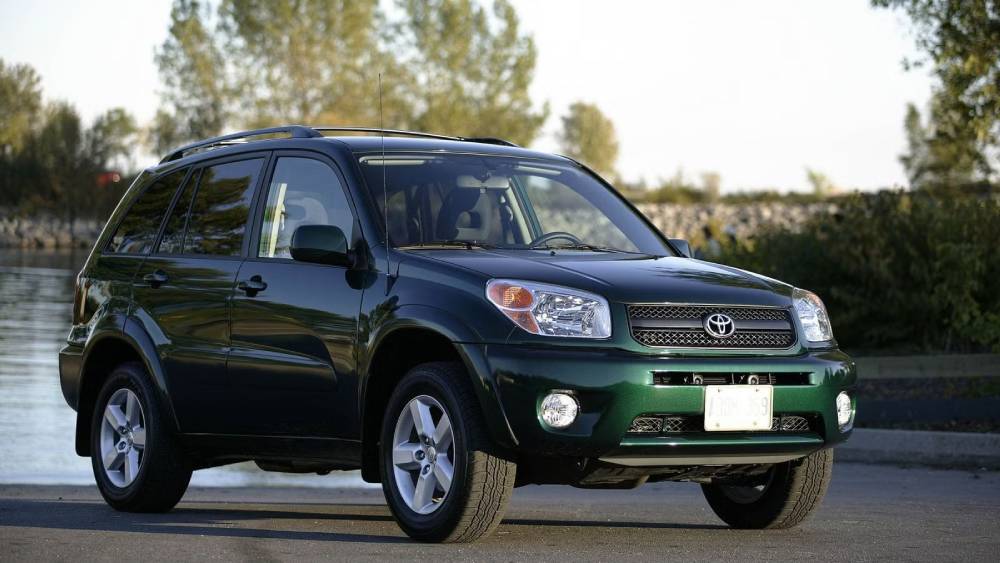
Why Toyota RAV4 Has a Reputation for Reliability
The Toyota RAV4 has earned its reputation as one of the most reliable compact SUVs through decades of consistent performance and owner satisfaction. Unlike some manufacturers that frequently introduce complex technologies and unproven engineering solutions, Toyota has traditionally focused on refining proven components and improving them over time. This conservative approach has helped reduce the likelihood of major mechanical failures while maintaining long term durability.
One of the primary reasons buyers trust the RAV4 is Toyota’s commitment to quality control. Every generation of the RAV4 has benefited from extensive testing and continuous improvements based on customer feedback. As a result, many RAV4 models have demonstrated exceptional reliability records compared to competitors in the compact SUV segment.
Independent organizations regularly support this reputation. Consumer Reports, J.D. Power, and other automotive research firms consistently rank the RAV4 among the most dependable vehicles in its class. These rankings are based on real world ownership experiences, reported repair issues, and long term reliability data collected from thousands of drivers.
Another factor contributing to the RAV4’s popularity is its strong resale value. Vehicles that are known for reliability tend to retain their value better because buyers have confidence in their ability to provide years of dependable service. The RAV4 consistently performs well in resale value studies, further reinforcing its reputation.
For many owners, the appeal goes beyond statistics. A reliable SUV provides peace of mind. Whether commuting to work, taking family road trips, or handling daily errands, RAV4 owners often appreciate the confidence that comes with driving a vehicle known for durability and low maintenance requirements.
How Long Do Toyota RAV4s Last?
One of the most impressive aspects of the Toyota RAV4 is its potential lifespan. With proper care and regular maintenance, it is not uncommon for a RAV4 to reach 200,000 miles or more. In fact, many owners have reported surpassing 250,000 or even 300,000 miles while still using the vehicle as a reliable daily driver.
The longevity of a RAV4 depends largely on how well it is maintained throughout its life. Routine oil changes, fluid inspections, brake servicing, tire rotations, and scheduled maintenance play a critical role in preserving engine and transmission health. Owners who follow Toyota’s recommended maintenance schedule are generally rewarded with fewer major repairs and a longer vehicle lifespan.
Driving habits also influence longevity. Vehicles driven primarily on highways often experience less wear and tear compared to those used exclusively for stop and go city driving. Smooth acceleration, careful braking, and avoiding excessive towing can all contribute to extending the life of the vehicle.
Environmental factors should not be overlooked. RAV4s operating in regions with harsh winters, road salt exposure, or extreme temperatures may require additional attention to prevent rust and corrosion. Regular washing and underbody protection can help preserve the vehicle’s condition over time.
As a general guideline, a well maintained RAV4 with 100,000 miles is often considered to be in the early stages of its lifespan. Even models with 150,000 to 200,000 miles can remain excellent choices if service records demonstrate consistent maintenance and responsible ownership.
Common Toyota RAV4 Problems Owners Should Know About
Although the Toyota RAV4 is widely recognized for its reliability, no vehicle is completely free from issues. Understanding the most commonly reported problems can help buyers make informed decisions and avoid unexpected surprises.
Older RAV4 models, particularly some vehicles produced during the mid 2000s, experienced complaints related to excessive oil consumption. In affected vehicles, owners noticed that engine oil levels dropped more quickly than expected between oil changes. If left unaddressed, this issue could potentially lead to increased engine wear.
Certain older model years also generated reports of transmission related concerns. Some owners experienced hesitation during acceleration or rough shifting under specific driving conditions. While not every vehicle was affected, prospective buyers should pay close attention to maintenance records when evaluating older used models.
In newer generations, one of the most widely discussed issues involved fuel tank filling concerns in certain hybrid variants. Some owners reported difficulty filling the fuel tank to its advertised capacity. Toyota addressed many of these concerns through service programs and technical updates.
Technology related complaints have also appeared in recent years. Some drivers reported occasional infotainment system glitches, touchscreen responsiveness issues, or software related bugs. While these problems can be frustrating, they are generally less severe than major mechanical failures and are often resolved through software updates.
Wind noise has been another common topic among owners of certain newer RAV4 models. Although this issue does not affect reliability, it can impact driving comfort, particularly at highway speeds.
The good news is that most reported RAV4 issues are relatively minor compared to the problems seen in many competing SUVs. Major engine and transmission failures remain uncommon, which is a significant reason why the RAV4 continues to be viewed as one of the safest reliability choices in the compact SUV market.
Toyota RAV4 Maintenance and Repair Costs
Reliability is only one part of the ownership experience. Buyers also want to know how much it costs to keep a vehicle on the road. Fortunately, the Toyota RAV4 is known not only for its dependability but also for its relatively affordable maintenance and repair expenses.
Compared to many competitors in the compact SUV segment, the RAV4 typically requires fewer unexpected repairs. Routine services such as oil changes, tire rotations, brake inspections, and fluid replacements are straightforward and generally inexpensive. Toyota’s widespread dealer network and the abundance of aftermarket parts also help keep ownership costs manageable.
One reason maintenance costs remain low is the use of proven mechanical components. Toyota tends to prioritize durability over unnecessary complexity, reducing the risk of expensive repairs that can affect more technologically ambitious vehicles. This approach is particularly attractive to buyers who plan to keep their SUV for many years.
Another financial advantage is the vehicle’s strong reliability record. Because major engine and transmission failures are relatively uncommon, owners often avoid the large repair bills that can significantly increase the total cost of ownership. When maintenance is performed on schedule, many RAV4 owners report years of trouble free driving.
For budget conscious buyers, the combination of reliability, fuel efficiency, and affordable maintenance makes the RAV4 one of the most economical compact SUVs available today. Over the course of ten years, these savings can add up to thousands of dollars compared to less dependable alternatives.
Best Toyota RAV4 Model Years to Buy
Not every model year performs equally, even within a highly reliable vehicle lineup. Some Toyota RAV4 years stand out because they offer an ideal balance of dependability, technology, safety features, and value.
Among newer models, the 2021 through 2026 RAV4s are generally considered some of the strongest options available. These vehicles benefit from Toyota’s latest safety technologies, improved fuel efficiency, refined interiors, and a relatively strong reliability record. Buyers seeking modern features with minimal risk often gravitate toward these model years.
The 2017 and 2018 RAV4 models are also excellent choices. By this point, Toyota had refined the generation and addressed many earlier concerns. These years offer a strong combination of affordability and reliability, making them attractive options for used vehicle shoppers who want modern conveniences without paying the premium associated with newer models.
For buyers with tighter budgets, the 2013 through 2015 RAV4 models can represent exceptional value. These vehicles introduced significant design improvements while maintaining Toyota’s reputation for durability. Many examples remain on the road today with high mileage and strong performance records.
When evaluating any used RAV4, the condition of the individual vehicle is often more important than the model year itself. A well maintained RAV4 with detailed service records can be a better purchase than a newer vehicle that has been neglected. Buyers should always prioritize maintenance history, accident reports, and overall vehicle condition before making a final decision.
Toyota RAV4 Years to Avoid
Although the RAV4 enjoys an excellent reputation overall, certain model years have generated more complaints than others. This does not necessarily mean these vehicles should be avoided entirely, but buyers should proceed with caution and perform thorough inspections before purchasing.
The 2006, 2007, and 2008 model years are frequently mentioned in discussions about RAV4 reliability concerns. Some owners reported excessive oil consumption issues that could become expensive if left unresolved. In certain cases, repairs required significant engine work, making these model years less attractive to buyers seeking maximum peace of mind.
The 2019 RAV4, which marked the beginning of a new generation, also received attention for several early production issues. Some owners reported transmission hesitation, fuel system concerns, and software related problems. While many of these issues were addressed through recalls, updates, and technical service bulletins, first year models often carry more risk than vehicles produced later in a generation.
It is important to keep these concerns in perspective. Even the less desirable RAV4 years are often considered more dependable than many competing SUVs from the same period. A vehicle’s maintenance history can significantly influence reliability outcomes, sometimes outweighing the reputation of the model year itself.
Rather than automatically eliminating a particular year from consideration, buyers should carefully review maintenance records, inspect the vehicle for signs of neglect, verify recall completion, and obtain a professional pre purchase inspection. Taking these steps can help identify a well cared for vehicle regardless of its model year and reduce the risk of costly surprises after purchase.
Toyota RAV4 vs Competitors: Reliability Comparison
The compact SUV segment is one of the most competitive categories in the automotive market. Buyers considering a Toyota RAV4 often compare it with popular alternatives such as the Honda CR-V, Mazda CX-5, and Subaru Forester. While each of these vehicles offers unique strengths, reliability remains one of the RAV4’s most significant advantages.
The Honda CR-V is often considered the RAV4’s closest rival. Both vehicles have established reputations for long term dependability and strong resale value. The CR-V offers a comfortable ride and spacious interior, but the RAV4 has historically demonstrated slightly stronger consistency in reliability rankings across multiple generations. Buyers focused primarily on minimizing repair risks often lean toward Toyota.
The Mazda CX-5 is praised for its premium interior, engaging driving dynamics, and upscale design. However, while Mazda has made substantial improvements in reliability over the years, the RAV4 still enjoys a longer and more established track record for durability. For buyers seeking maximum confidence over a decade or more of ownership, the Toyota often holds an advantage.
The Subaru Forester stands out for its standard all wheel drive system and excellent visibility. It is a capable choice for drivers who frequently encounter challenging weather conditions. However, some Subaru models have experienced concerns related to engine and transmission reliability in previous generations, giving the RAV4 a stronger overall reputation for long term dependability.
When comparing reliability, ownership costs, and expected lifespan, the Toyota RAV4 consistently ranks among the leaders in its class. Its ability to combine practicality, efficiency, durability, and resale value makes it one of the safest choices for buyers seeking a dependable compact SUV.
Is a Used Toyota RAV4 Worth Buying?
For many shoppers, purchasing a used Toyota RAV4 can be one of the smartest automotive decisions they make. Thanks to its strong reliability record and exceptional longevity, a properly maintained used RAV4 often delivers many years of dependable service at a significantly lower cost than buying new.
One of the biggest advantages of buying a used RAV4 is value retention. While Toyota vehicles tend to hold their value better than many competitors, buyers can still save thousands of dollars by choosing a well maintained used model. This allows shoppers to access a reliable SUV while avoiding the steepest period of depreciation.
Before purchasing a used RAV4, buyers should carefully examine service records. A vehicle with documented maintenance history is generally a safer investment than one with missing or incomplete records. Regular oil changes, fluid services, and scheduled maintenance indicate that previous owners took proper care of the vehicle.
A thorough inspection is equally important. Buyers should look for signs of accident damage, rust, uneven tire wear, fluid leaks, and any warning lights displayed on the dashboard. If considering a hybrid model, the condition of the hybrid battery should also be evaluated.
Mileage is another important factor, but it should not be viewed in isolation. A well maintained RAV4 with 150,000 miles can often be a better purchase than a poorly maintained vehicle with half that mileage. Toyota’s reputation for longevity means many examples continue performing reliably long after surpassing mileage levels that might concern buyers of other brands.
For families, commuters, students, and first time SUV buyers, a used Toyota RAV4 offers an appealing balance of affordability, practicality, safety, and long term reliability.
Frequently Asked Questions
Are Toyota RAV4s reliable after 100,000 miles?
Yes. One of the reasons the Toyota RAV4 is so highly regarded is its ability to remain dependable well beyond 100,000 miles. With proper maintenance, many owners continue driving their vehicles for another 100,000 to 200,000 miles without experiencing major mechanical problems.
What is the most reliable Toyota RAV4 year?
Several model years are known for exceptional reliability, including the 2017, 2018, 2021, 2022, 2023, and newer models. However, the best choice often depends on budget, maintenance history, and desired features.
Is the Toyota RAV4 Hybrid reliable?
Yes. The Toyota RAV4 Hybrid has developed a strong reputation for reliability. Toyota’s extensive experience with hybrid technology has helped create a system that is both efficient and durable. Many owners report excellent performance and low maintenance costs.
How much does a Toyota RAV4 cost to maintain?
Maintenance costs are generally lower than average for the compact SUV segment. Routine services such as oil changes, brake maintenance, tire rotations, and fluid replacements are relatively affordable, helping owners keep long term expenses under control.
Can a Toyota RAV4 last 300,000 miles?
Yes. While not every vehicle will reach this milestone, many well maintained Toyota RAV4s have exceeded 300,000 miles. Consistent maintenance, responsible driving habits, and timely repairs significantly increase the likelihood of achieving such impressive longevity.
Conclusion
So, are Toyota RAV4s reliable? The evidence strongly suggests that they are. For decades, the RAV4 has earned a reputation as one of the most dependable compact SUVs on the market, offering owners a combination of durability, practicality, efficiency, and low operating costs.
Its strong reliability ratings, relatively affordable maintenance requirements, and ability to exceed 200,000 miles make it an attractive option for a wide range of buyers. Whether you are shopping for a brand new model or considering a used vehicle, the RAV4 consistently demonstrates the qualities that many SUV owners value most.
While no vehicle is completely immune to mechanical issues, the Toyota RAV4 experiences fewer serious problems than many competitors. Most concerns reported by owners are minor and manageable, especially when compared with the expensive repairs that can affect less reliable vehicles.
For buyers seeking a compact SUV that delivers peace of mind, excellent resale value, and years of dependable service, the Toyota RAV4 remains one of the strongest choices available. By selecting a well maintained model and following the recommended maintenance schedule, owners can enjoy reliable transportation for many years and potentially hundreds of thousands of miles.