Dodge Durangos are generally reliable, but their long-term dependability varies by model year, engine, maintenance history, and previous use. The Durango has a durable platform, proven V6 and V8 engine options, and enough towing capacity to serve as both a family SUV and a work vehicle. However, buyers should not judge every Durango by the same reliability rating because repair frequency, recall history, electrical complexity, and ownership costs differ across years and trim levels.
The most dependable examples are typically vehicles with complete service records, resolved recalls, smooth transmission operation, and no signs of overheating, electrical faults, or heavy towing abuse. A well-maintained Durango can remain practical at high mileage, while a neglected low-mileage vehicle may require expensive engine, transmission, suspension, or electronic repairs. V6 models usually offer lower fuel and maintenance costs, while HEMI V8 and SRT versions deliver stronger performance with higher operating expenses.
This guide explains Dodge Durango reliability ratings, the most dependable model years, years that require extra caution, common mechanical problems, engine and transmission durability, maintenance costs, expected lifespan, recall checks, and used-vehicle inspection steps. It also compares the Durango with competing three-row SUVs so buyers can decide whether its space, towing ability, performance, and ownership risks match their needs.
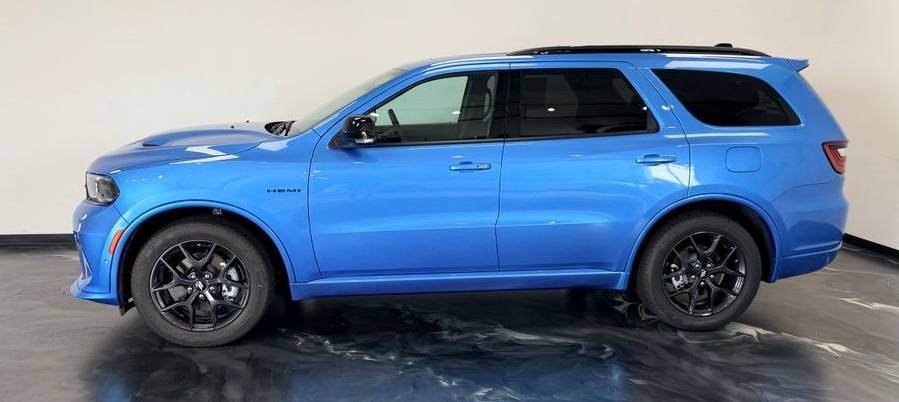
Are Dodge Durangos Reliable?
Dodge Durangos are generally reliable, but their dependability falls in the average to above-average range rather than the top tier of the three-row SUV segment. Independent reliability organizations consistently rank the Durango as a capable SUV with reasonable repair frequency, although ownership experiences vary depending on the model year, engine configuration, maintenance history, and previous driving conditions.
RepairPal gives the Dodge Durango an overall reliability rating of 3.5 out of 5.0, ranking it among the better-performing full-size SUVs. The platform has been on the market for many years, allowing many early mechanical issues to be identified and addressed through updated components, recalls, and improved manufacturing processes. However, vehicles that have accumulated high mileage, been used extensively for towing, or missed routine maintenance are significantly more likely to experience expensive repairs than well-maintained examples.
Reliability should also be separated from crash safety and owner satisfaction. A vehicle may receive strong crash-test ratings while still requiring more repairs than competitors, or it may have average reliability despite high owner satisfaction because buyers value its towing capability, V8 performance, or spacious interior. For this reason, buyers should evaluate reliability using multiple factors rather than relying on a single overall score.
What Reliability Rating Does the Dodge Durango Have?
The Dodge Durango receives solid but not class-leading reliability ratings from major automotive research organizations. RepairPal rates the SUV 3.5 out of 5.0 and estimates annual repair and maintenance costs at approximately $675, placing it slightly below the average ownership cost for all passenger vehicles but below the average for many full-size SUVs.
J.D. Power also shows noticeable differences between model years. For example, the 2019 Dodge Durango earned an 83 out of 100 Quality & Reliability score, while some newer model years received lower ratings because of different owner-reported issues. These variations demonstrate why buyers should evaluate the specific model year instead of assuming every Durango offers identical long-term dependability.
Each organization measures reliability differently. RepairPal focuses on repair frequency, repair severity, and maintenance costs collected from repair facilities, whereas J.D. Power primarily analyzes owner-reported quality issues during the first years of ownership. Looking at several data sources provides a more balanced understanding of how reliable the Dodge Durango is over both the short and long term.
Why Does Dodge Durango Reliability Vary by Model Year?
Reliability changes from one Dodge Durango model year to another because every production year introduces different components, software updates, manufacturing improvements, and recall campaigns. Even though the current generation has remained on the market since 2011, Dodge has continuously updated its engines, electronics, infotainment systems, driver-assistance features, and trim levels.
Mechanical wear also plays an important role. A ten-year-old SUV with complete maintenance records may be more dependable than a newer vehicle that has skipped oil changes, overheated repeatedly, or spent years towing heavy trailers. Previous ownership habits often influence long-term reliability more than vehicle age alone.
Manufacturing updates can further improve reliability over time. Dodge has refined software calibrations, electrical modules, transmission programming, and cooling systems throughout the production cycle. As a result, later production years may resolve problems that affected earlier models, while introducing new technologies that create different maintenance requirements. This explains why reliability ratings should always be evaluated by individual model year rather than by the Dodge Durango nameplate alone.
Which Dodge Durango Model Years Are the Most Reliable?
The most reliable Dodge Durango model years are generally those that combine strong reliability ratings, fewer serious owner complaints, completed recall campaigns, and a proven maintenance history. Buyers should avoid choosing a vehicle based solely on age because long-term dependability depends on both engineering improvements and how well previous owners maintained the SUV.
When comparing model years, it is useful to evaluate five major factors: independent reliability scores, complaint patterns, recall history, maintenance records, and current vehicle condition. A model year with fewer reported transmission or electrical issues may still become a poor purchase if routine servicing was neglected or major accident damage occurred.
Among recent versions, the 2019 Dodge Durango is frequently considered one of the stronger choices because it combines a favorable reliability rating with mature engineering and relatively stable mechanical components. Nevertheless, every used vehicle should undergo a professional pre-purchase inspection before purchase because even highly rated model years can develop expensive problems after years of heavy use.
Is the 2019 Dodge Durango Reliable?
Yes, the 2019 Dodge Durango is widely considered one of the more reliable recent model years. It earned an 83 out of 100 Quality & Reliability score from J.D. Power, reflecting relatively positive owner experiences compared with several neighboring production years.
The 2019 model also benefits from years of engineering refinement following the 2011 redesign. By this point, many early production issues had already been addressed through software updates, revised components, and manufacturer service campaigns. Buyers still need to inspect the transmission, cooling system, suspension, and electrical equipment because age and mileage remain significant reliability factors regardless of published ratings.
A complete maintenance history is often more valuable than the model year itself. Service invoices showing regular oil changes, cooling-system maintenance, transmission servicing, and completed recalls provide stronger evidence of long-term reliability than a favorable rating alone.
Are Newer Dodge Durangos More Reliable Than Older Models?
Newer Dodge Durangos are not automatically more reliable than older models. While newer vehicles generally experience less mechanical wear, they also include additional electronic systems, driver-assistance technologies, and infotainment features that increase overall system complexity.
Older Durangos often have simpler equipment but may require replacement of suspension components, cooling system parts, seals, hoses, batteries, and other age-related wear items. Corrosion, climate exposure, and previous towing use also become increasingly important as vehicles age.
For most buyers, overall condition should take priority over production year. A newer SUV with poor maintenance records may present greater ownership risks than an older Durango that has received consistent servicing, documented repairs, and completed recall work throughout its life.
Which Dodge Durango Years Should Buyers Avoid?
No Dodge Durango model year should be avoided solely because of its production date, but some years deserve closer inspection due to recurring complaints, major recalls, or expensive repair patterns. A vehicle should only be considered high risk when multiple sources consistently report repeated mechanical failures, significant safety recalls, or unusually high repair costs.
Older Durangos naturally accumulate more wear on engines, transmissions, suspension systems, cooling components, and electrical equipment. Buyers should therefore evaluate each vehicle individually instead of assuming every SUV from a particular year will experience the same problems.
A thorough inspection should include maintenance documentation, diagnostic scans, recall verification, service invoices, accident history, and a comprehensive road test. These factors provide a far more accurate picture of long-term reliability than model year alone.
What Warning Signs Matter More Than the Model Year?
Several inspection findings provide stronger evidence of future reliability than the production year itself. Warning lights on the dashboard, delayed transmission shifts, engine knocking, overheating, coolant leaks, rough idle, battery drain, uneven tire wear, suspension noises, and incomplete maintenance records all indicate increased ownership risk.
Buyers should also verify that every manufacturer recall has been completed, inspect the vehicle for previous collision repairs, and confirm that electronic systems operate correctly. Missing service documentation, signs of heavy towing, or evidence of repeated overheating deserve immediate attention because these issues can significantly shorten the vehicle’s lifespan regardless of its published reliability rating.
What Are the Most Common Dodge Durango Problems?
The most common Dodge Durango problems involve the engine, transmission, electrical system, cooling system, suspension, and braking components. Most owners will not experience every issue, but these systems account for the majority of reported repairs throughout the vehicle’s lifespan. The likelihood of developing these problems depends on model year, mileage, maintenance history, and driving conditions.
Engine-related issues can include oil leaks, ignition misfires, cooling system failures, and abnormal valvetrain noise on high-mileage vehicles. Many of these problems develop gradually rather than suddenly, making routine inspections important for preventing expensive repairs. Ignoring warning lights, coolant loss, or unusual engine sounds can allow minor faults to develop into major mechanical failures.
Transmission complaints usually involve delayed engagement, rough shifting, hesitation during acceleration, or occasional shuddering. Some symptoms result from outdated transmission software or aging transmission fluid, while others indicate internal wear. A smooth road test that includes city driving, highway acceleration, and repeated stop-and-go traffic provides one of the best opportunities to identify transmission concerns before purchasing a used Durango.
Electrical issues have become more common as modern Durangos include increasingly sophisticated infotainment systems, driver-assistance technology, sensors, and electronic control modules. Owners occasionally report battery drain, malfunctioning touchscreens, warning lights, camera failures, or sensor errors. Although many electrical faults do not prevent the vehicle from operating, diagnosis can become time-consuming because multiple electronic systems communicate with one another.
Cooling system problems deserve immediate attention because overheating can damage the engine. Leaking radiators, worn water pumps, failing thermostats, deteriorated hoses, or coolant loss should never be ignored. Buyers should always inspect coolant condition, verify stable engine temperatures during a test drive, and check for signs of previous overheating repairs.
Suspension and brake components naturally wear over time, particularly on vehicles that regularly tow trailers or travel on rough roads. Worn control arm bushings, shock absorbers, wheel bearings, brake rotors, and brake pads can produce vibration, clunking noises, uneven tire wear, or reduced ride quality. While these repairs are considered normal maintenance items, excessive wear may indicate poor previous maintenance or unusually demanding driving conditions.
What Engine Problems Can Dodge Durangos Develop?
Engine reliability depends heavily on regular maintenance and cooling system condition. The most frequently reported engine concerns include oil leaks, ignition misfires, coolant leaks, overheating, and abnormal ticking noises that become more noticeable as mileage increases. These issues often develop slowly, allowing owners to address them before significant internal damage occurs.
Routine oil changes, cooling system inspections, and timely replacement of worn components greatly reduce the risk of major engine repairs. Buyers should inspect the engine for fluid leaks, listen for unusual noises during both cold and warm starts, and verify that service records demonstrate consistent maintenance throughout the vehicle’s ownership.
What Transmission Problems Can Dodge Durangos Develop?
Most Dodge Durango transmission problems develop gradually rather than appearing without warning. Early symptoms commonly include delayed gear engagement, harsh upshifts or downshifts, hesitation during acceleration, shuddering at steady speeds, or inconsistent shift quality after the transmission reaches operating temperature.
Not every shifting irregularity indicates a failing transmission. Software calibration, low transmission fluid quality, or overdue maintenance can also affect shift behavior. During a pre-purchase inspection, buyers should evaluate transmission performance under multiple driving conditions and check for fluid leaks or previous transmission repair records.
What Electrical Problems Can Dodge Durangos Develop?
Electrical problems are among the more variable issues reported by Dodge Durango owners because modern SUVs rely on dozens of interconnected electronic modules. Common complaints include infotainment screen freezing, battery drain, malfunctioning backup cameras, sensor failures, warning lights, keyless entry problems, and intermittent electrical faults.
Intermittent electrical issues are often more difficult to diagnose than mechanical failures because they may disappear before technicians can reproduce the problem. Buyers should verify that every electronic feature functions correctly, including the touchscreen, navigation system, Bluetooth connectivity, climate controls, parking sensors, cameras, power seats, power windows, and driver-assistance features before completing a purchase.
What Suspension and Brake Problems Should Buyers Inspect?
Suspension and brake components should receive careful attention because they directly affect ride quality, handling, and safety. Buyers should inspect control arms, bushings, ball joints, wheel bearings, shock absorbers, brake rotors, brake pads, and steering components for excessive wear.
Uneven tire wear often provides an early indication of suspension alignment problems or worn steering components. During a road test, listen for clunking noises over bumps, steering vibration, brake pulsation, or excessive body movement during cornering. These symptoms may not represent catastrophic failures, but they can significantly increase repair costs shortly after purchase.
Are Dodge Durango Engines Reliable?
Dodge Durango engines are generally reliable when serviced according to the manufacturer’s maintenance schedule. The SUV has offered several proven engine options throughout its production history, with the 3.6L Pentastar V6, 5.7L HEMI V8, and 6.4L HEMI V8 each serving different ownership priorities. Reliability depends less on engine choice alone than on maintenance consistency, operating conditions, towing frequency, and previous repairs.
Owners who perform regular oil changes, monitor coolant condition, replace worn ignition components, and address leaks early often achieve high mileage without major engine failures. Conversely, neglected maintenance, repeated overheating, or prolonged operation with low oil levels can significantly shorten engine life regardless of which powertrain the vehicle uses.
Is the 3.6L Pentastar V6 Reliable in a Dodge Durango?
The 3.6L Pentastar V6 is widely regarded as the most balanced engine option for buyers who prioritize everyday reliability and lower ownership costs. It delivers sufficient power for daily commuting while generally requiring less fuel and lower maintenance expenses than the available V8 engines.
High-mileage V6 models should still be inspected for oil leaks, cooling system condition, ignition performance, and complete maintenance documentation. Regular servicing remains the strongest predictor of long-term reliability regardless of mileage.
Is the 5.7L HEMI V8 Reliable in a Dodge Durango?
The 5.7L HEMI V8 offers strong durability and towing capability when properly maintained. Many owners choose this engine because it combines substantial power with proven long-term performance, making it suitable for towing boats, campers, or heavy trailers.
Because the V8 produces more heat and operates under greater mechanical loads, buyers should carefully inspect cooling system components, oil condition, engine noise, and service records. Vehicles that have spent years towing heavy loads may experience accelerated wear compared with lightly used examples.
Is the 6.4L HEMI V8 Reliable in a Dodge Durango SRT?
The 6.4L HEMI V8 provides excellent performance but requires greater maintenance attention than the standard engines. Its higher horsepower places additional stress on the engine, braking system, tires, suspension, and drivetrain, increasing long-term ownership costs even when reliability remains good.
Performance-oriented owners who follow recommended maintenance schedules often enjoy dependable operation, but buyers should expect higher expenses for tires, brakes, fuel, and routine servicing compared with V6-equipped Durangos.
Is the Dodge Durango SRT Hellcat Reliable Enough for Daily Driving?
The Dodge Durango SRT Hellcat can serve as a daily driver, but it is designed primarily for maximum performance rather than minimum ownership cost. Its supercharged engine delivers exceptional acceleration while increasing fuel consumption, tire wear, brake wear, and maintenance expenses.
Buyers considering an SRT Hellcat should verify that previous owners avoided aggressive aftermarket modifications, completed scheduled maintenance, and addressed all recall campaigns. A professional inspection becomes especially valuable because high-performance vehicles often experience more demanding driving conditions than standard family SUVs.
Is the Dodge Durango Transmission Reliable?
The Dodge Durango’s eight-speed automatic transmission is generally reliable when serviced properly, but its long-term durability depends on maintenance quality and driving habits. Most owners experience years of normal operation without significant transmission repairs, particularly when fluid condition remains good and the vehicle has not been subjected to excessive towing or aggressive driving.
Transmission longevity is influenced by several factors, including maintenance history, operating temperature, towing frequency, software updates, and overall vehicle condition. Regular inspections help identify small fluid leaks or shifting abnormalities before internal damage develops.
During a pre-purchase inspection, buyers should evaluate transmission behavior from a cold start, during city driving, highway acceleration, and repeated stop-and-go traffic. Gear changes should feel smooth and consistent without hesitation, slipping, harsh impacts, or delayed engagement. Any warning lights, transmission noises, or abnormal shifting patterns deserve professional diagnosis before the purchase is completed because transmission repairs are among the most expensive ownership costs for any SUV.
How Many Miles Can a Dodge Durango Last?
A well-maintained Dodge Durango can often exceed 200,000 miles, while some owners report significantly higher mileage with consistent maintenance and timely repairs. Mileage alone does not determine how much life remains in the vehicle. Long-term durability depends on maintenance history, driving habits, towing frequency, climate, and how quickly previous owners addressed mechanical issues.
Four factors have the greatest influence on a Dodge Durango’s lifespan. The first is routine maintenance, including regular oil changes, cooling system service, transmission inspections, and brake maintenance. The second is engine and transmission condition because these components represent the largest repair expenses during long-term ownership. The third is vehicle usage. Frequent towing, heavy payloads, stop-and-go traffic, and aggressive acceleration place more stress on the powertrain than normal highway driving. The fourth is environmental exposure, as vehicles driven in regions with heavy road salt or extreme temperatures may experience faster corrosion and component deterioration.
It is also important to distinguish between mechanical lifespan and economic lifespan. A Durango may still operate reliably after 200,000 miles, but owners may eventually reach a point where replacing multiple major components costs more than the vehicle’s market value. Evaluating ownership costs alongside mechanical condition helps determine whether continued repairs remain financially practical.
What Maintenance Helps a Dodge Durango Last Longer?
Consistent preventive maintenance is the single most important factor in extending the lifespan of a Dodge Durango. Routine servicing reduces component wear, improves engine efficiency, and allows small problems to be corrected before they become major repairs.
Owners should follow the manufacturer’s maintenance schedule for engine oil, filters, spark plugs, coolant, brake fluid, transmission inspections, and differential servicing where applicable. Tire rotations, wheel alignments, battery testing, and suspension inspections also contribute to longer component life by reducing unnecessary stress throughout the drivetrain and chassis.
Cooling system maintenance deserves particular attention because overheating is one of the fastest ways to shorten engine life. Replacing worn hoses, monitoring coolant levels, inspecting the radiator, and addressing leaks immediately can prevent extensive engine damage that often requires expensive repairs.
Is Mileage or Service History More Important on a Used Durango?
Service history is generally a better predictor of future reliability than mileage alone. A higher-mileage Durango with documented maintenance records often presents less risk than a lower-mileage vehicle that has skipped routine servicing or experienced repeated mechanical problems.
Complete maintenance records demonstrate that previous owners changed fluids on schedule, completed recall work, repaired developing problems early, and maintained critical systems throughout the vehicle’s life. In contrast, missing documentation creates uncertainty about the condition of expensive components such as the engine, transmission, cooling system, and suspension.
Driving conditions also influence vehicle wear differently. Highway miles usually produce less stress on the engine and transmission than frequent city driving, repeated short trips, or continuous towing. Buyers should therefore evaluate how the vehicle was used rather than focusing exclusively on the odometer reading.
How Much Does a Dodge Durango Cost to Maintain?
The Dodge Durango has moderate maintenance costs compared with other full-size SUVs, although total ownership expenses vary considerably depending on engine choice, vehicle age, mileage, and repair history. Routine maintenance remains relatively predictable, while unexpected repairs become more likely as vehicles accumulate higher mileage.
Regular ownership expenses include oil changes, tire replacement, brake service, battery replacement, fluid changes, suspension wear items, and scheduled inspections. These costs are similar to many midsize and full-size SUVs, but performance-oriented trims equipped with V8 engines generally require more expensive tires, brakes, fuel, and replacement components than V6 models.
Repair costs can increase substantially when major components require replacement. Engine repairs, transmission overhauls, cooling system failures, electronic control modules, air conditioning components, or suspension rebuilds represent the largest potential ownership expenses. Completing preventive maintenance on schedule significantly reduces the likelihood of these costly repairs.
Prospective buyers should also consider insurance premiums, fuel consumption, registration fees, and tire replacement when estimating long-term ownership costs. Reliability is influenced not only by repair frequency but also by how affordable those repairs remain throughout the vehicle’s lifespan.
Is a V8 Dodge Durango More Expensive to Maintain Than a V6?
Yes, V8-powered Dodge Durangos generally cost more to own and maintain than V6 models. The additional horsepower and towing capability come with higher fuel consumption, more expensive performance tires, larger braking components, and increased maintenance costs throughout the vehicle’s life.
The difference is not necessarily caused by lower reliability. Instead, larger engines and performance-oriented drivetrains operate under greater mechanical loads and often require higher-priced replacement parts. Owners who regularly tow heavy trailers or drive aggressively may also experience faster wear on brakes, suspension components, and tires.
For buyers whose primary priorities are commuting, family transportation, and lower ownership costs, the Pentastar V6 usually provides the most balanced combination of reliability, performance, and operating expenses. Buyers who frequently tow or prefer stronger acceleration may find the additional costs of a HEMI V8 worthwhile.
What Expensive Repairs Should a Durango Buyer Budget For?
Every used Dodge Durango buyer should prepare for the possibility of major repairs as the vehicle ages. Although many owners experience years of dependable service, larger SUVs naturally become more expensive to repair once major mechanical components begin to wear.
The most expensive repairs typically involve engine rebuilding or replacement, transmission repairs, cooling system failures, electronic control module replacement, suspension overhauls, differential repairs on all-wheel-drive models, and air conditioning system failures. The actual cost varies depending on labor rates, replacement parts, model year, engine configuration, and geographic location.
Scheduling a professional pre-purchase inspection remains one of the most effective ways to reduce the risk of unexpected repair expenses. Identifying developing problems before completing the purchase often saves thousands of dollars during long-term ownership.
Does the Dodge Durango Have Major Recalls?
Like most vehicles produced over many model years, the Dodge Durango has been subject to multiple manufacturer recalls covering different components and production periods. A recall does not automatically mean a vehicle is unreliable. Instead, it indicates that the manufacturer has identified a safety or compliance issue requiring inspection or repair.
Some recalls affect only specific production batches, while others apply to multiple model years. Components involved have included braking systems, electrical equipment, airbags, cruise control, software updates, fuel system components, and other safety-related systems. Because recall coverage varies by vehicle identification number (VIN), buyers should never assume that every Durango from a particular model year has the same recall history.
The most important consideration is whether recall repairs have already been completed. A vehicle with every recall resolved according to manufacturer requirements may present significantly less risk than another example with outstanding safety campaigns that have never been addressed.
How Can Buyers Check a Dodge Durango for Open Recalls?
Checking for open recalls is an essential step before purchasing any used Dodge Durango. Buyers should obtain the vehicle’s 17-character VIN and use it to search the official National Highway Traffic Safety Administration (NHTSA) recall database. The VIN search identifies open safety recalls that still require manufacturer repairs.
Buyers should also request maintenance invoices showing completed recall work and confirm the repair history with an authorized Dodge dealership whenever possible. Combining recall verification with a professional mechanical inspection provides a much clearer picture of the vehicle’s overall condition than relying solely on owner statements or dealership advertisements.
Completing this verification process before signing the purchase agreement helps reduce safety risks, prevents unexpected repair delays, and gives buyers greater confidence that the vehicle has received all required manufacturer updates.
Is a Used Dodge Durango Reliable?
A used Dodge Durango can be a reliable purchase if it has been properly maintained, has a clean ownership history, and passes a thorough pre-purchase inspection. The vehicle’s actual condition is far more important than its model year alone because maintenance quality has a direct impact on long-term reliability. A well-maintained Durango with higher mileage often presents less risk than a lower-mileage example that has missed scheduled servicing or experienced repeated mechanical problems.
Buyers should begin by reviewing maintenance records, confirming that routine oil changes, cooling system service, brake maintenance, and other scheduled work were completed on time. Complete documentation demonstrates responsible ownership and provides valuable insight into how the vehicle has been maintained throughout its life. Missing service records create uncertainty regarding the condition of expensive components such as the engine, transmission, suspension, and drivetrain.
Vehicle history should also be evaluated before making a purchase. Accident history, flood damage, salvage titles, commercial fleet use, and repeated towing can all influence long-term reliability. Even if a Durango has a strong reliability reputation, previous abuse or poor repairs may significantly reduce its remaining lifespan.
A professional pre-purchase inspection is one of the most valuable investments when buying a used Dodge Durango. An experienced technician can identify developing mechanical problems that may not be visible during a short test drive, helping buyers avoid unexpected repair expenses after purchase.
What Should Buyers Inspect Before Purchasing a Used Dodge Durango?
A systematic inspection helps identify potential problems before ownership begins. Buyers should examine both the vehicle’s mechanical condition and its maintenance history rather than relying solely on appearance or mileage.
Inspect the engine for oil leaks, coolant leaks, unusual noises, excessive smoke, and warning lights. Verify that the transmission shifts smoothly during both cold and warm driving conditions without hesitation, slipping, or harsh gear changes. Examine suspension components for excessive wear, listen for clunking noises over bumps, and check that the steering feels stable at highway speeds.
The cooling system deserves careful attention because overheating can lead to costly engine damage. Inspect coolant levels, radiator condition, hoses, and signs of previous repairs. Tire wear should be even across all four wheels because uneven wear may indicate suspension, steering, or alignment problems.
Electronic equipment should also be tested thoroughly. Confirm that the infotainment system, backup camera, parking sensors, navigation, Bluetooth, power windows, power seats, climate controls, and driver-assistance features all operate correctly. Finally, verify that no active warning lights remain illuminated after the engine starts.
What Questions Should Buyers Ask the Seller?
Asking the right questions often reveals valuable information that is not visible during a physical inspection. Buyers should request maintenance invoices, ownership history, and details about how the vehicle has been used throughout its life.
Useful questions include:
- How long have you owned the vehicle?
- Why are you selling it?
- Has it regularly towed trailers or heavy loads?
- Have the engine or transmission ever been repaired?
- Are all scheduled maintenance records available?
- Have all manufacturer recalls been completed?
- Has the vehicle ever overheated?
- Has it been modified or tuned?
- Has it been involved in any accidents?
- Has a recent diagnostic scan identified any fault codes?
Clear and consistent answers supported by documentation generally provide greater confidence than verbal assurances alone.
How Does Dodge Durango Reliability Compare With Other Three-Row SUVs?
The Dodge Durango offers competitive reliability, but its strengths differ from many competing three-row SUVs. Instead of focusing primarily on fuel economy and front-wheel-drive efficiency, the Durango emphasizes rear-wheel-drive performance, powerful engine options, and impressive towing capability. Buyers should therefore compare vehicles based on their intended use rather than searching for a single universally superior SUV.
Compared with the Ford Explorer, the Durango generally appeals to buyers who value V8 availability and higher towing capacity. The Explorer offers a wider range of powertrain choices and modern technology, while the Durango benefits from a mature platform that has undergone years of refinement. The better choice depends on maintenance history, model year, and ownership priorities rather than brand reputation alone.
Compared with the Toyota Highlander, the Durango focuses more heavily on performance and towing capability, whereas the Highlander prioritizes fuel efficiency, family comfort, and lower long-term operating costs. Buyers seeking maximum reliability with minimal ownership expenses may prefer the Highlander, while those requiring greater towing capacity or stronger acceleration often favor the Durango.
The Jeep Grand Cherokee L shares several engineering characteristics with the Durango because both vehicles were developed within the same manufacturer. The Grand Cherokee L emphasizes premium interior features and off-road capability, while the Durango targets buyers who want three-row practicality combined with sportier driving dynamics. Reliability differences between the two models often depend more on maintenance quality and specific powertrain configurations than on the vehicles themselves.
The Chevrolet Traverse offers generous passenger space and comfortable daily driving characteristics but generally lacks the Durango’s towing capability and available V8 performance. Families primarily interested in interior room may find the Traverse attractive, whereas buyers planning to tow recreational equipment or travel trailers often consider the Durango a stronger fit.
Is a Dodge Durango More Reliable Than a Ford Explorer?
Neither SUV is consistently more reliable across every model year. Reliability depends on the specific production year, engine, maintenance history, mileage, and previous ownership. Buyers should compare equivalent model years, review reliability ratings from multiple sources, inspect maintenance records, and complete independent inspections before making a purchasing decision.
Is a Dodge Durango More Reliable Than a Toyota Highlander?
The Toyota Highlander generally has a stronger long-term reliability reputation, while the Dodge Durango provides advantages in performance and towing capability. Buyers prioritizing lower ownership costs, fuel economy, and predictable maintenance often lean toward the Highlander. Those requiring greater towing capacity, rear-wheel-drive handling, or available V8 power may find the Durango better suited to their needs despite potentially higher operating expenses.
Is a Dodge Durango More Reliable Than a Jeep Grand Cherokee L?
The Dodge Durango and Jeep Grand Cherokee L share several mechanical similarities, making their reliability relatively comparable when equipped with similar powertrains. Purchase decisions should therefore focus on vehicle condition, maintenance records, equipment preferences, seating requirements, and intended use rather than assuming one model is universally more dependable than the other.
What Is the Final Reliability Verdict on the Dodge Durango?
The Dodge Durango is a dependable three-row SUV for buyers who understand its strengths, maintenance requirements, and long-term ownership costs. It delivers solid reliability, capable powertrains, excellent towing performance, and spacious interior practicality, making it an attractive option for families and drivers who need more capability than many crossover SUVs provide.
Its long-term dependability is influenced primarily by four factors: model year, maintenance history, engine choice, and previous ownership. Buyers who verify service records, inspect the vehicle carefully, confirm recall completion, and obtain a professional pre-purchase inspection significantly improve their chances of purchasing a reliable used Durango.
The 3.6L Pentastar V6 represents the best choice for buyers seeking balanced reliability and lower ownership costs, while the HEMI V8 engines suit drivers who prioritize towing capacity and stronger performance. Regardless of engine selection, routine maintenance remains the most important factor in extending the vehicle’s lifespan and minimizing repair expenses.
For buyers willing to research individual model years and evaluate each vehicle carefully, the Dodge Durango remains a practical and capable SUV that can provide many years of dependable service. Rather than asking whether every Dodge Durango is reliable, the better question is whether the specific vehicle has been maintained well enough to deliver reliable ownership in the years ahead.