Dodge Challengers are generally reliable when they receive consistent maintenance, but their long-term dependability varies by model year, engine, previous use, and modification history. A well-maintained V6 or HEMI-powered Challenger can provide dependable service for many years, while a neglected or heavily modified example can develop expensive engine, transmission, cooling, suspension, or electrical problems.
The Challenger also requires a different reliability assessment from an ordinary midsize car. Its high curb weight, powerful engines, rear-wheel-drive platform, wide performance tires, and frequent use as a modified or aggressively driven vehicle increase wear on brakes, suspension parts, driveline components, and cooling systems. For this reason, low mileage alone does not prove that a used Challenger is in good condition. Service records, recall status, ownership history, cold-start behavior, transmission operation, and an independent pre-purchase inspection provide stronger evidence.
This guide explains how reliable Dodge Challengers are, how long they can last, which problems buyers should check for, how reliability differs between engines and model years, and what ownership costs to expect. It also provides a practical inspection framework to help buyers decide whether to purchase, negotiate, or walk away from a specific vehicle.
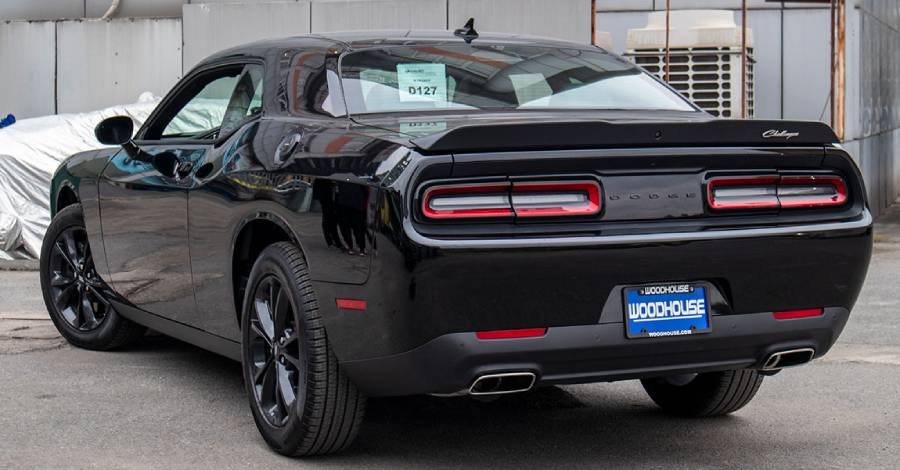
Are Dodge Challengers Reliable?
Yes, Dodge Challengers are generally reliable when they are properly maintained, but reliability varies significantly by model year, engine, maintenance history, and previous ownership. A well-maintained Challenger with documented service records and no unresolved mechanical issues can provide dependable long-term ownership. In contrast, a neglected vehicle or one that has been heavily modified for performance is more likely to develop costly engine, transmission, suspension, or electrical problems.
Unlike many midsize cars, the Dodge Challenger is a performance-oriented coupe available with multiple powertrains ranging from the 3.6L Pentastar V6 to supercharged HEMI V8 engines. Each engine places different levels of stress on the drivetrain, cooling system, brakes, and suspension. Reliability therefore depends not only on the vehicle’s design but also on how it has been driven, maintained, and modified throughout its life. A naturally aspirated V6 used for daily commuting typically experiences less mechanical stress than a Hellcat that has seen frequent drag racing or aftermarket tuning.
Industry reliability data generally places the Challenger in the average-to-above-average range rather than among the most dependable vehicles on the market. RepairPal gives the Dodge Challenger a 3.5 out of 5.0 reliability rating, ranking it 19th out of 24 midsize cars, with an average annual repair and maintenance cost of approximately $650. The platform also notes that while repair severity can be higher than average when major problems occur, the frequency of unexpected repairs remains relatively low compared with many competitors.
J.D. Power also reports strong reliability scores for recent Challenger model years, although these ratings should be interpreted within the context of individual production years rather than applied universally across every Challenger ever built. Reliability scores measure trends across thousands of vehicles and should never replace an inspection of the specific vehicle being considered for purchase. Two Challengers from the same model year can have dramatically different ownership outcomes depending on maintenance quality, accident history, storage conditions, and previous modifications.
For buyers shopping in the used market, the vehicle’s condition is usually more important than its published reliability score. A Challenger with complete maintenance records, consistent oil changes, factory-spec components, completed recall repairs, and a clean pre-purchase inspection is often a safer investment than a newer vehicle with an incomplete service history. Before making a purchase decision, buyers should evaluate the vehicle’s VIN history, maintenance documentation, recall status, engine condition, transmission performance, suspension wear, and signs of aftermarket modifications instead of relying solely on online reliability rankings.
How Is Dodge Challenger Reliability Measured?
Reliability is measured by examining how frequently a vehicle develops problems, how serious those problems are, how much they cost to repair, and how consistently the vehicle performs over time. Instead of relying on a single statistic, automotive organizations evaluate reliability using different data sources, including owner surveys, repair records, warranty claims, recalls, and reported mechanical failures. Understanding these measurements helps buyers interpret reliability ratings correctly rather than assuming every Dodge Challenger performs the same.
What Do Dodge Challenger Reliability Ratings Measure?
Reliability ratings evaluate several aspects of long-term ownership instead of focusing on one mechanical component. The most important factors include repair frequency, repair severity, maintenance costs, durability of major systems, and owner satisfaction after years of use. Together, these metrics provide a broader picture of ownership experience than fuel economy or performance specifications alone.
Repair frequency measures how often a vehicle requires unscheduled repairs. A car that visits the repair shop only occasionally is generally considered more reliable than one requiring frequent attention, even if both vehicles eventually accumulate similar repair costs. Major components such as the engine, transmission, steering system, suspension, cooling system, and electrical system have the greatest influence on this metric because failures in these areas usually interrupt normal vehicle operation.
Repair severity evaluates how expensive and complex a failure becomes once it occurs. Replacing worn brake pads or a battery is considered routine maintenance, while rebuilding a transmission or repairing internal engine damage represents a high-severity repair. Vehicles with fewer catastrophic failures generally earn higher reliability scores even if they require occasional minor maintenance.
Annual ownership cost also contributes to reliability evaluations. Organizations compare the average amount owners spend each year on repairs and maintenance. According to RepairPal, the Dodge Challenger has an average annual repair and maintenance cost of approximately $650, placing it close to the average ownership cost for many mainstream vehicles despite its performance-oriented design.
Long-term durability is another important measurement. Reliable vehicles continue operating well after years of regular use when they receive recommended maintenance. Components such as the engine, transmission, differential, suspension, and cooling system should maintain consistent performance without repeated major failures. Buyers therefore evaluate both current condition and maintenance history rather than focusing only on the vehicle’s current mileage.
Why Do Dodge Challenger Reliability Ratings Differ Between Sources?
Different automotive organizations often assign different reliability scores because they analyze different types of information and apply different evaluation methods. A buyer should understand these differences before comparing ratings from multiple sources.
RepairPal primarily measures reliability using repair frequency, repair severity, and ownership costs collected from repair facilities and service data. Its ratings help buyers estimate how often unexpected repairs occur and how expensive those repairs may become throughout ownership.
J.D. Power emphasizes owner-reported quality and dependability by collecting feedback from thousands of vehicle owners. These surveys reflect real ownership experiences, including mechanical issues, electronic problems, infotainment concerns, and overall satisfaction during specific ownership periods. As a result, a model year may receive an excellent quality score even though long-term repair costs become more apparent after additional years of use.
The National Highway Traffic Safety Administration (NHTSA) serves a different purpose. Rather than assigning overall reliability scores, it collects consumer complaints, investigates potential safety defects, and issues recalls when manufacturers must correct safety-related problems. A vehicle with several recalls is not automatically unreliable because many recalls involve preventive repairs completed at no cost to owners. However, unresolved recalls remain an important consideration when purchasing a used Challenger.
Because each organization measures different aspects of ownership, buyers should never depend on a single rating. Combining reliability scores with maintenance records, recall history, service documentation, and a professional inspection provides a far more accurate assessment of a specific vehicle.
Does a High Reliability Score Guarantee a Good Used Challenger?
No. A high reliability score does not guarantee that every used Dodge Challenger is a good purchase. Reliability ratings describe trends across large groups of vehicles, but they cannot predict the condition of an individual car.
Two Challengers built during the same production year may have completely different reliability outcomes. One vehicle may have received timely oil changes, factory-approved repairs, and careful daily driving, while another may have experienced aggressive racing, irregular maintenance, accident damage, or extensive aftermarket modifications. Although both vehicles contribute to the same published reliability rating, their actual mechanical condition can differ substantially.
For this reason, buyers should place greater emphasis on evidence that reflects the specific vehicle they intend to purchase. Complete maintenance records demonstrate whether scheduled services were performed on time. A vehicle history report identifies previous accidents, title issues, and ownership changes. Recall verification confirms whether factory safety repairs have already been completed. Finally, an independent pre-purchase inspection can identify hidden problems involving the engine, transmission, suspension, brakes, cooling system, electrical components, or drivetrain before money changes hands.
Published reliability ratings provide valuable context during the research stage, but they should be viewed as the starting point rather than the final decision. The safest purchase is almost always a well-maintained Dodge Challenger with documented service history, no unresolved recalls, and a clean mechanical inspection, regardless of whether another model year received a slightly higher reliability score.
How Long Do Dodge Challengers Last?
A Dodge Challenger can remain dependable for many years when it receives consistent maintenance and responsible driving, but its lifespan depends more on vehicle condition than mileage alone. Engine care, transmission servicing, cooling system maintenance, driving habits, and modification history have a much greater influence on longevity than the number displayed on the odometer.
Many well-maintained Challengers continue operating beyond 200,000 miles, particularly naturally aspirated models that receive regular oil changes, scheduled fluid replacements, and timely repairs. However, there is no guaranteed lifespan for every Challenger because vehicles experience different driving environments, maintenance standards, and ownership histories. A car that spends most of its life on highways with documented servicing typically ages differently from one that has been subjected to repeated drag racing, frequent short trips, or neglected maintenance.
How Many Miles Can a Dodge Challenger Last?
A Dodge Challenger can often exceed 200,000 miles when it is properly maintained, although actual lifespan varies by engine, maintenance history, and driving conditions. Mileage should be viewed as only one indicator of reliability rather than a definitive measure of remaining life.
The Challenger was built on a proven rear-wheel-drive platform and uses powertrains that have been refined over many production years. Both the 3.6L Pentastar V6 and naturally aspirated HEMI V8 engines have demonstrated strong durability when owners follow recommended maintenance schedules. Routine oil changes, cooling system inspections, transmission servicing, and prompt repairs help reduce cumulative wear on major components.
High mileage does not automatically indicate excessive mechanical wear. A Challenger driven primarily on highways often experiences less stress than a lower-mileage vehicle that has spent years in stop-and-go traffic, frequent cold starts, or aggressive acceleration. Highway driving allows the engine and transmission to operate at stable temperatures, reducing repeated thermal cycles that contribute to long-term wear.
Buyers should therefore evaluate mileage together with maintenance documentation, service receipts, inspection reports, and overall mechanical condition. A Challenger showing 150,000 miles with complete service records may present a lower ownership risk than a 70,000-mile vehicle with undocumented maintenance, accident history, or signs of heavy modification.
What Determines the Lifespan of a Dodge Challenger?
Several factors have a direct impact on how long a Dodge Challenger remains reliable. While factory engineering establishes the vehicle’s potential durability, ownership habits determine whether that potential is achieved.
Regular engine maintenance is the most important factor affecting longevity. Engine oil lubricates moving components, controls operating temperature, and removes contaminants created during combustion. Delayed oil changes accelerate wear on bearings, camshafts, lifters, timing components, and piston assemblies. Following manufacturer-recommended service intervals helps preserve engine performance throughout the vehicle’s life.
Cooling system performance also plays a critical role. Radiators, water pumps, thermostats, coolant hoses, and cooling fans regulate engine temperature under normal and high-performance driving conditions. Small coolant leaks or overheating episodes that are ignored can eventually cause gasket failures, warped cylinder heads, or internal engine damage.
Transmission maintenance significantly influences drivetrain durability. Automatic transmissions rely on clean transmission fluid to lubricate internal components and maintain smooth shifting. Manual transmissions depend on healthy synchronizers, clutch assemblies, and differential components. Delayed servicing or repeated aggressive launches increase wear throughout the drivetrain.
Driving habits affect mechanical stress more than many buyers realize. Frequent hard acceleration, burnouts, high-speed launches, repeated track events, and towing place substantially greater loads on engines, transmissions, differentials, brakes, and suspension components than normal commuting. Vehicles driven conservatively generally accumulate wear more gradually.
Modification history should also be considered carefully. Aftermarket tuning, forced-induction upgrades, oversized wheels, suspension modifications, and non-factory engine calibrations often increase mechanical loads beyond original factory specifications. Professionally engineered modifications may perform reliably, but poorly installed or undocumented upgrades increase long-term ownership risk.
Finally, environmental conditions influence vehicle lifespan. Challengers operated in regions with heavy road salt, coastal humidity, or extreme temperature fluctuations may experience faster corrosion of suspension components, brake lines, underbody structures, and electrical connectors than vehicles driven in milder climates.
Is a Dodge Challenger Reliable After 100,000 Miles?
Yes, a Dodge Challenger can remain reliable after 100,000 miles if it has been maintained consistently and shows no evidence of major mechanical neglect. Reaching six-digit mileage should not automatically discourage buyers because many critical components can continue operating reliably with proper servicing.
Instead of treating 100,000 miles as a warning sign, buyers should focus on the overall health of the vehicle. Maintenance records should confirm regular oil services, cooling system maintenance, transmission servicing, brake replacements, and scheduled inspections. These documents provide stronger evidence of future reliability than mileage alone.
A comprehensive pre-purchase inspection becomes increasingly valuable on higher-mileage vehicles. Technicians should examine the engine for abnormal noises, fluid leaks, cooling system pressure, transmission operation, suspension wear, steering components, brake condition, differential noise, and electronic fault codes. Identifying wear before purchase allows buyers to estimate future repair costs and negotiate a fair purchase price.
Higher-mileage Challengers may also require replacement of normal wear items such as shock absorbers, suspension bushings, wheel bearings, brake components, tires, batteries, belts, hoses, or water pumps. These repairs are expected during long-term ownership and should not necessarily be interpreted as evidence of poor reliability. A vehicle that has already received these maintenance items may actually represent a better long-term purchase than one approaching the same service requirements.
For most buyers, the safest strategy is to prioritize documented maintenance history, factory-specification repairs, and overall mechanical condition rather than searching exclusively for the lowest-mileage example available. A carefully maintained Challenger with over 100,000 miles often provides more dependable ownership than a lower-mileage vehicle with incomplete records, unresolved recalls, or extensive aftermarket modifications.
What Are the Most Common Dodge Challenger Problems?
The most common Dodge Challenger problems involve the engine, transmission, electrical system, suspension, cooling system, and normal wear components such as brakes and tires. Not every Challenger develops these issues, and many vehicles never experience major failures when they receive regular maintenance. However, understanding these potential problems helps buyers inspect a used Challenger more effectively and estimate future ownership costs.
Performance cars naturally place greater stress on mechanical components than ordinary commuter vehicles. Powerful engines, rear-wheel-drive layouts, aggressive driving, and aftermarket modifications can accelerate wear if maintenance is neglected. Buyers should therefore evaluate both the likelihood of a particular issue and whether the specific vehicle shows evidence of proper servicing.
What Engine Problems Can Dodge Challengers Develop?
Engine-related issues are among the most expensive problems a Dodge Challenger owner can encounter, making engine condition one of the highest priorities during a pre-purchase inspection.
One commonly reported concern involves abnormal engine ticking. A ticking sound does not automatically indicate a serious mechanical failure because fuel injectors, exhaust manifolds, and other normal engine components can also produce ticking noises. However, persistent or unusually loud ticking should be investigated, particularly if it changes with engine speed or is accompanied by warning lights, rough idling, or reduced performance.
Some HEMI-powered Challengers have also been associated with valvetrain wear, including lifter and camshaft problems. These failures typically develop gradually rather than occurring suddenly. Early symptoms may include metallic ticking, misfires, reduced engine performance, or diagnostic trouble codes. Prompt diagnosis can sometimes prevent additional engine damage, making early inspection especially important.
Oil leaks are another issue that may appear as vehicles accumulate mileage. Small leaks around valve cover gaskets, oil filter housings, or engine seals are generally easier and less expensive to repair than leaks originating from internal engine damage. During a vehicle inspection, buyers should check beneath the engine, inspect the underbody for oil residue, and verify that oil levels have been maintained properly.
Cooling system failures can also affect engine reliability. Components such as the water pump, thermostat, radiator, coolant hoses, and expansion tank naturally wear over time. Coolant leaks, overheating, fluctuating temperature gauges, or dried coolant residue around the engine bay should never be ignored because repeated overheating can significantly shorten engine life.
Misfires and illuminated check-engine lights may originate from ignition coils, spark plugs, sensors, fuel delivery issues, vacuum leaks, or emissions-related components. Since the same warning light can indicate both minor and major problems, buyers should always perform an OBD-II scan before purchasing a used Challenger rather than assuming the issue is insignificant.
What Transmission Problems Can Dodge Challengers Develop?
Transmission problems are less common than routine maintenance issues, but repairs can become expensive if early warning signs are ignored.
Automatic transmission problems often appear gradually. Drivers may notice delayed engagement when shifting into Drive or Reverse, harsh gear changes, hesitation during acceleration, unexpected downshifts, or slipping under heavy throttle. These symptoms do not always indicate internal transmission failure because degraded transmission fluid, outdated software, or valve body issues can also affect shift quality. A professional diagnosis is necessary before determining the source of the problem.
Manual transmission models should be inspected differently. Buyers should check for clutch slippage during acceleration, difficulty engaging gears, grinding while shifting, excessive clutch pedal travel, or vibration during takeoff. These symptoms may indicate normal clutch wear or more significant issues involving synchronizers, bearings, or drivetrain components.
Transmission fluid leaks deserve immediate attention regardless of transmission type. Low fluid levels reduce lubrication and cooling efficiency, accelerating wear inside the transmission. During a pre-purchase inspection, technicians should inspect the transmission housing, cooler lines, seals, and surrounding areas for evidence of leakage.
A thorough test drive should include city driving, highway cruising, low-speed maneuvering, and repeated acceleration to evaluate shift quality under different operating conditions. Problems that do not appear during a short parking lot test may become noticeable only after the transmission reaches normal operating temperature.
What Electrical Problems Can Dodge Challengers Develop?
Electrical issues generally affect convenience features more often than core mechanical systems, although unresolved electrical faults can still become costly to diagnose.
Battery drain is one of the more frequently reported electrical concerns. A weak battery, aging alternator, damaged wiring, or excessive parasitic draw can cause slow engine cranking, intermittent starting problems, or repeated battery replacement. Because several different faults can produce similar symptoms, electrical testing should identify the underlying cause before replacing components.
The Uconnect infotainment system may occasionally experience software glitches, frozen screens, delayed responses, Bluetooth connectivity problems, or navigation errors. Many infotainment issues can be corrected through software updates, while persistent hardware failures may require replacement of electronic modules or display components.
Modern Challengers also rely on numerous electronic sensors to monitor engine performance, emissions, braking systems, and driver-assistance features. A malfunctioning sensor can trigger warning lights even when no major mechanical damage exists. Nevertheless, buyers should never dismiss dashboard warning indicators because sensor failures sometimes reveal underlying mechanical problems rather than isolated electrical faults.
Power windows, keyless entry systems, backup cameras, lighting modules, and electronic accessories should all be tested during a vehicle inspection. Minor electrical faults may appear inexpensive individually, but multiple unresolved problems can significantly increase diagnostic and repair costs.
What Suspension and Steering Problems Can Dodge Challengers Develop?
Suspension wear becomes increasingly common as mileage increases because the Challenger’s size, weight, and performance capabilities place continuous stress on steering and suspension components.
Control arm bushings gradually deteriorate with age and repeated road impacts. Worn bushings may produce clunking noises over bumps, reduced steering precision, uneven tire wear, or unstable handling during cornering. Although bushings are considered normal wear items, replacing them promptly helps prevent additional suspension damage.
Ball joints and wheel bearings also wear over time. Failing wheel bearings often produce humming or growling noises that become louder with vehicle speed, while worn ball joints may create looseness in the steering system. These components directly affect vehicle stability and should be inspected whenever unusual steering behavior develops.
Shock absorbers and suspension dampers lose effectiveness as they age. Reduced damping increases body movement during braking, acceleration, and cornering while also reducing tire contact with the road. Excessive bouncing after driving over uneven pavement may indicate worn suspension components requiring replacement.
Wheel alignment problems often develop after suspension wear, curb impacts, or pothole damage. Uneven tire wear, off-center steering wheels, or the vehicle pulling toward one side frequently indicate alignment issues. Correcting alignment promptly helps extend tire life and improve overall handling.
What Brake and Tire Problems Should Challenger Buyers Expect?
Brake and tire replacement should be viewed as predictable maintenance expenses rather than indicators of poor reliability. Because the Challenger is heavier than many sports coupes and is available with high-output engines, braking systems and performance tires naturally wear faster than those on smaller passenger cars.
Brake pads gradually wear during normal driving, while brake rotors may develop vibration or pulsation after prolonged use or repeated high-temperature braking. Drivers should listen for squealing noises, feel for steering wheel vibration under braking, and inspect rotor surfaces for excessive wear before purchasing a used vehicle.
Performance-oriented trims such as the Scat Pack, SRT 392, and Hellcat often use larger braking systems with higher replacement costs. Although these systems deliver superior stopping performance, replacement pads, rotors, and related components generally cost more than those installed on V6 models.
Tire wear deserves equal attention. Aggressive acceleration, improper wheel alignment, underinflation, and spirited driving can accelerate rear tire wear on rear-wheel-drive Challengers. Buyers should inspect all four tires for uneven tread depth, sidewall damage, mismatched tire brands, and manufacturing dates. A vehicle requiring four new performance tires immediately after purchase may add several hundred dollars to the total ownership cost.
Most of the common problems found on used Dodge Challengers develop gradually rather than without warning. Careful inspection, complete maintenance records, diagnostic scanning, and a professional pre-purchase evaluation remain the most effective ways to identify these issues before they become expensive repairs.
Which Dodge Challenger Engine Is the Most Reliable?
The most reliable Dodge Challenger engine depends on how the vehicle will be used rather than which engine produces the most horsepower. Buyers seeking dependable daily transportation generally prioritize durability, maintenance costs, and long-term operating expenses, while enthusiasts may accept higher maintenance requirements in exchange for significantly greater performance.
Every Challenger engine is capable of providing long service life when maintained properly. However, differences in power output, mechanical complexity, operating temperatures, and typical owner behavior create noticeable differences in long-term ownership costs and reliability.
Is the 3.6L Pentastar V6 Dodge Challenger Reliable?
The 3.6L Pentastar V6 is widely considered the most practical and dependable engine for most Dodge Challenger buyers. It combines solid performance with lower maintenance costs, better fuel economy, and reduced mechanical stress compared with the HEMI V8 lineup.
Producing up to 303 horsepower in most Challenger models, the Pentastar V6 delivers enough performance for everyday driving without exposing the drivetrain to the extreme loads generated by higher-output V8 engines. Lower operating temperatures and reduced torque also contribute to longer service life for transmission, differential, brakes, and rear tires when the vehicle receives routine maintenance.
Like any modern engine, the Pentastar is not completely free of problems. Buyers should inspect for oil leaks, coolant leaks, ignition coil failures, worn spark plugs, abnormal engine noises, and evidence of overheating. Cooling system maintenance remains especially important because prolonged overheating can shorten engine life regardless of engine design.
The V6 is also attractive because many examples have lived less aggressive lives than V8 performance models. Vehicles used primarily as daily transportation are generally less likely to have experienced repeated drag racing, burnouts, aftermarket tuning, or extensive drivetrain modifications. While this is not true for every vehicle, it often improves the chances of finding a well-preserved used Challenger.
For buyers who value long-term dependability, reasonable ownership costs, and everyday drivability, the Pentastar V6 represents one of the safest choices in the Challenger lineup.
Is the 5.7L HEMI V8 Dodge Challenger Reliable?
The 5.7L HEMI V8 offers an excellent balance between V8 performance and long-term reliability when maintained correctly. It delivers significantly more torque and the traditional muscle car driving experience while avoiding some of the additional complexity associated with the highest-performance Challenger models.
The naturally aspirated design allows the engine to produce strong acceleration without relying on forced induction. Fewer high-pressure components generally reduce mechanical complexity compared with supercharged engines, although proper maintenance remains essential for long-term durability.
One area buyers should examine carefully is the engine’s valvetrain. Some HEMI engines have experienced lifter or camshaft wear, particularly when oil changes have been delayed or lubrication problems have developed. Persistent ticking noises, rough idle, reduced performance, or diagnostic trouble codes deserve professional inspection before purchase rather than being dismissed as normal engine sounds.
The 5.7L engine also uses Chrysler’s Multi-Displacement System (MDS) on many automatic transmission models. MDS temporarily deactivates cylinders during light-load driving to improve fuel economy. While the system generally operates reliably, buyers should confirm smooth engine operation during both highway cruising and acceleration to ensure no abnormal drivability issues are present.
Compared with higher-output HEMI variants, the 5.7L typically experiences lower thermal loads and reduced drivetrain stress, making it an attractive option for buyers who want authentic V8 performance without the higher ownership costs associated with Scat Pack or Hellcat models.
Is the 6.4L HEMI V8 Dodge Challenger Reliable?
The 6.4L HEMI V8 remains a durable engine, but its higher performance increases maintenance demands and operating costs over time. Buyers should expect greater wear on supporting components even when the engine itself has been maintained correctly.
Producing nearly 500 horsepower, the 6.4L HEMI generates substantially higher torque than the 5.7L engine. This additional power places greater loads on the transmission, differential, driveshaft, rear axle, suspension components, brakes, and tires. As a result, ownership costs often increase even if the engine never develops a significant mechanical problem.
Cooling system performance becomes especially important on high-output engines. Buyers should inspect the radiator, water pump, coolant hoses, cooling fans, and thermostat for leaks or previous repairs. Evidence of repeated overheating should be treated as a major warning sign because excessive heat accelerates wear throughout the engine.
Oil pressure, engine idle quality, throttle response, and cold-start behavior should also be evaluated during a pre-purchase inspection. A healthy 6.4L HEMI should start smoothly, idle consistently, and accelerate without hesitation, excessive smoke, or abnormal mechanical noises.
Because many Scat Pack models are purchased specifically for spirited driving, buyers should also inspect the condition of the rear differential, suspension bushings, brake rotors, and performance tires. These components often reveal how aggressively the vehicle has been driven throughout its life.
Are Hellcat Dodge Challengers Reliable?
A factory-original Hellcat can be reliable, but it generally carries the highest ownership risk in the Challenger lineup because of its extreme performance and the way many examples have been used.
The supercharged 6.2L HEMI V8 produces more than 700 horsepower depending on model year and trim level. Although the engine is engineered to withstand substantial power, every supporting component operates under significantly greater mechanical stress than those found in V6 or naturally aspirated V8 models.
Many used Hellcats have also been modified after leaving the factory. Smaller supercharger pulleys, ECU tuning, upgraded fuel systems, aftermarket exhausts, transmission tuning, drag-racing suspension components, and wider rear tires are common modifications within the enthusiast community. While professionally engineered upgrades can perform well, undocumented modifications increase uncertainty regarding long-term reliability.
Buyers should inspect the supercharger assembly, intercooler system, cooling components, accessory belts, differential, driveshaft, transmission, and rear axle for signs of excessive wear. Diagnostic scanning can also identify hidden fault codes that may not trigger dashboard warning lights during a short test drive.
Service history is even more important when evaluating a Hellcat than other Challenger models. Records showing regular oil changes, differential servicing, transmission maintenance, cooling system inspections, and factory-approved repairs provide significantly greater confidence than mileage alone. Vehicles with incomplete documentation, evidence of repeated racing, or unknown tuning history should be inspected by a technician familiar with SRT products before any purchase decision is made.
Which Dodge Challenger Engine Should You Choose?
The best Dodge Challenger engine depends on your ownership priorities rather than maximum horsepower. Buyers who prioritize reliability, affordability, and daily usability will generally find the 3.6L Pentastar V6 to be the most sensible choice. It delivers dependable performance while minimizing fuel consumption, maintenance costs, and drivetrain stress.
Drivers seeking the traditional muscle car experience without entering the highest ownership-cost category will often prefer the 5.7L HEMI V8. It provides strong V8 performance while remaining more practical than the larger HEMI engines for long-term ownership.
The 6.4L HEMI is best suited to enthusiasts willing to accept higher maintenance expenses in exchange for substantially greater performance. Although durable when properly maintained, its supporting components typically require more attention as mileage increases.
The Hellcat should be considered by buyers who fully understand the financial and maintenance commitments associated with a high-horsepower performance car. Rather than avoiding Hellcats entirely, buyers should focus on finding an unmodified or lightly modified example with complete service records, documented maintenance, no unresolved recalls, and a successful independent inspection.
Which Dodge Challenger Transmission Is More Reliable?
Both the eight-speed automatic and six-speed manual transmissions available in the Dodge Challenger can be reliable when properly maintained. The better choice depends on how the vehicle will be used, the buyer’s driving preferences, and the condition of the specific transmission rather than the transmission type itself.
Transmission reliability is influenced by maintenance history, driving habits, fluid condition, and previous modifications. A neglected automatic transmission can become far less dependable than a well-maintained manual, while an abused manual transmission used for repeated hard launches may require expensive clutch or synchronizer repairs much earlier than expected.
Is the Eight-Speed Automatic Challenger Reliable?
The eight-speed automatic transmission is generally regarded as one of the most dependable transmission options offered in the Challenger lineup. It delivers smooth gear changes, efficient power delivery, and comfortable daily driving while handling the torque produced by both V6 and many HEMI V8 engines.
Under normal driving conditions, the transmission shifts quickly and consistently with minimal driver input. The closely spaced gear ratios help improve acceleration while also reducing engine speed during highway cruising, which contributes to lower fuel consumption and reduced engine wear.
Although the transmission has a strong reliability reputation, buyers should still inspect its operating condition carefully. Delayed engagement when shifting into Drive or Reverse, hesitation during acceleration, harsh gear changes, unexpected downshifts, or slipping under load may indicate developing mechanical or hydraulic problems. These symptoms should never be dismissed simply because the transmission continues to function.
Transmission fluid condition also provides valuable information about previous maintenance. Dark, burnt-smelling fluid may suggest excessive heat or overdue servicing, while fluid leaks around the transmission pan, cooler lines, or seals should be repaired promptly to prevent internal damage.
A thorough test drive should include cold starts, stop-and-go traffic, highway speeds, and moderate acceleration. Some transmission problems only appear after the fluid reaches operating temperature, making a short drive around a parking lot insufficient for evaluating long-term reliability.
Is the Six-Speed Manual Challenger Reliable?
The six-speed manual transmission is also highly reliable, but its lifespan depends heavily on driver behavior and clutch condition. Unlike an automatic transmission, manual gearboxes rely on the driver’s shifting technique, making ownership habits a significant factor in long-term durability.
One advantage of the manual transmission is its relatively simple mechanical design. With fewer hydraulic control systems and electronic components than a modern automatic, manual gearboxes are often easier to diagnose and may require fewer electronic repairs over time.
However, the clutch assembly represents a normal wear component that eventually requires replacement. Frequent stop-and-go traffic, aggressive launches, improper shifting techniques, and repeated high-performance driving can accelerate clutch wear considerably. Buyers should evaluate clutch engagement carefully during a test drive. Excessive slipping, vibration during takeoff, difficulty engaging gears, or grinding noises while shifting may indicate worn clutch components or synchronizer wear.
Drivers should also listen for abnormal noises coming from the transmission or differential while accelerating and decelerating. Whining, grinding, or metallic noises can indicate bearing wear or drivetrain damage that deserves further inspection before purchase.
Because many manual Challengers are purchased by driving enthusiasts, buyers should also consider the possibility of previous track use or performance modifications. Upgraded clutches, short-throw shifters, aftermarket flywheels, or engine tuning can increase drivetrain stress if they were not installed correctly or matched to the vehicle’s intended use.
Which Transmission Should You Choose?
The eight-speed automatic is the better choice for most buyers seeking long-term reliability and everyday convenience, while the six-speed manual appeals to drivers who prioritize engagement and direct control.
The automatic transmission offers smoother operation in daily traffic, requires less driver input, and is generally easier to live with during long commutes. It also pairs well with every engine in the Challenger lineup and has established a strong reputation for durability when maintained properly.
The manual transmission provides a more traditional muscle car driving experience and allows greater driver involvement. Many enthusiasts appreciate its mechanical simplicity and lower electronic complexity, but long-term reliability depends more heavily on clutch condition and previous driving habits.
Regardless of transmission type, buyers should focus on the condition of the specific vehicle rather than assuming one transmission is automatically better than the other. Complete maintenance records, smooth operation during a comprehensive test drive, clean transmission fluid, the absence of leaks, and a successful pre-purchase inspection provide far stronger indicators of reliability than transmission type alone.
Which Dodge Challenger Years Are the Most Reliable?
Later Dodge Challenger model years are generally considered more reliable because they benefited from continuous engineering improvements, software updates, and manufacturing refinements throughout the vehicle’s production lifecycle. However, model year alone should never determine whether a used Challenger is worth buying. Maintenance history, accident records, recall completion, and overall mechanical condition remain more important than the production year printed on the title.
The Challenger remained in production for more than 15 years with numerous updates to its engines, transmissions, electronics, safety equipment, and interior technology. During that period, Dodge addressed various customer complaints, introduced improved components, and refined manufacturing processes. As a result, later production vehicles often incorporate improvements that were unavailable on earlier models.
Even so, no model year is completely free from mechanical problems. Likewise, no production year should automatically be avoided without evaluating the condition of the individual vehicle. A well-maintained older Challenger with complete service documentation can be a better purchase than a newer vehicle that has been poorly maintained or heavily modified.
Why Are Later Dodge Challenger Model Years Often Preferred?
Later production years generally benefit from cumulative engineering improvements that address issues identified during earlier years of production. Manufacturers continuously revise software, update component designs, improve manufacturing tolerances, and introduce stronger replacement parts as real-world ownership data becomes available.
For the Challenger, these refinements affected multiple systems, including powertrain calibration, infotainment software, electrical components, suspension tuning, and safety equipment. While many changes are minor individually, their combined effect often improves overall ownership experience over time.
Later vehicles may also include updated driver-assistance technologies, improved interior materials, newer infotainment systems, and additional convenience features. These upgrades do not necessarily increase mechanical reliability, but they can improve daily usability and long-term owner satisfaction.
Despite these advantages, buyers should remember that newer technology introduces additional electronic components. More sensors, control modules, cameras, and infotainment features create more systems that may eventually require diagnosis or repair. For this reason, newer does not always mean simpler or less expensive to maintain.
The safest approach is to compare the specific vehicle’s maintenance history, inspection results, and overall condition rather than assuming a newer production year automatically guarantees greater reliability.
How Should Buyers Compare Reliability Between Model Years?
The most effective way to compare Dodge Challenger model years is to evaluate multiple reliability factors instead of relying on online rankings alone. Published “best years” and “worst years” lists often summarize ownership trends, but they cannot predict the condition of an individual vehicle.
The first step is identifying the engine and trim level. Reliability varies between the Pentastar V6, 5.7L HEMI, 6.4L HEMI, and Hellcat powertrains because each engine places different mechanical loads on the drivetrain and supporting components.
Next, buyers should review the recall history associated with the specific model year. Manufacturers periodically issue recalls to correct safety-related defects discovered after production begins. A recall does not necessarily indicate poor reliability, particularly if the required repair has already been completed. What matters most is whether outstanding recalls remain unresolved when the vehicle is offered for sale.
Maintenance documentation should then be reviewed carefully. Oil change intervals, transmission servicing, brake maintenance, coolant replacement, and previous repair invoices provide valuable insight into how the vehicle has been maintained throughout its life. Complete service records usually indicate more responsible ownership than a vehicle with little or no maintenance documentation.
Owner complaints and technical service information can also help buyers identify recurring issues affecting specific production years. However, complaint data should be interpreted carefully because the number of reported issues often reflects vehicle popularity and sales volume as much as actual defect rates.
Finally, every used Challenger should undergo a professional pre-purchase inspection regardless of model year. A qualified technician can identify hidden problems involving the engine, transmission, suspension, brakes, steering, cooling system, and electrical components that online reliability rankings cannot detect.
Should Buyers Avoid Every Challenger From a Problematic Model Year?
No. Buyers should evaluate the individual vehicle rather than rejecting every Challenger built during a particular production year. Reliability statistics describe patterns across thousands of vehicles, but they cannot determine the condition of one specific car.
For example, a Challenger that originally belonged to a careful owner, received every scheduled maintenance service, completed all recall repairs, and remained completely stock may provide excellent long-term reliability even if that production year generated above-average owner complaints. Conversely, a newer Challenger with extensive modifications, incomplete maintenance records, or accident damage may present far greater ownership risks despite belonging to a highly rated model year.
Buyers should also distinguish between recalls and unresolved defects. Many recalls involve preventive repairs that manufacturers perform free of charge. Once the repair has been completed correctly, the original safety concern may no longer affect the vehicle. Rejecting a vehicle simply because it was once subject to a recall can eliminate otherwise excellent buying opportunities.
Instead of asking whether an entire model year should be avoided, buyers should ask several practical questions about the specific vehicle:
- Has every factory recall been completed?
- Are complete maintenance records available?
- Has the vehicle been involved in any major accidents?
- Does the inspection reveal abnormal engine, transmission, or suspension wear?
- Has the vehicle been modified beyond factory specifications?
Answering these questions provides a much more accurate picture of future reliability than relying solely on lists of recommended or discouraged model years. Ultimately, a well-maintained Dodge Challenger with documented service history, verified recall completion, and a clean mechanical inspection is usually a safer purchase than a neglected example from a production year with a stronger overall reputation.
Which Dodge Challenger Years Should You Avoid?
No Dodge Challenger model year should be avoided solely because of its production date. A vehicle’s maintenance history, repair records, accident history, recall completion, and current mechanical condition have a far greater impact on long-term reliability than the model year itself. While some production years generated more owner complaints or recalls than others, these patterns should be treated as starting points for inspection rather than automatic reasons to reject a vehicle.
Many online buying guides publish lists of “years to avoid,” but these rankings rarely explain whether the reported issues were widespread, whether recalls resolved the problems, or whether the specific vehicle being sold has already received the necessary repairs. Buyers who rely only on these lists risk overlooking well-maintained vehicles while purchasing newer examples with hidden mechanical problems.
The most effective strategy is to identify vehicles that exhibit higher ownership risk regardless of model year and evaluate each Challenger individually before making a purchase decision.
What Makes a Dodge Challenger Model Year Riskier to Buy?
A Dodge Challenger becomes riskier to purchase when multiple warning signs appear together rather than because it belongs to a particular production year. Buyers should evaluate the overall ownership history instead of focusing exclusively on reliability rankings.
One of the strongest warning signs is multiple unresolved recalls. Factory recalls are issued to correct safety-related defects identified after production. If recall repairs have not been completed, the vehicle may continue operating with known safety issues that the manufacturer has already acknowledged.
Another concern is a pattern of recurring owner complaints involving major systems such as the engine, transmission, electrical system, or steering. While isolated complaints are common for every vehicle model, repeated reports describing similar failures deserve additional investigation before purchase.
Incomplete maintenance records also increase uncertainty. Missing documentation makes it difficult to verify whether routine services such as oil changes, coolant replacement, transmission maintenance, brake servicing, and differential fluid changes were performed at appropriate intervals. Without this information, buyers must rely almost entirely on the current mechanical inspection.
Extensive aftermarket modifications represent another significant risk factor. Engine tuning, supercharger upgrades, suspension modifications, oversized wheels, non-factory wiring, or undocumented performance upgrades may place additional stress on components that were originally engineered for factory power levels. Even professionally installed modifications require careful evaluation because they often change maintenance requirements and long-term durability.
Evidence of previous collision damage should also receive close attention. Poor-quality repairs can affect suspension geometry, steering alignment, structural integrity, electrical systems, and long-term corrosion resistance. Buyers should inspect panel gaps, paint consistency, frame rails, and underbody components for signs of previous repairs.
How Can You Check a Challenger for Open Recalls?
Checking a Dodge Challenger for open recalls is an essential step before purchasing any used vehicle because unresolved safety recalls remain the responsibility of the manufacturer to repair. Fortunately, the verification process is straightforward and only requires the vehicle identification number (VIN).
Every Dodge Challenger carries a unique 17-character VIN that identifies the vehicle’s production details. Buyers can use this VIN to determine whether any factory recalls remain outstanding for that specific vehicle rather than relying on general recall information for an entire model year.
The first step is obtaining the VIN directly from the seller or inspecting the vehicle yourself. The VIN is typically visible through the windshield on the driver’s side dashboard and is also printed on the driver’s door jamb certification label.
After obtaining the VIN, buyers should search the official NHTSA recall database to determine whether any recalls remain open. The database identifies recalls that have not yet been completed and provides information about the affected component, the potential safety risk, and the manufacturer’s repair program.
If an open recall appears, buyers should ask the seller whether the repair has already been scheduled or completed. Supporting documentation from an authorized Dodge dealership provides additional confidence that the required work has been performed correctly. Because recall repairs are generally completed free of charge by authorized dealers, unresolved recalls should be addressed before finalizing the purchase whenever possible.
Recall history should also be viewed together with maintenance records and inspection results. A Challenger with several completed recalls may present less long-term risk than a vehicle with no recalls but poor maintenance history or hidden mechanical problems.
Should You Buy a Challenger With an Outstanding Recall?
An outstanding recall does not automatically mean a Dodge Challenger is a poor purchase, but buyers should fully understand the nature of the recall before completing the transaction. Some recalls involve relatively straightforward repairs, while others address defects that could significantly affect vehicle safety until corrected.
The first consideration is whether the recall has an available repair solution. In many cases, manufacturers have already developed replacement parts and repair procedures that authorized dealerships can complete at no cost. Scheduling the repair before taking ownership often eliminates the concern entirely.
Buyers should also determine whether the recall affects a critical safety system such as airbags, braking components, steering, fuel delivery, or electrical systems. Safety-related recalls deserve immediate attention because they may increase the risk of injury if left unresolved.
Communication with both the seller and a Dodge dealership can clarify whether the required repair has already been completed or whether documentation is missing. Service invoices, dealership repair records, and manufacturer recall confirmations provide stronger evidence than verbal assurances alone.
If the seller refuses to provide the VIN, cannot explain an unresolved recall, or declines to allow independent verification, buyers should proceed cautiously. Transparency is an important indicator of responsible ownership, and reluctance to discuss recall status may justify walking away from the purchase.
Ultimately, the presence of a recall should be considered alongside the vehicle’s overall condition. A Challenger with complete maintenance records, excellent mechanical condition, and a recall that can be repaired immediately may still represent an excellent purchase. Conversely, a vehicle with unresolved recalls, incomplete maintenance documentation, accident history, and multiple mechanical concerns presents a substantially higher ownership risk regardless of its production year.
How Much Does a Dodge Challenger Cost to Maintain?
The Dodge Challenger has moderate maintenance costs compared with other performance cars, but total ownership expenses vary significantly by engine, trim level, driving habits, and maintenance history. Routine services such as oil changes, brake replacement, tire replacement, and fluid maintenance are predictable expenses, while neglected maintenance or major mechanical failures can increase ownership costs substantially.
According to RepairPal, the Dodge Challenger has an average annual repair and maintenance cost of approximately $650. This figure is slightly higher than the average midsize car but remains competitive for a rear-wheel-drive performance coupe with available V8 powertrains. It is important to remember that this number represents an average across many owners. A carefully maintained V6 Challenger may cost considerably less to maintain than a high-performance Hellcat that sees frequent spirited driving.
Routine maintenance is generally less expensive than repairing neglected components. Buyers who follow the recommended maintenance schedule typically avoid many of the large repair bills associated with overheating, lubrication failures, worn suspension components, or transmission damage. Preventive maintenance therefore plays a significant role in reducing long-term ownership costs.
What Is the Average Annual Dodge Challenger Repair Cost?
Most Dodge Challenger owners should expect routine maintenance costs every year, with larger repair expenses occurring as mileage increases. Annual ownership costs depend on both scheduled maintenance and unexpected repairs, making service history one of the strongest predictors of future expenses.
Routine services typically include engine oil and filter changes, tire rotations, brake inspections, air filter replacement, cabin filter replacement, coolant inspections, battery testing, and periodic fluid replacement. These maintenance items help preserve engine performance while reducing wear on major mechanical components.
As the vehicle accumulates mileage, additional maintenance becomes necessary. Brake pads, brake rotors, spark plugs, suspension bushings, shock absorbers, wheel bearings, belts, hoses, batteries, and water pumps are all normal wear items that eventually require replacement. Their replacement should be viewed as expected ownership costs rather than evidence of poor reliability.
Unexpected repairs usually become more expensive when routine maintenance has been delayed. For example, replacing a worn coolant hose is relatively inexpensive compared with repairing engine damage caused by repeated overheating. Likewise, replacing transmission fluid on schedule costs far less than rebuilding a transmission damaged by contaminated fluid or prolonged overheating.
For buyers considering a used Challenger, reviewing previous maintenance invoices provides valuable insight into future repair costs. Vehicles with consistent maintenance histories often require fewer immediate repairs after purchase than examples with incomplete documentation.
Which Dodge Challenger Versions Cost the Most to Maintain?
High-performance Challenger models generally cost more to maintain because their engines and supporting components operate under greater mechanical stress and use more expensive replacement parts.
The 3.6L Pentastar V6 typically delivers the lowest ownership costs in the Challenger lineup. It uses smaller brakes, narrower tires, consumes less fuel, and places less stress on the drivetrain than the larger HEMI-powered models. For buyers seeking dependable transportation with manageable operating costs, the V6 usually represents the most economical choice.
The 5.7L HEMI V8 increases ownership costs moderately. Fuel consumption rises, rear tires wear more quickly, and larger brake components generally cost more to replace. However, many owners consider these expenses reasonable in exchange for traditional V8 performance.
The 6.4L Scat Pack and SRT 392 models introduce additional maintenance costs because of their higher power output. Performance tires, larger Brembo braking systems, and increased drivetrain loads contribute to higher replacement costs over time. Owners who frequently participate in spirited driving or track events may replace consumable components more often than drivers using the vehicle primarily for commuting.
Hellcat models occupy the highest ownership-cost category. Supercharged engines generate more heat, consume more fuel, and place substantially greater stress on tires, brakes, suspension components, and drivetrain assemblies. Replacement parts for these models are often more expensive, and insurance premiums may also be significantly higher than those for V6 or 5.7L models.
Although trim level influences ownership costs, maintenance quality remains equally important. A carefully maintained Scat Pack can ultimately cost less to own than a neglected V6 requiring multiple deferred repairs.
What Maintenance Items Affect Challenger Reliability the Most?
Several routine maintenance procedures have a direct influence on the long-term reliability of a Dodge Challenger. Delaying these services increases wear on expensive components and raises the likelihood of unexpected repairs.
Regular engine oil and filter changes remain the single most important maintenance task. Fresh engine oil lubricates internal components, reduces friction, removes contaminants, and helps regulate operating temperature. Consistently delaying oil changes accelerates wear on camshafts, bearings, lifters, timing components, and piston assemblies.
The cooling system should also receive regular attention. Coolant gradually loses its protective properties over time, while hoses, water pumps, and thermostats naturally wear with age. Inspecting the cooling system helps prevent overheating, one of the leading causes of serious engine damage.
Transmission servicing is another critical maintenance item. Automatic transmissions benefit from clean transmission fluid that maintains proper hydraulic pressure and lubrication, while manual transmissions rely on healthy gear oil and clutch components for smooth operation. Periodic inspection helps identify leaks before they cause internal damage.
The differential also requires scheduled fluid replacement, particularly on V8-powered models that generate higher torque loads. Fresh differential fluid reduces wear on gears and bearings while maintaining smooth power delivery to the rear wheels.
Brake maintenance directly affects both safety and ownership costs. Replacing brake pads before they wear completely helps preserve brake rotors and calipers, reducing overall repair expenses. Similarly, routine brake fluid replacement prevents moisture contamination that can reduce braking performance over time.
Tire condition and wheel alignment should not be overlooked. Proper tire pressure, regular rotations, and accurate wheel alignment promote even tread wear, improve handling, and reduce unnecessary stress on suspension components.
How Much Money Should You Budget After Buying a Used Challenger?
Every used Dodge Challenger buyer should reserve additional funds for maintenance and unexpected repairs immediately after purchase, even if the vehicle appears to be in excellent condition. Establishing a maintenance budget reduces the financial impact of repairs that commonly arise during the first year of ownership.
The exact amount varies depending on engine choice, mileage, vehicle condition, and previous maintenance. A low-mileage Pentastar V6 with complete service records typically requires a smaller maintenance reserve than a high-mileage Hellcat with incomplete documentation or extensive aftermarket modifications. Instead of using one budget for every Challenger, buyers should estimate future costs based on the condition of the individual vehicle.
Immediate post-purchase maintenance often includes replacing engine oil, changing filters, inspecting fluids, checking brake wear, evaluating tire condition, and confirming that scheduled services have been completed. Even when the seller claims recent maintenance was performed, many buyers choose to establish a known maintenance baseline immediately after taking ownership.
The results of a professional pre-purchase inspection should also influence the maintenance budget. Worn suspension bushings, aging tires, brake components approaching replacement limits, coolant leaks, weak batteries, or transmission service recommendations allow buyers to anticipate expenses before they become unexpected repairs.
Rather than searching for the cheapest Dodge Challenger available, buyers should consider the total cost of ownership over several years. Paying more for a well-maintained vehicle with documented service history often reduces future repair costs and provides greater long-term reliability than purchasing a lower-priced example that requires extensive deferred maintenance.
Are Modified Dodge Challengers Less Reliable?
Modified Dodge Challengers are not automatically less reliable, but aftermarket modifications increase reliability risk when they exceed the design limits of factory components or are installed without proper engineering. The reliability of a modified Challenger depends on the quality of the parts, the installation process, the engine calibration, and how the vehicle has been driven after the modifications were completed.
The Challenger has one of the largest aftermarket support communities among American muscle cars. Many owners install performance upgrades ranging from simple cold-air intakes to complete supercharger systems capable of adding hundreds of horsepower. While some modifications improve performance without significantly affecting reliability, others increase mechanical stress across the engine, transmission, differential, suspension, cooling system, and braking components.
For used-car buyers, the existence of modifications should not automatically end the purchase process. Instead, buyers should determine whether the upgrades were professionally installed, properly documented, and supported by appropriate maintenance records.
Which Challenger Modifications Create the Most Reliability Risk?
Engine tuning and major power upgrades create the greatest reliability risks because they increase the mechanical loads experienced by nearly every drivetrain component.
ECU tuning is one of the most common modifications performed on Challenger models equipped with HEMI engines. Revised ignition timing, increased boost pressure, altered fuel delivery, and higher rev limits can significantly improve performance. However, aggressive tuning also increases combustion pressure and operating temperatures, accelerating wear on pistons, connecting rods, bearings, valves, transmission components, and the differential if the calibration exceeds safe operating limits.
Supercharger pulley upgrades represent another common modification on Hellcat models. Installing a smaller pulley increases supercharger speed and raises boost pressure, allowing the engine to produce substantially more horsepower. Although these upgrades can deliver impressive performance gains, they also generate additional heat and place greater stress on the engine, transmission, cooling system, fuel system, and drivetrain. Buyers should verify whether supporting modifications—such as upgraded injectors, cooling components, and revised engine calibration—were installed at the same time.
Aftermarket suspension systems also require careful evaluation. Lowering springs, coilover kits, adjustable control arms, and upgraded sway bars can improve handling when installed correctly. Poorly designed or improperly installed suspension components, however, may accelerate tire wear, reduce ride quality, create alignment problems, or place additional stress on steering components.
Wheel and tire modifications deserve equal attention. Oversized wheels with incorrect offsets can increase loads on wheel bearings, suspension joints, and steering components. Extremely wide rear tires may improve traction but can also alter suspension geometry if they are not matched with appropriate wheel specifications.
Exhaust modifications generally present lower reliability risks than engine tuning, although poorly installed systems can create exhaust leaks, trigger emissions-related fault codes, or interfere with underbody components. Buyers should confirm that aftermarket exhaust systems are securely mounted and comply with local emissions regulations where applicable.
How Can You Tell Whether a Challenger Has Been Modified?
Identifying previous modifications requires more than looking for visible aftermarket parts because many performance upgrades can be hidden beneath factory components or restored to stock appearance before the vehicle is sold.
The engine compartment provides the first opportunity to identify modifications. Buyers should inspect the intake system, intercooler plumbing on supercharged models, wiring harnesses, fuel system components, coolant hoses, and accessory drive system for non-factory parts or evidence of previous disassembly. Fresh hardware, mismatched fasteners, or missing factory clips may indicate previous modification work even if the vehicle appears stock.
Electronic diagnostics are equally important. A professional scan tool can identify diagnostic trouble codes, calibration information, and abnormal operating data that may suggest previous engine tuning. Although some owners restore factory software before selling a vehicle, supporting evidence such as aftermarket wiring, upgraded fuel components, or modified exhaust systems often remains.
The suspension and braking systems should also be inspected carefully. Adjustable control arms, aftermarket coilovers, oversized anti-roll bars, performance brake kits, or non-standard ride height can indicate that the vehicle has been prepared for aggressive driving or competition.
Interior modifications may reveal additional information about the vehicle’s history. Aftermarket gauges, boost controllers, auxiliary switches, racing harnesses, roll bars, line-lock controls, or data logging equipment often suggest previous track use or performance-oriented ownership.
Service documentation provides another valuable source of information. Receipts from reputable performance shops, dyno sheets, alignment reports, and maintenance records help buyers determine whether modifications were professionally installed and maintained rather than assembled using undocumented parts.
Should You Buy a Tuned Dodge Challenger?
A tuned Dodge Challenger can still be a good purchase, but buyers should apply a higher standard of inspection than they would for an unmodified vehicle. The goal is not to avoid every modified Challenger but to distinguish professionally engineered builds from vehicles that have been modified without proper planning or maintenance.
Documentation is one of the strongest indicators of a well-maintained performance vehicle. Detailed invoices, tuning records, dyno results, maintenance receipts, and installation documentation demonstrate that previous owners invested in both performance and reliability. Vehicles with no documentation leave buyers uncertain about the quality of the work performed.
Independent inspections become even more valuable when evaluating tuned vehicles. Technicians familiar with Challenger performance platforms can inspect engine compression, cooling system performance, drivetrain condition, suspension geometry, transmission operation, and electronic calibration for signs of excessive wear or poor workmanship.
Buyers should also consider how the modifications affect future ownership costs. Increased horsepower often shortens the service life of consumable components such as tires, brakes, clutches, driveline components, and suspension bushings. Insurance premiums may also increase depending on local regulations and declared vehicle modifications.
For most buyers seeking maximum long-term reliability, a factory-specification Challenger with complete maintenance records remains the lowest-risk option. Enthusiasts willing to accept additional maintenance requirements, however, can confidently purchase a modified Challenger when the vehicle has been professionally built, thoroughly documented, successfully inspected, and priced appropriately for its condition.
Is a Dodge Challenger Reliable Enough for Daily Driving?
Yes, a Dodge Challenger can be reliable enough for daily driving when it is properly maintained and equipped with the right powertrain for the owner’s needs. Although it is classified as a muscle car, the Challenger offers a surprisingly comfortable ride, a spacious cabin, and practical storage capacity that make it easier to use every day than many performance-oriented coupes.
Daily-driving reliability depends less on the Challenger’s performance potential and more on how well the vehicle has been maintained. A stock Challenger that receives routine servicing and is driven responsibly can provide years of dependable transportation. Conversely, a neglected or heavily modified example may require more frequent repairs regardless of whether it is driven daily or only on weekends.
Buyers should also consider the total ownership experience rather than focusing solely on mechanical reliability. Fuel costs, insurance premiums, tire replacement, parking convenience, winter driving conditions, and routine maintenance all influence whether the Challenger is a practical long-term daily driver.
What Makes a Dodge Challenger Suitable for Daily Use?
The Dodge Challenger combines muscle car performance with everyday comfort, making it one of the most practical vehicles in its segment. Unlike many sports coupes that prioritize lightweight construction and compact dimensions, the Challenger provides a larger cabin, a comfortable driving position, and a usable trunk that supports daily commuting, shopping, and long-distance travel.
Ride comfort is another advantage. The Challenger’s long wheelbase helps absorb road imperfections more effectively than many smaller performance cars. While suspension tuning varies by trim level, most V6 and 5.7L HEMI models provide a balance between handling performance and ride quality that suits everyday driving.
The interior also contributes to daily usability. Wide seats, generous shoulder room, intuitive controls, and a relatively simple dashboard layout reduce driver fatigue during long commutes. Many later model years include features such as heated and ventilated seats, Apple CarPlay, Android Auto, adaptive cruise control, blind-spot monitoring, and rear parking sensors, further improving convenience.
Cargo space is another area where the Challenger stands out. Compared with many two-door sports cars, its trunk accommodates luggage, groceries, and everyday items more comfortably, making the vehicle more practical for owners who need a performance car without sacrificing utility.
Engine choice also affects daily driving. The Pentastar V6 provides smooth power delivery, lower fuel consumption, and reduced maintenance costs, making it particularly well suited for commuting. The 5.7L HEMI offers stronger acceleration while remaining manageable for everyday use. Higher-output engines such as the 6.4L HEMI and Hellcat deliver exceptional performance but increase operating costs and may be unnecessary for drivers who spend most of their time in urban traffic.
What Makes a Dodge Challenger Expensive to Daily Drive?
Operating costs rather than mechanical reliability are the primary reasons some owners find the Challenger expensive to drive every day. The vehicle’s size, weight, performance-oriented components, and available V8 engines naturally increase several ownership expenses.
Fuel consumption is one of the largest ongoing costs. V8-powered Challengers consume significantly more fuel than the Pentastar V6, particularly in city driving where frequent acceleration reduces fuel efficiency. Drivers covering long daily distances should include fuel costs when comparing different engine options.
Tire replacement is another important expense. Rear-wheel-drive Challengers generate substantial torque, especially in HEMI-equipped models, which can accelerate rear tire wear. Performance tires fitted to Scat Pack, SRT, and Hellcat models also cost considerably more than standard all-season tires used on many V6 trims.
Insurance premiums typically increase as engine output rises. High-performance trims generally cost more to insure because replacement parts are more expensive and the vehicles present greater performance potential. Insurance costs vary by location, driver profile, and coverage level, but buyers should obtain insurance quotes before purchasing a specific trim.
Parking and maneuverability may also affect everyday convenience. The Challenger’s wide body, long hood, and limited rearward visibility require additional attention when parking in tight urban spaces. Although backup cameras and parking sensors reduce this challenge on newer models, buyers who frequently drive in congested city centers should consider the vehicle’s dimensions.
Finally, owners of high-performance trims should expect faster wear on brakes, suspension components, and driveline parts if the vehicle is driven aggressively. These expenses do not necessarily indicate poor reliability, but they increase the overall cost of ownership compared with less powerful Challenger models.
Is Challenger Reliability Different From Challenger Safety?
Yes. Reliability and safety measure two different aspects of vehicle ownership and should not be confused when evaluating a Dodge Challenger.
Reliability refers to how consistently the vehicle operates over time, how often repairs are required, how severe those repairs become, and how much they cost throughout ownership. A reliable Challenger experiences relatively few unexpected mechanical failures when maintained according to the manufacturer’s recommendations.
Safety, on the other hand, measures the vehicle’s ability to help prevent collisions and protect occupants if a crash occurs. Crash-test performance, structural integrity, airbag systems, braking capability, electronic stability control, and driver-assistance technologies all contribute to safety evaluations.
A Challenger can be mechanically reliable while receiving average crash-test results compared with newer vehicle designs. Likewise, a vehicle with advanced safety technology may still experience mechanical problems if maintenance is neglected. Buyers should therefore evaluate reliability ratings and safety ratings independently instead of assuming one predicts the other.
When purchasing a used Challenger, reviewing crash history is equally important. A mechanically reliable vehicle that has sustained significant structural damage in a previous collision may no longer provide the same level of occupant protection even if it continues to operate normally.
Who Should Consider a Challenger as a Daily Driver?
The Dodge Challenger is an excellent daily driver for buyers who want classic muscle car styling without giving up everyday comfort and practicality. Drivers who value a spacious cabin, comfortable highway cruising, strong acceleration, and straightforward mechanical design often find the Challenger well suited to regular use.
The Pentastar V6 is generally the best choice for commuters prioritizing lower operating costs, while the 5.7L HEMI appeals to drivers who want the traditional V8 experience without the higher maintenance expenses associated with Scat Pack or Hellcat models.
However, buyers seeking maximum fuel economy, compact dimensions for city parking, or the lowest possible ownership costs may find a midsize sedan or compact crossover more practical for everyday transportation. Similarly, drivers living in regions with severe winter weather should evaluate tire selection and seasonal driving conditions carefully, as most Challenger models are rear-wheel drive.
Ultimately, the Dodge Challenger proves that a performance-oriented coupe can also serve as a dependable daily driver. Choosing the appropriate engine, following the recommended maintenance schedule, and purchasing a well-maintained example remain the most important factors in achieving reliable long-term ownership.
Is a Dodge Challenger More Reliable Than a Ford Mustang or Chevrolet Camaro?
The Dodge Challenger is neither universally more reliable nor less reliable than the Ford Mustang or Chevrolet Camaro. Reliability depends on the specific model year, engine, transmission, maintenance history, and previous ownership of each vehicle. Comparing reliability requires evaluating vehicles with similar powertrains, mileage, and condition rather than relying solely on brand reputation.
Although all three vehicles compete in the American muscle car segment, they were engineered with different priorities. The Challenger emphasizes interior space, long-distance comfort, and traditional muscle car characteristics. The Mustang balances everyday usability with athletic handling, while the Camaro places greater emphasis on chassis performance and cornering dynamics. These design differences influence ownership experience but do not automatically determine long-term reliability.
Buyers should therefore compare repair history, maintenance costs, recall records, and mechanical condition before deciding which model offers the best long-term value.
Is the Dodge Challenger More Reliable Than the Ford Mustang?
The Dodge Challenger and Ford Mustang offer similar long-term reliability when both vehicles have been maintained properly, although ownership costs and common repair areas differ depending on engine choice and model year.
Both vehicles are available with naturally aspirated V6 and V8 engines, while newer Mustang generations also offer turbocharged EcoBoost engines. Because these powertrains differ significantly in complexity and performance, comparisons should always involve similar configurations. Comparing a Pentastar V6 Challenger with a Mustang GT, for example, produces less meaningful conclusions than comparing vehicles with similar performance levels and intended use.
From an ownership perspective, the Challenger’s mature platform has remained largely consistent for many years, allowing Dodge to refine numerous mechanical systems over its production cycle. The Mustang has also benefited from continuous engineering improvements across multiple generations, particularly in powertrain efficiency and chassis development.
Maintenance history often has a greater influence on reliability than the model itself. A well-maintained Challenger with documented oil changes, completed recall repairs, and consistent servicing is likely to provide more dependable ownership than a neglected Mustang with incomplete maintenance records, even if the Mustang belongs to a newer production year.
Parts availability for both vehicles is generally excellent because of their popularity in North America. Independent repair shops are familiar with both platforms, and aftermarket support remains extensive, helping owners control maintenance and repair costs throughout long-term ownership.
Ultimately, buyers should compare individual vehicles rather than assuming one model is consistently more reliable. Service documentation, accident history, inspection results, and overall condition provide stronger indicators of future reliability than brand comparisons alone.
Is the Dodge Challenger More Reliable Than the Chevrolet Camaro?
The Dodge Challenger and Chevrolet Camaro achieve comparable levels of reliability when maintained correctly, but they deliver different ownership experiences because of their distinct engineering philosophies.
The Camaro prioritizes lightweight construction, sharper handling, and sports car dynamics, while the Challenger focuses on comfort, straight-line performance, and cabin space. These differences influence driving characteristics but do not necessarily translate into significant differences in long-term dependability.
Engine selection again plays an important role. Both manufacturers offer multiple powertrains with different maintenance requirements and operating costs. Buyers should compare equivalent engine configurations rather than assuming every Camaro or every Challenger shares the same reliability profile.
Repair costs can also vary depending on trim level. High-performance variants from both manufacturers use larger brakes, wider tires, upgraded suspension systems, and more powerful engines that naturally increase maintenance expenses over time. These higher operating costs reflect increased performance rather than reduced reliability.
Interior practicality often becomes an important consideration during long-term ownership. The Challenger generally offers a more spacious cabin and larger trunk, making it easier to use as a daily driver. The Camaro provides a more driver-focused cockpit but sacrifices some visibility and cargo capacity. These characteristics affect owner satisfaction rather than mechanical durability.
As with the Mustang comparison, the safest buying decision comes from evaluating the specific vehicle rather than relying on model-wide reputation. A comprehensive inspection remains more valuable than any published comparison between competing muscle cars.
Which Muscle Car Is the Better Long-Term Investment?
The best long-term choice depends on your ownership priorities rather than a single reliability ranking. Buyers should evaluate reliability together with maintenance costs, practicality, driving experience, insurance expenses, resale value, and the availability of replacement parts.
The Dodge Challenger is an excellent choice for buyers who prioritize interior comfort, highway cruising, and traditional muscle car styling. Its spacious cabin, proven powertrains, and broad aftermarket support make it a practical option for long-term ownership, particularly when purchasing a well-maintained example.
The Ford Mustang may appeal to drivers seeking a wider range of engine options, modern chassis technology, and a balance between everyday usability and performance. Depending on generation and trim level, the Mustang offers configurations ranging from economical daily drivers to high-performance track-focused models.
The Chevrolet Camaro is often preferred by drivers who value handling precision and sporty driving dynamics. While it may sacrifice some practicality compared with the Challenger, it remains a capable long-term ownership option when properly maintained.
Rather than asking which muscle car is universally the most reliable, buyers should identify which vehicle best matches their intended use. Comparing service records, confirming recall completion, reviewing ownership history, and completing a professional pre-purchase inspection will usually have a greater impact on long-term satisfaction than choosing one model over another based solely on published reliability rankings.
What Should You Check Before Buying a Used Dodge Challenger?
A professional inspection and a thorough review of the vehicle’s history provide the most accurate assessment of a used Dodge Challenger’s reliability. Published reliability ratings describe overall ownership trends, but they cannot determine the condition of an individual vehicle. Before purchasing a Challenger, buyers should evaluate its maintenance records, accident history, recall status, mechanical condition, and evidence of previous modifications.
Many expensive repairs can be identified before the sale through a careful inspection. Spending time evaluating the vehicle beforehand often prevents thousands of dollars in unexpected repair costs after purchase.
Which Documents Should You Review Before Buying?
Documentation reveals how responsibly a Dodge Challenger has been maintained throughout its life. Complete records provide stronger evidence of long-term reliability than mileage alone.
Start by reviewing the maintenance history. Service invoices should confirm routine oil changes, transmission servicing, coolant replacement, brake maintenance, tire replacement, and other scheduled maintenance. Consistent service intervals indicate that previous owners addressed maintenance before small issues became major repairs.
A vehicle history report should also be obtained before completing the purchase. These reports typically identify previous accidents, title branding, ownership history, odometer inconsistencies, and insurance claims. Although a clean history report does not guarantee a perfect vehicle, it helps buyers identify potential risks that deserve closer inspection.
Recall status should also be verified using the vehicle’s VIN. Any outstanding safety recalls should be completed before ownership changes whenever possible. Buyers should request documentation confirming that previous recall repairs were performed by an authorized dealership.
If the Challenger has been modified, request receipts for aftermarket parts, installation work, ECU tuning, and routine maintenance performed after the modifications. Detailed documentation demonstrates responsible ownership and makes future servicing easier.
Finally, compare the VIN shown on the dashboard, driver’s door label, title, registration documents, and service records. Every VIN should match exactly. Any discrepancies require immediate clarification before proceeding with the purchase.
What Should You Inspect Under the Hood?
The engine compartment provides valuable evidence of how well a Dodge Challenger has been maintained. A careful visual inspection often identifies maintenance issues before they become expensive repairs.
Begin by checking engine oil. The oil should be at the correct level and should not appear excessively contaminated or contain metallic particles. Extremely dirty oil may indicate overdue maintenance, while unusually clean oil should be supported by recent service records.
Inspect the coolant reservoir and radiator area for signs of leaks, discoloration, or contamination. Dried coolant residue around hoses, fittings, or the water pump may indicate previous cooling system problems. Because overheating can significantly shorten engine life, any evidence of coolant loss deserves further investigation.
Examine belts and hoses for cracks, excessive wear, or fluid contamination. Rubber components naturally deteriorate with age, and replacing them before failure reduces the risk of roadside breakdowns.
Look underneath the engine for oil, coolant, or transmission fluid leaks. Small leaks may be repairable, but multiple fluid leaks can indicate deferred maintenance or more serious mechanical problems.
The battery terminals should appear clean and free of excessive corrosion. Corroded terminals, damaged wiring, or poorly installed aftermarket electrical accessories may indicate previous electrical issues or non-professional repairs.
Finally, inspect the engine bay for evidence of non-factory modifications. Aftermarket wiring, non-standard intake systems, relocated components, missing factory hardware, or inconsistent fasteners may suggest previous performance modifications that deserve additional investigation.
What Should You Check During a Test Drive?
A comprehensive test drive is one of the most effective ways to evaluate the mechanical condition of a used Dodge Challenger. Many problems only become apparent while the vehicle is operating under normal driving conditions.
Begin the inspection with a completely cold engine whenever possible. Cold starts reveal engine noises, excessive smoke, rough idle, battery condition, and starting performance that may disappear once the engine reaches operating temperature.
During normal acceleration, the engine should respond smoothly without hesitation, misfires, abnormal vibrations, or warning lights. Transmission shifts should occur smoothly with no slipping, delayed engagement, or harsh gear changes.
At highway speeds, observe steering stability and suspension performance. The vehicle should track straight without excessive steering correction, vibration, or pulling toward one side. Wind noise, drivetrain vibration, or humming sounds from wheel bearings should also be noted.
Test braking performance in a safe location. The vehicle should stop smoothly without steering wheel vibration, brake pulsation, unusual noises, or excessive brake pedal travel.
Listen carefully for suspension noises while driving over uneven pavement. Clunking, knocking, squeaking, or rattling sounds may indicate worn bushings, ball joints, sway bar links, or shock absorbers.
Before ending the test drive, verify that every major feature operates correctly. Test the climate control system, infotainment screen, navigation, Bluetooth connectivity, backup camera, power windows, lighting, keyless entry, parking sensors, and other electronic systems. Minor electronic problems may not prevent driving, but diagnosing multiple electrical faults can become expensive.
Why Does a Challenger Need a Pre-Purchase Inspection?
An independent pre-purchase inspection provides the most reliable assessment of a used Dodge Challenger because it identifies problems that are not always visible during a visual inspection or test drive.
Professional technicians can evaluate engine compression, suspension wear, brake condition, transmission performance, cooling system integrity, drivetrain components, and electronic fault codes using specialized equipment unavailable to most private buyers.
An inspection also helps estimate future ownership costs. Identifying worn brake pads, aging tires, leaking shock absorbers, deteriorated suspension bushings, coolant leaks, or transmission service requirements allows buyers to negotiate a fair purchase price or budget for upcoming repairs.
High-performance trims such as the Scat Pack, SRT 392, and Hellcat benefit even more from professional inspections because replacement parts are significantly more expensive than those used on V6 models. Detecting drivetrain wear before purchase may save thousands of dollars in future repairs.
Perhaps most importantly, a pre-purchase inspection provides objective information during price negotiations. Instead of relying on assumptions or seller claims, buyers can make informed decisions using documented mechanical findings.
What Are the Biggest Red Flags on a Used Dodge Challenger?
Several warning signs should encourage buyers to investigate further or reconsider the purchase entirely. While one isolated issue may not justify rejecting a vehicle, multiple red flags often indicate elevated ownership risk.
A warm engine before the scheduled inspection should raise questions because sellers sometimes start vehicles early to hide cold-start noises, smoke, or starting difficulties. Whenever possible, inspect the vehicle before it has been driven.
Missing maintenance records are another major concern. Without documented service history, buyers cannot verify whether routine maintenance was performed according to manufacturer recommendations.
Persistent warning lights, especially those involving the engine, transmission, ABS, or airbag systems, should never be ignored. Even if the vehicle appears to drive normally, electronic fault codes may indicate underlying mechanical or safety issues.
Evidence of fluid leaks beneath the vehicle also deserves careful evaluation. Engine oil, transmission fluid, coolant, or differential fluid leaks may indicate repairs that extend beyond routine maintenance.
Uneven tire wear can reveal alignment problems, worn suspension components, or previous collision damage. Replacing tires without correcting the underlying mechanical issue often results in rapid wear of the new tires.
Poorly installed aftermarket modifications, exposed wiring, missing emissions equipment, or undocumented ECU tuning should also be considered warning signs. These modifications may increase future repair costs and complicate diagnostics.
Finally, buyers should be cautious if the seller refuses an independent inspection, cannot provide the VIN before purchase, avoids discussing maintenance history, or pressures the transaction to close quickly. A transparent seller willing to answer questions and provide documentation generally reduces uncertainty and increases buyer confidence.
A used Dodge Challenger should ultimately be evaluated using all available information rather than one isolated factor. Complete maintenance records, a clean vehicle history report, successful recall verification, a comprehensive test drive, and a professional pre-purchase inspection together provide the strongest foundation for making a confident purchasing decision.
Should You Buy a Dodge Challenger?
Yes, a Dodge Challenger is worth buying if you choose a well-maintained example that matches your budget, driving needs, and long-term ownership expectations. The Challenger has proven that a modern muscle car can deliver dependable transportation alongside strong performance, but reliability depends far more on maintenance history and vehicle condition than on the badge alone.
Throughout this guide, one conclusion has remained consistent: there is no universally “good” or “bad” Dodge Challenger. Every used vehicle should be evaluated individually by reviewing service records, confirming recall completion, inspecting for modifications, and completing a professional pre-purchase inspection. Buyers who invest time in this process significantly reduce the risk of unexpected repairs after purchase.
Who Should Buy a Dodge Challenger?
The Dodge Challenger is an excellent choice for drivers who value traditional muscle car styling, strong engine options, and comfortable long-distance driving.
It is particularly well suited for buyers who:
- Want a rear-wheel-drive performance coupe with everyday practicality.
- Prefer naturally aspirated V6 or V8 engines over smaller turbocharged alternatives.
- Appreciate a spacious cabin and one of the largest trunks in the muscle car segment.
- Plan to keep the vehicle for several years and follow a regular maintenance schedule.
- Understand the operating costs associated with a performance-oriented vehicle.
- Are willing to purchase a well-documented vehicle instead of simply choosing the cheapest example available.
The Challenger is also a strong option for enthusiasts who want access to one of the largest aftermarket communities in the automotive industry. Factory-stock vehicles offer dependable ownership, while properly engineered modifications allow experienced owners to increase performance without sacrificing long-term drivability when supported by appropriate maintenance.
Who Should Avoid Buying a Dodge Challenger?
The Dodge Challenger may not be the right vehicle for buyers whose priorities focus primarily on minimizing ownership costs or maximizing fuel efficiency.
A different vehicle may be more suitable if you:
- Want the lowest possible fuel consumption.
- Need a compact vehicle for dense urban environments.
- Have a limited maintenance budget.
- Expect economy-car operating costs from a high-performance coupe.
- Prefer all-weather capability without seasonal tire changes.
- Are uncomfortable purchasing a used performance vehicle that requires careful inspection.
Buyers should also approach heavily modified Challengers cautiously unless complete documentation is available. Vehicles with undocumented engine tuning, incomplete maintenance records, accident history, or unresolved mechanical issues often present significantly higher ownership risks than stock examples maintained according to factory recommendations.
Similarly, buyers who cannot verify service history should be prepared for greater uncertainty regarding future maintenance requirements. Spending more for a documented, professionally maintained Challenger often represents better long-term value than purchasing a cheaper vehicle with unknown history.
What Is the Final Reliability Verdict on the Dodge Challenger?
The Dodge Challenger is a reliable performance car when it has been maintained consistently, repaired properly, and inspected carefully before purchase. It does not rank among the least expensive vehicles to own, but it also does not deserve the reputation of being inherently unreliable. Most major reliability concerns arise from neglected maintenance, aggressive driving, deferred repairs, or poorly executed aftermarket modifications rather than from fundamental engineering flaws.
The Pentastar V6 remains the most practical option for buyers prioritizing affordability and everyday reliability. The 5.7L HEMI delivers an excellent balance between classic V8 performance and manageable ownership costs. The 6.4L HEMI and Hellcat provide significantly greater performance but require larger maintenance budgets and more thorough inspections because of the additional stress placed on supporting components.
For anyone shopping in the used market, the safest purchasing strategy can be summarized in three simple recommendations:
Buy a Challenger with complete maintenance records, a clean vehicle history, completed recall repairs, minimal modifications, and a successful independent inspection.
Negotiate if the inspection identifies normal wear items such as tires, brakes, suspension components, or routine maintenance that can be completed at a reasonable cost after purchase.
Walk away from vehicles showing signs of severe engine or transmission problems, incomplete documentation, hidden accident damage, extensive undocumented modifications, unresolved safety recalls, or sellers unwilling to allow an independent inspection.
When these principles are followed, a Dodge Challenger can provide many years of dependable ownership while delivering the unmistakable driving experience that has made it one of America’s most recognizable modern muscle cars.