Are Chrysler and Dodge are not the same brand, but they are closely related through a shared corporate history and common ownership. Both brands originated as separate American automakers before Dodge became part of Chrysler Corporation in 1928. Today, Chrysler and Dodge operate under Stellantis, one of the world’s largest automotive manufacturers, alongside brands such as Jeep, Ram, Alfa Romeo, and Fiat. Although they share engineering resources, production platforms, and some technologies, each brand serves a different market and maintains its own identity.
The confusion between Chrysler and Dodge stems from decades of corporate restructuring, shared dealerships, and overlapping vehicle development. Many consumers assume they are the same company because both brands have belonged to the same parent organization for nearly a century and often use similar powertrains or manufacturing facilities. However, Chrysler has traditionally focused on family-oriented vehicles and premium comfort, while Dodge has built its reputation around performance, muscle cars, and aggressive styling.
This guide explains exactly how Chrysler and Dodge are connected, how their relationship has evolved from Chrysler Corporation to FCA and now Stellantis, what distinguishes their current vehicle lineups, and which brand may better suit different types of drivers. By the end of this article, you’ll have a clear understanding of why these two brands are related yet remain distinct in today’s automotive market.
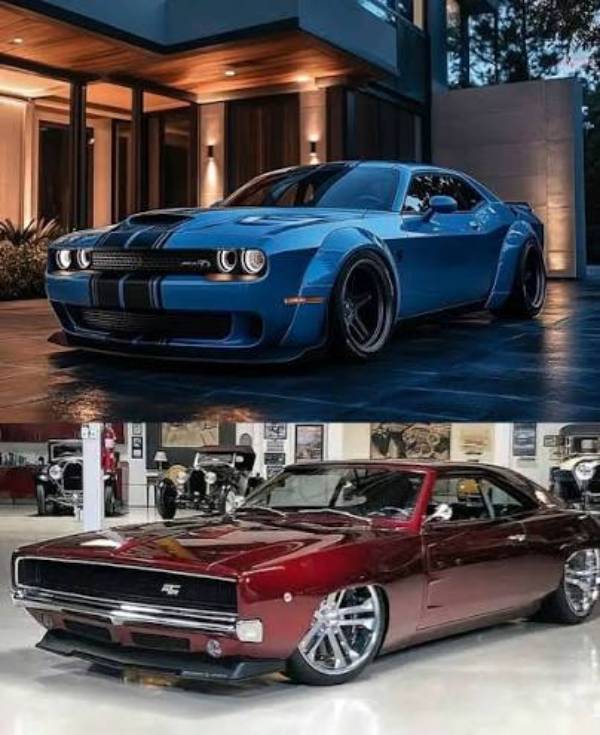
Are Chrysler and Dodge the Same Company?
No, Chrysler and Dodge are not the same company. They are separate automotive brands that operate under the same parent company, Stellantis. While they share ownership, engineering resources, and parts of their manufacturing network, each brand has its own identity, target audience, and product lineup.
The confusion largely comes from their long corporate relationship. Dodge became part of Chrysler Corporation in 1928 after Walter P. Chrysler acquired the Dodge Brothers Company. Since then, the two brands have spent most of their history under the same corporate umbrella, first as Chrysler Corporation, later as DaimlerChrysler, then Fiat Chrysler Automobiles (FCA), and today as Stellantis. Because of this continuous relationship, consumers often assume Chrysler and Dodge are simply different names for the same company.
Despite sharing a parent organization, Chrysler and Dodge have always been marketed as distinct brands. Chrysler has traditionally represented comfort, refinement, and family-oriented transportation. Its modern lineup focuses primarily on minivans, with the Chrysler Pacifica serving as its flagship model. Dodge, in contrast, has built its reputation around performance-oriented vehicles, bold styling, and American muscle cars. Models such as the Charger, Challenger, and Durango have reinforced Dodge’s image as a performance brand aimed at driving enthusiasts.
Another reason people confuse the two brands is that they frequently share dealerships, manufacturing facilities, vehicle platforms, and powertrain technologies. For example, Chrysler and Dodge vehicles may be sold side by side in the same showroom and serviced by the same technicians. However, these operational efficiencies do not make them the same brand. Similar practices are common across the automotive industry, where multiple brands under one manufacturer share engineering resources while maintaining different market positions.
Today, Chrysler and Dodge function much like sibling brands within Stellantis. They collaborate behind the scenes to reduce development costs and improve production efficiency, yet each continues to pursue different product strategies and customer segments. Understanding this distinction helps explain why the brands can share technology without losing their individual identities.
What Is the Relationship Between Chrysler and Dodge?
When Did Dodge Become Part of Chrysler?
The relationship between Chrysler and Dodge began in 1928, when Chrysler Corporation acquired the Dodge Brothers Company. This acquisition was one of the most significant events in the early American automotive industry because it transformed Chrysler from a relatively young automaker into one of the “Big Three” alongside Ford and General Motors.
Before the acquisition, Dodge had already established itself as a respected manufacturer known for durable passenger cars and commercial vehicles. By bringing Dodge into its portfolio, Chrysler gained access to a broader customer base, expanded manufacturing capacity, and a stronger dealer network across North America. Rather than merging the two brands into one, Chrysler chose to preserve Dodge as a separate marque with its own styling, engineering philosophy, and customer appeal.
Maintaining independent brand identities proved to be a successful long-term strategy. Chrysler continued to develop vehicles that emphasized comfort and innovation, while Dodge increasingly targeted buyers seeking sportier designs and higher-performance models. This differentiation allowed both brands to compete in multiple vehicle segments without directly competing against each other.
How Did FCA Become Stellantis?
Over the following decades, Chrysler underwent several major corporate restructurings that reshaped its relationship with Dodge but never eliminated the distinction between the two brands.
In 1998, Chrysler Corporation merged with Daimler-Benz to form DaimlerChrysler, combining American and German automotive expertise. The partnership ended in 2007, when Cerberus Capital Management acquired a controlling interest in Chrysler. After the global financial crisis, Fiat became Chrysler’s strategic partner in 2009, eventually creating Fiat Chrysler Automobiles (FCA) in 2014.
The next major transformation occurred in 2021, when FCA merged with PSA Group, the parent company of Peugeot, Citroën, Opel, and several European brands. The newly formed company adopted the name Stellantis, becoming one of the world’s largest automotive manufacturers.
Today, Stellantis oversees a portfolio of global brands that includes Chrysler, Dodge, Jeep, Ram, Alfa Romeo, Fiat, Maserati, Peugeot, Citroën, Opel, and several others. Chrysler and Dodge remain separate brands within this larger organization, each responsible for developing products that serve different market segments.
How Are the Two Brands Managed Today?
Today, Chrysler and Dodge operate under Stellantis using a shared corporate structure while maintaining independent brand strategies. This approach allows the company to reduce development costs through common platforms, engines, electronic systems, and manufacturing processes without sacrificing brand differentiation.
Chrysler’s current strategy centers on family mobility, comfort, and electrification. Its lineup is intentionally focused, with the Chrysler Pacifica and Pacifica Plug-in Hybrid representing the brand’s emphasis on practical transportation and advanced family-oriented technology. Stellantis has also indicated that Chrysler will play an important role in its future electric vehicle strategy.
Dodge follows a very different direction. The brand continues to emphasize high-performance vehicles, aggressive styling, and powerful driving experiences. Even as the automotive industry transitions toward electrification, Dodge is positioning itself as a performance brand by introducing electric muscle cars and performance-focused hybrid models while preserving the character that has defined the brand for decades.
Although Chrysler and Dodge share the same parent company, their long-term objectives, customer demographics, and product development priorities remain clearly separated. Stellantis uses this multi-brand strategy to serve a wider range of consumers without forcing every vehicle into a single brand identity.
What Is the Difference Between Chrysler and Dodge?
The biggest difference between Chrysler and Dodge is their brand positioning. Chrysler focuses on comfort, practicality, and premium family transportation, while Dodge specializes in performance-oriented vehicles with aggressive styling and powerful engines. Although both brands belong to Stellantis and share certain engineering resources, they are designed to appeal to different types of buyers.
How Is Each Brand Positioned?
Chrysler has traditionally occupied the premium mainstream segment of the American automotive market. Throughout its history, the brand has emphasized refined interiors, advanced comfort features, innovative technology, and family-friendly vehicles. Models such as the Chrysler 300 became known for combining luxury-inspired styling with full-size sedan practicality, while the Chrysler Pacifica has become one of the industry’s most recognized family minivans by offering flexible seating, advanced safety technologies, and plug-in hybrid capability.
Dodge has followed a different path by building its identity around performance and excitement. Since the muscle car era of the 1960s, Dodge has marketed vehicles that prioritize acceleration, horsepower, bold exterior styling, and an engaging driving experience. Iconic models such as the Charger and Challenger helped establish Dodge as one of America’s best-known performance brands, while the Durango extended that philosophy into the SUV segment.
Because their brand identities differ, Chrysler and Dodge rarely compete directly against one another. Instead, Stellantis positions Chrysler as a family-focused brand and Dodge as a performance-focused brand, allowing both to serve distinct customer groups without creating unnecessary overlap.
Who Is Each Brand Designed For?
Chrysler primarily targets families, commuters, and buyers looking for comfort and convenience in their daily driving experience. Customers often choose Chrysler vehicles because they value spacious cabins, smooth ride quality, advanced driver-assistance features, and practical versatility. The Pacifica, for example, is designed to accommodate growing families with features such as Stow ‘n Go seating, generous cargo space, and available all-wheel drive.
Dodge targets a different audience. Its customers typically prioritize driving performance, sporty styling, and engine power over maximum interior versatility. Vehicles such as the Charger and Challenger became popular among enthusiasts because they offered high-output V8 engines, rear-wheel-drive platforms, and distinctive American muscle car styling. Even newer Dodge models continue to emphasize performance through aggressive design language and powerful drivetrain options.
This difference in customer focus influences every aspect of vehicle development, from suspension tuning and steering response to interior design and marketing campaigns. Chrysler aims to create a relaxed and comfortable driving experience, whereas Dodge emphasizes excitement and driver engagement.
What Driving Experience Does Each Brand Offer?
Chrysler vehicles are engineered to deliver a smooth, quiet, and comfortable ride. Suspension systems are typically tuned to absorb road imperfections, cabin materials prioritize passenger comfort, and technology focuses on convenience, connectivity, and safety. This makes Chrysler vehicles particularly well suited for long-distance travel, family road trips, and everyday commuting.
Dodge vehicles provide a noticeably different driving character. Engineers prioritize responsive acceleration, firm handling, powerful braking systems, and performance-oriented powertrains. Even family-oriented Dodge SUVs such as the Durango are available in high-performance variants that produce significantly more horsepower than comparable family vehicles in the same class.
The distinction becomes especially clear when comparing the flagship products of each brand. A Chrysler Pacifica is designed to maximize passenger comfort, storage flexibility, and fuel efficiency for families, while a Dodge Charger was engineered to deliver straight-line speed, confident handling, and a performance-focused driving experience. Although both vehicles originate from the same parent company, they satisfy completely different customer needs.
What Vehicles Does Chrysler Sell Today?
Chrysler currently offers one of the smallest vehicle lineups among major automotive brands. Rather than competing across multiple segments, the brand has concentrated its resources on family transportation while preparing for a broader transition toward electrification.
Chrysler Pacifica
The Chrysler Pacifica is the brand’s flagship vehicle and one of the most recognized minivans in North America. It combines three-row seating, premium interior materials, advanced safety systems, and innovative storage solutions to appeal to families seeking comfort and versatility.
One of the Pacifica’s defining features is the available Stow ‘n Go® seating system, which allows the second- and third-row seats to fold completely into the floor. This design transforms the vehicle from a passenger carrier into a spacious cargo hauler without requiring owners to remove heavy seats manually. Combined with numerous driver-assistance technologies and modern infotainment features, the Pacifica remains Chrysler’s most important product.
Chrysler Pacifica Plug-in Hybrid
The Pacifica Plug-in Hybrid expands the brand’s family-focused strategy by offering improved fuel efficiency and reduced emissions without sacrificing practicality. It combines a gasoline engine with an electric motor and rechargeable battery, allowing drivers to complete many short daily trips using electric power alone before seamlessly switching to hybrid operation for longer journeys.
This model reflects Chrysler’s increasing emphasis on electrification and demonstrates how the brand plans to evolve as Stellantis invests heavily in electric vehicle technologies across its global portfolio.
Chrysler 300
Although production of the Chrysler 300 has ended, the model remains one of the brand’s most recognizable vehicles. Introduced in its modern form in 2005, the full-size sedan combined bold exterior styling with rear-wheel-drive architecture and available V8 engines, creating a unique blend of luxury-inspired comfort and American performance.
Over nearly two decades of production, the Chrysler 300 became known for its spacious cabin, smooth highway ride, and upscale appearance. Even after its discontinuation, it continues to influence public perception of Chrysler as a brand capable of producing premium full-size sedans.
Chrysler’s Future Strategy
Chrysler’s future product strategy focuses on electrification, advanced connectivity, and sustainable mobility. Stellantis has announced plans to transform Chrysler into an all-electric brand over the coming years, with future models expected to build upon concept vehicles such as the Chrysler Airflow.
Rather than expanding into every market segment, Chrysler appears committed to developing a smaller lineup centered on premium family transportation and next-generation electric vehicles. This strategy distinguishes Chrysler from Dodge, whose future continues to emphasize performance even as the company adopts electric propulsion.
What Vehicles Does Dodge Sell Today?
Dodge currently offers a smaller but highly specialized lineup focused on performance, muscle car heritage, and sporty utility vehicles. Unlike Chrysler, which prioritizes family transportation, Dodge continues to build vehicles that emphasize horsepower, aggressive styling, and an engaging driving experience. Although the lineup has evolved in response to stricter emissions regulations and industry-wide electrification, performance remains the brand’s defining characteristic.
Dodge Charger
The Dodge Charger has long served as the brand’s flagship performance sedan. For decades, it has been recognized for combining four-door practicality with the power traditionally associated with American muscle cars. Previous generations offered multiple engine options, ranging from efficient V6 models to supercharged HEMI® V8 engines producing more than 700 horsepower in high-performance variants.
The newest generation marks a significant shift in Dodge’s strategy. While maintaining the Charger’s muscular appearance and performance-focused identity, Stellantis has introduced electrified powertrains alongside traditional internal combustion options. This transition allows Dodge to preserve its performance reputation while adapting to evolving emissions standards and consumer demand for electric vehicles.
Dodge Challenger
The Dodge Challenger became one of the most iconic modern muscle cars thanks to its retro-inspired design, spacious cabin, and exceptional range of performance variants. Throughout its production, buyers could choose everything from practical V6 models to the legendary Hellcat and Demon editions, which pushed the limits of factory-produced American performance cars.
Although production of the current Challenger has concluded, the model remains an important part of Dodge’s identity. Its success helped establish Dodge as one of the leading performance brands in North America and continues to influence the design philosophy of future Dodge vehicles.
Dodge Durango
The Dodge Durango demonstrates that performance is not limited to sports cars or sedans. As a three-row SUV, it combines family practicality with powerful engine options, making it one of the few vehicles in its segment capable of delivering genuine muscle-car-inspired performance.
Higher-performance versions, such as the Durango R/T and Durango SRT, feature V8 engines, sport-tuned suspensions, and upgraded braking systems. These models appeal to buyers who need additional passenger and cargo space without sacrificing acceleration or towing capability. This balance between utility and performance sets the Durango apart from many competing midsize SUVs.
Dodge Hornet
The Dodge Hornet represents the brand’s entry into the compact crossover segment while maintaining its performance-oriented philosophy. Rather than competing solely on fuel economy or practicality, the Hornet incorporates turbocharged powertrains, responsive handling, and bold exterior styling that align with Dodge’s established brand identity.
The Hornet is also available as a plug-in hybrid, reflecting Dodge’s gradual transition toward electrification. Instead of abandoning performance, the hybrid system enhances acceleration by combining electric torque with a turbocharged gasoline engine. This approach illustrates how Dodge intends to integrate new technologies without departing from its core performance-focused image.
Dodge’s Performance Strategy
Every vehicle in Dodge’s current lineup reflects the brand’s long-standing commitment to performance. Whether developing a sports sedan, muscle car, SUV, or compact crossover, Dodge consistently prioritizes acceleration, responsive handling, and aggressive styling over luxury or family-oriented refinement.
As Stellantis expands its global electric vehicle portfolio, Dodge is expected to continue evolving into a performance-focused electrified brand. Rather than replacing its heritage, electrification is being positioned as the next stage in delivering faster acceleration and more advanced driving technologies.
Yes, Chrysler and Dodge share several vehicle platforms because both brands belong to Stellantis. Platform sharing is a standard practice in the automotive industry that allows manufacturers to reduce development costs, improve manufacturing efficiency, and accelerate the introduction of new models.
A vehicle platform forms the structural foundation of a car, including its chassis architecture, suspension mounting points, electrical systems, and major engineering components. By using a common platform across multiple brands, manufacturers can produce different vehicles with distinct designs and driving characteristics while minimizing engineering expenses.
Although Chrysler and Dodge may utilize the same underlying architecture, engineers customize suspension tuning, steering calibration, body styling, interior design, and onboard technology to create products that align with each brand’s identity. As a result, two vehicles built on the same platform can deliver noticeably different driving experiences.
Do They Use the Same Engines?
Chrysler and Dodge also share several engines, transmissions, and powertrain technologies across their respective model ranges. Historically, many vehicles from both brands have been powered by the well-known Pentastar V6 engine, while performance-oriented Dodge models have featured various versions of the HEMI® V8.
Sharing powertrains allows Stellantis to spread research, development, and manufacturing costs across multiple brands instead of engineering unique engines for every individual model. This strategy improves production efficiency while maintaining consistent reliability, serviceability, and parts availability throughout the company’s portfolio.
However, using the same engine does not mean two vehicles perform identically. Dodge engineers frequently recalibrate engine management software, transmission programming, exhaust systems, and suspension components to deliver quicker acceleration and sportier driving dynamics. Chrysler vehicles using similar powertrains are generally tuned for smoother power delivery, quieter operation, and greater passenger comfort.
Component sharing has become one of the most important strategies in the global automotive industry. Developing an entirely new vehicle platform or engine requires billions of dollars in investment and years of engineering work. By sharing major components across multiple brands, manufacturers can reduce costs while still offering diverse products to different customer segments.
This approach also simplifies manufacturing and maintenance. Shared parts improve supply chain efficiency, increase production volume, and make replacement components more widely available for dealerships and repair facilities. Consumers may also benefit from lower maintenance costs because commonly used engines and transmissions often have greater parts availability and broader service expertise.
Despite these shared components, Chrysler and Dodge continue to distinguish themselves through vehicle design, suspension tuning, interior materials, software calibration, and overall brand philosophy. Platform sharing affects how vehicles are built behind the scenes, but it does not eliminate the unique characteristics that define each brand. Chrysler continues to prioritize comfort, practicality, and family transportation, while Dodge remains committed to delivering bold styling and performance-focused driving experiences.
Why Do People Confuse Chrysler and Dodge?
Many people believe Chrysler and Dodge are the same company because the two brands have shared ownership, dealerships, engineering resources, and manufacturing operations for nearly a century. While they are separate automotive brands with different identities, their long corporate relationship has created significant overlap that often makes the distinction unclear to consumers.
The primary reason for the confusion is their corporate history. Dodge became part of Chrysler Corporation in 1928, and both brands have remained under the same corporate organization through every major restructuring that followed. Whether the parent company was Chrysler Corporation, DaimlerChrysler, Fiat Chrysler Automobiles (FCA), or today’s Stellantis, Chrysler and Dodge have continued operating as sister brands.
Because ownership has remained connected for so long, many consumers naturally assume Chrysler and Dodge are simply different names for the same manufacturer. In reality, the parent company manages multiple independent brands, each with its own design philosophy, marketing strategy, and customer base.
They Are Often Sold at the Same Dealerships
Another major source of confusion is the dealership network. Across North America, Chrysler and Dodge vehicles are frequently displayed in the same showroom alongside Jeep and Ram models. Customers shopping for a Chrysler Pacifica may see a Dodge Durango or Dodge Hornet parked only a few feet away, all sold by the same dealership staff.
This shared retail experience creates the impression that every vehicle belongs to one brand. In practice, dealerships represent multiple Stellantis brands under a single business operation, allowing customers to compare vehicles from different brands without visiting separate locations.
The same approach extends to vehicle servicing. Certified technicians often maintain Chrysler and Dodge vehicles in the same service center because many mechanical components, diagnostic systems, and replacement parts are shared across the Stellantis portfolio.
Chrysler and Dodge also share significant engineering resources behind the scenes. Many vehicles have used common platforms, powertrains, electrical systems, and manufacturing facilities throughout their history. Sharing these resources reduces development costs while improving production efficiency across multiple brands.
Although the underlying engineering may be similar, engineers customize each vehicle to match its intended purpose. Chrysler models receive suspension tuning, interior materials, and technology packages that emphasize comfort and refinement. Dodge vehicles receive different calibrations, performance-oriented suspension systems, sportier steering characteristics, and more aggressive styling to reinforce the brand’s performance image.
Consumers rarely see these engineering differences because most shared components are hidden beneath the vehicle’s exterior. As a result, many assume two vehicles built on similar hardware must belong to the same brand.
Their Histories Have Been Closely Connected
The history of Chrysler and Dodge has been intertwined for generations. Both brands contributed to Chrysler Corporation’s rise as one of America’s “Big Three” automakers and later experienced every major corporate transition together. They survived the oil crises of the 1970s, the Daimler merger, the global financial crisis, Fiat’s investment, and the formation of Stellantis.
This shared history reinforces the perception that Chrysler and Dodge have always been a single company. In reality, corporate ownership changed several times, but the brands themselves retained separate identities throughout these transitions.
Their Brand Identities Continue to Differ
Despite all their similarities, Chrysler and Dodge remain fundamentally different brands. Chrysler focuses on family-oriented transportation, premium comfort, and future electric mobility, while Dodge continues to build its reputation around performance, aggressive styling, and driver engagement.
Understanding this distinction removes much of the confusion. Shared ownership determines how the brands operate behind the scenes, but it does not change how they are positioned in the marketplace or the types of vehicles they produce.
Who Owns Chrysler and Dodge Today?
Stellantis Owns Both Chrysler and Dodge
Chrysler and Dodge are both owned by Stellantis, one of the world’s largest automotive manufacturers. Stellantis was established in January 2021 through the merger of Fiat Chrysler Automobiles (FCA) and PSA Group. The merger created a global automotive company with operations spanning North America, Europe, South America, the Middle East, and Asia.
Instead of operating as a single automotive brand, Stellantis manages a portfolio of well-known manufacturers, allowing each to serve different market segments while sharing engineering, research, manufacturing, and purchasing resources.
Today, the Stellantis portfolio includes Chrysler, Dodge, Jeep, Ram, Alfa Romeo, Fiat, Maserati, Peugeot, Citroën, Opel, Vauxhall, DS Automobiles, Lancia, and several other regional brands. Each maintains its own product strategy, marketing identity, and customer focus despite sharing the same corporate parent.
How Does Stellantis Manage Multiple Brands?
Stellantis follows a multi-brand strategy designed to maximize efficiency while preserving the unique identities of its individual brands. Rather than developing entirely separate technologies for every manufacturer, the company shares vehicle platforms, powertrains, software systems, safety technologies, and manufacturing facilities across its portfolio.
This strategy reduces development costs and shortens product development cycles without forcing every vehicle to look or drive the same. Engineers adapt shared components to suit each brand’s positioning. A Dodge performance vehicle, for example, receives different suspension tuning, steering calibration, and performance software than a Chrysler family vehicle, even if both use similar underlying technologies.
This approach enables Stellantis to compete in a wider range of market segments while maintaining clear distinctions between its brands.
What Does Stellantis Mean for Chrysler and Dodge?
Being part of Stellantis gives Chrysler and Dodge access to global engineering resources and advanced technologies that would be difficult to develop independently. Investments in electric vehicle platforms, battery technology, connected services, and autonomous driving systems can be shared across multiple brands, significantly reducing research and development costs.
For Chrysler, Stellantis provides the foundation for expanding its electrification strategy and modernizing its family-oriented vehicle lineup. Future Chrysler models are expected to focus heavily on electric mobility, premium comfort, and advanced digital technologies.
For Dodge, Stellantis supports the transition from traditional V8-powered muscle cars to high-performance electrified vehicles. Rather than abandoning its performance heritage, Dodge is using shared electric platforms and battery technology to deliver quicker acceleration and new performance capabilities.
Although both brands benefit from the same corporate resources, Stellantis continues to position Chrysler and Dodge for different customer groups, ensuring that each brand maintains a distinct role within the company’s global portfolio.
How Has Chrysler’s Brand Identity Changed Over Time?
Chrysler Began as a Premium American Automaker
When Walter P. Chrysler founded Chrysler Corporation in 1925, the company positioned itself as a manufacturer of technologically advanced automobiles that offered higher levels of quality and refinement than many mainstream competitors. Early Chrysler vehicles became known for engineering innovations, improved safety features, and powerful engines, helping the company establish itself as one of America’s leading automakers within a relatively short period.
Throughout much of the twentieth century, Chrysler competed in the premium mainstream segment by producing large sedans, luxury-inspired vehicles, and innovative engineering solutions. Models such as the Chrysler New Yorker and Chrysler Imperial reinforced the brand’s reputation for comfort, sophisticated styling, and upscale ownership experiences.
The Brand Shifted Toward Family Transportation
As consumer preferences changed, Chrysler gradually shifted its focus from luxury-oriented sedans to practical family vehicles. The introduction of the modern minivan transformed the brand’s identity and became one of its most important achievements. Chrysler played a significant role in popularizing the minivan segment by offering spacious interiors, flexible seating configurations, and everyday practicality that appealed to growing families.
This transition became even more evident with vehicles such as the Chrysler Town & Country and later the Chrysler Pacifica. Rather than competing directly with luxury manufacturers, Chrysler concentrated on delivering premium features within practical family vehicles, creating a unique position between mainstream and luxury automotive brands.
Chrysler Is Entering an Electric Future
Today, Chrysler is undergoing another transformation as Stellantis prepares the brand for an all-electric future. The company’s long-term strategy focuses on combining sustainable mobility with premium comfort, advanced connectivity, and intelligent vehicle technologies.
Future Chrysler vehicles are expected to incorporate dedicated electric platforms, modern digital interiors, and enhanced driver-assistance systems while maintaining the brand’s emphasis on refinement and family-oriented transportation. Concept vehicles such as the Chrysler Airflow illustrate the direction the company intends to pursue over the coming years.
Although Chrysler’s product lineup is currently smaller than in previous decades, its identity continues to evolve rather than disappear. The brand has shifted from luxury sedans to family vehicles and is now entering a new phase centered on electric mobility and connected technologies, while preserving its long-standing reputation for comfort, innovation, and everyday usability.
How Has Dodge’s Brand Identity Changed Over Time?
Dodge has transformed from a manufacturer of dependable passenger cars and commercial vehicles into one of America’s most recognizable performance brands. Although the company’s product lineup has evolved over more than a century, its modern identity is closely associated with muscle cars, high-horsepower engines, and bold styling.
Dodge Started as a Manufacturer of Reliable Vehicles
The Dodge Brothers founded the company in 1900 as a supplier of automotive components before producing complete vehicles in 1914. Early Dodge automobiles earned a reputation for durability, solid engineering, and dependable performance, making them popular alternatives to competitors during the rapidly expanding American automotive market.
Following Chrysler Corporation’s acquisition in 1928, Dodge broadened its lineup to include passenger cars, trucks, and commercial vehicles. For several decades, the brand served a wide range of customers by offering practical transportation alongside increasingly stylish and powerful automobiles.
The Muscle Car Era Defined Dodge
Dodge’s identity changed dramatically during the late 1960s and early 1970s with the rise of the American muscle car. During this period, the company introduced legendary models such as the Charger, Challenger, Super Bee, and Coronet, pairing lightweight bodies with large-displacement V8 engines capable of producing impressive acceleration.
These vehicles established Dodge as a performance-focused manufacturer and created a reputation that continues to influence the brand today. High-performance engines, aggressive exterior styling, distinctive exhaust notes, and rear-wheel-drive platforms became defining characteristics that separated Dodge from many mainstream competitors.
Even as consumer preferences shifted toward SUVs and crossovers, Dodge maintained its commitment to performance. Modern vehicles such as the Charger SRT Hellcat and Challenger SRT Demon demonstrated that the brand remained dedicated to producing some of the most powerful factory-built muscle cars ever sold.
Dodge Is Transitioning Toward Performance Electrification
As emissions regulations become stricter and the automotive industry moves toward electric mobility, Dodge is adapting its strategy without abandoning its performance heritage. Instead of replacing excitement with efficiency, the brand is using electrification to deliver faster acceleration, instant torque, and improved driving performance.
Future Dodge vehicles are expected to combine electric propulsion with the aggressive styling and driver-focused characteristics that have defined the brand for decades. This evolution allows Dodge to preserve its performance identity while embracing new technologies that will shape the next generation of high-performance vehicles.
Is Chrysler More Reliable Than Dodge?
Reliability Depends More on the Model Than the Brand
Neither Chrysler nor Dodge is consistently more reliable than the other because reliability depends primarily on the individual vehicle, engine, transmission, maintenance history, and production year rather than the brand name alone.
Modern vehicles from both brands are developed using many of the same engineering standards, manufacturing processes, and quality control systems under Stellantis. As a result, two models from Chrysler and Dodge may share major mechanical components while exhibiting similar long-term reliability when properly maintained.
Consumers should evaluate reliability by researching the specific model they intend to purchase instead of relying solely on overall brand reputation. Independent reliability studies, owner satisfaction surveys, recall history, and maintenance records provide more meaningful information than brand comparisons alone.
Chrysler Prioritizes Comfort and Everyday Practicality
Most Chrysler vehicles are designed for family transportation and daily commuting. Their engineering focuses on smooth operation, passenger comfort, and practical usability rather than maximum engine output or track-ready performance.
Because Chrysler’s current lineup consists primarily of the Pacifica and Pacifica Plug-in Hybrid, reliability discussions often focus on these models. Owners typically evaluate factors such as long-term durability, interior quality, fuel economy, hybrid system performance, and maintenance costs rather than outright performance capabilities.
Dodge Performance Models May Require Additional Maintenance
Many Dodge vehicles are engineered to deliver significantly higher levels of performance than typical family vehicles. High-output engines, sport-tuned suspensions, larger braking systems, and performance tires provide exceptional driving experiences but may also lead to increased maintenance expenses over time.
For example, vehicles equipped with supercharged V8 engines place greater demands on cooling systems, brakes, tires, and driveline components than lower-powered family vehicles. This does not necessarily indicate lower reliability, but it often results in higher operating and maintenance costs throughout ownership.
Drivers considering a high-performance Dodge should understand that maintenance requirements generally reflect the vehicle’s intended purpose. Performance engineering typically involves additional wear on mechanical components compared with vehicles designed primarily for comfort and fuel efficiency.
Maintenance Has a Greater Impact Than Brand
Regular maintenance remains one of the most important factors influencing long-term vehicle reliability. Following the manufacturer’s recommended service schedule, using high-quality replacement parts, addressing mechanical issues promptly, and performing routine inspections can significantly extend the lifespan of both Chrysler and Dodge vehicles.
Whether purchasing a new or used model, buyers should review maintenance records, inspect the vehicle thoroughly, and consider obtaining a professional pre-purchase inspection. These steps often provide a more accurate indication of future reliability than comparing brand names alone.
Which Brand Should You Choose: Chrysler or Dodge?
Choosing between Chrysler and Dodge depends on your driving priorities rather than determining which brand is objectively better. Although both belong to Stellantis, they are designed to satisfy different lifestyles and customer expectations.
Choose Chrysler If…
Chrysler is the better choice for buyers who prioritize comfort, passenger space, advanced family features, and a refined driving experience. Families with young children, commuters who spend long hours behind the wheel, and drivers seeking a practical daily vehicle will generally benefit more from Chrysler’s product philosophy.
The Chrysler Pacifica is particularly well suited for households that require flexible seating, generous cargo capacity, and modern safety technologies. Buyers interested in improved fuel efficiency may also appreciate the Pacifica Plug-in Hybrid, which combines everyday practicality with electric driving capability for shorter trips.
If your priorities include ride comfort, quiet cabins, family-oriented technology, and versatile interior space, Chrysler is likely the more suitable option.
Choose Dodge If…
Dodge is the better choice for drivers who value performance, acceleration, bold styling, and a more engaging driving experience. Enthusiasts who enjoy powerful engines, responsive handling, and distinctive design are more likely to find Dodge’s lineup appealing.
Vehicles such as the Charger, Durango, and Hornet continue the brand’s tradition of combining aggressive styling with strong performance. Even as Dodge expands its electrified lineup, its product strategy remains focused on delivering excitement behind the wheel rather than maximizing luxury or passenger comfort.
Drivers seeking a vehicle with a strong performance identity and a long muscle car heritage will generally find Dodge to be the better fit.
Which Buyers Benefit Most From Each Brand?
For most buyers, the decision comes down to intended vehicle use. Families who need maximum interior flexibility and daily comfort will typically benefit more from Chrysler. Drivers who prioritize spirited performance, sporty styling, and powerful acceleration will usually prefer Dodge.
Since both brands operate under the same parent company, buyers can often compare Chrysler and Dodge models at the same dealership, making it easier to evaluate their differences through test drives and direct comparisons.
Frequently Asked Questions
Is Dodge discontinuing its muscle cars?
Dodge has ended production of some traditional gasoline-powered muscle car models, including previous generations of the Charger and Challenger. However, the brand continues to invest in performance vehicles by introducing new electrified models that preserve its emphasis on speed and acceleration.
Is Chrysler going out of business?
No. Chrysler remains an active automotive brand within Stellantis. Although its current lineup is smaller than in previous decades, the company has announced plans to expand its future portfolio through new electric vehicles and advanced mobility technologies.
Is Chrysler considered a luxury brand?
Chrysler is generally positioned as a premium mainstream brand rather than a true luxury manufacturer. Its vehicles emphasize comfort, quality, and technology while remaining more affordable than traditional luxury brands.
Can Chrysler and Dodge vehicles be serviced at the same dealership?
Yes. Many authorized Stellantis dealerships sell and service both Chrysler and Dodge vehicles. Because the brands share engineering resources and mechanical components, certified technicians are typically trained to maintain vehicles from both manufacturers.
Are Chrysler and Dodge parts interchangeable?
Some components are interchangeable because the brands share platforms, engines, transmissions, and other engineering systems. However, compatibility varies by model, production year, trim level, and specific part. Owners should always verify part compatibility using the vehicle’s identification number (VIN) or consult an authorized dealer before replacing components.