A Dodge Ram 1500 AC recharge restores refrigerant to the air conditioning system when cooling performance drops because of low refrigerant. However, adding refrigerant is only the correct solution if the system has lost refrigerant through normal seepage or a minor leak that has been properly repaired. If the A/C system has a significant leak, a faulty compressor, or another damaged component, recharging alone will not restore reliable cooling.
Most Dodge Ram 1500 owners notice the need for an AC recharge when the vents blow warm air, cooling becomes inconsistent during hot weather, or the compressor cycles on and off more frequently than normal. These symptoms often indicate low refrigerant, but they can also point to problems such as refrigerant leaks, pressure sensor faults, or worn A/C components. Identifying the root cause before adding refrigerant helps prevent unnecessary repairs and protects the compressor from damage caused by operating with insufficient system pressure.
This guide explains how to recharge the AC on a Dodge Ram 1500 step by step. You will learn how to recognize the signs of low refrigerant, identify the correct refrigerant type for your truck, prepare the necessary tools, recharge the system safely, verify proper operating pressure, and determine when professional repair is a better option than a simple recharge. By following the correct procedure, you can improve cooling performance while reducing the risk of overcharging or damaging the A/C system.
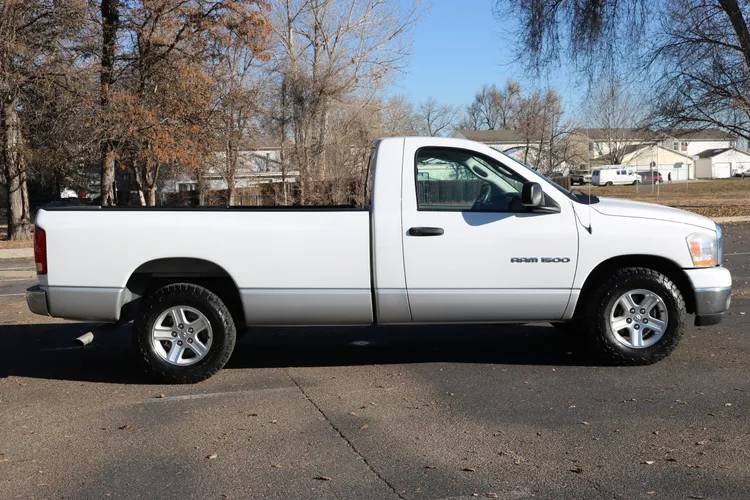
When Does a Dodge Ram 1500 Need an AC Recharge?
A Dodge Ram 1500 needs an AC recharge when the air conditioning system no longer contains enough refrigerant to maintain the pressure required for efficient cooling. Refrigerant is not a consumable fluid, so a properly sealed A/C system should retain nearly the same refrigerant charge for years. If cooling performance gradually declines, the system has typically lost refrigerant through aging seals, damaged hoses, leaking O-rings, or failed components. Recharging the system restores cooling only after the underlying cause of the refrigerant loss has been identified and, when necessary, repaired.
What symptoms indicate low refrigerant?
Low refrigerant causes several noticeable changes in AC performance before the system stops cooling completely. Because refrigerant carries heat away from the cabin, a reduced charge lowers the system’s cooling capacity and forces major components to work harder.
The most common symptoms include:
- Warm or mildly cool air coming from the vents instead of cold air.
- Longer cabin cooling time during hot weather.
- The AC compressor clutch cycling on and off frequently.
- Reduced airflow temperature despite the blower operating normally.
- Hissing sounds caused by refrigerant escaping through a leak.
- Ice forming on the evaporator or refrigerant lines in some operating conditions.
These symptoms become more noticeable when ambient temperatures exceed 85°F (29°C), because the A/C system must remove more heat from the cabin. For example, a Dodge Ram 1500 that cools normally during the morning but struggles during the afternoon often has an undercharged system rather than a complete compressor failure.
How can you tell if the AC system has a refrigerant leak?
A refrigerant leak is the most common reason a Dodge Ram 1500 requires an AC recharge. Unlike engine oil or coolant, refrigerant circulates inside a sealed system. If the refrigerant level becomes low enough to affect cooling, leakage has almost always occurred.
Several signs help identify a refrigerant leak before adding more refrigerant:
- Oily residue around hose fittings, compressor connections, condenser tubes, or service ports.
- UV dye visible under an ultraviolet inspection light if dye has previously been added.
- Pressure readings below manufacturer specifications when measured with manifold gauges.
- Cooling performance that improves temporarily after a recharge but declines again within weeks or months.
- An electronic refrigerant leak detector identifying escaping refrigerant around system components.
The most common leak locations on aging Dodge Ram 1500 models include compressor shaft seals, condenser fins damaged by road debris, rubber hose connections, Schrader valves inside the service ports, and O-ring seals that harden over time. Identifying the leak before recharging prevents repeated refrigerant loss and reduces the risk of compressor damage.
Can low refrigerant damage the AC compressor?
Yes. Operating an AC system with low refrigerant can damage the compressor because refrigerant also carries compressor oil throughout the system. As refrigerant levels decrease, less lubricant returns to the compressor, increasing internal friction and operating temperature.
Modern Dodge Ram 1500 HVAC systems also rely on refrigerant pressure to regulate compressor operation. When pressure falls below the safe operating range, the low-pressure switch may disable compressor engagement to protect internal components. However, if the system continues operating with insufficient lubrication, compressor wear accelerates and may eventually lead to bearing failure, clutch damage, or internal seizure.
For this reason, low refrigerant should never be ignored. Restoring the correct refrigerant charge after repairing any leaks helps maintain compressor lubrication, preserve cooling efficiency, and extend the service life of the entire air conditioning system.
What Refrigerant Does a Dodge Ram 1500 Use?
The correct refrigerant depends on the model year of the Dodge Ram 1500. Chrysler transitioned from R-134a to the environmentally friendlier R-1234yf refrigerant as vehicle regulations evolved. Using the wrong refrigerant can reduce cooling performance, contaminate recovery equipment, damage service components, and increase repair costs.
Before purchasing a recharge kit, always verify the refrigerant specified on the vehicle’s under-hood air conditioning label. This label identifies both the refrigerant type and the factory refrigerant capacity.
Which model years use R-134a?
Most Dodge Ram 1500 models manufactured before the transition to R-1234yf use R-134a refrigerant. R-134a became the automotive industry standard for decades because it provided reliable cooling performance while replacing ozone-depleting R-12 refrigerant.
Vehicles equipped with R-134a have unique service fittings designed specifically for this refrigerant. Recharge kits, manifold gauges, and service hoses intended for R-134a are not interchangeable with R-1234yf systems.
Because production years vary by market and trim level, owners should confirm the refrigerant specification on the factory information label instead of relying solely on the vehicle’s production year.
Which model years use R-1234yf?
Newer Dodge Ram 1500 models use R-1234yf refrigerant to comply with modern environmental regulations. Compared with R-134a, R-1234yf has a significantly lower Global Warming Potential (GWP), making it the preferred refrigerant for current passenger vehicles.
Although both refrigerants perform similar cooling functions, they require different charging equipment, service fittings, recovery machines, and handling procedures. Mixing R-1234yf with R-134a contaminates the entire system and may require professional evacuation and cleaning before the air conditioning system can operate safely again.
How do you identify the correct refrigerant for your truck?
The easiest way to identify the correct refrigerant is by checking the factory information label under the hood. This label typically includes:
- Refrigerant type (R-134a or R-1234yf).
- Factory refrigerant capacity.
- Compressor oil specification.
- Safety warnings.
- Refrigerant service information.
If the label is missing or unreadable, consult the owner’s manual or factory service documentation using the vehicle’s VIN. Confirming the correct refrigerant before recharging eliminates compatibility issues and ensures the A/C system operates within the manufacturer’s designed pressure range.
What Tools Do You Need to Recharge the AC?
Recharging the AC on a Dodge Ram 1500 requires the correct tools to ensure the refrigerant is added safely and the system remains within the manufacturer’s specified pressure range. Using improper equipment increases the risk of overcharging, contaminating the refrigerant circuit, or damaging expensive A/C components. Preparing the necessary tools before starting the procedure also allows you to monitor system performance accurately throughout the recharge process.
Which recharge kit is compatible?
The recharge kit must match the refrigerant used by your Dodge Ram 1500. Older models equipped with R-134a require an R-134a recharge kit, while newer trucks that use R-1234yf require equipment specifically designed for that refrigerant. Because the service fittings are intentionally different, a recharge hose for one refrigerant cannot normally be connected to the other system.
A standard recharge kit typically includes a charging hose, a pressure gauge, and a quick-connect coupler that attaches to the low-pressure service port. Some premium kits also include a trigger valve that allows refrigerant to be added gradually, making it easier to control system pressure during the charging process.
Always avoid products marketed as “universal refrigerants” or refrigerant blends. Mixing refrigerants can contaminate the entire A/C system and may require professional recovery equipment before future servicing.
What safety equipment should you prepare?
Personal safety equipment protects you from refrigerant exposure and accidental injuries during the recharge process. Refrigerant rapidly expands as it leaves the container, producing extremely low temperatures that can cause frostbite if it comes into contact with exposed skin. Escaping refrigerant may also irritate the eyes or temporarily reduce visibility.
Before beginning the recharge, prepare the following safety equipment:
- Safety glasses to protect against refrigerant spray.
- Chemical-resistant gloves.
- Long sleeves to reduce skin exposure.
- Closed-toe footwear.
- A well-ventilated work area.
The engine should remain on during part of the charging procedure, so loose clothing, jewelry, and long hair should be kept away from belts, cooling fans, and rotating pulleys inside the engine compartment.
Why is a pressure gauge important?
A pressure gauge is essential because it indicates whether the A/C system is being charged within the manufacturer’s recommended operating range. Refrigerant pressure changes continuously based on ambient temperature, compressor operation, and engine speed. Adding refrigerant without monitoring pressure significantly increases the likelihood of overcharging the system.
A basic recharge gauge provides an approximate low-side pressure reading suitable for routine maintenance. However, a manifold gauge set measures both the low-pressure and high-pressure sides of the system, allowing more accurate diagnosis of problems such as compressor wear, restricted expansion valves, clogged condensers, or internal blockages.
Pressure readings alone should never be used to diagnose every A/C problem, but they provide valuable information when combined with vent temperature measurements and visual inspection of the system.
How Do You Recharge the AC on a Dodge Ram 1500?
Recharging the AC involves adding refrigerant through the low-pressure service port while monitoring system pressure and cooling performance. The procedure must be completed carefully because both insufficient and excessive refrigerant can reduce cooling efficiency and shorten compressor life.
Before adding refrigerant, inspect the A/C system for visible leaks, damaged hoses, or broken components. If a major leak is present, repair the system before attempting a recharge.
How do you locate the low-pressure service port?
The low-pressure service port is the only connection point used during a standard AC recharge. It is typically installed on the larger aluminum refrigerant line that runs between the evaporator and the compressor. A plastic cap marked with an “L” often protects the fitting from dirt and moisture.
Because the low-pressure and high-pressure service ports use different connector sizes, the recharge hose should attach only to the correct fitting. Never attempt to force a recharge coupler onto the high-pressure port, as doing so can create a serious safety hazard.
If you have difficulty locating the service port, refer to the vehicle owner’s manual or the factory service information for your specific Dodge Ram 1500 model year.
How do you connect the recharge kit correctly?
Connect the recharge hose only after verifying that the engine is running and the air conditioning system is operating at maximum cooling. Start the engine, set the climate controls to the coldest temperature, select the highest blower speed, and allow the compressor to begin cycling normally.
Remove the protective cap from the low-pressure service port, pull back the quick-connect collar, and press the coupler firmly onto the fitting until it locks into place. A secure connection prevents refrigerant from escaping while charging and allows the pressure gauge to display an accurate reading.
Once the hose is attached, compare the measured pressure with the recommended charging range for the current outdoor temperature. If the pressure is already within specification, adding additional refrigerant is unnecessary and may reduce cooling performance.
How do you add refrigerant safely?
Add refrigerant slowly while continuously monitoring the pressure gauge and cooling performance. Holding the refrigerant can upright allows vapor to enter the system at a controlled rate, reducing the risk of liquid refrigerant reaching the compressor.
Open the valve gradually and allow refrigerant to flow into the low-pressure side for several seconds before closing the valve again. Shake the can gently if recommended by the product manufacturer, then wait for the pressure reading to stabilize before adding more refrigerant.
Continue charging in small increments rather than emptying the can continuously. This approach provides better control of system pressure and reduces the likelihood of accidentally exceeding the manufacturer’s specified refrigerant charge.
How do you monitor system pressure?
System pressure should remain within the recommended range throughout the charging process. As refrigerant enters the system, the low-side pressure gradually increases while the vent temperature inside the cabin begins to decrease.
Pressure varies according to ambient temperature, so always interpret gauge readings using the temperature chart supplied with the recharge kit or the factory service specifications. If pressure rises rapidly without a corresponding improvement in cooling performance, stop charging immediately and inspect the system for airflow restrictions, condenser problems, or compressor faults.
Monitoring pressure throughout the recharge helps ensure that refrigerant is added only until the system reaches its intended operating condition.
How do you know when the recharge is complete?
The recharge is complete when the system reaches the correct operating pressure and consistently delivers cold air from the dashboard vents. Compressor cycling should become more stable, airflow temperature should decrease noticeably, and pressure readings should remain within specification after several minutes of operation.
Once charging is complete, close the recharge valve, disconnect the service hose carefully, and reinstall the protective cap on the low-pressure service port. Allow the engine and air conditioning system to continue operating for several minutes while confirming that cabin cooling remains consistent and no abnormal noises develop.
If cooling performance remains poor even after the refrigerant charge reaches the specified range, additional diagnosis is necessary because the problem is likely related to a refrigerant leak, compressor malfunction, condenser restriction, expansion valve failure, or an electrical fault rather than an insufficient refrigerant charge.
How Do You Test the AC After Recharging?
Testing the air conditioning system after an AC recharge confirms whether the refrigerant charge, compressor operation, and cooling performance meet normal operating conditions. A successful recharge should produce colder vent temperatures, stable compressor cycling, and pressure readings that remain within the manufacturer’s recommended range. If cooling performance does not improve after recharging, the system likely has a mechanical or electrical fault rather than a low refrigerant charge.
What vent temperature indicates proper cooling?
A properly functioning Dodge Ram 1500 AC system typically delivers vent temperatures between 40°F and 55°F (4°C to 13°C) under moderate ambient conditions. The exact outlet temperature depends on outdoor temperature, humidity, engine speed, and cabin heat load. During extremely hot weather, vent temperatures may be slightly higher while still indicating normal system performance.
To measure vent temperature accurately, insert a digital thermometer into the center dashboard air vent after allowing the engine to idle with the air conditioner operating at maximum cooling for approximately five minutes. Keep the windows closed and the blower set to its highest speed during the test to maintain consistent operating conditions.
If the vent temperature remains significantly above the expected range despite correct refrigerant pressure, inspect the condenser for airflow restrictions, verify that the cooling fan operates correctly, and check for blend door actuator problems inside the HVAC housing.
How should compressor cycling behave?
A properly charged AC system allows the compressor to cycle smoothly without engaging and disengaging excessively. The compressor clutch should remain engaged for longer periods as cabin temperature decreases, then cycle normally to maintain the selected temperature.
Rapid compressor cycling often indicates that refrigerant pressure remains too low or fluctuates because of a refrigerant leak. In contrast, a compressor that remains engaged continuously without producing cold air may indicate an overcharged system, restricted refrigerant flow, or internal compressor wear.
Listen carefully for abnormal noises such as grinding, rattling, squealing, or knocking while the compressor operates. These sounds may indicate bearing wear, clutch failure, or internal compressor damage that cannot be corrected by adding refrigerant alone.
What pressure readings are considered normal?
Normal AC pressure depends on refrigerant type, engine speed, and outdoor temperature rather than a single fixed value. As ambient temperature increases, refrigerant pressure also rises because the refrigerant absorbs more heat from both the condenser and the passenger cabin.
During a typical recharge inspection, the low-side pressure should stabilize within the manufacturer’s recommended operating range for the current outdoor temperature. A manifold gauge set provides additional diagnostic information by displaying both low-side and high-side pressures simultaneously, making it easier to identify restricted condensers, weak compressors, expansion valve problems, or airflow issues.
Pressure readings should always be interpreted together with vent temperature, compressor behavior, and overall cooling performance. A pressure value that appears normal by itself does not guarantee that every component in the A/C system is functioning correctly.
What Mistakes Should You Avoid During an AC Recharge?
Most AC recharge problems result from incorrect charging procedures rather than defective refrigerant. Avoiding common mistakes protects the compressor, maintains cooling efficiency, and reduces the likelihood of expensive repairs later.
Why is overcharging harmful?
Overcharging introduces more refrigerant than the system was designed to hold, increasing internal pressure and reducing cooling efficiency. Unlike engine oil, refrigerant does not improve system performance when additional quantities are added beyond the specified capacity.
An overcharged system may produce several problems, including:
- Higher compressor workload.
- Elevated discharge pressure.
- Reduced cooling performance.
- Compressor overheating.
- Increased fuel consumption.
- Premature compressor or hose failure.
In severe cases, excessive pressure can activate pressure relief devices or damage seals and refrigerant hoses. For this reason, refrigerant should always be added gradually while monitoring pressure throughout the charging process.
Why should refrigerants never be mixed?
Different automotive refrigerants are chemically incompatible and should never be combined in the same air conditioning system. Mixing R-134a with R-1234yf contaminates the refrigerant circuit and prevents accurate servicing with professional recovery equipment.
Contaminated refrigerant may also affect compressor lubrication, reduce cooling efficiency, and increase the cost of future repairs because the entire refrigerant charge must often be recovered and disposed of using specialized equipment.
Before purchasing a recharge kit, always confirm the refrigerant specification shown on the under-hood information label. Using the correct refrigerant preserves system reliability and ensures compliance with environmental regulations.
Why should you avoid charging through the high-pressure port?
Refrigerant should only be added through the low-pressure service port. The high-pressure side of the system operates at substantially higher pressure while the compressor is running, making it unsafe for standard recharge equipment.
Recharge hoses are intentionally designed to fit only the low-pressure service port, helping prevent accidental connection. Attempting to bypass this safety feature or forcing a connection onto the high-pressure fitting can cause refrigerant to discharge violently, potentially resulting in equipment damage or serious personal injury.
Following the manufacturer’s charging procedure eliminates this risk and ensures refrigerant enters the evaporator side of the system as intended.
Why Does the AC Keep Losing Refrigerant?
An air conditioning system that repeatedly requires recharging has an underlying refrigerant leak or component failure. Refrigerant circulates inside a sealed system and should not require regular replacement under normal operating conditions. If cooling performance declines again shortly after a recharge, additional diagnosis is necessary before adding more refrigerant.
What components leak most often?
Several A/C components are more susceptible to refrigerant leaks because they experience vibration, temperature changes, and long-term seal deterioration. As the vehicle ages, rubber seals lose elasticity, aluminum components become vulnerable to corrosion, and road debris may damage exposed cooling components.
The most common leak locations include:
- Condenser.
- Compressor shaft seal.
- Refrigerant hoses.
- O-ring seals.
- Service port Schrader valves.
- Evaporator core.
- Hose crimp connections.
The condenser is one of the most frequent failure points because it is mounted near the front grille, where it is exposed to rocks, insects, road salt, and other debris.
How can UV dye help locate leaks?
UV dye allows technicians to identify refrigerant leaks that are difficult to detect during a visual inspection. A small amount of fluorescent dye circulates with the refrigerant and compressor oil throughout the system. If refrigerant escapes, the dye remains at the leak location.
After operating the A/C system, technicians inspect refrigerant lines, fittings, the compressor, condenser, evaporator drain, and service ports using an ultraviolet inspection lamp. Bright fluorescent residue indicates the source of the refrigerant leak, allowing repairs to be completed more accurately than relying solely on pressure testing.
Electronic leak detectors and nitrogen pressure testing may also be used when leaks are too small to identify visually.
When should damaged components be replaced instead of recharged?
Replacing damaged components is necessary whenever the air conditioning system cannot maintain its refrigerant charge or mechanical reliability. Simply adding refrigerant without repairing failed components only restores cooling temporarily and often results in repeated refrigerant loss.
Component replacement is generally recommended when:
- The condenser is punctured or heavily corroded.
- The compressor produces abnormal mechanical noise.
- Refrigerant hoses are cracked or leaking.
- O-rings no longer provide an effective seal.
- The evaporator develops an internal refrigerant leak.
- Pressure switches or expansion valves fail to regulate refrigerant flow correctly.
Repairing the underlying fault before performing the final recharge restores normal cooling performance, protects the compressor from additional wear, and minimizes future maintenance costs.
How Can You Keep the Dodge Ram 1500 AC System Working Efficiently?
Regular maintenance keeps the Dodge Ram 1500 air conditioning system operating at peak efficiency while reducing the likelihood of refrigerant leaks, compressor wear, and costly repairs. Although modern A/C systems are designed to operate for many years with minimal maintenance, periodic inspections help identify developing problems before they affect cooling performance.
How often should the AC system be inspected?
The air conditioning system should be inspected at least once a year, preferably before the summer driving season. Annual inspections allow technicians or vehicle owners to identify refrigerant leaks, damaged hoses, worn drive belts, and deteriorated seals before high ambient temperatures place additional demand on the system.
A routine inspection should include:
- Checking refrigerant pressure.
- Inspecting refrigerant lines and hose connections.
- Examining the condenser for bent fins or debris.
- Verifying compressor clutch operation.
- Inspecting electrical connectors and pressure switches.
- Confirming proper cooling fan operation.
Drivers who frequently tow heavy loads, operate in extremely hot climates, or travel on dusty roads may benefit from inspecting the A/C system more frequently because these conditions increase thermal stress and accelerate component wear.
When should the cabin air filter be replaced?
Replacing the cabin air filter at the recommended service interval helps maintain airflow and improves overall cooling performance. A clogged cabin air filter restricts the volume of air passing through the evaporator, making the air conditioner feel less effective even when the refrigerant charge is correct.
Most manufacturers recommend replacing the cabin air filter every 15,000 to 30,000 miles, although replacement intervals may be shorter in dusty environments or regions with heavy pollen exposure.
Common signs that the cabin air filter should be replaced include:
- Weak airflow from dashboard vents.
- Increased dust inside the cabin.
- Musty odors when the air conditioner operates.
- Longer cooling times.
- Reduced defroster performance.
Replacing the filter is one of the simplest and most cost-effective maintenance tasks for preserving HVAC performance.
How does regular AC operation extend component life?
Operating the air conditioning system throughout the year helps keep internal seals lubricated and reduces the risk of refrigerant leaks. Even during colder months, running the A/C for approximately 10 to 15 minutes every few weeks allows compressor oil to circulate throughout the refrigerant system.
This circulation lubricates shaft seals, compressor bearings, and internal moving components while helping prevent rubber seals from drying out. Regular operation also removes excess moisture from the cabin, reducing windshield fogging and limiting mold growth on the evaporator core.
Keeping the condenser clean by removing leaves, insects, and road debris further improves heat dissipation and reduces compressor workload during hot weather.
Frequently Asked Questions About Dodge Ram 1500 AC Recharge
How long does an AC recharge last?
A properly functioning Dodge Ram 1500 A/C system can retain its refrigerant charge for several years. Refrigerant is contained within a sealed system and should not require routine replacement. If cooling performance declines only a few weeks or months after a recharge, the system almost certainly has a refrigerant leak that should be repaired before adding more refrigerant.
Can you recharge the AC without gauges?
Using a pressure gauge is strongly recommended whenever recharging the AC system. Gauges allow you to verify that the refrigerant pressure remains within the recommended operating range, reducing the risk of undercharging or overcharging the system. Although some consumer recharge kits include simplified gauges, a manifold gauge set provides more accurate diagnostic information.
How much refrigerant does a Dodge Ram 1500 need?
The required refrigerant capacity depends on the model year, engine configuration, and refrigerant type. Every Dodge Ram 1500 includes a factory information label under the hood that specifies the correct refrigerant type and exact refrigerant capacity. Always follow those specifications instead of estimating the refrigerant quantity or filling the system until the pressure appears acceptable.
How much does an AC recharge cost?
The cost of recharging a Dodge Ram 1500 AC system depends on whether the work is performed as a DIY project or by a professional repair shop. A basic DIY recharge kit is generally the least expensive option when the system only requires a small amount of refrigerant and has no leaks. Professional service costs more because technicians perform leak detection, recover any remaining refrigerant, evacuate the system with a vacuum pump, verify system pressure, and recharge the system according to factory specifications.
If additional repairs such as replacing the condenser, compressor, evaporator, or refrigerant hoses are required, the total repair cost increases accordingly.
A professional inspection is recommended whenever the system repeatedly loses refrigerant, produces abnormal compressor noise, or fails to cool properly after a recharge.