Lucas Oil Stabilizer can cause problems in some engine applications. The main concern is how it changes the properties of the engine oil. The 7 main Lucas Oil Stabilizer problems include increased oil viscosity, slower cold start oil flow, unsuitable oil viscosity, changes in oil pressure, compatibility concerns, excessive additive use, and hidden mechanical problems.
These issues do not mean Lucas Oil Stabilizer is bad for every engine. The result depends on the engine design, oil viscosity, operating temperature, and amount of stabilizer used. The condition of the engine also matters. A product that changes oil behavior may affect one engine differently from another.
Oil viscosity is a key factor. Lucas Oil Stabilizer adds to the existing engine oil and changes the overall oil mixture. A thicker mixture can affect oil flow, especially at low temperatures. The effect also matters more when an engine requires a specific low viscosity oil.
This article explains each problem and the conditions that make it more relevant. It also separates additive related issues from existing engine faults. You will learn when Lucas Oil Stabilizer may create a concern and when the engine needs a different solution.
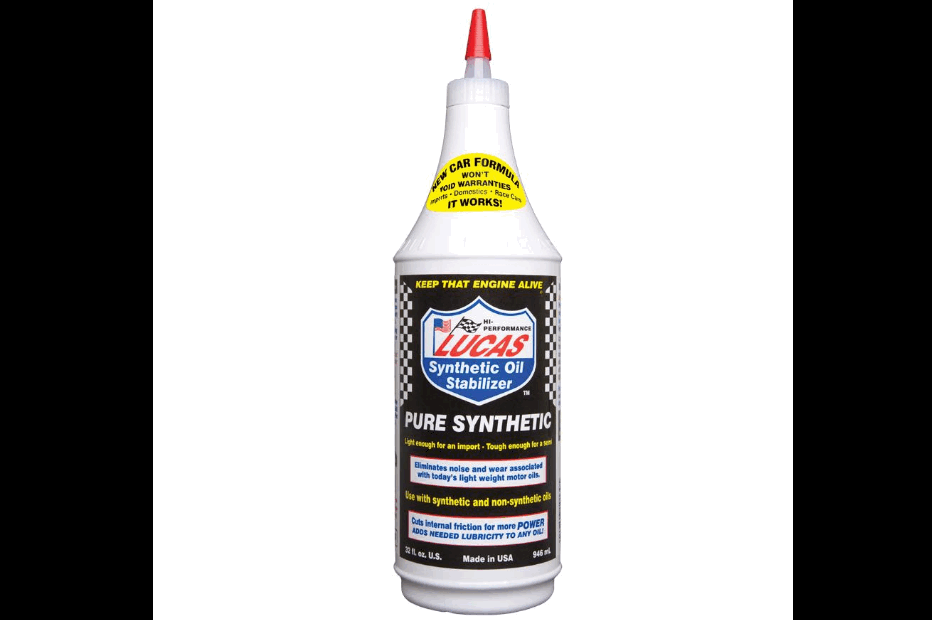
What Are the 7 Main Lucas Oil Stabilizer Problems?
There are 7 main Lucas Oil Stabilizer problems to consider. These problems involve oil viscosity, cold start flow, oil pressure, engine compatibility, additive concentration, and existing mechanical faults. The severity depends on the product type, engine design, oil grade, operating temperature, and amount used.
1. Increased oil viscosity can change how the oil moves through the engine. Lucas Heavy Duty Oil Stabilizer has a viscosity of 110 cSt at 100°C, according to its technical data sheet. This makes the product substantially different from typical low viscosity engine oils.
2. Slower cold start flow can become a concern when the oil mixture becomes more viscous at low temperatures. Cold oil already flows more slowly, so the final mixture deserves attention in cold climates.
3. Incorrect oil viscosity can occur when the additive changes the properties of the original oil. This matters when an engine requires a specific viscosity grade.
4. Higher oil pressure can occur because Lucas states that its Heavy Duty Oil Stabilizer raises oil pressure. Higher pressure does not automatically mean better lubrication.
5. Modern engine compatibility requires careful product selection. Lucas offers a separate Low Viscosity Stabilizer for modern engines that use lower viscosity oils.
6. Excessive additive concentration can alter the intended oil mixture. Lucas recommends specific ratios for different applications, so the correct amount matters.
7. Hidden mechanical problems can remain after an additive changes engine noise, oil pressure, or oil consumption. An oil stabilizer does not replace mechanical diagnosis or repair.
Can Lucas Oil Stabilizer Make Engine Oil Too Thick?
Yes, Lucas Oil Stabilizer can make the final oil mixture more viscous. The effect depends on the stabilizer type, the engine oil, and the amount added. This matters because every engine requires oil that can flow through its lubrication system at the required temperature.
Lucas Heavy Duty Oil Stabilizer is a high viscosity product. Lucas also offers a Low Viscosity Stabilizer for engines that use lower viscosity oils. This product difference shows why the engine oil grade matters when choosing a stabilizer. A high viscosity additive does not suit every lubrication system.
Thicker oil flows more slowly than thinner oil, especially when temperatures drop. The oil pump must move the lubricant through passages before it reaches components such as bearings and valve train parts. A thicker mixture can therefore increase resistance to oil flow. The effect becomes more important when the engine manufacturer specifies a low viscosity oil.
The problem is not simply that thicker oil is always bad. Some older engines use higher viscosity oils and may have different lubrication needs. The key issue is whether the final oil mixture matches the engine’s requirements. Adding a viscous stabilizer to an oil that already meets the correct specification can change that balance.
Check the owner’s manual before changing the oil mixture. Confirm the required viscosity grade and the operating temperature range. Then consider whether the selected Lucas Oil Stabilizer matches those requirements. Using the correct oil remains the starting point for maintaining proper engine lubrication.
Can Lucas Oil Stabilizer Reduce Oil Flow During Cold Starts?
Yes, a thicker oil mixture can reduce oil flow during a cold start. Engine oil becomes more viscous as temperature falls. Adding a high viscosity stabilizer can increase the effect. The concern becomes greater when the engine operates in a cold climate or requires low viscosity oil.
Cold starts create a short period when the engine needs fast oil circulation. The oil pump must move lubricant through the engine before the oil reaches bearings, camshaft components, and other moving parts. Thicker oil creates more resistance to this movement. The engine can therefore take longer to circulate the oil through the lubrication system.
The viscosity grade of the original engine oil also matters. An engine that requires a low viscosity oil has a specific flow requirement. Adding a high viscosity product changes the final mixture. The resulting oil may no longer behave like the original lubricant under cold conditions.
This does not mean every use of Lucas Oil Stabilizer causes cold start problems. The actual effect depends on the stabilizer formulation, oil grade, temperature, and engine design. Lucas also produces a Low Viscosity Stabilizer for applications that use lower viscosity oils. This distinction shows why product selection matters.
Check the manufacturer’s recommended oil viscosity before adding a stabilizer. Consider the lowest temperature at which the vehicle operates. If cold starting becomes difficult or the engine shows unusual lubrication symptoms, diagnose the oil and engine before adding more additive.
Can Lucas Oil Stabilizer Affect Engine Oil Pressure?
Yes, Lucas Oil Stabilizer can affect engine oil pressure. Lucas Oil states that its Heavy Duty Oil Stabilizer raises oil pressure as one of its listed benefits. The company also describes the product as a viscous petroleum oil supplement.
Oil pressure depends on several parts of the lubrication system. These include the oil pump, oil passages, bearing clearances, oil temperature, and oil viscosity. When the oil becomes more resistant to flow, the pressure reading can change. Lucas Heavy Duty Oil Stabilizer has a viscosity of 112.4 cSt at 100°C in its current product data.
Higher oil pressure does not automatically mean better engine lubrication. The engine still needs the correct oil flow through its lubrication passages. Pressure shows resistance within the system. Flow shows how much lubricant reaches the components. These two measurements describe different parts of engine lubrication.
This distinction matters when an engine already has an oil pressure problem. Adding more stabilizer may change the pressure reading without fixing a worn oil pump, excessive bearing clearance, blocked passage, or another mechanical fault. A changed reading can therefore hide the need for proper diagnosis.
Check the engine manufacturer’s oil specification before using an oil additive. Check the oil level and oil pressure when symptoms appear. Investigate unusual pressure readings before increasing the amount of Lucas Oil Stabilizer.
Can Lucas Oil Stabilizer Cause Problems in Modern Engines?
Lucas Oil Stabilizer can create concerns in modern engines when the added product changes the oil beyond the engine’s required viscosity and lubrication characteristics. The key issue is not simply whether an engine is modern. The key issue is whether the final oil mixture matches the manufacturer’s requirements.
Modern engines often use specific low viscosity oil grades. These oils support efficient circulation and lubrication under the conditions for which the engine was designed. Adding a high viscosity stabilizer can change the properties of that oil. The effect matters more when the engine requires a precise viscosity grade.
Turbocharged engines also require careful oil selection. The turbocharger depends on engine oil for lubrication and heat management. The oil must reach the turbocharger and related components under demanding operating conditions. An unsuitable oil mixture can therefore create a lubrication concern.
Some modern engines also use oil controlled systems such as variable valve timing. These systems depend on engine oil pressure and flow to control component movement. Changes in oil viscosity can affect how the lubrication system behaves. The engine manufacturer therefore remains the primary reference for oil selection.
Lucas Oil offers a separate Low Viscosity Stabilizer for modern engines that use lower viscosity oils. This product distinction shows that viscosity requirements matter when selecting a stabilizer.
Which Engines Require More Caution With Lucas Oil Stabilizer?
Engines that require low viscosity oil deserve more caution when using a high viscosity stabilizer. Turbocharged engines and engines with oil controlled systems also require careful consideration. High performance engines can have specific lubricant requirements as well.
Check the owner’s manual before adding an oil stabilizer. Confirm the required viscosity grade and oil specification. Use a product that matches those requirements. If the manufacturer’s instructions do not recommend an additive, avoid changing the oil formulation without a clear reason.
What Happens if You Use Too Much Lucas Oil Stabilizer?
Using too much Lucas Oil Stabilizer can change the intended oil mixture. The effect depends on the amount added, the engine oil already in the crankcase, and the engine’s required viscosity. Adding more stabilizer does not automatically provide better lubrication or better engine protection.
Engine oil works as a complete lubricant formulation. It contains base oil and additives that support lubrication, cleaning, corrosion control, and other functions. Adding a separate oil stabilizer changes the proportion of the original formulation. A large amount can also change the viscosity of the final mixture.
The amount of stabilizer matters because Lucas provides different usage directions for its products and applications. The Heavy Duty Oil Stabilizer, for example, has specific recommended proportions for use with engine oil. The company also sells a Low Viscosity Stabilizer for applications that require lower viscosity oil.
Excessive additive use also differs from overfilling the engine with oil. Overfilling raises the total fluid level in the crankcase. Using too much stabilizer changes the composition of the lubricant. These problems require different responses and should not be treated as the same issue.
Follow the product instructions when adding Lucas Oil Stabilizer. Measure the engine oil capacity first. Then calculate the appropriate amount of stabilizer for that application. Do not add extra product because the engine still produces noise, consumes oil, or shows another mechanical symptom. Those symptoms may require diagnosis instead of a higher additive concentration.
Can Lucas Oil Stabilizer Hide Existing Engine Problems?
Yes, Lucas Oil Stabilizer can sometimes make an engine symptom less noticeable without fixing the mechanical cause. An additive changes the behavior of the engine oil. It does not repair worn bearings, damaged seals, a failing oil pump, or other physical engine faults.
Engine noise provides one example. A change in oil viscosity can alter how some mechanical sounds present during engine operation. The quieter sound does not prove that the underlying wear has stopped. The same principle applies to oil consumption. An additive may change oil behavior, but it does not repair worn piston rings, damaged valve seals, or other components that allow oil to enter the combustion process.
Oil pressure requires the same caution. A more viscous oil mixture can change an oil pressure reading. That change does not prove that the oil pump, bearings, or lubrication passages are healthy. A pressure reading can improve while the original mechanical problem remains.
This distinction matters because symptoms provide information about engine condition. Treating the symptom without identifying its cause can delay necessary maintenance. The engine may continue to develop wear while the additive changes how the problem appears.
Use Lucas Oil Stabilizer as an oil additive, not as a replacement for mechanical diagnosis. Check the oil level, inspect the engine for leaks, and investigate unusual noise, oil consumption, or oil pressure changes. Address the mechanical cause when a symptom continues after an oil change or additive treatment.
Can Lucas Oil Stabilizer Fix a Worn Engine?
No, Lucas Oil Stabilizer cannot repair physically worn engine components. It can change the characteristics of the lubricant, but it cannot restore damaged bearings, piston rings, seals, or other worn parts.
A worn engine needs a diagnosis that identifies the source of the problem. An oil stabilizer may change a symptom, but the underlying wear remains. Repair or component replacement is the solution when mechanical damage causes the symptom.
When Should You Avoid Using Lucas Oil Stabilizer?
Avoid Lucas Oil Stabilizer when the added product does not match the engine’s oil requirements. The owner’s manual should guide the choice of engine oil and viscosity. The stabilizer should support those requirements, not replace them.
Extra caution is necessary when the engine requires a specific low viscosity oil. Lucas makes a Low Viscosity Stabilizer for modern engines that use lower viscosity oils. Lucas states that this product will not change the viscosity grade of the motor oil when used as directed. This differs from the Heavy Duty Oil Stabilizer, which Lucas describes as a product that raises viscosity.
An unexplained engine problem also requires caution. Low oil pressure, unusual engine noise, and high oil consumption can have mechanical causes. A worn oil pump, damaged bearings, leaks, or other faults require diagnosis. More additive does not repair these components.
The correct amount matters as well. Lucas currently recommends 10% to 20% Heavy Duty Oil Stabilizer for most engines. The company gives different directions for other applications. Follow the product instructions instead of using a larger amount because a symptom continues.
Before adding a stabilizer, confirm the oil specification and product type. Consider the engine’s operating conditions and existing symptoms as well. These checks help prevent an oil additive from creating a lubrication concern or delaying a needed repair.
Is Lucas Oil Stabilizer Bad for Your Engine?
Lucas Oil Stabilizer is not automatically bad for every engine. The main concern is whether the product fits the engine’s oil requirements and the reason for using it. Problems arise when the additive changes oil viscosity, conflicts with the required lubricant, or becomes a substitute for proper engine diagnosis.
The first factor is the engine’s required oil viscosity. Some engines use low viscosity oil to support specific lubrication and efficiency requirements. A high viscosity stabilizer can change the characteristics of that oil. Lucas offers different stabilizer formulations for different viscosity requirements, so the product type matters.
The second factor is the engine’s condition. An additive does not repair worn bearings, damaged seals, failing oil pumps, or other mechanical faults. It can change oil behavior and alter symptoms, but the underlying problem can remain. Persistent noise, oil consumption, or abnormal oil pressure therefore requires further investigation.
The third factor is how much product enters the crankcase. Excessive additive use changes the final oil mixture. It can also create a different result from the one intended by the product instructions. Using more stabilizer does not guarantee better protection.
For a healthy engine, the safest approach starts with the manufacturer’s oil specification. Match the oil viscosity to the engine. Select the appropriate stabilizer type when an additive has a clear purpose. Follow the product instructions and avoid using the additive to replace mechanical diagnosis.
Should You Use Lucas Oil Stabilizer in Your Engine?
You should use Lucas Oil Stabilizer only when it fits your engine’s oil requirements and has a clear purpose. The main concerns involve oil viscosity, cold start flow, oil pressure, engine compatibility, additive concentration, and existing mechanical problems. These factors determine whether the product is suitable for a specific application.
Start with the engine manufacturer’s recommended oil specification. The required viscosity provides the baseline for choosing engine oil and evaluating any additive. A stabilizer should not change that requirement without a clear reason. Product selection also matters because Lucas offers different stabilizer formulations for different oil viscosity applications.
Engine condition provides the second important check. Persistent oil pressure changes, unusual engine noise, or high oil consumption can indicate a mechanical problem. An oil stabilizer can change oil behavior, but it does not repair worn engine components.
The amount used also matters. Follow the product instructions instead of adding more stabilizer to treat a continuing symptom. When the oil specification, product type, and engine condition all align, you can make a more informed decision about using Lucas Oil Stabilizer.