The most common 6.7 Cummins lift pump failure symptoms include hard starting, engine stalling, loss of power, hesitation during acceleration, and low fuel supply pressure. These problems occur when the lift pump cannot deliver enough diesel fuel to support the engine’s high-pressure injection system. Symptoms often become more noticeable during acceleration, towing, or other conditions that increase fuel demand.
The lift pump supplies low-pressure diesel fuel from the fuel tank to the high-pressure fuel system in the 6.7L Cummins turbo diesel engine. When fuel delivery becomes restricted or inconsistent, the engine may struggle to start, lose power under load, or shut down unexpectedly. However, these symptoms do not always indicate a defective lift pump. Clogged fuel filters, damaged wiring, air entering the fuel system, and high-pressure fuel pump problems can produce similar results.
Diagnosing a failing 6.7 Cummins lift pump requires checking fuel delivery, electrical operation, and fuel supply pressure against the specifications for the vehicle’s model year. This guide explains the warning signs of lift pump failure, how to test the pump, how to distinguish it from other fuel system problems, and when replacement is necessary.
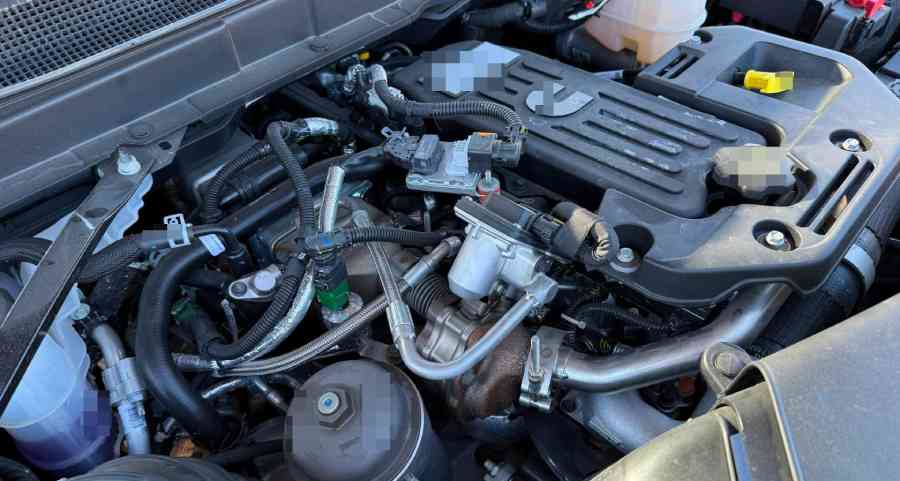
What Are the Symptoms of a Failing Lift Pump on a 6.7 Cummins?
The five main symptoms of a failing 6.7 Cummins lift pump are hard starting, engine stalling, loss of power, hesitation during acceleration, and low fuel supply pressure. These symptoms develop when the lift pump cannot maintain sufficient fuel delivery to the high-pressure injection system. Their severity depends on the extent of the fuel supply problem, engine load, and operating conditions.
A failing lift pump may initially cause intermittent performance problems before fuel delivery becomes severely restricted. For example, a Ram 2500 may start normally and idle smoothly but struggle to accelerate while towing a trailer. However, clogged fuel filters, electrical faults, and high-pressure fuel system problems can produce similar symptoms. Fuel supply testing is necessary to identify the actual cause.
Can a Bad Lift Pump Cause Hard Starting or Engine Stalling?
A bad lift pump can cause hard starting and engine stalling by interrupting the fuel supply needed for combustion. During startup, the high-pressure fuel pump must receive sufficient diesel fuel to generate the rail pressure required for injection. Inadequate fuel delivery can extend cranking time or prevent the engine from starting.
Engine stalling occurs when fuel delivery becomes insufficient to sustain combustion. A severely failing lift pump may cause the engine to shut down while idling, accelerating, or operating under heavy load. For example, a 6.7 Cummins that starts normally but stalls during acceleration may have a fuel supply restriction that becomes more apparent as engine demand increases.
Hard starting and stalling are not exclusive to lift pump failure. Restricted fuel filters, air entering the fuel system, faulty electrical connections, and high-pressure injection problems must also be considered.
Can a Failing Lift Pump Cause Loss of Power or Hesitation?
A failing lift pump can cause loss of power and hesitation when fuel delivery cannot keep up with engine demand. During acceleration or towing, the engine requires increased fuel injection to produce additional torque. Insufficient low-pressure fuel supply can prevent the high-pressure system from maintaining the commanded injection pressure.
Power loss may appear as sluggish acceleration, reduced pulling performance, or difficulty maintaining speed on steep grades. Hesitation occurs when engine response becomes delayed or inconsistent after the accelerator is pressed. Intermittent fuel delivery problems may also produce surging, where engine power fluctuates despite a steady accelerator position.
For example, a Ram 3500 may operate normally during light driving but hesitate or lose power while climbing a hill with a loaded trailer. These symptoms warrant checking the fuel supply system, although turbocharger faults, restricted filters, and injection system problems can cause similar behavior.
Can Low Fuel Supply Pressure Indicate Lift Pump Failure?
Low fuel supply pressure is an important diagnostic indicator of a failing 6.7 Cummins lift pump, but it does not confirm pump failure by itself. The lift pump supplies fuel to the high-pressure injection pump, which then generates the much higher pressure required by the common-rail injectors. Insufficient supply pressure can interfere with the high-pressure pump’s ability to maintain fuel rail pressure under demanding conditions.
Fuel pressure must be measured at the appropriate low-pressure test point and compared with the manufacturer’s specifications for the vehicle’s model year and fuel system configuration. A pressure reading below specification may indicate a weak lift pump, clogged fuel filter, restricted fuel line, or another fuel delivery problem.
Diagnostic trouble codes related to low fuel rail pressure, such as P0087 where applicable, can provide additional evidence of a fuel system problem. However, these codes do not identify the lift pump as the failed component. Confirming lift pump failure requires combining symptom evaluation with fuel pressure measurements and electrical testing.
How Do You Test a 6.7 Cummins Lift Pump?
To test a 6.7 Cummins lift pump, check its electrical operation, inspect the fuel delivery system, and measure low-pressure fuel supply against the manufacturer’s specifications. These tests help determine whether the pump is failing or another component is restricting fuel delivery. The correct procedure depends on the truck’s model year, pump location, and fuel system configuration.
Start by identifying the vehicle’s fuel system and checking whether the lift pump operates during the manufacturer-specified priming or activation sequence. Some configurations allow the pump to be activated through a diagnostic scan tool. A pump that produces no audible sound is not necessarily defective because activation behavior and pump noise vary between systems.
Next, inspect the electrical supply if the pump fails to operate when commanded. Check the relevant fuse, relay or control circuit, wiring connectors, and ground connections using the vehicle’s wiring diagram. A functioning pump requires adequate voltage and a reliable ground. Damaged wiring or a faulty control circuit can prevent an otherwise functional pump from running.
Inspect the fuel filters, fuel lines, and connections for restrictions, leaks, or signs of contamination. A clogged filter can reduce fuel delivery and produce symptoms similar to lift pump failure. Diagnostic trouble codes and live fuel rail pressure data can help identify fuel system problems, but neither independently confirms a defective lift pump.
How Do You Check Lift Pump Fuel Pressure on a 6.7 Cummins?
To check lift pump fuel pressure on a 6.7 Cummins, connect an appropriate low-pressure fuel gauge or approved diagnostic equipment to the specified test point and compare the reading with the service specifications for the vehicle. Fuel pressure requirements and testing locations vary by model year and fuel system design.
Follow the manufacturer’s procedure to measure fuel supply pressure during the specified operating conditions. Where required, compare readings during pump activation, engine idling, and increased fuel demand. A pressure drop under load can indicate inadequate fuel delivery, even when the engine appears to operate normally at idle.
Low pressure does not automatically mean the lift pump needs replacement. Restricted fuel filters, damaged fuel lines, air leaks, and electrical supply problems can also reduce fuel delivery. Verify these conditions before condemning the pump.
Keep low-pressure fuel supply testing separate from high-pressure common-rail testing. Never loosen high-pressure fuel lines while the engine is running or the system remains pressurized. Common-rail diesel injection systems operate at pressures capable of causing serious injection injuries. Use manufacturer-approved equipment and procedures for any high-pressure diagnosis.
A lift pump should be considered defective when testing confirms inadequate pump output after electrical faults, fuel restrictions, and other relevant causes have been ruled out.
How Can You Tell If the Lift Pump or Fuel Filter Is Causing the Problem?
To distinguish a failing lift pump from a clogged fuel filter on a 6.7 Cummins, check fuel supply pressure, filter restriction, and pump electrical operation. Both problems can cause hard starting, engine stalling, hesitation, and reduced power because they limit the amount of diesel fuel reaching the high-pressure injection system. Symptoms alone cannot reliably identify which component is responsible.
A clogged fuel filter restricts fuel flow as dirt, debris, and other contaminants accumulate in the filter media. This restriction becomes more noticeable during acceleration or towing, when the engine requires greater fuel delivery. For example, a Ram 2500 with a severely restricted fuel filter may idle normally but lose power when climbing a hill. The lift pump may still operate correctly even though insufficient fuel reaches the high-pressure pump.
A failing lift pump, by comparison, cannot consistently deliver the required fuel volume or pressure despite an unrestricted fuel supply path. Electrical faults can also interrupt pump operation. Checking the pump’s voltage, ground connection, and commanded operation helps distinguish an electrical problem from a mechanical pump failure.
Fuel pressure and restriction testing provide the strongest evidence for separating these faults. Inspect the fuel filters and follow the manufacturer’s procedures for evaluating supply pressure and fuel flow. If fuel delivery returns to specification after correcting a confirmed filter restriction, lift pump replacement is unnecessary. If pressure remains below specification despite unrestricted fuel flow and proper electrical supply, further pump testing is required.
How Can You Tell If the Lift Pump or High-Pressure Fuel Pump Is Failing?
To distinguish lift pump failure from high-pressure fuel pump failure on a 6.7 Cummins, compare low-pressure fuel supply measurements with actual and commanded fuel rail pressure. The two pumps perform different functions, and a problem with either component can cause hard starting, engine stalling, and loss of power.
The lift pump transfers diesel fuel from the tank toward the high-pressure injection system. The high-pressure fuel pump then compresses that fuel to the pressure required for common-rail injection. Depending on the model year and configuration, the 6.7 Cummins uses different high-pressure pump designs, including CP3 and CP4 systems. Therefore, diagnostic procedures must match the vehicle’s specific fuel system.
A defective lift pump or restricted supply line can starve the high-pressure pump of fuel. In this situation, actual rail pressure may fall below commanded pressure, particularly during acceleration or heavy engine loads. However, low rail pressure alone does not prove that the high-pressure pump is defective.
High-pressure pump problems become more likely when the low-pressure supply meets specifications but the injection system cannot achieve or maintain the required rail pressure. Other possible causes include excessive injector return flow, fuel pressure control faults, and internal high-pressure fuel leakage. These components must be evaluated before replacing the high-pressure pump.
Metallic debris in the fuel system is an additional warning sign of possible high-pressure pump damage. Certain pump failures can distribute metal particles through fuel system components, requiring specialized inspection and potentially extensive repairs.
The most reliable diagnostic sequence is to verify low-pressure fuel delivery first, then evaluate commanded versus actual rail pressure and investigate high-pressure system components. This approach reduces unnecessary pump replacements and helps identify the underlying fuel delivery fault.
What Causes a 6.7 Cummins Lift Pump to Fail?
The main causes of 6.7 Cummins lift pump failure include fuel contamination, restricted fuel flow, electrical faults, and internal pump wear. These problems can reduce fuel delivery, interrupt pump operation, or damage internal components. Identifying the underlying cause is essential because replacing the pump without correcting fuel system problems can lead to repeated failures.
Fuel contamination is a significant cause of lift pump damage. Diesel fuel containing water, dirt, or abrasive particles can accelerate wear on internal pump components. Water can promote corrosion and reduce the lubricating protection provided by diesel fuel, while solid contaminants can damage moving parts or restrict fuel passages. For example, a truck repeatedly exposed to contaminated diesel may develop inconsistent fuel delivery as pump components deteriorate.
Clogged fuel filters can contribute to fuel delivery problems and increase stress on certain lift pump configurations. As contaminants accumulate in the filter media, fuel flow becomes restricted, forcing the supply system to operate under less favorable conditions. The effect on the lift pump depends on the filter location and fuel system design. A restricted filter does not necessarily mean the pump itself has been damaged, but prolonged operation with inadequate fuel delivery can contribute to fuel system problems.
Electrical faults are another cause of lift pump malfunction. Corroded connectors, damaged wiring, poor ground connections, and faulty control circuits can prevent the pump from receiving adequate electrical power. Low voltage or intermittent electrical supply may cause inconsistent operation, producing symptoms that resemble mechanical pump failure. Testing voltage and ground integrity helps identify these faults before pump replacement.
Internal wear can also reduce pump performance over time. Electric motors, bearings, and pumping mechanisms experience mechanical and electrical stress during operation. Excessive heat, contamination, and prolonged operation under unfavorable conditions can accelerate deterioration. A worn pump may continue running while delivering insufficient fuel pressure or volume, particularly when engine demand increases.
Preventing repeated lift pump failure requires correcting the original cause, not simply installing a replacement pump. Inspect fuel quality, filter condition, electrical connections, and fuel line restrictions before completing repairs. These checks help protect the replacement pump and maintain reliable fuel delivery to the 6.7 Cummins injection system.
Can You Drive a 6.7 Cummins With a Bad Lift Pump?
Driving a 6.7 Cummins with a failing lift pump is not recommended because inadequate fuel delivery can cause sudden power loss, engine stalling, and potential damage to fuel system components. The severity of these risks depends on how much fuel delivery has deteriorated and whether the engine can maintain sufficient supply pressure during operation.
A weak lift pump may allow the engine to start and idle normally while failing to supply enough diesel during acceleration, towing, or highway driving. As fuel demand increases, insufficient delivery can cause hesitation, reduced engine performance, or unexpected stalling. Losing engine power in traffic or while towing a heavy trailer creates a significant safety risk.
Continued operation with inadequate fuel supply can also expose the high-pressure injection pump to unfavorable operating conditions. Diesel fuel provides lubrication and cooling for components within the fuel injection system, and insufficient fuel delivery can increase the risk of accelerated wear or damage.
Stop driving and arrange professional diagnosis if the truck repeatedly stalls, experiences severe power loss, or has confirmed inadequate fuel supply pressure. If the engine stops unexpectedly or cannot maintain safe operating performance, towing is preferable to attempting to drive the vehicle to a repair shop.
Read more: 5.9 Cummins Lift Pump Failure Symptoms & Diagnosis
How Much Does It Cost to Replace a 6.7 Cummins Lift Pump?
The cost of replacing a 6.7 Cummins lift pump depends on the truck’s model year, pump configuration, replacement part, and labor requirements. OEM replacement pumps and aftermarket fuel delivery systems have different prices and installation requirements, making a single replacement estimate unreliable without identifying the vehicle.
An OEM lift pump replacement generally focuses on restoring the original fuel delivery configuration. The total repair cost includes the replacement pump or applicable pump module, installation labor, and any required diagnostic procedures. Labor expenses vary depending on pump accessibility and whether the fuel tank or additional components must be removed.
Aftermarket systems from manufacturers such as FASS and AirDog provide alternative fuel delivery configurations, including options with additional filtration and air separation features. These systems may require mounting brackets, electrical connections, fuel lines, and other installation components. Their total installed cost can therefore differ substantially from a direct OEM replacement.
Additional repairs can increase the final expense. For example, contaminated fuel may require tank cleaning, filter replacement, and fuel line inspection. Damaged electrical connections or wiring must also be repaired to prevent recurring pump problems.
The most cost-effective approach is to confirm lift pump failure before purchasing replacement parts. Fuel pressure testing, electrical inspection, and filter restriction checks help determine whether the pump requires replacement or a less expensive repair can restore proper fuel delivery. Request an itemized estimate that separates parts, labor, and additional fuel system repairs before authorizing the work.
How Can You Prevent Lift Pump Failure on a 6.7 Cummins?
To prevent lift pump failure on a 6.7 Cummins, maintain clean diesel fuel, replace fuel filters at the recommended intervals, inspect electrical connections, and address fuel delivery problems early. These preventive measures reduce contamination, fuel restrictions, and operating conditions that can shorten pump service life.
Fuel filter maintenance is essential for protecting the fuel delivery system. Replace both applicable fuel filters according to the maintenance schedule specified for the truck’s model year and operating conditions. Severely restricted filters can reduce fuel flow and contribute to inadequate supply pressure. Trucks frequently operated in dusty environments or exposed to questionable fuel quality require particular attention to filter condition and maintenance requirements.
Using clean, specification-compliant diesel fuel helps protect lift pump components from premature wear. Refuel at reputable stations, monitor water-in-fuel warnings, and drain the fuel-water separator according to the manufacturer’s instructions. Water and abrasive contaminants can damage pump components and interfere with reliable fuel delivery.
Electrical system maintenance also helps prevent unexpected pump operation failures. Inspect accessible wiring harnesses, connectors, and ground connections for corrosion, looseness, or physical damage. Repair electrical faults promptly because intermittent power delivery can interrupt pump operation even when its internal components remain functional.
Finally, investigate hard starting, hesitation, or reduced power before these symptoms become severe. Check fuel supply pressure and filter condition when diagnostic evidence suggests inadequate fuel delivery. Early diagnosis and consistent fuel system maintenance help extend lift pump service life and reduce the risk of unexpected breakdowns.