The most common 5.9 Cummins lift pump failure symptoms include hard starting, extended cranking, engine stalling, rough idle, hesitation during acceleration, loss of power under load, and low fuel pressure. These problems occur when the lift pump cannot deliver enough diesel fuel to the injection system. Symptoms often become more noticeable during towing, uphill driving, or heavy acceleration because the engine requires a greater fuel supply.
The lift pump transfers diesel fuel from the tank to the injection system at the required supply pressure. On 1998.5–2002 Dodge Ram trucks equipped with the Bosch VP44 injection pump, inadequate fuel delivery can affect engine performance and increase the risk of injection pump damage. On 2003–2007 common rail engines equipped with the Bosch CP3, insufficient low-pressure fuel supply can also cause performance problems, although the fuel system operates differently.
Low fuel pressure is a key diagnostic indicator, but it does not automatically confirm lift pump failure. Clogged fuel filters, restricted fuel lines, air entering the fuel system, and electrical faults can produce similar symptoms. Identifying the actual cause requires checking fuel pressure, inspecting the fuel supply system, and testing the lift pump before replacing components.
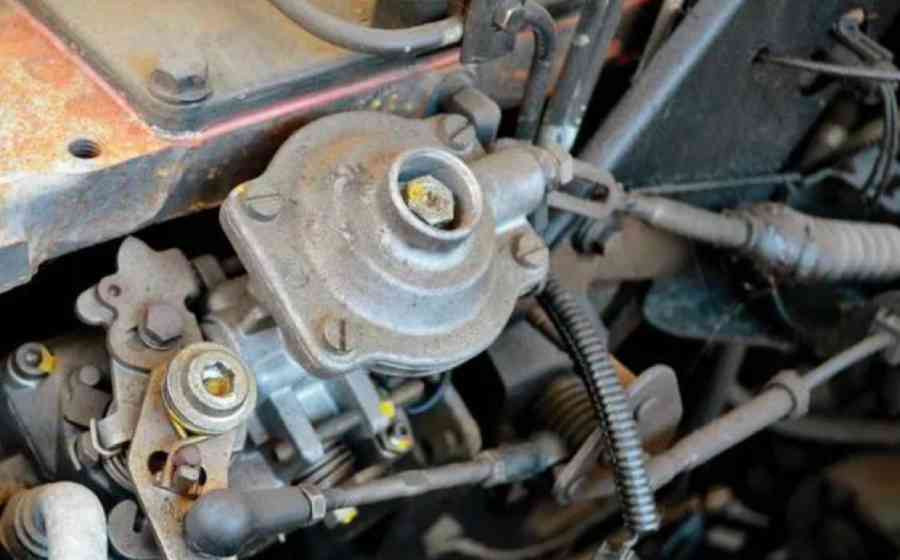
What Are the Symptoms of a Failing 5.9 Cummins Lift Pump?
A failing 5.9 Cummins lift pump produces five main warning signs: hard starting, engine stalling, loss of power under load, rough idle or hesitation, and low fuel supply pressure. These symptoms develop when the lift pump cannot maintain the fuel flow and pressure required by the injection system. Their severity depends on the pump’s condition, engine load, and fuel system configuration.
Hard starting and extended cranking occur when the injection system receives insufficient fuel during startup. A weak lift pump may struggle to establish adequate supply pressure, forcing the engine to crank longer before starting. In severe cases, the engine may fail to start altogether. However, extended cranking can also result from air entering the fuel lines, a restricted fuel filter, or injection system faults. Checking fuel pressure during the appropriate operating conditions helps distinguish inadequate fuel delivery from other starting problems.
Engine stalling occurs when fuel delivery drops below the engine’s operating requirements. A deteriorating lift pump may supply enough fuel at idle but fail to maintain adequate flow when demand increases. This can cause the engine to shut off during acceleration or while driving. Intermittent electrical connections, contaminated fuel, and fuel pickup restrictions can produce similar behavior, making fuel pressure and electrical testing necessary before identifying the lift pump as the cause.
Loss of power under load is another important indicator of inadequate lift pump performance. During towing, climbing hills, or heavy acceleration, the engine requires increased fuel delivery to maintain power output. A weak lift pump may fail to meet this demand, causing sluggish acceleration, reduced engine response, or difficulty maintaining speed. On VP44-equipped 5.9 Cummins engines, insufficient supply pressure is particularly concerning because the injection pump depends on an adequate fuel supply for proper operation.
Rough idle and engine hesitation can develop when inconsistent fuel delivery disrupts combustion. The engine may run unevenly at idle, hesitate when the accelerator is pressed, or experience intermittent power fluctuations. These symptoms are not exclusive to lift pump failure. Faulty injectors, air intrusion, and other fuel system problems can create similar conditions. Comparing symptoms with measured fuel pressure helps narrow down the source of the problem.
Low or fluctuating fuel pressure is the most direct measurable warning sign of a fuel supply problem. A fuel pressure gauge can reveal whether the lift pump maintains adequate pressure at the injection system’s supply inlet. Pressure that falls below the applicable manufacturer specification, particularly under increased fuel demand, indicates a delivery problem that requires investigation. The correct pressure range and testing procedure differ between VP44-equipped 1998.5–2002 engines and CP3-equipped 2003–2007 engines. A low reading alone does not prove the lift pump is defective because clogged filters, restricted lines, and electrical faults can also reduce fuel pressure.
Why Does a 5.9 Cummins Lift Pump Fail?
A 5.9 Cummins lift pump can fail because of four primary factors: fuel contamination, restricted fuel delivery, electrical faults, and internal pump wear. These conditions reduce the pump’s ability to supply diesel fuel at the pressure and flow rate required by the injection system. Some problems directly damage the lift pump, while others restrict fuel delivery without causing permanent pump failure.
Fuel contamination damages lift pump components when water, dirt, or abrasive particles enter the fuel system. Diesel fuel passes through the lift pump and associated fuel delivery components, where contaminants can accelerate internal wear, damage moving parts, or interfere with pump operation. Water contamination can also promote corrosion in susceptible components. For example, a damaged fuel filter or contaminated fuel supply may allow debris to circulate through the system, increasing the risk of premature pump deterioration.
Restricted fuel delivery occurs when a clogged fuel filter, obstructed fuel line, or blocked fuel tank pickup limits the amount of diesel reaching the injection system. Restrictions on the suction side of a pump can increase the effort required to draw fuel from the tank and contribute to inadequate delivery. A restricted filter downstream of the pump can also reduce pressure at the injection pump inlet. These conditions can produce the same hard starting, hesitation, and power loss associated with lift pump failure, even when the lift pump itself remains functional.
Electrical faults can interrupt lift pump operation by preventing the electric pump motor from receiving adequate voltage or maintaining a reliable ground connection. Damaged wiring, corroded connectors, defective relays, and poor electrical connections can cause intermittent or complete pump shutdown. For example, a loose electrical connector may allow the pump to operate normally at one moment and stop working when vibration disrupts the connection. Electrical supply problems should therefore be checked before replacing a pump that appears to operate intermittently.
Internal pump wear gradually reduces pumping efficiency as mechanical and electrical components deteriorate. Depending on the pump design, worn pumping elements, damaged internal components, or motor deterioration can reduce fuel delivery. A weakened pump may initially maintain sufficient pressure during low-demand operation but struggle to deliver adequate fuel during acceleration or towing. Once internal wear prevents the pump from meeting the required fuel supply specifications, replacement is generally necessary.
How Do You Test a 5.9 Cummins Lift Pump for Failure?
To test a 5.9 Cummins lift pump, measure fuel supply pressure, verify electrical power and ground, and inspect the fuel system for restrictions or air intrusion. These checks help determine whether the pump is defective or whether another component is limiting fuel delivery. Testing procedures must match the vehicle’s model year, injection system, and lift pump configuration.
How Do You Check Lift Pump Fuel Pressure on a 5.9 Cummins?
To check lift pump fuel pressure on a 5.9 Cummins, connect a suitable fuel pressure gauge to the specified low-pressure fuel supply test point and compare the readings with the applicable service specifications. A pressure test identifies whether the injection system receives adequate fuel during the operating conditions required by the diagnostic procedure.
First, identify the engine’s fuel injection system and lift pump arrangement. The 1998.5–2002 24-valve Cummins uses a Bosch VP44 injection pump, while 2003–2007 engines use a Bosch CP3 common rail system. Lift pump locations and fuel supply arrangements can also differ because of factory configurations, service modifications, and aftermarket upgrades. The correct pressure test location must be established before connecting the gauge.
Next, install a diesel-compatible pressure gauge using the appropriate fittings and follow the manufacturer’s test procedure. Check the fuel supply pressure during the specified priming, idle, or operating conditions. Where the service procedure requires testing under load, use an appropriate safely installed monitoring setup. Do not loosen high-pressure common rail fuel lines to measure lift pump pressure because these lines operate at hazardous pressures.
Finally, compare the measured readings with the correct specifications for the vehicle. Fuel pressure that falls below the required range indicates insufficient supply pressure, but the lift pump is not necessarily the failed component. A clogged filter, restricted tank pickup, damaged fuel line, or inadequate electrical supply can produce similar results. Pressure measurements should therefore be evaluated alongside the condition of the complete low-pressure fuel delivery system.
How Do You Test the Electrical Supply to a 5.9 Cummins Lift Pump?
To test the electrical supply to a 5.9 Cummins lift pump, use a digital multimeter to check pump voltage, ground integrity, and the operation of the electrical control circuit. These measurements determine whether the pump receives the electrical power needed to operate correctly.
Begin by locating the lift pump electrical connector and identifying its power and ground terminals using the appropriate wiring diagram. Activate the pump according to the vehicle’s service procedure and measure voltage at the connector. Some configurations operate the lift pump only during specific priming or engine-running conditions, so the absence of continuous voltage with the ignition switched on does not automatically indicate an electrical fault.
Next, inspect the wiring harness, connectors, fuses, and applicable relays or control circuits. Corrosion, damaged insulation, loose terminals, and excessive resistance can interrupt electrical delivery. A voltage-drop test performed while the circuit is operating helps identify resistance that may not be apparent during an unloaded voltage measurement. Compare the results with the manufacturer’s electrical specifications.
If the pump receives the required electrical supply and has a reliable ground but fails to operate or deliver the specified fuel pressure and flow, an internal pump fault becomes more likely. However, fuel restrictions must still be excluded before replacement.
Inspect the fuel filter, fuel lines, tank pickup, and connections as part of the same diagnostic process. A blocked filter can reduce fuel delivery, while damaged fittings or suction-side leaks can introduce air into the system. For example, a truck that loses power during towing may have a restricted fuel pickup rather than a worn lift pump. Identifying these conditions prevents unnecessary pump replacement and helps ensure the repaired fuel system delivers adequate fuel under load.
What Fuel Pressure Should a 5.9 Cummins Lift Pump Produce?
A 5.9 Cummins lift pump must produce sufficient fuel supply pressure for its specific injection system, rather than one universal pressure across all model years. The 1998.5–2002 Bosch VP44 and 2003–2007 Bosch CP3 systems have different fuel delivery requirements. Correct pressure readings also depend on the lift pump configuration, measurement location, and operating conditions.
What Is the Correct Lift Pump Fuel Pressure for a 1998.5–2002 5.9 Cummins?
The 1998.5–2002 5.9 Cummins equipped with the Bosch VP44 injection pump is commonly monitored for approximately 10–15 PSI of fuel supply pressure during normal operation, with 10 PSI frequently used as a practical lower-limit warning threshold. These figures are diagnostic guidelines rather than universal factory specifications. The correct acceptance criteria must be verified against the applicable service documentation and installed fuel system.
The VP44 injection pump relies on an adequate supply of diesel fuel for proper operation, internal lubrication, and cooling. When supply pressure decreases, the injection pump may receive insufficient fuel, particularly during acceleration or towing. For example, a truck that maintains 12 PSI at idle but drops to 5 PSI under load requires further investigation of its fuel delivery system. A pressure drop does not independently establish whether the lift pump, fuel filter, or another supply component is responsible.
Fuel pressure should be measured at the appropriate VP44 supply-side test location under the conditions specified for the vehicle. Readings must be interpreted alongside fuel flow, filter condition, and the pump’s electrical supply. A truck equipped with an aftermarket lift pump may also have different pressure requirements from one using its original fuel delivery arrangement.
What Is the Correct Lift Pump Fuel Pressure for a 2003–2007 5.9 Cummins?
The 2003–2007 5.9 Cummins uses a Bosch CP3 high-pressure fuel pump supplied by a separate low-pressure fuel delivery system. The correct lift pump pressure depends on the model year and installed fuel supply configuration. Factory arrangements and aftermarket systems can have different pressure targets, so a single PSI specification should not be applied to every 2003–2007 engine.
The CP3 receives diesel fuel from the low-pressure supply circuit and generates the much higher pressure required by the common rail injection system. These are two distinct pressure measurements. Lift pump pressure describes fuel delivery to the CP3, while rail pressure describes the high-pressure fuel supplied to the injectors. A rail pressure reading from a diagnostic scan tool cannot be used as a direct substitute for measuring lift pump supply pressure.
Insufficient low-pressure fuel delivery can restrict the CP3’s ability to maintain the rail pressure required under load. For example, a truck may idle normally but experience hesitation or reduced power during heavy acceleration when fuel demand increases. Diagnosis should include low-pressure supply testing and, where appropriate, comparison of commanded and actual rail pressure using a compatible scan tool.
How Can You Tell a Bad Lift Pump From a Bad Injection Pump on a 5.9 Cummins?
To distinguish a bad lift pump from a bad injection pump on a 5.9 Cummins, verify the low-pressure fuel supply before diagnosing the injection pump itself. Both components can contribute to hard starting, engine stalling, hesitation, and loss of power. However, the lift pump supplies fuel to the injection system, while the injection pump generates the pressure and delivery conditions required for fuel injection.
What Is the Difference Between Lift Pump and VP44 Failure Symptoms?
The main diagnostic difference between lift pump failure and VP44 failure is whether the problem originates in the low-pressure fuel supply or within the injection pump and its control system. Both faults can produce similar engine behavior, so symptoms alone cannot reliably identify the defective component.
A weak lift pump may cause low fuel supply pressure, extended cranking, hesitation, or power loss during towing. These symptoms can become more noticeable when engine demand increases because the pump must deliver a greater volume of diesel fuel. A clogged filter or restricted fuel line can produce the same pressure-related behavior.
A failing VP44 injection pump can also cause hard starting, intermittent stalling, loss of power, or a no-start condition. Depending on the failure, diagnostic trouble codes associated with injection pump timing, control, or communication may provide additional evidence. For example, codes such as P0216 or P1688 can help direct VP44 diagnosis, but they must be interpreted using the applicable service information rather than treated as automatic proof that the pump requires replacement.
The most reliable diagnostic sequence begins with measuring fuel supply pressure and inspecting the fuel delivery system. If pressure and flow meet the required specifications but the engine continues to exhibit injection-related problems, further VP44 electrical, control, and mechanical diagnosis is necessary.
How Do Lift Pump Problems Differ From CP3 Fuel System Problems?
Lift pump problems differ from CP3 problems because the lift pump supplies low-pressure diesel fuel, while the CP3 generates high-pressure fuel for the common rail. A fault in either stage can affect engine performance, but the appropriate diagnostic measurements are different.
A defective lift pump, restricted fuel filter, or obstructed supply line can reduce the fuel available at the CP3 inlet. Under increased engine load, inadequate supply may contribute to insufficient rail pressure, hesitation, or reduced power. These symptoms do not establish that the CP3 itself has failed.
CP3-related problems involve the high-pressure fuel generation system. Internal pump wear, fuel metering control faults, excessive injector return flow, and pressure control problems can prevent the system from reaching its commanded rail pressure. For example, an engine that has adequate low-pressure fuel supply but consistently fails to achieve the required rail pressure may need further high-pressure system testing.
Diagnosis should compare low-pressure fuel delivery measurements with commanded and actual rail pressure data. Fuel metering components, injector return flow, and applicable diagnostic trouble codes should also be evaluated before condemning the CP3. This approach helps distinguish a supply problem from a high-pressure generation or control fault and reduces unnecessary replacement of expensive fuel system components.
Can a Bad Lift Pump Damage a 5.9 Cummins Injection Pump?
Yes, a failing lift pump can damage a 5.9 Cummins injection pump by restricting the fuel supply needed for proper operation, lubrication, and cooling. The risk is particularly significant on 1998.5–2002 engines equipped with the Bosch VP44 injection pump. On 2003–2007 common rail engines, inadequate fuel delivery can also affect CP3 operation, although the failure mechanisms differ between the two systems.
The Bosch VP44 relies on diesel fuel for internal lubrication and heat removal. When the lift pump cannot maintain adequate fuel pressure and flow, the injection pump may operate under unfavorable conditions that accelerate internal wear. Prolonged fuel starvation can contribute to damage involving internal pumping components and other fuel-lubricated surfaces. For example, a VP44-equipped Dodge Ram that repeatedly experiences low supply pressure during towing may face an increased risk of injection pump deterioration, especially if the underlying fuel delivery problem remains unresolved.
The Bosch CP3 also requires an adequate low-pressure fuel supply to maintain high-pressure fuel generation. Insufficient inlet fuel delivery can prevent the pump from meeting engine demand, resulting in reduced rail pressure, hesitation, or loss of power. Severe or prolonged fuel starvation may contribute to internal wear, but low lift pump pressure does not automatically mean the CP3 has sustained permanent damage. Fuel restrictions, pressure control faults, and injector-related problems must be evaluated before determining the extent of any injection system failure.
The safest response to confirmed low fuel supply pressure is to correct the underlying problem before continuing normal engine operation. Replacing a damaged injection pump without addressing a defective lift pump or restricted fuel supply can leave the original failure condition unresolved. Fuel pressure testing, filter inspection, and electrical diagnosis help identify the cause before expensive injection system repairs are performed.
How Do You Fix a Failing 5.9 Cummins Lift Pump?
To fix a failing 5.9 Cummins lift pump, confirm the pump is defective, eliminate fuel supply restrictions, and replace the pump with a unit that meets the engine’s fuel delivery requirements. Electrical faults, clogged filters, and damaged fuel lines should be corrected before replacing the lift pump because these problems can produce similar symptoms without internal pump failure.
Begin by checking fuel pressure at the appropriate supply-side test point and comparing the results with the specifications for the vehicle’s model year and fuel system. Inspect the fuel filter, fuel tank pickup, supply lines, and electrical connections. If the pump receives adequate voltage and ground but cannot deliver the required fuel pressure and flow after restrictions have been excluded, replacement is generally the appropriate repair.
Lift pump replacement involves selecting the correct component, safely relieving applicable low-pressure fuel system pressure, disconnecting the electrical and fuel connections, and installing the replacement pump according to the manufacturer’s instructions. The exact procedure depends on whether the vehicle uses an engine-mounted, frame-mounted, in-tank, or aftermarket fuel pump arrangement. After installation, prime the fuel system using the applicable service procedure, inspect all connections for leaks, and verify fuel supply pressure under the required operating conditions.
Should You Choose an OEM or Aftermarket Lift Pump for a 5.9 Cummins?
Choose an OEM-specification lift pump for a standard 5.9 Cummins fuel system or a properly matched aftermarket lift pump when the vehicle requires a different fuel delivery configuration. The correct choice depends on model year, injection system, engine modifications, required fuel flow, and installation compatibility.
An OEM-specification replacement is designed to meet the original fuel delivery requirements of the applicable vehicle configuration. It is generally suitable for an otherwise stock engine when the replacement matches the installed pump arrangement. However, Dodge Ram 5.9 Cummins trucks may have undergone fuel system updates or previous pump relocations, so confirming the actual installed configuration is essential before ordering parts.
Aftermarket lift pump systems, including configurations offered by FASS and AirDog, may provide additional fuel filtration, air separation, or increased fuel delivery capacity depending on the specific product. These features can be useful for modified engines or owners seeking a different fuel supply arrangement. However, higher advertised flow capacity does not automatically improve engine performance or reliability. The system must deliver the correct pressure and sufficient flow without exceeding the requirements of the injection system.
For example, a stock VP44-equipped truck with a failed original lift pump may only require a compatible replacement and correction of any existing fuel restrictions. A modified truck with increased fuel demand may benefit from an appropriately sized aftermarket system. In either case, correct fuel pressure, reliable electrical supply, proper filtration, and leak-free installation are more important than pump capacity alone.
Read more: 5.9 Cummins Injector Torque Specs by Year (1989–2007)
How Can You Prevent Lift Pump Failure on a 5.9 Cummins?
To prevent lift pump failure on a 5.9 Cummins, maintain clean fuel, replace fuel filters at the recommended intervals, monitor fuel supply pressure, and inspect electrical connections regularly. These maintenance practices reduce fuel restrictions, contamination, and electrical problems that can shorten pump service life. Preventive maintenance is particularly important for VP44-equipped engines because inadequate fuel delivery can also threaten injection pump reliability.
Replace fuel filters according to the vehicle manufacturer’s maintenance schedule and inspect them sooner when fuel contamination or delivery problems are suspected. A clogged filter restricts diesel flow and can reduce the pressure available at the injection pump inlet. On vehicles equipped with additional aftermarket filtration, every filter must be maintained according to its manufacturer’s requirements. For example, replacing a restricted filter can restore normal fuel delivery when the pump itself remains functional.
Use clean diesel fuel and prevent water contamination to protect the pump’s internal components. Water and abrasive particles can contribute to corrosion, mechanical wear, and damage throughout the fuel delivery system. Drain the fuel-water separator when required by the applicable maintenance procedure, and inspect the fuel tank if repeated contamination occurs. Maintaining an adequate fuel level also helps prevent fuel starvation caused by an empty tank or pickup problems, although it cannot correct an already defective pump.
Monitor fuel supply pressure to detect delivery problems before severe symptoms develop. A properly installed fuel pressure gauge can help owners identify abnormal pressure drops during acceleration, towing, or other demanding operating conditions. Compare readings with the specifications for the installed fuel system rather than relying on a universal pressure target. For example, a VP44-equipped truck that shows a substantial pressure drop under load should have its lift pump, filters, and supply lines inspected before continued heavy-duty operation.
Inspect lift pump wiring and fuel connections during routine maintenance. Corroded terminals, damaged wiring insulation, loose connectors, and poor ground connections can interrupt electrical pump operation. Fuel line damage and loose fittings can also cause leaks or allow air into the supply system. Correcting these problems early helps maintain consistent fuel delivery and reduces the likelihood of unexpected engine stalling or starting difficulties.
Can You Drive a 5.9 Cummins With a Bad Lift Pump?
Driving a 5.9 Cummins with a confirmed failing lift pump is not recommended because insufficient fuel delivery can cause engine stalling, loss of power, and potential injection system damage. Although an engine may continue running when the lift pump is weak, its ability to maintain adequate fuel pressure can deteriorate as fuel demand increases. A truck that operates normally at idle may experience severe hesitation or shutdown during acceleration, towing, or uphill driving.
The immediate safety concern is unexpected engine power loss while driving. If the lift pump stops supplying enough fuel, the engine may hesitate, lose acceleration, or stall. A stall can reduce available power steering assistance and, depending on the vehicle’s braking system, affect power-assisted braking after stored assistance is depleted. These conditions are particularly dangerous when merging onto highways, crossing intersections, or pulling heavy trailers.
Continued operation can also increase the risk of expensive fuel system repairs. On 1998.5–2002 VP44-equipped engines, inadequate fuel supply can compromise the injection pump’s lubrication and cooling. On 2003–2007 CP3-equipped engines, insufficient inlet fuel delivery can interfere with high-pressure fuel generation and engine performance. The consequences depend on the severity and duration of the fuel supply problem, so injection pump damage should not be assumed without proper diagnosis.
Stop driving and arrange professional inspection or towing when the engine repeatedly stalls, loses substantial power, or has confirmed fuel pressure below the applicable safe operating limit. Do not continue towing or operating under heavy load to determine whether the symptoms become worse. A fuel pressure test, electrical inspection, and examination of the fuel filter and supply lines can establish whether the problem involves the lift pump or another fuel delivery component.
Once the underlying fault has been repaired, verify that fuel pressure and flow meet the required specifications under the appropriate operating conditions. Confirm that the engine starts normally, idles consistently, and responds properly to acceleration before returning the truck to regular service. Restoring reliable fuel delivery is essential for preventing recurring symptoms and protecting the injection system.