The Hyundai Palisade is a good SUV for families seeking a spacious interior, comfortable ride, advanced safety features, and strong value for the money. This three-row midsize SUV combines upscale cabin materials, seating for up to eight passengers, and a generous list of standard features. However, its fuel economy, long-term reliability, and maintenance requirements are important considerations before buying.
The Hyundai Palisade stands out for its quiet cabin, supportive seating, and smooth highway performance. Its available all-wheel-drive system adds traction in challenging road conditions, while driver-assistance technologies help improve everyday driving safety. Hyundai also offers competitive warranty coverage, making the Palisade an appealing alternative to established competitors such as the Honda Pilot and Kia Telluride.
Despite these advantages, the Palisade is not without drawbacks. Owners have reported certain mechanical and electrical issues, and reliability records vary by model year. The redesigned 2026 Palisade also introduces significant changes, making it important to distinguish newer models from earlier versions when evaluating performance and dependability.
This guide examines the Hyundai Palisade’s reliability, common problems, safety ratings, driving performance, fuel economy, ownership costs, and resale value to help determine whether it is the right SUV for your needs.
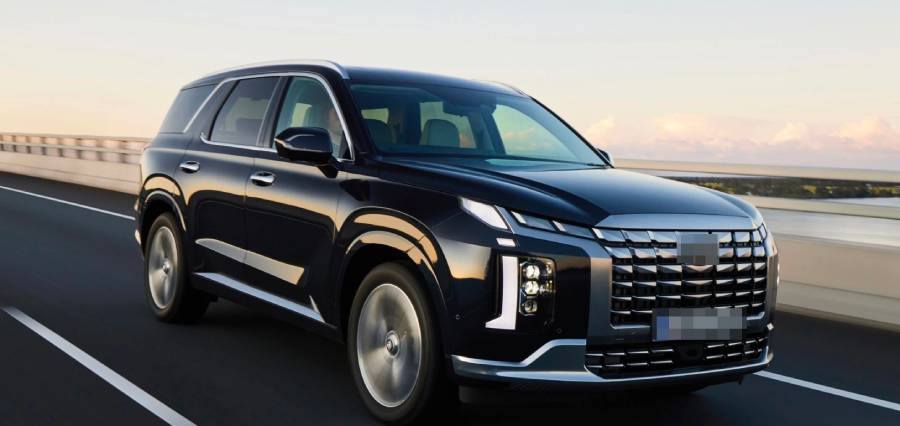
Is the Hyundai Palisade a Good SUV to Buy?
Yes, the Hyundai Palisade is a good SUV to buy for families who prioritize passenger comfort, interior space, safety features, and overall value. Its three-row seating, upscale cabin, and extensive standard equipment make it a competitive choice in the midsize SUV segment. However, buyers seeking maximum fuel efficiency, sporty handling, or proven long-term reliability may find better alternatives.
The Palisade’s strongest advantage is its combination of comfort and practicality. Depending on the configuration, it accommodates seven or eight passengers, with available second-row captain’s chairs and a third row suitable for family transportation. Higher trims offer premium amenities such as ventilated seats, leather upholstery, and advanced infotainment technology. These features help the Palisade compete with more expensive SUVs without requiring buyers to move into a luxury brand.
Driving comfort is another reason to consider the Palisade. Earlier models use a 3.8-liter V6 engine producing 291 horsepower, paired with an eight-speed automatic transmission. This powertrain delivers smooth acceleration for daily commuting and highway travel. The redesigned 2026 model introduces different powertrain options, including an available hybrid, so performance and fuel economy should be evaluated by model year rather than treated as identical across the lineup.
The Palisade also benefits from Hyundai’s warranty coverage, which includes a 10-year/100,000-mile limited powertrain warranty for eligible original U.S. owners. Nevertheless, warranty protection does not eliminate the possibility of repairs, depreciation, or unexpected ownership expenses. Buyers should compare specific model years, inspect recall histories, and consider long-term operating costs before making a purchase.
How Reliable Is the Hyundai Palisade?
The Hyundai Palisade has a generally favorable reliability reputation, but its long-term dependability varies by model year, maintenance history, and individual vehicle condition. The SUV uses established mechanical components in its earlier generation, including a naturally aspirated 3.8-liter V6 engine and an eight-speed automatic transmission. However, reported electrical faults, accessory malfunctions, and safety recalls show why buyers should review a specific vehicle’s history rather than assume every Palisade offers the same reliability.
The 2020–2025 Palisade models share a similar powertrain architecture, providing several years of ownership experience for evaluating recurring problems. The redesigned 2026 Palisade introduces a 3.5-liter V6 and an available hybrid powertrain, making earlier reliability records less directly applicable to the new generation. Although Hyundai provides substantial warranty coverage, the 2026 model does not yet have the same long-term ownership history as its predecessors.
Reliability also depends on how the vehicle has been maintained. Regular oil changes, transmission inspections, cooling-system maintenance, and prompt attention to warning lights help reduce the likelihood of preventable mechanical damage. Used Palisade buyers should examine service records, inspect the vehicle for unresolved problems, and check its vehicle identification number through the National Highway Traffic Safety Administration (NHTSA) recall database.
What Are the Most Common Hyundai Palisade Problems?
Commonly reported Hyundai Palisade problems include windshield cracking, excessive wind noise, electrical malfunctions, and issues involving certain vehicle accessories. The frequency and severity of these complaints differ across model years, and an owner complaint does not necessarily establish a widespread manufacturing defect.
Windshield cracking has been reported by owners of earlier Palisade models, sometimes following minor road-debris impacts. Wind noise around the front doors and side mirrors has also been a recurring complaint, particularly at highway speeds. Although these issues do not directly indicate engine failure, they can affect driving comfort and lead to additional repair expenses.
Electrical and accessory-related complaints include malfunctioning infotainment systems, power-operated components, and driver-assistance features. Certain Palisade model years have also been subject to safety recalls involving components such as trailer hitch wiring and seat belt assemblies. For example, Hyundai recalled certain 2020–2022 Palisade vehicles because moisture intrusion into the tow hitch harness module could create a fire risk. Owners should verify whether applicable recall repairs have been completed.
Does the Hyundai Palisade Have Engine or Transmission Problems?
The Hyundai Palisade does not have a universally established pattern of major engine or transmission failure across all model years, although individual owners have reported powertrain-related problems. Earlier models use a 3.8-liter naturally aspirated V6 producing 291 horsepower and 262 lb-ft of torque, paired with an eight-speed automatic transmission. This configuration provides adequate power for everyday driving without relying on turbocharging.
Reported powertrain concerns include rough shifting, hesitation during acceleration, unusual engine noises, and occasional drivability complaints. These symptoms can result from different causes, including transmission control behavior, ignition-system faults, sensor malfunctions, or mechanical wear. A diagnostic inspection is necessary to identify the actual cause rather than attributing every symptom to a defective engine or transmission.
The redesigned 2026 Palisade uses different powertrain configurations, so conclusions drawn from the earlier 3.8-liter V6 should not automatically be applied to the newer models. Buyers considering a used Palisade should prioritize documented maintenance, smooth transmission operation, and the absence of persistent warning lights. A professional pre-purchase inspection provides more useful information about an individual vehicle than general reliability ratings alone.
What Are the Pros and Cons of the Hyundai Palisade?
The Hyundai Palisade’s main advantages are its spacious interior, comfortable ride, premium features, and competitive warranty, while its disadvantages include modest fuel economy in V6 models, limited third-row cargo space, and reported reliability concerns. These strengths and weaknesses make the Palisade particularly appealing to families seeking a well-equipped three-row SUV rather than a performance-focused vehicle.
| Pros | Cons |
|---|---|
| Spacious cabin with seating for seven or eight | Limited cargo space behind the third row |
| Comfortable ride and quiet interior | V6 models consume more fuel than efficient hybrid rivals |
| Premium interior materials and available luxury features | Handling prioritizes comfort over sportiness |
| Extensive standard safety and driver-assistance features | Reported electrical and accessory problems |
| Competitive warranty coverage | Resale value depends on model year and market conditions |
| Available all-wheel drive | Larger dimensions make tight parking more challenging |
Interior comfort is one of the Palisade’s strongest selling points. The SUV offers supportive seating, convenient storage compartments, and a cabin designed for family travel. Available features such as heated and ventilated seats, premium audio systems, and second-row captain’s chairs improve passenger comfort. Its suspension also absorbs road imperfections effectively, making the Palisade well suited for highway trips and daily commuting.
The Palisade delivers substantial equipment for its price, particularly in higher trim levels. Features such as a surround-view camera, head-up display, and advanced driver-assistance technologies are available depending on the model year and configuration. Hyundai’s long powertrain warranty adds value for eligible original owners, although subsequent owners receive different coverage terms.
The main compromises involve operating efficiency and driving dynamics. Earlier V6-powered Palisade models deliver lower fuel economy than several hybrid three-row SUVs, increasing fuel expenses for high-mileage drivers. The vehicle’s comfort-oriented suspension also produces more body movement during aggressive cornering than sportier alternatives. Although the cabin accommodates three rows of passengers, luggage capacity becomes more restrictive when every seat is occupied.
Reliability concerns represent another consideration, particularly for used vehicles with incomplete maintenance records. Windshield damage, wind noise, and electrical accessory complaints have affected some owners, while specific model years have been subject to safety recalls. These issues do not mean every Palisade is unreliable, but they reinforce the importance of checking vehicle history and repair records before purchasing.
Overall, the Palisade’s advantages outweigh its disadvantages for buyers who value comfort, passenger capacity, and convenience features. Drivers who prioritize fuel efficiency, sharper handling, or maximum cargo capacity with all seats occupied should compare alternative three-row SUVs before making a final decision.
Is the Hyundai Palisade a Safe SUV?
Yes, the Hyundai Palisade is generally a safe SUV, offering strong crash-test performance, a reinforced body structure, and a comprehensive range of driver-assistance technologies. The Insurance Institute for Highway Safety (IIHS) has recognized certain Palisade model years with its TOP SAFETY PICK designation, while the National Highway Traffic Safety Administration (NHTSA) has awarded five-star overall safety ratings to several earlier models. However, safety ratings and equipment vary by model year, trim level, and testing criteria.
The Palisade uses a high-strength steel body structure designed to manage collision forces and protect occupants. Its safety equipment includes multiple airbags, electronic stability control, anti-lock brakes, and systems that help reduce the risk of losing traction. The SUV’s substantial dimensions also provide a spacious passenger compartment, although vehicle size alone does not guarantee superior crash protection.
Hyundai SmartSense adds active safety technologies that help drivers identify hazards and avoid collisions. Depending on the model year and trim, the Palisade offers Forward Collision-Avoidance Assist with pedestrian detection, Blind-Spot Collision Warning or Avoidance Assist, Lane Keeping Assist, Lane Following Assist, and Rear Cross-Traffic Collision-Avoidance Assist. These systems use cameras, radar sensors, and electronic controls to monitor surrounding traffic and provide warnings or braking assistance when necessary.
Family-oriented safety features further strengthen the Palisade’s appeal. Available Safe Exit Assist helps warn occupants about approaching traffic when opening a door, while Rear Occupant Alert reminds drivers to check the back seats after parking. Certain configurations also include a surround-view monitor and Blind-Spot View Monitor, improving visibility when parking or changing lanes. These technologies supplement attentive driving rather than replacing it.
Safety recalls remain an important consideration, especially when purchasing a used Palisade. Certain earlier models have been recalled for issues involving tow hitch wiring and seat belt components. Buyers should check the vehicle’s VIN through the NHTSA recall database and confirm that all applicable safety repairs have been completed.
Overall, the Hyundai Palisade is a strong choice for safety-conscious families, particularly when equipped with its full range of driver-assistance features. Buyers should compare crash-test results for the exact model year they are considering because IIHS testing standards have changed over time, and ratings from earlier Palisade generations do not automatically apply to the redesigned 2026 model.
How Does the Hyundai Palisade Perform on the Road?
The Hyundai Palisade delivers smooth acceleration, comfortable handling, and stable highway performance, making it well suited for daily commuting and long-distance family travel. Its suspension prioritizes ride comfort over sporty handling, while its powertrain provides sufficient acceleration for merging, passing, and carrying passengers. Driving characteristics differ between the original 2020–2025 generation and the redesigned 2026 model.
The 2020–2025 Hyundai Palisade uses a 3.8-liter naturally aspirated V6 engine producing 291 horsepower and 262 lb-ft of torque. Paired with an eight-speed automatic transmission, this engine provides predictable power delivery and smooth gear changes during normal driving. Front-wheel drive comes standard, while Hyundai’s HTRAC all-wheel-drive system is available for additional traction on wet, snowy, or slippery roads. Properly equipped models can tow up to 5,000 pounds, making them suitable for pulling small trailers and recreational equipment.
The redesigned 2026 Palisade introduces a 3.5-liter V6 producing 287 horsepower and 260 lb-ft of torque, along with an available turbocharged hybrid powertrain rated at a combined 329 horsepower. The hybrid combines a 2.5-liter turbocharged engine with electric motors to provide additional low-speed torque and improved fuel efficiency. These powertrain changes give buyers different options depending on whether they prioritize conventional V6 performance or hybrid efficiency.
Ride comfort remains one of the Palisade’s defining characteristics. Its suspension absorbs bumps and uneven pavement effectively, while cabin insulation helps reduce wind and road noise during highway travel. The steering is light enough for parking and city driving, although it provides less feedback than performance-oriented SUVs. Body movement is also more noticeable during sharp turns because the suspension is tuned primarily for passenger comfort.
Overall, the Hyundai Palisade performs best as a comfortable family SUV rather than a sporty crossover. Its balanced power delivery, composed highway ride, and available all-wheel drive make it practical for everyday transportation. Buyers seeking sharper cornering responses or more engaging steering should compare it with sportier alternatives such as the Mazda CX-90.
Is the Hyundai Palisade Good on Gas?
The Hyundai Palisade offers moderate fuel economy for a three-row midsize SUV, with earlier V6 models delivering up to 22 mpg combined and the redesigned 2026 hybrid providing substantially better efficiency. Fuel consumption depends on the model year, engine, drivetrain, driving conditions, and vehicle load. Buyers who prioritize lower fuel costs should compare the conventional gasoline models with the newer hybrid.
The 2020–2025 Hyundai Palisade with front-wheel drive earns EPA-estimated ratings of 19 mpg city, 26 mpg highway, and 22 mpg combined. All-wheel-drive versions achieve approximately 19 mpg city, 24 mpg highway, and 21 mpg combined. The difference results partly from the additional weight and mechanical resistance of the AWD system. These figures are competitive with some gasoline-powered three-row SUVs but fall behind more fuel-efficient hybrid alternatives.
The redesigned 2026 Palisade introduces a 3.5-liter V6 and an available 2.5-liter turbocharged hybrid powertrain. The conventional V6 remains focused on smooth performance, while the hybrid uses electric motor assistance to reduce gasoline consumption, particularly during stop-and-go driving. EPA-estimated combined fuel economy for certain front-wheel-drive hybrid configurations reaches approximately 34 mpg, although ratings vary by trim and drivetrain.
Fuel economy directly affects long-term ownership costs. For example, a vehicle averaging 22 mpg consumes approximately 682 gallons of gasoline over 15,000 miles, compared with 441 gallons for a vehicle averaging 34 mpg. At $3.50 per gallon, that represents an estimated annual fuel cost of $2,386 versus $1,544, a difference of approximately $842. Actual expenses depend on local gasoline prices, driving habits, and the vehicle’s real-world efficiency.
The Hyundai Palisade Hybrid is the better choice for buyers who prioritize fuel savings, while the gasoline-powered models remain suitable for drivers who value conventional V6 performance and do not accumulate substantial annual mileage. Comparing EPA ratings for the exact model year and configuration provides the most accurate estimate of expected fuel expenses.
Is the Hyundai Palisade Worth the Money?
The Hyundai Palisade is worth the money for buyers who want a spacious three-row SUV with premium features, comfortable seating, and competitive warranty coverage without paying luxury-brand prices. Its value comes from the combination of standard equipment, interior quality, passenger capacity, and ownership benefits. However, purchase price, maintenance expenses, depreciation, and fuel costs determine whether the Palisade remains a good investment over time.
The 2025 Hyundai Palisade starts at approximately $36,800 for the SE trim, excluding destination charges, while higher trims such as the Calligraphy exceed $50,000. The redesigned 2026 model has a higher starting price, reflecting its updated platform, interior technology, and powertrain options. Buyers can choose between more affordable configurations with essential safety and convenience features or premium trims offering leather upholstery, ventilated seats, advanced displays, and upgraded audio systems.
Hyundai’s warranty coverage strengthens the Palisade’s overall value. In the United States, eligible original owners receive a 10-year/100,000-mile limited powertrain warranty and a 5-year/60,000-mile new vehicle limited warranty. This protection reduces exposure to certain covered repair expenses during the warranty period. However, normal wear items, routine maintenance, and damage outside warranty terms remain the owner’s responsibility.
Is the Hyundai Palisade Expensive to Maintain?
The Hyundai Palisade has moderate maintenance costs for a midsize SUV, although actual expenses depend on mileage, vehicle age, driving conditions, and repair requirements. Routine maintenance includes engine oil and filter changes, tire rotations, brake inspections, fluid replacements, and periodic servicing of drivetrain components. All-wheel-drive models also have additional components that require inspection and maintenance.
RepairPal estimates Hyundai vehicles generally have below-average annual repair costs compared with the broader automotive market, but brand-wide estimates should not be treated as Palisade-specific expenses. Maintenance costs also increase as vehicles accumulate mileage because components such as brake pads, tires, suspension parts, and batteries eventually require replacement. Higher trims equipped with larger wheels and more electronic features may involve additional replacement expenses.
Owners can manage maintenance costs by following Hyundai’s recommended service schedule and addressing mechanical symptoms promptly. For example, replacing worn brake components before additional damage occurs can prevent more expensive repairs. Buyers considering a used Palisade should also review service records and obtain a pre-purchase inspection to identify deferred maintenance.
Does the Hyundai Palisade Hold Its Value?
The Hyundai Palisade retains a meaningful portion of its original value, but depreciation depends on model year, mileage, condition, trim level, and used-SUV demand. Like other new vehicles, the Palisade experiences its greatest depreciation during the early ownership years. Higher initial purchase prices do not necessarily translate into proportionally higher resale values, particularly when optional luxury features lose value over time.
The Palisade competes in a segment where resale value is influenced by established alternatives such as the Toyota Grand Highlander, Honda Pilot, and Kia Telluride. Buyers often consider reliability history, maintenance records, remaining warranty coverage, and accident history when comparing used three-row SUVs. A well-maintained Palisade with documented servicing and no major collision damage is generally more attractive to used-car buyers than a comparable vehicle with an incomplete ownership history.
Depreciation also affects the total cost of ownership. For example, a vehicle purchased for $45,000 and sold for $27,000 after five years loses $18,000 in value, excluding taxes, financing, maintenance, and other expenses. This illustration represents a 40% depreciation rate rather than a verified Palisade-specific forecast. Buyers should compare current resale estimates for their intended model year and trim before calculating long-term ownership costs.
Overall, the Hyundai Palisade offers strong purchase value through its equipment, comfort, and warranty protection. Its financial appeal is greatest when buyers select a trim that meets their needs without paying for unnecessary upgrades, maintain the vehicle consistently, and account for fuel expenses and depreciation alongside the initial purchase price.
How Long Does a Hyundai Palisade Last?
A well-maintained Hyundai Palisade can potentially last 150,000–200,000 miles or longer, although there is insufficient long-term data to establish a reliable average lifespan for the model. Introduced for the 2020 model year, the Palisade has a shorter ownership history than established competitors such as the Honda Pilot and Toyota Highlander. Its actual lifespan depends on maintenance quality, driving conditions, mechanical wear, and the timely replacement of aging components.
The 2020–2025 Palisade uses a naturally aspirated 3.8-liter V6 engine paired with an eight-speed automatic transmission. This powertrain avoids the additional complexity of turbocharging, but its mechanical design alone does not guarantee long-term durability. Engine longevity depends on proper lubrication, cooling-system performance, and consistent servicing. Transmission durability also depends on operating conditions, fluid condition, and the prevention of excessive heat and mechanical stress.
Regular maintenance plays a central role in extending the Palisade’s service life. Owners should follow Hyundai’s model-specific maintenance schedule for oil changes, fluid inspections, tire rotations, brake servicing, and other required procedures. Severe driving conditions, including frequent short trips, extended idling, dusty environments, and repeated towing, may require more frequent maintenance. Addressing coolant leaks, unusual engine noises, or transmission shifting problems early can prevent minor issues from developing into expensive mechanical failures.
Annual mileage determines how quickly a Palisade reaches higher odometer readings. At 12,000 miles per year, a vehicle would accumulate 180,000 miles over 15 years. At 15,000 miles annually, it would reach the same mileage in 12 years. These calculations illustrate potential ownership duration rather than a guaranteed mechanical lifespan. Buyers considering a high-mileage Palisade should prioritize maintenance records, accident history, diagnostic inspections, and the condition of major powertrain components.
The Hyundai Palisade is a reasonable candidate for long-term ownership when properly maintained, but reaching 200,000 miles should be treated as a possibility rather than an established reliability benchmark. The redesigned 2026 Palisade introduces new powertrain options, including a hybrid system, and requires additional years of real-world ownership data before its long-term durability can be assessed confidently.
Which Hyundai Palisade Model Years Are Best?
The 2023–2025 Hyundai Palisade models are strong choices for used-SUV buyers because they combine refreshed styling, updated technology, and several years of first-generation production experience. The 2023 model received a significant facelift with revised exterior styling, upgraded interior technology, and additional convenience features. However, no single model year can be declared the most reliable without comparing verified failure rates, recall histories, and long-term ownership data.
The 2020–2022 Palisade models offer a lower-cost entry into the three-row SUV segment. These vehicles share the 3.8-liter V6 engine and eight-speed automatic transmission used throughout the first generation, but earlier production years have received complaints involving windshield cracking, wind noise, and electrical accessories. Certain vehicles were also affected by safety recalls, including a tow hitch harness issue involving a potential fire risk. Buyers should verify recall completion and inspect the condition of individual vehicles rather than automatically avoiding every early model.
The 2023–2025 models introduced a more modern front-end design, revised cabin features, and improved technology availability. The 2023 refresh brought updated infotainment displays, additional driver-assistance capabilities, and available comfort features such as an Ergo-Motion driver’s seat. These improvements make refreshed models particularly attractive to buyers who want modern equipment without purchasing a completely redesigned vehicle. Nevertheless, newer production dates do not eliminate mechanical problems or guarantee superior reliability.
For used-car shoppers, a well-maintained 2024 or 2025 Palisade with documented service history represents a practical option. A lower-mileage 2021 model with complete maintenance records and resolved recalls may still be a better purchase than a neglected 2024 vehicle. Vehicle condition, accident history, ownership records, and asking price should therefore carry more weight than model year alone.
Is the 2026 Hyundai Palisade Better Than Previous Models?
The 2026 Hyundai Palisade offers substantial improvements in interior space, powertrain choices, and available technology, but it is too early to determine whether it is more reliable than previous generations. The redesign introduces updated exterior styling, a larger cabin, and a new powertrain lineup designed to improve comfort, performance, and efficiency.
One of the most significant changes is the replacement of the previous 3.8-liter V6 with a 3.5-liter V6 producing 287 horsepower. Hyundai also introduces a turbocharged 2.5-liter hybrid powertrain with a combined output of 329 horsepower. The hybrid offers a major fuel-efficiency advantage over earlier gasoline-only models, making the redesigned Palisade more attractive to drivers who accumulate substantial annual mileage.
The 2026 model also expands family-oriented features and interior versatility. Depending on the trim, buyers can access upgraded displays, additional passenger conveniences, and enhanced driver-assistance technologies. The redesigned platform provides a different ownership experience from the 2020–2025 generation, particularly for families prioritizing passenger comfort and modern technology.
However, the new engines, hybrid components, and electronic systems have not accumulated the same long-term operating history as the first-generation powertrain. Early ownership reports cannot establish durability over 100,000 or 150,000 miles. Buyers who prioritize proven mechanical history may prefer a carefully inspected 2023–2025 Palisade, while those seeking improved fuel efficiency and newer technology may find the 2026 model more appealing.
Overall, the 2023–2025 Hyundai Palisade models offer a strong balance of established design and modern features, while the 2026 Palisade is the better option for buyers seeking the redesigned interior and available hybrid powertrain. The best model year ultimately depends on purchase budget, vehicle condition, desired features, and tolerance for the uncertainty associated with a newly introduced generation.
Read more: How to Use Fix-a-Flat: Step-by-Step Guide
Is the Hyundai Palisade Better Than Its Competitors?
The Hyundai Palisade is a better choice than some competing three-row SUVs for buyers who prioritize interior comfort, premium features, and warranty coverage, but it is not the strongest option in every category. The Kia Telluride offers similar practicality with different styling and driving characteristics, while the Honda Pilot emphasizes family versatility and available off-road capability. The Toyota Grand Highlander provides additional cargo space and efficient hybrid options, making the best choice dependent on individual priorities.
The Palisade competes through its combination of passenger comfort, upscale cabin materials, and available convenience technologies. Higher trims offer features such as ventilated seating, premium audio, and advanced driver-assistance systems that help create a luxury-like driving experience. However, competing SUVs provide advantages in areas such as cargo capacity, powertrain efficiency, and driving dynamics. Comparisons should use equivalent model years and trim levels because the redesigned 2026 Palisade differs substantially from earlier versions.
| SUV | Main strengths | Main limitations |
|---|---|---|
| Hyundai Palisade | Premium interior, comfortable ride, extensive features | Less engaging handling, modest V6 fuel economy |
| Kia Telluride | Spacious cabin, distinctive styling, balanced driving experience | Similar fuel economy limitations in V6 models |
| Honda Pilot | Flexible seating, family practicality, available TrailSport capability | Interior luxury varies considerably by trim |
| Toyota Grand Highlander | Generous cargo space, available fuel-efficient hybrid powertrains | Higher pricing on certain configurations |
| Mazda CX-90 | Responsive handling, available electrified powertrains, upscale design | Less convenient third-row access and packaging for some families |
Is the Hyundai Palisade Better Than the Kia Telluride?
The Hyundai Palisade is better than the Kia Telluride for buyers who prefer a comfort-focused interior and Hyundai’s specific technology features, while the Telluride appeals to drivers seeking distinctive styling and a slightly more rugged character. Both vehicles share a closely related engineering foundation in their earlier generations, including a 3.8-liter V6 engine, eight-speed automatic transmission, and available all-wheel drive.
The 2020–2025 Palisade and comparable Telluride models deliver similar power and everyday driving capabilities. Their differences are most noticeable in interior design, suspension tuning, exterior appearance, and equipment packaging. The Palisade emphasizes refined cabin materials and passenger comfort, particularly in its upper trims. The Telluride uses a more rugged exterior design and offers a similarly practical three-row layout.
Ownership value is another important consideration. Both brands provide substantial warranty coverage for eligible U.S. buyers, while actual maintenance expenses and resale values depend on vehicle condition, mileage, and market demand. The redesigned 2026 Palisade introduces new gasoline and hybrid powertrains, so its specifications should not be compared directly with those of an earlier-generation Telluride without accounting for these differences.
For buyers choosing between used first-generation models, the decision largely comes down to equipment preferences, vehicle condition, and price. A Palisade with complete service records and a competitive asking price may represent better value than a similarly equipped Telluride with higher mileage or unresolved maintenance concerns.
Is the Hyundai Palisade Better Than the Honda Pilot?
The Hyundai Palisade is a better choice than the Honda Pilot for buyers who prioritize upscale cabin features and a quiet, comfortable ride, while the Pilot offers advantages in flexible family transportation and available off-road-oriented equipment. Both SUVs provide three rows of seating, available all-wheel drive, and sufficient power for everyday driving, but their interior layouts and equipment priorities differ.
The current-generation Honda Pilot uses a 3.5-liter V6 producing 285 horsepower, paired with a 10-speed automatic transmission. Its available TrailSport trim includes off-road-oriented equipment such as all-terrain tires, increased ground clearance, and underbody protection. These features make the Pilot particularly appealing to families who regularly travel on unpaved roads or need additional capability beyond normal highway driving.
The Palisade focuses more heavily on cabin refinement and passenger amenities. Its available premium seating materials, comfort features, and technology-oriented interior create an upscale experience, especially in higher trims. The Pilot counters with practical features such as its available removable second-row center seat, which allows certain configurations to switch between bench seating and a captain’s-chair-style arrangement.
Fuel economy and ownership expenses should also influence the decision. The 2026 Palisade Hybrid provides an efficiency-focused alternative that the gasoline-only Honda Pilot lineup does not directly match. However, the Pilot’s established model history and practical interior design remain important advantages for buyers evaluating long-term family use.
Overall, the Hyundai Palisade is most competitive for families seeking premium comfort and strong equipment value. The Kia Telluride is a close alternative, the Honda Pilot is particularly attractive for versatile family use, and the Toyota Grand Highlander deserves consideration when cargo capacity and hybrid efficiency are major priorities. Buyers should compare equivalent trims, current pricing, and the specific features they will use regularly rather than choosing solely on brand reputation.
Who Should Buy a Hyundai Palisade?
The Hyundai Palisade is best suited for families who need three rows of seating, a comfortable highway ride, modern safety technology, and premium features at a competitive price. Its spacious cabin and flexible seating configurations make it practical for school transportation, daily commuting, and long-distance travel. Buyers who value passenger comfort over sporty handling will benefit most from the Palisade’s design.
Families with children are among the strongest candidates for the Palisade. Depending on the configuration, it accommodates seven or eight passengers, with available second-row captain’s chairs that improve access to the third row. Features such as rear climate controls, multiple USB charging ports, and available heated and ventilated seats improve passenger convenience. Driver-assistance systems, including Forward Collision-Avoidance Assist and Blind-Spot Collision-Avoidance Assist, provide additional support during everyday driving, although availability varies by model year and trim.
The Palisade also appeals to drivers who frequently travel long distances. Its supportive seats, quiet cabin, and comfort-oriented suspension help reduce fatigue during extended highway trips. Buyers who regularly transport several passengers or luggage will appreciate its interior flexibility, although cargo capacity becomes more limited when all three seating rows are occupied.
However, the Hyundai Palisade is not the ideal SUV for every buyer. Drivers seeking maximum fuel efficiency should consider the 2026 Palisade Hybrid or competing hybrid SUVs rather than earlier V6-only models. Buyers who prioritize sporty handling may prefer the Mazda CX-90, while those needing greater cargo space behind the third row should compare the Toyota Grand Highlander. Drivers who regularly travel on challenging unpaved roads may also find the Honda Pilot TrailSport more suitable.
For used-car shoppers, the 2023–2025 Palisade models offer an appealing combination of updated features and established first-generation engineering. The redesigned 2026 Palisade provides newer technology and available hybrid efficiency, although its long-term reliability remains less established.
The Hyundai Palisade is a worthwhile purchase for buyers who prioritize family comfort, interior quality, safety equipment, and everyday practicality. Choosing the right model year, reviewing maintenance records, checking outstanding recalls, and comparing ownership costs will help determine whether it offers better value than competing three-row SUVs.