You can drive a car with a blown head gasket if the engine still runs, but continuing to drive is unsafe and can cause severe engine damage. A damaged head gasket can allow coolant, engine oil, or combustion gases to leak between the engine block and cylinder head. These leaks can lead to overheating, reduced engine performance, and costly mechanical failures.
A blown head gasket does not always cause an engine to stop immediately. Some vehicles continue running with minor leaks, while others develop serious problems within minutes. There is no guaranteed safe driving distance with a blown head gasket, even if the temperature gauge shows a normal reading. The risk depends on the severity of the leak, coolant levels, engine temperature, and operating conditions.
Driving with a damaged head gasket can turn a repairable sealing problem into extensive engine damage. Continued overheating may warp the cylinder head, while coolant contamination can compromise engine lubrication and damage internal components.
The safest response is to stop driving, shut off the engine, and arrange towing to a qualified mechanic. Understanding how a blown head gasket affects engine operation, how quickly damage can develop, and which warning signs require immediate attention helps prevent further mechanical damage and unnecessary repair expenses.
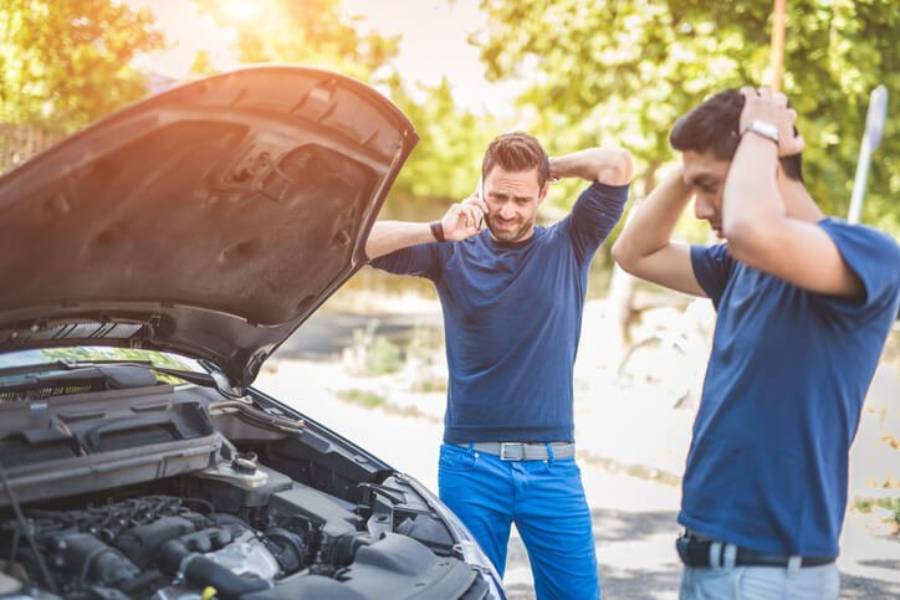
Can You Drive a Car With a Blown Head Gasket?
A car with a blown head gasket can still run and move, but it should not be driven because continued operation can cause serious engine damage. The engine may start normally, idle smoothly, and maintain enough power to move the vehicle even when the head gasket has partially failed. However, the ability to drive does not indicate that the engine is operating safely.
The head gasket seals the connection between the cylinder head and engine block. It keeps combustion pressure inside the cylinders while separating the engine’s coolant and oil passages. When the gasket fails, combustion gases can enter the cooling system, coolant can leak into the cylinders, or engine oil and coolant can mix. The consequences depend on the location and severity of the damaged seal.
A minor head gasket leak may initially cause gradual coolant loss or occasional engine misfires without noticeable overheating. A more severe failure can rapidly increase cooling system pressure, disrupt coolant circulation, and cause the engine temperature to rise. Coolant entering a combustion chamber can also interfere with combustion, resulting in rough idling, reduced power, and persistent white exhaust smoke.
Driving with a blown head gasket is risky even when the vehicle appears to operate normally. Engine temperature, coolant pressure, and combustion conditions change during acceleration, idling, and sustained driving. These changes can worsen an existing leak and increase the likelihood of overheating or internal engine damage.
The safest option is to stop operating the vehicle and have it transported to a qualified repair facility. A mechanic can determine the extent of the head gasket failure and check whether the cylinder head, engine block, or internal components have sustained additional damage.
How Long Can You Drive With a Blown Head Gasket?
There is no guaranteed safe distance or driving time with a blown head gasket. A vehicle might continue operating for several miles with a small leak, while another may overheat or lose power shortly after the failure develops. Neither situation establishes a reliable mileage limit because head gasket damage affects engines differently.
Four factors primarily determine how quickly continued driving can damage the engine: the severity of the gasket leak, the rate of coolant loss, the engine’s operating temperature, and the load placed on the engine.
The severity of the leak determines how rapidly combustion gases, coolant, or oil escape their intended passages. A small leak may produce intermittent symptoms, while a larger opening can cause substantial coolant loss or compression problems. As coolant levels decrease, the cooling system becomes less effective at transferring heat away from the engine. This increases the risk of overheating and cylinder head distortion.
Engine load also influences the progression of damage. Highway driving generally requires sustained engine output, while steep inclines, heavy acceleration, and towing place additional demands on the engine. These conditions increase heat production and can worsen problems caused by a compromised head gasket. Stop-and-go traffic creates different risks because reduced airflow through the radiator places greater demands on the cooling fan.
Driving five miles with a blown head gasket is not necessarily safer than driving 20 miles. A severely damaged gasket can cause overheating within a short distance, especially when coolant loss is substantial. Conversely, an engine with a smaller leak may continue running without an immediate temperature warning. Neither outcome makes continued driving safe.
Highway driving introduces an additional concern because drivers may have limited opportunities to stop when engine temperature rises or performance deteriorates. Continuing at highway speeds can expose an already compromised engine to sustained heat and combustion pressure.
The recommended driving distance after identifying a blown head gasket is zero miles whenever safe recovery is available. If the problem becomes apparent while the vehicle is moving, drive only as far as necessary to reach a safe stopping location, shut off the engine, and arrange towing. Avoid restarting the engine until the underlying problem has been assessed.
What Happens if You Keep Driving With a Blown Head Gasket?
Continuing to drive with a blown head gasket can cause engine overheating, cylinder head warping, lubrication failure, and permanent internal engine damage. These problems develop when the damaged gasket allows combustion gases, coolant, or engine oil to escape their designated passages. The longer the engine operates under these conditions, the greater the risk of additional mechanical failure.
A blown head gasket disrupts three essential engine functions: maintaining combustion pressure, regulating operating temperature, and separating coolant from engine oil. When these functions deteriorate, damage can extend beyond the gasket itself to the cylinder head, pistons, bearings, and engine block.
Can a Blown Head Gasket Cause Engine Overheating?
A blown head gasket can cause engine overheating by allowing combustion gases to enter the cooling system or coolant to escape into the combustion chambers. Both failures interfere with the cooling system’s ability to regulate engine temperature.
When combustion gases leak into the cooling passages, they can create gas pockets and abnormal pressure within the cooling system. These conditions may force coolant into the overflow reservoir or out through the pressure relief system, reducing the amount of coolant available to absorb engine heat. As coolant levels decrease, engine temperatures can rise rapidly, particularly during acceleration or sustained driving.
Coolant can also leak directly into a combustion chamber through the damaged gasket. The engine burns or expels this coolant during operation, sometimes producing persistent white exhaust vapor. Continuous coolant loss reduces cooling efficiency even when there are no visible puddles beneath the vehicle.
Excessive heat can cause the aluminum cylinder head to expand unevenly and distort its sealing surface. This distortion may enlarge the existing gasket leak, allowing additional combustion gases or coolant to escape. The resulting cycle of coolant loss, overheating, and sealing deterioration can turn an isolated gasket failure into a more extensive engine repair.
Can a Blown Head Gasket Destroy an Engine?
A blown head gasket can destroy an engine when continued operation causes severe overheating, bearing damage, or liquid accumulation inside a cylinder. These failures can make head gasket replacement alone insufficient to restore the engine.
One major risk is coolant contamination of engine oil. When coolant enters the lubrication system, it can compromise the oil’s protective properties and contribute to corrosion, sludge formation, and accelerated bearing wear. Crankshaft and connecting rod bearings depend on a continuous lubricating oil film to prevent direct metal-to-metal contact. Loss of effective lubrication can result in excessive friction, bearing failure, and potentially a seized engine.
Severe overheating creates another path to permanent damage. High temperatures can warp or crack the cylinder head, damage piston rings, and distort critical engine components. In extreme cases, the engine block or cylinder bores may sustain damage that requires extensive machining or complete engine replacement.
Hydrolock is another serious consequence of certain head gasket failures. This occurs when enough coolant enters a cylinder to prevent the piston from completing its compression stroke. Because liquid cannot be compressed like the normal air-fuel mixture, attempting to start or operate the engine can bend a connecting rod or damage other internal components.
Not every blown head gasket causes these failures. The outcome depends on the leak location, its severity, and whether the engine continues operating after symptoms appear. Stopping the engine before overheating or lubrication damage develops provides the best opportunity to limit repairs to the gasket and associated components.
Is It Safe to Drive With a Blown Head Gasket if the Engine Is Not Overheating?
It is not safe to continue driving with a blown head gasket simply because the engine is not overheating. A normal temperature gauge does not confirm that the gasket is maintaining proper combustion pressure or preventing internal fluid leaks.
Head gasket failures do not always affect the cooling system immediately. A leak between two adjacent cylinders, for example, can reduce compression and cause engine misfires without producing substantial coolant loss. A leak between an oil passage and a coolant passage may cause fluid contamination before the engine develops noticeable temperature problems.
Small or intermittent coolant leaks can also remain difficult to detect during normal driving. A vehicle may maintain an apparently stable temperature while coolant slowly enters a combustion chamber or escapes through a damaged sealing surface. As the leak progresses, the cooling system may eventually lose enough coolant to cause sudden overheating.
Temperature gauges have additional limitations. Many dashboard gauges display a simplified temperature range rather than precise, continuously changing coolant temperatures. A gauge may therefore remain near its normal position despite changes in engine temperature. If coolant falls below the temperature sensor, the reading may also fail to represent the hottest areas of the engine accurately.
For example, a vehicle with a minor combustion-to-coolant leak may idle normally and maintain its usual dashboard temperature. During highway acceleration, increased cylinder pressure can force more combustion gases into the cooling system, displace coolant, and cause the engine temperature to rise. The absence of overheating during earlier operation does not eliminate this risk.
A confirmed blown head gasket requires mechanical assessment regardless of the temperature gauge reading. Drivers should avoid unnecessary engine operation and arrange towing to a repair facility. A qualified mechanic can inspect the cooling system, test cylinder compression, and determine whether the failure has already affected other engine components.
What Should You Do if Your Head Gasket Blows While Driving?
Pull over safely, turn off the engine, and arrange towing if you suspect your head gasket has blown while driving. Continuing to operate the vehicle can worsen coolant loss, increase engine temperature, and cause permanent damage to internal engine components. The immediate priority is to stop in a safe location without exposing yourself or other road users to unnecessary danger.
A blown head gasket may produce several warning signs while driving, including a rising temperature gauge, persistent white exhaust smoke, sudden engine misfires, reduced power, or steam coming from beneath the hood. These symptoms do not independently confirm head gasket failure, but they indicate mechanical problems that require immediate attention.
If the engine temperature warning light activates or the vehicle begins losing power, reduce acceleration and move toward a safe stopping area. Activate the hazard lights when appropriate and avoid abrupt braking or unsafe lane changes. On a highway, use the nearest safe shoulder or exit if the vehicle can reach it without creating additional danger. If the vehicle cannot be stopped safely, prioritize reaching a secure location rather than stopping in an active traffic lane.
Once the vehicle is safely parked, switch off the engine to prevent additional heat generation. Avoid restarting it to check whether the problem has disappeared. Repeated operation can worsen an existing gasket leak, particularly when coolant levels are low or combustion gases are entering the cooling system.
Do not remove the radiator cap or pressurized coolant reservoir cap while the engine is hot. Engine coolant operates under pressure and can exceed its normal atmospheric boiling point. Opening the cooling system before it has cooled can release boiling coolant or steam, causing severe burns. Wait until the engine has cooled completely before allowing the cooling system to be inspected.
Do not attempt to continue driving simply because the temperature gauge returns to normal after the engine has been switched off. Cooling down temporarily does not repair the damaged gasket or restore the seal between the cylinder head and engine block. The same leakage conditions can return when combustion pressure and operating temperature increase.
Arrange a tow truck to transport the vehicle to a qualified mechanic instead of attempting to drive it to a repair shop. Towing prevents additional engine operation and reduces the risk of turning a head gasket replacement into a major engine repair.
At the repair facility, a mechanic can inspect coolant levels, check for combustion gases in the cooling system, and perform compression or leak-down testing when appropriate. These procedures help confirm whether the head gasket has failed and determine whether overheating has damaged the cylinder head or other engine components.
If the vehicle stops in a dangerous location, follow local roadside safety guidance and contact emergency or roadside assistance services. Personal safety takes priority over preventing mechanical damage. Once the vehicle is secured, professional diagnosis is the most reliable way to determine the appropriate repair.
What Are the Signs of a Blown Head Gasket?
The main signs of a blown head gasket include engine overheating, unexplained coolant loss, persistent white exhaust smoke, engine misfires, and milky engine oil. These symptoms occur when the damaged gasket allows combustion gases, coolant, or engine oil to leak between passages that should remain sealed. The symptoms depend on the location and severity of the gasket failure, and not every vehicle develops all five warning signs.
Engine overheating is one of the most serious symptoms because a damaged head gasket can disrupt the cooling system. Combustion gases entering the coolant passages may create excessive pressure, displace coolant, and reduce cooling efficiency. As the engine loses its ability to regulate temperature, the dashboard temperature gauge may rise above its normal operating range. Repeated overheating can also warp the cylinder head and worsen the existing gasket failure.
Unexplained coolant loss is another important warning sign. Coolant can escape into a combustion chamber, enter the engine oil, or leak externally through a damaged gasket. A driver may notice that the coolant reservoir requires frequent refilling even though there are no visible puddles beneath the vehicle. Coolant loss without an obvious external leak warrants further investigation, although other cooling system faults can produce similar symptoms.
Persistent white exhaust smoke can indicate that coolant is entering the combustion chamber and being vaporized during engine operation. The exhaust may also have a sweet smell associated with certain coolant formulations. However, thin white vapor immediately after a cold start can result from normal condensation, particularly in cool or humid weather. Coolant-related exhaust vapor is more concerning when it continues after the engine reaches operating temperature and is accompanied by coolant loss.
Engine misfires and rough idling can occur when a head gasket leak reduces cylinder compression or allows coolant to interfere with combustion. A vehicle may hesitate during acceleration, experience reduced engine power, or trigger the check engine light. These symptoms are not exclusive to head gasket failure because faulty spark plugs, ignition coils, and fuel injectors can also cause misfires.
Milky or creamy engine oil is another possible indicator of internal coolant contamination. When coolant mixes with engine oil, the resulting emulsion may appear light brown or milky on the dipstick or beneath the oil filler cap. However, moisture condensation can also produce a creamy residue under the oil cap, especially in vehicles frequently driven over short distances. A blown head gasket can also occur without any visible oil contamination.
No single symptom conclusively proves that a head gasket has failed. A combination of coolant loss, overheating, persistent white exhaust vapor, and abnormal engine operation provides stronger grounds for suspicion. Mechanical testing is necessary to distinguish head gasket failure from problems involving the radiator, thermostat, water pump, ignition system, or other engine components.
How Can You Confirm a Blown Head Gasket?
A blown head gasket can be confirmed through a combination of combustion leak testing, cylinder compression testing, leak-down testing, and cooling system inspection. These diagnostic procedures help identify abnormal leakage between the combustion chambers, coolant passages, and engine oil system. The appropriate tests depend on the vehicle’s symptoms and the suspected location of the gasket failure.
A mechanic typically begins by checking coolant levels, inspecting the engine oil, examining the cooling system for external leaks, and reviewing engine fault codes. These preliminary checks help identify possible causes before more specialized tests are performed. A cooling system pressure test can also reveal coolant leakage, although additional inspection may be required to determine whether the leak originates from the head gasket.
Can a Combustion Leak Test Detect a Blown Head Gasket?
A combustion leak test can detect certain blown head gasket failures by identifying combustion gases entering the engine’s cooling system. This test is particularly useful when a damaged gasket allows gases from a cylinder to escape into adjacent coolant passages.
A common method uses a chemical block tester containing a fluid that changes color when exposed to sufficient carbon dioxide from combustion gases. The mechanic draws vapor from the radiator neck or coolant reservoir through the testing device, following the manufacturer’s procedure and appropriate cooling system safety precautions.
A positive result indicates combustion gas contamination in the cooling system and strongly suggests an internal sealing problem. Possible causes include a failed head gasket, a cracked cylinder head, or a damaged engine block. The test does not independently identify which component has failed.
A negative result also does not completely rule out a blown head gasket. Small or intermittent leaks may not release enough combustion gas into the coolant during testing, while failures between oil passages or adjacent cylinders may not produce detectable gases in the cooling system.
Can a Compression Test Detect a Blown Head Gasket?
A compression test can help detect a blown head gasket by identifying cylinders that cannot maintain normal compression pressure. The test measures the pressure generated inside each cylinder during engine cranking and helps determine whether the combustion chamber is properly sealed.
During the procedure, a mechanic uses a compression gauge or electronic testing equipment to measure cylinder pressure according to the vehicle manufacturer’s specifications. The readings are compared with the recommended pressure range and the results from other cylinders.
A head gasket failure between two adjacent cylinders can produce unusually low compression readings in both cylinders. This occurs because combustion pressure escapes through the damaged sealing area rather than remaining contained within each combustion chamber.
However, low compression can also result from worn piston rings, damaged valves, or other internal engine problems. A compression test alone cannot reliably distinguish every cause of pressure loss. Additionally, a head gasket leak affecting only a coolant or oil passage may not significantly reduce cylinder compression.
A cylinder leak-down test provides additional diagnostic information by introducing compressed air into a cylinder and measuring how much pressure escapes. Air bubbles appearing in the cooling system during the test can indicate leakage between the combustion chamber and coolant passages. Air escaping through the intake, exhaust, or crankcase may point toward other mechanical problems.
The most reliable diagnosis combines test results with the vehicle’s symptoms and mechanical condition. If testing indicates internal leakage, a mechanic may recommend further inspection or cylinder head removal to determine whether the gasket, cylinder head, or engine block requires repair. Confirming the cause before disassembly helps avoid unnecessary repairs and provides a clearer estimate of the work required.
Read more: Is the Hyundai Palisade a Good Car? Pros & Cons
How Much Does It Cost to Repair a Blown Head Gasket?
Repairing a blown head gasket typically costs $1,000 to $3,000 or more in the United States, depending on the vehicle, engine design, labor rates, and extent of engine damage. The gasket itself is relatively inexpensive, but replacing it requires extensive engine disassembly. Repair costs increase when overheating damages the cylinder head, engine block, or other internal components.
Labor accounts for a substantial portion of the total repair bill. Replacing a head gasket generally requires removing the cylinder head, which may involve disconnecting the intake and exhaust manifolds, timing components, cooling system connections, and other engine accessories. The exact procedure depends on the engine configuration and the amount of access available inside the engine compartment.
Engine design directly affects repair complexity. An inline four-cylinder engine with a single cylinder head generally requires less disassembly than a V6 or V8 engine with two cylinder heads. Vehicles with tightly packaged engine compartments or complex timing systems can require additional labor hours, increasing the overall cost.
Cylinder head condition is another important cost factor. Severe overheating can distort the cylinder head’s sealing surface, preventing a replacement gasket from sealing correctly. A repair shop may need to measure the cylinder head for flatness, inspect it for cracks, and perform resurfacing when permitted by the manufacturer’s specifications. Cylinder head replacement may be necessary when distortion or structural damage exceeds repair limits.
Additional repairs can further increase expenses. For example, a vehicle that overheated because of a failed water pump or thermostat may require those components to be replaced alongside the head gasket. Damaged head bolts, timing components, coolant hoses, and contaminated engine oil can also add to the repair bill. Replacing the gasket without correcting the original cause of overheating increases the risk of another failure.
The final repair cost should be based on a written estimate following mechanical diagnosis. The estimate should identify labor charges, replacement parts, cylinder head inspection, necessary machining, and any additional engine repairs. Comparing estimates from qualified repair facilities helps vehicle owners understand whether the proposed work is reasonable for their specific engine.
Is It Better to Replace a Blown Head Gasket or the Engine?
Replacing the head gasket is generally the better option when the engine’s internal components remain in good condition, while engine replacement becomes more practical when overheating or lubrication failure has caused extensive damage. The decision depends on the engine’s mechanical condition, total repair cost, vehicle value, and expected reliability after repairs.
Head gasket replacement is appropriate when the failure is limited to the gasket and the cylinder head and engine block remain structurally sound. A mechanic can remove the cylinder head, inspect the sealing surfaces, replace the damaged gasket, and reassemble the engine using the manufacturer’s required procedures. Cylinder head resurfacing may also be performed when necessary and within the manufacturer’s machining limits.
For example, an engine that develops a small combustion-to-coolant leak but is shut down before severe overheating may require only gasket replacement and related repairs. If the cylinder head passes inspection and the engine maintains acceptable compression and oil pressure, replacing the gasket can restore normal operation without replacing the entire engine.
Engine replacement becomes a stronger consideration when the failure has caused major internal damage. A cracked engine block, severely warped cylinder head, damaged crankshaft bearings, or seized engine can make rebuilding expensive or technically impractical. In these situations, installing a replacement engine may cost less than repairing every damaged component individually.
The vehicle’s age, mileage, and market value also influence the decision. Spending several thousand dollars on a high-mileage vehicle with additional mechanical problems may not be financially reasonable. Conversely, repairing a well-maintained vehicle with a sound engine, reliable transmission, and good overall condition may provide better long-term value than purchasing another vehicle.
A replacement engine is not automatically the more reliable option. Used engines may have unknown maintenance histories, while remanufactured engines generally cost more but may include rebuilt internal components and warranty coverage. Installation labor, replacement accessories, and the terms of the engine warranty should be included when comparing costs.
Choose head gasket replacement when inspection confirms that the engine remains mechanically serviceable and the repair cost is justified. Consider engine replacement when internal damage is extensive or the total cost of rebuilding approaches or exceeds the cost of installing a suitable replacement engine. A complete diagnostic assessment and written estimates for both options provide the strongest basis for making the decision.