Chevy Cruze head gasket replacement typically costs $1,500 to $3,000, including parts and labor, although the final price depends on the model year, engine type, labor rates, and extent of engine damage. Costs can exceed $3,000 if overheating has warped or cracked the cylinder head, requiring additional machining or replacement. These figures are preliminary estimates rather than verified national pricing averages.
Labor accounts for a substantial portion of the replacement cost because the mechanic must remove the cylinder head, inspect the sealing surfaces, install a new gasket, and reassemble the engine. The 1.4L turbocharged and 1.8L naturally aspirated Chevy Cruze engines have different components and service requirements, which can affect repair complexity and pricing. Additional expenses may include head bolts, coolant, engine oil, and cylinder head resurfacing.
Replacing a Chevy Cruze head gasket is worth considering when the engine remains in good condition and the total repair cost is reasonable compared with the vehicle’s value. However, severe overheating damage can make engine replacement a more practical option. This guide breaks down Chevy Cruze head gasket replacement costs, explains the factors that increase repair bills, and compares repair options to help owners make an informed financial decision.
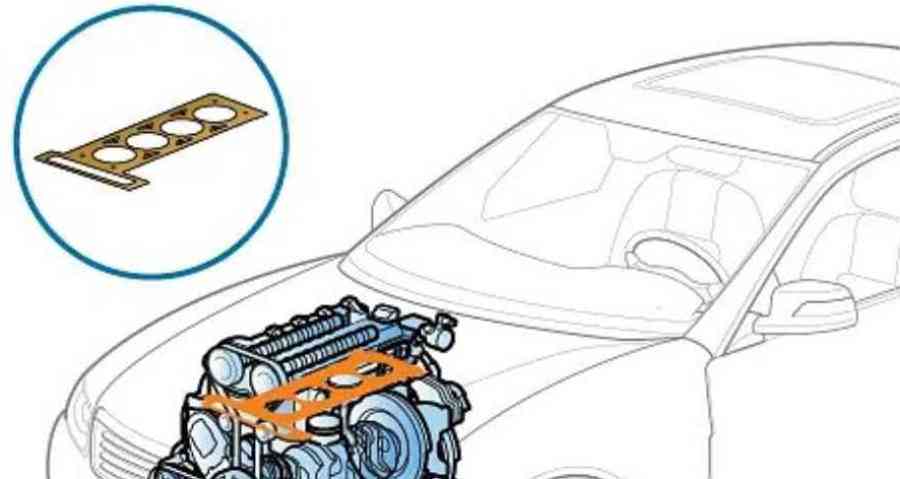
How Much Does a Chevy Cruze Head Gasket Replacement Cost?
A Chevy Cruze head gasket replacement typically costs $1,500 to $3,000 for parts and labor, based on a preliminary US repair budget rather than a verified nationwide average. The final bill depends on the engine configuration, mechanic’s hourly rate, and condition of the cylinder head. Repairs involving a warped cylinder head, damaged valves, or additional cooling system components can exceed $3,000.
The replacement head gasket itself is relatively inexpensive compared with the complete repair. Most of the expense comes from removing engine components, separating the cylinder head from the engine block, inspecting the sealing surfaces, and reassembling the engine according to manufacturer specifications. Mechanics must also replace required seals and fasteners, refill fluids, and verify that the cooling system operates correctly.
The following table provides an illustrative cost breakdown for budgeting. These amounts are not confirmed quotes for a specific Chevy Cruze model year or engine.
| Cost Component | Estimated Cost |
|---|---|
| Head gasket and related parts | $150–$400 |
| Labor | $1,000–$2,200 |
| Coolant, oil, and miscellaneous supplies | $100–$200 |
| Illustrative combined cost | $1,250–$2,800 |
The combined figures represent the sum of the listed budget components. They are not a separate market-price estimate and exclude cylinder head machining, major engine damage, taxes, and other conditional repairs.
Labor is generally the largest expense in a Chevy Cruze head gasket replacement. For example, a repair requiring 12 labor hours at $130 per hour produces a labor charge of $1,560 before parts and additional services. The actual billed hours must be established using the repair procedure for the vehicle’s specific engine.
Independent repair shops and Chevrolet dealerships may charge different hourly rates for the same procedure. Dealerships generally use manufacturer-specific service information and parts, while independent shops may offer alternative parts and pricing. Comparing itemized estimates from both types of facilities helps identify differences in labor charges, included components, and warranty coverage.
A complete estimate should specify the head gasket set, replacement head bolts where required, labor charges, fluids, and any cylinder head inspection or machining services. A low initial quote does not necessarily mean a lower final repair cost if essential parts or services are excluded.
How Does Chevy Cruze Head Gasket Replacement Cost Vary by Model Year and Engine?
Chevy Cruze head gasket replacement costs vary by model year and engine configuration because the 1.4L turbocharged and 1.8L naturally aspirated engines require different components and disassembly procedures. The 1.4L turbo engine has additional turbocharger-related components, while the 1.8L engine uses a simpler naturally aspirated configuration. However, engine layout alone does not establish which repair will cost more.
In the United States, first-generation Chevrolet Cruze models were offered with 1.4L turbocharged and 1.8L naturally aspirated gasoline engines. The redesigned second-generation Cruze primarily used a 1.4L turbocharged gasoline engine, with a 1.6L turbodiesel also available in certain model years. These engine families have different cylinder head designs, gasket specifications, and service procedures.
The following table identifies the main engine configurations and their repair cost considerations.
| Chevy Cruze Model | Engine | Main Cost Considerations |
|---|---|---|
| 2011–2015 Cruze | 1.4L Turbo | Turbocharger-related components, cylinder head access, labor |
| 2011–2015 Cruze | 1.8L | Cylinder head removal, timing components, labor |
| 2016 Cruze Limited | 1.4L Turbo or 1.8L | First-generation engine-specific repair procedures |
| 2016–2019 Cruze (second generation) | 1.4L Turbo | Revised engine design, compatible parts, labor |
| Selected US model years | 1.6L Turbodiesel | Diesel-specific components and service requirements |
Model-year ranges are general fitment references. The exact engine and repair procedure should be confirmed using the vehicle identification number (VIN).
How Much Does Head Gasket Replacement Cost on a Chevy Cruze 1.4L Turbo?
A Chevy Cruze 1.4L turbo head gasket replacement can be budgeted at approximately $1,500 to $3,000, using the article’s preliminary overall repair range. This is not a verified engine-specific price quotation. The final estimate depends on whether the vehicle has the first-generation or second-generation 1.4L turbo engine, local labor rates, and additional damage discovered during inspection.
The first-generation 1.4L turbo engine requires technicians to work around turbocharger-related hardware and associated cooling connections during cylinder head service. The repair also involves the engine’s timing system, cylinder head fasteners, and sealing surfaces. These operations contribute to labor charges beyond the price of the replacement gasket.
For example, a 2014 Chevy Cruze 1.4L turbo with confirmed head gasket failure may require replacement of the gasket set, cylinder head bolts, coolant, and engine oil. If the cylinder head remains within manufacturer specifications, the mechanic may complete the repair without major machining. A warped or cracked cylinder head increases the repair scope and total expense.
The 2016–2019 second-generation 1.4L turbo engine should not be priced using first-generation parts or labor assumptions. Its revised engine design requires a separate parts lookup and engine-specific repair estimate.
How Much Does Head Gasket Replacement Cost on a Chevy Cruze 1.8L Engine?
A Chevy Cruze 1.8L head gasket replacement falls within the same preliminary $1,500 to $3,000 overall budgeting range, but an accurate 1.8L-specific average has not been established. The naturally aspirated engine eliminates turbocharger-related disassembly, although cylinder head removal, timing system work, and engine reassembly still require substantial labor.
The 1.8L engine uses different cylinder head components and timing arrangements from the first-generation 1.4L turbo. Mechanics must follow the correct timing procedures, inspect the cylinder head and engine block surfaces, and install replacement fasteners according to the applicable service specifications. Incorrect timing or improper head bolt installation can cause additional engine damage.
For example, a 2013 Chevy Cruze 1.8L with a failed head gasket but no cylinder head distortion may need only the required gasket components, fasteners, fluids, and labor. If repeated overheating has damaged the cylinder head, machining or replacement adds to the repair bill regardless of the engine’s naturally aspirated design.
The 1.8L engine is not automatically cheaper to repair than the 1.4L turbo. The difference depends on actual labor hours, parts availability, cylinder head condition, and the shop’s pricing. Owners should request estimates using the exact model year, engine identification, and confirmed repair requirements rather than relying on a single Cruze-wide price.
What Additional Costs Can Increase a Chevy Cruze Head Gasket Repair Bill?
Cylinder head resurfacing, cylinder head replacement, cooling system repairs, and additional engine components can increase a Chevy Cruze head gasket replacement bill by several hundred dollars or more. These expenses arise when overheating damages surrounding components or when inspection reveals problems beyond the failed gasket. The final amount depends on the condition of the engine and the repairs required to restore a reliable seal.
Cylinder head resurfacing is one potential additional expense. Excessive engine temperatures can distort the cylinder head, preventing the new gasket from sealing properly against the engine block. A machine shop must measure the cylinder head for flatness and inspect its sealing surface before determining whether machining is necessary. Resurfacing may add approximately $150–$400 as a preliminary budgeting allowance, although actual charges depend on the cylinder head material, machining requirements, and local shop rates. Resurfacing is appropriate only when the cylinder head remains within the manufacturer’s dimensional and surface-finish specifications.
A cracked or severely warped cylinder head creates a more expensive repair. Cylinder head replacement can add $500–$1,500 or more in parts costs alone, depending on engine configuration, component availability, and whether the replacement is new, remanufactured, or used. Additional labor or machine shop services may also be necessary. For example, a Chevy Cruze that has repeatedly overheated may require a replacement cylinder head instead of resurfacing if inspection identifies cracks or distortion beyond service limits.
Other replacement components can increase the total repair cost. Cylinder head bolts may require replacement because certain engines use torque-to-yield fasteners that cannot be safely reused. Mechanics may also need valve cover gaskets, intake and exhaust seals, timing-related components, engine oil, and coolant. Some of these items should already be included in a complete head gasket replacement estimate, so owners should check the original quote before treating them as additional charges.
Cooling system problems are another source of repair expenses. A leaking water pump, faulty thermostat, damaged radiator, or defective cooling hose can cause coolant loss and engine overheating. Replacing the head gasket without correcting the original cooling system failure increases the risk of another overheating event. For example, a Chevy Cruze with a leaking water pump may require both head gasket service and water pump replacement to restore reliable engine operation.
The following table summarizes illustrative additional repair allowances. These are planning estimates, not verified Chevy Cruze-specific market averages.
| Additional Repair | Estimated Extra Cost |
|---|---|
| Cylinder head resurfacing | $150–$400 |
| Cylinder head replacement (part only) | $500–$1,500+ |
| Additional gaskets and seals | $50–$200 |
| Cooling system component repairs | $150–$600+ |
| Additional diagnostic testing | $100–$250 |
These charges should not automatically be added together. Some are alternatives, such as resurfacing versus cylinder head replacement, while others may already be included in the original repair quote.
The most effective way to control additional head gasket repair costs is to request an itemized estimate after the cylinder head has been inspected. The estimate should distinguish required repairs from optional preventive maintenance and identify any additional labor, parts, or machine shop charges. This allows Chevy Cruze owners to understand the complete repair scope before authorizing further work.
How Long Does It Take to Replace a Head Gasket on a Chevy Cruze?
Replacing a Chevy Cruze head gasket generally requires approximately 10–16 hours of mechanical work, although this is a preliminary planning estimate rather than a verified manufacturer labor allowance. The actual repair time depends on the engine configuration, accessibility of components, cylinder head condition, and whether additional repairs are necessary. A straightforward replacement may take two working days, while repairs involving machine shop services or replacement components can keep the vehicle at the shop for several days.
The repair begins with draining the coolant and removing components that obstruct access to the cylinder head. Depending on the engine, these may include intake and exhaust components, turbocharger-related connections, valve cover components, and timing system parts. The mechanic then removes the cylinder head, cleans the mating surfaces, and checks for warping, cracks, or other damage. These procedures require careful disassembly because incorrect handling of timing components or cylinder head fasteners can cause further engine problems.
Cylinder head inspection can extend the repair timeline. If the head requires resurfacing, it may need to be sent to a machine shop for measurement and machining. This process can add one or more business days, depending on shop availability and the condition of the component. A cracked cylinder head may require sourcing a replacement, creating additional delays if the correct part is not immediately available.
After inspection, the mechanic installs the replacement head gasket, positions the cylinder head, and tightens the fasteners according to the engine-specific torque and angle specifications. The remaining components are reassembled, the cooling system is refilled and bled, and the engine is tested for coolant leaks, abnormal temperatures, and proper operation. These final checks are necessary to verify that the repair has corrected the original problem.
Labor hours and total shop turnaround time are not the same. For example, a repair billed at 12 labor hours may take three calendar days because of parts delivery, machining, or workshop scheduling. Chevy Cruze owners should ask the repair shop for both the estimated labor hours and the expected completion date before approving the work.
Is It Worth Replacing the Head Gasket on a Chevy Cruze?
Replacing a Chevy Cruze head gasket is worth considering when the engine has no major internal damage and the total repair cost is reasonable compared with the vehicle’s market value and remaining service life. A repair budget of $1,500–$3,000 represents a substantial expense for an older Cruze, particularly one with high mileage or additional mechanical problems. The decision should account for engine condition, repair warranty, vehicle reliability, and the cost of purchasing a replacement vehicle.
A head gasket replacement restores the seal between the cylinder head and engine block, but it does not repair unrelated engine wear. A Chevy Cruze with a healthy cooling system, good compression, and no evidence of severe overheating damage is a stronger repair candidate than one with a cracked cylinder head, damaged bearings, or persistent oil consumption. A complete mechanical inspection helps determine whether the replacement will address the primary problem or leave other expensive repairs unresolved.
Vehicle value also affects the decision. For example, a Chevy Cruze worth $5,000 with a confirmed $1,800 head gasket repair estimate may justify the expense if the transmission, suspension, and other major systems remain in good condition. Conversely, spending $3,000 on a vehicle worth $2,500 requires closer evaluation, especially when additional repairs are expected. These figures illustrate repair economics rather than current market valuations for a specific Cruze model.
When Is Chevy Cruze Head Gasket Replacement Worth the Cost?
Chevy Cruze head gasket replacement is generally more financially reasonable when the repair can restore dependable operation without requiring major additional engine work. The strongest candidates have a confirmed head gasket failure, an undamaged engine block, a serviceable cylinder head, and no significant pre-existing mechanical problems.
Mileage provides useful context but does not independently determine whether the repair is worthwhile. A Cruze with 150,000 miles and documented maintenance may have a better repair outlook than a poorly maintained vehicle with 90,000 miles. Cooling system condition, oil consumption, transmission performance, and previous overheating incidents provide more meaningful evidence of remaining service life.
For example, replacing the head gasket on a well-maintained 2017 Chevy Cruze may be economically reasonable when the engine passes mechanical inspections and the repair estimate is substantially below the cost of obtaining a comparable replacement vehicle. The same repair may be difficult to justify on an older Cruze that also needs transmission work, suspension repairs, and extensive cooling system service.
The repair shop’s warranty should also influence the decision. Owners should confirm whether the warranty covers replacement parts, labor, and failures associated with the completed repair. A warranty does not eliminate the possibility of unrelated engine problems, but it provides defined protection against covered repair defects.
Is Replacing the Engine Cheaper Than Repairing the Head Gasket?
Replacing the engine can be more economical than repairing the head gasket when overheating has caused extensive cylinder head or internal engine damage. However, a complete engine replacement generally costs more than a straightforward gasket repair because it includes the replacement engine, installation labor, fluids, and associated components.
A used Chevy Cruze engine may cost less than a remanufactured engine, but its condition, mileage, compatibility, and warranty must be evaluated. A remanufactured engine typically carries a higher purchase price because it has undergone rebuilding and inspection procedures. Installation costs also vary according to engine configuration and the components transferred from the original engine.
The following comparison illustrates the financial factors involved in each repair option.
| Repair Option | Main Expenses | Most Suitable Situation |
|---|---|---|
| Head gasket replacement | Gasket set, labor, fluids, inspection | Cylinder head and engine block remain serviceable |
| Head gasket repair with cylinder head replacement | Replacement head, gaskets, labor, fluids | Cylinder head is damaged but the engine block and lower engine remain sound |
| Used engine replacement | Used engine, installation labor, fluids | Extensive engine damage with a compatible used engine available |
| Remanufactured engine replacement | Remanufactured engine, installation labor, related components | Major engine damage when a rebuilt replacement is financially justified |
For example, if a Chevy Cruze requires $3,500 in head gasket and cylinder head repairs while a compatible used engine can be installed for $3,200 with acceptable condition and warranty coverage, engine replacement deserves consideration. However, the comparison must include the used engine’s mileage, installation requirements, warranty exclusions, and the possibility of additional repairs.
The best financial decision is based on the complete repair estimate rather than the price of the head gasket or replacement engine alone. Owners should request a written comparison covering parts, labor, warranty terms, and expected vehicle condition after the repair. If both options approach or exceed the cost of obtaining a comparable reliable vehicle, replacing the car may be the more practical long-term decision.
What Are the Symptoms of a Blown Head Gasket on a Chevy Cruze?
The 5 main symptoms of a blown head gasket on a Chevy Cruze are engine overheating, unexplained coolant loss, persistent white exhaust smoke, engine misfires, and coolant or oil contamination. These symptoms occur when the head gasket loses its ability to seal combustion chambers, coolant passages, and oil passages between the cylinder head and engine block. However, each symptom can also result from other engine or cooling system problems, so diagnostic testing is necessary before confirming head gasket failure.
Engine overheating is a major warning sign because a damaged head gasket can allow combustion gases to enter the cooling system or coolant to leak into the cylinders. Combustion gases can disrupt coolant circulation and increase cooling system pressure, causing engine temperatures to rise. However, Chevy Cruze overheating can also result from a malfunctioning thermostat, leaking water pump, damaged radiator, or coolant hose failure. Continuing to drive while the engine overheats increases the risk of cylinder head distortion and further engine damage.
Unexplained coolant loss can indicate an internal head gasket leak when the coolant level repeatedly drops without an identifiable external leak. Coolant may enter a combustion chamber and burn during engine operation, or escape through another damaged sealing area. For example, a Chevy Cruze that requires frequent coolant refills despite having no visible puddles may need a cooling system pressure test and combustion leak test. External leaks must also be investigated because cooling system components can produce similar symptoms.
Persistent white exhaust smoke can indicate coolant entering the combustion chamber through a damaged head gasket. When coolant is heated during combustion, it produces water vapor that may appear as thick white exhaust. Unlike normal condensation during a cold start, smoke associated with an internal coolant leak may continue after the engine reaches operating temperature. A sweet exhaust odor, declining coolant level, and rough engine operation provide additional reasons to investigate an internal coolant leak.
Engine misfires and rough idling can develop when coolant enters a cylinder or when head gasket damage reduces compression. Proper combustion requires adequate cylinder pressure and a consistent air-fuel mixture. A compromised gasket can interfere with these conditions, resulting in uneven engine operation, reduced power, or a flashing check engine light. Diagnostic trouble codes such as P0300 or cylinder-specific misfire codes may appear, although these codes do not independently confirm head gasket failure.
Coolant and engine oil contamination can occur when a damaged head gasket allows fluids to cross between passages. Coolant mixed with engine oil may create a milky or foamy appearance, while oil entering the cooling system may leave an oily residue in the coolant reservoir. Fluid contamination can reduce lubrication effectiveness and contribute to bearing damage. However, contaminated fluids can also result from other component failures, and a blown head gasket does not always cause visible mixing.
A Chevy Cruze showing multiple symptoms, particularly overheating combined with unexplained coolant loss and persistent white exhaust smoke, requires prompt inspection. Stop driving if the engine is overheating or the temperature warning appears, because continued operation can turn a repairable gasket failure into extensive engine damage. A mechanic should confirm the cause through appropriate testing before recommending cylinder head removal or replacement.
How Can You Confirm a Blown Head Gasket on a Chevy Cruze?
A blown head gasket on a Chevy Cruze can be confirmed through a combination of cooling system pressure testing, combustion gas testing, compression testing, and cylinder leak-down testing. These diagnostic procedures help determine whether coolant is escaping, combustion gases are entering the cooling system, or cylinder pressure is leaking through a damaged seal. No single test identifies every type of head gasket failure, so mechanics select tests based on the symptoms and initial inspection results.
A cooling system pressure test checks whether the cooling system can maintain its specified pressure without leaking. The mechanic attaches a pressure tester to the cooling system and pressurizes it according to the manufacturer’s specifications while the engine is off and cool. A pressure drop indicates a possible leak, but it does not establish whether the problem involves the head gasket, radiator, water pump, hoses, or another component. If no external leak is visible, further inspection may reveal coolant entering an engine cylinder. The test is particularly useful for a Chevy Cruze experiencing repeated coolant loss without an obvious external leak.
A combustion gas test, also called a block test, checks for combustion gases entering the cooling system. The technician uses a chemical testing device to sample gases from the coolant reservoir or an appropriate cooling system opening. A positive result supports the presence of a combustion-to-coolant leak, which may result from a damaged head gasket, cracked cylinder head, or engine block defect. A negative result does not completely rule out head gasket failure, especially when the leak occurs intermittently or under operating conditions that are not reproduced during testing.
A compression test measures the pressure generated inside each cylinder during engine cranking. The mechanic removes the spark plugs, connects a compression gauge, and records cylinder pressure using the correct testing procedure for the engine. A damaged head gasket may cause unusually low compression in one cylinder or two adjacent cylinders. For example, significantly reduced compression in neighboring cylinders can indicate a sealing failure between their combustion chambers. However, worn piston rings, damaged valves, and other internal engine problems can produce similar readings. Results must be compared with engine-specific service specifications.
A cylinder leak-down test provides additional information by introducing compressed air into a cylinder positioned at top dead center on its compression stroke. The technician measures the amount of escaping air and identifies where it travels. Air bubbles appearing in the coolant reservoir can indicate a leak between the combustion chamber and cooling system, while air escaping through the intake, exhaust, or crankcase suggests other sealing problems. This test is especially useful when compression readings are abnormal but the precise source of pressure loss remains uncertain.
The following table summarizes the primary diagnostic methods and their limitations.
| Diagnostic Test | What It Detects | Main Limitation |
|---|---|---|
| Cooling system pressure test | Coolant leaks and pressure loss | Does not independently identify a failed head gasket |
| Combustion gas test | Combustion gases in the cooling system | May miss intermittent leaks |
| Compression test | Reduced cylinder compression | Cannot independently distinguish gasket damage from valve or piston problems |
| Cylinder leak-down test | Cylinder sealing losses and possible leak paths | Requires correct engine positioning and interpretation |
Professional head gasket diagnosis may cost approximately $100–$250 as a preliminary budgeting allowance, although the actual charge depends on the number of tests performed, local labor rates, and shop diagnostic policies. Additional testing or engine disassembly can increase the total. Some repair shops charge a fixed diagnostic fee, while others bill according to the time required.
For example, a Chevy Cruze with overheating, unexplained coolant loss, and persistent white exhaust smoke may first undergo cooling system pressure testing and combustion gas testing. If the results remain inconclusive, compression and leak-down tests can help identify internal sealing problems before the mechanic recommends cylinder head removal.
Confirming head gasket failure before approving replacement helps prevent unnecessary repair expenses. Chevy Cruze cooling system problems can produce symptoms similar to a blown head gasket, making accurate diagnosis essential. A written diagnostic report should identify the tests performed, the findings, and the evidence supporting the recommended repair.
What Causes Head Gasket Failure in a Chevy Cruze?
The 4 main causes of head gasket failure in a Chevy Cruze are engine overheating, cooling system malfunctions, cylinder head distortion, and excessive combustion pressure. These conditions can damage the gasket or compromise the seal between the cylinder head and engine block, allowing coolant, engine oil, or combustion gases to leak between passages. Engine overheating is a particularly important factor because excessive temperatures can affect both gasket materials and cylinder head alignment.
Engine overheating can cause head gasket failure by exposing the cylinder head and gasket to temperatures beyond their intended operating conditions. As engine temperature rises, the aluminum cylinder head and engine block expand at different rates, placing additional stress on the gasket and its sealing surfaces. Repeated overheating cycles can weaken the seal and eventually allow combustion gases or coolant to escape. For example, a Chevy Cruze driven while its temperature warning is active may develop cylinder head distortion and gasket damage, particularly if the cooling system has lost substantial coolant.
Cooling system malfunctions contribute to head gasket failure by preventing the engine from maintaining its normal operating temperature. A leaking water pump, malfunctioning thermostat, damaged radiator, or deteriorated coolant hose can reduce coolant circulation or cause coolant loss. Certain Chevy Cruze engines also use plastic cooling system components that can develop leaks as they age. When coolant levels fall or circulation becomes inadequate, localized hot spots can develop around the combustion chambers. These temperature differences increase thermal stress on the cylinder head and gasket. Replacing the gasket without correcting the cooling system fault leaves the original cause of overheating unresolved.
Cylinder head distortion can prevent the head gasket from maintaining a reliable seal. The gasket is designed to fit between precisely machined surfaces, and excessive warping can create gaps that allow combustion pressure or coolant to escape. Aluminum cylinder heads are particularly sensitive to severe overheating because their dimensions change with temperature. For example, a Chevy Cruze that experiences repeated coolant loss and overheating may develop a warped cylinder head that requires inspection and possible resurfacing before a new gasket can be installed. A replacement gasket alone cannot correct a sealing surface that falls outside manufacturer specifications.
Excessive combustion pressure or improper gasket clamping can also contribute to sealing failure. The head gasket must withstand repeated combustion pressure while maintaining separation between the cylinders, coolant passages, and oil passages. Abnormal combustion conditions, incorrect cylinder head bolt tightening, damaged sealing surfaces, or improper installation can compromise this seal. For example, reusing fasteners that the manufacturer specifies as single-use or applying an incorrect tightening sequence can produce uneven clamping force and increase the risk of gasket leakage after repair.
Head gasket failure can also create a cycle of worsening engine damage. A leaking gasket may allow combustion gases to enter the cooling system, increasing pressure and interfering with coolant circulation. Reduced cooling efficiency then raises engine temperatures, placing additional stress on the already damaged gasket and cylinder head. Continued operation under these conditions can turn a localized sealing problem into a repair requiring cylinder head replacement or extensive engine work.
Preventing repeated head gasket failure requires identifying and correcting the underlying mechanical problem before completing the replacement. A mechanic should inspect the cooling system, verify cylinder head flatness, examine the sealing surfaces, and follow the correct engine-specific installation procedures. These checks help ensure that the replacement gasket operates under the conditions required for a reliable seal.
Read more: Chevy Colorado Thermostat Replacement: Step-by-Step Guide
Can You Replace a Chevy Cruze Head Gasket Yourself?
You can replace a Chevy Cruze head gasket yourself if you have advanced engine repair experience, the correct tools, and access to engine-specific service procedures. The repair requires removing the cylinder head, handling timing components, inspecting sealing surfaces, and reinstalling fasteners according to manufacturer specifications. Incorrect installation can cause coolant leaks, compression loss, valve damage, or complete engine failure, making this repair unsuitable for most inexperienced DIY mechanics.
A DIY Chevy Cruze head gasket replacement may require approximately $150–$400 for the gasket set and related replacement parts, excluding specialized tools, machine shop services, and additional damaged components. This is a preliminary parts budget rather than a verified model-specific price. Required materials may include a head gasket set, cylinder head bolts, intake and exhaust gaskets, engine oil, and coolant. The exact components depend on the model year and engine configuration. For example, a 2014 Chevy Cruze 1.4L turbo requires different engine-specific parts and procedures from a 2018 Cruze equipped with the second-generation 1.4L turbo engine.
The repair also requires tools beyond a basic socket set. A torque wrench, torque-angle gauge, appropriate timing tools, and equipment for measuring cylinder head flatness may be necessary. Mechanics must follow the correct cylinder head bolt tightening sequence and verify engine timing during reassembly. Cylinder head inspection or resurfacing may require professional machine shop equipment because the sealing surfaces must meet precise dimensional and surface-finish specifications.
DIY replacement can eliminate professional labor charges, but the savings depend on completing the repair correctly. For example, a professional repair estimate containing $1,500 in labor represents a potential labor saving for an experienced owner. However, purchasing specialty tools, paying for cylinder head machining, and correcting installation errors can reduce or eliminate that saving. A failed repair may require repeating the entire disassembly process and purchasing another gasket set.
Repair time is another consideration. A professional mechanic familiar with the engine may complete the mechanical work within the estimated labor allowance, while a DIY owner may need considerably longer to identify components, follow service procedures, and inspect the engine. The vehicle must also remain out of service throughout the repair. Additional delays can occur when damaged parts are discovered after the cylinder head has been removed.
Professional head gasket replacement is generally the safer option for owners without extensive engine repair experience. A qualified mechanic can evaluate cylinder head damage, follow manufacturer repair procedures, and provide defined warranty coverage for the completed work. DIY replacement is most appropriate for experienced mechanics who can verify engine timing, cylinder head condition, and proper gasket installation before returning the Chevy Cruze to service.
How Can You Reduce Chevy Cruze Head Gasket Replacement Costs?
You can reduce Chevy Cruze head gasket replacement costs by confirming the diagnosis, comparing itemized repair estimates, selecting appropriate replacement parts, checking warranty coverage, and correcting the original cause of engine overheating. These 5 measures help prevent unnecessary repairs, identify avoidable charges, and reduce the risk of paying for another head gasket replacement. The greatest savings come from establishing the correct repair scope before authorizing expensive engine disassembly.
Confirm the head gasket diagnosis before approving replacement. Chevy Cruze cooling system problems, including coolant leaks, thermostat malfunctions, and water pump failures, can produce symptoms similar to a blown head gasket. A mechanic should use appropriate diagnostic procedures, such as cooling system pressure testing, combustion gas testing, or cylinder leak-down testing, to identify the source of the problem. For example, replacing a leaking water pump may resolve coolant loss and overheating without requiring cylinder head removal if testing confirms that the head gasket remains intact.
Compare itemized estimates from at least 2–3 qualified repair shops. Request separate prices for replacement parts, labor, cylinder head inspection, machining, fluids, and additional repairs. This breakdown makes it easier to identify differences between estimates and determine whether essential services are included. For example, a $1,700 estimate that excludes cylinder head machining and replacement fasteners may ultimately cost more than a $2,000 quote that includes those services. Independent repair shops may offer competitive labor rates, but the technician’s experience with the specific Chevy Cruze engine should remain an important consideration.
Choose replacement parts based on compatibility and quality rather than price alone. OEM parts are designed to meet manufacturer specifications, while reputable aftermarket gasket sets may provide a suitable alternative at a different price. The correct gasket must match the vehicle’s engine configuration, cylinder head design, and applicable service requirements. For example, a gasket set intended for a first-generation 1.4L turbo engine should not be assumed compatible with the redesigned second-generation engine. Using incorrect or poor-quality components increases the risk of sealing problems and repeat labor expenses.
Check warranty coverage before paying for the repair. Owners should review any applicable vehicle warranty, extended service contract, or previous repair warranty to determine whether head gasket failure or related engine damage is covered. Coverage depends on the contract terms, vehicle eligibility, failure cause, and exclusions. When comparing repair shops, ask whether the quoted warranty covers both parts and labor, how long coverage lasts, and whether consequential damage is excluded. A clearly documented repair warranty provides financial protection against qualifying defects in the completed work.
Repair the underlying cooling system problem to prevent another head gasket failure. Replacing the gasket without correcting coolant leaks, thermostat problems, water pump failures, or other overheating causes leaves the engine vulnerable to repeated thermal damage. For example, a Chevy Cruze with a damaged coolant outlet may continue losing coolant after head gasket replacement unless the outlet is also repaired. Inspecting the cooling system and confirming stable operating temperatures after the repair helps protect the new gasket and reduces the likelihood of another expensive engine repair.
The lowest repair quote is not necessarily the most economical option. A complete repair that includes accurate diagnosis, compatible components, proper cylinder head inspection, and correction of overheating causes offers better long-term value than an incomplete repair with a lower initial price. Chevy Cruze owners should compare the full repair scope, warranty terms, and expected reliability before choosing a repair shop.