A power steering pump should be replaced when it can no longer generate the hydraulic pressure needed to provide consistent steering assistance. A failing pump can make the steering wheel harder to turn and may produce whining or groaning noises, especially while steering. However, these symptoms do not always confirm pump failure. Low power steering fluid, a leaking hose, a slipping drive belt, or a problem with the steering rack can produce similar symptoms.
Power steering pump replacement involves confirming the pump failure, removing the defective unit, installing a new or remanufactured pump, refilling the system with the correct power steering fluid, and bleeding trapped air from the hydraulic circuit. The exact procedure, repair time, and replacement cost depend on the vehicle design, pump location, replacement part, and labor required.
This guide explains the symptoms of a bad power steering pump, how to determine whether replacement is necessary, what affects replacement cost, and how the replacement process works. It also covers repair time, DIY considerations, post-replacement checks, and the steps that can help prevent a replacement pump from failing prematurely.
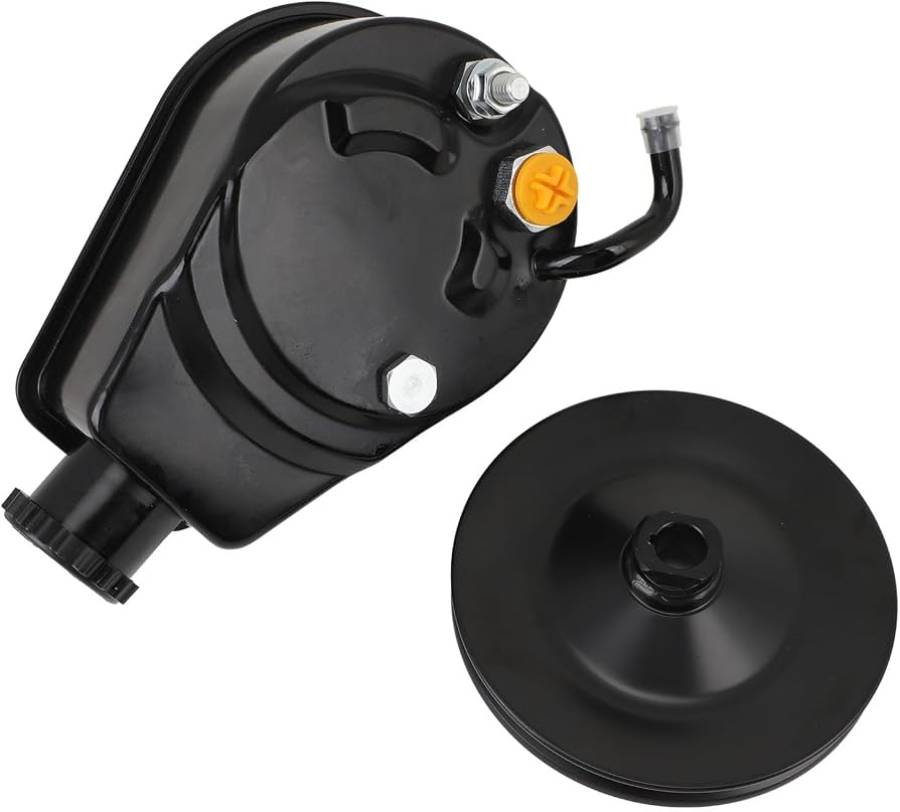
What Is a Power Steering Pump Replacement?
Power steering pump replacement is the process of removing a failed or damaged hydraulic power steering pump and installing a functional replacement to restore steering assistance. The pump generates hydraulic pressure and circulates power steering fluid through the steering system, reducing the physical effort required to turn the steering wheel. When the pump can no longer maintain sufficient pressure or fluid flow, steering assistance can become weak, inconsistent, or unavailable.
In a conventional hydraulic power steering system, the engine typically drives the pump through a belt and pulley. The pump draws fluid from the power steering reservoir and sends pressurized fluid toward the steering gear or rack-and-pinion assembly. Hydraulic pressure assists the movement of the steering mechanism when the driver turns the steering wheel. A mechanical problem inside the pump, damaged seals, inadequate lubrication, or another system fault can interfere with this process.
Replacing the pump involves more than exchanging one component for another. The underlying cause of the failure should be identified first because a fluid leak, contaminated fluid, damaged hose, belt problem, or steering rack fault can produce symptoms similar to pump failure. Installing a new pump without correcting an existing system problem can leave the original steering symptoms unresolved or contribute to premature failure of the replacement unit.
The replacement procedure generally includes confirming the diagnosis, accessing and removing the old pump, transferring or replacing applicable components, installing the replacement pump, reconnecting the hydraulic lines and drive system, adding the correct fluid, and removing trapped air from the system. The exact procedure varies by vehicle because pump location, belt configuration, hose connections, and manufacturer requirements differ between models.
What Are the Symptoms of a Bad Power Steering Pump?
The main symptoms of a bad power steering pump include abnormal whining or groaning noises, increased steering effort, inconsistent steering assistance, and symptoms associated with fluid loss or inadequate hydraulic pressure. These signs become more meaningful when several occur together, but none should automatically be treated as proof that the pump itself has failed.
A whining or groaning sound while turning the steering wheel is one of the most recognizable symptoms associated with a hydraulic power steering problem. The pump depends on an adequate supply of fluid to generate hydraulic pressure and lubricate its internal components. Low fluid, air entering the hydraulic circuit, or internal pump wear can therefore change the sound produced while the pump operates. A noisy pump should be diagnosed together with the fluid level, fluid condition, hoses, connections, and other hydraulic components rather than replaced based on noise alone.
Increased steering effort occurs when the hydraulic system provides less assistance to the steering mechanism. The steering wheel may feel noticeably heavier, particularly during low-speed maneuvers such as parking or making tight turns. This happens because the driver must provide more of the force normally supplied by hydraulic pressure. A severe loss of hydraulic assistance can make steering substantially more difficult even though the mechanical connection between the steering wheel and steering mechanism remains.
Steering assistance can also become inconsistent. The steering wheel may feel normal at one moment and heavier at another, or the level of assistance may change with engine speed. Because an engine-driven power steering pump operates in relation to engine operation, changes in pump output, belt performance, fluid supply, or internal condition can affect hydraulic assistance. This symptom requires diagnosis because belt slippage and other steering-system faults can produce similar behavior.
Power steering fluid around the pump or a falling reservoir level can indicate a leak, but a power steering fluid leak does not by itself confirm that the pump needs replacement. Fluid can escape from pump seals, pressure hoses, return hoses, connections, the reservoir, or the steering rack. Locating the source of the leak is therefore necessary before replacing the pump. If the leak originates elsewhere, replacing a functional pump will not correct the underlying problem.
The combination and operating conditions of the symptoms provide more diagnostic value than any single sign. For example, heavy steering accompanied by pump noise and a confirmed internal pump problem provides stronger evidence of pump failure than whining noise alone. The next step is therefore to distinguish an actual failing power steering pump from low fluid, belt problems, hydraulic leaks, and steering rack faults before deciding that replacement is necessary.
How Do You Know If the Power Steering Pump Needs to Be Replaced?
A power steering pump needs to be replaced when diagnosis confirms that the pump cannot provide reliable hydraulic pressure because of internal wear, mechanical damage, or a pump-specific leak that cannot be corrected separately. Heavy steering, whining noises, or low power steering fluid are warning signs, but these symptoms alone do not confirm pump failure. The fluid supply, hydraulic lines, drive belt, pulley, and steering rack should be checked before replacement.
Check the power steering fluid level and condition first because insufficient fluid can produce both noise and reduced steering assistance. A hydraulic pump requires a continuous fluid supply for pressure generation and lubrication. When the reservoir level drops because of a leak, the pump may draw air into the system and begin whining even when its internal components are still functional. Adding fluid without locating the leak is not a complete repair because the fluid level can fall again and recreate the same symptoms.
Inspect the hydraulic system for leaks before attributing fluid loss to the pump. Power steering fluid can escape from the pressure hose, return hose, hose connections, reservoir, pump seals, or steering rack. The location of visible fluid is also not always the location where the leak started because fluid can travel across adjacent components. A confirmed leak from the pump housing or seals provides stronger evidence for pump repair or replacement than fluid found elsewhere in the engine compartment.
The drive belt and pulley should also be inspected on systems where the engine mechanically drives the power steering pump. A loose, worn, contaminated, or slipping belt can prevent the pump from operating at the required speed and produce weak or inconsistent steering assistance. Pulley damage or alignment problems can create additional noise and irregular pump operation. Replacing the pump will not correct steering problems caused by a belt that cannot transfer engine rotation to the pump properly.
A steering rack problem can also resemble pump failure because both components affect steering assistance. The pump supplies hydraulic pressure, while the steering gear uses that pressure to assist steering movement. A mechanic can evaluate fluid circulation, system pressure, leaks, noises, and steering behavior to determine which component is responsible. The pump should be replaced only after the diagnosis identifies the pump itself as the failed component rather than another part of the power steering system.
How Much Does Power Steering Pump Replacement Cost?
Power steering pump replacement cost consists primarily of the replacement pump, labor, power steering fluid, and any additional components that must be repaired during the job. A single reliable price cannot be applied to every vehicle because pump design, accessibility, parts selection, labor requirements, and local labor rates differ substantially. Vehicle-specific estimates are therefore more useful than a universal replacement price.
The replacement pump is one of the main cost variables. Depending on the vehicle and available parts, the repair may use an original equipment manufacturer (OEM), aftermarket, or remanufactured pump. OEM pumps are designed to match the vehicle manufacturer’s original specifications, while aftermarket units are produced by third-party manufacturers. Remanufactured pumps are previously used units that have been disassembled, inspected, and rebuilt with applicable worn components replaced. Price alone should not determine the choice because compatibility, warranty coverage, manufacturer quality, and expected service life also affect the value of the replacement.
Labor cost depends largely on how difficult the pump is to access and remove. A pump located in an accessible area of the engine compartment requires less disassembly than one positioned behind other components. The technician may also need to remove the drive belt, pulley, brackets, hoses, or surrounding components before the old pump can be extracted. These differences explain why two vehicles using the same general type of hydraulic steering system can have different labor charges for the same repair.
Additional repairs can increase the final bill when pump failure is not the only problem. A leaking pressure hose, deteriorated return hose, damaged belt, contaminated fluid, worn pulley, or another defective steering component may need attention during the same service. Replacing these components increases the immediate repair cost but can be necessary to restore proper hydraulic operation and protect the replacement pump.
What Factors Affect Power Steering Pump Replacement Cost?
The main factors affecting power steering pump replacement cost are the vehicle, replacement pump type, labor requirement, local labor rate, and condition of related steering components. These factors influence either the price of the part, the amount of work required, or both.
Vehicle make, model, engine configuration, and model year affect parts availability and pump accessibility. Pump type also changes the parts portion of the repair because OEM, aftermarket, and remanufactured units are priced differently. Labor requirements increase when technicians must remove additional engine-bay components to reach the pump or when corroded, seized, or damaged hardware makes removal more difficult.
The condition of the rest of the hydraulic system can further change the total cost. For example, replacing a pump while leaving a leaking hose unresolved can cause the replacement system to lose fluid again. Contamination in the hydraulic circuit may also require additional service rather than simply installing a new pump and refilling the reservoir. An accurate replacement estimate should therefore identify the failed component, required replacement parts, expected labor, fluid requirements, and any related repairs before work begins.
How Is a Power Steering Pump Replaced?
A power steering pump is replaced by confirming the pump failure, removing the components that restrict access, disconnecting the hydraulic lines and drive system, removing the old pump, installing the replacement unit, refilling the correct fluid, and bleeding air from the system. The exact sequence varies by vehicle because pump location, belt routing, pulley design, hose connections, and manufacturer procedures are not identical across hydraulic power steering systems.
The repair should begin with confirmation that the pump is actually responsible for the steering problem. Fluid level and condition, hydraulic leaks, hoses, the drive belt, pulley, and related steering components should be inspected before removing the pump. This prevents a functional pump from being replaced because of symptoms caused by another component. The engine should be off and cool before disassembly begins, and the vehicle-specific service procedure should determine any additional preparation requirements.
Access to the pump must then be created. Depending on the vehicle, this can involve moving components located around the pump and releasing the drive belt from the pump pulley. Power steering fluid also needs to be contained when hydraulic connections are opened. Keeping the work area and open hydraulic connections clean is important because dirt and debris introduced during the repair can contaminate the fluid circuit.
The pressure and return connections are disconnected as required by the vehicle design, followed by the pump mounting hardware. Some applications require the pulley to be removed or transferred to the replacement pump, while others use a different pump-and-pulley arrangement. Components should not be forced apart because damage to a pulley, hose fitting, mounting point, or hydraulic connection can turn a pump replacement into a larger steering-system repair.
The replacement pump is installed in the correct position and secured according to the vehicle manufacturer’s procedure. Hydraulic connections are reattached, and applicable pulleys, brackets, belts, and other components are reinstalled. Belt routing and alignment are important because an incorrectly installed or slipping belt can prevent an otherwise functional pump from operating correctly.
The system is then filled with the power steering fluid specified for the vehicle. The correct fluid specification matters because hydraulic steering systems are designed around particular fluid properties and manufacturer requirements. Using a fluid solely because it is labeled as power steering fluid does not establish that it is compatible with every vehicle. The owner’s manual or vehicle-specific service information should be used to identify the required fluid.
Replacement is not complete immediately after the pump is physically installed. Opening hydraulic lines introduces air into the system, and that air must be removed before normal operation is verified. Fluid level, leaks, steering assistance, abnormal noises, and system operation should all be checked after bleeding.
How Do You Bleed the Power Steering System After Replacing the Pump?
Bleeding a power steering system removes trapped air from the hydraulic circuit after the pump or hydraulic lines have been opened. Trapped air can interfere with fluid circulation and may cause foaming, abnormal pump noise, inconsistent steering assistance, or an unstable fluid level. Bleeding is therefore part of the replacement process rather than an optional step after installing the pump.
The system is first filled with the manufacturer-specified fluid to the appropriate level. The steering system is then operated according to the vehicle-specific bleeding procedure so trapped air can move through the hydraulic circuit and return to the reservoir. The fluid level must be monitored during this process because air leaving the system can change the reservoir level. Allowing the pump to operate without an adequate fluid supply can create additional problems rather than completing the repair.
The steering wheel may need to be moved through its specified range during bleeding, but the exact procedure differs between vehicles. Some manufacturers specify particular conditions for engine operation, wheel position, fluid level, or the number and manner of steering cycles. For this reason, a universal sequence should not replace the manufacturer’s service instructions for the specific make, model, and power steering system.
Foaming or bubbles in the reservoir indicate that air may still be present in the hydraulic circuit. Persistent whining after replacement can also indicate remaining air, inadequate fluid, a leak that allows air into the system, or another unresolved problem. Continuing to operate the system without identifying the cause can make it difficult to determine whether the replacement pump is functioning correctly.
The bleeding process is complete when the system meets the vehicle manufacturer’s procedure and the steering operates normally without evidence of trapped air or fluid leakage. The final inspection should verify the fluid level, hose and fitting connections, pump area, steering assistance, and abnormal noise. These checks confirm that the repair restored hydraulic operation rather than merely replacing the physical pump.
How Long Does It Take to Replace a Power Steering Pump?
The time required to replace a power steering pump depends primarily on pump accessibility, vehicle design, the components that must be removed, and whether additional steering-system problems are found. There is no single labor time that applies to every vehicle. A pump mounted in an accessible area of the engine compartment can require substantially less work than one positioned behind brackets, hoses, or other engine components.
Pump accessibility affects several stages of the repair. The technician may need to remove or reposition the drive belt, pulley, brackets, air intake components, hoses, or other parts before reaching the pump. After the old unit is removed, these components must be correctly reinstalled. A difficult engine-bay layout therefore increases labor even when the pump itself can be removed with relatively few fasteners.
The condition of existing components can extend the repair time further. Corroded fasteners, damaged hydraulic fittings, deteriorated hoses, a worn belt, or a pulley that is difficult to remove can add work to the original replacement procedure. Finding a separate fluid leak or another steering-system fault during disassembly can also change the scope of the repair. In these cases, completing only the pump replacement may not restore reliable steering assistance.
Bleeding and post-repair inspection must also be included when considering total repair time. Installing the replacement pump does not complete the job because air introduced into the hydraulic circuit must be removed and the system must be checked for leaks, abnormal noises, correct fluid level, and normal steering operation. The vehicle may therefore remain in the repair process after the physical installation of the pump has finished.
A vehicle-specific labor estimate provides a more useful timeframe than a universal number. The make, model, model year, engine configuration, and exact repair requirements allow a mechanic to determine how much disassembly and reassembly the job requires. The available source material does not provide a verified universal labor-time range for power steering pump replacement, so a specific number should not be presented as applicable to all vehicles.
Can You Replace a Power Steering Pump Yourself?
You can replace a power steering pump yourself when you can correctly diagnose the failure, safely access the pump, disconnect and reinstall the hydraulic components, handle the drive system, use the required tools, and bleed the system according to the vehicle-specific procedure. The job is less suitable for DIY repair when diagnosis is uncertain, pump access is difficult, or special tools and procedures are required.
Diagnosis is the first requirement because replacing the wrong component wastes the replacement part and leaves the steering problem unresolved. A whining noise, heavy steering, or low fluid can originate from problems other than the pump. A DIY repair should therefore begin by checking fluid condition and level, leaks, hoses, the belt and pulley where applicable, and related steering components. Pump replacement becomes appropriate when the evidence identifies the pump as the failed component.
Mechanical access is the second consideration. The repair can require removal of a drive belt, hydraulic connections, mounting bolts, brackets, and a pulley depending on vehicle design. Some applications may require specific tools to remove or install the pulley or reach restricted fasteners. The required equipment should be determined from service information for the specific vehicle rather than from a generic tool list.
Correct installation is equally important. Hydraulic fittings must be reconnected without damaging threads or seals, the pump must be mounted correctly, and applicable belts and pulleys must be properly installed and aligned. The system must then receive the correct fluid. A mistake at any of these points can produce leaks, noise, inadequate steering assistance, or another condition that resembles a defective replacement pump.
Bleeding the hydraulic system is another reason to assess the difficulty of a DIY replacement before starting. Air introduced while the hydraulic lines are disconnected must be removed using the appropriate procedure. Persistent air in the system can cause fluid foaming, noise, and inconsistent steering assistance. The repair should not be considered successful until fluid level and system operation remain stable and the system shows no evidence of leakage.
A mechanic should perform the replacement when the pump failure cannot be confidently diagnosed, the repair requires tools or procedures beyond the owner’s experience, or another steering-system problem is present. Professional diagnosis is particularly useful when symptoms could originate from the pump, steering rack, hydraulic lines, belt drive, or multiple components at the same time. The correct repair is the one that resolves the underlying steering-system fault, not simply the one that replaces the pump.
What Should You Check After Replacing a Power Steering Pump?
After replacing a power steering pump, check the power steering fluid level, hydraulic connections, fluid leaks, trapped air, abnormal noises, belt operation, and steering assistance before considering the repair complete. These checks verify that the new pump is receiving fluid correctly, generating hydraulic assistance, and operating without problems introduced during installation.
Check the power steering fluid level after the bleeding procedure and again after the system has operated. Air leaving the hydraulic circuit can change the reservoir level, so the reading immediately after filling may not represent the final level. Use the fluid type and checking procedure specified for the vehicle because fluid requirements and level-checking conditions differ between power steering systems.
Inspect the pump, hoses, fittings, and surrounding area for leaks. Hydraulic connections disturbed during replacement can leak when the system is pressurized, while an existing leak elsewhere in the system may remain after the new pump is installed. Fluid around a fitting, hose, pump seal, or reservoir should therefore be traced to its source rather than assuming the replacement pump is responsible.
Listen for abnormal whining or groaning while checking steering operation. Noise immediately after installation can indicate trapped air or an inadequate fluid level, although persistent noise can also result from a leak that allows air into the hydraulic circuit or another unresolved steering-system problem. A new pump should not automatically be considered defective simply because noise remains after installation; the fluid supply and bleeding process should also be verified.
Inspect the drive belt and pulley on vehicles with an engine-driven hydraulic pump. The belt must follow the correct routing and operate properly on the pulley because it transfers engine rotation to the pump. Misalignment, incorrect installation, or belt slippage can reduce pump operation and produce symptoms similar to power steering pump failure.
Finally, verify steering assistance under the conditions specified by the vehicle manufacturer. Steering effort should be predictable and consistent rather than becoming unexpectedly heavy or changing irregularly. A successful power steering pump replacement restores the intended hydraulic steering assistance without persistent fluid leaks, trapped air, abnormal pump noise, or installation-related problems.
Can You Drive With a Bad Power Steering Pump?
A vehicle with a failing hydraulic power steering pump may retain a mechanical steering connection, but reduced or lost power assistance can make the steering wheel substantially harder to turn. Continuing to drive should not be treated as normal vehicle operation because the amount of steering assistance available can change as the fault progresses.
The difference between steering capability and steering assistance is important. A hydraulic power steering system reduces the effort required from the driver; it does not necessarily create the entire mechanical connection used to steer the wheels. When hydraulic assistance decreases, the driver may need to apply considerably more force to the steering wheel. The increased effort can be especially noticeable during parking, low-speed turns, and other maneuvers that require larger steering inputs.
The cause of the pump problem also affects whether continued operation can create additional issues. For example, a system losing power steering fluid may leave the pump without adequate lubrication and hydraulic fluid supply. Continuing to operate the pump under those conditions does not correct the leak and can expose the system to further problems. A damaged or slipping drive belt also requires separate diagnosis because the belt may operate other components depending on the vehicle’s accessory-drive design.
Abnormal noise should likewise be treated as a diagnostic warning rather than something to ignore until steering assistance disappears completely. Whining, groaning, changing steering effort, or visible fluid loss indicates that the hydraulic steering system is not operating normally. Identifying whether the cause is the pump, fluid level, hydraulic lines, belt drive, or steering gear determines what repair is actually required.
A suspected bad power steering pump should be diagnosed promptly rather than relying on the vehicle’s ability to continue moving. If steering becomes unexpectedly difficult or vehicle control is affected, continuing normal driving is not an appropriate way to test the failing system. Diagnosis should establish the cause and determine whether the pump needs replacement or another steering component requires repair.
How Long Does a Power Steering Pump Last?
A power steering pump does not have one fixed service life that applies to every vehicle. Its lifespan depends on pump design, power steering fluid condition, hydraulic system integrity, operating conditions, and whether related components allow the pump to operate with an adequate supply of clean fluid. Replacement should therefore be based on the condition and diagnosis of the pump rather than mileage alone.
Power steering fluid condition directly affects the environment in which the pump operates. The pump relies on hydraulic fluid to transfer pressure and lubricate internal components. Fluid that deteriorates or becomes contaminated can interfere with normal system operation, while an inadequate fluid level can prevent the pump from receiving the fluid supply it requires. This is why fluid condition and level should be evaluated when investigating pump noise or changes in steering assistance.
Leaks can shorten pump life when they cause the hydraulic system to lose fluid. Leakage can develop at hoses, connections, seals, the reservoir, pump, or steering rack depending on system design and condition. As the reservoir level falls, the pump may begin drawing air along with fluid. The resulting noise or inconsistent steering assistance is a warning that the hydraulic system requires diagnosis rather than simply another fluid top-up.
The belt drive also affects pump operation on vehicles that use an engine-driven hydraulic pump. A worn, loose, slipping, or incorrectly aligned belt can interfere with the transfer of engine rotation to the pump. Pulley problems can create similar operating issues. Inspecting these components is therefore part of maintaining the system that supports the pump rather than focusing on the pump as an isolated component.
A mileage figure should not be used as automatic proof that a power steering pump is good or bad. Condition-based indicators such as hydraulic performance, fluid loss, abnormal noise, confirmed internal wear, and steering behavior provide more useful evidence for replacement. The available source material does not establish a verified universal mileage at which power steering pumps fail, so assigning one lifespan figure to all vehicles would create unsupported precision.
How Can You Prevent a New Power Steering Pump From Failing Early?
You can reduce the risk of premature power steering pump failure by using the correct fluid, maintaining the proper fluid level, repairing hydraulic leaks, preventing contamination, and keeping the applicable belt and pulley system in proper condition. These measures address the supporting systems the pump depends on for lubrication, hydraulic pressure, and mechanical operation.
Use the power steering fluid specified for the vehicle rather than selecting fluid only by a generic product label. Hydraulic systems are designed around manufacturer requirements, and fluid specifications can differ between vehicles. The owner’s manual or vehicle-specific service information should identify the correct fluid and applicable checking procedure.
Maintain the correct fluid level and investigate unexplained fluid loss. Repeatedly adding fluid is not a substitute for repairing a leak because the system will continue losing fluid until its source is corrected. For example, a leaking pressure hose can lower the reservoir level even when the replacement pump itself is functioning normally. Locating and repairing the leak protects the hydraulic system instead of treating only the visible symptom.
Keep contamination out of the hydraulic circuit during repairs and maintenance. Dirt or debris introduced through an open reservoir, disconnected hose, or hydraulic fitting can circulate through the system after reassembly. Clean working practices are particularly important during pump replacement because several parts of the hydraulic circuit may be opened while the old pump is removed.
Inspect the drive belt and pulley where the power steering pump is mechanically driven by the engine. Belt condition, routing, alignment, and operation affect how reliably engine rotation reaches the pump. A new pump cannot compensate for a belt-drive problem that prevents it from operating correctly.
Respond to new steering symptoms before they develop into larger system problems. Whining or groaning noises, changes in steering effort, falling fluid levels, visible leaks, and fluid foaming provide reasons to inspect the power steering system. Early diagnosis can distinguish a fluid, hose, belt, rack, or bleeding problem from an actual pump failure and prevent unnecessary replacement of a functional component.
Protecting a replacement pump ultimately requires maintaining the complete hydraulic power steering system. The pump operates together with the fluid reservoir, hydraulic lines, steering gear, drive components, and specified fluid. Correcting problems elsewhere in that system gives the replacement pump the operating conditions it needs to provide consistent steering assistance.