A Duramax DEF tank can be full but still show empty when the DEF monitoring system fails to detect, transmit, or process the actual fluid level correctly. Filling the tank again will not solve the problem if the reservoir already contains enough Diesel Exhaust Fluid. The fault is usually related to the system responsible for measuring and reporting the DEF level rather than the amount of fluid itself.
Several components can produce an incorrect DEF reading. The DEF level sensor or sender may provide inaccurate data, while damaged wiring, corroded connectors, or an electrical fault can interrupt the signal between the tank and the vehicle’s control system. A warning that remains after a refill can also indicate that the system has not recognized the new fluid level or that an existing fault is preventing the reading from updating.
The correct approach is to confirm the actual DEF level before replacing any parts. The next steps are to check the Driver Information Center warning, scan for diagnostic trouble codes, compare live DEF data with the physical fluid level, and inspect the relevant wiring and connectors. This process helps determine whether the problem comes from the level sensor, electrical circuit, tank assembly, or control system and prevents unnecessary DEF refills or component replacement.
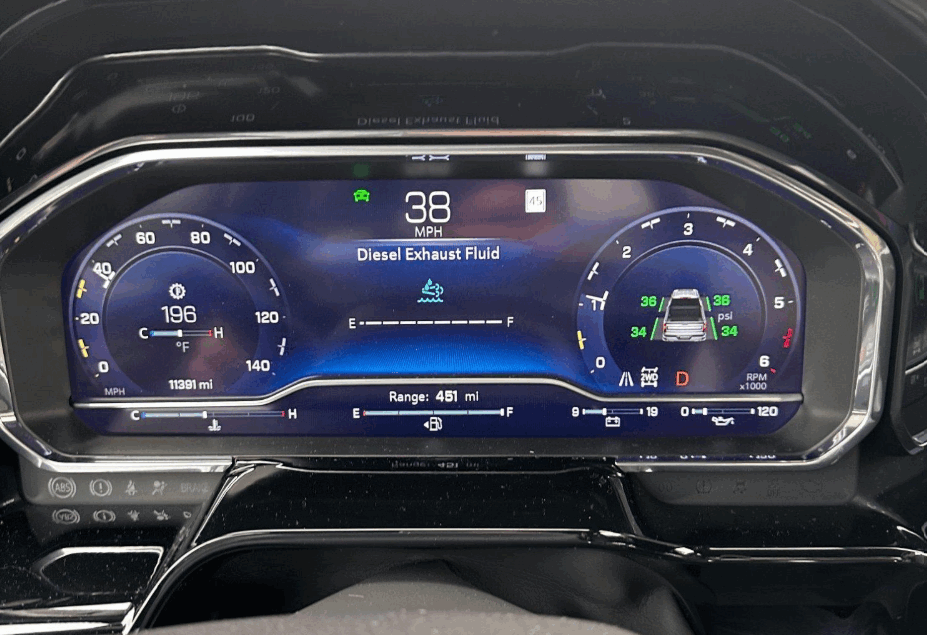
Why Does a Duramax DEF Tank Say Empty When It Is Full?
A Duramax DEF tank says empty when it is full because the vehicle is receiving an incorrect DEF level signal or cannot interpret the level data correctly. The amount of DEF inside the reservoir and the level displayed by the vehicle are two different things. The tank stores the fluid, while the monitoring system measures the level and sends that information to the vehicle’s control system.
The problem can occur at several points between the DEF reservoir and the dashboard. The level sensing system first detects the amount of fluid in the tank. Its electrical signal must then travel through the appropriate connectors and wiring before the control system can use the data. A failure anywhere in this process can make a physically full reservoir appear empty to the vehicle.
This distinction explains why adding more DEF does not always remove an empty tank warning. If the tank is already full, additional fluid cannot correct a sensor that reports the wrong value or an electrical circuit that fails to transmit the signal. The same principle applies when the reported level remains unchanged after a refill.
The first diagnostic goal is therefore to determine whether the displayed level matches the actual amount of DEF in the reservoir. A confirmed difference between the two shifts the diagnosis away from a simple low fluid condition and toward the level monitoring system. The sensor or sender, electrical connections, wiring, and related control functions then become the main areas to inspect.
What Causes a Duramax DEF Tank to Read Empty When It Is Full?
A false empty DEF reading can result from a level sensor or sender fault, a problem within the tank assembly, damaged wiring or connectors, or an error in the system that receives and processes DEF level data. The exact component responsible can vary by Duramax application and model year, so diagnosis should identify the failed part before replacement begins.
A faulty DEF level sensor or sender is one possible cause because this component provides the information used to determine how much fluid is in the reservoir. If its output no longer corresponds with the actual DEF level, the vehicle can continue to report an empty or low tank even after the reservoir has been filled. A fault involving an integrated component may require a different repair from a system where the affected part can be serviced separately.
Electrical faults can create the same symptom without a failed level sensor. Damaged wiring, poor terminal contact, corrosion, moisture intrusion, or a loose connector can interrupt or distort the signal. This is why replacing the tank or sensor based only on the dashboard message can lead to unnecessary parts replacement.
The control side of the system also has to receive and interpret valid level information. Diagnostic trouble codes and scan tool data help separate a level sensing problem from a circuit or communication problem. The most reliable repair decision comes from comparing the known physical DEF level with the reported data and then testing the relevant electrical path. This identifies whether the fault originates in the tank hardware, wiring, connection, or control system.
Why Does the Duramax DEF Gauge Still Read Empty After Adding DEF?
A Duramax DEF gauge can stay empty after a refill when the system fails to detect the new fluid level. An existing sensor or electrical fault can also prevent the gauge from updating. Adding DEF changes the fluid volume, but the monitoring system must detect that change.
First, consider how much DEF you added. A small refill may not create a clear enough level change for the system to recognize immediately. The vehicle may also need time to update the displayed level. Therefore, an unchanged gauge right after a refill does not always indicate a failed sensor.
A persistent empty reading requires further diagnosis. Confirm that the tank contains enough DEF before checking other components. If the gauge still shows empty, inspect the level monitoring system. The sensor or sender may provide incorrect data. Damaged wiring or a poor electrical connection may also interrupt the signal.
Do not keep adding DEF when you know the reservoir is full. Extra fluid cannot repair a faulty sensor, connector, wiring circuit, or control problem. Instead, compare the actual fluid level with the level reported by the vehicle. A clear mismatch helps confirm that the problem involves level detection or signal transmission.
How Do You Diagnose a Duramax DEF Tank That Says Empty When Full?
Diagnose a false empty DEF reading by checking the fluid level, warning message, trouble codes, scan data, wiring, and connectors. This process helps separate an actual low fluid condition from a monitoring system fault.
First, confirm the amount of DEF in the reservoir. Do not depend on the dashboard gauge because its accuracy is already in question. Consider how much DEF you recently added and whether the tank has enough fluid. Stop adding DEF once you confirm that the reservoir is full.
Next, record the exact message on the Driver Information Center. Then connect a compatible scan tool and check for diagnostic trouble codes. Do this before clearing any stored codes. Those codes can help identify problems involving the sensor, circuit, communication system, or other reductant components.
Next, review the DEF level data with the scan tool. Compare the reported value with the known amount of fluid in the reservoir. A full tank with an empty reading indicates a problem somewhere in the monitoring path.
Inspect the relevant wiring and electrical connectors next. Look for loose terminals, damaged wires, corrosion, and moisture. Each problem can interfere with the level signal before it reaches the control system.
Finally, combine the physical inspection, scan data, and trouble codes before replacing parts. A false empty reading does not prove that the entire DEF tank assembly has failed. This diagnostic sequence helps identify whether the sensor, sender, wiring, connector, or another component needs repair.
How Can You Tell If the Duramax DEF Level Sensor Is Bad?
You can identify a bad Duramax DEF level sensor by comparing the actual fluid level with the data reported by the vehicle. A full tank that repeatedly reports an empty or very low level provides an important diagnostic clue. However, this symptom alone does not confirm sensor failure.
Start by confirming that the reservoir contains enough DEF. Next, use a compatible scan tool to check the reported DEF level and related trouble codes. Compare that information with the actual tank condition. A large and persistent difference shows that the monitoring system is not reporting the fluid level correctly.
The sensor becomes a stronger suspect when its reported value remains incorrect despite a confirmed full tank. Related trouble codes can provide more evidence. However, check the electrical circuit before replacing the sensor. A damaged wire, corroded terminal, loose connector, or poor connection can produce a similar symptom.
Inspect the wiring and connectors that serve the DEF monitoring system. Look for visible damage, corrosion, moisture, or loose terminals. Repair any confirmed electrical problem and check the reported DEF level again.
Use all available evidence before identifying the sensor as the failed component. The actual DEF level, scan data, trouble codes, and circuit condition should support the same conclusion. This approach reduces unnecessary sensor or tank assembly replacement.
How Do You Fix a Duramax DEF Tank That Is Full but Reads Empty?
Fix a false empty DEF reading by repairing the component or circuit that causes the incorrect level signal. The correct repair depends on whether diagnosis identifies a sensor, sender, wiring, connector, tank component, or control system fault.
Repair confirmed wiring and connection problems first. Damaged wires can interrupt the level signal, while corrosion can create poor electrical contact. Clean or repair affected connections as required. Replace damaged terminals or wiring when they cannot provide a reliable electrical path.
Address the level sensor or sender when testing shows that it reports incorrect data. The exact repair method depends on the DEF system design for that Duramax model and year. Some configurations may integrate related components into a larger assembly. Confirm the service configuration before buying replacement parts.
Replace a larger DEF tank or reservoir assembly only when diagnosis supports that repair. An empty dashboard reading alone does not justify replacing the complete assembly. Scan data, trouble codes, electrical testing, and physical inspection should point toward the failed component.
After completing the repair, check the DEF level data again. Confirm that the vehicle now recognizes the actual amount of fluid in the tank. Address any remaining trouble codes according to the correct service procedure. If the reading stays incorrect, continue diagnosis instead of repeatedly clearing the warning or adding more DEF.
How Do You Reset a Duramax DEF Warning After Filling or Repairing the Tank?
Reset a Duramax DEF warning only after confirming the fluid level and correcting any active fault in the DEF system. Clearing a warning does not repair a bad sensor, damaged wiring, poor connection, or another failed component.
Start by confirming that the tank contains enough DEF. After a normal refill, allow the vehicle to recognize the new fluid level. The displayed level may not change at the exact moment you add DEF. Check the gauge and Driver Information Center again after the system has had a chance to update.
If the warning remains, scan the vehicle for diagnostic trouble codes. Do not clear the codes before recording them. The stored information can help identify why the vehicle still reports a DEF problem. Diagnose and repair the underlying fault before attempting to clear the warning.
After the repair, use the correct service procedure for the specific Duramax model and year. Some faults may require a compatible scan tool to clear stored codes or complete a service function. Follow the applicable service information rather than using a generic reset procedure for every Duramax.
Check the DEF level reading again after completing the procedure. The displayed value should correspond with the actual fluid level when the system works correctly. If the empty reading or warning returns, an active fault likely remains. Continue diagnosis instead of repeatedly clearing codes, disconnecting the battery, or adding DEF to an already full tank.
Can You Drive a Duramax When the DEF Tank Says Empty but Is Full?
You should not ignore an empty DEF warning just because you know the Duramax DEF tank contains fluid. The engine may continue to run normally at first. However, the vehicle relies on reported DEF system data rather than your visual knowledge of the fluid level.
A full tank and an empty reading indicate two different conditions. The reservoir has DEF, but the monitoring system may not recognize the correct amount. This distinction matters because the vehicle uses DEF system information to monitor emissions operation. An unresolved fault can therefore cause additional warnings even when the reservoir contains enough fluid.
Check the exact Driver Information Center message before deciding what to do next. A simple incorrect level indication does not provide the same diagnostic information as a message linked to another DEF system fault. Scan for trouble codes when the warning remains after you confirm the tank level.
Do not assume that every Duramax model follows the same warning sequence. The response can differ by model year, calibration, and the type of fault. Use the service information for your specific vehicle when a warning indicates an operating restriction.
The safest approach is to diagnose a persistent false empty reading as soon as possible. Confirm the physical DEF level and compare it with the reported value. Then check the stored codes and relevant electrical components. Early diagnosis can prevent a simple level reporting problem from becoming a more disruptive emissions system issue.
Does Cold Weather Affect the Duramax DEF Tank and Level Sensor?
Cold weather can affect DEF system operation because Diesel Exhaust Fluid freezes at low temperatures. Duramax applications use DEF system components designed to manage cold weather operation, including heating functions where applicable.
Frozen DEF does not automatically mean that the level sensor has failed. Temperature conditions can change the physical state of the fluid and affect normal system operation until the DEF warms. For this reason, consider ambient temperature when a DEF warning appears during very cold weather.
A warning that disappears after normal system operation may point toward a temperature related condition rather than a permanent level sensing fault. In contrast, a tank that continues to report empty after the fluid has returned to normal operating conditions needs further diagnosis. Check the reported DEF level, trouble codes, wiring, and connectors before blaming cold weather.
Do not add unnecessary DEF simply because the gauge appears low during a cold weather problem. First, determine whether the tank already contains enough fluid. Adding more DEF cannot repair damaged wiring or an inaccurate sensor.
Cold weather should therefore remain one diagnostic factor rather than the default explanation. A persistent mismatch between the actual tank level and reported data still requires inspection. This approach separates temporary temperature effects from sensor, circuit, and component faults that need repair.
How Can You Prevent Duramax DEF Tank and Sensor Problems?
You can reduce Duramax DEF tank and sensor problems by using clean DEF, preventing contamination, protecting electrical connections, and addressing warnings early. Good maintenance cannot prevent every sensor failure. However, it can reduce avoidable problems within the DEF storage and monitoring system.
Start with the DEF that enters the reservoir. Keep dirt, water, fuel, oil, and other fluids away from the tank opening. Use clean equipment when adding DEF and close the cap correctly afterward. Contamination can create problems elsewhere in the reductant system and make diagnosis more complicated.
Pay attention to the electrical components around the DEF system. Wiring damage, loose connectors, moisture, and corrosion can interfere with sensor signals. Inspect exposed wiring when you notice physical damage or persistent DEF warnings. Repair confirmed electrical problems before they affect the signal path further.
Treat repeated warnings as diagnostic information rather than a reason to keep adding fluid. If the tank is already full, another refill will not correct an inaccurate level signal. Confirm the actual fluid level and compare it with the value reported by the vehicle. Check for trouble codes when the two values do not agree.
Finally, investigate related DEF and SCR faults when they appear. A persistent warning may involve more than the amount of fluid in the reservoir. Early diagnosis helps separate a simple level reporting issue from a broader reductant system problem. This approach also reduces unnecessary parts replacement and keeps future troubleshooting focused on the actual fault.
What Should You Do When Your Duramax DEF Tank Is Full but Says Empty?
Start by confirming the actual DEF level when your Duramax tank is full but the vehicle says it is empty. Do not keep adding fluid once you know the reservoir contains enough DEF. A persistent difference between the actual level and the displayed reading points toward a problem in the monitoring system.
Check the exact Driver Information Center message and scan the vehicle for trouble codes. Compare the reported DEF level with the known amount in the tank. Then inspect the relevant wiring, connectors, and terminals. These checks help separate a sensor or sender problem from an electrical or control system fault.
Replace parts only after the diagnosis identifies the source of the incorrect reading. A false empty warning does not automatically mean the complete DEF tank assembly needs replacement. Likewise, clearing codes will not repair an active fault.
After completing the correct repair, verify that the reported DEF level matches the actual tank condition. If the warning returns, continue diagnosis instead of adding more DEF or repeatedly resetting the system. A systematic approach identifies the real fault and reduces unnecessary repairs.