Yes, NGK spark plugs are good because they provide reliable ignition, durable electrode materials, consistent engine performance, and options for a wide range of gasoline engines. Their actual performance depends on choosing the correct spark plug for the engine rather than simply selecting the most expensive NGK model.
NGK produces spark plugs with nickel, platinum, and iridium electrodes to meet different engine requirements and service intervals. These materials affect electrode wear, spark characteristics, lifespan, and replacement frequency. A correctly specified spark plug creates the spark required to ignite the compressed air and fuel mixture inside the combustion chamber. Consistent ignition supports stable combustion, smooth idling, dependable starting, and normal engine performance.
Spark plug quality is only one part of ignition performance. The correct heat range, spark gap, dimensions, electrode design, and vehicle compatibility also determine how well an NGK spark plug works. Installing an unsuitable plug can cause poor ignition or premature wear even when the spark plug itself is well manufactured.
This article explains whether NGK spark plugs are good by examining their benefits, lifespan, engine performance, available types, disadvantages, replacement signs, vehicle compatibility, and differences from Denso, Bosch, and Champion spark plugs.
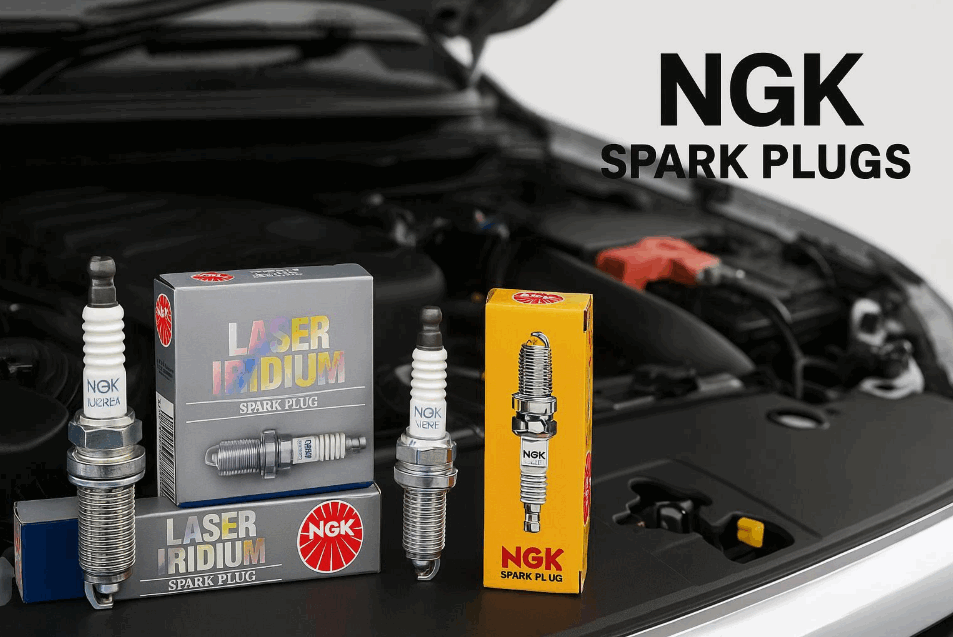
Are NGK Spark Plugs Good?
Yes, NGK spark plugs are good for engines that specify a compatible NGK plug because they provide reliable ignition, durable construction, and consistent performance across different operating conditions. Their quality comes from the ability to produce a stable spark while resisting the heat, pressure, and electrical stress generated inside the combustion chamber.
NGK offers nickel, platinum, and iridium spark plugs for different engine designs and service requirements. The electrode material affects wear resistance and service life. Platinum and iridium resist electrode erosion better than conventional nickel, which allows compatible plugs to maintain their electrode shape and spark characteristics for longer periods. However, a premium electrode material does not make a spark plug suitable for every engine.
Correct specification has a direct effect on performance. The spark plug must have the appropriate heat range, dimensions, electrode design, and spark gap for the engine. A plug with the wrong heat range may operate at an unsuitable temperature, while an incorrect gap can increase the voltage required to create a spark or interfere with reliable ignition.
NGK spark plugs are therefore best evaluated by both product quality and engine compatibility. A correctly selected plug can support dependable starting, stable idling, consistent combustion, and the intended replacement interval. An incorrect NGK plug can perform poorly even when its materials and manufacturing quality are good. For this reason, the best NGK spark plug is the model that meets the vehicle manufacturer’s specifications.
What Are the Benefits of NGK Spark Plugs?
There are 5 main benefits of NGK spark plugs: reliable ignition, consistent combustion, durable electrode materials, multiple spark plug options, and broad engine compatibility. These benefits allow drivers to select a plug that matches the ignition requirements and maintenance schedule of a specific engine.
Reliable ignition is the primary benefit because a spark plug must generate a spark at the correct point in the combustion cycle. A stable spark ignites the compressed air and fuel mixture inside the combustion chamber. This process supports dependable starting, stable idling, and consistent engine operation. When a worn or fouled plug fails to ignite the mixture correctly, misfires and rough engine operation can occur.
Durability depends partly on the electrode material. NGK uses nickel, platinum, and iridium in different spark plug designs. Platinum and iridium provide greater resistance to electrode wear than conventional nickel. This resistance helps compatible plugs maintain their electrode shape and required spark gap over a longer service period.
The range of available designs is another benefit. Different engines require specific heat ranges, dimensions, electrode configurations, and spark gaps. NGK provides multiple options to meet these requirements rather than using one spark plug design for every application.
Broad compatibility also makes NGK practical for vehicle maintenance. Drivers can choose a spark plug according to the vehicle and engine specifications while considering the required electrode material and replacement interval. The benefit comes from selecting the correct specification, since a more expensive spark plug does not automatically provide better performance in an engine designed for a different plug.
How Long Do NGK Spark Plugs Last?
NGK spark plugs can last from about 20,000 miles to more than 100,000 miles, depending on the electrode material, spark plug design, engine condition, and vehicle manufacturer’s replacement schedule. Conventional nickel plugs generally require replacement sooner, while platinum and iridium plugs are designed to resist electrode wear for longer periods.
Spark plug lifespan is determined partly by what happens at the electrodes during ignition. Each spark exposes the electrodes to high temperatures and electrical stress. Over time, this process wears the electrode surfaces and can increase the spark gap. A larger or irregular gap can require more voltage from the ignition system and eventually contribute to inconsistent ignition.
Engine condition also changes how long a plug remains effective. Oil entering the combustion chamber can create deposits on the plug, while an unsuitable air and fuel mixture can contribute to carbon buildup or excessive operating temperatures. Incorrect heat range, ignition problems, and improper installation can also shorten service life. Mileage alone is therefore not enough to determine the condition of a spark plug.
The vehicle manufacturer’s maintenance schedule should take priority over a general mileage estimate. The correct replacement interval depends on the exact NGK part number and the engine in which it is installed.
How Long Do NGK Iridium, Platinum, and Nickel Spark Plugs Last?
NGK iridium spark plugs generally have the longest service life, followed by platinum plugs and then conventional nickel plugs. Iridium and platinum resist electrode erosion better than nickel, allowing compatible designs to maintain their firing characteristics for longer periods.
Conventional nickel spark plugs commonly have shorter replacement intervals and are appropriate for engines designed around this type of plug. Platinum plugs provide greater wear resistance and are used where a longer service interval is required. Iridium has high wear resistance and allows manufacturers to use a fine center electrode in suitable spark plug designs, making it common in modern long life applications.
These ranges should not replace the maintenance interval specified for a particular vehicle. An iridium plug designed for one engine does not automatically become a better substitute for a nickel or platinum plug specified for another engine. Correct fitment, heat range, gap, and plug design remain more important than choosing the material with the longest theoretical lifespan.
How Do NGK Spark Plugs Affect Engine Performance?
NGK spark plugs support engine performance by creating the spark that ignites the air and fuel mixture inside each cylinder. A consistent spark helps the engine maintain stable combustion. This supports smooth idling, reliable starting, and normal acceleration. However, new spark plugs do not automatically increase engine power.
Spark plug condition directly affects ignition. Electrode wear can increase the spark gap over time. Carbon and oil deposits can also interfere with spark formation. These problems make ignition less consistent and may cause engine misfires. Drivers may also notice rough idling, hard starting, or hesitation during acceleration. Replacing worn plugs can restore normal ignition when the old plugs cause these symptoms.
Spark plug condition can also influence fuel consumption. A worn or fouled plug may fail to ignite the mixture consistently. Poor ignition can disrupt combustion and reduce engine efficiency. Installing the correct replacement plug can help restore normal combustion. However, new NGK plugs will not always improve fuel economy. Driving habits, tire pressure, engine condition, and vehicle load also affect fuel use.
NGK spark plugs work as part of the vehicle’s ignition system. They should not serve as standalone performance upgrades. The engine requires the correct heat range, spark gap, electrode design, and plug dimensions. Vehicle manufacturers select these specifications to match specific engine requirements. Choosing the correct NGK plug helps the ignition system perform as intended. It also helps the engine maintain consistent combustion throughout the plug’s service life.
What Are the Different Types of NGK Spark Plugs?
The 3 main NGK spark plug types use nickel, platinum, or iridium electrode materials. Each material offers different levels of wear resistance, service life, and cost. The correct choice depends on the engine specification and required plug design.
NGK nickel spark plugs use a conventional electrode material and usually have shorter service intervals. Nickel offers good electrical and thermal properties at a relatively low cost. However, the electrodes wear faster than platinum or iridium electrodes. These plugs remain suitable for engines that specify conventional spark plugs. Using a premium material does not automatically improve an engine designed for a nickel plug.
NGK platinum spark plugs offer greater wear resistance than conventional nickel plugs. Platinum tolerates electrode erosion well and helps the plug maintain its shape for longer. This characteristic supports longer service intervals in compatible engines. Some designs use platinum on one electrode, while others use it on both firing surfaces. The required design depends on the ignition system and engine specification.
NGK iridium spark plugs provide high wear resistance and support fine center electrode designs. Iridium can withstand high operating temperatures while maintaining electrode durability. A fine electrode also requires less voltage to create a spark under suitable conditions. These characteristics make iridium common in modern long life spark plug applications.
The best type depends on the vehicle rather than material alone. Drivers should follow the specified part number, heat range, dimensions, and spark gap. Choosing the correct NGK design helps the engine maintain reliable ignition and the intended service interval.
What Are the Disadvantages of NGK Spark Plugs?
The main disadvantages of NGK spark plugs are higher costs for premium models and problems caused by incorrect plug selection. NGK offers several materials and designs for different engines. This variety gives drivers more choices, but it also makes correct fitment essential.
NGK iridium and platinum spark plugs usually cost more than conventional nickel plugs. Their durable electrode materials help extend service life in compatible applications. However, the higher price does not guarantee better engine performance. An engine designed for a conventional plug may gain no practical benefit from a premium alternative.
Incorrect specifications can also create ignition problems. Each engine requires a specific plug design, heat range, and spark gap. The wrong heat range may cause the plug to operate outside its intended temperature range. An incorrect gap can also affect spark formation. These problems may contribute to misfires, fouling, or poor engine operation.
Installation errors can reduce performance as well. Incorrect tightening can damage the plug or cylinder head threads. A loose plug may also transfer heat poorly. Drivers should follow the correct installation procedure and torque specification for their engine.
NGK spark plugs also have limits as performance upgrades. A new set can restore normal ignition when old plugs have worn out. However, spark plugs cannot repair faulty ignition coils, fuel injectors, or mechanical engine problems. Choosing the correct NGK plug and diagnosing the actual fault remain more important than buying the most expensive option.
How Do You Know When NGK Spark Plugs Need to Be Replaced?
There are 6 common signs that NGK spark plugs may need replacement: engine misfires, rough idling, hard starting, weak acceleration, higher fuel consumption, and visible electrode wear. These symptoms often appear when worn or contaminated plugs can no longer produce a consistent spark.
Engine misfires are one of the clearest warning signs. Worn electrodes can increase the spark gap and make ignition more difficult. Carbon or oil deposits can also interfere with spark formation. The engine may then fail to burn the air and fuel mixture correctly in one or more cylinders.
Rough idling and hard starting can develop for the same reason. The engine needs consistent ignition to maintain a stable idle. Weak or irregular sparks can disrupt combustion and cause noticeable vibration. Starting may also take longer when the plugs struggle to ignite the mixture.
Drivers may notice slower acceleration or increased fuel consumption as plug condition deteriorates. Inconsistent ignition can reduce combustion efficiency and affect engine response. However, these symptoms do not confirm a spark plug problem by themselves.
Ignition coils, fuel injectors, and mechanical engine faults can produce similar symptoms. Drivers should therefore inspect the plugs and follow the vehicle’s maintenance schedule before replacing parts. Visible wear, damaged electrodes, or heavy deposits can provide additional evidence. Replacing NGK spark plugs at the specified interval also helps prevent ignition problems before noticeable symptoms develop.
How Do You Choose the Right NGK Spark Plug for Your Car?
Choose an NGK spark plug that matches your vehicle’s engine specifications, heat range, dimensions, spark gap, and electrode design. The most expensive spark plug is not always the best choice. Correct compatibility matters more than price or electrode material.
Start with the vehicle make, model, model year, and engine type. Engines within the same vehicle range can require different spark plugs. The correct part number helps identify the required thread size, reach, seat design, and other specifications. Drivers should confirm these details before installing a replacement plug.
Heat range is another important factor. A spark plug must transfer enough heat from its firing end to maintain the correct operating temperature. A plug with an unsuitable heat range may encourage fouling or excessive heat. For this reason, drivers should use the heat range specified for their engine.
Spark gap also affects ignition. The ignition system must create enough voltage for the spark to cross the gap between the electrodes. An incorrect gap can interfere with reliable spark formation. Drivers should follow the vehicle specification instead of assuming every new plug has the correct gap.
Finally, choose the electrode material that matches the intended application. Nickel, platinum, and iridium plugs have different wear characteristics and service intervals. A longer lasting material does not automatically make it suitable for every engine. The correct NGK spark plug combines proper fitment, heat range, gap, and electrode design for the specific engine.
Are NGK Spark Plugs Better Than Denso, Bosch, and Champion?
NGK spark plugs are not automatically better than Denso, Bosch, or Champion because the best choice depends on the engine specification. All four brands produce spark plugs for different vehicles, engines, and service requirements. Correct fitment matters more than choosing one brand based on reputation alone.
NGK and Denso both offer conventional and premium spark plug designs for automotive applications. Drivers often compare their iridium plugs because both brands use this material in long life products. However, electrode material alone does not determine which plug will perform better. The correct dimensions, heat range, gap, and plug design must also match the engine.
Bosch also produces spark plugs with different electrode materials and designs. A Bosch plug can be the better choice when it matches the vehicle specification. The same principle applies to Champion. Vehicle and engine requirements should guide the decision instead of a general brand ranking.
Lifespan also depends on the specific product rather than the brand name alone. A long life iridium plug can outlast a conventional nickel plug from another brand. However, this comparison reflects different plug designs and materials. It does not prove that one manufacturer produces better spark plugs overall.
For most drivers, the best comparison starts with the vehicle manufacturer’s requirements. Compare compatible plugs by electrode material, service interval, design, and price. NGK is a strong option when its plug matches those requirements. Denso, Bosch, or Champion may also provide a suitable alternative when the correct specifications match the engine.
Are NGK Spark Plugs Worth It?
Yes, NGK spark plugs are worth considering when the selected plug matches the specifications of your vehicle and engine. They offer reliable ignition, several electrode materials, and options for different service intervals. These qualities make NGK a practical choice for routine vehicle maintenance.
The right NGK plug can help an engine maintain consistent combustion and normal performance. Nickel plugs remain suitable for engines that require conventional designs. Platinum and iridium options provide greater electrode wear resistance for compatible applications. Their longer service potential can also reduce replacement frequency.
However, a premium NGK spark plug does not automatically improve acceleration, fuel economy, or engine power. The engine must use the correct plug design. Heat range, spark gap, dimensions, and electrode configuration all affect compatibility. Engine condition and the rest of the ignition system also influence performance.
For most drivers, correct fitment should guide the final decision. Check the vehicle manufacturer’s specifications and select the matching NGK part number. Consider the required service interval and electrode material after confirming compatibility. NGK spark plugs provide good value when they meet these requirements. Choosing the correct specification remains more important than buying the most expensive spark plug available.