For decades, the 5.7 Vortec engine has earned a reputation as one of General Motors’ most dependable and versatile V8 powerplants. Whether you’re shopping for a used Chevrolet Silverado, restoring a classic GMT400 truck, or simply curious about the legendary L31 Vortec 350, understanding the 5.7 Vortec engine specs is essential before making any buying or maintenance decisions.
Introduced in the mid-1990s, the GM 5.7L Vortec combined the proven durability of the traditional Small Block Chevy with significant engineering improvements, including high-flow Vortec cylinder heads and a modern sequential fuel injection system. These upgrades delivered stronger horsepower, improved torque, better fuel efficiency, and enhanced towing capability compared to earlier 350 cubic-inch engines.
But numbers alone don’t tell the whole story. While horsepower and torque ratings are important, many truck owners also want to know about the engine’s bore and stroke dimensions, compression ratio, firing order, oil capacity, reliability, and the common issues that may appear after years of service. Understanding these specifications helps you evaluate performance potential, estimate maintenance costs, and determine whether the 5.7 Vortec is still a worthwhile engine today.
In this comprehensive guide, we’ll break down every important 5.7 Vortec engine specification, explain what each figure means in real-world driving, compare its strengths and weaknesses, and answer the most frequently asked questions from truck enthusiasts and DIY mechanics. Whether you’re rebuilding an engine, buying a used vehicle, or simply expanding your automotive knowledge, this guide provides everything you need in one place.
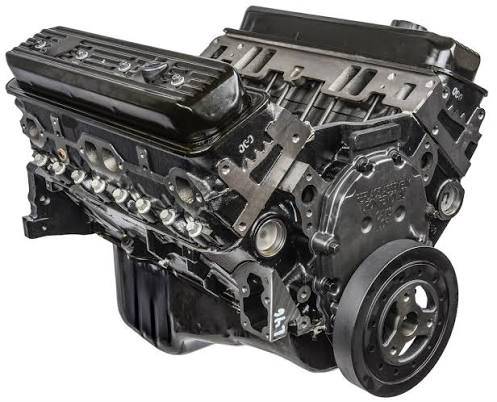
5.7 Vortec Engine Specs at a Glance
The 5.7L Vortec, also known by its engine code L31, is one of General Motors’ most recognizable small-block V8 engines. Produced from 1996 through 2002, it was designed to deliver a balance of durability, towing capability, and everyday drivability. While it shares the same 350 cubic-inch displacement as earlier Chevy small-block engines, the L31 introduced redesigned Vortec cylinder heads and sequential fuel injection, significantly improving airflow and overall efficiency.
The table below summarizes the most important 5.7 Vortec engine specs.
| Specification | Value |
|---|---|
| Engine Code | L31 Vortec |
| Manufacturer | General Motors |
| Production Years | 1996 to 2002 |
| Engine Type | Naturally Aspirated V8 |
| Displacement | 5.7L (350 cu in / 5,733 cc) |
| Configuration | 90° OHV Small Block V8 |
| Bore | 4.00 in (101.6 mm) |
| Stroke | 3.48 in (88.4 mm) |
| Compression Ratio | 9.4:1 |
| Horsepower | 255 hp at 4,600 RPM |
| Torque | 330 lb-ft at 2,800 RPM |
| Fuel System | Sequential Multi-Port Fuel Injection (SFI) |
| Valvetrain | OHV, 2 Valves per Cylinder |
| Block Material | Cast Iron |
| Cylinder Head Material | Cast Iron |
| Firing Order | 1-8-4-3-6-5-7-2 |
| Oil Capacity | 5 quarts (4.7 L) with filter |
| Recommended Fuel | Regular Unleaded Gasoline |
These specifications highlight why the 5.7 Vortec became a favorite among truck owners. Its relatively low peak horsepower is complemented by strong low-end torque, making it ideal for towing trailers, hauling heavy loads, and handling demanding work environments. The simple pushrod design also contributes to lower maintenance costs and excellent long-term reliability compared to more complex overhead-cam engines.
What Is the 5.7 Vortec Engine?
The 5.7 Vortec is a 350 cubic-inch small-block V8 developed by General Motors as the successor to the long-running Chevrolet 350 engine. Officially designated as the L31, it debuted in the 1996 model year and powered a wide range of Chevrolet and GMC trucks, SUVs, and vans.
Although the L31 retained the proven architecture of the classic Small Block Chevy, GM introduced several key engineering upgrades that significantly improved performance without sacrificing durability. The most notable improvement was the addition of high-flow Vortec cylinder heads, which featured redesigned intake ports and combustion chambers. These changes enhanced airflow into the cylinders, resulting in more efficient combustion, increased horsepower, and stronger torque across the engine’s operating range.
Another major advancement was the implementation of Sequential Multi-Port Fuel Injection (SFI). Earlier generations of the Chevrolet 350 often relied on throttle-body injection or carburetors, but the L31’s electronically controlled fuel injection system delivered fuel more precisely to each cylinder. This improvement enhanced throttle response, cold-weather starting, fuel economy, and emissions performance.
The engine’s 4.00-inch bore and 3.48-inch stroke remained unchanged from the traditional 350 platform, preserving the balanced characteristics that made the small-block Chevy famous. This combination provides excellent low-end torque while maintaining enough power at higher RPMs for highway driving and towing applications.
Because of its rugged cast-iron construction, straightforward OHV valvetrain, and extensive aftermarket support, the 5.7 Vortec continues to be a popular choice among restoration enthusiasts, off-road builders, and owners looking for a dependable V8 that is relatively inexpensive to maintain.
5.7 Vortec Engine Specifications Explained
Understanding the specifications of the 5.7 Vortec engine is about more than reading numbers on a specification sheet. Each measurement directly influences how the engine performs in everyday driving, towing, fuel efficiency, and long-term durability.
Horsepower
The L31 Vortec produces approximately 255 horsepower at 4,600 RPM. While this figure may appear modest compared to modern V8 engines, it was highly competitive during the late 1990s. The improved Vortec cylinder heads allowed the engine to breathe more efficiently than previous Chevrolet 350 engines, providing stronger acceleration and improved overall performance.
Torque
One of the engine’s greatest strengths is its 330 lb-ft of torque at just 2,800 RPM. Peak torque arriving at relatively low engine speeds gives the 5.7 Vortec excellent pulling power, making it particularly well suited for towing boats, campers, utility trailers, and carrying heavy payloads without requiring high engine RPM.
Bore and Stroke
The engine features a 4.00-inch bore and a 3.48-inch stroke, dimensions that have become iconic within the Chevrolet small-block family. This nearly square design creates an ideal balance between horsepower and torque, allowing the engine to deliver smooth power across a wide RPM range while maintaining excellent durability under heavy workloads.
Compression Ratio
With a 9.4:1 compression ratio, the 5.7 Vortec strikes a practical balance between performance and fuel requirements. It generates sufficient cylinder pressure for efficient combustion while remaining compatible with regular unleaded gasoline, helping owners keep operating costs low.
Cylinder Heads
Perhaps the most significant upgrade over earlier small-block engines is the introduction of Vortec cylinder heads. Their redesigned intake runners and efficient combustion chambers substantially improve airflow, enabling higher volumetric efficiency and better combustion. These heads are widely regarded as one of the primary reasons the L31 outperformed earlier generations despite similar displacement.
Fuel Injection System
The Sequential Multi-Port Fuel Injection (SFI) system precisely meters fuel into each cylinder based on real-time operating conditions. Compared to older throttle-body injection systems, SFI delivers smoother idle quality, improved throttle response, easier cold starts, and more consistent fuel economy while reducing exhaust emissions.
Valvetrain and Construction
The engine uses a traditional overhead valve (OHV) configuration with two valves per cylinder. Although simpler than many modern dual overhead cam designs, this architecture has earned a reputation for exceptional reliability, compact dimensions, and lower maintenance costs. Combined with a cast-iron engine block and cast-iron cylinder heads, the 5.7 Vortec is built to withstand hundreds of thousands of miles when maintained properly.
Complete 5.7 Vortec Engine Specifications Table
If you’re researching the 5.7 Vortec engine specs, having every important specification in one place makes it much easier to compare this legendary V8 with other GM small-block engines. While horsepower and torque often receive the most attention, dimensions, compression ratio, fuel system, and engine weight all play important roles in determining performance, reliability, and long-term ownership costs.
The following table provides a comprehensive overview of the GM L31 Vortec engine.
| Specification | Value |
|---|---|
| Engine Name | GM L31 Vortec |
| Engine Family | Chevrolet Small Block V8 |
| Production Years | 1996 to 2002 |
| Displacement | 5.7L (350 cu in / 5,733 cc) |
| Configuration | 90° V8 |
| Aspiration | Naturally Aspirated |
| Valvetrain | OHV, 16 Valves |
| Bore | 4.00 in (101.6 mm) |
| Stroke | 3.48 in (88.4 mm) |
| Compression Ratio | 9.4:1 |
| Horsepower | 255 hp @ 4,600 RPM |
| Torque | 330 lb-ft @ 2,800 RPM |
| Fuel Delivery | Sequential Multi-Port Fuel Injection |
| Ignition System | Electronic Distributor |
| Block Material | Cast Iron |
| Cylinder Head Material | Cast Iron |
| Fuel Requirement | Regular Unleaded (87 Octane) |
| Oil Capacity | 5 quarts with filter |
| Coolant Capacity | Approximately 16 to 18 quarts |
| Engine Weight | Approximately 575 lbs (261 kg) |
| Firing Order | 1-8-4-3-6-5-7-2 |
These specifications explain why the L31 Vortec remains highly regarded among truck owners and engine builders. Its cast-iron construction provides exceptional durability, while the combination of moderate compression and sequential fuel injection allows the engine to run efficiently on regular gasoline without sacrificing everyday performance.
Another advantage is the engine’s compatibility with a wide range of aftermarket components. Because it belongs to the Chevrolet Small Block family, replacement parts, upgrade kits, and performance accessories remain widely available even decades after production ended.
Vehicles That Came with the 5.7 Vortec Engine
The 5.7L L31 Vortec was installed in numerous Chevrolet and GMC vehicles during its production run. GM primarily used this engine in full-size pickups, SUVs, and commercial vans where dependable torque and long-term durability were more important than maximum horsepower.
Chevrolet Silverado C/K 1500 and 2500
One of the most common applications was the Chevrolet C/K pickup series before the Silverado name became standard. The 5.7 Vortec delivered excellent towing capability, making it a popular choice among contractors, farmers, and recreational towing enthusiasts. Even today, many of these trucks remain on the road thanks to the engine’s reputation for longevity.
GMC Sierra
The GMC Sierra shared nearly identical mechanical components with the Chevrolet Silverado. Buyers who selected the 5.7 Vortec benefited from smooth power delivery, dependable towing performance, and relatively low maintenance costs. The engine became especially popular in extended cab and heavy-duty configurations.
Chevrolet Tahoe
The full-size Chevrolet Tahoe relied on the 5.7 Vortec to provide strong acceleration despite its substantial weight. The engine’s abundant low-end torque made highway merging, family road trips, and towing campers considerably easier than smaller V6 alternatives.
Chevrolet Suburban
As one of America’s longest-running SUV nameplates, the Chevrolet Suburban demanded an engine capable of moving large families and heavy cargo. The 5.7 Vortec proved to be an ideal match, offering enough power for long-distance travel while maintaining excellent reliability.
GMC Yukon
Mechanically similar to the Tahoe, the GMC Yukon used the L31 Vortec in numerous trim levels. Owners appreciated its smooth operation, dependable cold-weather starting, and strong towing characteristics.
Chevrolet Express and GMC Savana
Commercial fleet operators quickly recognized the durability of the 5.7 Vortec. Installed in Chevrolet Express and GMC Savana vans, the engine routinely accumulated well over 200,000 miles with proper maintenance, making it a favorite among delivery companies and small businesses.
Because the engine was offered across such a broad range of vehicles, replacement parts remain easy to source, and knowledgeable mechanics are familiar with its design. This widespread availability continues to make the 5.7 Vortec an attractive option for buyers seeking an affordable, dependable used truck or SUV.
5.7 Vortec Performance
Although the 5.7 Vortec was never intended to compete with modern high-output V8 engines, it continues to impress drivers with its balanced performance. Rather than emphasizing peak horsepower, General Motors engineered the L31 to deliver strong low-end torque, smooth throttle response, and dependable operation under demanding conditions.
The engine’s 255 horsepower provides adequate acceleration for full-size trucks and SUVs, but its true strength lies in the 330 lb-ft of torque available at just 2,800 RPM. This low-RPM torque curve allows vehicles equipped with the 5.7 Vortec to pull heavy trailers confidently without constantly downshifting or operating at high engine speeds.
Towing performance is one of the engine’s defining characteristics. Depending on the vehicle configuration, axle ratio, and transmission, many trucks powered by the 5.7 Vortec are capable of towing between 6,000 and 8,500 pounds. This makes the engine suitable for hauling boats, travel trailers, utility trailers, and work equipment while maintaining stable performance on highways and moderate inclines.
Fuel economy is respectable considering the engine’s displacement and age. Most owners report averages between 13 and 17 MPG, with highway mileage occasionally exceeding 18 MPG under favorable driving conditions. While these numbers fall short of today’s fuel-efficient engines, they were competitive for full-size V8 trucks produced during the late 1990s and early 2000s.
Another factor contributing to the engine’s popularity is its smooth power delivery. The naturally aspirated design eliminates turbo lag, providing predictable acceleration and consistent throttle response. Combined with its proven cast-iron construction and simple overhead valve architecture, the 5.7 Vortec delivers a driving experience that many truck enthusiasts still appreciate for its reliability, ease of maintenance, and dependable real-world performance.
Common 5.7 Vortec Engine Problems
The 5.7 Vortec L31 has earned a reputation as one of GM’s most reliable V8 engines, but no engine is completely free from mechanical issues. Many of the problems associated with the 5.7 Vortec are age-related rather than design flaws, as most surviving engines are now more than two decades old. Fortunately, the majority of these issues are well documented, relatively affordable to repair, and supported by a large aftermarket parts industry.
Intake Manifold Gasket Failure
One of the most frequently reported problems is a leaking intake manifold gasket. Over time, the factory gasket can deteriorate due to repeated heating and cooling cycles, allowing coolant or engine oil to seep around the intake manifold.
Common symptoms include unexplained coolant loss, rough idling, engine overheating, and visible coolant leaks near the intake manifold. If left unrepaired, coolant contamination can eventually lead to more serious engine damage.
Many owners replace the original gasket with upgraded aftermarket versions made from improved materials, which significantly reduce the likelihood of future leaks.
Distributor Problems
Unlike many modern engines that use coil-on-plug ignition systems, the 5.7 Vortec relies on a traditional distributor. Moisture, worn bearings, or corrosion inside the distributor cap can lead to ignition problems over time.
Typical warning signs include difficult starting, engine misfires, poor fuel economy, hesitation during acceleration, and an illuminated Check Engine Light. Replacing the distributor assembly or ignition components often restores normal performance.
Routine inspection of the distributor cap and rotor during scheduled maintenance can help prevent unexpected failures.
Fuel Injector Issues
The Sequential Multi-Port Fuel Injection system generally performs well, but aging injectors may become clogged or develop uneven spray patterns after years of use.
Drivers may notice rough idle, reduced acceleration, increased fuel consumption, or hard starting. Professional injector cleaning often restores performance, while severely worn injectors should be replaced to maintain proper fuel delivery.
Using high-quality fuel and periodic fuel system cleaners may help extend injector life.
Knock Sensor Failure
The knock sensor monitors engine vibration and allows the engine control module to adjust ignition timing when detonation occurs. Over time, the sensor may fail due to moisture intrusion or normal wear.
A faulty knock sensor can trigger diagnostic trouble codes, reduce engine performance, decrease fuel economy, and limit ignition timing unnecessarily.
Replacement is generally straightforward, although access may require removal of nearby intake components depending on the vehicle.
Oil Leaks
Oil leaks become increasingly common as seals and gaskets age. Valve cover gaskets, rear main seals, oil pan gaskets, and timing cover seals are among the most common leak sources.
Small oil leaks are usually manageable if monitored regularly, but larger leaks should be repaired promptly to avoid low oil levels, contaminated engine components, and unnecessary wear.
Regular inspections help identify leaks before they become major repairs.
Cooling System Wear
As mileage increases, components such as the water pump, radiator, thermostat, hoses, and heater core naturally wear out. Cooling system neglect can lead to overheating, one of the few conditions capable of causing serious internal engine damage.
Replacing coolant according to the recommended service interval and inspecting hoses, belts, and the water pump during routine maintenance can significantly improve long-term reliability.
Common Problems Overview
| Problem | Common Symptoms | Typical Repair Difficulty | Severity |
|---|---|---|---|
| Intake Manifold Gasket | Coolant leak, overheating | Moderate | Medium |
| Distributor Failure | Misfire, hard starting | Easy | Medium |
| Fuel Injector Issues | Rough idle, poor fuel economy | Moderate | Low |
| Knock Sensor Failure | Check Engine Light, reduced power | Moderate | Low |
| Oil Leaks | Oil spots, burning oil smell | Easy to Moderate | Low |
| Cooling System Wear | High engine temperature | Moderate | High if ignored |
Despite these common issues, most repairs are inexpensive compared to modern engines equipped with turbochargers, direct injection systems, or complex variable valve timing technology. With proper maintenance, many owners consider the 5.7 Vortec one of the easiest GM V8 engines to own and repair.
Is the 5.7 Vortec Engine Reliable?
The 5.7 Vortec L31 is widely regarded as one of the most dependable gasoline V8 engines General Motors has ever produced. Its reputation is built on a simple yet durable pushrod design, heavy-duty cast-iron construction, and decades of proven performance in trucks, SUVs, and commercial vehicles.
One of the engine’s greatest strengths is longevity. It is not uncommon for a properly maintained 5.7 Vortec to exceed 250,000 miles, while many examples have surpassed 300,000 miles without requiring a complete engine rebuild. Fleet operators and truck enthusiasts frequently report exceptional durability when routine maintenance schedules are followed.
The engine’s straightforward design also contributes to its reliability. Unlike many modern engines, the L31 does not use turbochargers, variable valve timing systems, direct fuel injection, or complicated electronic valve controls. Fewer complex components mean fewer potential failure points and generally lower repair costs.
Routine maintenance plays a significant role in maximizing engine life. Regular oil changes using quality engine oil, scheduled coolant replacement, spark plug inspections, air filter replacement, and prompt attention to minor coolant or oil leaks can prevent many common problems from developing into expensive repairs.
Another advantage is the enormous availability of replacement parts. Since millions of Chevrolet and GMC vehicles were equipped with the 5.7 Vortec, both OEM and aftermarket components remain affordable and widely available. This makes repairs less expensive than many newer engines with proprietary parts.
For buyers considering a used truck or SUV, maintenance history is often more important than mileage alone. A well-maintained engine with 220,000 miles may prove more reliable than one with significantly lower mileage but a poor service record.
Overall, the 5.7 Vortec continues to earn high marks for durability, ease of maintenance, and long-term ownership costs. Even decades after production ended, it remains a popular choice among truck owners who value reliability over cutting-edge technology.
Frequently Asked Questions
Is the 5.7 Vortec the Same as the Chevy 350?
Yes. The 5.7 Vortec L31 is a modern evolution of the classic Chevrolet 350 small-block V8. It shares the same 350 cubic-inch displacement but features redesigned Vortec cylinder heads, sequential fuel injection, and several improvements that increase efficiency and performance.
How Much Horsepower Does a 5.7 Vortec Produce?
The factory-rated output is approximately 255 horsepower at 4,600 RPM and 330 lb-ft of torque at 2,800 RPM. Actual output may vary slightly depending on the vehicle, model year, and engine condition.
What Is the Bore and Stroke of the 5.7 Vortec?
The engine uses a 4.00-inch bore and a 3.48-inch stroke. This classic small-block Chevrolet configuration provides an excellent balance of low-end torque, durability, and everyday drivability.
What Is the Compression Ratio?
The L31 Vortec has a 9.4:1 compression ratio, allowing it to operate efficiently on regular unleaded gasoline while maintaining strong combustion efficiency.
How Long Does a 5.7 Vortec Engine Last?
With proper maintenance, many engines last between 250,000 and 300,000 miles, and some exceed 350,000 miles before requiring major internal repairs.
What Oil Does the 5.7 Vortec Use?
Most GM service recommendations specify 5W-30 engine oil for normal operating conditions, although climate and vehicle usage may influence the preferred viscosity. Always consult the owner’s manual or manufacturer specifications for your specific model year.
Is the 5.7 Vortec Good for Towing?
Yes. Thanks to its strong low-end torque, durable cast-iron construction, and proven reliability, the 5.7 Vortec remains an excellent engine for towing boats, campers, utility trailers, and work equipment within the manufacturer’s recommended towing limits.
Can the 5.7 Vortec Be Upgraded?
Absolutely. One of the engine’s biggest advantages is its massive aftermarket support. Popular upgrades include performance camshafts, cold air intake systems, long-tube headers, upgraded fuel injectors, ECU tuning, and aluminum cylinder heads, all of which can significantly improve horsepower and torque while maintaining reliability.
Conclusion
The 5.7 Vortec engine remains one of General Motors’ most respected small-block V8 engines, even more than two decades after its production ended. Its combination of dependable construction, strong low-end torque, and straightforward engineering has allowed it to stand the test of time in countless Chevrolet and GMC trucks, SUVs, and commercial vans.
Although its factory output of 255 horsepower may seem modest by today’s standards, the engine was never designed to be a high-revving performance powerhouse. Instead, the L31 Vortec excels where truck owners need it most: delivering consistent torque, reliable towing capability, and long-term durability. The proven 4.00-inch bore, 3.48-inch stroke, 9.4:1 compression ratio, and efficient sequential fuel injection system create a well-balanced engine that performs confidently in daily driving, heavy hauling, and demanding work environments.
Another reason the 5.7 Vortec continues to enjoy widespread popularity is its affordability. Replacement parts are readily available, maintenance procedures are relatively simple, and the engine benefits from one of the largest aftermarket support networks in the automotive industry. Whether you’re restoring a classic GMT400 pickup, maintaining a high-mileage Tahoe, or building a budget performance project, finding compatible components is rarely a challenge.
Like any aging engine, the 5.7 Vortec is not without its weaknesses. Intake manifold gasket leaks, distributor wear, and cooling system maintenance are common concerns. However, these issues are well understood by mechanics and enthusiasts, and most can be addressed without excessive repair costs. With routine oil changes, cooling system maintenance, and timely replacement of worn components, many examples continue to operate reliably well beyond 300,000 miles.
If you’re considering purchasing a used truck equipped with the L31 Vortec, focus on maintenance history rather than mileage alone. A well-maintained engine with comprehensive service records often proves to be a better investment than a lower-mileage vehicle that has been neglected.
Ultimately, the 5.7 Vortec engine specs tell only part of the story. Beyond the numbers, the L31 has built its reputation through decades of dependable real-world performance. Its blend of reliability, towing capability, ease of maintenance, and extensive aftermarket support ensures that it remains a favorite among truck owners, mechanics, and automotive enthusiasts alike.
Whether you’re researching specifications, planning a rebuild, or shopping for a used GM truck, the 5.7 Vortec continues to represent one of the most practical and proven V8 engines ever produced. If you have experience owning or maintaining a 5.7 Vortec-powered vehicle, share your thoughts and tips in the comments below. Your firsthand knowledge could help other enthusiasts make informed decisions and keep these legendary engines running strong for years to come.