The 5.7 Hemi firing order is 1 8 4 3 6 5 7 2. This sequence controls when each cylinder ignites during the combustion cycle. The Chrysler 5.7L HEMI V8 engine uses this order to maintain smooth power delivery and balanced engine operation.
The firing order does not show cylinder locations. Cylinder numbering identifies where each cylinder sits inside the engine. The firing order shows when each cylinder produces combustion. Technicians need both pieces of information when they repair ignition problems.
The 5.7L HEMI engine powers popular vehicles such as the Dodge Ram 1500, Dodge Charger, Dodge Challenger, Chrysler 300, and Jeep Grand Cherokee. These vehicles use the same engine family, but correct cylinder identification remains important during maintenance.
A wrong firing order can create several engine problems. These problems include rough idle, weak acceleration, engine misfires, and check engine lights. Incorrect ignition connections can also damage engine performance.
This guide explains the 5.7 Hemi firing order, cylinder numbering system, and ignition sequence. It also shows how technicians use this information for spark plug installation and misfire diagnosis.
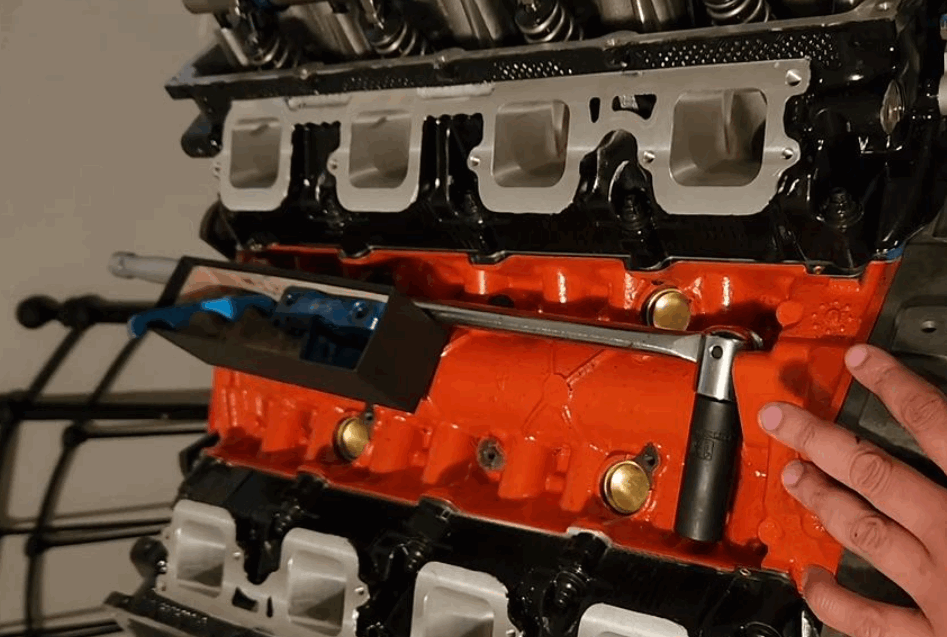
What Is the Firing Order of a 5.7 Hemi Engine?
The 5.7 Hemi firing order is 1 8 4 3 6 5 7 2. This sequence tells the engine control system the order in which each cylinder completes the combustion process. The sequence starts with cylinder 1, then moves through cylinders 8, 4, 3, 6, 5, 7, and 2 before repeating during engine operation.
The firing order exists to control combustion timing inside the V8 engine. A V8 engine has eight cylinders that must produce power in a balanced pattern. The 5.7L HEMI uses a specific ignition sequence to reduce vibration, maintain smooth rotation, and deliver consistent power from the crankshaft.
The firing order connects directly to the engine’s crankshaft rotation and ignition system. Each cylinder receives a spark at a precise moment during the four stroke combustion cycle. The ignition coil, spark plug, and engine control module work together to create the correct timing sequence.
The 5.7 HEMI firing order does not represent the physical arrangement of the cylinders. For example, cylinder 8 does not sit next to cylinder 1 in the engine block. The sequence only describes when each cylinder fires. This difference explains why many technicians check both the firing order and cylinder numbering before performing ignition repairs.
The correct firing order allows the engine to maintain proper combustion balance. When the ignition sequence changes because of incorrect wiring, faulty components, or installation mistakes, the engine can experience misfires, rough operation, and reduced performance. A clear understanding of the firing order helps technicians diagnose these problems faster and avoid unnecessary part replacement.
How Are the Cylinders Numbered on a 5.7 Hemi Engine?
The 5.7 Hemi cylinder numbering system identifies the physical location of each cylinder inside the V8 engine. Chrysler designed the numbering pattern so technicians can quickly locate individual cylinders during maintenance, diagnostics, and repair procedures.
The 5.7L HEMI engine uses two cylinder banks. The engine has a left bank and a right bank when viewed from the driver’s position. The cylinder numbers run from the front of the engine toward the rear. The passenger side contains cylinders 1, 3, 5, and 7, while the driver side contains cylinders 2, 4, 6, and 8.
Cylinder numbering helps technicians identify specific engine problems. For example, a P0301 trouble code points to a misfire on cylinder 1, while a P0308 code indicates a problem with cylinder 8. Without the correct cylinder layout, diagnosing ignition problems becomes more difficult.
The cylinder numbering system works together with the firing order but serves a different purpose. The firing order shows the combustion sequence, while cylinder numbers show the location of each combustion chamber. Technicians use both systems when testing spark plugs, ignition coils, fuel injectors, and compression levels.
A common mistake occurs when people assume the cylinder numbers follow the firing sequence. The 5.7 HEMI does not fire cylinders in numerical order. For example, cylinder 1 fires first, but cylinder 2 fires near the end of the sequence. Understanding this difference prevents incorrect spark plug connections and improves diagnostic accuracy.
Knowing the cylinder layout also helps during routine maintenance. When replacing spark plugs or testing ignition coils on a Dodge Ram 1500, Dodge Charger, Chrysler 300, or Jeep Grand Cherokee with a 5.7 HEMI engine, technicians can identify the correct component location before beginning the repair.
How Do You Use the 5.7 Hemi Firing Order Diagram for Spark Plug Wiring?
The 5.7 Hemi firing order diagram helps technicians connect ignition components to the correct cylinders. The diagram shows the relationship between cylinder numbers and the ignition sequence. This information prevents incorrect spark plug connections and helps maintain proper engine operation.
When installing spark plugs or checking ignition components, technicians first identify each cylinder location. They then follow the 5.7 HEMI firing order sequence to confirm that each cylinder receives ignition at the correct time. The process requires matching the cylinder number with the correct ignition component.
The ignition system on the 5.7L HEMI uses individual ignition coils instead of traditional spark plug wires on many modern applications. Each ignition coil sits directly above a spark plug and receives timing signals from the engine control module. The module activates each coil according to the firing order to create the correct combustion sequence.
A firing order diagram also helps diagnose installation mistakes. If a technician connects ignition components incorrectly or replaces parts without confirming cylinder locations, the engine may develop symptoms such as rough idle, hesitation, reduced power, or misfire codes. These symptoms appear because combustion occurs at the wrong time or fails to occur in the correct cylinder.
The diagram becomes especially useful during maintenance on vehicles equipped with the 5.7 HEMI engine, including the Dodge Ram 1500, Dodge Charger, Dodge Challenger, Chrysler 300, and Jeep Grand Cherokee. Technicians can use the firing order reference before replacing spark plugs, inspecting ignition coils, or diagnosing engine performance issues.
Using the correct firing order information saves repair time and reduces unnecessary troubleshooting. A proper understanding of cylinder placement and ignition sequence allows technicians to identify problems more accurately and complete repairs with fewer errors.
What Problems Can a Wrong 5.7 Hemi Firing Order Cause?
A wrong 5.7 Hemi firing order can cause engine misfires, poor performance, and unstable operation. The firing order controls when each cylinder receives ignition. When the sequence does not match the engine design, the combustion process becomes inefficient.
The most common problem is an engine misfire. A misfire happens when a cylinder fails to burn the air and fuel mixture correctly. If the ignition system sends a spark to the wrong cylinder or incorrect timing point, the combustion cycle becomes disrupted. The engine may lose power because some cylinders cannot contribute properly.
A wrong firing order can also create rough idle conditions. The engine may shake, vibrate, or run unevenly because the crankshaft does not receive power pulses in the correct pattern. The 5.7L HEMI V8 depends on balanced combustion events to maintain smooth operation.
Another common symptom is a check engine light with diagnostic trouble codes. The engine control module monitors cylinder performance and can detect abnormal combustion patterns. Codes such as P0301 through P0308 identify misfires on specific cylinders. For example, P0304 indicates a possible misfire on cylinder 4.
Incorrect firing order can also reduce fuel efficiency and acceleration. The engine may burn fuel without producing the expected power because combustion does not happen at the correct moment. This condition increases fuel waste and places additional stress on ignition components.
Technicians should verify the firing order before replacing expensive parts. Many ignition problems come from incorrect cylinder identification, damaged ignition coils, worn spark plugs, or wiring mistakes. Checking the 5.7 HEMI firing order provides a simple first step before performing advanced engine diagnostics.
How Do You Diagnose a 5.7 Hemi Misfire Related to Ignition Problems?
A 5.7 Hemi misfire diagnosis starts with identifying the affected cylinder and checking the ignition system components. A misfire occurs when one or more cylinders fail to complete the combustion process correctly. Technicians use diagnostic tools and physical inspections to find the source of the problem.
The first step is reading the diagnostic trouble codes with an OBD II scanner. Codes from P0301 to P0308 show which cylinder has a detected misfire. For example, a P0302 code indicates a possible problem with cylinder 2, while a P0307 code points to cylinder 7. These codes help narrow the inspection area before removing engine components.
The next step is checking the ignition coil and spark plug for the affected cylinder. The 5.7L HEMI uses individual ignition coils, and a damaged coil can prevent the spark plug from creating proper ignition. Worn spark plugs can also create weak sparks, incomplete combustion, and repeated misfire symptoms.
Technicians can also perform a coil swap test to confirm ignition problems. They move the suspected ignition coil to another cylinder and check whether the misfire code follows the coil. If the code moves with the coil, the ignition coil likely has a fault. If the code remains on the same cylinder, technicians continue checking other components.
A complete diagnosis also includes checking fuel delivery, compression, and air intake conditions. Ignition problems are common causes of misfires, but fuel injectors, vacuum leaks, and internal engine issues can create similar symptoms. A systematic inspection prevents unnecessary replacement of working parts.
Understanding the 5.7 HEMI firing order improves the diagnostic process because technicians can confirm cylinder locations before testing components. Correct cylinder identification, proper ignition inspection, and accurate trouble code analysis help restore normal engine performance.
Which Vehicles Use the 5.7 Hemi Engine?
The 5.7 Hemi engine powers several Chrysler, Dodge, Ram, and Jeep vehicles that use the same V8 engine architecture. These vehicles share similar ignition principles, including the same basic firing order, cylinder numbering system, and diagnostic methods.
The Dodge Ram 1500 is one of the most common vehicles equipped with the 5.7L HEMI engine. This engine provides strong towing capability and reliable power for pickup truck applications. Technicians working on Ram 1500 models often use the 5.7 HEMI firing order when diagnosing ignition issues, replacing spark plugs, or checking cylinder misfires.
Dodge performance vehicles also use the 5.7 HEMI engine. Models such as the Dodge Charger and Dodge Challenger include this engine option because the HEMI design delivers high torque and responsive acceleration. Proper ignition timing and cylinder identification remain important for maintaining engine performance in these vehicles.
The Chrysler 300 and Jeep Grand Cherokee also use the 5.7L HEMI V8 engine in specific model years. Although these vehicles have different body designs and driving purposes, the engine system follows the same combustion principles. The firing order remains a key reference during maintenance and repair procedures.
The wide use of the 5.7 HEMI engine creates a large repair knowledge base across multiple vehicle platforms. Information about cylinder numbering, ignition coils, spark plugs, and misfire diagnosis applies to many vehicles that share this engine family.
Understanding the connection between the engine and its vehicle applications helps owners find accurate repair information. Before performing ignition work, technicians should always confirm the exact vehicle year, engine configuration, and service specifications because manufacturers can update components between different production periods.
How Often Should You Check 5.7 Hemi Ignition Components?
The 5.7 Hemi ignition components should be inspected according to the vehicle maintenance schedule and engine condition. Regular inspection helps prevent ignition failures, misfires, and reduced engine performance. The main components to check include spark plugs, ignition coils, and related electrical connections.
Spark plugs require regular inspection because they directly affect combustion quality. Worn or damaged spark plugs can create weak ignition, incomplete combustion, and cylinder misfires. Many 5.7L HEMI engines require spark plug replacement at specific service intervals, but driving conditions can affect how quickly spark plugs wear. Vehicles used for towing, frequent short trips, or heavy loads may require earlier inspection.
Ignition coils also need attention when the engine shows performance problems. A failing ignition coil can cause symptoms such as rough idle, hesitation, reduced acceleration, and cylinder specific misfire codes. Checking ignition coils becomes especially important when diagnostic codes identify problems with individual cylinders.
Technicians should also inspect electrical connections during ignition maintenance. Loose connections, damaged wiring, or corrosion can interrupt the signal between the engine control module and ignition components. These problems can create symptoms that appear similar to spark plug or coil failures.
Regular ignition system checks help maintain proper combustion efficiency. When technicians combine maintenance inspections with accurate cylinder identification and the correct 5.7 HEMI firing order, they can detect problems before they become major engine issues.
For owners of vehicles such as the Dodge Ram 1500, Dodge Charger, Chrysler 300, and Jeep Grand Cherokee, following the recommended maintenance schedule is the best way to protect engine reliability. Proper ignition maintenance keeps the 5.7 HEMI running smoothly and reduces the risk of unexpected repairs.
What Should You Remember About the 5.7 Hemi Firing Order?
The 5.7 Hemi firing order is 1 8 4 3 6 5 7 2, and this sequence controls the timing of combustion inside the 5.7L HEMI V8 engine. Understanding this order helps technicians identify ignition problems, install components correctly, and diagnose engine performance issues.
The firing order and cylinder numbering system work together but provide different information. Cylinder numbering shows where each cylinder is located inside the engine, while the firing order shows when each cylinder produces power. Confusing these two systems can lead to incorrect ignition work and unnecessary troubleshooting.
A correct understanding of the 5.7 HEMI ignition sequence supports accurate maintenance procedures. Technicians use this information when checking spark plugs, inspecting ignition coils, and diagnosing cylinder specific misfires. Vehicle owners can also use this knowledge to better understand repair recommendations and engine symptoms.
The 5.7 HEMI engine appears in many Chrysler, Dodge, Ram, and Jeep vehicles. Because of its wide application, understanding the firing order creates a useful foundation for additional maintenance topics, including spark plug replacement, ignition coil testing, and HEMI misfire diagnosis.
A reliable repair process always starts with accurate information. Confirming the firing order, identifying cylinder locations, and following proper diagnostic steps help maintain engine performance and prevent avoidable repair mistakes.