A 5.7 Hemi Engine Rebuild restores a worn or damaged Chrysler 5.7L HEMI V8 engine through inspection, machining, and component replacement. Engine owners usually choose this process when they notice low performance, high oil consumption, poor compression, or internal damage. Common HEMI problems include lifter failure and camshaft wear.
A rebuild goes beyond replacing one broken part. Technicians remove the engine, inspect each component, and restore the parts that still meet specifications. They replace damaged components and machine critical areas to improve engine reliability. This approach allows owners to keep the original engine block while restoring performance.
The total cost of a 5.7 Hemi engine rebuild depends on several factors. These factors include engine condition, replacement parts, machining requirements, labor costs, and the desired build quality. A factory style rebuild focuses on reliability, while a performance rebuild adds upgraded components for increased durability and power.
This guide explains the complete rebuilding process, common replacement parts, expected costs, and maintenance requirements. It helps vehicle owners decide whether rebuilding their 5.7 Hemi engine is the right solution compared with purchasing a replacement engine.
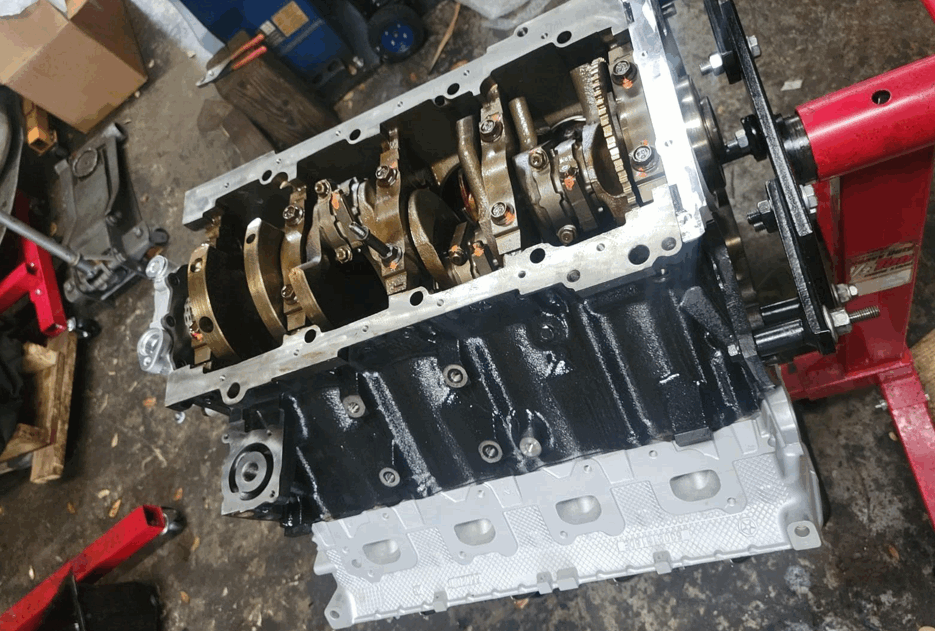
When Does a 5.7 Hemi Engine Need a Rebuild?
A 5.7 Hemi engine needs a rebuild when internal wear or damage affects performance, reliability, or engine operation. Most owners consider rebuilding after they notice repeated problems that repairs cannot permanently solve. A rebuild addresses the root cause by inspecting the complete engine system and restoring worn components.
Several warning signs indicate that a 5.7 Hemi may require rebuilding. Excessive oil consumption is one common symptom because worn piston rings, cylinder walls, or valve components can allow oil to enter the combustion chamber. Low compression also indicates internal wear because damaged pistons, valves, or cylinder surfaces reduce the engine’s ability to create proper combustion pressure.
The well known HEMI tick is another issue that many 5.7 Hemi owners monitor. This ticking noise often relates to problems with lifters or camshaft components. When lifters fail, they can damage the camshaft surface and reduce valve operation efficiency. Replacing only the damaged part may not solve the problem if other internal components already show wear.
High mileage also increases the chance of requiring a rebuild. A 5.7 Hemi engine with extensive use may develop worn bearings, weakened piston rings, timing component wear, and reduced oil pressure. These conditions affect multiple engine systems at the same time, making a complete rebuild a more effective solution.
Overheating and poor lubrication create additional risks for internal engine damage. Excessive heat can distort engine components, while insufficient lubrication increases friction between moving parts. Both conditions can accelerate wear on critical components such as the crankshaft, bearings, and cylinder walls.
A proper inspection determines whether rebuilding is necessary. Technicians evaluate compression levels, oil pressure, component measurements, and visible damage before recommending a rebuild. This approach prevents unnecessary costs and ensures the repair matches the actual condition of the 5.7 Hemi engine.
What Parts Are Replaced During a 5.7 Hemi Engine Rebuild?
A 5.7 Hemi engine rebuild replaces worn or damaged components that affect engine performance, reliability, and oil control. Technicians do not replace every part automatically. They inspect each component, measure wear levels, and decide whether the part can return to service or requires replacement.
The most common replacement parts include pistons, piston rings, bearings, and gaskets. Pistons control the combustion process inside the cylinders, while piston rings maintain compression and prevent excessive oil consumption. Worn bearings can reduce lubrication efficiency and create abnormal engine noise. New gaskets help restore proper sealing between engine components and prevent oil or coolant leaks.
The valve train receives close attention during a 5.7 Hemi rebuild because many HEMI engines experience lifter and camshaft related problems. Technicians often inspect lifters, rocker arms, pushrods, and camshaft surfaces for damage. A damaged lifter can create uneven valve movement and wear the camshaft lobes over time. Replacing affected valve train components helps restore proper engine operation.
The timing system and oil system also require inspection during rebuilding. Components such as the timing chain, guides, tensioners, and oil pump affect engine synchronization and lubrication. A worn timing system can create performance problems, while a weak oil pump can reduce protection for internal engine parts.
Machine work plays an important role in restoring the major engine structures. The cylinder block may require cleaning, honing, or boring to create the correct surface condition for new piston rings. Cylinder heads may need resurfacing and valve work to restore proper compression. Technicians also inspect the crankshaft for wear and determine whether it needs polishing or machining.
The final component selection depends on the engine’s condition and the rebuild goal. A standard rebuild focuses on restoring factory reliability, while a performance rebuild may include upgraded pistons, stronger valve train components, or improved lubrication systems. Choosing the correct parts ensures that the rebuilt 5.7 Hemi engine delivers consistent performance after installation.
What Are the Steps in a 5.7 Hemi Engine Rebuild Process?
A 5.7 Hemi engine rebuild process follows a structured sequence that restores engine condition and reliability. Each step affects the final performance of the rebuilt engine. Professional rebuilders follow inspection, machining, assembly, and testing procedures to ensure that every component works correctly together.
The first step involves removing and disassembling the engine. Technicians remove the 5.7 Hemi engine from the vehicle and separate major components such as the cylinder heads, pistons, crankshaft, camshaft, and valve train. During disassembly, they document damaged areas and inspect signs of wear, overheating, or poor lubrication.
The next step focuses on cleaning and inspection. Technicians remove carbon deposits, oil residue, and contaminants from engine components. They measure critical areas, including cylinder walls, bearing surfaces, piston clearances, and crankshaft dimensions. These measurements determine whether parts meet manufacturer specifications or require machining.
Machine work prepares the engine components for reassembly. The cylinder block may receive honing or boring to restore proper cylinder surfaces. The cylinder heads may require resurfacing and valve service to improve sealing. The crankshaft may need polishing or machining if technicians identify surface wear. These procedures create accurate surfaces for new components.
After machining, technicians rebuild the engine with inspected or new parts. They install components such as pistons, rings, bearings, gaskets, lifters, and timing components according to proper specifications. Correct assembly requires accurate measurements because incorrect clearances can cause premature wear or engine failure.
The final stage involves testing and engine break in. Technicians check oil pressure, compression, fluid leaks, and operating temperature before returning the engine to service. A proper break in period allows new components to wear together correctly and helps establish long term reliability.
A complete 5.7 Hemi engine rebuild requires technical knowledge, precise measurements, and quality components. Following each step carefully improves the chance of achieving reliable performance after the rebuild.
How Much Does a 5.7 Hemi Engine Rebuild Cost?
A 5.7 Hemi engine rebuild cost depends on the engine condition, replacement parts, machine work, and labor requirements. A basic rebuild usually costs less because it reuses more original components, while a complete rebuild costs more because it replaces additional parts and requires more machining work. The final price depends on the level of restoration needed for the specific engine.
Labor represents one of the largest cost factors in a 5.7 Hemi rebuild. Technicians must remove, disassemble, inspect, rebuild, and reinstall the engine. Each stage requires specialized equipment and technical experience. Engines with severe internal damage require additional inspection time and more repair work, which increases the total labor cost.
Machine shop services also affect the rebuild price. The cylinder block may require cleaning, honing, or boring. The cylinder heads may need resurfacing and valve work. The crankshaft may require polishing or machining. These processes restore component accuracy but add to the overall rebuild investment.
Replacement parts create another major cost difference. A standard rebuild may include new pistons, piston rings, bearings, gaskets, and timing components. A more advanced rebuild may add upgraded pistons, performance camshaft components, stronger lifters, or improved oil system parts. The choice depends on whether the goal is factory reliability or increased engine performance.
The condition of the original engine determines whether rebuilding remains financially practical. An engine with worn internal components can often return to reliable operation through rebuilding. However, severe cylinder block damage or extensive machining requirements may make an engine replacement more economical.
When comparing costs, owners should consider long term value rather than the lowest initial price. A professional 5.7 Hemi engine rebuild uses proper measurements, quality components, and correct assembly procedures. These factors reduce the risk of repeated failures and help protect the investment over the vehicle’s remaining service life.
Is Rebuilding a 5.7 Hemi Engine Better Than Replacing It?
A 5.7 Hemi engine rebuild can be a better option than replacement when the original engine block remains usable and the repair cost provides better long term value. Both options solve engine failure, but they offer different advantages depending on the vehicle condition, budget, and ownership goals.
A rebuild keeps the original engine and restores its internal components. This option allows technicians to inspect the entire engine and replace only the parts that require attention. Owners can also upgrade specific components during the rebuild, such as stronger lifters, improved timing components, or performance focused parts. This approach provides more control over the final engine configuration.
Engine replacement offers a different advantage because it can reduce repair time. A replacement engine allows the vehicle to return to operation faster when the original engine has severe damage. This option may work well when the cylinder block has cracks, major structural damage, or requires expensive machining that exceeds the value of rebuilding.
The decision depends on the condition of the existing 5.7 Hemi engine. A rebuild usually makes sense when the main components remain recoverable. For example, an engine with worn bearings, damaged lifters, or reduced compression can often return to reliable operation after proper rebuilding. However, an engine with extensive block damage may require replacement.
Vehicle usage also influences the best choice. Owners who plan to keep their Dodge Ram, Dodge Charger, Jeep Grand Cherokee, or other HEMI powered vehicle for several years may benefit from a complete rebuild. The process allows them to restore reliability while understanding the condition of every internal component.
A rebuilt 5.7 Hemi engine also provides an opportunity to improve known reliability concerns. Technicians can address common issues during assembly instead of waiting for future failures. This proactive approach can create a stronger engine foundation compared with a basic repair.
Choosing between rebuilding and replacing requires evaluating the total cost, engine condition, and expected vehicle lifespan. A professional inspection provides the information needed to select the option that delivers the best balance of reliability and value.
How Long Does a Rebuilt 5.7 Hemi Engine Last?
A rebuilt 5.7 Hemi engine can provide many years of reliable service when technicians use quality parts, accurate machining, and proper assembly procedures. The lifespan of a rebuilt engine depends on the condition of the original components, the rebuild quality, driving habits, and maintenance practices after installation.
The quality of the rebuild has the largest impact on engine durability. A professional rebuild includes detailed inspection, precise measurements, and replacement of worn components. Technicians who follow correct clearance specifications can reduce internal friction and improve engine reliability. A rebuild that only replaces a few damaged parts without checking related components may not provide the same long term results.
The replacement parts also influence how long the engine performs. High quality pistons, bearings, gaskets, lifters, and timing components help maintain proper engine operation. Performance focused builds may use upgraded components to handle additional stress from increased power output or demanding driving conditions.
Maintenance after rebuilding plays an important role in extending engine life. Regular oil changes protect components such as the camshaft, lifters, bearings, and crankshaft from excessive wear. Using the correct oil specification helps maintain proper lubrication throughout the engine. Cooling system inspections also prevent overheating, which remains one of the most damaging conditions for internal engine components.
Driving conditions affect rebuilt engine longevity as well. Frequent towing, high temperatures, aggressive acceleration, and poor maintenance can increase engine stress. In contrast, consistent maintenance and normal driving conditions help the rebuilt 5.7 Hemi maintain reliable performance for a longer period.
A rebuilt engine does not automatically perform like a brand new engine. Its durability depends on the quality of the rebuild process and how well the owner maintains it. When a 5.7 Hemi rebuild follows professional standards, it can restore reliability and extend the useful life of the vehicle.
How Can You Maintain a Rebuilt 5.7 Hemi Engine?
A rebuilt 5.7 Hemi engine requires consistent maintenance to protect internal components and preserve long term reliability. A rebuild restores engine condition, but proper maintenance determines how well the engine performs after installation. Regular inspections and correct service practices reduce wear on critical components.
Engine oil maintenance is one of the most important factors for protecting a rebuilt 5.7 Hemi. Fresh oil supports lubrication between moving components such as the crankshaft, bearings, camshaft, and lifters. Using the correct oil specification helps maintain proper protection under different driving conditions. Regular oil changes also reduce contamination that can accelerate internal wear.
The cooling system requires regular attention because excessive heat can damage rebuilt engine components. Owners should monitor coolant levels, inspect hoses, and check radiator performance. A properly working cooling system helps maintain stable engine temperatures and prevents heat related problems that can affect cylinder heads, gaskets, and internal clearances.
Monitoring engine performance helps identify potential problems before they create major damage. Unusual noises, changes in oil pressure, reduced power, or increased oil consumption may indicate developing issues. Early inspection allows technicians to address smaller problems before they affect multiple engine components.
The ignition and fuel systems also influence rebuilt engine performance. Proper spark plug condition, correct fuel delivery, and accurate engine timing help the engine operate efficiently. Poor combustion can increase stress on internal parts and reduce overall reliability.
Owners should also consider driving habits after a rebuild. Avoiding excessive engine stress during the initial break in period allows new components to establish proper contact surfaces. After the break in process, regular driving with appropriate maintenance supports consistent performance.
A rebuilt 5.7 Hemi engine performs best when owners follow a preventive maintenance schedule. Regular oil service, cooling system checks, performance monitoring, and responsible driving protect the rebuild investment and help maintain engine reliability over time.
Which Vehicles Use the 5.7 Hemi Engine?
A 5.7 Hemi engine powers several Dodge, Chrysler, and Jeep vehicles that require different rebuild considerations based on vehicle design, usage, and driving conditions. The Chrysler 5.7L HEMI V8 became widely used because it provided strong performance, towing capability, and durability across multiple vehicle platforms.
The Dodge Ram 1500 is one of the most common vehicles equipped with the 5.7 Hemi engine. Many Ram owners choose a rebuild when the engine develops high mileage wear, reduced towing performance, oil consumption, or internal component problems. Because trucks often experience heavy workloads, technicians usually inspect components such as bearings, lifters, camshaft surfaces, and oil systems carefully during rebuilding.
The Dodge Charger and Dodge Challenger also use the 5.7 Hemi engine in performance focused applications. These vehicles place different demands on the engine because owners often expect strong acceleration and consistent power delivery. A rebuild for these applications may include upgraded components that improve durability under higher engine stress.
The Chrysler 300 uses the 5.7 Hemi as a luxury performance engine that combines smooth operation with V8 power. Rebuilding this engine requires attention to both reliability and refinement because owners expect quiet operation, stable performance, and long term comfort.
The Jeep Grand Cherokee also uses the 5.7 Hemi engine in certain models. These vehicles may experience different operating conditions because they often combine daily driving with towing or off road use. Technicians consider usage patterns when selecting replacement components and rebuild specifications.
Although these vehicles share the same 5.7 Hemi engine family, rebuild requirements can vary based on vehicle weight, transmission system, driving style, and engine history. Understanding the vehicle application helps technicians choose the correct rebuild approach and replacement components.
A complete 5.7 Hemi engine rebuild should consider both the engine condition and the vehicle purpose. A truck used for towing may require different priorities than a performance vehicle used for acceleration. Matching the rebuild process with the vehicle application helps achieve better reliability and performance after installation.
Conclusion
A 5.7 Hemi engine rebuild provides a practical solution for restoring engine reliability, performance, and service life when internal wear affects operation. The rebuild process goes beyond replacing individual failed components. It evaluates the complete engine system, repairs damaged areas, and restores important components such as pistons, bearings, lifters, camshaft parts, and cylinder surfaces.
The decision to rebuild a 5.7 Hemi engine depends on several factors, including engine condition, repair cost, vehicle value, and long term ownership plans. A rebuild often provides better value when the original engine block remains usable and the owner wants to preserve the vehicle. Engine replacement may become a better choice when severe structural damage makes rebuilding impractical.
A successful rebuild requires accurate inspection, quality replacement parts, proper machining, and professional assembly. These factors determine how well the engine performs after installation. Regular maintenance after rebuilding also plays an important role in protecting the investment and extending engine life.
For owners of Dodge Ram, Dodge Charger, Dodge Challenger, Chrysler 300, and Jeep Grand Cherokee vehicles, understanding the rebuilding process helps create better repair decisions. A properly rebuilt 5.7 Hemi engine can restore dependable performance while allowing the vehicle to continue providing value for years.