A Honda Pilot oil change may seem simple, but choosing the wrong oil, adding too much, or using an incorrect filter can create expensive problems. Many owners search online and find different answers for oil type, oil capacity, service intervals, and reset procedures. This becomes even more confusing because Honda Pilot specifications can vary by model year and engine generation.
This complete guide explains everything you need to know before changing the oil in your Honda Pilot. You will learn which oil type to use, how much oil your engine needs, when the oil should be changed, and how the Honda Maintenance Minder works. You will also find clear instructions for replacing the oil filter, checking the oil level, preventing leaks, and resetting the oil life display after service.
The goal is to help you avoid common mistakes that can shorten engine life or increase maintenance costs. Using the correct oil and following the proper process can improve lubrication, reduce internal wear, and support reliable engine performance.
Whether you own an older Honda Pilot or a newer model, this guide will help you complete the service with greater confidence. Always confirm the final specifications in the owner’s manual for your exact model year before starting your Honda Pilot oil change.
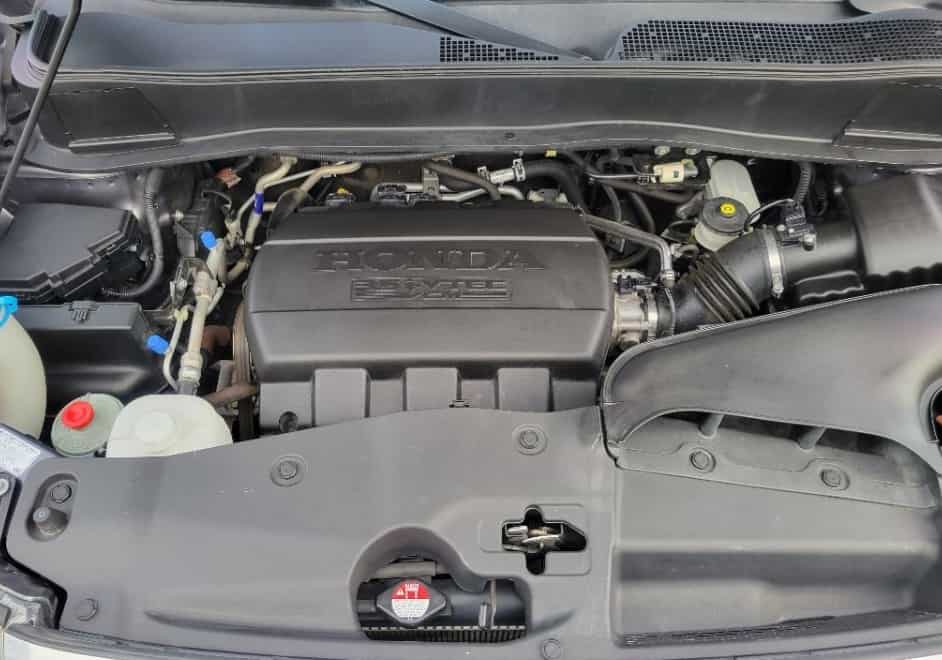
Honda Pilot Oil Change Quick Reference
If you need a quick answer before starting a Honda Pilot oil change, this section summarizes the most important information. While the exact specifications depend on the model year, most modern Honda Pilot models are designed to use full synthetic engine oil that meets Honda’s recommended viscosity and industry standards. Always verify the specifications for your vehicle before purchasing oil or replacing the filter.
Changing the engine oil on time helps protect internal engine components from excessive wear. Fresh oil reduces friction, improves cooling, keeps the engine clean, and supports better fuel efficiency. Delaying an oil change may lead to sludge buildup, poor lubrication, and unnecessary engine wear.
The table below provides a general overview of Honda Pilot oil change specifications. Always confirm the exact values in the owner’s manual because oil capacity and service requirements may vary between different generations.
| Model Years | Engine | Recommended Oil | Approximate Capacity with Filter | Oil Monitoring System |
|---|---|---|---|---|
| 2003 to 2008 | 3.5L V6 | 5W20 or manufacturer specified oil | Approximately 4.5 to 4.7 quarts | Fixed maintenance schedule |
| 2009 to 2015 | 3.5L V6 | 5W20 full synthetic preferred | Approximately 4.5 to 4.7 quarts | Maintenance Minder |
| 2016 to 2022 | 3.5L V6 | Full Synthetic 0W20 | Approximately 5.7 quarts | Maintenance Minder |
| 2023 to Present | 3.5L V6 DOHC | Full Synthetic 0W20 | Approximately 5.8 quarts | Advanced Maintenance Minder |
Before performing a Honda Pilot oil change, inspect the oil filler cap and owner’s manual to verify the correct viscosity. Replacing the oil filter during every oil service is also recommended because a clean filter helps remove contaminants that circulate through the engine.
After refilling the engine, never assume the listed capacity is the final oil level. Allow the oil to settle for several minutes, then check the dipstick on a level surface. Add oil gradually if necessary until the level reaches the recommended range. This simple step helps prevent both underfilling and overfilling, two common mistakes that can affect engine performance.
Honda Pilot Oil Type by Model Year
Selecting the correct engine oil is one of the most important parts of a Honda Pilot oil change. Engine oil does much more than lubricate moving parts. It helps control engine temperature, reduces friction, keeps internal components clean, and protects the engine from corrosion. Using the wrong viscosity or an oil that does not meet Honda’s specifications can reduce performance and increase long term engine wear.
Honda has updated its oil recommendations over the years as engine technology has improved. Earlier Honda Pilot models were designed around one viscosity, while newer generations take advantage of advanced full synthetic oil to improve fuel economy, cold start performance, and engine protection. Understanding these differences helps owners choose the right product for their specific model year.
2003 to 2008 Honda Pilot Oil Type
The first generation Honda Pilot is powered by a 3.5 liter V6 engine that was originally designed to use SAE 5W20 engine oil. Honda recommended this viscosity because it provides fast lubrication during cold starts while maintaining reliable protection at normal operating temperatures.
Owners who drive in very hot climates or tow heavy loads may wonder if a thicker oil is a better option. In most situations, it is best to follow the viscosity listed in the owner’s manual. Switching to a thicker oil without a mechanical reason may reduce fuel efficiency and affect oil flow during cold starts.
For high mileage vehicles, many owners choose a high mileage full synthetic oil that meets the same viscosity requirement. These products often contain seal conditioners and additional additives that help reduce oil consumption in older engines. However, they should not be used as a solution for worn piston rings, leaking gaskets, or other mechanical problems.
2009 to 2015 Honda Pilot Oil Type
The second generation Honda Pilot continued to use the dependable 3.5 liter V6 engine. Honda still recommended SAE 5W20 for most models, although full synthetic oil became increasingly popular because of its improved durability and resistance to thermal breakdown.
Compared with conventional oil, full synthetic oil maintains stable viscosity over a wider temperature range. It also provides better protection during extended highway driving, frequent stop and go traffic, and seasonal temperature changes.
Drivers who regularly tow trailers, carry heavy cargo, or travel in mountainous areas may place additional stress on the engine. Under these conditions, following the Maintenance Minder and checking the oil level more frequently becomes even more important.
2016 to 2022 Honda Pilot Oil Type
The third generation Honda Pilot introduced significant engineering improvements, including direct fuel injection and updated Variable Cylinder Management technology. These changes increased efficiency while also placing greater demands on engine lubrication.
Honda specifies SAE 0W20 Full Synthetic Oil for these models. This lower viscosity flows quickly during cold starts and provides excellent protection across a wide range of operating temperatures. It also supports improved fuel economy without sacrificing engine durability.
Because direct injection engines can experience increased fuel dilution under certain driving conditions, owners who make frequent short trips should monitor their oil life carefully. Even if the mileage is relatively low, repeated cold starts and short drives may require more frequent oil changes than drivers who spend most of their time on the highway.
2023 to Present Honda Pilot Oil Type
The latest Honda Pilot continues to use a naturally aspirated 3.5 liter V6 engine, but it features updated engineering, improved combustion efficiency, and refined internal components. Honda recommends SAE 0W20 Full Synthetic Oil that meets the latest API service standards for maximum protection and performance.
Using a high quality full synthetic oil helps reduce engine deposits, improves lubrication during extreme temperatures, and supports longer service intervals when combined with the Honda Maintenance Minder system.
Although trim levels such as Sport, EX L, TrailSport, Touring, Elite, and Black Edition offer different equipment and driving features, they generally share the same engine oil recommendation when equipped with the same powertrain. Owners should still verify the specifications listed in the owner’s manual because production updates may occur during different model years.
Why Choosing the Correct Oil Matters
Selecting the proper engine oil is about more than viscosity alone. The oil should meet Honda’s recommended performance standards and come from a trusted manufacturer. Genuine Honda Motor Oil, along with premium full synthetic oils from well known brands, can provide excellent protection when they meet the required specifications.
A quality oil combined with a genuine or premium replacement oil filter helps reduce internal wear, improve engine cleanliness, and maintain consistent lubrication throughout every drive. Regular maintenance also supports better fuel efficiency, smoother engine operation, and a longer service life.
Before purchasing engine oil, always verify your Honda Pilot model year, engine configuration, and the specifications listed in the owner’s manual. Taking a few extra minutes to confirm the correct oil can prevent costly maintenance mistakes and ensure your Honda Pilot oil change is completed properly the first time.
Honda Pilot Oil Capacity by Year
Knowing the correct oil capacity is just as important as choosing the right oil type. Adding too little oil can reduce lubrication and increase engine wear, while adding too much oil may cause foaming, excessive crankcase pressure, oil leaks, and damage to emission system components. Every Honda Pilot oil change should end with a final dipstick inspection to confirm the correct oil level.
Oil capacity is not always the same across every Honda Pilot generation. Engine updates, oil pan design, and filter size can all affect the amount of oil required. The values below represent the approximate refill capacity when replacing both the engine oil and the oil filter. Always verify the exact specification in the owner’s manual for your model year.
Honda Pilot Oil Capacity Chart
| Model Year | Engine | Recommended Oil | Approximate Capacity with Filter |
|---|---|---|---|
| 2003 | 3.5L V6 | SAE 5W20 | 4.5 US quarts |
| 2004 | 3.5L V6 | SAE 5W20 | 4.5 US quarts |
| 2005 | 3.5L V6 | SAE 5W20 | 4.5 US quarts |
| 2006 | 3.5L V6 | SAE 5W20 | 4.5 US quarts |
| 2007 | 3.5L V6 | SAE 5W20 | 4.5 US quarts |
| 2008 | 3.5L V6 | SAE 5W20 | 4.5 US quarts |
| 2009 | 3.5L V6 | SAE 5W20 | 4.5 US quarts |
| 2010 | 3.5L V6 | SAE 5W20 | 4.5 US quarts |
| 2011 | 3.5L V6 | SAE 5W20 | 4.5 US quarts |
| 2012 | 3.5L V6 | SAE 5W20 | 4.5 US quarts |
| 2013 | 3.5L V6 | SAE 5W20 | 4.5 US quarts |
| 2014 | 3.5L V6 | SAE 5W20 | 4.5 US quarts |
| 2015 | 3.5L V6 | SAE 5W20 | 4.5 US quarts |
| 2016 | 3.5L V6 | SAE 0W20 Full Synthetic | 5.7 US quarts |
| 2017 | 3.5L V6 | SAE 0W20 Full Synthetic | 5.7 US quarts |
| 2018 | 3.5L V6 | SAE 0W20 Full Synthetic | 5.7 US quarts |
| 2019 | 3.5L V6 | SAE 0W20 Full Synthetic | 5.7 US quarts |
| 2020 | 3.5L V6 | SAE 0W20 Full Synthetic | 5.7 US quarts |
| 2021 | 3.5L V6 | SAE 0W20 Full Synthetic | 5.7 US quarts |
| 2022 | 3.5L V6 | SAE 0W20 Full Synthetic | 5.7 US quarts |
| 2023 | 3.5L DOHC V6 | SAE 0W20 Full Synthetic | 5.8 US quarts |
| 2024 | 3.5L DOHC V6 | SAE 0W20 Full Synthetic | 5.8 US quarts |
| 2025 | 3.5L DOHC V6 | SAE 0W20 Full Synthetic | 5.8 US quarts |
| 2026 | 3.5L DOHC V6 | SAE 0W20 Full Synthetic | 5.8 US quarts |
Why Oil Capacity Matters
Many vehicle owners assume that pouring in the published oil capacity is enough to complete a Honda Pilot oil change. In reality, the final oil level should always be confirmed with the dipstick after the engine has been started, allowed to circulate the new oil, and then shut off for several minutes.
A new oil filter absorbs part of the fresh oil during the first startup. Depending on how completely the old oil drains from the engine, the actual refill amount may vary slightly. For this reason, professional technicians often add slightly less than the listed capacity first. They then check the dipstick and top off the oil until it reaches the full mark.
Signs of Too Much Engine Oil
Overfilling is a common mistake during a Honda Pilot oil change. Excess oil can create several problems that become more serious over time.
Common symptoms include:
- Oil level above the full mark on the dipstick.
- White or blue exhaust smoke.
- Oil leaks around engine seals.
- Burning oil smell.
- Rough engine operation.
- Increased oil consumption.
- Check Engine Light in some cases.
If the engine has been overfilled by a significant amount, the excess oil should be drained before driving the vehicle.
Signs of Low Engine Oil
Running below the recommended oil level is equally harmful because the oil pump may not supply enough lubrication during acceleration, braking, or cornering.
Watch for these warning signs:
- Oil warning light.
- Engine ticking noise.
- Increased engine temperature.
- Reduced engine performance.
- Low oil level on the dipstick.
- Metallic engine noise during startup.
Checking the oil level once every month or before a long trip can help detect problems before they become expensive repairs.
Best Practice After Refilling
After adding fresh engine oil, reinstall the oil filler cap and start the engine for about one minute. This allows the new oil to circulate through the engine and fill the replacement oil filter.
Turn the engine off and wait approximately five minutes before checking the dipstick. Remove the dipstick, wipe it clean, insert it fully, and check the oil level again. If necessary, add a small amount of oil at a time until the level reaches the recommended range. Avoid filling above the maximum mark because even a small amount of excess oil can affect engine performance.
Following this procedure helps ensure every Honda Pilot oil change is completed accurately while providing the engine with the lubrication it needs for reliable long term operation.
How Often Does a Honda Pilot Need an Oil Change?
The ideal Honda Pilot oil change interval depends on more than mileage alone. Engine load, driving habits, weather, and road conditions all affect how quickly engine oil loses its protective properties. For this reason, Honda recommends following the Maintenance Minder instead of relying on a fixed mileage schedule.
The Maintenance Minder continuously monitors real driving conditions to estimate the remaining life of the engine oil. It analyzes factors such as engine temperature, trip length, vehicle speed, and operating conditions. When the oil life reaches 15 percent, it is time to schedule your next service. At 5 percent, the oil should be changed as soon as possible. If the display reaches 0 percent, the service is overdue and the engine should receive fresh oil immediately.
Drivers who mainly travel on highways or take longer trips often experience slower oil degradation because the engine reaches normal operating temperature more consistently. In contrast, frequent short trips, heavy traffic, towing, mountain driving, dusty roads, and extreme temperatures place additional stress on the engine. Under these conditions, the Maintenance Minder may recommend a Honda Pilot oil change much earlier than expected.
Checking the engine oil level regularly is just as important as changing it on time. A low oil level can reduce lubrication and increase engine wear, while old contaminated oil may lead to sludge buildup and poor engine performance. Using the correct oil viscosity, replacing the oil filter during every service, and following the Maintenance Minder are the best ways to keep your Honda Pilot running smoothly and protect the engine for many years.
What Do Honda Pilot Maintenance Minder Codes Mean?
The Honda Maintenance Minder helps owners keep their vehicles in excellent condition by displaying service reminders based on real driving conditions. Instead of using a fixed maintenance schedule, the system analyzes engine operation and tells you when maintenance is due. As a result, you can service your Honda Pilot at the right time instead of relying only on mileage.
The main service code identifies the primary maintenance task. For example, Code A tells you to replace the engine oil. Code B recommends replacing both the engine oil and the oil filter while also inspecting several important vehicle systems. Therefore, many owners will see either Code A or Code B when it is time for a Honda Pilot oil change.
In addition, the system displays numerical sub codes that identify other maintenance items. Code 1 recommends rotating the tires to promote even tread wear. Code 2 usually includes an inspection of the engine air filter, cabin air filter, and drive belt. Likewise, other sub codes may recommend replacing the transmission fluid, rear differential fluid, engine coolant, or spark plugs depending on the model year and maintenance history.
After completing every required service, reset the Maintenance Minder so it can calculate the next maintenance interval accurately. However, never reset the system before performing the recommended service. Otherwise, you may miss important maintenance and increase the risk of unnecessary engine wear. Finally, check your owner’s manual if you are unsure about a specific code because maintenance requirements can vary between Honda Pilot model years.
Tools and Supplies Needed for a Honda Pilot Oil Change
Preparing the right tools before you begin makes a Honda Pilot oil change faster, safer, and more efficient. In addition, having everything within reach helps reduce mistakes and prevents unnecessary interruptions during the service. Whether you are changing the oil for the first time or you have years of experience, using quality tools can improve both safety and accuracy.
First, purchase the correct engine oil for your Honda Pilot model year. Most newer models require full synthetic 0W20 engine oil, while older models may use a different viscosity. Next, choose a high quality oil filter that matches your engine. Replacing the oil filter during every oil change helps remove contaminants and allows fresh oil to circulate properly.
You should also install a new drain plug washer each time you remove the drain plug. Although the washer is inexpensive, it creates a proper seal and helps prevent oil leaks after the service. Reusing an old washer may increase the risk of seepage over time.
For the job itself, gather a socket wrench, the correct socket size, an oil filter wrench, a drain pan, a funnel, and several clean shop towels. Moreover, a torque wrench allows you to tighten the drain plug according to Honda’s specifications, which reduces the risk of stripped threads or oil leaks.
Safety should always come first. Park the vehicle on a level surface before starting the service. Then use quality ramps or jack stands if additional clearance is needed. Never work under a vehicle supported only by a hydraulic jack because it can fail without warning. Finally, wear protective gloves and safety glasses to reduce contact with hot engine oil and other contaminants.
Taking a few minutes to prepare the proper tools and supplies before starting your Honda Pilot oil change will save time, improve safety, and help ensure the job is completed correctly the first time.
How to Change the Oil in a Honda Pilot
Changing the engine oil at home is a straightforward job when you follow the correct steps. In addition, regular maintenance helps protect the engine, improve performance, and extend the life of your Honda Pilot. Before you begin, make sure you have the correct engine oil, a new oil filter, a drain plug washer, and the necessary tools.
First, start the engine and let it run for a few minutes. Warm oil flows more easily and carries away more contaminants. Next, park the vehicle on a level surface, turn off the engine, and allow it to cool slightly. Then raise the front of the vehicle if additional clearance is needed and support it securely with ramps or jack stands.
Place a drain pan beneath the oil pan before removing the drain plug. Allow the old engine oil to drain completely. After that, install a new drain plug washer and tighten the drain plug to the manufacturer’s recommended torque specification. This simple step helps prevent future oil leaks.
Next, remove the old oil filter with an oil filter wrench. Before installing the new filter, apply a thin layer of fresh engine oil to the rubber gasket. Then hand tighten the new filter until it seats properly. Avoid over tightening because it can damage the gasket and make the next oil change more difficult.
Now add the recommended amount of fresh engine oil through the oil filler opening. Afterward, reinstall the oil filler cap and start the engine for about one minute. Then turn the engine off and wait several minutes for the oil to settle. Finally, check the oil level with the dipstick and add more oil if necessary until it reaches the proper level.
Inspect the drain plug and oil filter carefully for leaks before driving the vehicle. Finally, reset the Honda Maintenance Minder so it can accurately track the next service interval. Recording the service date, mileage, and oil type will also help you maintain a complete maintenance history for your Honda Pilot.
Common Honda Pilot Oil Change Mistakes to Avoid
Even a simple Honda Pilot oil change can lead to expensive repairs if you overlook important details. Fortunately, avoiding a few common mistakes can help protect your engine and ensure every oil change delivers the best results.
One of the most common mistakes is using the wrong oil viscosity. Always check your owner’s manual before purchasing engine oil because different Honda Pilot model years may require different specifications. Using the recommended oil helps maintain proper lubrication and supports long term engine performance.
Another frequent mistake is overfilling or underfilling the engine oil. Too much oil can create excessive pressure and cause foaming, while too little oil reduces lubrication and increases engine wear. Therefore, always verify the oil level with the dipstick after completing the service and add oil only if needed.
Many owners also forget to replace the drain plug washer. Although this small part costs very little, it creates a reliable seal between the drain plug and the oil pan. Installing a new washer during every oil change helps prevent slow oil leaks and reduces the chance of future repairs.
In addition, some drivers replace the engine oil but keep using the old oil filter. However, a worn filter cannot remove contaminants effectively. Replacing the oil filter during every Honda Pilot oil change allows clean oil to circulate through the engine and provides better protection.
Finally, never ignore the Maintenance Minder or delay routine maintenance after the oil life reaches the recommended service point. Regular oil changes, proper engine oil, and careful inspections work together to keep your Honda Pilot running smoothly. Following these simple practices can reduce maintenance costs, improve reliability, and help your engine perform at its best for many years.
Frequently Asked Questions About Honda Pilot Oil Changes
How much oil does a Honda Pilot need?
The required oil capacity depends on the model year and engine. Most recent Honda Pilot models require between 5.4 and 5.7 quarts of engine oil with a new oil filter. However, always confirm the exact capacity in your owner’s manual before adding fresh oil.
What type of oil does a Honda Pilot use?
Most modern Honda Pilot models use full synthetic 0W20 engine oil. Older models may require 5W20 or 5W30 depending on the engine and model year. Therefore, always use the viscosity recommended by Honda to ensure proper lubrication and engine protection.
How often should I change the oil in my Honda Pilot?
Honda recommends following the Maintenance Minder instead of a fixed mileage interval. The system monitors real driving conditions and calculates when the engine oil should be replaced. As a result, your Honda Pilot oil change interval may vary depending on your driving habits and operating conditions.
Can I switch from conventional oil to synthetic oil?
Yes. You can switch to full synthetic oil if your Honda Pilot model supports the recommended viscosity. In fact, synthetic oil offers better protection against heat, oxidation, and engine wear. Many owners also choose synthetic oil because it performs well in both hot and cold weather.
Do I need to replace the oil filter every time?
Yes. Replacing the oil filter during every Honda Pilot oil change helps remove dirt, metal particles, and other contaminants from the lubrication system. Consequently, clean engine oil can circulate more efficiently and protect critical engine components.
What happens if I delay an oil change?
Old engine oil gradually loses its ability to lubricate and protect internal components. Consequently, sludge can build up inside the engine, friction may increase, and engine performance can decline. Delaying routine maintenance for long periods may also shorten engine life and lead to costly repairs.
Can I reset the Maintenance Minder without changing the oil?
Although you can reset the system manually, you should only do so after completing the recommended maintenance. Otherwise, the Maintenance Minder will no longer provide an accurate service schedule, which increases the risk of missing important maintenance.
Conclusion
Keeping up with a regular Honda Pilot oil change is one of the simplest and most effective ways to protect your engine and maintain reliable performance. Throughout this guide, you have learned the correct oil type, oil capacity, recommended service intervals, Maintenance Minder codes, required tools, and the proper steps to complete an oil change safely. More importantly, following Honda’s recommendations helps reduce engine wear, improve fuel efficiency, and extend the life of your vehicle.
In addition, choosing the correct engine oil and replacing the oil filter during every service ensures the lubrication system continues to perform as designed. Checking the oil level regularly and responding to Maintenance Minder alerts can also prevent small issues from becoming expensive repairs. These simple habits save money over time and help your Honda Pilot deliver dependable performance in every season.
Whether you perform a Honda Pilot oil change yourself or visit a trusted service center, staying consistent with routine maintenance is the key to long term reliability. Always consult your owner’s manual for specifications that apply to your model year, and keep a record of every service for future reference.
If you found this guide helpful, consider bookmarking it for your next maintenance interval. You can also share it with other Honda Pilot owners who want to keep their vehicles running smoothly for years to come.