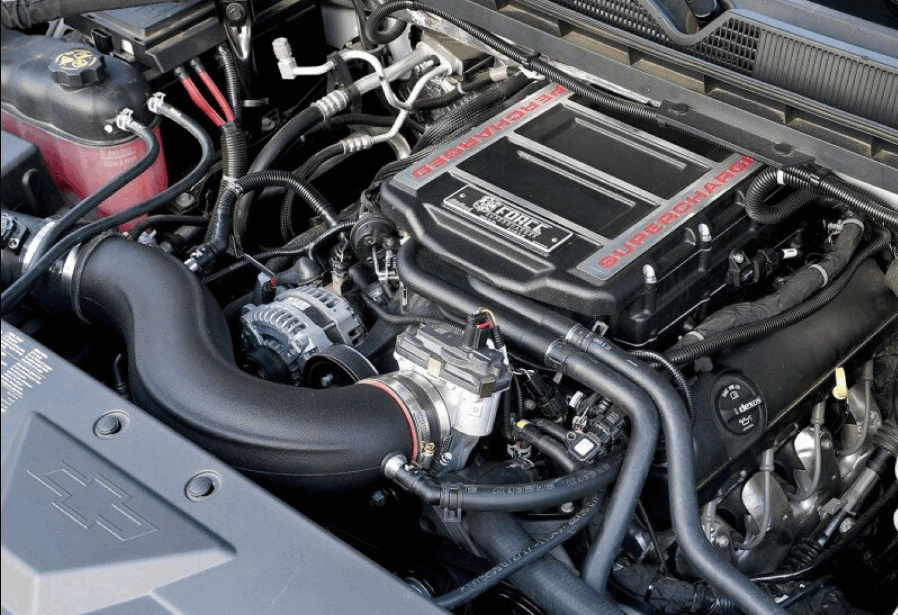
A 3.6 Pentastar supercharger upgrade increases engine performance by forcing more air into the combustion chamber. This process helps the V6 engine produce more horsepower and torque than its original naturally aspirated setup.
The Chrysler 3.6L Pentastar V6 powers popular vehicles such as the Jeep Wrangler, Jeep Gladiator, Dodge Charger, Dodge Challenger, and Chrysler 300. Many owners choose this engine platform because it offers strong reliability and supports various aftermarket performance upgrades.
A supercharger upgrade involves more than installing a single performance part. The system works with air intake components, fuel delivery systems, engine tuning, and cooling solutions. Each component affects the final power output and long term engine reliability.
Many 3.6 Pentastar owners install superchargers to improve acceleration, increase torque, and create a more responsive driving experience. Some drivers also use these upgrades for better towing performance or stronger off road capability.
This guide explains how a 3.6 Pentastar supercharger works, how much horsepower it can add, which kits are available, what supporting modifications you need, and how to maintain engine reliability after installation.
What Is a 5.7 Hemi Engine Rebuild?
A 5.7 Hemi engine rebuild is a complete process that restores the internal condition of a Chrysler 5.7L HEMI V8 engine. The process involves removing the engine, separating its components, inspecting each part, repairing damaged areas, and replacing worn components. A rebuild focuses on returning the engine to reliable operating condition instead of replacing only one failed part.
Engine rebuilding differs from engine repair and engine replacement. An engine repair usually targets a specific problem, such as replacing a damaged lifter, fixing an oil leak, or changing a failed gasket. A replacement engine removes the original unit and installs another engine. A rebuild keeps the original engine block and restores the internal systems through detailed inspection and machining.
A professional 5.7 Hemi rebuild usually examines major components such as the cylinder block, cylinder heads, crankshaft, pistons, connecting rods, bearings, camshaft, and valve train. Technicians measure wear levels and determine which parts can be reused and which parts require replacement. This evaluation prevents unnecessary part replacement while ensuring that damaged components do not reduce engine reliability.
The rebuilding process also allows owners to address known weaknesses of the 5.7 Hemi engine. Problems such as lifter failure, camshaft wear, and oil system issues often require more than a simple repair. A complete rebuild gives technicians the opportunity to inspect related components and improve the overall durability of the engine.
A rebuilt 5.7 Hemi engine can provide a practical solution for vehicles with high mileage or internal damage. When technicians follow proper machining procedures and use quality replacement parts, the rebuild can restore engine performance while extending the vehicle’s service life.
What Is a 3.6 Pentastar Supercharger and How Does It Work?
A 3.6 Pentastar supercharger is a forced induction system that increases engine power by pushing more air into the 3.6L Pentastar V6 combustion chambers. A naturally aspirated engine depends on atmospheric pressure to move air into the cylinders. A supercharger uses mechanical energy from the engine to compress incoming air and increase oxygen availability during combustion.
The additional air allows the engine to burn more fuel and create stronger combustion force. This process increases horsepower and torque because the engine produces more energy during each combustion cycle. The supercharger does not replace the factory engine design. Instead, it enhances the existing airflow system to improve performance.
The main components of a 3.6 Pentastar supercharger system include the supercharger unit, intake system, intercooler, pulley system, and engine calibration software. The supercharger compresses air before it enters the engine. The intercooler reduces intake air temperature, which helps maintain consistent power output and protects engine components from excessive heat.
The amount of power gained depends on several factors. Boost pressure, fuel quality, ECU tuning, exhaust flow, and engine condition all affect the final results. For example, a mild street setup with conservative boost focuses on reliability, while a higher boost build requires stronger supporting modifications.
The 3.6 Pentastar engine appears in many vehicles, including the Jeep Wrangler JL, Jeep Gladiator, Dodge Charger, Dodge Challenger, and Chrysler 300. Because of this wide application, supercharger upgrades have become a popular solution for owners who want more performance without replacing the factory V6 engine.
What Horsepower Gains Can You Expect From a 3.6 Pentastar Supercharger?
A 3.6 Pentastar supercharger can significantly increase horsepower and torque by improving the amount of air available for combustion. The exact power gain depends on the supercharger system, boost pressure, engine condition, fuel quality, and ECU calibration. A properly tuned setup can transform the naturally aspirated Pentastar V6 into a much stronger performance engine.
The factory 3.6L Pentastar V6 produces different power levels depending on the vehicle application and model year. For example, Jeep Wrangler JL models with the 3.6 Pentastar produce around 285 horsepower and 260 lb ft of torque from the factory. A supercharger upgrade can increase output by adding compressed air and allowing the engine to generate more combustion force.
Most street focused supercharger builds prioritize balanced performance rather than maximum boost. A conservative setup can deliver noticeable horsepower gains while maintaining daily drivability and engine reliability. Higher output builds can achieve larger increases, but they require additional upgrades such as improved fuel delivery, stronger engine components, and more advanced engine tuning.
Several factors determine the final horsepower result. Boost pressure controls how much additional air enters the engine, while ECU tuning manages ignition timing and fuel delivery. The intercooler system also plays an important role because cooler intake air improves combustion efficiency and reduces heat related stress.
Horsepower numbers alone do not define a successful 3.6 Pentastar supercharger build. A reliable upgrade requires a balance between power output, thermal management, engine protection, and consistent performance. A well designed system delivers stronger acceleration while keeping the engine suitable for everyday driving conditions.
Which Supercharger Kits Are Available for the 3.6 Pentastar?
A 3.6 Pentastar supercharger kit provides the hardware and software needed to add forced induction to the V6 engine platform. Different kits use different supercharger designs, power targets, and installation approaches. Choosing the right system depends on the vehicle application, desired horsepower level, driving purpose, and reliability goals.
The most common supercharger designs for performance applications include centrifugal superchargers, Roots style superchargers, and twin screw superchargers. Each design creates boost differently and changes the way the engine delivers power. A centrifugal supercharger uses an impeller that spins at high speed to compress air. This design usually delivers stronger power increases at higher engine RPM and works well for drivers who want a performance focused setup.
Roots style and twin screw superchargers create boost at lower engine speeds by moving larger amounts of air into the engine. These systems often provide stronger low RPM torque and immediate throttle response. This characteristic can benefit heavier vehicles such as the Jeep Wrangler and Jeep Gladiator, where additional low speed torque improves acceleration and off road capability.
A quality 3.6 Pentastar supercharger kit should include more than the main supercharger unit. A complete system usually requires components such as mounting brackets, intake hardware, intercooler equipment, fuel system support, and ECU tuning solutions. These parts work together to maintain proper air fuel ratios and control engine temperatures.
Before selecting a kit, owners should evaluate several factors, including vehicle compatibility, manufacturer support, available tuning options, and long term maintenance requirements. The highest horsepower kit is not always the best choice. A properly matched system delivers the right balance between performance, reliability, and daily usability.
What Modifications Does a 3.6 Pentastar Need After Adding a Supercharger?
A 3.6 Pentastar supercharger requires supporting modifications to maintain engine performance, fuel control, and long term reliability. A supercharger increases the amount of air entering the engine, which changes the demands on the fuel system, cooling system, and engine management components. A complete upgrade focuses on creating a balanced system rather than adding boost alone.
The first essential upgrade is ECU tuning. The engine control unit manages fuel delivery, ignition timing, and air fuel ratios. A factory calibration cannot always handle the increased airflow from a supercharger. Proper tuning allows the engine to use the additional air efficiently while reducing the risk of issues such as detonation or excessive engine temperature.
The fuel system also requires attention because more air requires more fuel to maintain proper combustion. Many supercharged Pentastar builds use upgraded fuel injectors or improved fuel delivery components to support higher power levels. Without sufficient fuel supply, the engine cannot achieve consistent performance under increased load.
Cooling system improvements become important because forced induction creates additional heat. A larger intercooler, improved heat exchanger, upgraded radiator components, or better airflow management can help control intake temperatures. Cooler air improves combustion efficiency and reduces stress on engine components during high performance driving.
The intake and exhaust systems also influence supercharger performance. A high flow intake allows the supercharger to receive sufficient air, while an optimized exhaust system helps remove combustion gases more efficiently. These supporting upgrades allow the 3.6 Pentastar engine to produce power consistently instead of only achieving short term gains.
A reliable supercharged Pentastar build depends on matching each component with the target power level. Owners who plan moderate horsepower increases may need fewer upgrades, while high output builds require more extensive engine preparation and stronger supporting parts.
How Is a 3.6 Pentastar Supercharger Installed?
A 3.6 Pentastar supercharger installation adds a complete forced induction system to the engine and requires careful mechanical preparation, component installation, and ECU calibration. The process involves more than mounting the supercharger unit because each supporting component must work together to maintain proper performance and reliability.
The installation begins with an engine inspection. Technicians check the condition of the engine, cooling system, fuel system, and existing components before adding additional power. A healthy engine provides a stronger foundation for handling increased cylinder pressure and thermal load from forced induction.
The next step involves installing the supercharger assembly and related hardware. The process usually includes mounting the supercharger, connecting the intake system, installing intercooler components, and fitting the required belts, brackets, and airflow components. Each part must align correctly because improper installation can reduce performance or create mechanical problems.
After the hardware installation, the engine requires proper calibration. ECU tuning adjusts fuel delivery, ignition timing, and boost management to match the new airflow characteristics. A professional tune helps the engine produce consistent power while protecting internal components from excessive stress.
The final stage involves testing and adjustment. Technicians monitor air fuel ratios, intake temperatures, boost pressure, and engine behavior under different driving conditions. These checks confirm that the supercharger system operates correctly and that the vehicle maintains reliable performance.
Installation difficulty depends on the supercharger kit design, vehicle model, and available supporting components. Professional installation provides better consistency for complex builds, while experienced enthusiasts may complete some installations with the correct tools and technical knowledge.
A successful 3.6 Pentastar supercharger installation combines mechanical accuracy, proper tuning, and system testing. The quality of installation directly affects both horsepower gains and long term engine reliability.
Is a 3.6 Pentastar Supercharger Reliable?
A 3.6 Pentastar supercharger can provide reliable performance when the system uses proper tuning, suitable boost levels, quality components, and consistent maintenance. Adding forced induction increases engine output, but it also increases stress on internal components, cooling systems, and drivetrain parts. Reliability depends on how well the complete system manages these additional demands.
Boost pressure is one of the most important factors affecting engine durability. Lower boost levels create less cylinder pressure and thermal stress, which makes them suitable for daily driving applications. Higher boost levels produce greater horsepower gains but require more supporting upgrades, advanced tuning, and closer monitoring of engine conditions.
Engine condition also plays a major role in reliability. A healthy 3.6 Pentastar engine with proper maintenance provides a better foundation for a supercharger upgrade. Regular oil changes, correct fluid levels, and inspection of cooling components help reduce wear and protect the engine under increased performance demands.
Heat management is another critical factor for supercharged Pentastar builds. Forced induction generates additional heat because the engine processes more air and fuel during combustion. Components such as intercoolers, cooling systems, and proper airflow management help maintain stable operating temperatures and prevent excessive stress.
The quality of tuning directly affects long term reliability. An experienced tuner adjusts fuel delivery, ignition timing, and boost control according to the specific vehicle setup. Poor calibration can create problems such as incorrect air fuel ratios, excessive engine temperatures, or inconsistent power delivery.
A reliable 3.6 Pentastar supercharger build focuses on balance. The goal is not only to achieve maximum horsepower but also to create a performance system that delivers consistent power, protects engine components, and remains practical for everyday use.
Is a Supercharger Better Than a Turbocharger for the 3.6 Pentastar?
A supercharger and turbocharger can both increase 3.6 Pentastar performance, but they deliver power in different ways. The better choice depends on the vehicle purpose, driving style, installation requirements, and desired performance characteristics. Both systems use forced induction, but they rely on different methods to create additional engine power.
A supercharger uses mechanical energy from the engine to compress incoming air. This design provides immediate throttle response because the system creates boost directly from engine speed. Many drivers prefer superchargers because they deliver predictable power and stronger low RPM response, which benefits heavier vehicles such as the Jeep Wrangler and Jeep Gladiator.
A turbocharger uses exhaust gas energy to spin a turbine that compresses air before it enters the engine. Turbo systems can produce strong power increases and often provide greater efficiency at higher engine speeds. However, turbo installations usually require more complex exhaust routing, additional heat management, and careful tuning to control boost delivery.
For daily driving and off road applications, a supercharger often provides a more natural driving experience because power builds smoothly with throttle input. The immediate torque response helps vehicles that need low speed strength, especially when carrying additional weight or driving on challenging terrain.
A turbocharger may suit drivers who want maximum horsepower potential and are willing to manage a more complex system. The final choice depends on the performance goal rather than one system being universally better.
A 3.6 Pentastar supercharger upgrade focuses on instant power delivery, simple boost characteristics, and strong drivability. A turbocharger focuses on efficiency and high output potential. Understanding these differences helps owners choose the forced induction system that matches their vehicle and driving needs.
How Much Does a 3.6 Pentastar Supercharger Upgrade Cost?
A 3.6 Pentastar supercharger upgrade cost depends on the supercharger kit, installation requirements, supporting modifications, and tuning process. The total investment includes more than the main supercharger unit because a reliable forced induction system requires multiple components to manage increased airflow, fuel demand, and engine temperature.
The supercharger kit represents the largest portion of the upgrade cost. A complete kit usually includes the supercharger assembly, mounting hardware, intake components, intercooler system, and necessary accessories. The price varies based on the supercharger design, included features, manufacturer support, and expected power level.
Installation labor creates another major cost factor. A professional installation requires mechanical experience because technicians must remove and replace components, connect the forced induction system, check clearances, and verify proper operation. More complex systems require additional labor time, especially when they include upgraded fuel systems or advanced cooling solutions.
ECU tuning is another essential expense because the factory engine calibration does not account for the increased airflow created by a supercharger. Professional tuning adjusts fuel delivery, ignition timing, and boost control to match the new performance setup. Skipping proper calibration can reduce performance and increase the risk of engine problems.
Supporting modifications also affect the final budget. Some builds require upgrades such as improved fuel injectors, cooling components, intake systems, exhaust parts, or drivetrain improvements. The required upgrades depend on the target horsepower level and intended vehicle use.
A lower cost installation may focus on basic power improvements, while a high performance build requires a larger investment in supporting components and reliability upgrades. The best approach is to create a complete system that matches the vehicle, performance goals, and long term ownership plans.
Conclusion
A 3.6 Pentastar supercharger upgrade transforms the V6 engine into a stronger performance platform by increasing airflow, improving combustion efficiency, and creating additional horsepower and torque. However, a successful upgrade depends on more than installing a supercharger unit. The complete system must include proper tuning, suitable supporting components, and effective heat management.
The best supercharger setup depends on the owner’s performance goals and driving requirements. A daily driven Jeep Wrangler or Jeep Gladiator may benefit from a balanced system that improves torque response and maintains reliability. A high performance build may require additional fuel, cooling, and drivetrain upgrades to support higher power levels.
Choosing the right supercharger kit requires careful consideration of horsepower targets, vehicle compatibility, installation quality, and long term maintenance needs. A properly designed 3.6 Pentastar supercharger system can deliver stronger acceleration and a more engaging driving experience while maintaining practical reliability.
For owners exploring further performance improvements, related upgrades such as Jeep Wrangler performance modifications, Pentastar engine tuning, and forced induction comparisons can provide additional guidance when planning a complete vehicle build.