Rotary engines have fascinated car enthusiasts for decades. Their compact design and unique performance make them stand out from traditional piston engines. Many drivers admire their smooth power delivery and impressive high RPM capability. However, these engines also have a reputation for reliability concerns. This leaves many buyers asking the same question. Are rotary engines reliable?
The answer is not as simple as yes or no. A rotary engine can be reliable when it receives proper care. Regular maintenance, quality oil, and an efficient cooling system all play important roles. At the same time, neglect can quickly lead to expensive repairs. Unlike most piston engines, rotary engines are less forgiving when owners ignore routine maintenance.
Much of the confusion comes from outdated information and common myths. Some people believe every rotary engine will fail early. Others assume they are impossible to maintain. In reality, many well maintained rotary engines have delivered years of dependable performance. The key is understanding their design and following the correct maintenance routine.
This guide explains everything you need to know about rotary engine reliability. You will learn how rotary engines work and why they are different from piston engines. You will also discover the most common problems, the expected lifespan, maintenance costs, and practical tips to extend engine life. By the end of this article, you will have a clear answer to one important question. Are rotary engines reliable?
What Is a Rotary Engine?
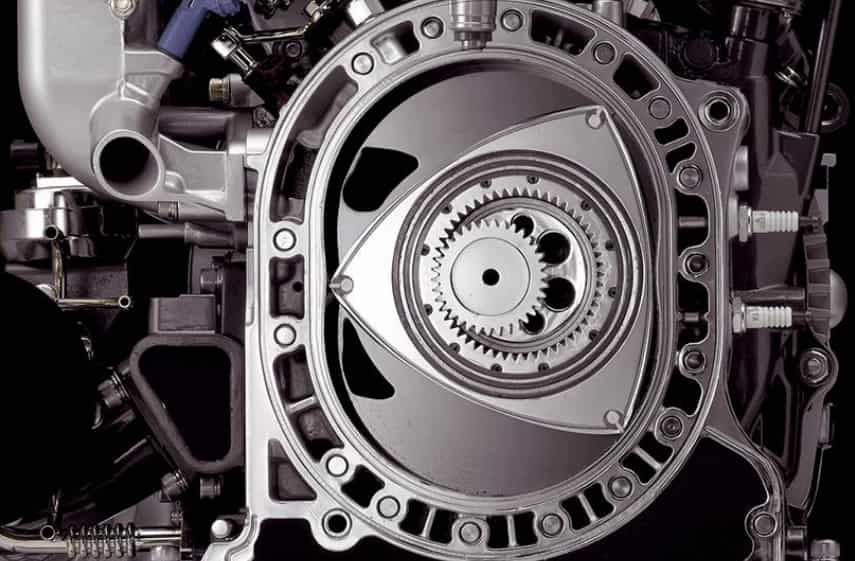
A rotary engine is a type of internal combustion engine that uses a spinning rotor instead of traditional pistons to produce power. Also known as a Wankel engine, this design was developed by German engineer Felix Wankel and became most closely associated with Mazda, especially in models such as the RX-7 and RX-8.
Unlike a conventional piston engine, which moves pistons up and down inside cylinders, a rotary engine uses a triangular-shaped rotor that spins inside a specially shaped housing. As the rotor moves, the space between the rotor and the housing continuously changes, creating the four essential stages of combustion: intake, compression, ignition, and exhaust.
The unique design gives rotary engines several advantages. They are compact, lightweight, and have fewer major moving parts compared with piston engines. Their smooth power delivery comes from the continuous rotational motion of the rotor, allowing them to operate at very high engine speeds. This also gives rotary-powered cars an excellent power-to-weight ratio and a distinctive driving experience that appeals to enthusiasts.
However, having fewer moving components does not automatically make a rotary engine more reliable. The design places greater importance on proper lubrication, cooling, and sealing. Components such as apex seals must maintain compression between the combustion chambers, making regular maintenance especially important.
Rotary engines remain popular among automotive enthusiasts because of their small size, unique engineering, and high-revving character. While they require more attention than many traditional piston engines, a properly maintained rotary engine can deliver years of enjoyable performance.
Are Rotary Engines Reliable?
So, are rotary engines reliable? The answer depends largely on how they are maintained and used. Rotary engines are not inherently unreliable, but they are generally less forgiving than most modern piston engines. When properly cared for, a rotary engine can provide years of enjoyable performance. However, neglecting basic maintenance can quickly lead to expensive repairs.
The reliability of a rotary engine depends on several factors, including engine design, maintenance history, oil quality, cooling system condition, driving habits, and previous modifications. Unlike many piston engines that can tolerate missed maintenance, rotary engines require owners to pay closer attention to oil levels, operating temperatures, and overall engine health.
One of the biggest factors affecting rotary engine reliability is lubrication. Rotary engines consume some oil as part of their normal operation because oil is used to protect internal seals. Failing to check and maintain proper oil levels can accelerate wear and contribute to problems such as compression loss.
Heat management is another important factor. Excessive temperatures can damage internal components, including apex seals and engine housings. A healthy cooling system, proper warm-up procedures, and avoiding overheating are essential for long-term durability.
Rotary engines can be dependable in different situations. Enthusiast-owned vehicles that receive regular inspections and preventative maintenance often perform well. They can also be daily driven, although owners must be willing to monitor oil consumption and address problems early.
Ultimately, Wankel engine reliability is less about the engine type itself and more about ownership habits. A well-maintained rotary engine can be rewarding, but a neglected one may require costly repairs much sooner.
Why Do Rotary Engines Have a Reputation for Being Unreliable?
Rotary engines have gained a reputation for being unreliable mainly because they require a different approach to maintenance compared with traditional piston engines. Many reliability issues are not caused by the basic design alone, but by neglected maintenance, overheating, poor tuning, and owners who are unfamiliar with the engine’s requirements.
One major reason behind this reputation is apex seal failure. Apex seals are small components located on the tips of the rotor that help maintain compression between the combustion chambers. When these seals wear out or become damaged, the engine may experience low compression, difficult starting, reduced power, increased fuel consumption, or excessive smoke.
Oil consumption is another factor that often surprises new owners. Rotary engines are designed to use some oil during operation because lubrication is essential for protecting internal seals. If drivers fail to check the oil level regularly, the engine can suffer accelerated wear and reduced reliability.
Heat is also a significant concern. Rotary engines operate with high combustion temperatures, making the cooling system extremely important. Problems such as a failing radiator, weak water pump, damaged hoses, or repeated overheating can lead to serious internal damage.
Another reason for the negative reputation is the condition of many used rotary-powered vehicles. Cars like the Mazda RX-7 and Mazda RX-8 are popular among enthusiasts, but some examples have been heavily modified, poorly tuned, or maintained incorrectly.
In reality, rotary engines are not guaranteed to fail early. Their reliability depends heavily on proper maintenance, careful driving, and choosing a vehicle with a strong service history.
How Long Do Rotary Engines Last?
A common question among buyers and enthusiasts is how long do rotary engines last? There is no single mileage figure that applies to every rotary engine because lifespan depends heavily on maintenance, driving habits, engine condition, and previous modifications.
Compared with many modern piston engines that can often run for hundreds of thousands of miles with regular servicing, rotary engines may require more frequent attention, especially if they have been driven aggressively or poorly maintained. However, a well-cared-for rotary engine can provide many years of reliable and enjoyable performance.
Several factors determine rotary engine lifespan. Regular oil checks are essential because rotary engines naturally consume oil during operation. Keeping the cooling system in excellent condition is also critical, as overheating can damage apex seals, rotor housings, and other internal components.
Driving style also plays an important role. Frequent hard driving, excessive engine temperatures, poor-quality fuel, and improper tuning can significantly reduce engine life. Modified rotary engines, especially those with increased boost or aggressive tuning, require additional maintenance and careful setup.
Some signs that a rotary engine may need rebuilding include difficult hot starts, reduced power, rough running, increased oil consumption, excessive smoke, and low compression readings. A rotary-specific compression test is one of the most reliable ways to evaluate engine health before purchasing a used rotary vehicle.
Ultimately, rotary engines do not have a guaranteed lifespan. Their durability depends more on maintenance quality and ownership history than on the rotary design itself. A properly maintained engine can deliver a unique driving experience for many years, while a neglected example may require major repairs much sooner.
Common Rotary Engine Problems
Although rotary engines offer unique advantages, they also have several common issues that owners should understand before buying or maintaining a rotary-powered vehicle. Most problems are related to sealing, heat management, lubrication, and ignition performance.
One of the most well-known concerns is apex seal failure. Apex seals play a crucial role in maintaining compression inside the combustion chambers. When they wear or become damaged, the engine may develop symptoms such as difficult starting, reduced power, poor fuel economy, and uneven running. In severe cases, low compression can require a complete engine rebuild.
Another common issue is hot-start problems. A worn rotary engine may start normally when cold but struggle after reaching operating temperature. This often occurs because reduced compression makes it harder for the engine to restart when internal components expand from heat.
Ignition system problems are also important in rotary engines. Worn spark plugs, weak ignition coils, or damaged ignition wires can cause incomplete combustion. This may lead to carbon buildup, poor performance, and potential damage to the catalytic converter.
Cooling system failures can be especially serious because rotary engines are sensitive to overheating. Old radiators, failing water pumps, damaged coolant hoses, or malfunctioning cooling fans can increase the risk of internal damage.
Fuel system issues and vacuum leaks can also affect reliability. Problems with injectors, fuel delivery, or intake leaks may cause poor engine operation, especially on modified vehicles.
While these problems can sound concerning, many are preventable with proper maintenance. Regular oil checks, healthy ignition components, cooling system inspections, and rotary-specific compression testing can greatly improve long-term reliability.
Rotary Engine vs Piston Engine Reliability
When comparing rotary engine vs piston engine reliability, the main difference comes from how each engine design manages lubrication, heat, and maintenance requirements. Both types can deliver dependable performance, but they require different levels of care from the owner.
Rotary engines have several unique advantages. They use fewer major moving components and produce power through a smooth rotational motion rather than the up-and-down movement of pistons. This allows them to be compact, lightweight, and capable of reaching high engine speeds. Their excellent power-to-weight ratio is one reason enthusiasts appreciate rotary-powered cars.
However, rotary engines are generally more sensitive to maintenance. They consume oil as part of their normal operation, require careful heat management, and depend heavily on healthy apex seals to maintain compression. Overheating, poor lubrication, or incorrect tuning can quickly reduce engine lifespan.
Piston engines are usually more practical for everyday ownership. They are found in most vehicles, making replacement parts and repair specialists easier to find. They also tend to tolerate missed maintenance better and often achieve longer service intervals before major internal repairs are needed.
| Category | Rotary Engine | Piston Engine |
|---|---|---|
| Maintenance | Requires regular monitoring | Generally easier to maintain |
| Oil Use | Higher by design | Usually lower |
| Heat Sensitivity | More sensitive | More tolerant |
| Repairs | Fewer specialists | Widely available |
| Driving Feel | Smooth and high-revving | Varies by design |
Overall, piston engines are usually the better choice for drivers seeking simple and affordable ownership. Rotary engines, while requiring more attention, provide a unique driving experience that appeals to enthusiasts who value performance, engineering, and character.
How to Make a Rotary Engine Last Longer
A rotary engine can provide reliable performance for many years when it receives the correct care and maintenance. Because of its unique design, a rotary engine requires more attention than many conventional piston engines, but following a few important practices can significantly improve durability.
The first priority is checking the oil level frequently. Unlike most piston engines, rotary engines naturally consume oil because lubrication is needed to protect internal seals. Allowing the oil level to become too low can increase wear and reduce engine life.
Using the correct oil is also important. Owners should follow manufacturer recommendations or seek advice from a qualified rotary specialist, especially when dealing with modified engines. The right lubrication helps maintain seal performance and protects internal components.
Proper warm-up procedures are essential. Rotary engines should reach normal operating temperature before heavy acceleration or high engine speeds. Avoiding repeated short trips and frequent cold starts can also help reduce the risk of flooding and carbon buildup.
Maintaining the cooling system is another key factor in rotary engine reliability. Regularly inspecting coolant condition, radiator performance, hoses, thermostat operation, water pump function, and cooling fans can help prevent overheating-related damage.
The ignition system should also be kept in excellent condition. Worn spark plugs, weak ignition coils, or poor combustion can increase carbon deposits and reduce engine performance.
Finally, avoiding poor-quality modifications and incorrect tuning is critical. Excessive boost, inadequate fuel delivery, or improper engine management can dramatically shorten rotary engine lifespan.
With regular oil checks, proper temperature management, and preventative maintenance, a rotary engine can remain a reliable and enjoyable powerplant for enthusiasts.
Are Rotary Engines Expensive to Maintain?
Rotary engines are not always significantly more expensive to maintain than conventional piston engines, but ownership costs can increase if major repairs become necessary. Routine maintenance-such as regular oil changes, replacing spark plugs, and servicing the cooling system-is generally comparable to many performance-oriented vehicles. However, rotary engines require closer attention to preventive maintenance because they are less forgiving of neglect.
One important factor is that rotary engines normally consume oil as part of their design. Owners should check the oil level frequently and top it up when necessary. Ignoring low oil levels or allowing the engine to overheat can accelerate internal wear and lead to costly repairs.
Major expenses typically arise when a rotary engine develops low compression or requires a rebuild. Rebuild costs vary depending on the engine model, the extent of internal damage, labor rates, and the availability of replacement parts. In addition, experienced rotary specialists are less common than conventional mechanics, which can increase labor costs in some areas.
Buying a used rotary-powered vehicle without maintenance records or a rotary-specific compression test may also result in unexpected expenses. Previous modifications, poor tuning, or neglected cooling system maintenance can significantly increase the risk of future repairs.
Overall, rotary engine maintenance is best viewed as an investment in long-term reliability. Owners who follow recommended service intervals, monitor oil and coolant levels, and address small issues before they become major problems are more likely to enjoy dependable performance while avoiding expensive repairs. Preventive maintenance is usually far less costly than rebuilding or replacing a neglected rotary engine.
Are Rotary Engines Good for Daily Driving?
Rotary-powered cars can be used as daily drivers, but they are best suited to owners who understand their unique maintenance requirements and are willing to be proactive. Unlike many conventional piston engines, rotary engines benefit from regular monitoring of oil levels, careful warm-up procedures, and prompt attention to any signs of overheating or ignition problems. Owners who stay on top of routine maintenance often enjoy dependable performance and a distinctive driving experience.
One of the biggest advantages of a rotary engine for daily driving is its smooth power delivery. The compact design allows for a lightweight engine, contributing to balanced handling and responsive performance. Many drivers also appreciate the engine’s willingness to rev, unique exhaust note, and engaging character, making even routine commutes more enjoyable.
However, daily use also highlights some of the rotary engine’s drawbacks. Fuel economy is generally lower than that of similarly sized piston engines, and regular oil level checks are a necessary part of ownership because controlled oil consumption is normal. Older rotary-powered vehicles may also require more frequent maintenance due to age-related wear, while finding a technician with rotary-specific experience can be challenging in some regions.
For enthusiasts who enjoy hands-on vehicle ownership, these extra responsibilities are often considered worthwhile. On the other hand, drivers looking for a low-maintenance car that requires little attention between service intervals may find a conventional piston-powered vehicle to be a better fit. Ultimately, a rotary engine can serve reliably as a daily driver, provided the owner is prepared to give it the care and preventive maintenance it demands.
Should You Buy a Rotary-Powered Car?
Whether you should buy a rotary-powered car depends on your expectations, budget, and willingness to perform regular maintenance. Rotary engines offer a driving experience that is difficult to match, thanks to their smooth power delivery, lightweight design, and high-revving nature. However, they also require more attention than most conventional piston engines, making them a better choice for enthusiasts than for drivers seeking worry-free transportation.
A Rotary Car May Be Right for You If:
A rotary-powered vehicle can be an excellent choice if you appreciate unique automotive engineering and enjoy staying involved with your car’s maintenance. Owners who regularly check oil levels, keep the cooling system in good condition, and follow recommended service intervals often find rotary engines both rewarding and dependable. Having access to a qualified rotary specialist and budgeting for preventive maintenance or a future engine rebuild can also make ownership far less stressful.
You May Want to Avoid One If:
A rotary engine may not be the best option if your priority is low ownership costs and minimal maintenance. Buyers who expect long service intervals, maximum fuel economy, or easy access to repair shops may be better served by a conventional piston-powered vehicle. It is also wise to avoid purchasing a used rotary car without detailed maintenance records or a rotary-specific compression test, as hidden engine problems can lead to expensive repairs.
Ultimately, buying a rotary-powered car is less about accepting an unreliable engine and more about understanding its unique maintenance needs. For informed owners who value performance and character, the rewards can outweigh the additional responsibility.
What to Check Before Buying a Used Rotary Car
Buying a used rotary-powered car requires more than a quick visual inspection because the engine’s condition is often more important than its mileage. A well-maintained rotary engine can provide years of enjoyable driving, while a neglected one may require costly repairs or even a complete rebuild. Before making a purchase, it is essential to evaluate the vehicle’s maintenance history, overall condition, and engine health rather than relying solely on appearance or the seller’s claims.
One of the most important steps is requesting a rotary-specific compression test. Unlike conventional piston engines, rotary engines require specialized compression testing to accurately measure the condition of the rotor chambers and apex seals. Strong, balanced compression readings usually indicate a healthier engine, while low or uneven results may signal internal wear or the need for future rebuilding. For many buyers, compression test results provide a much clearer picture of engine health than mileage alone.
Maintenance records are equally valuable. Look for evidence of regular oil changes, cooling system servicing, ignition component replacement, and any previous engine rebuilds or professional tuning. Consistent maintenance demonstrates that the vehicle has likely been cared for properly throughout its life. During the inspection, start the engine both cold and at normal operating temperature, as difficult hot starts can be an early sign of compression loss. Finally, check for excessive exhaust smoke, coolant loss, and aftermarket modifications such as turbo upgrades, engine management systems, or fuel system changes. While modifications are not necessarily a problem, poorly installed or improperly tuned upgrades can significantly reduce rotary engine reliability and lead to expensive repairs after purchase.
Myths About Rotary Engine Reliability
Rotary engines have long been surrounded by myths that often discourage potential buyers. While it is true that they require different maintenance practices than conventional piston engines, many of the common beliefs about rotary engine reliability are exaggerated or based on poorly maintained vehicles. Understanding the facts can help owners make informed decisions and avoid judging every rotary engine by its reputation alone.
One of the most common myths is that every rotary engine will fail at low mileage. In reality, engine lifespan depends far more on maintenance history, cooling system condition, oil level monitoring, and driving habits than on the engine’s design itself. Another misconception is that apex seal failure happens without warning. Although sudden failures can occur, many engines show signs such as difficult hot starts, declining compression, rough idling, or noticeable power loss before major internal damage develops. Regular compression testing can often identify these issues early.
Some people also believe that rotary engines require constant rebuilding. While rotary engines may need rebuilding sooner than many piston engines, the interval varies widely depending on how the vehicle has been maintained and driven. Likewise, normal oil consumption is often mistaken for engine damage. In fact, rotary engines are designed to consume a controlled amount of oil to lubricate internal seals, making regular oil checks an expected part of ownership rather than a sign of failure.
Another widespread myth is that rotary-powered cars cannot be used as daily drivers. With proper maintenance, careful warm-up procedures, and routine inspections, many owners successfully drive rotary vehicles every day. The key to long-term reliability is not avoiding the engine, but understanding its unique maintenance requirements.
Frequently Asked Questions
Are rotary engines less reliable than piston engines?
In general, rotary engines are less tolerant of neglected maintenance than conventional piston engines, but that does not mean they are inherently unreliable. Their reliability depends heavily on regular oil checks, proper warm-up procedures, a healthy cooling system, and routine compression testing. Piston engines are typically more forgiving if maintenance is delayed, whereas rotary engines require proactive care. For owners who understand these requirements, a well-maintained rotary engine can provide dependable performance and an enjoyable driving experience.
How many miles can a rotary engine last?
There is no fixed mileage that applies to every rotary engine because lifespan varies according to maintenance, driving habits, cooling system condition, engine modifications, and compression health. Some engines require rebuilding earlier if they have been overheated or poorly maintained, while others deliver many years of reliable service with proper care. Rather than focusing only on mileage, buyers should evaluate service records and request a rotary-specific compression test to assess the engine’s overall condition before purchase.
Why do rotary engines burn oil?
Unlike conventional piston engines, rotary engines are designed to consume a small amount of oil during normal operation. Oil is introduced into the combustion process to lubricate the apex seals and other internal sealing surfaces, helping maintain compression and reduce wear. Because this oil is intentionally burned, owners should check the oil level regularly and refill it as needed. Moderate oil consumption is therefore considered a normal characteristic of a healthy rotary engine rather than an indication of engine damage.
Are apex seals the main reason rotary engines fail?
Apex seals are one of the most critical components in a rotary engine because they maintain compression between the rotor and the housing. However, they are not the only cause of engine failure. Overheating, poor lubrication, detonation, ignition system problems, and incorrect engine tuning can all contribute to premature wear or internal damage. In many cases, apex seal failure is the result of these underlying issues rather than a defect in the seals themselves. Preventive maintenance and proper cooling are essential for long-term rotary engine reliability.
Can a rotary engine be used for daily driving?
Yes, a rotary engine can be used as a daily driver, provided the owner understands its maintenance requirements. Regularly checking the oil level, allowing the engine to warm up before aggressive driving, and maintaining the cooling and ignition systems are all important practices. Daily driving can even be beneficial because it helps the engine reach normal operating temperature and reduces the likelihood of flooding caused by repeated short trips. Owners willing to perform routine preventive maintenance often enjoy reliable everyday performance.
Are rotary engines expensive to rebuild?
The cost of rebuilding a rotary engine varies depending on the engine model, the extent of internal damage, labor rates, and the availability of replacement parts. A simple rebuild is generally less expensive than replacing a severely damaged engine, but costs can increase if rotor housings, rotors, or other major components need replacement. Choosing an experienced rotary specialist is important because proper assembly and accurate tolerances have a significant impact on long-term reliability. Budgeting for a future rebuild is a sensible part of rotary vehicle ownership.
Is the Mazda RX-8 reliable?
The Mazda RX-8 can be a reliable sports car when it has been properly maintained. Factors such as compression health, regular oil level checks, cooling system maintenance, and a healthy ignition system play a much larger role than mileage alone. Many reliability problems associated with the RX-8 stem from neglected maintenance, overheating, or poor modifications rather than inherent design flaws. Before purchasing a used RX-8, obtaining a rotary-specific compression test and reviewing service records are strongly recommended.
Should I buy a rotary car without a compression test?
It is generally not advisable to buy a used rotary-powered car without a rotary-specific compression test. Compression readings provide valuable insight into the condition of the apex seals and rotor housings, helping identify potential internal wear that may not be obvious during a test drive. Even if the engine starts easily and runs smoothly, low compression can indicate expensive repairs in the near future. Combined with maintenance records and a professional inspection, a compression test is one of the best ways to reduce the risk of buying a problematic rotary vehicle.
Conclusion: Are Rotary Engines Reliable?
So, are rotary engines reliable? The answer is that rotary engines can be reliable, but they require a different approach to ownership compared with traditional piston engines. Their unique Wankel design delivers impressive advantages, including smooth power delivery, compact size, lightweight construction, and an exciting high-revving driving experience. However, these benefits come with specific maintenance requirements that owners must understand.
Long-term rotary engine reliability depends on several key factors, including regular oil monitoring, proper cooling system maintenance, a healthy ignition system, correct engine tuning, and routine compression checks. Problems such as apex seal wear, low compression, overheating, and engine flooding are often linked to poor maintenance or incorrect ownership practices rather than the rotary design alone.
For anyone considering a rotary-powered vehicle, the condition of the individual car is far more important than its reputation. A well-maintained Mazda RX-7, Mazda RX-8, or other rotary vehicle with good compression readings and documented service history can provide years of enjoyable performance. On the other hand, a neglected example can quickly become an expensive repair project.
Rotary engines are not the ideal choice for drivers who want completely hands-off ownership, maximum fuel economy, or the lowest maintenance costs. However, for enthusiasts who appreciate unique engineering and are willing to perform regular preventive maintenance, a rotary engine offers a driving experience that few other engines can match.
Ultimately, rotary engines are reliable when they are respected and properly cared for. Understanding their needs is the key to enjoying their performance, character, and legendary appeal for many years.