The 3.6 Pentastar rocker arm upgrade improves the reliability of the valve train system in Chrysler’s 3.6L Pentastar V6 engine. The rocker arm plays an important role in engine operation. It transfers movement from the camshaft to the valves during each combustion cycle.
Many 3.6 Pentastar owners look for rocker arm upgrades because they experience ticking noises, misfires, or concerns about valve train wear. The original rocker arm design can develop problems over time, especially in engines with high mileage or poor maintenance history. A failed rocker arm can damage other components, including the camshaft.
A quality rocker arm upgrade helps protect the engine by improving the durability of this critical component. It reduces the risk of roller bearing failure and supports more consistent valve movement. This improvement can help owners maintain engine reliability and avoid expensive repairs.
This guide explains the purpose of a 3.6 Pentastar rocker arm upgrade, the common causes of rocker arm failure, the warning signs of problems, and the factors to consider when choosing upgraded components.
What Is a 3.6 Pentastar Rocker Arm Upgrade?
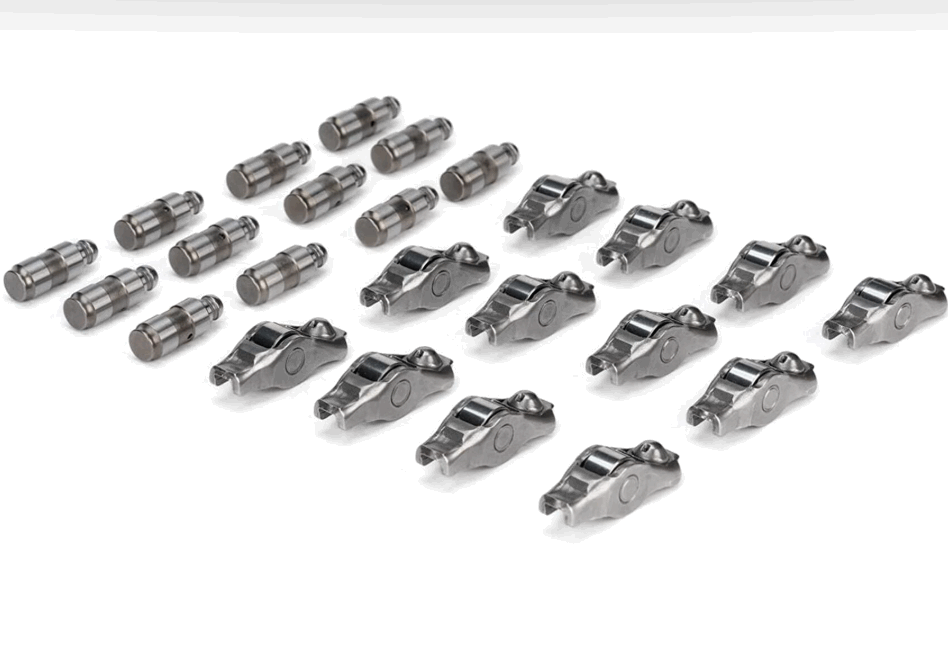
A 3.6 Pentastar rocker arm upgrade is a replacement component designed to improve the durability and reliability of the valve train system in the Chrysler 3.6L Pentastar V6 engine. The upgrade replaces the original rocker arms with improved components that focus on reducing wear and maintaining stable valve movement.
The rocker arm connects the camshaft and the engine valves. When the camshaft rotates, it pushes the rocker arm, and the rocker arm transfers that movement to open and close the valves. This process controls how air enters the combustion chamber and how exhaust gases leave the engine.
The rocker arm operates under constant mechanical stress because it moves thousands of times during normal engine operation. The roller bearing inside the rocker arm must maintain smooth contact with the camshaft. When the bearing wears out, the rocker arm can create excessive friction, reduce valve movement accuracy, and contribute to additional valve train damage.
A rocker arm upgrade improves this system by using components with better durability characteristics. Many upgraded designs focus on stronger materials, improved bearing quality, and more consistent manufacturing tolerances. These improvements help the rocker arm maintain proper contact with the camshaft and support reliable engine operation.
The main purpose of a 3.6 Pentastar rocker arm upgrade is not to increase horsepower. Its primary purpose is to improve engine reliability by protecting one of the most important mechanical connections inside the valve train system.
Why Do 3.6 Pentastar Engines Have Rocker Arm Problems?
The 3.6 Pentastar rocker arm problem usually starts with wear inside the valve train system. The rocker arm contains a roller bearing that reduces friction between the rocker arm and the camshaft. When this bearing develops excessive wear, it can affect the movement of the valves and create additional stress on related engine components.
The main cause of rocker arm failure is roller bearing deterioration. The bearing must rotate smoothly while the camshaft pushes against the rocker arm thousands of times per minute. If the bearing becomes damaged, the roller may stop moving correctly. This creates friction between the rocker arm and camshaft surface, which can lead to abnormal wear.
Engine oil condition also affects rocker arm durability. The valve train depends on clean oil flow to reduce friction and maintain proper lubrication. Low oil quality, extended oil change intervals, or contaminated oil can increase wear on moving parts. Over time, this condition can reduce the lifespan of rocker arms and other valve train components.
High mileage creates another risk factor for 3.6 Pentastar rocker arm problems. Engines that accumulate significant mileage experience repeated mechanical cycles, which gradually wear components such as rocker arms, camshafts, and hydraulic lash adjusters. Regular maintenance can reduce risk, but it cannot completely remove normal mechanical wear.
A failing rocker arm can also affect other parts of the engine. When the rocker arm no longer follows the camshaft correctly, it can change valve movement and create uneven combustion. In severe cases, the damaged rocker arm can contribute to camshaft wear and require more extensive repairs.
Understanding these causes helps vehicle owners identify problems earlier and decide when a rocker arm upgrade provides a practical reliability benefit.
What Are the Symptoms of a Failing 3.6 Pentastar Rocker Arm?
A failing 3.6 Pentastar rocker arm creates several warning signs that indicate problems inside the valve train system. The most common symptoms include ticking noises, engine misfires, reduced performance, and diagnostic trouble codes. Identifying these signs early helps prevent further damage to the camshaft and other engine components.
The first common symptom is a ticking sound from the cylinder head area. A damaged rocker arm cannot maintain smooth contact with the camshaft, which creates abnormal mechanical noise during engine operation. The sound often becomes more noticeable during idle or when the engine runs at lower speeds.
Engine misfires are another important warning sign. A worn rocker arm can prevent the valve from opening and closing correctly. When the valve movement becomes inconsistent, the cylinder cannot complete the combustion process efficiently. This condition can cause rough idling, reduced acceleration, and a Check Engine Light.
Reduced engine performance can also indicate rocker arm problems. The valve train controls airflow into and out of the combustion chamber. If a damaged rocker arm affects valve timing, the engine may lose power and operate less efficiently.
A diagnostic scan can provide additional information when symptoms appear. Fault codes related to cylinder misfires, ignition performance, or engine operation can help technicians locate the source of the problem. However, a complete inspection of the rocker arm and valve train system remains necessary because electronic codes do not always identify mechanical failures directly.
How Can You Diagnose a Bad Pentastar Rocker Arm?
Diagnosing a bad Pentastar rocker arm requires checking both symptoms and physical conditions. A technician usually begins by listening for unusual ticking sounds and scanning the engine control module for error codes.
A deeper inspection may require removing valve train components to examine the rocker arms, roller bearings, and camshaft surfaces. Signs such as excessive wear, damaged bearings, or uneven contact patterns indicate that the rocker arm no longer performs correctly.
Early diagnosis helps prevent a small valve train issue from becoming a major engine repair. Replacing a worn rocker arm before it damages the camshaft can reduce repair complexity and protect long-term engine reliability.
How Does a 3.6 Pentastar Rocker Arm Upgrade Improve Engine Reliability?
A 3.6 Pentastar rocker arm upgrade improves engine reliability by strengthening a critical part of the valve train system. The rocker arm controls the connection between the camshaft and valves, so its condition directly affects engine operation. A more durable rocker arm helps maintain consistent valve movement and reduces the risk of mechanical failure.
The primary benefit of an upgraded rocker arm comes from improved roller bearing durability. The roller bearing allows the rocker arm to move smoothly against the camshaft surface. When the bearing wears prematurely, it can create excessive friction and damage the camshaft. An upgraded component helps maintain smoother movement and reduces stress between these parts.
A rocker arm upgrade also protects other valve train components. The valve train includes several connected parts, such as the camshaft, hydraulic lash adjusters, and cylinder head components. A failure in one part can create additional stress throughout the system. Improving rocker arm reliability helps maintain better interaction between these components.
Another advantage is improved long-term reliability for high-mileage vehicles. Many 3.6 Pentastar engines continue operating for hundreds of thousands of miles when owners maintain them properly. However, aging valve train components become more vulnerable to wear. Installing upgraded rocker arms during repairs or preventive maintenance can reduce the chance of repeated failures.
A rocker arm upgrade does not transform the engine into a high-performance racing system. Its main value comes from improving durability and reducing failure risks. For owners who depend on their 3.6 Pentastar engine for daily driving, towing, or long-term ownership, a stronger rocker arm design provides additional protection for the valve train system.
Does a Rocker Arm Upgrade Prevent Camshaft Damage?
A rocker arm upgrade can reduce the risk of camshaft damage by improving the contact between the rocker arm roller bearing and the camshaft surface. A failing rocker arm often creates uneven contact, which increases friction and accelerates camshaft wear.
Replacing worn rocker arms before severe damage occurs helps protect the camshaft. Once the camshaft develops significant wear, the repair usually becomes more complex because technicians may need to replace additional valve train components.
The relationship between the rocker arm and camshaft shows why preventive upgrades can provide value. Protecting one component can help preserve the entire valve train system and maintain more consistent engine performance.
What Is the Difference Between OEM and Upgraded 3.6 Pentastar Rocker Arms?
The difference between OEM and upgraded 3.6 Pentastar rocker arms comes from their design goals, materials, and durability focus. OEM rocker arms meet the original factory specifications and provide reliable operation under normal driving conditions. Upgraded rocker arms focus on improving specific weaknesses and increasing long-term valve train reliability.
OEM rocker arms are designed by the vehicle manufacturer to balance performance, cost, and production requirements. They work effectively in standard operating conditions when the engine receives proper maintenance. However, components inside the valve train experience continuous mechanical stress, and some owners look for stronger alternatives when they want additional durability.
Upgraded rocker arms usually improve areas that affect long-term reliability. These improvements may include stronger materials, enhanced roller bearing designs, and tighter manufacturing control. A better roller bearing reduces friction between the rocker arm and camshaft, which helps maintain smoother operation during repeated engine cycles.
The choice between OEM replacement and an upgraded rocker arm depends on the vehicle’s purpose and condition. A low-mileage vehicle used for normal commuting may continue to perform well with quality OEM components. A high-mileage vehicle, a vehicle with previous rocker arm issues, or a vehicle used under demanding conditions may benefit more from upgraded components.
The main advantage of an upgraded rocker arm is not additional engine power. The primary benefit is improved durability and reduced risk of valve train failure. By improving one of the most stressed components in the engine, an upgrade can support more consistent performance and longer service life.
What Should You Look For When Choosing a 3.6 Pentastar Rocker Arm Upgrade?
Choosing the right 3.6 Pentastar rocker arm upgrade requires evaluating compatibility, construction quality, and long-term reliability. A rocker arm is a precision component inside the valve train system, so the correct upgrade should match the engine design and provide consistent performance under operating conditions.
The first factor to check is engine compatibility. The 3.6L Pentastar V6 engine appears in different vehicles, including Jeep, Dodge, Chrysler, and Ram models. A rocker arm upgrade must match the correct engine generation, cylinder head design, and application to ensure proper installation and operation.
The second factor is roller bearing quality. The roller bearing experiences continuous contact with the camshaft, which makes it one of the most important areas for durability. A high-quality rocker arm should use a bearing design that maintains smooth rotation and reduces friction during repeated engine cycles.
Material strength also affects rocker arm reliability. Stronger materials and accurate manufacturing processes help the component handle mechanical stress more effectively. Poor-quality rocker arms may develop wear faster, which can increase the risk of valve train problems.
Installation requirements should also influence the buying decision. Some upgrades work as direct replacements, while others may require additional inspection or related valve train service. Replacing rocker arms often provides an opportunity to inspect other components, including camshafts and hydraulic lash adjusters.
A reliable rocker arm upgrade should focus on durability rather than unrealistic performance claims. The best choice improves the strength of the valve train system, reduces failure risks, and supports dependable operation throughout the engine’s service life.
Which Vehicles Use the 3.6 Pentastar Engine?
The 3.6 Pentastar engine powers a wide range of vehicles from Chrysler, Dodge, Jeep, and Ram. Understanding which vehicles use this engine helps owners identify whether a 3.6 Pentastar rocker arm upgrade applies to their vehicle. The engine appears in many popular models because manufacturers use the Pentastar V6 as a balance between performance, fuel efficiency, and reliability.
Jeep vehicles commonly use the 3.6L Pentastar V6 engine. Models such as the Jeep Wrangler and Jeep Grand Cherokee use this engine configuration in many model years. These vehicles often operate in demanding conditions, including off-road driving, towing, and extended high-load situations, which can increase stress on engine components.
Dodge also uses the 3.6 Pentastar engine in models such as the Charger and Challenger. These vehicles use the V6 engine for daily driving applications where smooth operation and long-term reliability are important. A properly maintained valve train system helps maintain consistent engine performance throughout the vehicle’s lifespan.
Chrysler vehicles, including the Chrysler 300, also use the 3.6L Pentastar V6. The engine provides a reliable power source for drivers who prioritize comfort and dependable transportation. Maintaining components such as rocker arms helps preserve the engine’s operating efficiency.
Ram trucks also use the 3.6 Pentastar engine in certain applications, including the Ram 1500. Truck owners may place additional demands on the engine through towing, hauling, and frequent load changes. These conditions make valve train reliability an important consideration.
Because the 3.6 Pentastar engine appears across different vehicle platforms, rocker arm concerns affect a broad range of owners. Identifying the engine application helps owners choose compatible replacement or upgraded components and make better maintenance decisions.
When Should You Replace or Upgrade 3.6 Pentastar Rocker Arms?
Replacing or upgrading 3.6 Pentastar rocker arms depends on the condition of the valve train system, vehicle mileage, and the symptoms that appear during operation. A proactive replacement strategy can help prevent more expensive repairs because rocker arm failure can affect other engine components, including the camshaft and cylinder head.
The first situation that requires attention is when the engine develops abnormal ticking noise. A consistent ticking sound from the cylinder head area often indicates that the rocker arm or roller bearing no longer operates smoothly. Ignoring this symptom can allow the problem to progress and create additional wear inside the valve train system.
Owners should also consider a rocker arm upgrade when the engine shows misfire symptoms. A damaged rocker arm can prevent proper valve movement and affect combustion efficiency. Symptoms such as rough idle, reduced acceleration, or a Check Engine Light may indicate that the valve train requires inspection.
High-mileage engines represent another situation where an upgrade may provide value. Continuous engine operation creates repeated stress on rocker arms, roller bearings, and camshaft surfaces. Vehicles that have accumulated significant mileage may benefit from upgraded components during scheduled valve train repairs or maintenance.
A rocker arm upgrade also makes sense when performing related engine repairs. If a technician removes valve train components for inspection, replacing aging rocker arms at the same time can prevent future failures and reduce repeated labor costs.
The decision to upgrade should focus on the condition and purpose of the vehicle. Daily drivers, high-mileage vehicles, and vehicles used for towing or demanding conditions often benefit from stronger valve train components. A properly selected upgrade helps maintain engine reliability and protects the long-term operation of the 3.6 Pentastar engine.
How Does a 3.6 Pentastar Rocker Arm Upgrade Support Long-Term Engine Reliability?
A 3.6 Pentastar rocker arm upgrade supports long-term engine reliability by improving the durability of the valve train system. The rocker arm plays a small but critical role because it controls the connection between the camshaft and engine valves. When this component operates correctly, the engine maintains consistent valve movement and more stable combustion performance.
Rocker arm failures usually begin with wear inside the roller bearing or damage caused by repeated mechanical stress. These problems can create ticking noises, misfires, and potential camshaft damage if owners delay inspection. Understanding these warning signs helps vehicle owners address problems before they develop into larger engine repairs.
An upgraded rocker arm does not increase engine power directly. Its main purpose is to provide stronger and more reliable operation compared with worn or aging components. By improving the durability of the valve train system, a quality upgrade helps protect related parts such as the camshaft, hydraulic lash adjusters, and cylinder head components.
For owners of Jeep, Dodge, Chrysler, and Ram vehicles equipped with the 3.6L Pentastar V6 engine, rocker arm reliability is an important part of long-term maintenance. Choosing the correct upgrade based on vehicle compatibility, component quality, and driving conditions can help reduce failure risks and support dependable engine performance.