The 6.7 Cummins engine is a popular diesel engine known for strong torque, towing power, and long service life. Many heavy-duty truck owners choose this engine because it delivers reliable performance under demanding conditions.
However, the 6.7 Cummins engine can still develop several common problems during long-term use. Most issues involve fuel system components, turbochargers, emissions systems, cooling systems, and regular maintenance. These problems do not always come from the engine block itself. Worn or damaged supporting components often create performance issues.
Truck owners should understand these failure points before they affect reliability. Early diagnosis helps prevent expensive repairs and keeps the engine operating efficiently. Common warning signs include reduced power, unusual noises, excessive smoke, poor fuel economy, and warning lights.
This guide explains the most common 6.7 Cummins engine problems, their causes, symptoms, and solutions. It also covers maintenance practices that help extend engine lifespan. Whether you drive a Ram 2500, Ram 3500, or another truck with a Cummins ISB 6.7 engine, this information helps you maintain better diesel performance.
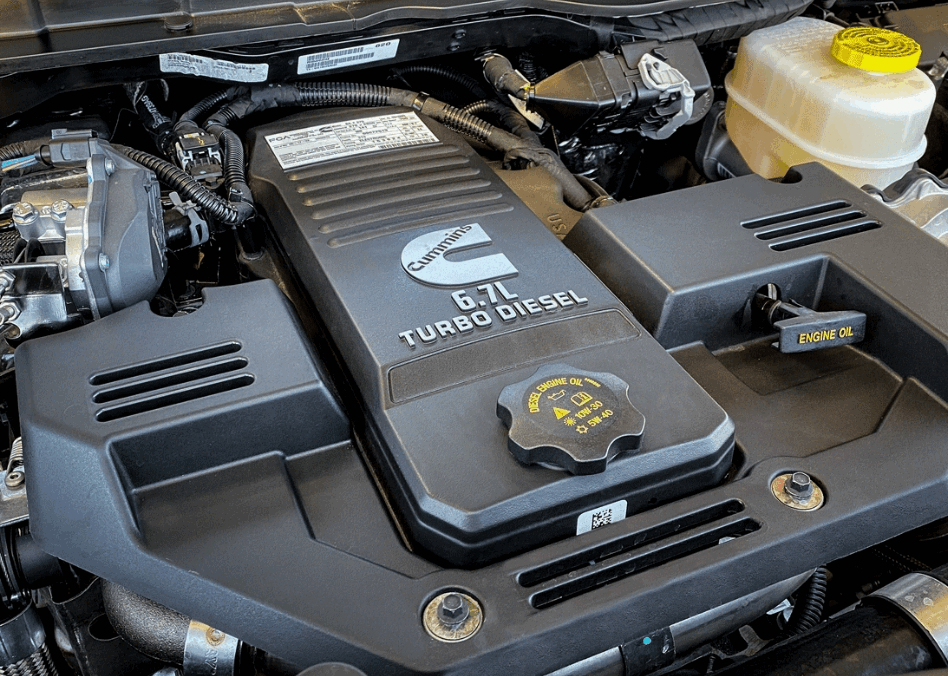
What Are the Most Common 6.7 Cummins Engine Problems?
The most common 6.7 Cummins engine problems involve the fuel system, turbocharger, emissions system, cooling system, and lubrication system. These components control how the engine receives fuel, manages airflow, removes exhaust gases, and maintains operating temperature. When these systems develop faults, the engine can lose power, consume more fuel, or trigger warning lights.
The 6.7 Cummins engine uses advanced diesel technology to deliver high torque and efficiency. However, modern diesel systems contain more components than older engines. Parts such as diesel particulate filters, exhaust gas recirculation systems, and high-pressure fuel pumps require proper maintenance because they operate under high pressure and extreme temperatures.
Fuel system failures are among the most expensive problems for 6.7 Cummins owners. A damaged fuel injector or failing high-pressure fuel pump can reduce combustion efficiency and cause difficult starting, rough idling, or loss of power. Contaminated diesel fuel can accelerate wear because these components rely on clean fuel for lubrication and precise operation.
Turbocharger problems also affect engine performance because the turbocharger controls the amount of air entering the combustion chamber. A failing turbocharger can reduce boost pressure and create symptoms such as slow acceleration, unusual noises, and increased exhaust smoke.
The emissions system creates another common concern, especially on newer 6.7 Cummins engines. The EGR system and DPF help reduce emissions, but they can develop carbon buildup when trucks operate mainly on short trips. This buildup can restrict airflow and exhaust flow, which reduces engine efficiency.
Cooling system problems can also damage the engine if owners ignore early warning signs. Low coolant levels, failed water pumps, or cooling system leaks can increase engine temperature and create serious mechanical damage.
Understanding these common failure areas helps owners diagnose problems faster. Regular maintenance, quality fuel, and proper driving habits reduce the risk of major repairs and improve the long-term reliability of the 6.7 Cummins engine.
Why Do 6.7 Cummins Fuel System Problems Happen?
The fuel system plays a critical role in 6.7 Cummins engine performance because diesel engines depend on accurate fuel delivery and high injection pressure. The system controls how much fuel enters the combustion chamber and when combustion occurs. When fuel system components fail, the engine can lose power, run unevenly, or become difficult to start.
One of the most common fuel system problems involves fuel injectors. Fuel injectors control the amount of diesel fuel sprayed into each cylinder. Over time, worn injectors can create poor fuel atomization, which reduces combustion efficiency. Drivers may notice rough idling, increased exhaust smoke, lower fuel economy, or reduced engine performance.
The high-pressure fuel pump, also known as the HPFP, represents another important failure point. This component creates the extreme fuel pressure required by modern diesel injection systems. A damaged fuel pump can send metal debris through the fuel system and damage other components, including injectors. This type of failure often requires extensive repairs because multiple parts may need replacement.
Contaminated diesel fuel is another major cause of fuel system problems. Water, dirt, or poor-quality fuel can reduce lubrication inside precision fuel components. Since the HPFP and injectors operate with very tight tolerances, even small contaminants can increase wear and reduce reliability.
Several symptoms indicate a possible fuel system problem. Hard starting, engine hesitation, unusual knocking sounds, poor acceleration, and excessive smoke often appear before complete failure occurs. Diagnosing these symptoms early helps prevent larger repair costs.
Proper maintenance reduces the risk of fuel system failures. Replacing fuel filters at recommended intervals, using high-quality diesel fuel, and monitoring engine performance help protect injectors and the high-pressure fuel pump. For 6.7 Cummins owners, fuel system care remains one of the most important factors in maintaining long-term engine reliability.
What Are the Common 6.7 Cummins Turbocharger Problems?
The turbocharger plays an important role in 6.7 Cummins engine performance because it forces more air into the combustion chamber. More air allows the engine to burn fuel more efficiently and produce higher torque. When the turbocharger develops problems, the engine can lose power and struggle during heavy loads or towing situations.
One common turbocharger issue involves the turbo actuator. The actuator controls the turbocharger’s variable geometry system and adjusts airflow based on engine demand. When the actuator fails or becomes stuck, the turbocharger cannot create the correct boost pressure. Drivers may experience slow acceleration, reduced towing power, and engine warning lights.
Oil-related problems also contribute to turbocharger failure. The turbocharger uses engine oil to lubricate its moving parts and control operating temperatures. Old oil, incorrect oil levels, or poor maintenance can increase friction inside the turbocharger. Over time, this wear can damage bearings and create excessive shaft movement.
Carbon buildup creates another problem for 6.7 Cummins turbochargers. Diesel engines produce soot during combustion, and this material can accumulate around turbocharger components. Heavy towing, frequent idling, and short driving cycles can increase carbon deposits because the engine does not always reach optimal operating temperatures.
Several warning signs can help identify turbocharger problems early. Whining noises, weak acceleration, excessive exhaust smoke, and lower fuel efficiency often indicate reduced turbocharger performance. A diagnostic scan can help confirm whether the issue comes from the turbocharger or another engine component.
Regular maintenance helps extend turbocharger lifespan. Using the correct engine oil, replacing oil at proper intervals, allowing the engine to warm up before heavy loads, and checking for boost leaks can reduce turbocharger stress. Proper care allows the 6.7 Cummins engine to maintain strong performance under demanding driving conditions.
How Do EGR and DPF Problems Affect a 6.7 Cummins Engine?
The EGR system and diesel particulate filter (DPF) are important emissions components in modern 6.7 Cummins engines. These systems reduce harmful exhaust emissions by controlling exhaust gases and capturing soot particles. However, they can create performance problems when carbon buildup, failed components, or incorrect driving conditions affect their operation.
The EGR system works by redirecting a portion of exhaust gases back into the engine intake. This process lowers combustion temperature and reduces nitrogen oxide emissions. Over time, soot and carbon deposits can build up inside the EGR valve and EGR cooler. These deposits can restrict airflow and reduce engine efficiency.
An EGR cooler failure can create more serious problems. A damaged cooler may allow coolant to enter the exhaust system or intake system. Drivers may notice white exhaust smoke, coolant loss, overheating, or reduced engine performance. Early inspection helps prevent additional engine damage.
The DPF captures soot from diesel exhaust and removes it through a process called regeneration. During regeneration, the engine increases exhaust temperature to burn accumulated soot. However, frequent short trips, extended idling, and low operating temperatures can prevent complete regeneration. This condition causes the DPF to become clogged.
A clogged DPF restricts exhaust flow and forces the engine to work harder. Common symptoms include reduced power, increased fuel consumption, frequent regeneration cycles, and warning lights on the dashboard. In severe cases, the engine may enter a reduced power mode to protect internal components.
Proper driving habits and maintenance help prevent EGR and DPF problems. Allowing the truck to complete regeneration cycles, using the correct engine fluids, and performing regular inspections reduce carbon buildup. Owners who use their 6.7 Cummins engine mainly for towing or highway driving usually experience fewer emissions system issues because the engine reaches higher operating temperatures more consistently.
What Causes 6.7 Cummins Cooling System Problems?
The cooling system keeps the 6.7 Cummins engine within a safe operating temperature range. Diesel engines create significant heat during combustion, especially when trucks carry heavy loads or tow large trailers. A properly functioning cooling system removes excess heat and protects important engine components from thermal damage.
One common cooling system problem involves coolant leaks. A leak can reduce coolant levels and prevent the engine from transferring heat effectively. Drivers may notice low coolant warnings, visible coolant under the truck, overheating, or rising engine temperatures during heavy operation.
The water pump is another important component that affects cooling performance. The water pump circulates coolant through the engine block, radiator, and cooling passages. When the pump becomes worn or fails, coolant circulation decreases. This condition can cause uneven temperatures inside the engine and increase the risk of overheating.
The cooling system can also develop pressure-related problems. A damaged radiator cap, blocked radiator passages, or aging coolant hoses can prevent the system from maintaining the correct pressure. When pressure control fails, coolant may boil earlier and reduce the system’s ability to manage engine heat.
Overheating creates serious risks for the 6.7 Cummins engine. Excessive heat can damage cylinder head components, affect engine oil performance, and increase wear on internal parts. Drivers should never ignore repeated overheating because one cooling problem can lead to larger mechanical failures.
Preventive maintenance helps protect the cooling system. Regular coolant inspections, proper coolant replacement intervals, radiator checks, and hose inspections reduce the chance of unexpected failures. Truck owners who frequently tow heavy loads should pay extra attention to cooling system performance because high engine loads create more heat.
A healthy cooling system supports the long-term reliability of the 6.7 Cummins engine. By identifying early warning signs and maintaining coolant-related components, owners can avoid costly repairs and preserve engine performance.
How Can You Diagnose 6.7 Cummins Engine Problems?
Diagnosing 6.7 Cummins engine problems requires a systematic approach because one symptom can come from several different components. A loss of power, for example, may result from a fuel delivery problem, turbocharger failure, restricted DPF, or airflow issue. Accurate diagnosis helps owners repair the correct component instead of replacing parts without identifying the real cause.
The first step involves checking diagnostic trouble codes (DTCs). The engine control module stores error codes when it detects abnormal operation from sensors or engine systems. These codes provide useful information about possible failures in components such as the turbocharger, EGR system, fuel system, and emissions system.
The second step involves inspecting visible signs of damage or abnormal operation. Owners and technicians should check for fuel leaks, coolant leaks, damaged hoses, unusual exhaust smoke, and abnormal engine noises. These physical signs often provide important clues about the source of the problem.
The third step involves monitoring engine performance data. Diagnostic tools can measure fuel pressure, boost pressure, exhaust temperature, and regeneration status. This information helps technicians compare actual engine operation with normal specifications.
The fourth step involves testing individual components. A fuel injector test can identify uneven fuel delivery. A turbocharger inspection can detect boost leaks or actuator problems. An emissions system inspection can identify DPF restrictions or EGR failures.
Professional inspection becomes necessary when the problem involves internal engine damage or expensive components. A qualified diesel technician can perform advanced testing and prevent unnecessary repairs.
A proper diagnostic process saves time and reduces repair costs. Instead of treating symptoms, owners can identify the exact failure point and apply the correct solution. Regular diagnostics also help detect early problems before they affect the long-term reliability of the 6.7 Cummins engine.
How Can You Prevent Common 6.7 Cummins Engine Problems?
Preventive maintenance is one of the most effective ways to reduce common 6.7 Cummins engine problems. Although the engine has a strong reputation for durability, regular maintenance protects critical components that operate under high pressure and extreme temperatures. Proper care helps owners avoid unexpected failures and expensive repairs.
Fuel system maintenance should be a priority for every 6.7 Cummins owner. Replacing fuel filters at the recommended intervals helps remove water and contaminants before they reach sensitive components such as fuel injectors and the high-pressure fuel pump. Using clean, high-quality diesel fuel also reduces wear inside the fuel system.
Engine oil maintenance directly affects turbocharger and internal engine performance. The 6.7 Cummins engine relies on proper lubrication to reduce friction and control heat. Owners should use the correct diesel engine oil specification and follow consistent oil change intervals. Old or contaminated oil can accelerate wear in turbocharger bearings and other moving components.
Emissions system care also prevents many modern diesel problems. Drivers should allow the engine to complete DPF regeneration cycles instead of frequently stopping short trips. Regular highway driving helps the exhaust system reach the temperature needed to burn accumulated soot. This reduces the risk of DPF restriction and excessive carbon buildup.
Cooling system inspections protect the engine from overheating. Checking coolant levels, inspecting hoses, and monitoring temperature changes help identify problems before they cause major damage. Heavy-duty truck owners who regularly tow should pay closer attention because high loads create additional heat.
Driving habits also influence 6.7 Cummins reliability. Avoiding excessive idling, allowing proper engine warm-up, and operating the truck under suitable conditions reduce unnecessary stress on engine components.
A consistent maintenance routine improves engine lifespan and performance. Owners who address small issues early can prevent larger failures and keep their 6.7 Cummins engine reliable for many years.
How Long Does a 6.7 Cummins Engine Usually Last?
The 6.7 Cummins engine can achieve a long service life when owners follow proper maintenance practices and operate the truck under suitable conditions. Many factors influence engine lifespan, including maintenance history, fuel quality, driving habits, towing requirements, and operating environment.
A well-maintained 6.7 Cummins engine can often reach high mileage because the engine uses a strong diesel design built for heavy-duty applications. However, mileage alone does not determine engine condition. A truck with regular oil changes, clean fuel, and proper inspections can perform better than a lower-mileage truck with poor maintenance records.
Maintenance history remains one of the most important factors affecting engine longevity. Regular oil changes protect internal components and the turbocharger. Fuel filter replacement protects the injection system. Cooling system inspections help prevent overheating-related damage. These basic services reduce stress on major engine components.
Driving conditions also affect how long the engine lasts. Trucks that frequently tow heavy loads place more pressure on the turbocharger, transmission, cooling system, and fuel system. However, highway driving with consistent operating temperatures can help reduce some emissions-related issues compared with frequent short trips.
The quality of previous repairs also influences long-term reliability. Poor repairs, incorrect replacement parts, or ignored warning signs can create additional problems. A complete service history provides valuable information when evaluating a used truck with a 6.7 Cummins engine.
Owners should focus on maintaining engine health instead of only tracking mileage. Regular inspections, timely repairs, and correct operating practices help the 6.7 Cummins engine deliver reliable performance throughout its service life.
Conclusion: How to Maintain a Reliable 6.7 Cummins Engine
The 6.7 Cummins engine remains a strong diesel platform because it delivers high torque, towing capability, and durability for heavy-duty truck applications. However, reliability depends on how owners maintain and operate the engine over time. Understanding common 6.7 Cummins engine problems helps drivers identify early warning signs and prevent major failures.
The most important areas to monitor include the fuel system, turbocharger, emissions components, and cooling system. Problems with fuel injectors, high-pressure fuel pumps, DPF systems, EGR components, or cooling components can affect performance when owners ignore early symptoms. Regular inspections and timely repairs reduce the risk of expensive damage.
Preventive maintenance creates the biggest difference in long-term engine performance. Using quality fuel, changing engine oil regularly, maintaining coolant levels, and allowing emissions systems to complete regeneration cycles help protect critical components.
A reliable 6.7 Cummins engine does not depend only on its factory design. It depends on consistent care, correct maintenance procedures, and responsible driving habits. Owners who understand common failure points can keep their diesel trucks performing efficiently and extend the useful life of their engines.