You turn the key or press the start button, expecting your Honda Civic to come alive, but nothing happens. The dashboard lights are on, the radio works, and the electrical system appears normal. However, the engine refuses to start. If you are dealing with a Honda Civic Won’t Start But Has Power situation, the problem can be confusing because the vehicle still has visible signs of electrical power.
Many drivers assume that a working battery must mean the battery is not the issue. However, starting a vehicle requires much more than powering lights and accessories. The battery, starter motor, ignition system, fuel system, sensors, and electronic control modules must all work together for the engine to start properly.
A Honda Civic that has power but will not start may have a simple issue, such as loose battery connections, or a more complex problem involving the starter, immobilizer system, or engine sensors. Finding the correct cause is important because replacing the wrong component can waste both time and money.
In this guide, you will discover the most common reasons why your Honda Civic has power but will not start, how to diagnose the problem step by step, and the best solutions to get your vehicle running again.
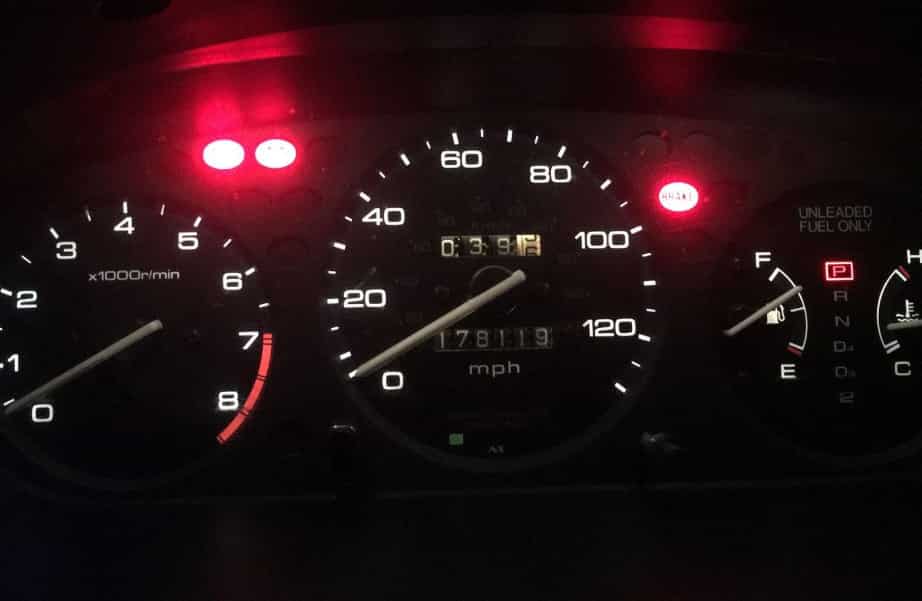
Why Does My Honda Civic Have Power But Won’t Start?
When your Honda Civic has power but refuses to start, it means the electrical system is working partially, but another part of the starting process is failing. Many drivers become confused because the dashboard lights, headlights, and entertainment system may still operate normally. However, these components require much less energy than the starter motor, which needs a strong electrical current to turn the engine.
A vehicle starting process depends on several systems working together. The battery provides electrical energy, the starter motor creates the force needed to rotate the engine, the ignition system sends the correct signals, and the fuel system delivers the fuel required for combustion. If any one of these components fails, your Honda Civic may not start even though it appears to have power.
One of the most common mistakes is assuming that a working battery means the battery is healthy. A weak battery can still power accessories while failing to provide enough cold cranking power for the starter. Similarly, corroded battery terminals, a faulty starter relay, or a damaged ignition switch can interrupt the starting process without completely removing electrical power.
Understanding the difference between having electrical power and having a functioning starting system is the first step in diagnosing the problem. By identifying the symptoms and checking each system carefully, you can avoid unnecessary repairs and find the real cause behind your Honda Civic Won’t Start But Has Power issue.
10 Common Causes of a Honda Civic That Won’t Start But Has Power
A Honda Civic that has power but will not start can have many different causes. Some problems are simple to fix. Others require professional diagnosis. Finding the correct cause helps you avoid replacing parts unnecessarily.
Weak or Failing Battery
A weak battery is one of the most common reasons why a Honda Civic will not start. Many drivers think the battery is fine because the lights and dashboard still work.
However, accessories need much less power than the starter motor. The engine requires a strong electrical current to turn over. A weak battery may power basic electronics but fail when starting the vehicle.
Low battery voltage, an old battery, or poor cold cranking performance can create a no start condition. Testing the battery before replacing other components is always a good first step.
Corroded Battery Terminals and Poor Electrical Connections
Battery connections play an important role in the starting system. Loose terminals or corrosion can block the flow of electricity.
The battery may have enough energy, but the starter may not receive enough power. Inspect the positive and negative terminals for corrosion or damage.
Cleaning the connections and tightening the cables may solve the problem without expensive repairs.
Faulty Starter Motor, Relay, or Solenoid
The starter motor is responsible for turning the engine during startup. When it fails, your Honda Civic may not crank at all.
Some drivers hear a single clicking sound when turning the key or pressing the start button. This often points to a starter motor or solenoid problem.
A faulty starter relay can create similar symptoms. The relay controls the electrical signal that activates the starter. If it fails, the engine may not respond even though the vehicle has power.
Ignition Switch and Immobilizer Problems
The ignition switch controls the electrical signal needed to start the engine. A damaged switch can prevent the starting system from receiving the correct command.
Honda Civic models with smart keys may also experience immobilizer issues. If the vehicle does not recognize the key, the engine may not start.
Warning lights on the dashboard can provide clues about security system problems.
Fuel System and Engine Sensor Failures
Not every starting problem is caused by the electrical system. Sometimes the engine turns over but does not start because fuel or sensor signals are missing.
A failing fuel pump can prevent fuel from reaching the engine. A damaged crankshaft position sensor or camshaft position sensor can also stop the ECU from controlling ignition and fuel delivery.
These problems usually require additional testing with diagnostic tools.
Alternator, ECU, and Other Electrical Issues
An alternator problem can drain the battery and create repeated starting failures. The vehicle may start with a jump but fail again shortly afterward.
In rare cases, electrical wiring problems or ECU failures can prevent the Honda Civic from starting. These issues are more complex and usually require professional inspection.
Understanding these common causes can make troubleshooting easier. Start with the simplest checks first, such as the battery and connections. Then move toward more advanced components if the problem continues.
How to Diagnose a Honda Civic Starting Problem Step by Step
Diagnosing a Honda Civic Won’t Start But Has Power problem starts with checking the simplest causes first. A proper inspection can help you find the real issue and prevent unnecessary repairs. Even if your vehicle has power, the starting system may still have a failure that stops the engine from running.
Begin by checking the battery condition and connections. A weak battery can still operate the dashboard, lights, and radio but may not provide enough power for the starter motor. Inspect the battery terminals for corrosion, dirt, or loose connections. If you have a multimeter, check the battery voltage to confirm whether it can support the starting process.
Next, pay attention to the sound your Honda Civic makes when you try to start it. A rapid clicking sound often indicates a weak battery or poor connection. A single click may point to a faulty starter motor or starter solenoid. If there is no sound at all, the problem could involve the ignition switch, starter relay, or electrical system.
You should also check the dashboard warning lights, especially the security indicator and check engine light. These signals can provide useful information about immobilizer problems or electronic failures. For newer Honda Civic models, using an OBD scanner can help identify stored trouble codes related to sensors, ignition, or engine control systems.
If basic checks do not reveal the problem, professional diagnosis may be necessary. Accurate testing can save time and money by identifying the exact cause instead of replacing parts without confirmation.
Honda Civic Won’t Start But Has Power: Repair Costs and Fix Options
The repair cost for a Honda Civic Won’t Start But Has Power problem depends on the exact cause. Some issues are simple and affordable, while others require more advanced diagnosis and replacement parts. Identifying the real problem before starting repairs can help you avoid spending money on unnecessary components.
A weak battery is usually one of the least expensive problems to fix. Battery replacement costs are often lower compared with other starting system repairs. Cleaning corroded battery terminals or repairing loose connections may cost very little and can sometimes solve the issue immediately.
A failed starter motor is a more expensive repair because the component requires removal and replacement. The cost can vary depending on the Honda Civic model year, labor rates, and the quality of the replacement part. Starter relay problems and ignition switch failures usually cost less but still require proper testing.
More complex problems involving the fuel system, engine sensors, wiring, or ECU may require additional diagnostic time. These repairs can become more expensive because technicians need specialized equipment to locate the exact failure.
Before approving any repair, ask for a complete diagnosis and a clear explanation of the failed component. A professional inspection can prevent unnecessary part replacements and ensure the correct repair is performed.
For minor issues, some Honda Civic owners may handle basic maintenance themselves. However, problems involving electrical systems, computer modules, or engine control components should be handled by experienced technicians to avoid further damage.
How to Prevent Future Honda Civic Starting Problems
Preventing a Honda Civic Won’t Start But Has Power problem is often easier and less expensive than repairing a failed starting system. Regular maintenance helps keep important components working properly and reduces the risk of unexpected breakdowns.
One of the most important steps is checking the battery regularly. A weak battery can develop slowly before causing a complete starting failure. Inspect the battery condition, check the voltage, and replace an old battery before it loses its ability to provide enough starting power.
Keeping the battery terminals clean is also important. Corrosion and loose connections can reduce electrical flow and create starting problems. Regular inspections can help you identify small issues before they become major failures.
You should also pay attention to early warning signs from your Honda Civic. Slow engine cranking, occasional clicking sounds, dim dashboard lights, or difficulty starting the vehicle can indicate that a component needs attention. Ignoring these signs may lead to a situation where the car suddenly refuses to start.
Following the recommended maintenance schedule is another effective way to protect the starting system. Regular checks of the battery, alternator, electrical connections, and engine components can improve reliability.
Finally, avoid replacing parts without proper diagnosis when problems appear. A correct inspection helps identify the real cause and prevents unnecessary repairs. By maintaining the battery, monitoring warning signs, and addressing issues early, you can reduce the chance of experiencing another Honda Civic starting problem.
Frequently Asked Questions About Honda Civic Starting Issues
Why does my Honda Civic have power but won’t start?
Your Honda Civic may have power but still fail to start because the starting system has another issue. Common causes include a weak battery, faulty starter motor, damaged ignition switch, bad starter relay, or problems with the fuel and engine management systems. Electrical accessories require less power than the starter, so the vehicle can appear normal while still having a starting failure.
Why is my Honda Civic clicking but not starting?
A clicking sound usually indicates a problem with the battery, battery connections, starter motor, or starter solenoid. Rapid clicking often points to a weak battery, while a single click may suggest a starter-related problem. Checking the battery voltage and connections is a good first step.
Can a bad battery still power lights and accessories?
Yes. A weak battery can still power lights, the radio, and dashboard displays because these components require less energy. However, starting the engine requires much more power. A battery that cannot provide enough current may allow accessories to work but prevent the engine from starting.
How do I know if my Honda Civic starter is bad?
Common signs of a failing starter include clicking noises, no engine cranking, intermittent starting problems, or complete failure to respond when pressing the start button. A professional test can confirm whether the starter motor is the actual cause.
How much does it cost to fix a Honda Civic that will not start?
The repair cost depends on the failed component. A simple battery replacement or terminal cleaning is usually affordable, while starter replacement, electrical repairs, or ECU-related problems may cost more. Proper diagnosis is the best way to avoid unnecessary expenses.
Conclusion
A Honda Civic Won’t Start But Has Power problem can be frustrating because the vehicle appears to work normally while the engine refuses to start. However, having electrical power does not always mean the battery, starter system, ignition components, or engine control systems are working correctly.
The most common causes include a weak battery, poor battery connections, a faulty starter motor, ignition switch problems, immobilizer issues, fuel system failures, and sensor-related problems. Starting with simple checks can help you identify the issue faster and avoid unnecessary repair costs.
A proper diagnosis is the key to fixing the problem. Checking the battery, listening for starting sounds, inspecting warning lights, and using diagnostic tools can help determine the exact cause. For complex electrical or engine-related issues, professional inspection may be the safest option.
Regular maintenance can also reduce the risk of unexpected starting failures. Keeping the battery in good condition, monitoring early warning signs, and following the recommended service schedule can improve your Honda Civic’s reliability.
If your Honda Civic won’t start but has power, focus on finding the real cause instead of replacing parts based on guesses. Have you experienced a similar starting problem with your Honda Civic? Share your symptoms and the model year to help identify the most likely solution.