If you own a Subaru equipped with a 2.0-liter engine, or you’re considering buying a used Subaru, understanding the most common engine issues can save you thousands of dollars in unexpected repair costs. While Subaru’s 2.0L boxer engines, including the FB20 and FA20, have earned a reputation for delivering balanced performance, fuel efficiency, and excellent handling, they are not immune to mechanical problems.
Many Subaru owners report concerns such as excessive oil consumption, carbon buildup, timing chain wear, and even serious issues like rod knock or head gasket failure. Unfortunately, these problems often start with subtle warning signs that are easy to overlook. Ignoring them can lead to expensive repairs and reduced engine lifespan.
The good news is that most 2.0 Subaru engine problems can be identified early and, in many cases, prevented through proper maintenance and timely repairs. Knowing what symptoms to watch for and understanding the root causes behind these issues can help you protect your investment and keep your vehicle running smoothly for years.
In this guide, we’ll break down the most common 2.0 Subaru engine problems, explain their causes, discuss repair costs, and provide practical solutions to help you avoid major engine damage.
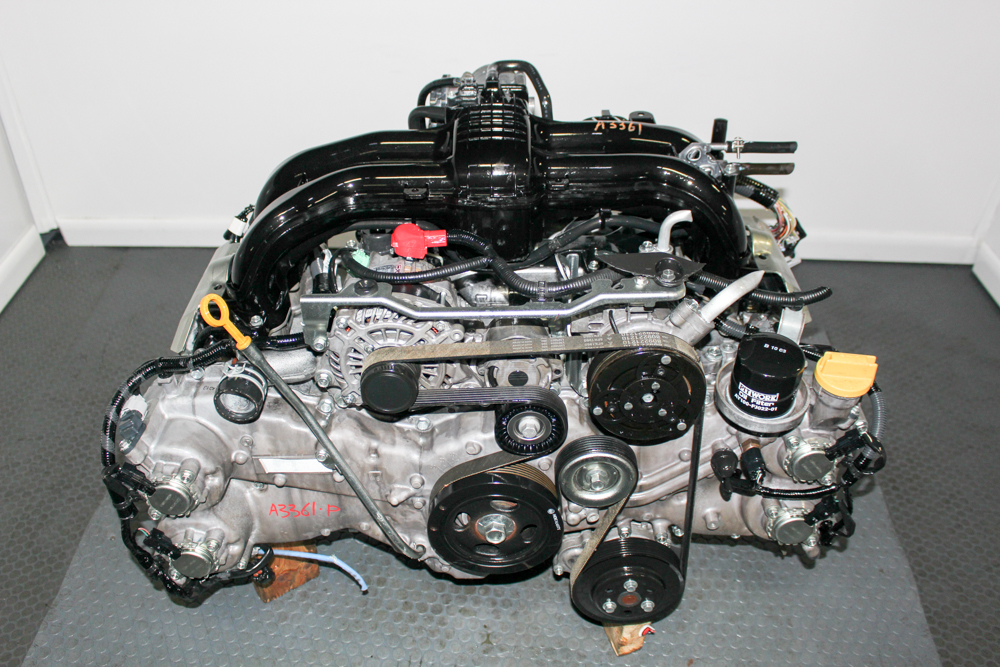
Understanding Subaru’s 2.0 Liter Boxer Engine
Before discussing specific problems, it is important to understand what makes Subaru’s 2.0 liter engine unique. Unlike traditional inline or V shaped engines, Subaru uses a boxer engine design in which the cylinders are positioned horizontally and move in opposite directions. This layout lowers the vehicle’s center of gravity, improves balance, and contributes to the stable handling characteristics that Subaru vehicles are known for.
The two most common Subaru 2.0 liter engines are the FB20 and FA20. The FB20 is commonly found in models such as the Forester, Crosstrek, and Impreza, where fuel efficiency and reliability are prioritized. The FA20, on the other hand, is used in performance oriented models such as the WRX and BRZ. It incorporates direct fuel injection and turbocharging in some applications to deliver greater power output.
Although both engines are generally reliable when properly maintained, they share several known weaknesses. Some issues stem from design characteristics, while others develop as a result of wear and tear over time. Understanding these common concerns can help owners identify potential problems before they become major repairs.
Excessive Oil Consumption
One of the most frequently reported 2.0 Subaru engine problems is excessive oil consumption. Many owners notice that the oil level drops significantly between scheduled oil changes, sometimes requiring additional oil to be added long before the recommended service interval.
The most common symptoms include low oil level warnings, burning oil smells, blue smoke from the exhaust, and increased engine noise. In some cases, drivers may not notice any obvious symptoms until the engine begins to suffer internal damage due to insufficient lubrication.
Several factors can contribute to excessive oil consumption. Worn piston rings are among the most common causes, allowing oil to enter the combustion chamber where it burns along with fuel. Certain engine designs have also been criticized for oil control ring issues that accelerate oil usage. Poor maintenance practices and extended oil change intervals can further worsen the problem.
The best way to address excessive oil consumption is to monitor oil levels regularly and top off as needed. Using the manufacturer recommended oil grade is essential. If oil consumption becomes severe, a compression test and leak down test may be necessary to diagnose internal wear. In extreme cases, replacing piston rings or rebuilding portions of the engine may be required.
Regular oil checks can prevent catastrophic engine damage and significantly extend the life of a Subaru 2.0 liter engine.
Carbon Build Up on Direct Injection Engines
Carbon buildup is another common issue, particularly in Subaru FA20 engines equipped with direct fuel injection technology. Unlike traditional port injection systems, direct injection sprays fuel directly into the combustion chamber. While this improves efficiency and performance, it also prevents fuel from cleaning the intake valves.
Over time, carbon deposits accumulate on the intake valves and intake ports. As the buildup increases, airflow becomes restricted, causing noticeable performance issues.
Drivers may experience rough idling, hesitation during acceleration, reduced fuel economy, loss of power, and occasional misfire codes. In severe cases, carbon deposits can significantly affect engine responsiveness and overall driving quality.
The most effective solution for heavy carbon buildup is walnut blasting, a cleaning process that uses crushed walnut shells to remove deposits from intake valves without damaging engine components. Professional intake cleaning services can also help restore lost performance.
To reduce the likelihood of carbon accumulation, owners should use high quality fuel, perform routine maintenance, and occasionally drive at highway speeds to allow the engine to reach optimal operating temperatures. Although carbon buildup cannot be completely eliminated in direct injection engines, proper maintenance can greatly slow its development and reduce long term repair costs.
Timing Chain Problems
The timing chain plays a critical role in synchronizing the movement of the crankshaft and camshafts. When functioning properly, it ensures that the engine’s valves open and close at the correct time. Although timing chains are generally designed to last much longer than timing belts, they are not immune to wear and failure.
One of the earliest warning signs of timing chain problems is a rattling or ticking noise during cold starts. Some drivers also report rough engine operation, reduced performance, poor fuel economy, or an illuminated Check Engine Light. Diagnostic trouble codes related to camshaft timing may also appear during a vehicle inspection.
Several factors can contribute to timing chain issues. Inadequate oil maintenance is among the leading causes. Dirty or degraded oil can accelerate wear on the timing chain, guides, and tensioners. Over time, the chain may stretch beyond acceptable limits, causing timing irregularities that affect engine performance.
Repairing timing chain problems typically involves replacing worn tensioners, guides, or the entire timing chain assembly. Because the repair requires significant labor and access to internal engine components, costs can be substantial. However, addressing the issue early is far less expensive than dealing with severe engine damage caused by a failed timing system.
Following recommended oil change intervals and using high quality synthetic oil remain the most effective ways to maximize timing chain longevity and reduce the risk of premature failure.
Head Gasket Leaks
Head gasket failure has long been associated with Subaru engines, although the problem is generally less common in newer 2.0 liter engines compared to some older Subaru powerplants. Nevertheless, head gasket leaks can still occur, particularly in high mileage vehicles or engines that have experienced repeated overheating.
The head gasket forms a critical seal between the engine block and cylinder head. Its job is to keep combustion gases, coolant, and engine oil separated. When the gasket begins to fail, these fluids can mix or escape, leading to a variety of serious problems.
Common symptoms include unexplained coolant loss, engine overheating, white smoke from the exhaust, contaminated engine oil, and bubbling in the coolant reservoir. Drivers may also notice poor engine performance or a sweet smell coming from the exhaust system.
Several factors can contribute to head gasket failure. Excessive engine temperatures place significant stress on gasket materials. Over time, repeated heating and cooling cycles can weaken the seal. High mileage and poor cooling system maintenance may further increase the likelihood of failure.
Repairing a blown head gasket is a labor intensive process that requires disassembly of major engine components. In many cases, technicians will also inspect the cylinder head for warping or cracks before installing a new gasket. Although repair costs can be high, prompt action can prevent much more extensive engine damage.
Maintaining proper coolant levels, replacing worn cooling system components, and addressing overheating issues immediately are essential steps in preventing head gasket problems.
Rod Knock and Bearing Failure
Among all 2.0 Subaru engine problems, rod knock is often considered the most serious and potentially the most expensive. Rod knock occurs when excessive clearance develops between the connecting rod bearings and the crankshaft. As the components wear, metal surfaces begin to impact one another, creating a distinct knocking sound.
The noise is usually most noticeable during acceleration or under engine load. Many drivers describe it as a deep metallic knocking that becomes louder as engine speed increases. Additional symptoms may include low oil pressure, metal particles in the oil, loss of engine performance, and severe engine vibration.
Rod bearing failure is frequently linked to insufficient lubrication. Low oil levels, oil starvation during aggressive driving, contaminated oil, and neglected maintenance can all contribute to accelerated bearing wear. In some cases, prolonged excessive oil consumption can indirectly lead to rod knock by reducing available lubrication within the engine.
Unfortunately, rod knock rarely has a simple or inexpensive solution. Once bearing damage has occurred, the engine often requires a complete rebuild or replacement. Continuing to drive after rod knock develops can result in catastrophic engine failure and significantly higher repair costs.
The best defense against rod bearing failure is consistent maintenance. Regular oil changes, routine oil level inspections, and immediate attention to unusual engine noises can dramatically reduce the risk of severe internal engine damage.
Check Engine Light Issues
Few warning indicators cause more concern among Subaru owners than the Check Engine Light. While the light itself does not always indicate a major mechanical failure, it should never be ignored. In many cases, it serves as the first warning sign that something within the engine or emissions system requires attention.
A Check Engine Light can be triggered by a wide range of issues. Common causes in Subaru 2.0 liter engines include ignition misfires, faulty oxygen sensors, mass airflow sensor problems, fuel system irregularities, and timing related faults. Carbon buildup, vacuum leaks, and malfunctioning fuel injectors can also activate diagnostic trouble codes.
When the warning light appears, the first step is to perform an OBD II diagnostic scan. This process retrieves fault codes stored within the vehicle’s computer system and helps identify the affected components. While some issues may involve relatively inexpensive sensor replacements, others may indicate more serious underlying engine problems.
Drivers should pay particular attention if the Check Engine Light begins flashing rather than remaining steadily illuminated. A flashing light often indicates an active misfire that could damage the catalytic converter if left unresolved.
Prompt diagnosis and repair not only prevent additional damage but can also improve fuel economy, engine performance, and overall reliability. Ignoring warning lights often transforms a minor repair into a much more expensive problem later.
Subaru Models Most Commonly Affected
Although Subaru’s 2.0 liter engines are used across multiple vehicle platforms, certain models and production years tend to generate more owner reports regarding specific engine issues.
The Subaru Forester equipped with the FB20 engine is frequently associated with excessive oil consumption complaints, particularly in higher mileage examples. Owners often report the need for frequent oil top offs between scheduled maintenance intervals.
The Subaru Crosstrek, which also utilizes the FB20 engine in many model years, shares similar concerns regarding oil consumption and occasional timing related issues. However, many Crosstrek owners experience excellent long term reliability when maintenance schedules are followed consistently.
The Subaru Impreza has generally demonstrated solid durability, though some owners have reported carbon buildup and sensor related Check Engine Light concerns. Regular maintenance and quality fuel usage often help minimize these issues.
Performance oriented models such as the WRX and BRZ, which utilize variations of the FA20 engine, can be more susceptible to carbon buildup due to direct fuel injection technology. Aggressive driving habits and performance modifications may further increase the risk of bearing wear or lubrication related problems if not managed carefully.
It is important to remember that not every vehicle will experience these issues. Maintenance history, driving habits, climate conditions, and overall vehicle care play a significant role in determining long term engine reliability.
How to Prevent Major 2.0 Subaru Engine Problems
Preventive maintenance remains the most effective way to avoid costly engine repairs. Many of the common Subaru 2.0 engine problems discussed in this guide can either be prevented entirely or detected early enough to minimize damage.
Regular oil changes are perhaps the single most important maintenance task. Subaru boxer engines rely heavily on proper lubrication, and clean oil helps protect critical components such as bearings, timing chains, and piston rings. Owners should always use oil that meets Subaru’s specifications and avoid extending service intervals beyond manufacturer recommendations.
Monitoring oil levels between oil changes is equally important. Because some Subaru engines may consume oil as they age, periodic inspections can help identify problems before oil starvation occurs.
The cooling system should also receive regular attention. Maintaining proper coolant levels and replacing aging components such as hoses, thermostats, and water pumps can reduce the risk of overheating and head gasket damage.
Using high quality fuel and addressing drivability concerns promptly can help reduce carbon buildup and improve overall engine efficiency. Any unusual noises, warning lights, fluid leaks, or changes in performance should be investigated immediately rather than postponed.
Finally, following the maintenance schedule outlined in the owner’s manual can dramatically increase engine lifespan. Many properly maintained Subaru 2.0 liter engines exceed 200,000 miles while continuing to provide dependable performance.
Is the Subaru 2.0 Engine Reliable?
Overall, the Subaru 2.0 liter engine is considered reasonably reliable when compared to many competitors in its class. Both the FB20 and FA20 engines are capable of delivering long service lives, often exceeding 200,000 miles when maintained properly. Their boxer engine design provides excellent balance, a low center of gravity, and a unique driving experience that has become a defining characteristic of Subaru vehicles.
One of the engine’s greatest strengths is its durability under normal driving conditions. Owners who follow recommended maintenance schedules, perform regular oil changes, and address minor issues early often experience years of dependable operation with relatively few major repairs. Fuel efficiency and smooth performance further contribute to the engine’s popularity among Subaru enthusiasts.
However, reliability is not without limitations. Excessive oil consumption remains one of the most widely reported concerns, particularly in certain model years. Direct injection variants can suffer from carbon buildup, while neglected maintenance can increase the risk of timing chain wear, bearing damage, and other expensive repairs. In performance oriented applications such as the WRX, aggressive driving habits and aftermarket modifications may place additional stress on engine components.
For buyers considering a used Subaru equipped with a 2.0 liter engine, a thorough inspection and complete maintenance history are highly recommended. Evidence of regular oil changes, cooling system maintenance, and prompt repairs can significantly increase confidence in the vehicle’s long term reliability.
Ultimately, the Subaru 2.0 liter engine is neither perfect nor problematic by default. Its longevity depends largely on how well it has been maintained throughout its life. Owners who prioritize preventive maintenance are often rewarded with years of reliable service and lower overall ownership costs.
Conclusion
The Subaru 2.0 liter engine has earned a reputation for balancing efficiency, performance, and longevity. While it is generally a dependable powerplant, owners should be aware of several common issues that may develop over time. Excessive oil consumption, carbon buildup, timing chain wear, head gasket leaks, rod knock, and Check Engine Light related faults are among the most frequently reported 2.0 Subaru engine problems.
Fortunately, most of these issues do not appear without warning. Symptoms such as unusual engine noises, declining oil levels, rough idling, overheating, or dashboard warning lights often provide early indications that something requires attention. Identifying these warning signs and taking corrective action quickly can prevent minor concerns from escalating into costly engine repairs.
Routine maintenance remains the key to maximizing engine lifespan. Consistent oil changes, regular inspections, proper coolant management, and timely repairs can significantly reduce the likelihood of major failures. For many owners, these simple practices have helped Subaru 2.0 liter engines remain reliable well beyond the 200,000 mile mark.
If you currently own a Subaru with a 2.0 liter engine, staying proactive about maintenance is one of the best investments you can make. If you are shopping for a used Subaru, understanding these common engine problems will help you make a more informed purchasing decision and avoid unexpected expenses down the road.
Have you experienced any of these Subaru 2.0 engine issues? Share your experience and maintenance tips in the comments to help other Subaru owners keep their vehicles running at their best.