The Toyota RAV4 has built a reputation as one of the most dependable compact SUVs ever produced. For decades, it has been a top choice among families, commuters, and outdoor enthusiasts who want a vehicle that combines practicality, fuel efficiency, and long term durability. However, while Toyota is known for reliability, not every RAV4 model year delivers the same ownership experience.
If you’re shopping for a used Toyota RAV4, choosing the right model year can save you thousands of dollars in repairs and maintenance. Some years are celebrated for exceptional longevity, routinely surpassing 200,000 miles with minimal issues. Others have been associated with engine problems, transmission concerns, or costly recalls that can turn a seemingly good deal into an expensive mistake.
This comprehensive buyer’s guide answers the question: What Year Is the Most Reliable Toyota RAV4? We’ll examine the most dependable model years, highlight the years buyers should approach with caution, compare reliability across generations, and provide practical tips for purchasing a used RAV4 with confidence.
Whether you’re searching for an affordable daily driver, a family friendly SUV, or a vehicle capable of lasting well beyond a decade, this guide will help you identify the Toyota RAV4 model years that offer the best combination of reliability, value, and peace of mind.
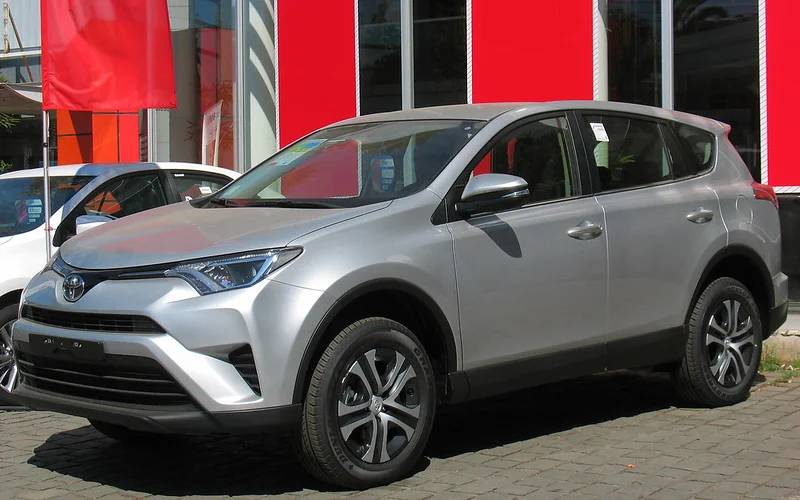
Why the Toyota RAV4 Has a Reputation for Outstanding Reliability
Few compact SUVs have earned the trust and loyalty of drivers quite like the Toyota RAV4. Since its debut in the mid-1990s, the RAV4 has consistently ranked among the best-selling SUVs in the world. Its popularity is not based solely on practicality or fuel economy. Much of its success comes from Toyota’s long-standing commitment to engineering vehicles that can withstand years of daily use with relatively low maintenance costs.
One of the biggest reasons buyers choose a RAV4 is longevity. Many owners report driving their vehicles well beyond 200,000 miles while experiencing only routine maintenance expenses. Unlike some competitors that develop major drivetrain issues as mileage increases, the RAV4 is known for dependable engines, durable transmissions, and strong overall build quality.
Another advantage is affordability of ownership. Replacement parts are widely available, repair costs are generally lower than those of many European competitors, and qualified technicians can be found almost anywhere. This combination makes the RAV4 particularly attractive to buyers seeking a vehicle that offers predictable ownership costs.
The SUV also performs exceptionally well in terms of resale value. Because of its reliability record, used RAV4 models tend to retain their value better than many competing compact SUVs. This means owners often recover a larger percentage of their investment when it is time to sell or trade in the vehicle.
How Long Can a Toyota RAV4 Last?
A well-maintained Toyota RAV4 can commonly reach 200,000 to 250,000 miles without major mechanical failures. Some owners have even exceeded 300,000 miles while continuing to use their vehicles as daily transportation.
Several factors contribute to the lifespan of a RAV4:
• Consistent oil changes
• Regular transmission maintenance
• Timely replacement of wear items
• Proper tire rotation and alignment
• Prompt attention to warning signs and minor repairs
When maintenance records are complete and the vehicle has been cared for properly, even an older RAV4 can remain a dependable choice for years to come.
How We Determined the Most Reliable Toyota RAV4 Years
Not every Toyota RAV4 model year performs equally. While the vehicle has an overall strong reliability record, some years stand out because they experienced fewer owner complaints, fewer recalls, and lower long-term repair costs.
To identify the most reliable RAV4 years, several important factors must be considered.
First, owner reported complaints provide valuable insight into real-world reliability. Vehicles that consistently receive positive feedback from long-term owners typically indicate strong engineering and durability.
Second, the severity of mechanical issues matters just as much as the number of complaints. A model year with a few minor electrical concerns may still be considered highly reliable, whereas a year affected by major engine failures could significantly impact ownership satisfaction.
Third, recall history helps reveal potential manufacturing defects. Although recalls do not automatically indicate poor reliability, years with multiple serious recalls may deserve additional scrutiny.
Fourth, maintenance and repair costs influence long-term value. Reliable vehicles should not only avoid breakdowns but also remain affordable to maintain over time.
Finally, overall ownership experience plays an important role. Factors such as fuel efficiency, resale value, comfort, and reliability combine to determine whether a particular model year is truly worth purchasing.
By evaluating these criteria together, buyers can make more informed decisions and avoid common pitfalls when shopping for a used Toyota RAV4.
The Most Reliable Toyota RAV4 Model Years Worth Buying
2016 Toyota RAV4
When discussing the most reliable Toyota RAV4 model years, the 2016 version frequently tops the list. This model represents a mature stage of the fourth generation, meaning Toyota had already resolved many of the issues that affected earlier versions.
One of the biggest improvements introduced in 2016 was the expanded availability of Toyota Safety Sense. This suite of advanced driver assistance technologies increased both safety and buyer confidence. At the same time, the proven 2.5-liter four-cylinder engine continued to deliver excellent durability and fuel economy.
Owners consistently praise the 2016 RAV4 for its dependable performance, comfortable ride quality, and low maintenance requirements. Reports of serious mechanical problems are relatively rare compared with many competitors in the same segment.
Pros:
• Excellent reliability record
• Strong safety ratings
• Affordable maintenance costs
• Good fuel economy
• Practical interior space
Cons:
• Infotainment system feels outdated by modern standards
• Cabin materials are functional rather than luxurious
For buyers seeking a balance between affordability and long-term dependability, the 2016 Toyota RAV4 remains one of the smartest choices available in the used SUV market.
2018 Toyota RAV4
The 2018 Toyota RAV4 is often considered one of the safest purchases in the used SUV market because it represents the final production year of the fourth generation. By this stage, Toyota had years to refine the platform, address minor weaknesses, and improve overall quality. As a result, the 2018 model benefits from the accumulated improvements that naturally occur near the end of a vehicle generation.
Under the hood, the 2.5-liter four-cylinder engine continued to prove its reputation for durability. The six-speed automatic transmission also demonstrated excellent reliability, with relatively few reports of major failures. Many owners appreciate the vehicle’s predictable performance, smooth driving experience, and low operating costs.
Another reason the 2018 RAV4 stands out is its practicality. The spacious cabin, generous cargo area, and comfortable seating make it an ideal choice for families and daily commuters. Unlike some newer SUVs that prioritize technology over reliability, the 2018 RAV4 maintains a simple and proven design that contributes to its long-term dependability.
The model also offers excellent value because it is typically less expensive than newer fifth-generation RAV4s while still providing modern safety features and strong fuel efficiency.
Pros:
• One of the most refined fourth-generation RAV4 models
• Proven engine and transmission combination
• Low ownership costs
• Strong reliability ratings
• Excellent resale value
Cons:
• Exterior styling feels less modern than newer models
• Technology features are not as advanced as later generations
For buyers seeking a dependable SUV that can provide years of trouble-free ownership, the 2018 Toyota RAV4 remains one of the strongest options available.
2020 Toyota RAV4
The 2020 Toyota RAV4 marked a significant step forward in design, technology, and efficiency. As part of the fifth generation, it introduced a more rugged appearance, improved fuel economy, and a substantially upgraded interior. While buyers are often cautious about newer vehicle generations, the 2020 RAV4 quickly established itself as a reliable and practical compact SUV.
Toyota improved the chassis and suspension system, resulting in better handling and ride comfort. The 2.5-liter Dynamic Force engine delivered increased power while maintaining impressive fuel efficiency. This engine has proven to be robust and capable of handling high mileage when maintained properly.
Inside the cabin, drivers benefit from upgraded infotainment systems, enhanced connectivity features, and improved safety technology. Toyota Safety Sense became standard across the lineup, giving owners access to advanced driver assistance features that were previously unavailable in older models.
Although some owners reported minor software glitches and occasional electronic concerns, these issues were generally less severe than the mechanical problems sometimes found in competing vehicles. Most concerns were addressed through updates and warranty repairs.
Pros:
• Modern styling and interior design
• Excellent fuel economy
• Advanced safety technology
• Strong resale value
• Comfortable and versatile cabin
Cons:
• Some early electronic system complaints
• Used market prices remain relatively high
The 2020 Toyota RAV4 is an excellent choice for buyers who want a modern SUV without sacrificing the reliability that Toyota is known for.
2021 Toyota RAV4
Many automotive experts consider the 2021 Toyota RAV4 one of the best overall model years ever produced. Building upon the success of the redesigned fifth generation, Toyota refined the vehicle further and addressed many of the minor concerns reported during earlier production years.
Reliability scores for the 2021 model are consistently among the highest in the segment. Owners frequently praise the vehicle’s durability, fuel efficiency, and comfortable driving experience. Reports of major mechanical failures remain relatively uncommon, reinforcing Toyota’s reputation for producing dependable vehicles.
One of the strongest selling points of the 2021 RAV4 is its balance. It combines modern technology, advanced safety systems, strong performance, and long-term reliability without forcing buyers to compromise in any major area. Whether used for commuting, family transportation, or road trips, the vehicle performs exceptionally well.
The hybrid variants are particularly impressive. Toyota’s hybrid technology has matured significantly over the years, and many owners report excellent fuel economy alongside outstanding reliability. For drivers looking to reduce fuel expenses without sacrificing dependability, the RAV4 Hybrid is often one of the most recommended options in its class.
Pros:
• Exceptional reliability ratings
• Outstanding resale value
• Advanced safety and driver assistance features
• Excellent fuel economy
• Reliable hybrid options
Cons:
• Higher purchase price compared with older models
• Strong demand can make finding affordable used examples difficult
For many shoppers, the 2021 Toyota RAV4 represents the ideal combination of modern features, proven reliability, and long-term value. It is frequently regarded as one of the safest and smartest purchases in the used SUV market.
2022 Toyota RAV4
The 2022 Toyota RAV4 continued the momentum established by previous fifth-generation models and further strengthened Toyota’s reputation for reliability. By this point, the platform had matured significantly, allowing Toyota to refine manufacturing processes and address many of the minor issues that can appear during the early years of a vehicle generation.
The 2022 model offers a well-rounded ownership experience. Drivers benefit from excellent fuel economy, responsive performance, a comfortable cabin, and a comprehensive suite of safety technologies. Reliability ratings remained strong across both gasoline and hybrid versions, making the vehicle attractive to a wide range of buyers.
One of the standout features of the 2022 RAV4 is its versatility. Whether used for daily commuting, family transportation, road trips, or light outdoor adventures, the vehicle performs confidently in nearly every situation. The available all-wheel-drive systems also contribute to its appeal among drivers living in regions with challenging weather conditions.
Maintenance costs remain relatively affordable compared with many competitors, and Toyota’s extensive dealer network ensures easy access to parts and service when needed. Combined with excellent resale value, these factors make the 2022 model one of the most practical SUV investments available.
Pros:
• Excellent reliability and durability
• Advanced safety technology
• Strong fuel economy
• Comfortable and spacious interior
• High resale value
Cons:
• Higher purchase price in the used market
• Some competitors offer more luxurious interiors
For buyers who want one of the newest and most dependable RAV4 models available, the 2022 version deserves serious consideration.
Toyota RAV4 Years to Avoid
Although the Toyota RAV4 is widely recognized for its reliability, a few model years have generated more owner complaints and mechanical concerns than others. Avoiding these years can reduce the likelihood of expensive repairs and ownership frustrations.
2006 Toyota RAV4
The 2006 Toyota RAV4 introduced a new generation and brought significant changes to the platform. Unfortunately, it also became one of the most frequently criticized model years due to widespread engine-related issues.
Many owners reported excessive oil consumption, particularly in vehicles equipped with the 2.4-liter four-cylinder engine. In severe cases, drivers needed to add oil frequently between scheduled maintenance intervals. If left unchecked, this problem could eventually lead to engine damage and costly repairs.
While not every 2006 RAV4 experienced these issues, the volume of complaints has caused many used vehicle experts to recommend caution when considering this model year.
2007 Toyota RAV4
The 2007 model continued to suffer from many of the same engine concerns that affected the 2006 version. Excessive oil consumption remained a common complaint among owners, and repair costs could become substantial once the problem developed.
Some vehicles required extensive engine work, making ownership considerably more expensive than buyers initially expected. While Toyota addressed concerns through service campaigns and technical support, the reputation of this model year remains less favorable than later versions.
Buyers considering a 2007 RAV4 should carefully review maintenance records and verify whether any engine-related repairs have already been completed.
2008 Toyota RAV4
The 2008 Toyota RAV4 continued to receive complaints regarding oil consumption and engine durability. Although some improvements were made, many owners still experienced issues similar to those reported in previous years.
For shoppers searching for maximum reliability, there are simply better alternatives available within the RAV4 lineup. The risk of inheriting costly engine problems often outweighs any potential savings from purchasing a lower-priced 2008 model.
A thorough pre-purchase inspection is essential if this model year is under consideration.
2019 Toyota RAV4
Unlike the earlier models affected by engine concerns, the 2019 RAV4 faced challenges commonly associated with first-year redesigns. As the first model of the fifth generation, it introduced significant engineering and technological changes.
Some owners reported transmission hesitation, fuel system concerns, and electronic glitches during the initial years of ownership. While many issues were resolved through software updates, recalls, and warranty repairs, the 2019 model generally receives slightly lower reliability scores than later fifth-generation versions.
This does not mean the 2019 RAV4 is a poor vehicle. However, buyers seeking the highest possible reliability often choose the 2020, 2021, or 2022 models instead.
Toyota RAV4 Hybrid Reliability
Many prospective buyers wonder whether hybrid versions can match the reliability of traditional gasoline-powered models. The answer is largely yes.
Toyota has spent decades perfecting hybrid technology, and the company’s experience is evident in the RAV4 Hybrid lineup. The electric motors and battery systems are designed to operate alongside highly efficient gasoline engines, creating a powertrain that delivers impressive fuel economy without sacrificing durability.
One advantage of hybrid ownership is reduced wear on certain mechanical components. Because the electric motor assists during acceleration and low-speed driving, some engine and braking components may experience less stress over time. This can contribute to lower long-term maintenance costs.
Battery longevity is another common concern. Fortunately, Toyota hybrid batteries have demonstrated excellent durability in real-world use. Many hybrid vehicles remain on the road well beyond 150,000 to 200,000 miles while retaining strong battery performance.
Among hybrid models, the 2021 and 2022 Toyota RAV4 Hybrid are frequently regarded as some of the most reliable choices. They combine mature hybrid technology, advanced safety systems, and outstanding fuel efficiency into a package that appeals to both families and commuters.
For buyers seeking maximum efficiency without compromising reliability, the Toyota RAV4 Hybrid stands as one of the strongest options in the compact SUV segment.
What to Check Before Buying a Used Toyota RAV4
Even the most reliable Toyota RAV4 model year can become a poor investment if it has been neglected by previous owners. Before purchasing any used RAV4, conducting a thorough inspection can help identify hidden problems and prevent unexpected repair expenses.
Review the Maintenance History
A complete maintenance history is one of the strongest indicators of a well-cared-for vehicle. Look for documentation showing regular oil changes, transmission servicing, brake maintenance, tire rotations, and scheduled inspections.
Vehicles with detailed service records generally present a lower risk because they demonstrate consistent care throughout their lifespan.
Inspect the Engine
Start the engine and listen carefully for unusual noises such as knocking, ticking, or excessive vibration. Check for oil leaks around the engine bay and examine fluid levels.
The engine should idle smoothly and accelerate without hesitation. Any warning lights on the dashboard should be investigated before making a purchase decision.
Evaluate the Transmission
During a test drive, pay attention to how the transmission shifts between gears. Smooth transitions are a sign of a healthy transmission.
Delayed engagement, jerking, slipping, or unusual noises may indicate developing problems that could require expensive repairs in the future.
Examine the Suspension and Steering
Drive the vehicle over different road surfaces and listen for clunks, rattles, or squeaks. The steering should feel responsive and stable, while the suspension should absorb bumps comfortably without excessive bouncing.
Uneven tire wear may also suggest alignment or suspension issues.
Check the Braking System
The vehicle should stop smoothly without vibration, grinding, or pulling to one side. Brake repairs are common maintenance items, but severe wear can increase immediate ownership costs.
Inspect the Interior and Electronics
Modern RAV4 models include numerous electronic systems. Test every major feature, including:
• Touchscreen display
• Bluetooth connectivity
• Backup camera
• Power windows
• Door locks
• Climate control system
• Safety assistance features
Small electronic issues can become frustrating and expensive to repair after purchase.
Watch for Signs of Water Damage
Flood-damaged vehicles can create ongoing reliability problems. Look for musty odors, water stains, rust under seats, or corrosion around electrical connectors.
A professional inspection is highly recommended if any signs of water damage are present.
Red Flags That Should Make Buyers Walk Away
Certain warning signs deserve immediate attention:
• Missing maintenance records
• Significant oil leaks
• Persistent dashboard warning lights
• Evidence of major accident repairs
• Transmission slipping or hesitation
• Flood damage indicators
• Odometer inconsistencies
• Excessive engine smoke
Walking away from a questionable vehicle is often less expensive than dealing with major repairs later.
Frequently Asked Questions
What Is the Most Reliable Toyota RAV4 Year?
The 2016 Toyota RAV4 is widely considered one of the most reliable model years ever produced. It combines proven mechanical components, strong safety ratings, low ownership costs, and relatively few reported problems.
The 2021 Toyota RAV4 is another top contender due to its exceptional reliability ratings, modern technology, and outstanding long-term value.
Which Toyota RAV4 Years Should Be Avoided?
The 2006, 2007, and 2008 model years are commonly cited as the least desirable due to widespread oil consumption issues and engine-related complaints.
Many experts also recommend exercising caution with the 2019 model because it was the first year of a major redesign and experienced some early production issues.
Can a Toyota RAV4 Last 300,000 Miles?
Yes. With proper maintenance, some Toyota RAV4 owners have exceeded 300,000 miles. Regular servicing, timely repairs, and responsible driving habits significantly increase the likelihood of achieving this milestone.
Is the Toyota RAV4 Hybrid Reliable?
Absolutely. Toyota’s hybrid technology has earned an excellent reputation for durability. Models from 2021 and 2022 are particularly well regarded for combining fuel efficiency with long-term reliability.
What Mileage Is Too High for a Used Toyota RAV4?
Mileage should never be evaluated alone. A well-maintained RAV4 with 150,000 miles can be a better purchase than a neglected vehicle with only 80,000 miles.
In general, buyers should focus on service history, vehicle condition, and inspection results rather than mileage alone.
Conclusion
When evaluating decades of Toyota RAV4 production, several model years consistently rise above the rest. The 2016 Toyota RAV4 remains one of the strongest choices for buyers seeking a dependable used SUV. It offers an exceptional balance of reliability, affordability, safety, and long-term ownership value.
For shoppers interested in newer technology and updated styling, the 2021 Toyota RAV4 stands out as perhaps the most complete package available today. It delivers outstanding reliability ratings, excellent fuel economy, advanced safety features, and impressive resale value.
The 2018, 2020, and 2022 models also deserve recognition for their strong performance and dependable ownership experiences.
On the other hand, buyers should exercise caution when considering the 2006, 2007, 2008, and 2019 model years due to their higher incidence of reported problems.
Ultimately, the answer to the question, “What Year Is the Most Reliable Toyota RAV4?” depends on your budget and priorities. If value and proven durability are your primary concerns, the 2016 model is difficult to beat. If you prefer modern features and are willing to spend more, the 2021 Toyota RAV4 may be the ideal choice.
Regardless of which model year you choose, a thorough vehicle inspection and complete maintenance history remain the most important factors in ensuring a successful purchase. By selecting the right RAV4 and verifying its condition before buying, you can enjoy one of the most reliable compact SUVs on the road for many years to come.