Buying a used Jeep Wrangler is exciting, but choosing the wrong model year can quickly turn your dream vehicle into an expensive repair project. While the Wrangler has earned a legendary reputation for rugged off-road performance, not every model year delivers the same level of reliability. Some years are praised for dependable engines, durable drivetrains, and low maintenance costs, while others have become known for recurring mechanical issues, electrical problems, or costly recalls.
So, what year is the most reliable Jeep Wrangler? The answer depends on more than just age. Factors such as engine design, transmission performance, build quality, maintenance history, and owner satisfaction all play a significant role in determining which Wrangler models stand the test of time. Whether you’re shopping for your first Jeep or replacing an older model, understanding these differences can save you thousands of dollars and help you make a smarter investment.
In this complete 2026 buyer’s guide, we’ll rank the most reliable Jeep Wrangler model years, highlight the years you should avoid, compare every Wrangler generation, and examine common problems, maintenance costs, and long-term ownership expectations. You’ll also find practical buying tips, expert recommendations, and a detailed checklist to help you choose a used Jeep Wrangler that offers the best combination of reliability, capability, and value. By the end of this guide, you’ll know exactly which Wrangler model year deserves a place in your garage.
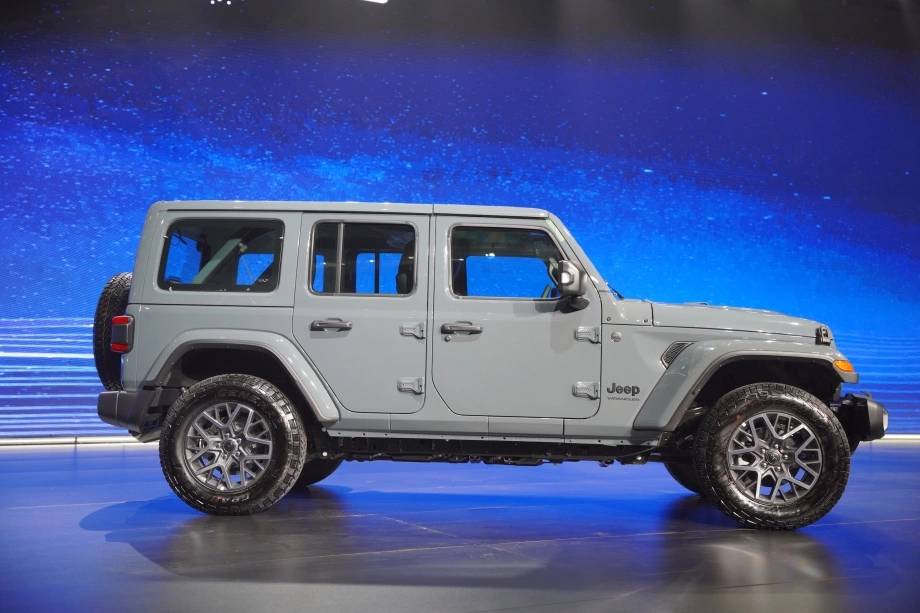
Quick Answer: What Year Is the Most Reliable Jeep Wrangler?
For most used vehicle buyers, the 2015 Jeep Wrangler is one of the most reliable model years to consider, especially when compared with the problematic early years of the JK generation and the more complicated early JL models. It combines the proven 3.6 liter Pentastar V6 engine with a relatively mature platform, widely available replacement parts, strong resale value, and fewer recalls than several nearby model years.
However, there is no single Wrangler year that is perfect for every buyer. Reliability depends heavily on maintenance history, previous modifications, rust exposure, accident damage, and how aggressively the vehicle was used off road. A carefully maintained 2016 Wrangler can be a much safer purchase than a neglected 2015 model with oversized tires, suspension modifications, and hidden trail damage.
Our strongest overall recommendations are:
- 2015 Jeep Wrangler JK for the best balance of proven engineering, affordability, and parts availability
- 2016 Jeep Wrangler JK for buyers seeking a late generation JK with modern conveniences
- 2017 Jeep Wrangler JK for a refined version of the traditional Wrangler platform
- 2018 Jeep Wrangler JK for buyers who want the final version of the JK generation
- 2004 to 2006 Jeep Wrangler TJ for enthusiasts who value simplicity, mechanical durability, and the respected 4.0 liter inline six engine
The 2015 Wrangler is not flawless. Consumer Reports identifies owner reported concerns involving wind noise, water leaks, seals, and occasional oil leaks. It also rates the model as less reliable than the average 2015 vehicle. Still, it had fewer reported NHTSA recalls than the 2016 model, and its most frequently discussed problems are often easier to inspect and manage than major engine or steering defects.
Buyers should be more cautious with the earliest JK models, particularly 2007 and 2008, as well as the 2012 Wrangler, which is associated with cylinder head concerns on some early 3.6 liter Pentastar engines. Early production 2018 JL models also deserve careful inspection because of steering complaints and frame weld concerns. A federal investigation involving 2018 and 2019 Wranglers reviewed thousands of complaints, although regulators closed the investigation after considering the original recall, design changes, and subsequent repairs.
Newer does not automatically mean more dependable. In June 2026, Stellantis recalled more than one million Wrangler and Gladiator vehicles in the United States because an electrical connection in the power steering pump wiring could overheat and create a fire risk. The action covers certain 2021 through 2025 vehicles, which means shoppers considering a recent JL Wrangler should verify recall completion by VIN before purchasing.
The safest conclusion is that 2015 is the best all around answer to the question, “What year is the most reliable Jeep Wrangler?” Yet the condition of the individual vehicle matters more than the badge on its model year. Always obtain a professional inspection, check the VIN for open recalls, and review complete maintenance records before making an offer.
How We Ranked Jeep Wrangler Reliability
Jeep Wrangler reliability cannot be measured accurately through a single rating. Wranglers are often modified, driven off road, exposed to water and mud, or fitted with tires and suspension components that place additional stress on the steering and drivetrain. For that reason, our rankings consider both official safety information and the realities of long term ownership.
Recall and Safety History
We reviewed recall information and safety investigations from the National Highway Traffic Safety Administration. A recall does not automatically make a vehicle unreliable, since many recalls involve a specific component that can be repaired free of charge. However, repeated recalls involving steering, electrical systems, airbags, structural welds, or fire risks can increase ownership concerns.
Recall completion is just as important as recall count. A Wrangler with several documented recall repairs may be safer than a supposedly better model year with an unresolved defect. Buyers can search a vehicle identification number through the official NHTSA recall database to determine whether repairs remain outstanding.
Owner Reported Problems
Owner reports help identify problems that may not result in a formal recall. Common Wrangler complaints include roof leaks, wind noise, steering vibration, suspension wear, electrical faults, oil leaks, and premature clutch or drivetrain problems.
These reports must be interpreted carefully. A popular vehicle will naturally generate more complaints than a rare one. In addition, heavily modified Wranglers may develop problems that are not directly caused by the original factory design.
Engine and Transmission Durability
We gave preference to model years equipped with engines and transmissions that had already been in production long enough for early design problems to become known and corrected.
The 3.6 liter Pentastar V6 used in later JK Wranglers is generally preferred over the older 3.8 liter V6 because it provides more power and better overall drivability. However, the earliest versions of the 3.6 liter engine developed a reputation for cylinder head problems in some vehicles. Later JK years benefited from additional production experience and are therefore more attractive to used vehicle shoppers.
The older TJ generation also remains popular because many examples use the 4.0 liter inline six. This engine is mechanically simple and known among enthusiasts for lasting a high number of miles when properly maintained. Its durability does not eliminate age related concerns such as rust, worn seals, cooling system deterioration, and degraded suspension components.
Repair Frequency and Cost
A reliable Wrangler should not only avoid catastrophic failure. It should also be reasonably affordable to keep on the road. We considered the availability of replacement parts, mechanic familiarity, drivetrain complexity, and the potential cost of recurring repairs.
The JK generation performs well in this category because it was produced for many years and has extensive aftermarket support. Parts are widely available, and many independent repair shops are familiar with its common problems.
Newer JL models offer improved comfort, technology, fuel efficiency, and safety features, but they also include more electronic systems. Additional complexity can increase diagnostic and repair costs as the vehicle ages.
Resistance to Modification Related Damage
Modifications can have a major effect on Wrangler reliability. Large tires may accelerate wear on wheel bearings, ball joints, steering components, axles, and brakes. Poorly designed lift kits can create unstable handling, uneven tire wear, or driveline vibration. Engine tuning and aftermarket electrical accessories can also create faults that are difficult to diagnose.
For this reason, an unmodified Wrangler with complete service records usually ranks higher as a used purchase than a heavily customized example, even when the customized vehicle appears more impressive.
Age, Mileage, and Maintenance History
Model year rankings provide a useful starting point, but they cannot replace an inspection of the actual vehicle. A low mileage Wrangler may still have serious problems if it has spent years outdoors, driven through saltwater, or undergone aggressive off road use. Conversely, a higher mileage vehicle with regular fluid changes and documented repairs can remain dependable.
Our rankings therefore favor years with a strong combination of mature engineering, manageable problems, good parts availability, and long term serviceability. They do not suggest that every vehicle from a recommended year will be reliable.
Best Jeep Wrangler Model Years
2015 Jeep Wrangler JK: Best Overall Used Choice
The 2015 Jeep Wrangler JK is our top overall choice for buyers who want a traditional Wrangler without paying the higher prices often associated with newer JL models. By 2015, the JK platform had been in production for several years, giving Jeep time to improve many of the weaknesses associated with its earliest versions.
Its main advantage is the 3.6 liter Pentastar V6. The engine produces considerably more power than the 3.8 liter V6 found in 2007 through 2011 models, making the Wrangler easier to drive on highways, hills, and long trips. Buyers could choose between a manual transmission and a five speed automatic, both of which were well established by this stage of JK production.
The 2015 Wrangler also benefits from excellent parts availability. Because the JK generation is extremely popular, replacement suspension components, brakes, body parts, drivetrain components, and interior accessories are easy to find. This helps reduce one of the biggest frustrations of owning an older off road vehicle.
Its weaknesses usually involve comfort and sealing rather than complete mechanical failure. Consumer Reports highlights owner complaints involving wind noise, rattles, roof seals, water intrusion, and occasional fluid leaks. These problems can be irritating, especially for someone planning to use the Wrangler as a daily driver, but they are often visible during a careful inspection.
Check the carpet and footwells for moisture, examine the removable roof seals, and look for water stains around the doors. Underneath the vehicle, inspect the frame, suspension mounts, skid plates, and differentials for rust or impact damage. A clean, mostly original 2015 Wrangler with documented oil changes is usually a stronger purchase than a modified example with unknown off road history.
The 2015 model earns the top position because it balances purchase price, mechanical familiarity, capability, and repairability. It is particularly suitable for buyers who want a Wrangler they can maintain for many years without depending on highly specialized electronic diagnostics.
2016 Jeep Wrangler JK: Best for Comfort and Late JK Refinement
The 2016 Jeep Wrangler is another strong candidate, particularly for buyers who want a later JK with a more refined interior and the same proven basic drivetrain found in the 2015 model.
It retains the 3.6 liter Pentastar V6 and offers the classic Wrangler characteristics that many enthusiasts prefer, including solid axles, removable doors, available manual transmission, and a straightforward four wheel drive system. It also benefits from the enormous aftermarket and service network supporting the JK platform.
The 2016 model is not automatically more reliable simply because it is one year newer. Consumer Reports describes it as much less reliable than the average vehicle from the same year and identifies reported trouble areas involving fuel and emissions sensors, suspension components, steering, noises, and leaks. It also lists more NHTSA recalls than the 2015 Wrangler.
That does not mean every 2016 Wrangler should be avoided. Many have accumulated substantial mileage with routine maintenance. The key is to examine each vehicle individually.
During a test drive, pay attention to steering looseness, vibration, clunking over bumps, warning lights, and irregular transmission behavior. Drive at both neighborhood and highway speeds. A Wrangler that feels acceptable at 30 miles per hour may reveal steering vibration or wheel balance problems at 60 miles per hour.
Also verify that all recall work has been completed. Some 2016 and 2017 Wranglers were recalled because front impact sensor wiring could become detached under certain crash conditions. A Jeep dealer or the NHTSA VIN lookup tool can confirm whether an individual vehicle requires additional work.
A well maintained 2016 Wrangler can be an excellent long term vehicle, but buyers should not pay a premium based only on its model year. Its service history and current condition should justify the price.
2017 Jeep Wrangler JK: Best Late Generation JK
The 2017 Jeep Wrangler JK is one of the most appealing choices for shoppers who want a highly developed version of the JK platform. It uses familiar mechanical components, offers strong off road capability, and avoids the uncertainty surrounding the launch of the redesigned JL generation.
By 2017, Jeep had produced the JK for roughly a decade. Mechanics understood its common failure points, owners had access to a huge selection of replacement parts, and most of its major design characteristics were well documented.
The 3.6 liter Pentastar remains the preferred engine for buyers who want reasonable highway performance without moving into the additional technology found in newer Wranglers. The five speed automatic is not especially modern, but its familiarity and widespread use can be advantages for long term ownership.
The 2017 model is ideal for buyers who prefer proven hardware over touchscreens, driver assistance systems, and complex electronics. It still has modern conveniences, but its driving experience remains closely connected to the traditional Wrangler formula.
Potential problems include water leaks, worn suspension joints, steering play, oil cooler housing leaks, and damage caused by previous modifications. Because many 2017 Wranglers are now old enough to require suspension or cooling system work, buyers should budget for age related maintenance even when the vehicle has low mileage.
Inspect the area around the oil filter and oil cooler housing for signs of leakage. Check the front suspension for worn ball joints, tie rod ends, and track bar bushings. Uneven tire wear may indicate poor alignment, worn components, or an incorrectly installed lift kit.
The 2017 Wrangler is not necessarily the cheapest option, since late JK models often retain strong resale value. However, it can justify the premium when it has a clean frame, factory suspension, complete service history, and no unresolved recalls.
2018 Jeep Wrangler JK: Best Final Year JK
The 2018 model year requires special attention because Jeep sold two different Wrangler designs during that period. Buyers may encounter the older Wrangler JK or the redesigned Wrangler JL. The two should not be treated as identical vehicles.
The 2018 Wrangler JK represents the final production stage of a long running generation. It carries over the established 3.6 liter engine, five speed automatic transmission, chassis design, and electrical architecture used in previous late JK models. For a buyer focused on reliability and familiarity, this continuity can be valuable.
The final year of a generation is often attractive because many early production problems have already been identified. Parts support is excellent, repair information is widely available, and there is a large community of owners and mechanics familiar with the vehicle.
However, a final production year does not guarantee perfect quality. Buyers must still inspect for leaks, corrosion, suspension wear, accident repairs, and modification related stress. They should also confirm that the vehicle is truly a JK rather than relying only on the model year shown in an advertisement.
The early 2018 Wrangler JL offers better road manners, a more modern interior, improved technology, and additional powertrain choices. It also represents the first year of a major redesign. Early JL production became associated with steering concerns and frame weld questions. NHTSA later closed an investigation into 2018 and 2019 Wrangler steering and weld complaints after reviewing recalls, design changes, and repairs, but the history still justifies a detailed inspection.
For reliability focused shoppers, the 2018 JK is generally the safer recommendation. Buyers interested in the JL should consider a later model after confirming its recall history, steering condition, and repair documentation.
2004 to 2006 Jeep Wrangler TJ: Best Choice for Mechanical Simplicity
For buyers who value mechanical simplicity more than comfort or modern safety equipment, the 2004 to 2006 Jeep Wrangler TJ remains one of the most desirable options.
Many TJ models use the respected 4.0 liter inline six engine. It is known for a simple design, strong low speed torque, and the ability to accumulate high mileage when cooling system maintenance, oil changes, and basic repairs are handled properly.
The TJ is smaller and lighter than later Wranglers. It delivers a direct driving experience and remains highly capable on trails. It also contains fewer electronic systems than newer generations, which can make troubleshooting easier for mechanically inclined owners.
Age is now the primary concern. Even a durable engine cannot protect a vehicle from frame rust, deteriorated rubber components, leaking seals, aging wiring, cooling system corrosion, or years of poor maintenance.
Frame corrosion is especially important. Inspect the rails carefully, including the areas around suspension mounting points and transfer case skid plate bolts. Surface rust may be manageable, but severe internal corrosion can make an otherwise attractive TJ unsafe or uneconomical to repair.
The 2005 and 2006 models also require careful drivetrain evaluation. Some examples can develop transmission related concerns, so a complete test drive and professional inspection are essential.
A rust free TJ with the 4.0 liter engine and a documented maintenance history can be a remarkably durable recreational vehicle. It is not the best option for every daily driver because of its age, ride quality, limited interior space, and older safety design. For an enthusiast seeking a simple Wrangler with strong mechanical character, however, it remains one of the most compelling choices.
Jeep Wrangler Years to Avoid
While every Jeep Wrangler can provide years of dependable service when properly maintained, certain model years have developed a reputation for recurring mechanical problems, expensive repairs, or multiple recalls. If you’re shopping for a used Wrangler, these are the years that deserve extra caution. That does not mean every vehicle from these years is a bad purchase, but each one requires a thorough inspection and a complete maintenance history before you commit.
2007 Jeep Wrangler
The 2007 Wrangler marked the beginning of the JK generation and introduced an entirely new platform. Although the redesign brought a larger cabin, improved comfort, and four-door Unlimited models, it also introduced several first-year issues.
One of the biggest concerns is the 3.8 liter V6 engine. Compared with the later 3.6 liter Pentastar, it produces less horsepower, lower fuel efficiency, and has been criticized by many owners for excessive oil consumption as mileage increases. Some owners also reported premature engine wear when maintenance was neglected.
Electrical problems are another common complaint. Faulty window switches, malfunctioning dashboard indicators, and wiring issues can become frustrating and expensive to diagnose, especially on vehicles that have been exposed to water during off-road driving.
Suspension components should also receive careful attention. Lift kits and oversized tires often accelerate wear on ball joints, tie rods, and steering components, making it difficult to determine whether problems originated from the factory or aftermarket modifications.
If you are considering a 2007 Wrangler, verify that all recalls have been completed, inspect the frame carefully for corrosion, and budget for additional maintenance that may be required simply because of the vehicle’s age.
2008 Jeep Wrangler
The 2008 Wrangler continued many of the same strengths and weaknesses as the 2007 model. Although Jeep addressed some early production issues, owners continued reporting problems involving electrical systems, steering components, and drivetrain reliability.
The Totally Integrated Power Module, commonly known as the TIPM, has been one of the most discussed electrical concerns on older Chrysler and Jeep vehicles. A failing module can create intermittent problems that affect fuel delivery, lighting, starting, or other electrical functions. Diagnosing these issues can be time consuming because symptoms often appear inconsistently.
Many 2008 Wranglers have also accumulated well over 150,000 miles by now. At this stage of ownership, normal wear items such as wheel bearings, suspension bushings, cooling system components, and differentials deserve close inspection.
A well-maintained 2008 Wrangler can still be a capable off-road vehicle, but buyers should expect more preventive maintenance than they would with later JK models.
2012 Jeep Wrangler
The 2012 Wrangler introduced the much more powerful 3.6 liter Pentastar V6, which significantly improved performance compared with the previous 3.8 liter engine. However, the first production year of this engine experienced cylinder head failures on some vehicles.
Affected engines could develop misfires, rough idle, loss of power, and an illuminated check engine light. Jeep addressed many of these issues through warranty repairs and updated components, but buyers should confirm that any necessary repairs have already been completed.
Aside from the cylinder head concern, the 2012 Wrangler remains a capable vehicle with strong aftermarket support. Many examples have accumulated high mileage successfully after receiving updated parts and routine maintenance.
When inspecting a 2012 Wrangler, request service records showing engine repairs if applicable, listen carefully for abnormal engine noises during a cold start, and perform a complete diagnostic scan before purchasing.
Early 2018 Jeep Wrangler JL
The 2018 model year is unique because it introduced the all-new JL generation while the previous JK remained in production.
Early JL models offered noticeable improvements in ride quality, interior refinement, technology, and fuel efficiency. However, first-year production also experienced several issues that attracted attention from owners and safety regulators.
Some owners reported steering wander at highway speeds, while others experienced concerns involving frame weld quality. Jeep issued recalls and engineering updates, and regulators later concluded their investigation after reviewing the corrective actions that had been implemented.
If you are interested in an early JL, verify the vehicle identification number for completed recalls, inspect the steering system carefully during a highway test drive, and confirm that all factory repairs have been performed.
Fortunately, many of the early production concerns were addressed in later JL model years, making newer examples a safer choice for buyers who want modern technology without taking on unnecessary risk.
Jeep Wrangler Reliability by Generation
Looking only at individual model years tells part of the story. Understanding the strengths and weaknesses of each Wrangler generation provides a much clearer picture of long-term reliability.
YJ Generation (1987 to 1995)
The YJ was the Wrangler that replaced the legendary CJ series. Its square headlights remain controversial among enthusiasts, but its mechanical simplicity has helped many examples remain on the road for decades.
Most YJ models are straightforward to repair because they contain relatively few electronic systems. Parts availability remains good, and many repairs can be completed by experienced home mechanics.
However, age is now the greatest challenge. Rust, deteriorated wiring, worn suspension components, and aging interiors are far more significant concerns than original manufacturing defects.
For collectors and hobbyists, a rust-free YJ can still provide dependable weekend enjoyment, but it is generally less practical as a daily driver than newer Wrangler generations.
TJ Generation (1997 to 2006)
Many Jeep enthusiasts consider the TJ to be one of the most reliable Wrangler generations ever built.
One major reason is the legendary 4.0 liter inline six engine. This engine has earned a reputation for exceptional durability, simple maintenance, and the ability to exceed 200,000 miles with proper care.
The TJ also introduced coil spring suspension, improving ride quality while maintaining impressive off-road capability. Its combination of mechanical simplicity and proven engineering continues to make it highly desirable on the used market.
The biggest concerns today involve age rather than design. Buyers should inspect every TJ carefully for frame corrosion, oil leaks, cooling system wear, suspension fatigue, and previous off-road damage.
A well-preserved TJ remains one of the safest choices for buyers who prioritize long-term durability over modern comfort and technology.
JK Generation (2007 to 2018)
The JK transformed the Wrangler into a more versatile everyday vehicle. Four-door Unlimited models dramatically increased practicality, while interior quality and safety features improved throughout the generation.
Reliability varies considerably depending on the model year.
Early JK models equipped with the 3.8 liter V6 generally receive lower reliability ratings because of reduced performance and higher reports of mechanical concerns.
Later JK models equipped with the 3.6 liter Pentastar V6, particularly from 2015 through 2018, represent the strongest balance of durability, affordability, and widespread parts availability.
Because millions of JK Wranglers were produced, independent repair shops are familiar with their maintenance requirements, and aftermarket support remains unmatched.
For buyers seeking the best value in today’s used market, the late JK generation continues to offer one of the strongest overall ownership experiences.
JL Generation (2018 to Present)
The JL generation modernized nearly every aspect of the Wrangler while preserving its legendary off-road capability.
Improvements include better fuel economy, a more comfortable interior, advanced safety technology, multiple engine choices, and improved highway handling.
However, increased complexity also means more electronic systems that can require specialized diagnostics and potentially higher repair costs as the vehicle ages.
Early production models experienced several quality concerns typical of major redesigns. More recent JL models have shown continued improvements, although buyers should still verify recall completion before purchasing. In 2026, Stellantis recalled certain 2021 through 2025 Wrangler models because an electrical connection in the power steering pump could overheat, making VIN verification an essential step before buying any recent JL.
Overall, the JL offers the best combination of comfort and technology, while the late JK remains the stronger value for buyers whose primary focus is reliability and long-term maintenance costs.
Common Jeep Wrangler Problems
Even the most dependable Jeep Wrangler is not completely free from problems. Knowing what to inspect before purchasing can prevent expensive surprises and help you negotiate a better price.
Death Wobble
Death wobble is one of the most well-known issues associated with solid front axle vehicles. It is not caused by a single defective component but rather by excessive wear or looseness within the steering and suspension system.
Common causes include worn track bars, damaged ball joints, loose tie rod ends, unbalanced tires, improper wheel alignment, or incorrectly installed lift kits.
A Wrangler experiencing death wobble may suddenly develop severe steering vibration after hitting a bump at highway speeds. Although the problem can usually be repaired, buyers should identify the underlying cause before completing a purchase.
Oil Leaks
Oil leaks become more common as Wranglers age.
Common leak locations include the valve cover gaskets, rear main seal, oil cooler housing on Pentastar engines, and oil pan gasket.
Small leaks are often manageable, but significant leaks can indicate neglected maintenance or more expensive engine repairs.
Inspect the underside of the vehicle carefully and look for fresh oil around the engine block, transmission, and transfer case.
Rust
Rust is one of the most expensive problems affecting older Wranglers.
Vehicles driven in regions that use road salt during winter are especially vulnerable. The frame, suspension mounting points, skid plates, brake lines, and rear control arm brackets deserve careful inspection.
Surface rust is generally acceptable on older vehicles, but structural corrosion can compromise safety and require extensive repairs.
Water Leaks
Because Wranglers feature removable roofs and doors, water intrusion is more common than on conventional SUVs.
Inspect the carpets, floor pans, cargo area, and roof seals for moisture, mildew, or water stains. Replacing weather seals is usually inexpensive, but long-term water intrusion can damage electrical connectors and interior components.
Suspension and Steering Wear
Wranglers are frequently modified for off-road use, placing additional stress on steering and suspension components.
Inspect ball joints, shocks, bushings, steering stabilizers, control arms, wheel bearings, and tie rods for excessive wear.
Uneven tire wear often indicates alignment issues or worn suspension parts that may require immediate attention.
Electrical Issues
Modern JL models contain significantly more electronic systems than previous generations, while older JK models may develop electrical faults simply because of age.
Check every electrical feature, including power windows, lighting, infotainment functions, climate controls, backup cameras, and four-wheel-drive indicators.
A comprehensive diagnostic scan performed before purchase can identify hidden fault codes that may not trigger a dashboard warning light.
Understanding these common issues does not mean you should avoid buying a Jeep Wrangler. Instead, it allows you to separate normal age-related wear from serious mechanical defects and choose a vehicle that has been properly maintained throughout its life.
Jeep Wrangler Maintenance Costs
Owning a Jeep Wrangler is generally more affordable than many buyers expect, especially if you choose a well-maintained model from a reliable model year. While Wranglers are designed to handle challenging terrain and demanding conditions, their body-on-frame construction and solid axles require regular maintenance to keep them performing at their best. The good news is that replacement parts are widely available, particularly for the JK generation, helping keep repair costs reasonable.
Routine maintenance includes engine oil changes, tire rotations, brake inspections, differential fluid replacement, transmission service, transfer case fluid changes, and cooling system maintenance. Following the factory maintenance schedule can significantly extend the lifespan of the engine, transmission, and four-wheel drive system.
Average annual maintenance costs typically range between $700 and $1,000, depending on the model year, mileage, driving habits, and local labor rates. Older Wranglers may require additional suspension work or rust prevention, while newer JL models can be more expensive to repair because of their advanced electronics and driver assistance systems.
Below is a general comparison of long-term ownership costs.
| Generation | Average Annual Maintenance | Parts Availability | Repair Difficulty |
|---|---|---|---|
| TJ | Low to Moderate | Excellent | Easy |
| JK | Moderate | Excellent | Moderate |
| JL | Moderate to High | Very Good | Moderate to High |
Certain repairs occur more frequently as mileage increases. Shock absorbers generally require replacement between 60,000 and 100,000 miles, depending on driving conditions. Brake pads often last between 30,000 and 60,000 miles, while wheel bearings, ball joints, and suspension bushings may wear more quickly on vehicles equipped with oversized tires or aftermarket lift kits.
Tires represent another significant ownership expense. Off-road tires provide outstanding traction but typically wear faster than highway tires and often cost considerably more to replace. Buyers should inspect tire wear carefully because uneven tread may indicate suspension problems or poor alignment.
The transfer case and differentials also require regular fluid changes. Although these services are sometimes overlooked by previous owners, fresh lubricants help prevent premature wear of expensive drivetrain components.
One factor that helps reduce ownership costs is the Wrangler’s enormous aftermarket support. Independent manufacturers produce a wide range of replacement parts at competitive prices, allowing owners to choose between original equipment components and high-quality aftermarket alternatives.
Insurance costs vary according to location, driving history, and trim level. Two-door Sport models generally cost less to insure than Rubicon models equipped with more expensive off-road equipment.
Overall, late JK Wranglers remain one of the most cost-effective choices for buyers seeking dependable long-term ownership. Their widespread popularity means mechanics are familiar with common repairs, replacement parts are readily available, and maintenance procedures are well documented.
What to Check Before Buying a Used Jeep Wrangler
A model year with an excellent reputation cannot compensate for years of neglect or abusive off-road use. Before purchasing any used Jeep Wrangler, complete a thorough inspection or hire a qualified mechanic to perform a pre-purchase evaluation. Spending a few hundred dollars on an inspection can save thousands in unexpected repairs.
Inspect the Frame Carefully
The frame is the most important component to examine.
Look underneath the vehicle for rust, cracks, fresh paint that may hide corrosion, bent crossmembers, or evidence of previous structural repairs. Pay particular attention to suspension mounting points, skid plates, rear control arm brackets, and areas exposed to road salt.
Surface rust is common on older Wranglers, but deep corrosion or structural damage should be treated as a major warning sign.
Review Maintenance Records
Service history tells you far more than mileage alone.
Look for documentation showing regular oil changes, transmission service, differential fluid replacement, cooling system maintenance, brake service, and recall repairs.
A Wrangler with 150,000 miles and complete maintenance records is often a safer purchase than one with 80,000 miles and no documented service history.
Verify Recall Completion
Before signing any paperwork, search the vehicle identification number through the National Highway Traffic Safety Administration recall database.
Open recalls should be completed before delivery whenever possible. This is particularly important for newer JL models that may still qualify for factory recall repairs.
Examine the Suspension
Wranglers spend much of their lives on rough terrain.
Inspect ball joints, shocks, tie rods, track bars, steering stabilizers, springs, and control arm bushings. During the test drive, listen for clunking noises and pay attention to steering vibration or wandering at highway speeds.
Uneven tire wear often indicates worn suspension components or poor alignment.
Check for Oil and Fluid Leaks
Look underneath the engine, transmission, transfer case, and differentials for fresh leaks.
Open the hood and inspect the oil cooler housing, valve covers, radiator hoses, and coolant reservoir.
Fluid leaks are common on older vehicles, but excessive leakage can indicate deferred maintenance or more serious mechanical problems.
Inspect the Four Wheel Drive System
Shift the transfer case into four-wheel high and four-wheel low if conditions allow.
The engagement should feel smooth without grinding noises or warning lights.
If the seller refuses to demonstrate the four-wheel drive system, consider it a warning sign.
Look for Water Damage
Because Wranglers feature removable roofs and doors, water intrusion is more common than in traditional SUVs.
Lift the floor mats and inspect the carpets for moisture, mold, or mildew. Check weather seals around the roof panels and doors for damage.
Persistent water leaks can eventually affect electronic components and create unpleasant interior odors.
Evaluate Previous Modifications
Many Wranglers are equipped with lift kits, oversized tires, aftermarket bumpers, winches, lighting systems, and suspension upgrades.
Professional modifications performed with quality components can improve capability.
Poorly installed modifications may create steering problems, driveline vibration, accelerated suspension wear, or electrical faults.
If possible, prioritize vehicles that remain close to factory specifications unless you can verify the quality of aftermarket work.
Run a Vehicle History Report
Always obtain a vehicle history report before completing the purchase.
Look for accident history, salvage titles, flood damage, odometer inconsistencies, or repeated ownership changes.
The report should support, rather than replace, a complete mechanical inspection.
Is a High Mileage Jeep Wrangler Worth Buying?
High mileage alone should never eliminate a Jeep Wrangler from consideration.
Unlike many crossover SUVs, Wranglers are built with durability in mind. When properly maintained, many examples remain reliable well beyond 200,000 miles. The key question is not how many miles are on the odometer but how those miles were accumulated and how well the vehicle has been maintained.
Around 100,000 Miles
A Wrangler with approximately 100,000 miles is often considered an excellent value.
At this stage, many major depreciation losses have already occurred, yet the vehicle still has significant service life remaining if maintenance has been performed consistently.
Buyers should verify that fluids have been changed according to schedule and inspect wear items such as brakes, suspension components, wheel bearings, and tires.
Around 150,000 Miles
A Wrangler with 150,000 miles can still be a dependable purchase if maintenance records are complete.
Expect some age-related repairs involving shocks, bushings, cooling system components, and steering parts. These repairs are generally less expensive than replacing an engine or transmission and should be viewed as normal maintenance rather than major defects.
Vehicles with highway mileage often experience less wear than those used extensively on challenging off-road trails.
More Than 200,000 Miles
Many Jeep enthusiasts proudly drive Wranglers that have exceeded 200,000 miles.
The determining factor is maintenance quality.
A carefully maintained TJ with the 4.0 liter inline six or a late JK equipped with the 3.6 liter Pentastar can continue operating reliably for many additional years.
However, buyers should budget for increased maintenance as rubber seals age, suspension components wear, and cosmetic deterioration becomes more noticeable.
Signs of a Good High Mileage Wrangler
Several characteristics indicate that a high mileage Wrangler may still be a smart purchase.
Complete maintenance records.
Clean frame with minimal corrosion.
Smooth engine operation.
No significant transmission slipping.
Properly functioning four-wheel drive.
Consistent tire wear.
No major fluid leaks.
Factory or professionally installed modifications.
Successful completion of all recall repairs.
Signs You Should Walk Away
Some problems are serious enough to justify looking for another vehicle.
Extensive frame rust.
Flood damage.
Salvage title.
Severe engine knocking.
Heavy transmission slipping.
Persistent overheating.
Poorly installed suspension modifications.
Multiple warning lights combined with missing maintenance records.
The best used Jeep Wrangler is not always the one with the lowest mileage. A vehicle that has been serviced regularly, driven responsibly, and inspected carefully will almost always provide a better ownership experience than a neglected example with fewer miles. By focusing on condition instead of mileage alone, buyers can often find outstanding value while avoiding many of the expensive surprises associated with used vehicle ownership.
Best Jeep Wrangler for Different Buyers
Every Jeep Wrangler is built with adventure in mind, but not every model year is the right fit for every driver. Your budget, driving habits, and long-term ownership goals should influence your decision just as much as reliability ratings. Whether you plan to commute every day, explore remote trails on weekends, or purchase a dependable vehicle that will hold its value, there is a Wrangler that fits your needs.
Best for Daily Driving
Winner: 2021 Jeep Wrangler JL
If your Wrangler will spend most of its time on paved roads, the 2021 JL offers the best balance of comfort, technology, and driving refinement. Compared with older generations, it provides a quieter cabin, improved suspension tuning, better fuel economy, and more advanced safety features.
Available driver assistance technologies, a modern infotainment system, and improved seat comfort make long highway trips significantly more enjoyable. Buyers should still verify that all recall work has been completed before purchasing, but a properly maintained 2021 JL is an excellent daily driver for those who want modern convenience without sacrificing legendary off-road capability.
Best for Off Road Adventures
Winner: 2017 Jeep Wrangler Rubicon JK
The 2017 Rubicon combines one of the most refined versions of the JK platform with factory equipment specifically designed for challenging terrain.
Features such as front and rear locking differentials, electronic sway bar disconnect, heavy-duty Dana axles, and aggressive approach and departure angles allow the Rubicon to tackle difficult trails without extensive modifications.
Because it belongs to the mature JK generation, replacement parts remain affordable and widely available, making it an outstanding choice for serious off-road enthusiasts.
Best Budget Choice
Winner: 2015 Jeep Wrangler Sport JK
For buyers who want the best balance between purchase price and long-term reliability, the 2015 Wrangler Sport remains one of the strongest values on the used market.
It benefits from the proven 3.6 liter Pentastar V6, excellent aftermarket support, and lower purchase prices than newer JL models. Insurance costs are also generally lower than higher trim levels, making it an attractive option for first-time Wrangler owners.
Best for Long Term Ownership
Winner: 2005 Jeep Wrangler TJ
Buyers who plan to keep their vehicle for many years often appreciate the mechanical simplicity of the TJ generation.
The 4.0 liter inline six engine has earned an outstanding reputation for durability when properly maintained. Although the vehicle lacks many modern comfort features, its simple design, proven drivetrain, and relatively inexpensive repairs continue to attract enthusiasts looking for dependable long-term ownership.
The most important consideration is rust. A rust-free TJ with documented maintenance can remain a reliable vehicle for many years to come.
Best Value Under $20,000
For shoppers with a budget below $20,000, several late JK models provide excellent value.
The following model years are often the best choices if they have clean maintenance histories and reasonable mileage.
2015 Jeep Wrangler Sport
2016 Jeep Wrangler Sport
2017 Jeep Wrangler Sport
2018 Jeep Wrangler JK
These vehicles offer proven mechanical designs, strong resale values, and excellent parts availability while remaining more affordable than most JL models.
Best Overall Recommendation
If someone asked only one question, “What year is the most reliable Jeep Wrangler?”, the answer for most buyers would still be the 2015 Jeep Wrangler JK.
It strikes an outstanding balance between reliability, affordability, performance, maintenance costs, and long-term ownership potential. Combined with a thorough inspection and documented service history, it remains one of the smartest purchases in today’s used Wrangler market.
Frequently Asked Questions
What year is the most reliable Jeep Wrangler?
Most experts and experienced owners consider the 2015 Jeep Wrangler JK to be one of the most reliable model years. It combines the proven 3.6 liter Pentastar V6 engine with a mature platform, relatively few major mechanical concerns, and excellent aftermarket support.
Which Jeep Wrangler years should I avoid?
Buyers should carefully inspect the 2007, 2008, 2012, and early production 2018 JL models because these years have been associated with engine issues, electrical problems, steering concerns, or early production defects. A complete inspection and VIN recall check are essential before purchasing any used Wrangler.
Can a Jeep Wrangler last 300,000 miles?
Yes. Many Wrangler owners have exceeded 300,000 miles with proper maintenance. Regular oil changes, drivetrain service, cooling system maintenance, and prompt repairs are far more important than mileage alone.
Is the 3.6 liter Pentastar engine reliable?
Yes. The Pentastar V6 is generally considered a dependable engine, especially in later production years. Early 2012 models experienced cylinder head issues, but many affected vehicles were repaired under warranty. Later versions have established a strong reputation for durability.
Is the Jeep Wrangler expensive to maintain?
Maintenance costs are generally moderate compared with other body-on-frame four-wheel drive vehicles. Routine servicing is affordable because replacement parts are widely available, particularly for the JK generation. However, heavily modified Wranglers or vehicles that receive frequent off-road use may require additional suspension and drivetrain maintenance.
Which Wrangler generation is the most reliable?
The answer depends on your priorities.
The TJ generation is widely respected for mechanical simplicity and durability.
The late JK generation offers the best balance between reliability, affordability, and modern features.
The JL generation provides the best comfort and technology but includes more complex electronic systems that may increase repair costs as the vehicle ages.
Should I buy a modified Jeep Wrangler?
Not necessarily.
Professionally installed modifications using quality components can improve off-road capability. Poorly installed lift kits, oversized tires, and aftermarket electrical accessories can create steering problems, drivetrain wear, and expensive repairs.
If possible, choose a Wrangler that remains close to factory specifications or has complete documentation for all modifications.
Conclusion
Choosing the most reliable Jeep Wrangler involves much more than selecting a specific model year. Maintenance history, previous ownership, driving conditions, accident history, and overall vehicle condition all play critical roles in determining long-term reliability.
For most buyers, the 2015 Jeep Wrangler JK remains the strongest overall recommendation thanks to its proven drivetrain, dependable performance, affordable maintenance, and outstanding parts availability. The 2016, 2017, and 2018 JK models also represent excellent choices for drivers seeking a capable and durable used Wrangler. Enthusiasts who value simplicity may prefer a well-preserved TJ equipped with the legendary 4.0 liter inline six, while buyers looking for modern comfort should consider a later JL, provided all recalls have been completed and the vehicle has been thoroughly inspected.
Before making your final decision, always inspect the frame for rust, verify the maintenance history, test the four-wheel drive system, review the vehicle history report, and check the VIN for outstanding recalls. Spending time on a detailed inspection today can prevent thousands of dollars in unexpected repairs later.
Ultimately, the best Jeep Wrangler is not simply the newest or the least expensive. It is the one that has been cared for properly throughout its life. By combining the information in this guide with a careful pre-purchase inspection, you can confidently choose a Wrangler that delivers years of dependable performance both on the road and far beyond the pavement.
Whether your goal is daily commuting, weekend camping trips, rock crawling, or long-term ownership, selecting the right model year will help you enjoy everything that has made the Jeep Wrangler one of the world’s most iconic off-road vehicles.