A Dodge Ram blend door actuator replacement fixes HVAC problems caused by a failed actuator. This component controls the blend door inside the climate control system. It helps regulate the amount of warm and cool air that enters the cabin.
A failing blend door actuator creates clear warning signs. Many Dodge Ram owners notice clicking noises behind the dashboard. Others experience incorrect temperatures, weak airflow control, or air that stays hot or cold despite changing the settings.
The blend door actuator works with the HVAC control module, heater core, and air conditioning system. When the actuator cannot move the blend door correctly, the climate control system cannot deliver the selected temperature.
Correct diagnosis prevents unnecessary repairs. A similar HVAC problem can come from damaged wiring, a faulty control module, or a broken blend door mechanism. Testing the system before replacement helps identify the actual cause.
This guide explains the symptoms of a bad Dodge Ram blend door actuator, the diagnosis process, replacement steps, calibration requirements, and repair costs. It helps owners decide whether they should complete the repair themselves or hire a professional technician.
What Does a Blend Door Actuator Do on a Dodge Ram?
A blend door actuator controls the position of the blend door inside the Dodge Ram HVAC system. The actuator is a small electric motor that receives signals from the climate control module and moves the door to regulate cabin temperature. When the driver selects a warmer or cooler setting, the actuator adjusts the blend door position to control how much air passes through the heater core or bypasses it.
The blend door works as a temperature control mechanism inside the HVAC housing. When the door allows more air through the heater core, the cabin receives warmer air. When the door blocks heated air and allows more cooled air from the air conditioning system, the cabin receives colder air. This process allows the Dodge Ram climate control system to maintain the selected temperature.
The blend door actuator connects several important HVAC components, including the climate control module, electrical wiring system, heater core, and air conditioning system. The control module sends electrical commands to the actuator, and the actuator converts those commands into mechanical movement. This continuous adjustment keeps airflow temperature consistent during different driving conditions.
Dodge Ram trucks use different HVAC configurations depending on the model year, trim level, and climate control options. Some vehicles use a single-zone system, while others use dual-zone climate control that allows the driver and passenger to select different temperatures. In dual-zone systems, multiple actuators may control separate blend doors.
A properly functioning blend door actuator ensures accurate temperature control and smooth HVAC operation. When the actuator fails, the blend door may remain stuck in one position. This prevents the HVAC system from delivering the correct temperature and creates symptoms that often lead owners to search for Dodge Ram blend door actuator replacement information.
What Are the Symptoms of a Bad Blend Door Actuator on a Dodge Ram?
A bad blend door actuator on a Dodge Ram creates HVAC problems because the system cannot correctly control the position of the blend door. The most common symptoms include unusual dashboard noises, incorrect air temperature, inconsistent climate control performance, and airflow problems. These symptoms usually appear when the actuator motor or its internal gears cannot move the blend door as commanded.
One common sign is a clicking or knocking sound behind the dashboard. This noise happens when the actuator motor continues trying to move a stuck blend door or when the internal plastic gears become damaged. The actuator receives signals from the HVAC control module, but the damaged gears prevent proper movement. The repeated clicking often becomes louder when the driver changes the temperature setting.
Another symptom is incorrect temperature output from the vents. A Dodge Ram may continue blowing hot air when the air conditioning is active or produce cold air when the heater setting is selected. This happens because the blend door remains in the wrong position and cannot control the balance between heated and cooled air. The HVAC system may still operate, but it cannot deliver the requested cabin temperature.
Some Dodge Ram owners experience different temperatures between the driver and passenger sides. This problem is common in vehicles with dual-zone climate control. A failed actuator on one side can prevent that section of the HVAC system from adjusting correctly, causing one side of the cabin to receive warmer or colder air than the other side.
Airflow direction problems can also indicate an HVAC actuator issue. The vehicle may send air through the wrong vents because another actuator, such as the mode door actuator, has failed. Since multiple HVAC components work together, proper diagnosis helps separate a blend door actuator failure from other climate control problems.
Replacing the actuator without confirming the failure can waste time and money. A complete inspection of the HVAC system helps determine whether the problem comes from the actuator motor, wiring connection, HVAC control module, or the blend door itself.
How Do You Diagnose a Faulty Blend Door Actuator on a Dodge Ram?
A faulty blend door actuator diagnosis starts by confirming that the actuator causes the HVAC problem. Several components can create similar symptoms, including damaged wiring, a failed HVAC control module, or a broken blend door. A proper inspection helps identify the correct repair and prevents unnecessary replacement costs.
The first diagnostic step is checking the HVAC system response. Change the temperature settings from hot to cold and listen for unusual sounds behind the dashboard. A clicking noise often indicates damaged actuator gears or a motor that cannot complete its movement. If the temperature does not change while the climate controls respond normally, the actuator may not move the blend door correctly.
A visual inspection can also reveal common actuator problems. Technicians check the electrical connector, wiring condition, and actuator mounting area for damage. A loose connector can interrupt communication between the HVAC control module and the actuator. In some cases, reconnecting or repairing the wiring solves the issue without replacing the component.
A diagnostic scan tool provides additional information on newer Dodge Ram models. The tool can communicate with the HVAC control module and identify stored fault codes related to actuator movement, calibration, or communication failures. This information helps determine whether the problem comes from the actuator or another HVAC component.
The difference between a bad actuator and a damaged blend door is important. A failed actuator usually produces clicking sounds or stops responding to temperature commands. A damaged blend door may prevent movement even when the actuator works correctly. Testing both components ensures the replacement process addresses the actual cause of the HVAC failure.
A complete diagnosis gives Dodge Ram owners confidence before starting a blend door actuator replacement. Identifying the exact failure point reduces repair time and helps avoid replacing functional HVAC parts.
Where Is the Blend Door Actuator Located on a Dodge Ram?
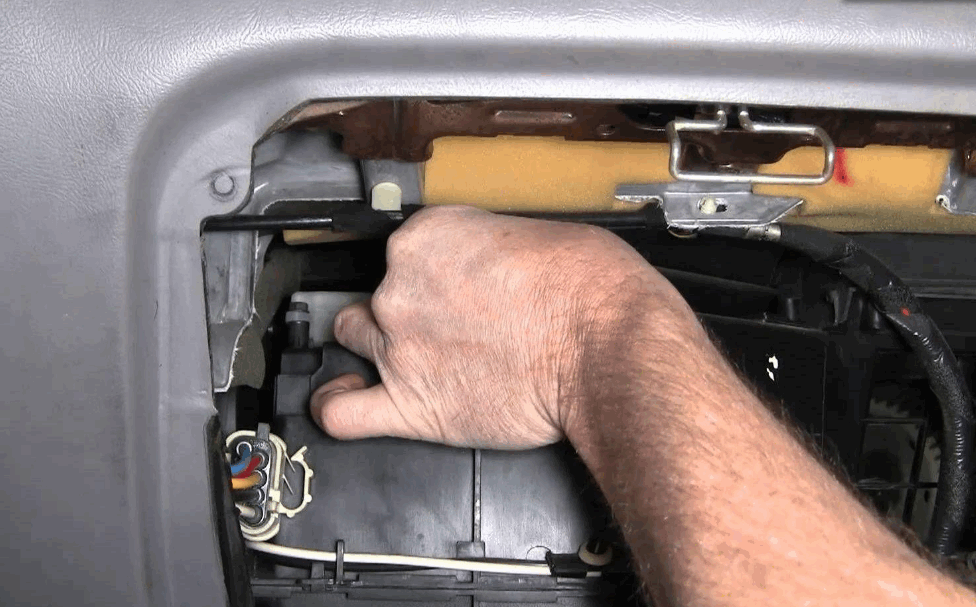
The blend door actuator location on a Dodge Ram depends on the vehicle model, HVAC configuration, and the specific function of the actuator. Most blend door actuators sit inside or near the HVAC housing behind the dashboard. Their position allows them to control the blend door that regulates the temperature of air entering the cabin.
On many Dodge Ram models, accessing the actuator requires removing interior panels or dashboard components. The limited space around the HVAC housing can make the replacement process more difficult. Technicians often inspect the actuator location before starting the repair because some models provide easier access than others.
The Dodge Ram 1500, Ram 2500, and Ram 3500 can use different HVAC layouts depending on the model year and available climate control options. A single-zone system usually has fewer actuators, while dual-zone climate systems may use separate actuators to control different temperature areas. The driver-side and passenger-side actuators may also have different locations.
The temperature blend door actuator usually sits near the heater box because it controls the movement between heated and cooled airflow. Other HVAC actuators may control air direction or fresh air intake, so identifying the correct component is important before replacement. Replacing the wrong actuator will not solve the original climate control problem.
Finding the exact actuator location before beginning the repair helps determine the required tools, access difficulty, and estimated labor time. A service manual or vehicle-specific repair information can provide the most accurate location details for each Dodge Ram model year.
Understanding the actuator location also helps owners decide whether the replacement is suitable for a DIY repair or requires professional assistance. Some replacements involve simple panel removal, while others require more extensive dashboard access.
How Do You Replace a Blend Door Actuator on a Dodge Ram?
A Dodge Ram blend door actuator replacement involves removing the failed actuator, installing a compatible replacement, and testing the HVAC system afterward. The process requires careful handling because the actuator connects to the HVAC housing through small mounting points and electrical connectors. Correct installation ensures that the climate control system can move the blend door accurately.
Before starting the replacement, gather the required tools and confirm the correct actuator for the Dodge Ram model. Common tools include a socket set, screwdrivers, trim removal tools, and a flashlight for accessing tight areas behind the dashboard. Checking the vehicle identification number helps match the replacement part with the correct HVAC configuration.
The first step is disconnecting the battery to prevent electrical issues during the repair. After removing the necessary interior panels, locate the blend door actuator and disconnect its electrical connector. Remove the mounting screws that secure the actuator to the HVAC housing, then carefully remove the old component without damaging nearby wiring or plastic parts.
The new actuator installation follows the reverse process. Position the replacement actuator correctly, secure the mounting screws, and reconnect the electrical connector. The actuator must align properly with the blend door mechanism because incorrect positioning can prevent the HVAC system from controlling temperature correctly.
After installation, test the climate control system by changing between hot and cold temperature settings. Check whether the airflow temperature responds correctly and listen for unusual noises from behind the dashboard. Some Dodge Ram models may require actuator calibration after replacement to allow the HVAC control module to recognize the new actuator position.
A successful replacement restores proper temperature control and prevents recurring HVAC problems. However, the difficulty level depends on the actuator location, vehicle configuration, and available access space. Owners with limited repair experience should evaluate the complexity before attempting a DIY replacement.
Does a Dodge Ram Blend Door Actuator Need Calibration After Replacement?
A Dodge Ram blend door actuator may need calibration after replacement because the HVAC control module must recognize the new actuator position. Calibration allows the system to understand the full movement range of the actuator and control the blend door accurately. Without proper calibration, the HVAC system may continue showing temperature control problems even after installing a new component.
The calibration process allows the actuator to learn its operating limits. The HVAC control module sends commands to move the actuator through its range of motion and records the correct positions. This process ensures that the blend door opens and closes at the correct points when the driver changes the temperature settings.
Some Dodge Ram models complete actuator calibration automatically after battery reconnection or system reset. Other models require a diagnostic scan tool to perform an HVAC relearn procedure. The required method depends on the model year, climate control system, and HVAC module design.
Incorrect calibration can create several issues after replacement. The vehicle may continue producing hot or cold air incorrectly, the actuator may make clicking sounds, or the climate control system may fail to respond properly. These problems do not always mean the replacement actuator is defective. The system may simply need to complete the calibration process.
Testing the HVAC system after calibration confirms that the repair was successful. Check temperature changes, airflow performance, and actuator operation from different climate settings. If problems remain, inspect the actuator installation, wiring connections, and HVAC components again.
Proper calibration is an important final step in a Dodge Ram blend door actuator replacement. It ensures that the new actuator works together with the HVAC control system and restores accurate cabin temperature control.
How Much Does Dodge Ram Blend Door Actuator Replacement Cost?
A Dodge Ram blend door actuator replacement cost usually depends on three main factors: the price of the replacement actuator, labor time, and the difficulty of accessing the component. The total repair expense can vary significantly between different Dodge Ram models because some actuators are easier to reach than others.
The replacement part cost is the first factor that affects the overall price. OEM blend door actuators usually cost more because they follow the original manufacturer specifications and provide direct compatibility with the vehicle. Aftermarket actuators often have lower prices, but quality and durability can vary between different brands. Choosing a reliable replacement part helps reduce the risk of repeated HVAC problems.
Labor cost creates another major difference in repair pricing. A technician can replace an easily accessible actuator faster than a component located deep behind the dashboard. Repairs that require removing additional panels or interior components usually take more time and increase the final service cost.
The Dodge Ram model year and HVAC system design also influence the replacement price. A basic climate control system may require less labor compared with a dual-zone automatic climate control system that uses multiple actuators and additional electronic controls.
DIY replacement can reduce labor expenses for owners with mechanical experience and the correct tools. However, professional repair provides advantages when the actuator location is difficult to access or when additional HVAC diagnosis is necessary.
Before replacing the component, owners should confirm that the actuator has actually failed. Paying for a replacement part without proper diagnosis can increase costs without solving the original problem. A complete inspection helps identify the correct repair and provides a more accurate estimate.
A Dodge Ram blend door actuator replacement is generally a manageable repair when the problem is correctly identified. Understanding the factors that affect cost helps owners choose between purchasing parts themselves, completing a DIY repair, or hiring an automotive technician.
Should You Choose an OEM or Aftermarket Dodge Ram Blend Door Actuator?
Choosing between an OEM and aftermarket Dodge Ram blend door actuator depends on the vehicle condition, repair goals, and long-term ownership plans. Both options can restore HVAC operation, but they differ in compatibility, price, quality control, and expected durability.
An OEM blend door actuator is designed according to Dodge Ram factory specifications. It matches the original component in size, electrical connection, and operating requirements. This direct compatibility reduces installation issues and makes OEM parts a common choice for owners who want the same specifications as the original vehicle equipment.
Aftermarket blend door actuators provide an alternative for owners who want to reduce repair costs. Many aftermarket manufacturers produce replacement actuators for popular Dodge Ram models, offering lower prices compared with OEM components. However, quality can vary between manufacturers, so checking product reviews, warranty coverage, and vehicle compatibility is important before purchase.
The correct choice also depends on the age and condition of the truck. A newer Dodge Ram with many years of expected service may benefit from a higher-quality OEM replacement. An older truck used for occasional driving may make an aftermarket actuator a practical option when the part meets the required specifications.
Compatibility is one of the most important factors when selecting a replacement actuator. Dodge Ram trucks use different HVAC configurations across model years, trims, and climate control systems. A part that fits one Ram model may not operate correctly on another vehicle. Always verify the actuator position, connector type, and HVAC system design before installation.
A reliable replacement actuator should restore smooth temperature control and provide consistent operation. The best option is not always the cheapest part but the one that matches the vehicle requirements and provides dependable performance after installation.
When Should You Replace a Dodge Ram Blend Door Actuator?
A Dodge Ram blend door actuator replacement is necessary when the HVAC system cannot control cabin temperature correctly and diagnosis confirms that the actuator has failed. Symptoms such as clicking noises behind the dashboard, incorrect air temperature, and unresponsive climate controls often indicate that the actuator cannot move the blend door properly.
Replacing the actuator restores the connection between the HVAC control module and the blend door mechanism. A correctly installed actuator allows the system to adjust heated and cooled airflow based on driver settings. Proper diagnosis, correct part selection, and calibration after installation help ensure reliable HVAC performance.
The replacement process depends on the Dodge Ram model, HVAC configuration, and actuator location. Some repairs require simple access through interior panels, while others need additional labor because of limited space behind the dashboard. Understanding these factors helps owners estimate repair difficulty and cost before starting the job.
A failing blend door actuator should not be ignored because it affects comfort and climate control reliability. Identifying the problem early can prevent unnecessary HVAC repairs and improve the overall ownership experience. Whether completing a DIY repair or working with a professional technician, using the correct replacement procedure ensures that the Dodge Ram climate control system returns to proper operation.