Choosing between Castrol vs Mobil 1 can be difficult because both brands produce high-quality synthetic engine oils. Both products protect modern engines well, but they deliver different strengths in performance, durability, and long-term value. The better choice depends on your vehicle, driving conditions, and maintenance expectations.
Castrol focuses on reducing friction and protecting engine components under heavy loads. Mobil 1 emphasizes thermal stability, extended oil life, and consistent performance across a wide range of operating temperatures. Both brands meet strict industry standards and receive approvals from leading vehicle manufacturers. However, they achieve these results through different base oil technologies and additive packages.
This guide compares Castrol vs Mobil 1 using the factors that matter most to drivers. You will learn how each oil performs in engine protection, high-temperature operation, cold starts, oil longevity, and everyday driving. The article also examines OEM approvals, maintenance costs, and overall value. By the end, you will know which engine oil best matches your vehicle and driving needs.
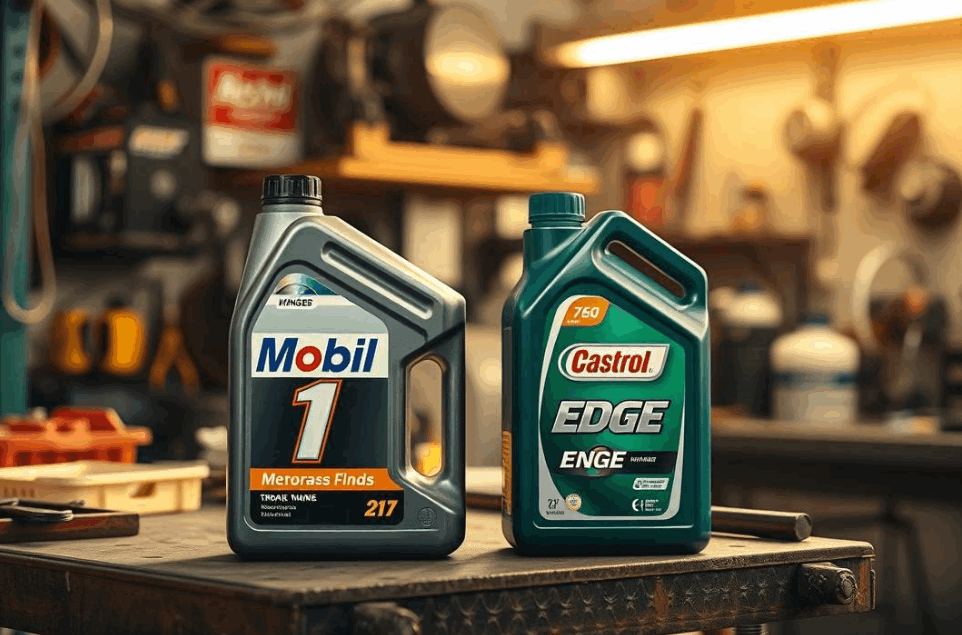
What Are the Main Differences Between Castrol and Mobil 1?
Choosing between Castrol and Mobil 1 starts with understanding how each brand approaches engine protection. Both manufacturers produce premium synthetic engine oils, but they focus on different performance priorities. Castrol emphasizes friction reduction and component protection under high mechanical stress. Mobil 1 focuses on thermal stability, oxidation resistance, and extended oil performance. These design philosophies influence how each product performs in different engines and driving conditions.
Castrol has developed a broad product portfolio for passenger cars, SUVs, and performance vehicles. Its flagship Castrol EDGE series uses Fluid Titanium Technology to strengthen the oil film when engine pressure increases. This feature helps reduce metal-to-metal contact during acceleration, towing, and spirited driving. As a result, many drivers choose Castrol for vehicles that experience frequent load changes or demanding road conditions.
Mobil 1 has earned a strong reputation for maintaining consistent lubrication over long service intervals. Products such as Mobil 1 Extended Performance use advanced synthetic base oils and additive technologies that resist oxidation, sludge formation, and viscosity breakdown. This formulation helps the oil remain stable under sustained highway speeds, high operating temperatures, and extended drain intervals. Many premium vehicle manufacturers also approve Mobil 1 for factory-fill applications, reinforcing its reputation for long-term engine protection.
Neither brand outperforms the other in every situation. Castrol often appeals to drivers who prioritize immediate wear protection and high-load performance. Mobil 1 generally suits drivers who value oil longevity, thermal stability, and consistent performance over extended mileage. The best choice depends on your vehicle specifications, manufacturer recommendations, and driving habits rather than the brand name alone.
Which Engine Oil Provides Better Protection?
Both Castrol and Mobil 1 deliver excellent engine protection, but they achieve it through different strengths. Castrol focuses on minimizing friction during high engine loads, while Mobil 1 prioritizes long-term stability under extreme operating temperatures. Both brands meet the latest API and OEM requirements, making them suitable for modern gasoline and many diesel engines. However, their formulations perform differently in specific operating conditions.
Castrol stands out for its ability to reduce wear when engine components operate under intense pressure. Its premium synthetic oils create a strong lubricating film that separates moving metal surfaces during rapid acceleration, towing, and high-performance driving. This extra layer of protection helps reduce friction and limits component wear during demanding situations. Drivers who frequently encounter heavy traffic, steep terrain, or aggressive driving conditions often benefit from this characteristic.
Mobil 1 excels at maintaining stable performance throughout the entire oil service interval. Its advanced synthetic base oils resist oxidation, sludge formation, and viscosity breakdown even after prolonged exposure to heat. As the oil ages, it continues to circulate efficiently and protect critical engine parts. This stability helps reduce internal deposits and supports cleaner engine operation over thousands of miles, especially in turbocharged and direct injection engines that generate higher operating temperatures.
Cold-start performance is another important factor when comparing Castrol vs Mobil 1. Both brands circulate quickly after ignition and reduce wear during the first moments of engine operation. Mobil 1 often demonstrates a slight advantage in extremely cold climates because its synthetic formulation maintains excellent flow at very low temperatures. Castrol, meanwhile, delivers outstanding protection once the engine reaches normal operating conditions and continues to perform reliably during repeated heat cycles.
Overall, neither brand offers universally better protection. Castrol provides exceptional wear resistance under heavy mechanical loads, while Mobil 1 delivers superior long-term stability and engine cleanliness during extended use. The better choice depends on how and where you drive, as well as the specifications recommended by your vehicle manufacturer.
Which Oil Performs Better in Real Driving Conditions?
Real-world performance depends on how you drive rather than the brand alone. Castrol and Mobil 1 both protect modern engines effectively, but each oil performs better in different situations. Daily commuting, highway travel, heavy towing, and extreme weather place different demands on engine oil. Understanding these conditions helps drivers choose the product that delivers the greatest benefit over time.
Castrol performs especially well in stop-and-go traffic and demanding urban environments. Frequent acceleration, braking, and idling create constant changes in engine temperature and oil pressure. Castrol’s advanced friction-reducing technology helps maintain a durable oil film during these rapid transitions. This protection reduces metal contact and supports smoother engine operation throughout repeated driving cycles.
Mobil 1 excels during long-distance travel and continuous high-speed driving. Extended highway journeys expose engine oil to sustained heat for long periods. Mobil 1 maintains its viscosity and resists oxidation under these conditions, allowing it to lubricate critical engine components consistently. This stability also helps reduce sludge formation and supports longer service intervals, making it an excellent choice for drivers who regularly cover high annual mileage.
Extreme weather also influences engine oil performance. Both brands provide excellent protection during cold starts when the correct viscosity grade is selected. However, Mobil 1 often demonstrates faster oil circulation in very cold climates because of its highly stable synthetic formulation. Castrol, meanwhile, performs exceptionally well in hot environments where engines operate under heavy loads. Drivers who tow trailers, climb steep grades, or carry heavy cargo often appreciate its strong wear protection during periods of increased engine stress.
Neither brand dominates every driving condition. Castrol offers excellent protection for demanding urban driving and high-load operation, while Mobil 1 delivers outstanding consistency during long highway trips and extreme temperatures. Choosing the right oil should always begin with your vehicle manufacturer’s specifications, followed by your driving habits and local climate. Keeping the recommended viscosity and maintenance schedule will have a greater impact on engine life than choosing one premium brand over another.
Which Vehicles Are Better Suited for Castrol or Mobil 1?
Both Castrol and Mobil 1 support a wide range of vehicles, but each brand fits certain engine types and driving styles better. Selecting the right engine oil depends on more than brand reputation. Engine design, manufacturer requirements, mileage, and operating conditions all influence which product delivers the best results. Matching the oil to your vehicle helps maximize performance, improve efficiency, and extend engine life.
Castrol is an excellent choice for drivers who regularly operate their vehicles under heavy loads or changing traffic conditions. Many compact cars, family SUVs, and performance models benefit from Castrol’s strong wear protection during frequent acceleration and braking. Drivers who enjoy spirited driving or travel on mountainous roads may also appreciate its ability to maintain a durable lubricating film when engine pressure rises. These characteristics make Castrol a practical option for vehicles that experience demanding daily use.
Mobil 1 performs exceptionally well in modern engines that operate at high temperatures or require extended maintenance intervals. Many luxury vehicles, turbocharged engines, and premium European models specify Mobil 1 because of its excellent thermal stability and long-lasting performance. Its advanced synthetic formulation also supports cleaner engine operation by resisting sludge and deposit formation throughout the oil change interval. Drivers who spend long hours on highways or accumulate high annual mileage often benefit from these qualities.
Vehicle age also plays an important role when comparing Castrol vs Mobil 1. Newer engines with tighter internal tolerances can take full advantage of either brand when the correct viscosity grade meets the manufacturer’s specifications. Older vehicles with higher mileage may benefit from product lines designed specifically for aging engines, as these formulations help reduce oil consumption and maintain effective sealing around worn engine components.
The best engine oil is the one that matches your vehicle’s specifications and driving habits. Castrol remains a strong option for demanding daily driving and high-load conditions, while Mobil 1 stands out for premium vehicles, extended service intervals, and consistent long-term performance. Always confirm the recommended viscosity grade and required OEM approval before choosing either product.
How Do Castrol and Mobil 1 Compare in Oil Life and Maintenance Costs?
Oil life and maintenance costs play a major role when choosing between Castrol and Mobil 1. Both brands produce high-quality synthetic engine oils that last longer than conventional oils. However, they differ in how well they maintain their protective properties over time. The right choice depends on your driving habits, maintenance schedule, and long-term ownership goals.
Castrol delivers reliable performance throughout the manufacturer’s recommended oil change interval. Its synthetic formulations maintain viscosity, reduce friction, and protect critical engine components under normal and demanding driving conditions. Drivers who follow standard maintenance schedules can expect consistent engine protection without sacrificing performance. This makes Castrol an excellent option for vehicles that receive regular servicing according to the owner’s manual.
Mobil 1 is widely recognized for its extended service capability. Many of its premium products are engineered to maintain stable viscosity and resist oxidation for longer periods. This formulation helps the oil retain its protective properties during prolonged exposure to heat and engine contaminants. Drivers who travel long highway distances or accumulate high annual mileage often appreciate the added durability because it supports longer drain intervals when approved by the vehicle manufacturer.
Maintenance costs involve more than the purchase price of engine oil. A product that protects internal components effectively can help reduce engine wear, limit deposit buildup, and support efficient operation over many years. Mobil 1 often carries a higher retail price than comparable Castrol products, but some drivers offset this cost through extended oil change intervals and fewer maintenance visits. Castrol usually offers a lower upfront cost while still providing excellent protection for vehicles that follow conventional maintenance schedules.
Overall, both brands provide strong long-term value. Castrol offers an excellent balance between performance and affordability for routine maintenance. Mobil 1 provides additional value for drivers who prioritize extended oil life and long-distance reliability. Regardless of the brand, following the correct viscosity grade, OEM approval, and recommended service interval remains the most important factor in protecting your engine and controlling maintenance costs.
Which Brand Has Better OEM Approvals and Industry Certifications?
OEM approvals and industry certifications help determine whether an engine oil meets the performance standards required by vehicle manufacturers. Both Castrol and Mobil 1 satisfy the latest API and ACEA specifications. They also receive approvals from leading automotive brands. These certifications confirm that each oil has passed demanding tests for wear protection, oxidation resistance, engine cleanliness, fuel economy, and overall durability.
Castrol holds approvals from many global manufacturers, including BMW, Mercedes-Benz, Porsche, Volkswagen, Jaguar Land Rover, and Ford. These certifications allow Castrol products to meet the exact lubrication requirements of many European and domestic vehicles. Many dealerships also recommend Castrol because specific product lines align with factory service requirements. Choosing an oil with the correct OEM approval helps preserve engine performance and supports warranty compliance.
Mobil 1 also maintains an extensive list of manufacturer approvals across premium automotive brands. Many Mercedes-Benz, Porsche, Bentley, General Motors, Stellantis, and Volkswagen vehicles specify Mobil 1 for factory fill or scheduled maintenance. Its strong reputation comes from consistent performance during long service intervals and demanding operating conditions. These approvals demonstrate that Mobil 1 satisfies strict standards for engine protection, oil stability, and emissions system compatibility.
Industry certifications remain just as important as OEM approvals. Both brands produce oils that meet current API SP and ILSAC GF-6 standards for modern gasoline engines. Many products also comply with ACEA specifications required by European manufacturers. These certifications ensure protection against low-speed pre-ignition, timing chain wear, sludge formation, and high-temperature oxidation. Drivers should always confirm that the selected oil matches the viscosity grade and certification listed in the owner’s manual before making a purchase.
Neither brand offers better approvals in every situation. The correct choice depends on the requirements of your vehicle rather than the number of certifications printed on the bottle. If your owner’s manual specifies a particular OEM approval, selecting an oil that meets that exact standard will provide better protection than choosing a different premium product with incompatible specifications.
Is Castrol or Mobil 1 the Better Choice for Your Needs?
The better engine oil depends on your vehicle, driving habits, and maintenance priorities rather than the brand itself. Both Castrol and Mobil 1 rank among the world’s leading synthetic engine oil manufacturers. Each brand delivers excellent protection, meets strict industry standards, and supports modern engine technology. The right choice comes from matching the oil to your engine’s requirements instead of selecting the most popular name.
Castrol is an excellent option for drivers who want strong wear protection during demanding daily use. Vehicles that operate in heavy traffic, carry frequent loads, or experience repeated acceleration and braking can benefit from Castrol’s friction-reducing technology. The brand also offers a broad product range that covers economy cars, family SUVs, performance vehicles, and high-mileage engines. Drivers who follow regular maintenance intervals often receive outstanding value from Castrol without paying a premium for extended drain capability.
Mobil 1 is a strong choice for drivers who prioritize long-term engine cleanliness and extended oil performance. Luxury vehicles, turbocharged engines, and cars that travel long highway distances often benefit from its excellent thermal stability and oxidation resistance. Many premium manufacturers also approve Mobil 1 for factory-fill applications, making it a natural choice for owners who prefer to follow original equipment recommendations throughout the life of their vehicles.
Budget also influences the final decision. Castrol often provides excellent performance at a more competitive price, making it attractive for drivers who change their oil at standard service intervals. Mobil 1 usually costs more, but many owners consider the additional investment worthwhile because of its long-lasting performance and consistent protection under demanding operating conditions. Over time, both brands can deliver excellent value when paired with the correct maintenance schedule.
Overall, there is no universal winner in the Castrol vs Mobil 1 comparison. Castrol stands out for drivers who value wear protection, everyday reliability, and affordability. Mobil 1 remains an outstanding choice for those who seek maximum oil longevity, premium engine protection, and extended service performance. Before making a final decision, always verify the viscosity grade, API classification, and OEM approval specified by your vehicle manufacturer. Selecting the correct specification will protect your engine far more effectively than choosing one premium brand over another.
Conclusion
The comparison between Castrol vs Mobil 1 shows that both brands deliver outstanding engine protection, but they serve different priorities. Castrol excels at reducing friction and protecting engine components under heavy mechanical loads. Mobil 1 stands out for its exceptional thermal stability, long-lasting performance, and resistance to oxidation during extended service intervals. Neither brand consistently outperforms the other because every engine operates under different conditions and follows unique maintenance requirements.
The best decision begins with your vehicle manufacturer’s recommendations. Selecting the correct viscosity grade and OEM approval will always have a greater impact on engine reliability than choosing a specific premium brand. Driving conditions also matter. Frequent city traffic, heavy loads, and regular commuting may favor Castrol, while long highway journeys, high annual mileage, and premium vehicles often benefit from Mobil 1’s extended durability.
Overall, both Castrol and Mobil 1 represent excellent investments for modern engines. Choose the product that matches your engine specifications, maintenance schedule, and driving environment instead of relying on brand reputation alone. A properly selected engine oil, replaced at the recommended interval, will help maximize engine performance, improve efficiency, and support long-term reliability.
Frequently Asked Questions About Castrol vs Mobil 1
Can I switch from Castrol to Mobil 1?
Yes. You can switch between Castrol and Mobil 1 as long as the new oil matches the viscosity grade and OEM approval specified by your vehicle manufacturer. There is no need to flush the engine when changing between two high-quality synthetic oils under normal maintenance conditions.
Does Mobil 1 last longer than Castrol?
Mobil 1 often offers longer service capability because many of its premium formulations emphasize oxidation resistance and thermal stability. However, the actual oil change interval should always follow the recommendation in your owner’s manual unless oil analysis supports a longer interval.
Is Castrol better for high-mileage vehicles?
Castrol offers dedicated high-mileage product lines that help reduce oil consumption and protect aging engine seals. These formulations make it a strong choice for vehicles with higher mileage when the correct viscosity grade is used.
Which brand performs better in cold weather?
Both brands provide excellent cold-start protection when the correct viscosity is selected. Mobil 1 often demonstrates slightly faster oil flow in extremely low temperatures because of its advanced synthetic formulation. In most climates, however, both products deliver reliable cold-start performance.
Which engine oil offers better value for money?
Castrol generally provides excellent value for drivers who follow standard maintenance schedules and want premium protection at a competitive price. Mobil 1 may justify its higher price for drivers who prioritize extended oil life, long-distance driving, and premium engine protection over longer service intervals.
Which engine oil should you choose?
Choose Castrol if you prioritize strong wear protection, daily driving performance, and overall affordability. Choose Mobil 1 if you value extended oil life, superior thermal stability, and long-term engine cleanliness. In every case, the correct viscosity grade and OEM approval should guide your final decision.