Have you ever been driving your Toyota on a long road trip when a message suddenly appears on the dashboard saying, “Sway Warning: Take a Break”? If so, you’re not alone. Many Toyota owners are surprised when they first see this alert and often wonder whether it indicates a serious vehicle problem.
The good news is that, in most cases, the Toyota Sway Warning is not a sign of a mechanical failure. Instead, it is an advanced safety feature designed to help protect drivers from the dangers of fatigue, distraction, and reduced concentration behind the wheel. As part of Toyota Safety Sense, the system continuously monitors your driving behavior and looks for patterns that may suggest you are becoming tired or less attentive.
Driver fatigue is a leading factor in thousands of road accidents every year. Even experienced drivers can lose focus during long highway journeys, late-night drives, or stressful commutes. The Toyota Sway Warning system was developed to provide an extra layer of protection by encouraging drivers to take a break before a potentially dangerous situation occurs.
In this complete guide, you’ll learn exactly what the Toyota Sway Warning means, how it works, why it appears, and what steps you should take when the alert is activated.
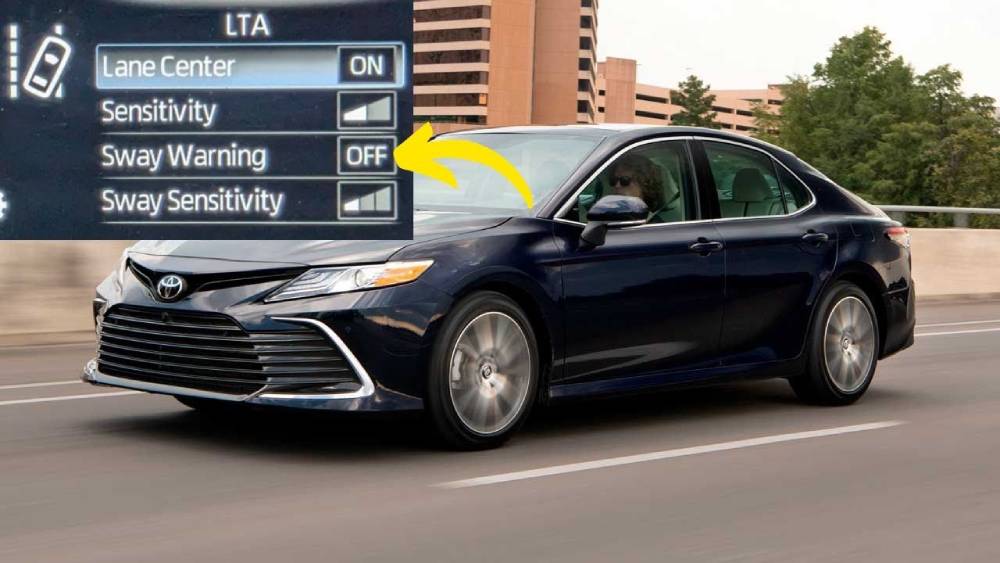
What Is the Toyota Sway Warning?
The Toyota Sway Warning is an intelligent driver assistance feature designed to identify driving patterns that may indicate fatigue, drowsiness, or a lack of concentration. When the system detects unusual vehicle movement within a lane, it alerts the driver and recommends taking a break.
This feature is included in many Toyota vehicles equipped with Toyota Safety Sense, the company’s suite of advanced safety technologies. Rather than monitoring the driver’s physical condition directly, the system analyzes how the vehicle is being controlled on the road. If it notices repeated steering corrections, weaving within a lane, or other irregular movements, it assumes the driver may be tired or distracted.
Many drivers mistakenly believe that the Sway Warning indicates a fault with the steering system or suspension. In reality, the alert is primarily focused on driver behavior rather than vehicle performance. Its purpose is to reduce the risk of accidents caused by fatigue, one of the most common yet overlooked hazards on the road.
For example, imagine driving for several hours on a highway. As concentration decreases, small steering adjustments may become more frequent. The Sway Warning system recognizes these patterns and displays a message encouraging the driver to rest before the situation becomes dangerous.
By providing an early warning, the system helps drivers remain aware of their condition and promotes safer driving habits.
How Does Toyota Sway Warning Work?
The Toyota Sway Warning system relies on advanced sensors and cameras to monitor vehicle movement while driving. It works alongside other Toyota Safety Sense technologies to assess how consistently the vehicle remains within its lane.
A forward facing camera mounted near the windshield continuously tracks lane markings on the road. At the same time, the vehicle’s onboard computer analyzes steering inputs and overall driving behavior. The system looks for patterns that differ from normal driving, such as frequent lane drifting or repeated steering corrections.
When a driver is alert and focused, steering movements tend to be smooth and predictable. However, fatigue often causes subtle changes in driving behavior. A tired driver may unintentionally wander within the lane, react more slowly to road conditions, or make unnecessary steering adjustments. These behaviors create recognizable patterns that the system is designed to detect.
If the system determines that the vehicle is swaying more than expected, it activates a visual alert on the dashboard. Depending on the Toyota model, an audible notification may also sound. The display typically advises the driver to take a break and regain focus before continuing the journey.
An interesting fact is that many people assume the system uses facial recognition or eye tracking. While some advanced driver monitoring systems on the market do use those technologies, Toyota’s Sway Warning primarily evaluates vehicle movement and steering behavior rather than directly observing the driver.
Why Does the Toyota Sway Warning Appear?
There are several reasons why the Toyota Sway Warning may activate during a trip. Understanding these causes can help drivers determine whether the alert reflects genuine fatigue or is being influenced by external conditions.
One of the most common causes is driver fatigue. Long hours behind the wheel can reduce alertness and increase the likelihood of subtle steering errors. Even if a driver does not feel particularly tired, the system may detect signs of reduced concentration before the driver becomes fully aware of them.
Distraction is another frequent trigger. Looking at a smartphone, adjusting navigation settings, reaching for an item inside the vehicle, or engaging in lengthy conversations can all affect driving consistency. These brief lapses in attention may cause slight lane wandering that activates the warning.
Environmental conditions can also play a role. Strong crosswinds may push the vehicle from side to side, requiring additional steering corrections. Similarly, rough pavement, road construction zones, and poorly marked lanes can create movement patterns that resemble driver fatigue.
Weather conditions may contribute as well. Heavy rain, snow, fog, and reduced visibility often require more steering adjustments and can influence how the system interprets vehicle behavior.
In most situations, the warning is simply encouraging drivers to remain alert and attentive. It is intended as a preventive safety measure rather than an indication that something is wrong with the vehicle.
Does the Toyota Sway Warning Mean Something Is Wrong with Your Vehicle?
One of the most common concerns among Toyota owners is whether the Sway Warning indicates a mechanical problem. In most cases, the answer is no. The alert is designed to monitor driving behavior and encourage safer driving habits, not to diagnose vehicle defects.
When the warning appears, it usually means the system has detected steering patterns associated with fatigue, distraction, or reduced attentiveness. The vehicle’s safety systems are simply reminding the driver to stay focused and consider taking a break.
However, there are situations where the system may not function as intended. A dirty windshield can obstruct the forward facing camera and reduce its ability to accurately track lane markings. Snow, mud, insects, or condensation on the glass may interfere with the camera’s view and cause unexpected alerts.
Sensor calibration issues can also affect performance. If the windshield has recently been replaced or the vehicle has undergone certain repairs, the camera system may require recalibration. In these cases, drivers may notice more frequent or inaccurate warnings.
If the Sway Warning appears occasionally during long drives, there is usually no cause for concern. On the other hand, if the alert activates repeatedly under normal driving conditions despite the driver being fully attentive, it may be worth having the vehicle inspected by a qualified Toyota technician.
Understanding the difference between a driver assistance alert and a mechanical fault can help prevent unnecessary worry and ensure that genuine issues are addressed appropriately.
Which Toyota Models Have Sway Warning Technology?
Toyota introduced the Sway Warning feature as part of its broader commitment to vehicle safety and accident prevention. Today, the technology is available on many Toyota models equipped with Toyota Safety Sense.
Popular vehicles that may include Sway Warning technology include the Toyota Camry, Toyota Corolla, Toyota RAV4, Toyota Highlander, Toyota Prius, Toyota Avalon, and selected versions of the Toyota Tacoma. Availability can vary depending on the model year, trim level, and regional market.
The feature is commonly integrated into Toyota Safety Sense packages. Earlier versions of Toyota Safety Sense introduced basic driver assistance technologies such as Lane Departure Alert and Automatic High Beams. As the system evolved, newer versions added more advanced capabilities, including enhanced lane recognition and improved driver support functions.
Toyota Safety Sense P was one of the first widely adopted versions to include lane related safety technologies. Later generations such as Toyota Safety Sense 2.0, 2.5, and 3.0 brought improved camera systems, more accurate lane tracking, and better overall performance.
Drivers who are unsure whether their vehicle includes Sway Warning can check the owner’s manual, review the vehicle specifications, or access the settings menu through the infotainment system. Understanding the available safety features can help drivers take full advantage of the technology designed to protect them on the road.
As Toyota continues to expand its safety offerings, driver assistance systems such as Sway Warning are becoming increasingly common across the brand’s lineup.
What Should You Do When the Toyota Sway Warning Activates?
When the Toyota Sway Warning appears, the first step is to remain calm. The alert is intended as a precautionary measure and does not necessarily indicate an emergency or vehicle malfunction.
Take a moment to assess your physical and mental condition. Ask yourself whether you have been driving for an extended period, feeling tired, or struggling to maintain concentration. Fatigue often develops gradually, making it difficult for drivers to recognize the warning signs on their own.
If there is any possibility that tiredness is affecting your driving, consider pulling over at a safe location. Rest areas, service stations, and parking facilities provide opportunities to stretch, hydrate, and briefly relax before continuing your journey. Even a short break can significantly improve alertness and reaction time.
Drivers should also evaluate potential distractions. Mobile phones, navigation systems, conversations, and other activities can reduce focus and contribute to inconsistent steering behavior. Eliminating distractions may help prevent future alerts.
If weather conditions or road surfaces are particularly challenging, additional caution may be required. Strong winds, heavy rain, and poorly marked roads can influence vehicle movement and trigger the warning system.
In cases where the alert appears repeatedly despite normal driving behavior and favorable conditions, it may be beneficial to inspect the windshield camera area for dirt or obstructions. If the issue continues, scheduling a professional inspection can help determine whether calibration or maintenance is necessary.
Ultimately, the best response to a Sway Warning is to view it as a helpful reminder. The system’s goal is not to interrupt your trip but to help ensure that every journey remains as safe as possible.
Can You Turn Off the Toyota Sway Warning?
Many drivers wonder whether the Toyota Sway Warning can be disabled, especially if they receive alerts frequently during certain driving conditions. The answer depends on the vehicle model and the version of Toyota Safety Sense installed.
In many Toyota vehicles, drivers can access safety feature settings through the instrument cluster display or infotainment system. Depending on the model, it may be possible to adjust the sensitivity of the system or temporarily disable the warning function. The exact procedure varies, so consulting the owner’s manual is the most reliable way to locate the correct settings.
While disabling the feature may seem convenient, Toyota generally recommends keeping it active. The Sway Warning system was developed to provide an additional layer of protection by helping drivers recognize signs of fatigue or distraction before they become dangerous.
Driver fatigue can affect anyone, regardless of experience. Even professional drivers can experience reduced concentration after long periods behind the wheel. Because fatigue often develops gradually, many people fail to notice the early warning signs. The Sway Warning system acts as a valuable reminder that can encourage safer decisions during a journey.
If the system appears overly sensitive, it may be worth investigating potential causes rather than disabling it completely. Road conditions, weather, camera obstruction, or calibration issues may be influencing how the system interprets vehicle movement.
For maximum safety, most experts recommend keeping the feature enabled and using it as one component of a broader safe driving strategy that includes regular rest breaks, proper hydration, and minimizing distractions.
Common Problems and Troubleshooting Tips
Although the Toyota Sway Warning system is generally reliable, drivers may occasionally experience unexpected behavior or alerts. Understanding common issues can help identify simple solutions before seeking professional assistance.
One of the most frequent complaints involves false warnings. Drivers may receive a Sway Warning even when they feel fully alert and are maintaining proper control of the vehicle. In many cases, external factors such as strong winds, rough pavement, road construction, or faded lane markings contribute to the system’s interpretation of vehicle movement.
A dirty windshield is another common cause of performance issues. Because the system relies on a forward facing camera to monitor lane position, anything that obstructs the camera’s view can reduce accuracy. Dirt, dust, snow, ice, insects, or water spots may interfere with proper operation. Regularly cleaning the windshield can often resolve these problems.
Some drivers may encounter messages indicating that the camera is blocked or temporarily unavailable. When this occurs, inspect the area around the camera housing near the rearview mirror and remove any visible obstructions.
Software related issues can occasionally affect advanced safety systems. Vehicle software updates released by Toyota may improve system performance, enhance accuracy, or address known issues. Keeping the vehicle’s software up to date can help ensure optimal functionality.
If warnings continue despite favorable driving conditions and a clean windshield, the camera system may require professional calibration. This is particularly important after windshield replacement, collision repairs, or certain maintenance procedures that affect camera alignment.
Promptly addressing unusual behavior helps ensure that the safety system continues to perform as intended and provides accurate assistance when needed.
Toyota Sway Warning vs Lane Departure Alert
Because both systems are related to lane monitoring, many drivers mistakenly assume that Toyota Sway Warning and Lane Departure Alert serve the same purpose. While they work together to enhance safety, they are designed to address different risks.
Toyota Sway Warning focuses on detecting driver fatigue and inattentiveness. The system analyzes driving patterns over time and looks for repeated swaying, weaving, or unusual steering corrections that may indicate reduced concentration. When these patterns are detected, the system encourages the driver to take a break.
Lane Departure Alert has a different objective. Instead of monitoring long term driving behavior, it focuses on immediate lane position. The system detects when the vehicle begins to move out of its lane without an activated turn signal and provides a warning to help the driver return to the correct position.
In practical terms, a tired driver may gradually weave within a lane for several minutes before receiving a Sway Warning. By contrast, Lane Departure Alert reacts when the vehicle is actually approaching or crossing lane markings.
Both technologies contribute to safer driving, but they address different aspects of road safety. One helps identify potential fatigue before it leads to a serious mistake, while the other helps prevent unintended lane departures that could result in a collision.
When used together as part of Toyota Safety Sense, these features create a more comprehensive safety environment that supports driver awareness and reduces the likelihood of accidents caused by inattention.
Frequently Asked Questions
Is Toyota Sway Warning dangerous?
No, the Toyota Sway Warning itself is not dangerous. It is a safety feature designed to help drivers recognize signs of fatigue or distraction. The alert serves as a reminder to stay focused and consider taking a break if necessary. In fact, the system is intended to reduce the risk of accidents by identifying potentially unsafe driving patterns before they lead to a serious situation.
Does Toyota Sway Warning mean my steering system is failing?
Not usually. The warning does not typically indicate a problem with the steering, suspension, or engine. Instead, it analyzes vehicle movement and steering behavior to determine whether the driver may be tired or inattentive. If the warning appears frequently under normal driving conditions, it may be worth checking for camera issues or scheduling a vehicle inspection.
Can strong winds trigger Toyota Sway Warning?
Yes, strong crosswinds can sometimes cause the vehicle to move within its lane, requiring additional steering corrections from the driver. The system may interpret these movements as swaying behavior and activate the warning. Similar situations can occur on rough roads or in construction zones where lane markings are difficult to follow.
How accurate is Toyota Sway Warning?
The system is generally accurate when operating under normal conditions. However, like any driver assistance technology, it is not perfect. Weather conditions, poor lane markings, windshield obstructions, and unusual road surfaces can influence performance. Drivers should treat the warning as a helpful safety aid rather than a definitive assessment of their condition.
Can I permanently disable Toyota Sway Warning?
Some Toyota models allow drivers to adjust or disable the feature through the vehicle settings menu. However, availability depends on the model and Toyota Safety Sense version. Because the feature contributes to overall road safety, Toyota recommends keeping it enabled whenever possible.
Do all Toyota vehicles have Sway Warning technology?
No, not every Toyota model includes this feature. Sway Warning is typically available on vehicles equipped with Toyota Safety Sense and may vary depending on model year, trim level, and market. Checking the owner’s manual or vehicle specifications is the best way to confirm whether a specific model includes the technology.
Conclusion
The Toyota Sway Warning system is an innovative safety feature designed to help drivers remain alert and focused during their journeys. By monitoring steering behavior and vehicle movement within a lane, the system can identify patterns that may indicate fatigue, distraction, or reduced concentration. When these signs are detected, it provides a warning that encourages drivers to take a break and regain their focus.
For many drivers, seeing the alert for the first time can be confusing. Fortunately, the warning usually does not indicate a mechanical problem with the vehicle. Instead, it serves as a proactive reminder that safe driving requires both physical and mental attentiveness.
Understanding how the system works, what causes it to activate, and how it differs from other Toyota Safety Sense technologies can help drivers use the feature more effectively. Whether you are taking a long highway trip, commuting after a busy day, or driving through challenging weather conditions, the Sway Warning system offers an additional layer of protection.
As advanced driver assistance technologies continue to evolve, features such as Toyota Sway Warning play an increasingly important role in improving road safety. By paying attention to these alerts and responding appropriately, drivers can reduce risk, improve awareness, and enjoy greater confidence behind the wheel.
The next time your Toyota displays a Sway Warning message, remember that it is not simply a notification. It is a safety tool designed to help keep you, your passengers, and everyone on the road safer.