Modern vehicles are smarter and safer than ever before, thanks to advanced driver assistance technologies designed to help prevent accidents. Among these innovations, the Pre-Collision System (PCS) plays a crucial role by monitoring the road ahead, detecting potential hazards, and warning drivers of possible collisions. In many vehicles, the system can even apply automatic emergency braking when necessary.
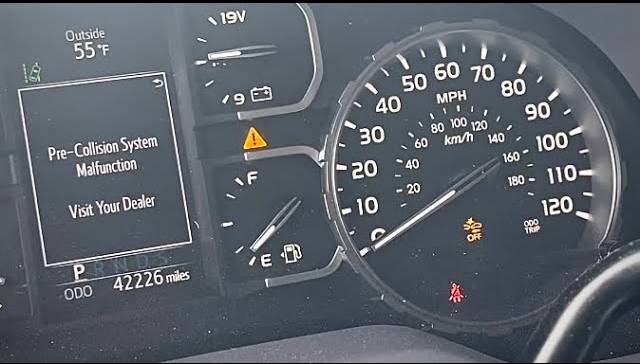
However, seeing a “Pre-Collision System Malfunction” warning message on your dashboard can be alarming. Drivers often wonder whether the vehicle is still safe to drive, what caused the warning, and how expensive the repair might be. In some cases, the issue may be as simple as a dirty sensor or a temporary software glitch. In others, it could indicate a more serious problem involving radar sensors, cameras, electrical components, or system calibration.
Ignoring the warning can leave important safety features disabled, potentially increasing the risk of an accident. Understanding the root cause of the malfunction is essential for restoring the system’s performance and maintaining your vehicle’s safety.
In this guide, we will explore the most common causes of a Pre-Collision System Malfunction, the warning signs you should never ignore, and the practical steps you can take to diagnose and fix the problem.
What Is a Pre-Collision System?
A Pre-Collision System (PCS) is an advanced safety technology designed to help drivers avoid accidents or reduce the severity of a collision when one becomes unavoidable. As part of modern Advanced Driver Assistance Systems (ADAS), PCS continuously monitors the road ahead using a combination of radar sensors, cameras, and onboard computer systems.
The system works by detecting vehicles, pedestrians, cyclists, and other obstacles that may pose a collision risk. When the system determines that a crash is likely, it first alerts the driver through visual and audible warnings. If the driver fails to react in time, the system may automatically apply the brakes or increase braking force to help prevent the collision or minimize its impact.
The importance of a Pre-Collision System cannot be overstated. According to automotive safety experts, many accidents occur because drivers are distracted, fatigued, or unable to react quickly enough to sudden hazards. PCS acts as an additional layer of protection by providing faster detection and response capabilities than a human driver alone.
Today, Pre-Collision Systems are commonly found in Toyota vehicles equipped with Toyota Safety Sense, Lexus models featuring Lexus Safety System+, and many other vehicles from major manufacturers. While these systems significantly improve road safety, they rely on precise sensor readings and proper calibration. Even a minor issue affecting the sensors or cameras can trigger a malfunction warning and temporarily disable the system.
What Does a Pre-Collision System Malfunction Warning Mean?
When a “Pre-Collision System Malfunction” warning appears on the dashboard, it indicates that the vehicle’s collision avoidance system is unable to operate as intended. This does not necessarily mean that the vehicle itself is unsafe to drive, but it does mean that one of its most important safety features may be unavailable until the issue is resolved.
Drivers may encounter different warning messages depending on the vehicle model and manufacturer. Common alerts include “Pre-Collision System Malfunction,” “PCS Malfunction,” “Front Camera Unavailable,” “Radar Cruise Control Unavailable,” or messages instructing the driver to clean a sensor or visit a dealer for service. Although the wording may vary, these warnings generally point to a problem affecting the system’s ability to accurately monitor the road.
Once the warning is triggered, the Pre-Collision System is often disabled as a precautionary measure. In many vehicles, related features such as Automatic Emergency Braking, Forward Collision Warning, Lane Keeping Assist, and Adaptive Cruise Control may also stop functioning correctly. This can reduce the overall effectiveness of the vehicle’s safety technology package.
Understanding the meaning behind the warning is the first step toward diagnosing the problem. The system is designed to prioritize safety, so even minor issues such as dirt on a sensor can cause the warning to appear. Proper diagnosis is essential to determine whether the problem is temporary or requires professional repair.
Common Causes of Pre-Collision System Malfunction
One of the most common causes of a Pre-Collision System Malfunction is a dirty radar sensor. Radar sensors are typically located behind the front grille or emblem and are constantly exposed to environmental conditions. Mud, dust, snow, ice, insects, and road debris can obstruct the sensor’s view, preventing it from accurately detecting objects ahead. In many cases, simply cleaning the sensor area can resolve the issue.
A blocked or obstructed front camera is another frequent cause. The camera is usually mounted near the rearview mirror behind the windshield. Dirt, condensation, heavy tint, windshield cracks, stickers, or accumulated debris can interfere with the camera’s ability to capture a clear image of the road. Since the camera plays a vital role in object recognition, any obstruction can trigger a malfunction warning.
Many drivers experience Pre-Collision System errors shortly after replacing their windshield. Modern safety systems require precise camera alignment, and replacing the windshield often changes the camera’s position slightly. Without proper recalibration, the system may no longer function correctly, leading to warning messages and disabled safety features.
Radar sensor misalignment can also occur after a minor collision, bumper repair, or even a significant impact from road debris. Because radar sensors require extremely precise positioning, even a slight shift can affect performance and generate fault codes. Drivers may notice false collision warnings, unexpected alerts, or complete system shutdowns.
Electrical problems are another potential source of PCS malfunctions. Weak batteries, damaged wiring, blown fuses, corroded connectors, and voltage fluctuations can interrupt communication between the system’s components. In some cases, a failing battery may trigger multiple warning lights simultaneously, including those related to the Pre-Collision System.
Software glitches occasionally cause temporary malfunctions as well. Like any computer-controlled technology, PCS relies on software to process sensor data and make decisions. Corrupted data, communication errors between modules, or outdated software versions can trigger warning messages even when no physical component has failed.
Environmental conditions may also play a role. Heavy rain, dense fog, snowstorms, direct sunlight, and severe weather can temporarily reduce sensor visibility. Under these circumstances, the system may disable itself until conditions improve, helping prevent inaccurate readings and false collision alerts.
Warning Signs That Should Not Be Ignored
A Pre-Collision System warning should never be dismissed as a minor inconvenience. While some cases are caused by temporary issues such as dirt on a sensor, persistent warnings often indicate a problem that requires immediate attention. Recognizing the signs early can help prevent more serious safety concerns and potentially reduce repair costs.
One of the clearest warning signs is a PCS warning light that remains illuminated even after the vehicle has been restarted. Temporary system interruptions may disappear after a restart, but a warning that stays active typically points to an underlying fault that the system has detected and recorded.
Another important indicator is the sudden loss of Adaptive Cruise Control functionality. Because Adaptive Cruise Control relies on many of the same sensors used by the Pre-Collision System, a malfunction in one system often affects the other. Drivers may notice that cruise control cannot be activated or that a warning message appears whenever they attempt to use it.
Unexpected safety alerts can also signal trouble. Some drivers report receiving false collision warnings when no obstacle is present, while others experience random alerts during normal driving conditions. These symptoms may indicate sensor misalignment, calibration issues, or software-related problems.
The unavailability of Automatic Emergency Braking is another serious concern. If the system displays messages indicating that emergency braking is unavailable, the vehicle may no longer provide assistance during potential collision scenarios. This increases the driver’s responsibility to react quickly to sudden hazards.
In some cases, multiple dashboard warnings may appear simultaneously. Messages related to Lane Departure Alert, Adaptive Cruise Control, Blind Spot Monitoring, or Stability Control can occur alongside a PCS malfunction. This often suggests a broader electrical, communication, or sensor-related issue that should be diagnosed by a qualified technician as soon as possible.
Can You Drive With a Pre-Collision System Malfunction?
Many drivers ask whether it is safe to continue driving when a Pre-Collision System Malfunction warning appears. The answer depends largely on the cause of the problem and whether other vehicle systems are affected.
In many situations, the vehicle remains mechanically safe to operate. The engine, transmission, steering, and standard braking system typically continue functioning normally. If the warning is caused by a dirty sensor, temporary weather conditions, or a minor software issue, the vehicle can often be driven cautiously until the problem is addressed.
However, drivers should understand that the vehicle’s advanced safety assistance features may be partially or completely disabled. The loss of Forward Collision Warning, Automatic Emergency Braking, and Adaptive Cruise Control means that the driver can no longer rely on these technologies to provide additional protection in emergency situations.
There are certain circumstances where immediate inspection is strongly recommended. If the warning appeared after a collision, bumper impact, windshield replacement, electrical repair, or battery issue, the underlying cause may be more significant. Likewise, if multiple warning lights appear at the same time or if the vehicle exhibits unusual behavior, professional diagnosis should not be delayed.
When driving with a PCS malfunction, it is important to adopt a more cautious approach. Maintain a greater following distance, remain attentive to traffic conditions, and avoid relying on driver assistance technologies that may no longer be operational. Scheduling an inspection as soon as possible helps ensure that critical safety features are restored and functioning correctly.
While a PCS malfunction does not automatically make a vehicle unsafe to drive, it should never be ignored. The system exists to reduce accident risk, and operating without it for an extended period can leave drivers without important safety protections they may have come to depend on.
How to Fix a Pre-Collision System Malfunction
Resolving a Pre-Collision System Malfunction often begins with a few simple inspections that drivers can perform themselves. In many cases, the issue is easier to identify and fix than expected.
The first step is to inspect and clean the radar sensor. Depending on the vehicle model, the sensor may be located behind the front grille, within the front emblem, or integrated into the bumper area. Dirt, mud, ice, and road debris can block the sensor’s signal and trigger warning messages. Cleaning the area carefully with a soft cloth may restore normal operation.
Next, examine the windshield area where the forward-facing camera is mounted. Ensure that the glass is clean and free from cracks, stickers, excessive tint, or condensation. Even minor obstructions can interfere with the camera’s ability to detect objects and lane markings accurately.
Restarting the vehicle is another simple troubleshooting step. Some temporary communication errors or software glitches may clear automatically after the system completes a fresh startup cycle. Although this is not a permanent solution for underlying problems, it can help determine whether the warning was caused by a temporary fault.
Checking the vehicle’s battery condition is equally important. Modern safety systems depend on stable electrical voltage to function correctly. A weak battery, failing alternator, or poor electrical connection can trigger various warning messages, including those related to the Pre-Collision System. Testing the battery and charging system can help identify hidden electrical issues.
Using an OBD-II diagnostic scanner can provide valuable information about stored fault codes. These codes often reveal whether the problem originates from a radar sensor, front camera, communication module, calibration issue, or electrical component. While some basic scanners can read general fault codes, advanced diagnostic tools may be required for manufacturer-specific information.
If the issue developed after windshield replacement, collision repair, suspension work, or bumper replacement, recalibration may be necessary. Modern Pre-Collision Systems rely on highly precise alignment between cameras and radar sensors. Even slight positioning changes can cause the system to malfunction. Professional calibration ensures that sensors accurately detect obstacles and road conditions.
When basic troubleshooting does not resolve the warning, seeking assistance from a qualified technician is the best course of action. Dealerships and ADAS-certified repair facilities have specialized equipment capable of diagnosing complex faults, performing calibrations, updating software, and replacing damaged components when necessary.
Addressing the issue promptly not only restores the functionality of the Pre-Collision System but also helps ensure that all associated safety features continue protecting drivers and passengers as intended.
How Much Does It Cost to Repair a Pre-Collision System Malfunction?
The cost of repairing a Pre-Collision System Malfunction can vary significantly depending on the root cause of the problem, the vehicle model, and the complexity of the repair. Some issues can be resolved with a simple cleaning procedure, while others may require advanced diagnostics, calibration, or component replacement.
In the most affordable cases, cleaning the radar sensor or front camera may solve the problem at little to no cost. Drivers who perform the cleaning themselves may spend nothing more than a few minutes of their time. If a dealership or repair shop performs the service, the cost is usually minimal.
Diagnostic testing is often the first professional step when the cause of the warning is unclear. Most repair facilities charge a diagnostic fee to connect specialized equipment and retrieve fault codes from the vehicle’s control modules. This process helps technicians identify the exact source of the malfunction before recommending repairs.
Camera calibration is one of the more common expenses associated with Pre-Collision System repairs. If the windshield has been replaced or the camera alignment has changed, recalibration is often required to restore proper operation. Radar sensor calibration may also be necessary after front-end repairs, bumper replacement, or minor collisions.
More expensive repairs typically involve replacing damaged sensors, cameras, wiring harnesses, or electronic control modules. Advanced driver assistance components are highly specialized and often require precise installation and calibration procedures after replacement.
The following estimates provide a general idea of potential repair costs:
| Repair Service | Estimated Cost |
|---|---|
| Sensor Cleaning | $0 to $50 |
| Diagnostic Inspection | $50 to $150 |
| Camera Calibration | $150 to $500 |
| Radar Calibration | $200 to $700 |
| Camera Replacement | $300 to $1,200 |
| Radar Sensor Replacement | $500 to $1,500+ |
| Wiring Repair | $100 to $1,000+ |
| Control Module Replacement | $500 to $2,000+ |
Several factors influence the final repair bill. Luxury vehicles often have more sophisticated safety systems that require specialized equipment and higher labor costs. The availability of replacement parts, regional labor rates, and the extent of the damage can also affect the overall expense.
Addressing minor issues quickly may prevent them from developing into larger and more costly repairs. Regular inspections and proper maintenance can help keep repair expenses under control while ensuring that critical safety systems remain operational.
How to Prevent Future Pre-Collision System Problems
Although some Pre-Collision System Malfunctions occur unexpectedly, many can be prevented through proper maintenance and routine inspections. Taking a proactive approach helps ensure that the system continues operating accurately and reliably.
One of the simplest preventive measures is keeping the radar sensor and front camera clean. Dirt, mud, insects, snow, and road salt can accumulate on sensor surfaces and interfere with their ability to detect objects. Regular cleaning helps maintain optimal performance and reduces the likelihood of false warnings.
Maintaining a clean and undamaged windshield is equally important. Since many forward-facing cameras are mounted behind the windshield, cracks, chips, excessive tint, and dirt buildup can negatively affect visibility. Addressing windshield damage promptly can help prevent camera-related system errors.
Drivers should also pay close attention after any repair involving the front bumper, grille, suspension, or windshield. Even minor adjustments can alter sensor alignment and affect system accuracy. Confirming that proper calibration has been performed after repairs is essential for maintaining reliable operation.
Battery health should not be overlooked. Many modern vehicle systems rely on stable electrical power, and a weak battery can trigger unexpected warning messages. Regular battery testing and timely replacement help reduce the risk of electrical faults affecting the Pre-Collision System.
Software updates are another important aspect of preventive maintenance. Vehicle manufacturers occasionally release updates that improve system performance, correct software bugs, and address known issues. Following the manufacturer’s maintenance recommendations can help keep all safety systems functioning as intended.
Finally, avoid ignoring warning messages when they first appear. Early diagnosis often allows technicians to identify simple problems before they develop into more complex and expensive repairs. Preventive maintenance not only protects your investment but also ensures that your vehicle’s advanced safety technologies remain ready to assist when needed most.
Frequently Asked Questions
Can I reset a Pre-Collision System Malfunction myself?
In some situations, yes. If the warning was caused by a temporary software glitch or a dirty sensor, cleaning the affected area and restarting the vehicle may clear the message. However, persistent warnings usually indicate a problem that requires professional diagnosis.
Will a weak or dead battery cause a PCS warning?
Yes. A weak battery can affect voltage levels throughout the vehicle and interfere with communication between electronic modules. This may trigger a Pre-Collision System Malfunction warning along with other dashboard alerts.
Why did the warning appear after replacing my windshield?
Many Pre-Collision Systems rely on a forward-facing camera mounted behind the windshield. After replacement, the camera often requires recalibration to ensure accurate operation. Failure to perform calibration is one of the most common causes of PCS warnings following windshield replacement.
Can bad weather trigger a Pre-Collision System Malfunction?
Yes. Heavy rain, dense fog, snow, ice, and direct sunlight can temporarily affect sensor visibility. In some cases, the system may disable itself until conditions improve, causing a warning message to appear.
Is it safe to drive with a Pre-Collision System Malfunction?
The vehicle is often still mechanically safe to drive, but important safety features may be unavailable. Drivers should exercise additional caution and arrange for inspection as soon as possible.
How long does sensor calibration take?
The calibration process typically takes between one and three hours, depending on the vehicle model and the type of calibration required. Some vehicles may require both camera and radar calibration procedures.
Will the warning disappear on its own?
If the warning was caused by temporary environmental conditions or sensor obstruction, it may disappear once the issue is resolved. However, warnings related to hardware failures, electrical faults, or calibration issues usually remain active until repairs are completed.
Can a minor collision affect the Pre-Collision System?
Absolutely. Even a low-speed impact can shift radar sensors or cameras out of alignment. Although the damage may not be visible, the system’s accuracy can be compromised, resulting in warning messages and reduced functionality.
How often should the system be inspected?
There is no universal inspection schedule, but it is wise to have the system checked whenever warning messages appear, after windshield replacement, following collision repairs, or during routine maintenance if any unusual behavior is noticed.
Conclusion
A Pre-Collision System Malfunction warning can be unsettling, especially when it appears without any obvious explanation. Because the Pre-Collision System is designed to help prevent accidents and support safer driving, any interruption to its operation deserves prompt attention. Fortunately, not every warning indicates a major repair. In many cases, the issue can be traced to something as simple as a dirty radar sensor, an obstructed front camera, severe weather conditions, or the need for system recalibration after windshield replacement.
Understanding the warning signs and common causes allows drivers to take the appropriate action before the problem escalates. Simple troubleshooting steps such as cleaning sensors, inspecting the windshield, checking battery health, and restarting the vehicle may resolve minor issues. However, persistent warnings should never be ignored, as they may indicate sensor damage, electrical faults, software problems, or calibration errors that require professional service.
While your vehicle may remain drivable, operating without a fully functional Pre-Collision System means losing access to important safety technologies that can help reduce the risk of accidents. Addressing the problem early not only protects your investment but also ensures that advanced driver assistance features continue to perform as intended.
If you see a Pre-Collision System Malfunction warning on your dashboard, schedule an inspection as soon as possible. Restoring the system to proper working condition will help keep you, your passengers, and everyone else on the road safer.