An AM2 fuse is an automotive fuse identified as AM2 in a vehicle’s fuse box. It protects specific electrical circuits from excessive current and helps prevent damage to wiring and connected components. The exact function of an AM2 fuse depends on the vehicle because manufacturers can assign different circuits and fuse ratings to the AM2 position. Toyota service documentation, for example, includes AM2 fuse checks within ignition and engine related electrical diagnostics.
A blown AM2 fuse can interrupt power to systems connected to its circuit. As a result, a vehicle may develop electrical problems or fail to start, depending on the circuit protected by the fuse. However, a blown fuse does not always identify the underlying fault. A short circuit, damaged wiring, or a faulty electrical component can cause the fuse to fail.
This guide explains what an AM2 fuse does, where to find it, what symptoms indicate a blown fuse, what can cause it to fail, and how to test and replace it correctly. Because AM2 circuits vary between vehicles, the vehicle’s fuse diagram and service information should always determine the correct fuse rating and circuit function.
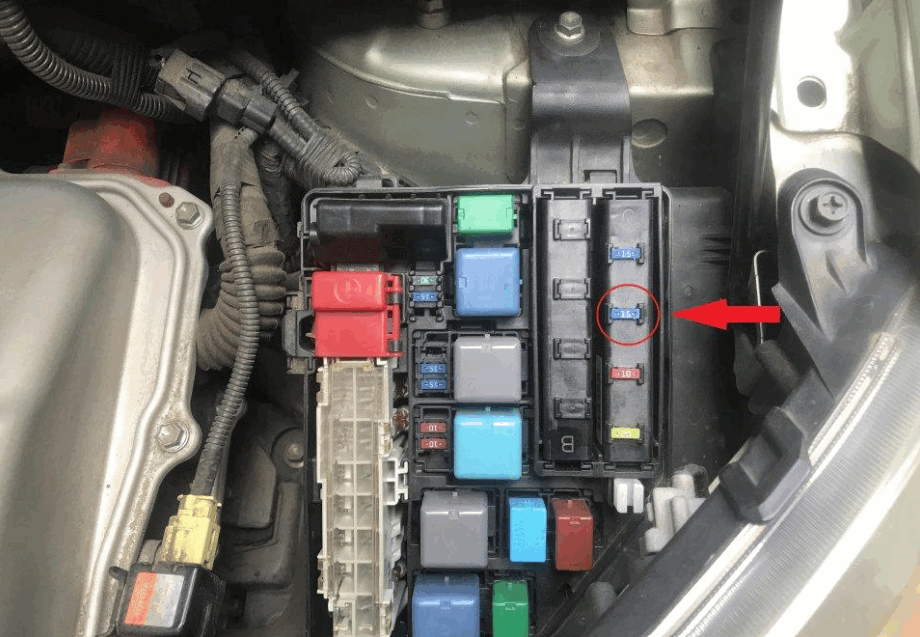
What Is an AM2 Fuse?
An AM2 fuse is an automotive fuse found in a vehicle’s fuse box. It protects specific electrical circuits from excessive current. The exact function depends on the vehicle’s electrical design. Manufacturers can connect different circuits to the AM2 position.
Toyota vehicles commonly connect the AM2 circuit with ignition and engine related systems. For example, one Toyota owner’s manual lists a 30 amp AM2 fuse for the electronic ignition and multiport fuel injection systems. Toyota service information also connects AM2 with the ignition switch, engine ECU, and related wiring.
The AM2 fuse works as a safety device within the electrical system. Current flows through the fuse during normal operation. When excessive current passes through the fuse, its internal element breaks. This opens the circuit and stops the current flow.
This protection helps prevent excessive current from damaging wires and electrical components. The fuse does not control the engine itself. Instead, it protects the circuits that support specific vehicle functions.
You should always check the vehicle’s fuse diagram before identifying an AM2 fuse. The owner’s manual or service manual can also show its location and circuit function. The AM2 label alone does not tell you every component connected to the circuit.
What Does an AM2 Fuse Do?
An AM2 fuse protects the electrical circuit assigned to the AM2 position. Its main job is to stop excessive current before it damages wiring or electrical components. The fuse contains a small metal element that carries current during normal operation.
When current stays within the specified range, the element remains intact. When current rises above the fuse rating, the element heats up and breaks. The open circuit then stops the flow of electricity.
The circuits connected to AM2 vary between vehicles. Toyota documentation provides examples involving electronic ignition, fuel injection, the ignition switch, and engine control systems. One Toyota procedure checks the AM2 fuse before checking the ignition and starter switch. Another procedure checks the AM2 circuit between the battery, ignition switch, and engine ECU.
This function explains why a blown AM2 fuse can cause important electrical problems. A vehicle may fail to start when the AM2 circuit supplies a required ignition or engine control system. Other vehicles may show different symptoms because their AM2 circuit serves different components.
The fuse rating also matters. A 30 amp AM2 fuse, for example, should only be replaced with the rating specified for that vehicle. You should not assume that every AM2 fuse uses the same rating. The vehicle manufacturer determines the correct rating for each circuit.
Using the correct rating protects the circuit while allowing it to operate normally. Installing a higher rated fuse can allow excessive current to continue through the wiring. That can create a more serious electrical problem instead of solving the original fault.
Where Is the AM2 Fuse Located?
The AM2 fuse is usually located inside one of the vehicle’s fuse boxes. Many vehicles place the fuse box in the engine compartment. Some vehicles use additional fuse boxes inside the passenger compartment. The exact location depends on the vehicle’s make, model, and year.
You can find the AM2 fuse by checking the fuse box diagram. The diagram normally identifies each fuse by its label and rating. Look for the AM2 marking and compare it with the information in the owner’s manual. The service manual can provide more detailed information about the circuit.
The physical position of the AM2 fuse can also vary between vehicle models. Toyota service information, for example, shows AM2 fuses in engine compartment fuse and relay blocks on some models. The fuse rating and connected circuits can also differ between models.
Do not identify an AM2 fuse by location alone. Check the fuse label and the vehicle’s documentation before removing it. This step helps you avoid testing or replacing the wrong fuse.
The fuse box diagram also provides another important detail. It shows the specified fuse rating for the circuit. You should use this rating when checking or replacing the AM2 fuse. Never assume that every AM2 fuse has the same amperage.
What Happens When an AM2 Fuse Blows?
A blown AM2 fuse opens the electrical circuit that it protects. The connected system then loses power because electricity can no longer pass through the fuse. The resulting symptoms depend on the circuits connected to AM2 in that vehicle.
A vehicle may fail to start when the AM2 circuit supplies an essential ignition or engine control system. Some vehicles may also lose power to other electrical components connected to the same circuit. The exact symptoms therefore depend on the vehicle’s wiring design.
A blown fuse does not always identify the original electrical fault. The fuse may open because excessive current passed through the circuit. A short circuit, damaged wire, faulty component, or another electrical problem can create that condition.
You should check the AM2 fuse when a vehicle develops an electrical problem that matches the systems listed for that circuit. A visual inspection can reveal a broken fuse element. A multimeter can provide a more reliable continuity or resistance check.
If a replacement AM2 fuse blows again, do not keep installing new fuses. The repeated failure indicates that the circuit may still have an electrical fault. Further diagnosis should identify the cause before you continue operating the vehicle.
What Causes an AM2 Fuse to Blow?
An AM2 fuse blows when excessive current flows through its circuit. The fuse opens the circuit to stop that current. This response protects the wiring and electrical components from further damage.
A short circuit is one possible cause. A short circuit creates a low resistance path that allows current to rise quickly. The fuse then opens when the current exceeds its rated limit.
Damaged wiring can also cause an AM2 fuse to fail. A worn wire may contact another conductor or a metal surface. That contact can create an unwanted electrical path and increase current.
A faulty electrical component can create the same problem. The affected component may draw more current than the circuit can safely handle. The fuse then protects the circuit by opening.
Problems in ignition related circuits can also affect the AM2 fuse on vehicles that connect those circuits to AM2. Toyota service procedures, for example, include AM2 fuse checks during diagnosis of ignition and engine control circuits.
A blown AM2 fuse therefore does not prove that the fuse itself caused the problem. The failed fuse often indicates another fault in the protected circuit. Replacing the fuse without finding that fault can lead to another failure.
If the new fuse blows immediately or shortly after installation, stop replacing it repeatedly. Check the circuit for a short, damaged wiring, or a faulty component. The vehicle’s service information should guide the diagnosis.
How Do You Test an AM2 Fuse?
You can test an AM2 fuse with a visual inspection or a multimeter. A multimeter provides a more reliable way to determine whether the fuse has continuity. Always identify the correct AM2 fuse before testing it.
Start with a visual inspection. Look through the fuse body and check the metal element. A broken element indicates that the fuse has opened. However, some fuse failures are difficult to see, so visual inspection does not always provide a definite result.
A multimeter can provide a clearer result. Remove the fuse and set the meter to the continuity or resistance function. Touch one probe to each fuse terminal. A functioning fuse should allow electrical continuity through the element. An open fuse will show no continuity or a very high resistance reading.
The exact resistance specification can depend on the vehicle and testing procedure. Toyota service information provides examples where technicians check AM2 fuse resistance and expect a value below 1 ohm for a specific vehicle. This value should not become a universal specification for every AM2 fuse.
Testing the fuse is only the first diagnostic step. If the fuse has failed, identify why the circuit drew excessive current. If the replacement fuse fails again, inspect the connected wiring and components before installing another fuse.
How Do You Replace an AM2 Fuse?
You can replace an AM2 fuse after confirming that the fuse has failed. Always use the fuse rating specified for your vehicle. The correct rating protects the circuit while allowing the electrical system to operate as designed.
First, switch off the vehicle and locate the correct fuse box. Use the fuse box diagram to identify the AM2 fuse. Check the fuse rating before removing it. The rating may vary between vehicles, even when they use the same AM2 label.
Remove the failed fuse with a fuse puller or suitable tool. Inspect the replacement fuse before installing it. The new fuse should have the same type and rating as the original fuse. Push it firmly into the correct position in the fuse box.
After installation, switch on the vehicle and check the affected electrical systems. If the vehicle operates normally, monitor the circuit for further problems. A replacement fuse should not fail during normal operation.
Never install a fuse with a higher amperage rating. A higher rated fuse allows more current to pass before it opens. This can increase the risk of overheating the wiring and damaging electrical components.
Can you replace an AM2 fuse with a higher amp fuse?
No. You should replace an AM2 fuse only with the specified rating for the vehicle. The fuse rating matches the electrical protection requirements of the circuit. Using a higher rating changes that protection.
If the replacement fuse blows again, stop replacing it. The circuit may have a short circuit, damaged wiring, or a faulty component. Find the underlying problem before installing another fuse.
What Is the Difference Between an AM1 and AM2 Fuse?
AM1 and AM2 are fuse labels used in automotive electrical systems, but their functions depend on the vehicle. You cannot determine the exact difference between AM1 and AM2 from the labels alone. The vehicle’s fuse diagram and service information provide the correct circuit assignment.
The two fuses can protect different electrical circuits. They can also have different amperage ratings. A vehicle manufacturer chooses each fuse rating according to the wiring and components connected to that circuit.
AM2 often appears in circuits related to ignition and engine control systems on Toyota vehicles. AM1 can serve a different circuit within the same electrical system. The exact relationship depends on the vehicle’s wiring design and electrical architecture.
The fuse box diagram can show the distinction between the two. It identifies the fuse position, rating, and associated electrical system. The owner’s manual can provide basic information, while the service manual can provide more detailed circuit information.
You should not replace an AM1 fuse with an AM2 fuse simply because both labels appear in the same fuse box. The two fuses may have different ratings and circuit functions. Installing the wrong fuse can interrupt the wrong system or reduce electrical protection.
When diagnosing either fuse, start with the vehicle specific information. Confirm the fuse label, amperage, circuit, and symptoms before testing or replacing it. This approach keeps the diagnosis focused on the actual electrical system rather than assumptions about the fuse name.
How Can You Tell Whether an AM2 Fuse Is the Cause of an Electrical Problem?
You can determine whether an AM2 fuse contributes to an electrical problem by checking the fuse, its rating, and the circuit it protects. A blown AM2 fuse confirms that the circuit lost its electrical connection, but it does not confirm the original cause of the failure.
Start by checking the vehicle’s fuse diagram. Confirm that you have identified the correct AM2 fuse and its specified amperage. Then inspect the fuse or test it with a multimeter. A failed fuse should show an open circuit during a continuity test.
Next, consider the vehicle’s symptoms. A blown AM2 fuse can affect ignition, engine control, or other electrical systems connected to the AM2 circuit. The exact symptoms depend on the vehicle’s electrical design. A no start condition can occur when the AM2 circuit supplies a system required for engine operation.
If a replacement fuse blows again, the fuse itself is unlikely to be the root problem. A short circuit, damaged wire, or faulty component may cause excessive current. Further diagnosis should focus on the protected circuit.
The most reliable approach is therefore vehicle specific. Use the fuse diagram and service information to identify the AM2 circuit, test the fuse, and investigate the circuit if the fuse fails again. Never install a higher rated fuse to prevent repeated failures.
Understanding the AM2 fuse starts with its basic role as an electrical protection device. Its exact function, location, rating, and symptoms depend on the vehicle. Checking the correct technical information helps you diagnose the circuit without relying on assumptions about the AM2 label.