Choosing a car with a V8 engine is no longer as simple as it was a decade ago. As automakers continue to replace larger engines with turbocharged, hybrid, and electric powertrains, the number of V8-powered vehicles has steadily declined. However, the V8 engine remains an important choice for drivers who value strong acceleration, impressive towing capability, and the unmistakable sound that only eight cylinders can produce. Many of today’s performance cars, luxury vehicles, full-size SUVs, and pickup trucks still rely on V8 engines because they deliver the power and durability that smaller engines often cannot match in demanding situations.
If you are wondering what cars have V8 engines, this guide provides a complete answer by organizing the latest V8 models into easy-to-understand vehicle categories. Instead of listing random models, it explains which manufacturers continue to build V8-powered vehicles, which segments still benefit from this engine configuration, and why some models have discontinued it. You will also learn the main advantages and disadvantages of owning a V8-powered vehicle, understand why emissions regulations are changing the automotive industry, and discover whether buying a V8 car is still the right decision today. By the end of this guide, you will have a clear understanding of the current V8 market and the best vehicle types that continue to offer this iconic engine.
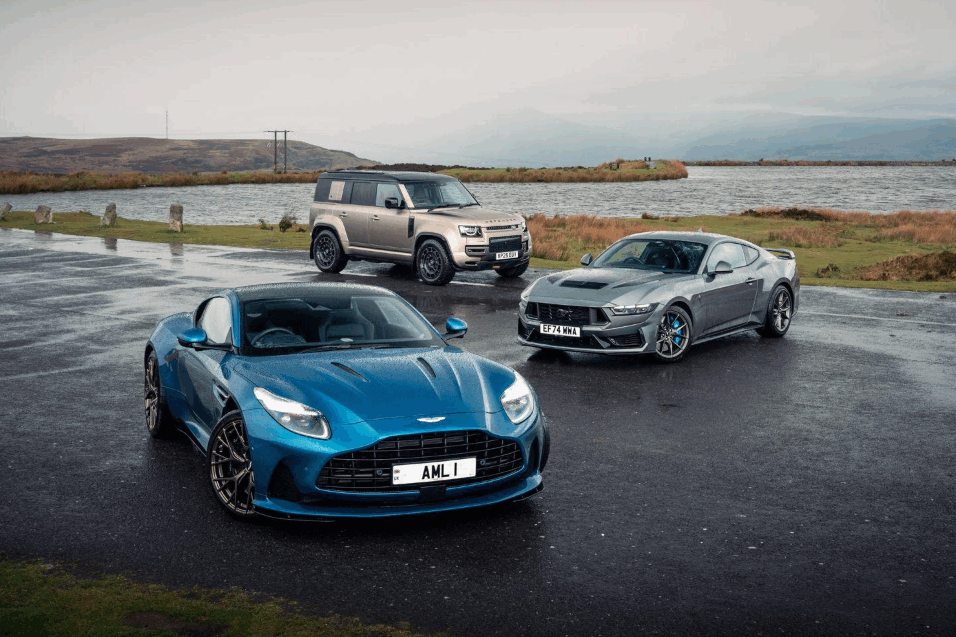
What Cars Have V8 Engines Today?
Several automakers still produce cars with V8 engines, although the selection is much smaller than it was just a few years ago. Today, V8 engines are primarily found in performance cars, muscle cars, luxury sedans, full-size SUVs, and pickup trucks where high horsepower, strong torque, and excellent towing capacity remain essential. Brands including Chevrolet, Ford, Cadillac, Mercedes-Benz, BMW, Aston Martin, Bentley, and Rolls-Royce continue to offer V8-powered models because these vehicles are designed for drivers who prioritize performance, refinement, or heavy-duty capability over maximum fuel efficiency.
The automotive market has changed significantly as stricter emissions regulations and fuel economy standards encourage manufacturers to adopt smaller turbocharged engines, hybrid systems, and fully electric powertrains. As a result, many vehicles that once relied on naturally aspirated V8 engines now use turbocharged V6 or inline-six engines that deliver comparable performance while producing lower emissions. Despite this transition, the V8 engine continues to play an important role in vehicle segments where instant torque, smooth power delivery, and long-term durability remain key purchasing factors.
Today, sports cars such as the Chevrolet Corvette and Ford Mustang GT continue to showcase the performance potential of modern V8 engines. Luxury models from Mercedes-AMG, BMW M, Bentley, and Aston Martin also retain V8 power to deliver effortless acceleration and refined driving characteristics. In the utility segment, full-size SUVs such as the Cadillac Escalade and heavy-duty pickup trucks like the Chevrolet Silverado and Ford F-150 still depend on V8 engines to maximize towing performance, payload capacity, and overall reliability.
Although the number of V8-powered vehicles continues to decline, buyers still have a wide range of choices across multiple categories. Understanding where V8 engines remain available makes it much easier to compare different vehicle types and identify the models that best match your driving needs, performance expectations, and long-term ownership goals.
Which Sports Cars Have V8 Engines?
Several sports cars still use V8 engines because they deliver strong performance and an engaging driving experience. Although many manufacturers have switched to smaller turbocharged engines or hybrid systems, the V8 remains the preferred choice for drivers who value instant power and a distinctive exhaust note. These models combine impressive acceleration with precise handling, making them popular among performance enthusiasts.
The Chevrolet Corvette is one of the best-known V8 sports cars available today. It uses a naturally aspirated 6.2-liter V8 that produces impressive horsepower and smooth power delivery. Its mid-engine layout also improves balance and cornering performance. As a result, the Corvette offers both everyday usability and track-ready capability.
Ford continues its V8 heritage with the Mustang GT. The model features a naturally aspirated 5.0-liter V8 paired with either a manual or automatic transmission. This combination delivers responsive acceleration and an authentic muscle car experience. Likewise, the Lexus LC 500 uses a refined 5.0-liter V8 that focuses on smooth performance, premium comfort, and long-distance driving.
Several European manufacturers also continue to offer V8-powered sports cars. The Aston Martin Vantage uses a twin-turbocharged V8 to produce rapid acceleration and agile handling. Meanwhile, the Mercedes-AMG GT combines handcrafted engineering with exceptional performance. Both models demonstrate that modern V8 engines can deliver speed, refinement, and everyday practicality.
Although fewer V8 sports cars remain on the market, they continue to define the segment. They produce strong horsepower, linear power delivery, and an unmistakable engine sound. For buyers who want a rewarding driving experience, a V8-powered sports car is still one of the best choices available.
Which Muscle Cars Have V8 Engines?
Muscle cars remain closely associated with V8 engines because they deliver high horsepower, strong torque, and exciting straight-line performance. Although several legendary models have been discontinued, buyers can still find V8-powered muscle cars in today’s market. These vehicles continue to attract enthusiasts who appreciate classic American performance and a powerful engine sound.
The Ford Mustang Dark Horse is one of the most capable modern muscle cars. It features a naturally aspirated 5.0-liter Coyote V8 that produces over 500 horsepower. The engine delivers smooth power across the rev range while maintaining the traditional character that Mustang fans expect. Drivers can also choose between a six-speed manual or a ten-speed automatic transmission.
The Chevrolet Camaro SS remains another popular option in the used market. It is powered by a 6.2-liter LT1 V8 that offers rapid acceleration and predictable handling. Although Chevrolet has ended Camaro production, the model continues to attract buyers because of its proven performance and strong aftermarket support. Many enthusiasts also value its naturally aspirated engine for long-term reliability and simple maintenance.
The Dodge Challenger and Dodge Charger have also played a major role in the muscle car segment. Higher-performance versions use the legendary HEMI V8, including the 5.7-liter, 6.4-liter, and supercharged 6.2-liter variants. These engines produce exceptional horsepower and deliver the aggressive exhaust note that defines the Dodge performance lineup. While production has ended, demand remains strong in both the new-old-stock and used vehicle markets.
Although the muscle car segment is becoming smaller, V8-powered models continue to hold a unique position in the automotive industry. They combine classic styling with modern technology and outstanding performance. For drivers who want an authentic American driving experience, a V8 muscle car remains one of the most rewarding choices available.
Which Luxury Cars Have V8 Engines?
Luxury cars continue to use V8 engines because they deliver effortless performance and refined driving comfort. Unlike engines designed mainly for speed, luxury V8 engines focus on smooth acceleration, quiet operation, and strong low-end torque. They also provide enough power to move larger vehicles without sacrificing comfort or stability.
The BMW M5 remains one of the most popular luxury performance sedans. It uses a twin-turbocharged 4.4-liter V8 that produces impressive horsepower and rapid acceleration. At the same time, the engine delivers smooth power during everyday driving. This balance makes the M5 suitable for both daily commutes and high-performance driving.
Mercedes-Benz also offers several V8-powered luxury models. The Mercedes-AMG GT combines handcrafted engineering with outstanding performance. Meanwhile, selected versions of the Mercedes-Benz S-Class continue to use a V8 engine for effortless highway cruising and premium comfort. These models demonstrate how a powerful engine can enhance refinement rather than compromise it.
Bentley and Rolls-Royce continue to rely on V8 engines in several flagship models. The Bentley Flying Spur pairs a twin-turbocharged V8 with a luxurious interior and advanced suspension technology. The Rolls-Royce Ghost also offers exceptional smoothness through its powerful V8 powertrain. Both vehicles deliver quiet performance while maintaining the high standards expected from premium luxury brands.
Luxury buyers also have several high-performance alternatives. Models such as the Audi RS6 Avant and Aston Martin DB12 use modern twin-turbocharged V8 engines to combine speed with everyday practicality. These vehicles offer excellent acceleration, advanced technology, and premium craftsmanship in one package.
Although many luxury manufacturers are introducing hybrid and electric models, the V8 engine continues to play an important role in the premium segment. It provides smooth power delivery, excellent refinement, and effortless performance. For buyers who value comfort as much as performance, a luxury car with a V8 engine remains an outstanding choice.
Which SUVs and Pickup Trucks Have V8 Engines?
Full-size SUVs and pickup trucks continue to use V8 engines because they require strong torque and dependable performance. These vehicles often carry heavy loads, tow large trailers, or travel on challenging terrain. A V8 engine provides consistent pulling power while maintaining smooth performance under demanding conditions. As a result, it remains a preferred choice for work, recreation, and long-distance travel.
Several full-size SUVs still offer V8 power. The Cadillac Escalade is one of the best-known examples. Its 6.2-liter V8 delivers confident acceleration and excellent towing capability while maintaining a quiet and comfortable ride. The Chevrolet Tahoe and GMC Yukon also use the same engine in selected trims. These SUVs combine spacious interiors with strong performance, making them popular among large families and frequent travelers.
Off-road enthusiasts also have V8-powered options. The Jeep Wrangler Rubicon 392 features a 6.4-liter HEMI V8 that transforms the traditional Wrangler into a high-performance off-road vehicle. The Land Rover Defender V8 is another excellent choice. It combines luxury, advanced four-wheel-drive technology, and powerful acceleration for drivers who want premium capability on and off the road.
Pickup trucks remain one of the largest markets for V8 engines. The Ford F-150 continues to offer a naturally aspirated 5.0-liter V8 for buyers who value proven reliability and linear power delivery. Chevrolet also equips selected Silverado 1500 models with a 6.2-liter V8 that delivers excellent towing performance. The GMC Sierra 1500 shares a similar powertrain, while some Ram 1500 models are still available with the legendary HEMI V8.
Although turbocharged and hybrid trucks are becoming more common, V8-powered SUVs and pickup trucks continue to meet the needs of drivers who require maximum capability. They offer stronger towing performance, dependable durability, and confident acceleration. For buyers who regularly haul heavy loads or travel off-road, a V8-powered utility vehicle remains one of the most practical choices.
What Are the Advantages of a V8 Engine?
A V8 engine offers several advantages that make it a popular choice for performance vehicles, luxury cars, SUVs, and pickup trucks. Its biggest strength is the ability to produce high horsepower and strong torque across a wide range of engine speeds. This combination delivers smooth acceleration, confident overtaking, and excellent towing performance. For many drivers, a V8 also provides a more engaging driving experience than smaller engine configurations.
One major advantage is its impressive power output. Most modern V8 engines generate significantly more horsepower than naturally aspirated four-cylinder or six-cylinder engines. This extra power improves acceleration and allows larger vehicles to maintain speed even when carrying passengers or heavy cargo. Sports cars also benefit from the linear power delivery, which creates predictable performance during spirited driving.
Another important benefit is greater torque. A V8 produces strong low-end torque, allowing the engine to move heavy vehicles with less effort. This characteristic is especially valuable for pickup trucks and full-size SUVs that regularly tow boats, campers, or construction equipment. Drivers also notice smoother acceleration because the engine does not need to work as hard under load.
Many enthusiasts also choose a V8 because of its unique engine sound and refined character. The deep exhaust note creates an emotional connection that smaller engines often cannot replicate. At the same time, modern V8 engines operate smoothly at highway speeds, making long-distance travel more comfortable and relaxing.
Although newer powertrains continue to improve, the V8 remains one of the most versatile engine configurations available today. It combines outstanding performance, dependable towing capability, smooth power delivery, and long-term durability. For buyers who prioritize capability and driving enjoyment, a V8 engine continues to deliver advantages that are difficult to replace.
What Are the Disadvantages of a V8 Engine?
A V8 engine also has several disadvantages that buyers should consider before making a purchase. Although it delivers excellent performance, it usually costs more to own than smaller engine options. Higher fuel consumption, increased maintenance costs, and stricter emissions regulations all contribute to a higher overall ownership cost. These factors make a V8 less practical for drivers who mainly use their vehicles for daily commuting.
Fuel economy is one of the biggest drawbacks. A V8 burns more fuel because it has eight cylinders and a larger engine displacement. Even with modern technologies such as cylinder deactivation and direct fuel injection, most V8-powered vehicles consume more fuel than comparable models with turbocharged four-cylinder or six-cylinder engines. Drivers who cover long distances each year may notice significantly higher fuel expenses.
Maintenance costs are also higher in many cases. A V8 engine contains more components, including additional spark plugs, ignition coils, and fuel injectors. Routine services often require more parts and labor, increasing maintenance bills over time. Performance-oriented V8 models may also use premium fuel, larger tires, and upgraded brake systems that further increase operating costs.
Another disadvantage is the environmental impact. Larger engines generally produce more carbon dioxide emissions than smaller powertrains. As governments continue to introduce stricter emissions standards, many manufacturers are replacing V8 engines with turbocharged, hybrid, or fully electric alternatives. This industry shift has reduced the number of new V8-powered vehicles available in many markets.
A V8 engine also adds extra weight to the vehicle. The heavier powertrain can reduce fuel efficiency and slightly affect handling compared with lighter engine configurations. While engineers continue to improve weight distribution, smaller engines often provide better efficiency for everyday driving.
Despite these disadvantages, a V8 engine remains an excellent choice for buyers who value performance, towing capability, and driving enjoyment. However, understanding the higher ownership costs helps drivers choose the engine that best matches their budget and lifestyle.
Why Are Automakers Discontinuing V8 Engines?
Many automakers are discontinuing V8 engines because stricter emissions regulations and changing consumer demand have reshaped the automotive industry. Governments around the world now require manufacturers to reduce fleet-wide carbon emissions. At the same time, buyers increasingly expect better fuel economy and lower operating costs. These trends have made large-displacement engines more difficult to justify in mass-market vehicles.
Emissions regulations are the primary reason for this transition. A traditional V8 produces more carbon dioxide than a smaller engine with similar performance. Manufacturers must meet increasingly demanding environmental standards in major markets such as North America, Europe, and China. Replacing V8 engines with turbocharged, hybrid, or electric powertrains helps companies comply with these regulations while avoiding financial penalties.
Advances in engine technology have also reduced the need for large naturally aspirated engines. Modern turbocharged four-cylinder and six-cylinder engines generate horsepower that once required a V8. Hybrid systems add instant electric torque, improving both acceleration and fuel efficiency. As a result, many drivers can enjoy strong performance without accepting the higher fuel consumption of a V8.
Electrification has accelerated this shift even further. Battery-electric vehicles deliver maximum torque almost instantly, making them highly competitive with traditional V8-powered cars. Many luxury and performance brands are investing heavily in electric platforms because they support future emissions goals and customer expectations. Several manufacturers have already announced plans to expand their electric lineups over the next decade.
Despite this industry transition, the V8 engine is unlikely to disappear completely in the near future. Performance cars, heavy-duty pickup trucks, and certain luxury vehicles continue to benefit from its power and durability. However, these models are becoming more specialized as manufacturers focus on cleaner and more efficient technologies for the broader market.
Should You Buy a Car With a V8 Engine?
Buying a car with a V8 engine is still a smart decision if your priorities include performance, towing capability, and long-term driving enjoyment. Although modern turbocharged and hybrid powertrains offer excellent efficiency, they do not always deliver the same driving character as a naturally aspirated or twin-turbocharged V8. The right choice depends on how you use your vehicle and what you value most.
A V8 is an excellent option for drivers who regularly tow heavy trailers, transport large loads, or travel long distances in full-size SUVs and pickup trucks. The engine produces strong low-end torque, allowing the vehicle to accelerate smoothly even under demanding conditions. It also delivers consistent performance without placing excessive stress on the powertrain.
Performance enthusiasts continue to prefer V8-powered sports cars and muscle cars for good reason. The immediate throttle response, linear power delivery, and distinctive exhaust note create a driving experience that many smaller engines cannot match. As production numbers continue to decline, some well-maintained V8 models may also retain stronger resale value because of their growing appeal among collectors.
However, a V8 is not the best choice for every driver. If fuel economy, lower maintenance costs, and reduced emissions are your highest priorities, a turbocharged four-cylinder, six-cylinder, hybrid, or electric vehicle will usually provide better value. These alternatives deliver strong everyday performance while reducing long-term operating expenses.
Ultimately, the best engine is the one that matches your lifestyle. A V8 remains an outstanding choice for buyers who value power, capability, and driving excitement. For those focused on efficiency and daily commuting, newer powertrain technologies are often the more practical solution.
Conclusion
V8 engines continue to play an important role in today’s automotive market, even as manufacturers accelerate the shift toward hybrid and electric vehicles. They remain the preferred choice for many sports cars, muscle cars, luxury sedans, full-size SUVs, and pickup trucks because they deliver exceptional power, strong towing capability, and a driving experience that smaller engines rarely replicate.
At the same time, buying a V8 requires careful consideration. Higher fuel consumption, increased maintenance costs, and stricter emissions regulations make these engines less practical for some drivers. Understanding both the advantages and disadvantages allows buyers to choose a vehicle that fits their performance needs, driving habits, and long-term budget.
If your goal is maximum capability, engaging performance, and proven durability, a V8-powered vehicle is still an excellent investment. However, if efficiency and lower operating costs are your priorities, modern turbocharged, hybrid, or electric alternatives may offer a better solution. By comparing your options carefully, you can confidently decide which type of engine best meets your needs.