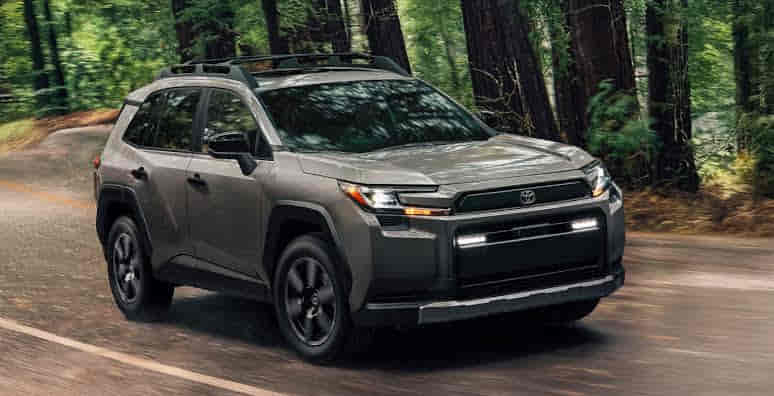
What happens if your Toyota develops a major engine or transmission problem after the basic warranty has already expired? For many owners, this is where the Toyota Powertrain Warranty becomes especially important. The powertrain contains some of the most expensive mechanical systems in a vehicle, including the engine, transmission or transaxle, and major drivetrain components. A covered defect in one of these systems can potentially result in a substantial repair bill, which makes understanding the scope and limitations of powertrain coverage an important part of Toyota ownership.
Toyota’s new vehicle warranty in the United States separates basic coverage from powertrain coverage. The basic warranty currently provides 36 months or 36,000 miles, while powertrain coverage extends to 60 months or 60,000 miles, whichever comes first. Toyota describes this coverage as protection for defects in materials or workmanship in specified powertrain components, rather than a guarantee against every type of mechanical failure.
That distinction matters because a failed engine or transmission does not automatically mean every repair will be covered. The cause of the failure, the affected component, the vehicle’s warranty documentation, and applicable exclusions all influence whether Toyota will approve a warranty repair. Maintenance, normal wear, misuse, modifications, and other conditions can also affect coverage.
This guide explains what the Toyota Powertrain Warranty covers, how long it lasts, which engine and drivetrain components are included, what exclusions owners should understand, and how powertrain coverage differs from Toyota’s other warranty programs.
What Is the Toyota Powertrain Warranty?
The Toyota Powertrain Warranty is a portion of Toyota’s New Vehicle Limited Warranty that protects specified powertrain components against defects in materials or workmanship during the applicable warranty period. Unlike coverage that applies broadly to many vehicle systems, powertrain coverage is focused on the mechanical systems responsible for producing engine power and transferring that power through the drivetrain. This distinction is important because a vehicle contains hundreds of components, but not every component falls under powertrain coverage.
The powertrain can generally be understood as the chain that begins with the engine and continues through the transmission or transaxle before delivering torque to the driven wheels. In a conventional Toyota, the engine converts fuel into mechanical energy, while the transmission manages the relationship between engine speed and vehicle speed. The drivetrain then transfers that torque through components such as drive shafts, axles, differentials, or related assemblies depending on the vehicle’s configuration.
Toyota’s warranty documentation identifies covered components rather than simply stating that everything connected to the engine is protected. For example, applicable warranty guides can identify engine components, transmission or transaxle components, and specific front-wheel-drive or rear-wheel-drive components within the powertrain category. The exact component list can vary with vehicle configuration, which is why the warranty guide for the specific model and model year remains the most authoritative reference.
The purpose of this coverage is also important to understand. A powertrain warranty is primarily designed to address defects in materials or workmanship. It is not the same as a maintenance plan and does not mean Toyota will automatically pay for any component that eventually fails. A mechanical component can be part of the powertrain while a particular repair may still fall outside warranty coverage because of the cause of the failure or an applicable exclusion.
This distinction becomes particularly relevant when an owner experiences an engine, transmission, or drivetrain problem. A failed component may initially appear to be a straightforward warranty issue, but the underlying cause must usually be established before coverage can be determined. For example, an internal engine defect may fall within powertrain coverage, while damage caused by an accident, improper operation, or another excluded condition may be treated differently.
The Toyota Powertrain Warranty should therefore be viewed as a defined layer of protection rather than an unlimited promise covering the entire propulsion system under every circumstance. Understanding which components Toyota identifies as powertrain components, how long the coverage remains active, and which conditions are excluded gives owners a much clearer picture of what protection they actually have.
For buyers comparing new and used Toyota vehicles, this distinction can also influence long-term ownership costs. A vehicle with remaining powertrain coverage may provide valuable protection against certain high-cost mechanical failures, but that value depends on the vehicle’s exact warranty status and the terms that apply to it. Checking the VIN, in-service date, mileage, model year, and applicable warranty documentation is therefore more reliable than assuming that every Toyota has identical coverage.
Read more: Toyota P1349
How Long Does the Toyota Powertrain Warranty Last?
For new Toyota vehicles in the United States, the Toyota Powertrain Warranty currently provides coverage for 60 months or 60,000 miles, whichever comes first. This period is longer than Toyota’s Basic Coverage, which is generally 36 months or 36,000 miles. The longer powertrain period reflects the importance of protecting major mechanical systems such as the engine, transmission, and drivetrain components during the early years of vehicle ownership.
The phrase “whichever comes first” is particularly important. The warranty does not simply remain active for five years regardless of mileage, nor does it necessarily remain available until the odometer reaches 60,000 miles. If a vehicle reaches 60,000 miles before 60 months have passed, the applicable powertrain coverage ends at the mileage limit. Conversely, if five years pass before the vehicle reaches 60,000 miles, the time limit controls. This means two otherwise identical Toyota vehicles can have different amounts of remaining warranty depending on how they are driven.
The warranty period is generally associated with the vehicle’s original in-service date rather than the date a later owner purchases the vehicle. This distinction can be especially important when buying a used Toyota. A vehicle that was first placed into service several months before the purchase may already have used part of its original warranty period. The current mileage must also be considered because the mileage limit and time limit operate together.
The 60-month or 60,000-mile figure should also not be interpreted as a universal warranty period for every Toyota-related component. Toyota provides different warranty categories for different systems, and some components can have separate coverage periods. Hybrid-related components, emissions components, restraint systems, corrosion protection, and other systems may have their own terms. Toyota’s official warranty information and the Warranty & Maintenance Guide for the specific vehicle should therefore be used when determining whether a particular repair is covered.
Model year and vehicle configuration can also matter. Warranty terms are published for specific vehicles and markets, and coverage can differ outside the United States. A Toyota sold in another country should not automatically be assumed to have the same warranty terms as a vehicle sold through Toyota’s U.S. distribution network. This is particularly relevant for international readers searching for information about the Toyota Powertrain Warranty, because the phrase itself may refer to different legal and warranty frameworks depending on where the vehicle was purchased.
For owners approaching the end of the coverage period, timing can become particularly important when a powertrain problem first appears. If an engine, transmission, or drivetrain symptom develops while the vehicle is still within the applicable warranty period, having the condition properly documented and diagnosed can help establish when the issue was reported. The final coverage decision, however, depends on Toyota’s warranty terms and the findings of the authorized repair facility.
The practical takeaway is that the Toyota Powertrain Warranty lasts up to 60 months or 60,000 miles for qualifying new Toyota vehicles in the United States, whichever occurs first, but that number should always be treated as the starting point rather than the entire warranty story. To determine the actual remaining coverage on a particular vehicle, owners should verify the original in-service date, current mileage, VIN, model year, and the warranty documentation applicable to that vehicle.
What Does the Toyota Powertrain Warranty Cover?
The Toyota Powertrain Warranty covers specified components that are responsible for generating engine power and transferring that power to the driven wheels, provided the failure results from a defect in materials or workmanship and occurs within the applicable warranty period. Toyota’s warranty documentation separates powertrain coverage into major areas that can include the engine, transmission or transaxle, and specific drivetrain components. The exact component coverage depends on the vehicle and its configuration, so the applicable Warranty & Maintenance Guide remains the definitive reference for a particular Toyota.
The engine represents the first major part of this powertrain chain. Depending on the Toyota model and engine configuration, the covered engine assembly can include internal mechanical components and related systems identified by Toyota in its warranty documentation. Components such as the cylinder block, cylinder head, internal parts, timing components, oil pump, water pump, engine mounts, and engine control computer can appear within the specified powertrain coverage for applicable vehicles. This does not mean every component located somewhere around the engine is automatically covered. Toyota’s warranty documentation defines the applicable components and conditions, which is why the exact model-specific guide is important.
Transmission and transaxle coverage forms the second major part of the powertrain. These assemblies control how engine torque is converted and delivered according to vehicle speed and driving conditions. Depending on the vehicle, Toyota’s covered components can include the transmission or transaxle case, internal parts, torque converter, transmission mounts, and related components specified in the warranty guide. For vehicles equipped with different transmission architectures, the terminology and covered components can differ, so the vehicle’s original documentation should be used when evaluating a particular failure.
The drivetrain connects the transmission or transaxle to the wheels and can include different components depending on whether the Toyota uses front-wheel drive, rear-wheel drive, or another configuration. Toyota warranty documentation can identify components such as drive shafts, axle shafts, constant velocity joints, propeller shafts, universal joints, differentials, axle housings, and related bearings or seals within the applicable powertrain section. The purpose of including these components is to protect the mechanical path through which torque reaches the wheels when an eligible defect occurs.
The distinction between a covered component and a covered failure is critical. A component can belong to the powertrain category without every possible cause of failure being covered. If a covered engine component develops a defect in materials or workmanship during the applicable warranty period, it may qualify for warranty repair. If the same component is damaged by an excluded external cause, improper operation, accident, modification, or another condition described in the warranty documentation, the repair may not qualify.
Warranty coverage can also include the labor and replacement parts necessary to correct an eligible defect, subject to the applicable Toyota warranty terms. This is different from routine maintenance, where the owner is generally responsible for scheduled services and normal maintenance expenses. The purpose of the powertrain warranty is to address qualifying defects rather than to provide free maintenance throughout the ownership period.
Another important consideration is the vehicle’s specific configuration. A Toyota SUV with all-wheel drive can have drivetrain components that are not present on a front-wheel-drive sedan. Similarly, hybrid and electrified Toyota vehicles can have additional systems with separate warranty provisions. As a result, the safest way to determine whether a particular component is covered is to identify the exact vehicle and consult the applicable warranty documentation rather than relying on a generic powertrain component list.
Understanding this distinction makes the Toyota Powertrain Warranty much easier to interpret. It is designed to protect the major mechanical path from power generation to power delivery, but the protection is defined by Toyota’s component descriptions, warranty period, and exclusions. Knowing what is covered is therefore only half of the equation. The next question is whether a particular failure falls within the conditions Toyota recognizes as a warrantable defect.
Does the Toyota Powertrain Warranty Cover the Engine?
Yes, the Toyota Powertrain Warranty can cover specified engine components when an eligible defect in materials or workmanship occurs during the applicable warranty period. Engine coverage is one of the central purposes of powertrain protection, but it is important to understand that Toyota does not treat every engine-related failure as automatically covered. The specific component, cause of failure, vehicle warranty status, and applicable exclusions all matter when determining whether Toyota will approve a warranty repair.
Toyota’s warranty documentation identifies engine components within the powertrain section rather than simply stating that every part connected to the engine is covered. Depending on the vehicle, these components can include the cylinder block and head, internal engine parts, timing components, oil pump, water pump, engine mounts, and engine control computer. The exact coverage can vary according to model, model year, engine configuration, and market, so the warranty guide supplied with the vehicle remains the most reliable reference for a specific claim.
The distinction between a manufacturing defect and damage caused by use is particularly important with engine problems. If an internal engine component fails because of a defect in material or workmanship while the vehicle remains within the applicable powertrain warranty period, the condition may qualify for warranty repair. In contrast, damage resulting from an accident, improper operation, neglect, unauthorized modification, or another excluded condition can be treated differently even when the damaged part itself is normally considered part of the powertrain.
Engine oil is one example of why diagnosis matters. An engine may experience serious internal damage after operating with insufficient oil, but the presence of an engine failure alone does not establish that the failure is a warrantable defect. The cause of the damage must be considered. This is also why maintaining the vehicle according to Toyota’s recommended maintenance schedule and keeping appropriate service documentation can become important when a major engine claim is evaluated.
Overheating presents a similar situation. A failed engine component may be covered if the underlying issue is an eligible defect, but damage caused by continued operation after an overheating warning or by another excluded condition may not receive the same treatment. The diagnostic findings therefore matter more than the simple description that the “engine failed.”
Timing components can also create confusion. Some timing-related components are identified within Toyota’s powertrain coverage, but coverage still depends on the exact component and reason for failure. A timing chain or related component that develops an eligible defect can be treated differently from damage caused by improper installation, modification, or another excluded condition.
The same principle applies to engine control components. A problem involving the engine control computer or another specified engine management component may fall within powertrain coverage when the failure meets the warranty requirements. However, a diagnostic code by itself does not automatically establish warranty eligibility. The technician must determine what component has actually failed and why.
When an engine problem occurs near the end of the warranty period, owners should also pay attention to timing. The vehicle must be within the applicable time and mileage limits when the relevant condition is reported and evaluated according to the warranty terms. Having the vehicle inspected promptly can help prevent a developing powertrain issue from becoming a much larger problem after the warranty period has expired.
Therefore, the answer to “Does Toyota Powertrain Warranty cover the engine?” is yes for qualifying components and defects within the applicable coverage, but not for every form of engine damage. The most important factors are the exact component involved, the cause of failure, the vehicle’s warranty status, and the exclusions that apply. For any significant engine problem, checking the vehicle-specific warranty guide and obtaining a proper diagnosis is far more reliable than assuming that the entire engine is automatically protected.
Does the Toyota Powertrain Warranty Cover the Transmission?
Yes, the Toyota Powertrain Warranty can cover specified transmission and transaxle components when an eligible defect in materials or workmanship occurs during the applicable warranty period. Transmission coverage is a major part of powertrain protection because the transmission or transaxle plays a central role in transferring engine torque to the drivetrain. However, the warranty does not mean that every transmission problem is automatically repaired at no cost. Toyota must determine that the affected component and the cause of the failure meet the applicable warranty requirements.
Toyota’s warranty documentation can include the transmission or transaxle case, internal parts, torque converter, and transmission mounts within the powertrain section, depending on the vehicle. The exact terminology and component coverage can vary between models and drivetrain configurations. A conventional automatic transmission, a transaxle used in a front-wheel-drive vehicle, and an electrified powertrain may have different warranty provisions, so the specific Warranty & Maintenance Guide should be consulted before assuming that a particular component is covered.
A transmission that develops an internal defect during the warranty period may qualify for coverage. For example, if a specified internal component fails because of a defect in materials or workmanship, the resulting repair may fall within the powertrain warranty. In such cases, the dealer typically diagnoses the vehicle and determines which component has failed before warranty authorization is considered.
Transmission symptoms can have many different causes, which is why diagnosis is particularly important. Slipping, harsh shifting, delayed engagement, abnormal noises, or difficulty selecting a gear do not automatically prove that the transmission itself has a warrantable defect. Low or contaminated transmission fluid, electrical control problems, external damage, improper operation, or another related condition can produce similar symptoms. The underlying cause must therefore be established rather than relying solely on the driver’s description of the problem.
Maintenance history can also become relevant when a transmission problem is investigated. Although warranty eligibility is determined according to Toyota’s warranty terms rather than simply by whether a vehicle has been serviced at a dealership, owners should maintain appropriate records showing that required maintenance has been performed. Service records, invoices, and other documentation can help establish the vehicle’s maintenance history when questions arise about the cause of a failure.
Transmission modifications can create another potential complication. Alterations to the drivetrain, aftermarket performance equipment, improper repairs, or other modifications may affect warranty eligibility when they contribute to the failure. The important distinction is whether the modification or related condition caused or contributed to the damage, rather than simply whether an aftermarket part exists somewhere on the vehicle.
The timing of the failure also matters. A transmission problem that appears while the vehicle is within the applicable 60-month or 60,000-mile powertrain period may be eligible for evaluation under the warranty. If the vehicle has already exceeded the applicable time or mileage limit, the original powertrain warranty may no longer apply, even if the transmission problem is otherwise similar to a failure that would previously have been covered.
Hybrid and electric Toyota vehicles require additional care when discussing transmission coverage because their powertrain architecture differs from conventional gasoline vehicles. Components such as hybrid transaxles, electric drive components, traction batteries, and inverters can be subject to separate warranty provisions. Owners should therefore avoid applying conventional transmission assumptions to an electrified Toyota without checking the applicable warranty documentation.
The practical answer is that Toyota Powertrain Warranty does cover specified transmission and transaxle components when the failure meets the warranty requirements, but coverage depends on the exact vehicle, component, failure cause, and warranty status. If a Toyota develops a serious transmission symptom, obtaining a proper diagnosis before authorizing a major repair is essential. A clear diagnosis allows the owner and dealer to determine whether the problem is a warrantable powertrain defect or a condition that falls outside the warranty.
What Is Not Covered by the Toyota Powertrain Warranty?
Understanding what the Toyota Powertrain Warranty does not cover is just as important as knowing which components are included. Powertrain coverage is designed to protect against qualifying defects in materials or workmanship, but it is not intended to pay for every repair that occurs during vehicle ownership. Toyota’s warranty documentation includes exclusions and limitations that can affect whether a particular engine, transmission, or drivetrain problem qualifies for warranty service.
Normal maintenance is one of the clearest distinctions. Services required to keep the vehicle operating properly, such as routine oil changes, inspections, fluid maintenance, and other scheduled maintenance, are generally the owner’s responsibility unless a separate Toyota program specifically provides that service. The fact that an engine or transmission requires maintenance does not turn that maintenance into a powertrain warranty repair.
Normal wear and deterioration must also be separated from a manufacturing or workmanship defect. Mechanical components naturally experience wear as mileage accumulates, and not every change in performance represents a warranty defect. A component that reaches the end of its normal service life can be treated differently from a component that fails prematurely because of an eligible defect. This distinction is particularly important when evaluating drivetrain components that experience continuous mechanical loading.
Damage caused by an accident or external event can also fall outside the powertrain warranty. A collision, impact, flood, fire, or other external cause can damage engine, transmission, or drivetrain components without representing a defect in the component itself. In these circumstances, the source of the damage rather than the identity of the damaged part becomes important when determining coverage.
Improper operation can create another exclusion. Using a vehicle outside its intended operating conditions, abusing the drivetrain, or continuing to operate the vehicle after a serious warning may contribute to damage that is not treated in the same way as a manufacturing defect. The specific circumstances and applicable warranty language determine how such a situation is evaluated.
Unauthorized modifications can also affect a warranty claim when they contribute to the failure. Performance modifications, altered engine management systems, non-standard drivetrain components, or other changes can change how the powertrain operates. The important issue is not simply the presence of an aftermarket part, but whether the modification or its installation caused or contributed to the condition for which warranty coverage is being requested.
Improper repairs can create a similar problem. If a component was previously repaired or installed incorrectly and that work contributes to subsequent damage, the resulting condition may not be treated as a factory defect. This is one reason major engine or transmission repairs should be performed according to the manufacturer’s procedures and documented appropriately.
Environmental and external conditions can also be relevant. Depending on the circumstances and the terms applicable to the vehicle, damage associated with environmental exposure or other outside influences may fall under exclusions rather than powertrain coverage. Owners should therefore avoid assuming that the fact that a damaged component belongs to the powertrain automatically establishes warranty eligibility.
Maintenance history can become especially important when the failure involves lubrication or overheating. For example, an engine damaged after prolonged operation with insufficient oil may require a very different warranty evaluation from an engine that develops an internal defect under normal operating and maintenance conditions. The same principle applies when a transmission or drivetrain component is damaged because of an underlying condition unrelated to a manufacturing defect.
Another common misunderstanding is that a diagnostic trouble code automatically creates a warranty claim. A code may identify an abnormal operating condition, but it does not by itself establish which component failed or why it failed. A Toyota displaying an engine, transmission, or drivetrain fault code may require further diagnosis before the dealer can determine whether the underlying condition falls within powertrain coverage.
The safest way to interpret exclusions is therefore to focus on cause rather than simply component location. An engine component can be part of the Toyota powertrain and still have a repair excluded when the failure resulted from an accident, misuse, neglect, modification, normal deterioration, or another condition identified in the applicable warranty documentation. Conversely, a qualifying defect in a covered component may receive warranty protection when it occurs within the applicable time and mileage limits.
Because warranty terms can differ by model year, vehicle configuration, and market, owners should always review the warranty documentation associated with their specific Toyota before assuming that a repair is covered or excluded. When a major powertrain failure occurs, a documented diagnosis is the most reliable way to determine whether the problem represents a warrantable defect or an excluded condition.
Toyota Powertrain Warranty vs Basic Warranty
The Toyota Powertrain Warranty and Basic Warranty are both parts of Toyota’s New Vehicle Limited Warranty, but they serve different purposes. The Basic Warranty provides broader protection for many vehicle components during the initial ownership period, while powertrain coverage focuses on specified components responsible for producing and transferring engine power. Understanding this difference can prevent confusion when a repair is needed after the basic warranty period has ended.
For qualifying new Toyota vehicles in the United States, Toyota currently lists Basic Coverage at 36 months or 36,000 miles, whichever comes first. Powertrain Coverage extends further to 60 months or 60,000 miles, whichever comes first. This means a Toyota can reach the end of its Basic Warranty while still retaining active powertrain protection.
The difference is not simply that the powertrain warranty lasts longer. The two warranties also cover different categories of components. Basic Coverage is designed to cover Toyota-supplied components that experience qualifying defects during its applicable period, subject to the terms and exclusions of the warranty. Powertrain Coverage is narrower and concentrates on specified engine, transmission or transaxle, and drivetrain components.
This distinction becomes useful when diagnosing a vehicle problem. Suppose a Toyota develops an issue with an infotainment component after the Basic Warranty has expired. The fact that the vehicle still has several months of remaining powertrain coverage does not normally extend protection to that unrelated system. Conversely, if a qualifying defect develops in a covered engine or transmission component during the remaining powertrain period, the longer powertrain coverage may still provide protection even though the Basic Warranty has already ended.
The difference also explains why owners should not interpret the powertrain warranty as an extended version of the Basic Warranty. It does not continue the same broad component coverage for an additional two years or 24,000 miles. Instead, it provides a separate period of protection for a more limited group of major mechanical components.
The timing of a repair can therefore matter significantly. A Toyota owner may have a vehicle that is approximately four years old and has exceeded the Basic Warranty period, while the powertrain warranty remains active if the mileage is still within the applicable limit. In that situation, a qualifying engine or transmission defect can still be evaluated under powertrain coverage even though many non-powertrain components are no longer covered by the original basic warranty.
Owners should also remember that the exact warranty provisions can vary according to model year, vehicle configuration, and market. Hybrid and electric Toyota vehicles can have additional warranty categories for specialized components, while emissions and other systems may have their own coverage periods. The applicable Warranty & Maintenance Guide should therefore take priority over generalized warranty information when evaluating a specific repair.
The practical difference is straightforward: Basic Coverage is broader but shorter, while Toyota Powertrain Warranty coverage is more focused but lasts longer for qualifying new vehicles in the United States. Knowing which category a failed component belongs to is the first step in determining whether the original Toyota warranty may still provide protection.
For anyone buying or owning a Toyota near the end of its original warranty period, checking both the time and mileage status is especially important. A vehicle’s remaining coverage cannot be determined from age alone, and a component’s eligibility cannot be determined simply from the fact that the vehicle still has some form of warranty remaining. The specific component, failure, warranty category, and applicable exclusions all need to align before a claim can be considered covered.
Toyota Powertrain Warranty vs Hybrid and EV Warranty
The relationship between the Toyota Powertrain Warranty and hybrid or electric vehicle coverage can be confusing because electrified Toyota models contain components that do not exist in a conventional gasoline powertrain. A hybrid or EV may still have an engine, transmission or transaxle, and drivetrain components, but it also relies on high-voltage electrical systems that can be covered under separate warranty provisions. For this reason, owners should not assume that the standard powertrain warranty is the only warranty protecting an electrified Toyota.
Toyota provides separate warranty coverage for specified hybrid-related components. For Toyota hybrid vehicles in the United States, hybrid-related component coverage can extend to 8 years or 100,000 miles, whichever comes first, while Toyota states that the hybrid battery warranty for hybrid vehicles from model year 2020 onward extends to 10 years or 150,000 miles, whichever comes first. These periods are separate from the standard powertrain coverage and apply to the components and conditions defined by Toyota’s applicable warranty documentation.
Hybrid vehicles combine an internal combustion engine with electric propulsion, which creates a more complex relationship between mechanical and electrical powertrain components. A hybrid transaxle, for example, may perform functions that would traditionally be associated with a conventional transmission while also integrating electric motor-generators. Problems involving these systems therefore need to be evaluated under the warranty category that applies to the affected component rather than being automatically classified as a conventional transmission repair.
The traction battery is another important distinction. Unlike a conventional 12-volt battery, the hybrid traction battery is an integral part of the vehicle’s high-voltage propulsion system. Toyota provides specific warranty provisions for the hybrid battery, and the longer coverage period available on qualifying model year 2020 and newer hybrids reflects the importance of this component to the vehicle’s electrified powertrain. However, battery warranty coverage remains subject to the applicable terms, conditions, and exclusions.
Electric Toyota vehicles introduce another set of warranty considerations. An EV does not use a conventional gasoline engine, but its propulsion system includes specialized electric drive components such as the traction battery, electric motors, inverter or converter, and electric drive transaxle. Toyota’s EV warranty documentation can provide separate coverage for these components, meaning that an EV owner should consult the applicable EV warranty section rather than assuming that conventional gasoline powertrain terminology applies without modification.
This distinction matters when a vehicle develops a warning light or drivability problem. A hybrid system warning, reduced power condition, charging problem, or EV propulsion fault may involve a component covered under a specialized electrified vehicle warranty rather than the standard powertrain category. Identifying the affected system is therefore the first step before evaluating coverage.
The same principle applies to warranty duration. Toyota’s standard powertrain coverage may remain at its applicable time and mileage limit, while a hybrid or EV component can have a different warranty period. A vehicle can therefore have one component category approaching the end of its warranty while another specialized electrified component remains covered for substantially longer.
Maintenance and warranty documentation also become particularly important for hybrid and EV owners. Electrified powertrains can use different fluids, cooling systems, battery management systems, and diagnostic procedures from conventional vehicles. When a significant fault occurs, the appropriate model-specific warranty guide should be used to determine the applicable coverage rather than relying on generalized information about the Toyota Powertrain Warranty.
Ultimately, the key difference is that Toyota’s hybrid and EV warranties supplement and define protection for specialized electrified components rather than simply extending the standard powertrain warranty to every high-voltage system. For a conventional Toyota, the powertrain warranty remains centered on specified engine, transmission, and drivetrain components. For a hybrid or EV, additional warranty categories can provide separate protection for the electrical systems that make electrified propulsion possible.
Owners should therefore identify the exact model, model year, powertrain configuration, and affected component before making assumptions about coverage. The warranty documentation associated with that vehicle provides the most reliable answer, particularly when a repair involves a hybrid battery, electric drive component, inverter, or other high-voltage system.
Does Toyota Powertrain Warranty Transfer to a New Owner?
The Toyota Powertrain Warranty can remain associated with the vehicle when ownership changes, but the exact coverage available to a subsequent owner depends on the applicable Toyota warranty terms and the vehicle’s warranty status. This makes the remaining factory warranty an important consideration when purchasing a used Toyota. Instead of assuming that the warranty starts over when the vehicle is sold, buyers should determine the original in-service date, current mileage, and remaining coverage attached to the vehicle.
For a used Toyota that is still within its original new vehicle warranty period, the remaining factory warranty can provide valuable protection against qualifying defects in covered powertrain components. The warranty period is generally tied to the vehicle rather than restarting on the date of a private-party or dealer sale. As a result, a second owner typically receives the benefit of whatever eligible factory coverage remains, rather than receiving a new 60-month or 60,000-mile powertrain period.
This distinction is especially important when evaluating a Toyota that is several years old. A vehicle may still have remaining powertrain coverage even though its Basic Warranty has expired. For example, a Toyota that has passed the 36-month or 36,000-mile Basic Coverage period may still have applicable powertrain protection if it remains within the 60-month or 60,000-mile limit. The actual status depends on which limit has been reached first and whether the vehicle qualifies under the applicable warranty terms.
Certified pre-owned Toyota vehicles require a separate consideration because Toyota’s Certified Used Vehicle program can provide additional limited warranty protection beyond whatever remains from the original new vehicle warranty. Toyota currently describes its Gold Certified vehicles as receiving a 7-year or 100,000-mile Limited Powertrain Warranty, while Silver Certified vehicles receive a 12-month or 12,000-mile Limited Powertrain Warranty, subject to the program’s terms and eligibility requirements.
A buyer should therefore distinguish between remaining original factory powertrain coverage and a Certified Used Vehicle powertrain warranty. They are not necessarily the same warranty, and the applicable coverage depends on how the vehicle was sold and which warranty program applies. This distinction can make a significant difference when comparing a Toyota purchased privately with one sold through Toyota’s certified used vehicle program.
The vehicle’s mileage is also important because powertrain coverage does not reset after ownership changes. If the original vehicle has already accumulated mileage close to the applicable warranty limit, the next owner may have relatively little remaining coverage even if the vehicle appears young based on its calendar age. Conversely, a lower-mileage vehicle may still have meaningful remaining protection if it has not reached the time limit.
When buying a used Toyota, obtaining the VIN and verifying the warranty status is therefore more reliable than relying solely on the seller’s description. The buyer should also review available maintenance records and determine whether the vehicle has been subject to significant modifications, accident damage, or previous repairs that could affect how a future claim is evaluated.
It is also important to recognize that a transferable warranty does not guarantee coverage for every future problem. The subsequent owner remains subject to the same component definitions, warranty period, exclusions, and eligibility requirements that apply to the vehicle. A covered engine or transmission defect can be treated differently from damage caused by misuse, neglect, an accident, or another excluded condition.
For used-car shoppers, the remaining Toyota Powertrain Warranty can be a meaningful part of a vehicle’s value. A Toyota with documented maintenance, verified warranty status, and substantial remaining powertrain coverage can offer greater protection against certain high-cost mechanical failures. The safest approach is to verify the specific vehicle’s warranty status through Toyota documentation or an authorized Toyota source before completing the purchase.
How to Make a Toyota Powertrain Warranty Claim
When a Toyota develops a serious engine, transmission, or drivetrain problem, the first step toward a Toyota Powertrain Warranty claim is to document the symptoms and have the vehicle properly diagnosed. A warning light, unusual noise, fluid leak, loss of power, abnormal shifting, or other drivability change can indicate a potential powertrain problem, but the symptom alone does not establish that a warranty defect exists. The cause of the condition must be identified before Toyota can determine whether the repair qualifies for coverage.
The vehicle should generally be taken to an authorized Toyota dealer for warranty evaluation. Providing the VIN and current mileage allows the dealer to establish the vehicle’s identity and warranty status. The in-service date, model year, mileage, and applicable warranty category can then be considered alongside the diagnostic findings. If the vehicle remains within the applicable powertrain warranty period, the dealer can investigate whether the affected component and failure meet the requirements for warranty service.
A clear description of what happened can make the diagnostic process more efficient. Owners should explain when the problem began, whether it occurs during cold starts or after the engine warms up, whether the symptom is intermittent or constant, and whether any warning messages or dashboard lights appeared. If an unusual noise, fluid leak, or performance change occurs only under specific conditions, that information can help the technician reproduce the problem.
Maintenance records can also be useful during a warranty evaluation. Owners should retain invoices, service records, inspection documentation, and other evidence showing that required maintenance has been performed. These records can help establish the vehicle’s service history, particularly when a powertrain problem involves engine lubrication, overheating, transmission operation, or another condition where maintenance may be relevant to the diagnosis.
The dealer’s diagnosis is central to the claim because Toyota’s powertrain warranty is intended to cover qualifying defects in materials or workmanship rather than every mechanical problem that occurs during ownership. A technician may need to inspect the affected component, retrieve diagnostic information, perform tests, and determine the cause of failure. If the findings indicate a covered defect, the repair can proceed according to the applicable warranty process.
If the condition is determined to result from an excluded cause, the repair may not qualify for factory warranty coverage. This can include circumstances involving accident damage, improper operation, certain modifications, neglect, or other exclusions described in the applicable warranty documentation. In such cases, the owner should ask the dealer to explain the diagnosis and the specific reason the repair is considered outside warranty coverage.
Timing is another practical consideration. If a significant engine or transmission problem appears while the vehicle is approaching the end of its warranty period, delaying diagnosis can create unnecessary uncertainty. Owners should have serious symptoms documented promptly rather than continuing to drive until the problem becomes severe or the vehicle exceeds the applicable warranty limit.
A warranty claim should also be distinguished from a routine maintenance visit. An oil change, fluid service, inspection, or other scheduled maintenance is normally handled as maintenance rather than as a powertrain warranty repair. If a maintenance procedure reveals an underlying defect, however, the newly identified condition may be evaluated separately under the applicable warranty terms.
Once an eligible repair has been completed, the owner should retain the repair order and related documentation. These records provide evidence of what was diagnosed and repaired and can become useful if the same issue returns or if the vehicle is later sold. They can also contribute to a more complete ownership history for a used Toyota buyer.
The most effective way to approach a Toyota Powertrain Warranty claim is therefore to focus on documentation, diagnosis, and the exact warranty language that applies to the vehicle. Rather than assuming that an engine or transmission problem is automatically covered, owners should allow the failure to be properly identified and then determine whether the component, cause, time, mileage, and circumstances satisfy the applicable warranty requirements.
Frequently Asked Questions About Toyota Powertrain Warranty
How long is the Toyota Powertrain Warranty?
For qualifying new Toyota vehicles in the United States, the standard powertrain warranty currently provides coverage for 60 months or 60,000 miles, whichever comes first. The coverage period generally begins from the vehicle’s original in-service date rather than the date a subsequent owner purchases the vehicle. Specific warranty terms can vary by vehicle, model year, and market, so the applicable Toyota warranty documentation should always be checked.
What does the Toyota Powertrain Warranty cover?
The Toyota Powertrain Warranty covers specified components associated with the engine, transmission or transaxle, and drivetrain when an eligible defect in materials or workmanship occurs within the applicable warranty period. The exact components can vary according to the vehicle’s configuration, so the warranty guide for the specific Toyota provides the most accurate coverage information.
Does Toyota Powertrain Warranty cover the engine?
Yes, qualifying defects in specified engine components can be covered under the powertrain warranty. However, an engine failure is not automatically covered simply because the engine is part of the powertrain. Toyota may evaluate the cause of failure to determine whether it resulted from a warrantable defect or from an excluded condition such as misuse, accident damage, neglect, or another cause described in the applicable warranty terms.
Does Toyota Powertrain Warranty cover the transmission?
Yes, specified transmission and transaxle components can receive powertrain warranty coverage when a qualifying defect occurs within the applicable coverage period. Symptoms such as slipping, harsh shifting, delayed engagement, or abnormal noises do not automatically establish a warranty defect because these symptoms can have multiple causes. A proper diagnosis is necessary to determine whether the affected component and failure qualify.
Does Toyota Powertrain Warranty cover labor?
When a repair is determined to be a covered warranty repair, the applicable warranty process can include the necessary labor and replacement parts required to correct the covered defect, subject to Toyota’s warranty terms. Routine maintenance and repairs resulting from excluded conditions are different and are generally the owner’s responsibility.
Does Toyota Powertrain Warranty cover a timing chain?
Timing-related components may be included within the powertrain coverage for applicable Toyota vehicles, but coverage depends on the specific component and cause of failure. A timing component that develops a qualifying defect can be treated differently from damage caused by improper maintenance, modification, incorrect repair, or another excluded condition.
Does Toyota Powertrain Warranty cover a water pump?
A water pump may be identified within the powertrain component coverage for applicable Toyota vehicles, but owners should verify the exact warranty documentation for their model and model year. Coverage depends not only on the component but also on whether the failure resulted from a defect in materials or workmanship and occurred within the applicable warranty period.
Is the Toyota Powertrain Warranty transferable?
The remaining original factory warranty can generally continue with the vehicle when ownership changes, subject to Toyota’s applicable warranty terms. It does not normally restart when a used Toyota is purchased. Buyers should verify the VIN, original in-service date, mileage, and remaining warranty status rather than assuming a full new warranty period is available.
What is excluded from the Toyota Powertrain Warranty?
The powertrain warranty does not function as unlimited mechanical repair coverage. Normal maintenance, normal deterioration, accident-related damage, certain forms of misuse or improper operation, unauthorized modifications, and other conditions specified in Toyota’s warranty documentation can fall outside coverage. The exact exclusion depends on the circumstances and applicable warranty terms.
Do I have to service my Toyota at a Toyota dealer to keep the powertrain warranty?
Warranty eligibility should be determined from the applicable Toyota warranty terms rather than assuming that every maintenance procedure must be performed by a Toyota dealer. Owners should follow the manufacturer’s required maintenance schedule and retain appropriate records showing that the recommended maintenance has been performed. When a powertrain claim arises, those records can help establish the vehicle’s maintenance history.
Can modifications affect Toyota Powertrain Warranty coverage?
Modifications do not necessarily mean that every part of a Toyota’s warranty automatically disappears. However, if an aftermarket modification or its installation causes or contributes to a component failure, the resulting repair may be excluded from warranty coverage. The relationship between the modification and the failure is therefore important when a claim is evaluated.
What should I do if Toyota denies a powertrain warranty claim?
If a claim is denied, the owner should first ask the dealer to explain the diagnosis and the specific reason the repair is considered outside warranty coverage. Reviewing the applicable warranty documentation and requesting supporting information about the failure can help clarify the decision. If the owner believes the decision should be reconsidered, the matter can then be escalated through the appropriate Toyota customer support or dispute-resolution process available for the vehicle and market.
Does the Toyota Powertrain Warranty cover hybrid and electric vehicles?
Hybrid and electric Toyota vehicles can have additional warranty coverage for specialized electrified components. Hybrid batteries, hybrid-related components, electric drive systems, traction batteries, and other high-voltage components may have separate warranty provisions and different coverage periods. Owners should therefore consult the warranty documentation for their specific hybrid or EV instead of assuming that every electrified component falls under the standard gasoline powertrain warranty.
Conclusion
The Toyota Powertrain Warranty provides an important layer of protection for some of the most expensive mechanical systems in a Toyota, particularly the engine, transmission or transaxle, and specified drivetrain components. For qualifying new Toyota vehicles in the United States, the standard powertrain coverage currently extends to 60 months or 60,000 miles, whichever comes first. However, the duration alone does not determine whether a repair is covered.
The most important factor is the nature and cause of the failure. A qualifying defect in materials or workmanship affecting a covered powertrain component can receive warranty protection when it occurs within the applicable coverage period. Problems caused by normal maintenance, wear and deterioration, accidents, misuse, certain modifications, improper repairs, or other excluded conditions can be treated differently. This is why a proper diagnosis is essential before assuming that Toyota will pay for an engine, transmission, or drivetrain repair.
Owners should also remember that Toyota uses separate warranty categories for different vehicle systems. Hybrid and EV components can have their own coverage provisions, while Basic Coverage applies more broadly to other vehicle components for a shorter period. Used Toyota buyers should additionally verify whether the vehicle has remaining original warranty coverage or qualifies for a separate Certified Used Vehicle warranty.
Ultimately, understanding the Toyota Powertrain Warranty means looking beyond the simple 60-month or 60,000-mile figure. The vehicle’s model year, VIN, in-service date, mileage, powertrain configuration, maintenance history, failure cause, and applicable warranty documentation all contribute to the final coverage decision.
If your Toyota develops an engine, transmission, or drivetrain problem, the safest approach is to document the symptoms, have the vehicle properly diagnosed, and verify the applicable warranty terms before authorizing a major repair. Doing so can help you understand your coverage, avoid unnecessary expenses, and make a more informed decision about your vehicle’s next repair.