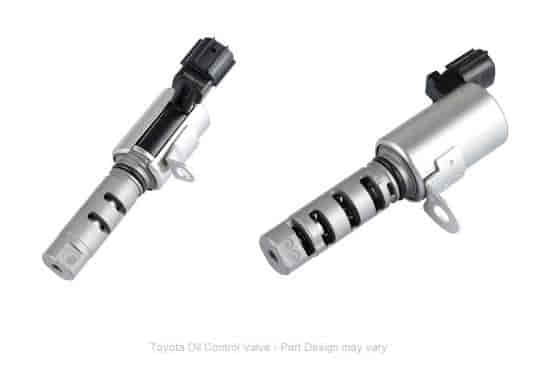
The Toyota P1349 trouble code is closely associated with the engine’s Variable Valve Timing system, making it an important warning for Toyota owners experiencing changes in engine performance. When this code is stored, the Engine Control Module has detected that the expected operation of the VVT system does not match the conditions it is monitoring. Because variable valve timing plays an important role in controlling valve operation according to engine speed and load, a problem within this system can affect how efficiently the engine breathes, produces power, and maintains stable combustion.
For many drivers, the first signs may be subtle. The Check Engine Light can appear while the vehicle still seems to drive normally, or the engine may develop rough idle, hesitation, reduced acceleration, or increased fuel consumption. These symptoms can make it tempting to replace the VVT solenoid immediately. However, Toyota P1349 does not automatically prove that the solenoid itself has failed. Engine oil condition, oil passages, electrical connections, camshaft timing, sensor signals, and other parts of the VVT system can influence the same diagnostic condition.
Understanding the relationship between Toyota P1349, engine oil, the Oil Control Valve, camshaft timing, and the ECM is therefore essential for accurate diagnosis. In this guide, you will learn what P1349 means, why it occurs, which symptoms deserve attention, how technicians diagnose the underlying problem, and which repairs can restore normal VVT operation without unnecessary parts replacement.
What Does Toyota P1349 Mean?
The Toyota P1349 diagnostic trouble code indicates a problem with the operation of the Variable Valve Timing system. In Toyota applications where this code is used, the Engine Control Module monitors the commanded and actual camshaft timing to determine whether the VVT system is responding as expected. When the ECM detects that the camshaft timing does not reach or maintain the expected position under the required operating conditions, it can store P1349 and illuminate the Check Engine Light.
Variable Valve Timing is designed to change camshaft timing according to engine operating conditions. At different engine speeds and loads, the engine requires different valve timing characteristics to maintain an effective balance between torque, fuel efficiency, emissions, and drivability. The ECM therefore uses information from sensors such as the camshaft and crankshaft position sensors while controlling the Oil Control Valve that regulates oil flow to the VVT actuator. When the hydraulic and electronic components work together correctly, the camshaft can move toward the commanded timing position and remain within the expected range.
The importance of engine oil becomes clear in this system. Toyota VVT mechanisms commonly rely on controlled engine oil pressure to adjust camshaft position. If the oil level is too low, the oil is heavily contaminated, the viscosity is unsuitable, or an oil passage becomes restricted, the VVT mechanism may not respond correctly. In that situation, the ECM may command a timing adjustment but detect that the actual camshaft position does not follow the expected change. P1349 can consequently be stored even though the electrical control circuit itself may be functioning normally.
The Oil Control Valve, often referred to as the VVT solenoid, is another important part of the system. It controls the flow of engine oil to the VVT actuator according to commands from the ECM. A sticking valve, restricted oil screen, internal contamination, electrical fault, or mechanical problem can prevent the actuator from responding properly. However, replacing the OCV solely because P1349 is present can be premature because the same diagnostic condition may originate from restricted oil flow, sensor problems, wiring faults, or mechanical timing issues.
The camshaft and crankshaft position signals also play a central role in determining whether the VVT system is operating correctly. The ECM compares these signals to calculate the actual relationship between crankshaft and camshaft position. If a sensor signal becomes inaccurate or intermittent, the ECM may interpret the resulting information as incorrect valve timing. This is why a complete diagnosis should consider both the control side and the mechanical side of the VVT system.
Toyota P1349 should therefore be understood as a VVT performance problem rather than a direct identification of one failed component. The code tells the technician that the expected relationship between commanded and actual valve timing has not been achieved under specific operating conditions. Determining why that relationship has been disrupted requires examining engine oil, oil pressure and passages, the Oil Control Valve, sensor signals, wiring, VVT actuator operation, and mechanical timing as appropriate for the specific Toyota engine.
The exact diagnostic strategy can differ according to the Toyota model, engine family, model year, and market. For that reason, the manufacturer’s service information and specifications for the particular vehicle should be used when performing electrical, hydraulic, or mechanical tests. Understanding this distinction is essential because an accurate diagnosis can prevent unnecessary replacement of expensive VVT components while directing the repair toward the actual source of the problem.
Read more: Toyota P1605
Common Causes of Toyota P1349
The causes of Toyota P1349 can range from a relatively simple oil related problem to a more complex fault involving the VVT mechanism or engine timing. Because the Variable Valve Timing system depends on the coordinated operation of hydraulic pressure, electronic control, sensor feedback, and mechanical components, a failure in any part of this chain can prevent the camshaft from reaching the position requested by the ECM.
Engine oil is one of the first areas that deserves attention because the VVT mechanism depends on oil flow and pressure to adjust camshaft timing. If the oil level is too low, the engine may not provide sufficient hydraulic pressure for the VVT actuator to respond correctly. Old or heavily contaminated oil can also interfere with the operation of small oil passages and the Oil Control Valve. Using oil with an inappropriate viscosity can further affect how quickly the VVT system responds, particularly during cold starts or changes in engine speed. An oil related problem does not necessarily mean that a major component has failed, but it can prevent the VVT system from operating within the conditions expected by the ECM.
A sticking or malfunctioning Oil Control Valve is another common area of concern. The OCV regulates engine oil flow to the VVT actuator according to commands from the ECM. Sludge, varnish, debris, or internal wear can prevent the valve from moving freely. An electrical problem can create the same result if the solenoid does not receive the correct voltage or if its internal coil has an abnormal resistance. When the OCV cannot regulate oil flow correctly, the camshaft may respond too slowly, move too far, or fail to reach the commanded position, potentially resulting in P1349.
Restricted oil passages can also interfere with VVT operation even when the OCV itself appears to function normally. The passages supplying the VVT actuator are relatively important to the hydraulic response of the system, and contamination can reduce the available oil flow. This is particularly relevant on engines that have experienced extended oil change intervals or significant sludge accumulation. Cleaning or replacing the visible control component without addressing a restriction elsewhere in the oil circuit may therefore fail to resolve the underlying problem.
The VVT actuator itself can become a source of the fault. If its internal mechanism becomes worn, contaminated, or mechanically restricted, the actuator may not respond correctly to changes in oil pressure. In this situation, the ECM may issue the correct command and the OCV may operate properly, yet the camshaft still fails to achieve the expected timing position. Diagnosis must therefore distinguish between a control problem and a mechanical response problem before a component is replaced.
Camshaft and crankshaft position sensors can also contribute to P1349 when their signals are inaccurate or intermittent. The ECM relies on these signals to determine the actual relationship between the camshaft and crankshaft. A contaminated sensor, damaged connector, wiring fault, or failing sensor can provide information that does not accurately represent the engine’s mechanical position. The VVT system may then appear to be operating incorrectly even though the physical camshaft timing is not necessarily the original problem.
Electrical wiring and connectors should be considered whenever the fault is intermittent or when the OCV does not respond as expected during testing. Heat, oil exposure, vibration, corrosion, and damaged terminals can affect the electrical circuit between the ECM and VVT components. A circuit may appear intact during a basic visual inspection while still developing excessive resistance or an intermittent connection under operating conditions.
Mechanical engine timing is another important possibility. A stretched or incorrectly installed timing chain, damaged timing component, or other mechanical timing problem can alter the relationship between the camshaft and crankshaft. If the mechanical baseline is incorrect, the VVT system may be unable to achieve the commanded position even when its electronic and hydraulic components are functioning correctly. This type of problem requires a deeper mechanical diagnosis and should not be confused with a simple VVT solenoid fault.
In some cases, the problem may also be influenced by engine wear or inadequate oil pressure caused by a broader lubrication issue. If the engine cannot maintain the oil pressure required by the VVT mechanism, replacing the OCV alone may provide little or no lasting improvement. Measuring relevant operating conditions and comparing them with Toyota’s specifications is therefore important when simpler causes have been eliminated.
The most important point is that Toyota P1349 is a system level diagnostic condition. The presence of the code does not establish that the Oil Control Valve, camshaft sensor, VVT actuator, or timing chain is defective. The actual cause must be established by following the relationship between the ECM command, oil supply, valve operation, sensor feedback, and mechanical camshaft position. This approach reduces unnecessary parts replacement and provides a much better chance of achieving a lasting repair.
Symptoms of Toyota P1349
The symptoms of Toyota P1349 can vary depending on how severely the Variable Valve Timing system is affected and whether the underlying problem is related to oil flow, electronic control, sensor feedback, or mechanical timing. In some cases, the vehicle may continue to drive with only the Check Engine Light illuminated. In other cases, the driver may notice clear changes in engine behavior, particularly during starting, idling, acceleration, or changes in engine load.
The Check Engine Light is often the first visible indication. The ECM can store P1349 when it determines that the actual camshaft timing is not responding to the commanded VVT position as expected. The warning may appear continuously or after the vehicle has experienced a particular operating condition. If additional diagnostic trouble codes are present, they should be considered together with P1349 because they may provide information about the sensor, electrical circuit, or engine system responsible for the abnormal timing response.
Rough or unstable idle can occur when the VVT system is unable to maintain the appropriate camshaft position at low engine speed. Valve timing has a direct influence on combustion and airflow, so an incorrect camshaft position can make the engine feel uneven or cause engine speed to fluctuate. The severity can depend on whether the VVT mechanism is stuck in an advanced or retarded position and whether the fault occurs continuously or intermittently.
Hesitation during acceleration is another possible symptom. When the engine control system requests a change in camshaft timing to match increased load and engine speed, a VVT mechanism that responds too slowly or fails to reach the commanded position can reduce the engine’s ability to produce torque efficiently. The driver may notice delayed throttle response, sluggish acceleration, or a temporary loss of power. These symptoms can also be caused by many unrelated engine problems, so they should not be used alone to diagnose P1349.
Poor fuel economy may develop when the engine cannot maintain the valve timing intended by the ECM. Variable valve timing is designed partly to improve the balance between performance, fuel consumption, and emissions under changing operating conditions. If the camshaft remains outside the desired position, combustion efficiency can be affected. A noticeable change in fuel consumption alongside other drivability symptoms can therefore be useful information during diagnosis.
Starting problems can occur in more severe cases, particularly when the camshaft timing remains significantly different from the expected position. The engine may crank for longer than usual, start roughly, or struggle to maintain stable operation immediately after starting. However, difficult starting should not automatically be attributed to P1349 because battery condition, fuel pressure, ignition, and other engine systems can produce similar symptoms.
Reduced engine performance can become more noticeable under load. The vehicle may feel weaker when climbing a hill, accelerating onto a highway, or carrying additional weight. This happens because the engine is unable to use its valve timing as effectively as intended for the current operating conditions. If the VVT mechanism is severely restricted, the loss of performance can become more consistent.
In some cases, unusual engine noise may accompany the fault, particularly if the underlying problem involves insufficient lubrication or a mechanically damaged VVT component. A new rattling or abnormal mechanical sound should be treated as a separate warning sign rather than simply another symptom to ignore. Continuing to operate an engine with a potential lubrication or timing problem can increase the risk of more extensive mechanical damage.
The combination and timing of these symptoms are more useful than any individual symptom. For example, a Toyota that develops rough idle, reduced acceleration, and poor fuel economy while also storing P1349 provides a stronger indication of a VVT related drivability problem than a vehicle with an isolated Check Engine Light. Recording when the symptoms occur, whether the engine is cold or warm, and how the vehicle responds at different engine speeds can help a technician reproduce the condition and determine the appropriate diagnostic path.
Because VVT operation affects both engine performance and combustion efficiency, persistent symptoms should not be ignored. Even if the vehicle remains driveable, allowing the underlying condition to continue can make diagnosis more difficult and may contribute to additional problems if the root cause involves oil contamination, inadequate lubrication, or mechanical timing.
How to Diagnose Toyota P1349
Diagnosing Toyota P1349 correctly requires determining why the VVT system cannot achieve the camshaft timing requested by the ECM. Since the system combines engine oil, hydraulic control, electrical signals, sensors, and mechanical timing components, replacing the Oil Control Valve or another component without testing can easily result in an incomplete repair. A reliable diagnosis begins with the exact vehicle specifications and then follows the evidence provided by the stored fault code and the engine’s operating behavior.
The first step is to perform a complete diagnostic scan and record all stored, pending, and history trouble codes. P1349 should not be evaluated independently when other codes are present because a related camshaft position, crankshaft position, oil pressure, or electrical fault may explain why the VVT system is not responding correctly. Freeze frame data can also provide useful context by showing engine speed, coolant temperature, load, and other operating conditions when the ECM detected the fault.
Engine oil should be checked before replacing VVT components. The oil level needs to be within the appropriate range, while the oil condition should be examined for excessive contamination, sludge, or other abnormalities. The correct viscosity and specification are also important because VVT operation depends on predictable oil flow and pressure. If the oil is severely degraded or the engine has evidence of sludge, the lubrication system deserves closer attention before more expensive components are installed.
The Oil Control Valve and its electrical circuit should then be evaluated according to the diagnostic procedure for the specific Toyota engine. The technician may inspect the valve, connector, wiring, and control circuit while checking whether the valve responds correctly to the ECM command. A valve that is electrically functional may still be mechanically restricted by contamination, so electrical testing alone does not necessarily prove that the OCV is operating correctly under actual oil flow conditions.
Live data can provide another important diagnostic layer. Depending on the vehicle and scan tool, the technician may be able to compare commanded camshaft timing with actual camshaft position while changing engine speed and load. If the commanded position changes but the actual position remains fixed or responds significantly slower than expected, the problem may be related to oil flow, the OCV, the VVT actuator, or mechanical restrictions. If the actual position changes but the ECM receives an implausible sensor signal, attention may shift toward the camshaft position sensor or its circuit.
The camshaft and crankshaft position signals should be verified when the data suggests a timing discrepancy. The ECM relies on the relationship between these signals to determine whether the camshaft is positioned correctly relative to the crankshaft. A damaged sensor, poor connector, wiring fault, or signal irregularity can therefore create symptoms that resemble a VVT mechanical problem. Testing should follow the manufacturer’s specifications rather than relying solely on generic sensor resistance values.
If electronic and hydraulic checks do not identify the problem, the mechanical timing system may need to be inspected. A timing chain that has stretched, jumped position, or been incorrectly installed can prevent the camshaft from maintaining the expected relationship with the crankshaft. Mechanical timing should be verified carefully because replacing a VVT solenoid will not correct an engine whose fundamental camshaft timing is already incorrect.
Oil pressure may also need to be evaluated when the VVT system does not respond as expected despite apparently functional components. Low engine oil pressure can prevent the VVT actuator from receiving the hydraulic force required to change camshaft position. If low pressure is confirmed, the diagnosis should move beyond the VVT components and investigate the broader lubrication system and possible sources of pressure loss.
After the suspected cause has been corrected, the vehicle should be operated through the conditions that previously triggered P1349. The diagnostic system should then be rescanned to determine whether the code returns and whether the VVT system is responding correctly. A repair should be considered successful only when the original symptoms have disappeared and the engine management system confirms stable camshaft timing under the relevant operating conditions.
The central principle when diagnosing Toyota P1349 is to follow the system’s actual chain of operation. The ECM commands a VVT adjustment, the Oil Control Valve regulates oil flow, the VVT actuator changes camshaft position, and the position sensors provide feedback to the ECM. A fault anywhere along this chain can produce a similar diagnostic result. Testing each stage in sequence makes it possible to identify the true cause without unnecessarily replacing components that are still functioning correctly.
How to Fix Toyota P1349
The correct Toyota P1349 fix depends on what prevents the Variable Valve Timing system from achieving the camshaft position requested by the ECM. Because P1349 can originate from oil flow, the Oil Control Valve, electrical circuits, sensor feedback, the VVT actuator, or mechanical timing, there is no universal component that should be replaced whenever the code appears. A successful repair begins with confirming the underlying fault and then restoring the affected part of the system to its proper operating condition.
If the diagnosis identifies low, contaminated, or incorrect engine oil as the underlying problem, the first priority is to restore the lubrication system to the correct condition. The oil should meet the specification and viscosity recommended for the specific Toyota engine, and the oil filter should be replaced when appropriate. If the engine contains significant sludge or contamination, simply changing the oil may not resolve a restriction within the VVT oil passages. In that situation, the lubrication system and relevant VVT passages may require further inspection.
A contaminated or sticking Oil Control Valve can sometimes be restored through appropriate cleaning if the component remains serviceable. However, a valve with an electrical defect, damaged internal mechanism, or confirmed failure should be replaced. The connector and wiring should be repaired at the same time if testing identifies poor electrical continuity, damaged terminals, corrosion, or an intermittent connection. Replacing the OCV without addressing an electrical or oil supply problem can allow P1349 to return.
When restricted oil flow is responsible, the restriction itself must be corrected. The VVT system depends on adequate oil movement through relatively small passages, so sludge or debris can interfere with actuator operation even when the OCV appears normal. The repair may therefore involve cleaning an affected passage or addressing a broader lubrication problem. The appropriate procedure depends on the engine design and should follow Toyota’s service information.
A defective VVT actuator may require replacement when testing confirms that it cannot respond correctly to controlled oil pressure or remains mechanically restricted. Because the actuator is responsible for changing camshaft position, a mechanical failure can produce a situation in which the ECM sends the correct command and the OCV operates normally, yet the actual camshaft timing does not follow the requested position. Confirming this distinction before replacement is important because VVT actuators can be significantly more expensive and labor intensive than simpler components.
If the diagnosis identifies a camshaft or crankshaft position sensor problem, the faulty sensor or its associated circuit should be repaired. Wiring faults, loose connectors, contamination, or damaged terminals can sometimes create an apparent sensor failure without requiring sensor replacement. Once the signal is restored, the ECM can more accurately determine the relationship between crankshaft and camshaft position and evaluate VVT operation correctly.
Mechanical timing problems require a different level of repair. If the timing chain has stretched, jumped, or been installed incorrectly, the engine’s mechanical relationship between the crankshaft and camshaft must be restored. This may involve inspection or replacement of timing components and precise alignment according to the manufacturer’s specifications. A VVT component cannot compensate for a fundamental mechanical timing error, so attempting to solve such a condition by replacing the OCV alone is unlikely to produce a lasting result.
If low engine oil pressure is found to be the underlying cause, the VVT components may not be the primary problem at all. The lubrication system must be investigated to determine why pressure is below specification. Depending on the engine, possible sources can include excessive internal wear, a lubrication restriction, or another mechanical condition. Correcting the oil pressure problem is essential because the VVT system cannot operate reliably without adequate hydraulic pressure.
After the repair, the ECM should be checked for remaining diagnostic codes and the vehicle should be tested under the operating conditions associated with the original fault. The engine should demonstrate stable idle, normal acceleration, and appropriate VVT response as engine speed and load change. A successful Toyota P1349 repair is confirmed not merely by clearing the Check Engine Light, but by restoring the relationship between commanded and actual camshaft timing and ensuring that the diagnostic condition does not return.
This evidence based approach is particularly important because P1349 can tempt vehicle owners to replace the most obvious VVT component immediately. In reality, the Oil Control Valve may only be one part of a larger hydraulic and electronic system. Identifying whether the problem originates from oil quality, oil flow, electrical control, sensor feedback, actuator response, or mechanical timing provides a much more reliable path to a permanent repair.
Can You Drive with Toyota P1349?
Whether it is safe to drive with Toyota P1349 depends on the symptoms, the severity of the VVT malfunction, and the condition of the engine. The presence of the code does not automatically mean that the vehicle must be taken off the road immediately. However, continuing to drive for an extended period without determining the cause is not recommended because the VVT system is closely connected to engine timing, lubrication, combustion efficiency, and overall drivability.
If the Check Engine Light is illuminated but the engine starts normally, maintains a stable idle, accelerates normally, and produces no unusual noises, a short drive to a qualified repair facility may be reasonable. Even in this situation, the fault should be investigated promptly because the vehicle may continue operating with reduced VVT performance while the underlying problem becomes more difficult or expensive to repair.
The situation becomes more concerning when P1349 is accompanied by rough running, significant hesitation, severe loss of power, difficult starting, or repeated stalling. These symptoms indicate that the engine may not be maintaining the expected relationship between camshaft timing and operating conditions. A vehicle that suddenly loses power while entering traffic or accelerating can create a safety hazard, so normal driving should be avoided when drivability is significantly affected.
Unusual mechanical noise also deserves immediate attention. If a Toyota develops a new rattling or abnormal sound together with P1349, particularly when the engine is low on oil or the lubrication system is suspected, continued operation could potentially increase mechanical damage. The VVT system depends on proper oil flow, so a problem involving lubrication should not be treated as a minor warning simply because the vehicle remains driveable.
It is also important to understand that clearing P1349 does not repair the VVT system. The ECM can erase the stored code, but it cannot correct contaminated oil, restricted oil passages, a sticking Oil Control Valve, a faulty sensor, damaged wiring, a defective VVT actuator, or incorrect mechanical timing. If the original condition remains, the code can return after the ECM once again detects that actual camshaft timing does not match the expected operation.
For a Toyota that has stored P1349 once but currently shows no symptoms, monitoring the vehicle while arranging a proper diagnosis may be possible. However, repeated or worsening symptoms should change the response. If the engine becomes difficult to start, loses substantial power, stalls, or develops abnormal mechanical noise, avoiding further driving and arranging professional assistance is the safer option.
Ultimately, Toyota P1349 should be treated as a diagnostic warning rather than a simple maintenance reminder. The safest decision depends on what the vehicle is doing, not only on the code displayed by the scan tool. Prompt diagnosis can prevent a relatively manageable VVT or lubrication problem from developing into a more serious engine issue.
Toyota P1349 Repair Cost
The repair cost for Toyota P1349 can vary substantially because the code describes a VVT performance problem rather than identifying one specific failed component. A relatively simple oil service or Oil Control Valve repair may cost much less than a repair involving the VVT actuator, timing chain, or another mechanical component. The Toyota model, engine design, labor rate, parts availability, and severity of the underlying fault all influence the final repair bill.
The diagnostic stage is an important part of the total cost. A technician may need to scan the ECM, examine freeze frame and live data, inspect engine oil, test the Oil Control Valve circuit, evaluate camshaft position signals, and determine whether the VVT actuator responds correctly. More complicated cases can require additional electrical testing, oil pressure measurement, or mechanical inspection. Although diagnosis adds an initial expense, it can prevent significantly higher costs caused by replacing components that are still functioning correctly.
If the problem is related to engine oil, the repair may be relatively straightforward. Correcting the oil level, replacing degraded oil and the filter, or addressing contamination can restore VVT operation when inadequate lubrication is the actual cause. However, if sludge has restricted an oil passage or affected the VVT mechanism, additional cleaning or mechanical work may be required.
An Oil Control Valve problem generally represents a different level of repair. If testing confirms that the OCV is sticking or electrically defective, replacement may restore normal oil control. The total cost depends on the accessibility of the valve and whether additional wiring or connector repairs are required. A simple OCV replacement should not be assumed, however, until the oil supply and electrical circuit have been evaluated.
The repair becomes more expensive when the VVT actuator or mechanical timing system is involved. Accessing timing components can require substantial labor, particularly on engines where the timing chain and related components are located behind other engine assemblies. If a stretched timing chain, damaged timing component, or incorrect mechanical timing is responsible for P1349, the repair may involve multiple components and considerably more labor than a basic VVT service.
Sensor and wiring repairs can fall across a similarly broad range. Replacing an accessible camshaft position sensor may be relatively straightforward, while diagnosing an intermittent wiring fault can require considerably more labor. A damaged connector or broken wire may be inexpensive to repair once located, but finding an intermittent fault can take significant diagnostic time.
Because of these variables, there is no single repair price that accurately represents every Toyota P1349 repair. A reliable estimate should be based on the confirmed cause and the specific Toyota model and engine. Vehicle owners should be cautious when an expensive VVT component is recommended without evidence that the component has actually failed.
The most effective way to control the cost is to diagnose the system before replacing parts. Understanding whether the problem originates from engine oil, oil pressure, the OCV, electrical control, sensor feedback, the VVT actuator, or mechanical timing allows the repair to be targeted precisely. This not only reduces unnecessary spending but also increases the likelihood that the P1349 condition will be permanently resolved.
Frequently Asked Questions About Toyota P1349
What does Toyota P1349 mean?
Toyota P1349 indicates a problem with the operation of the Variable Valve Timing system. The ECM has detected that the actual camshaft timing does not respond to the expected VVT command under specific operating conditions. The code does not necessarily identify the exact component responsible for the problem, so further diagnosis is required.
Can low engine oil cause Toyota P1349?
Low, degraded, contaminated, or incorrect engine oil can interfere with VVT operation because the system relies on controlled oil flow and pressure to adjust camshaft timing. If oil level or condition is abnormal, it should be corrected before more complex VVT components are replaced.
Can a bad VVT solenoid cause P1349?
A faulty or sticking Oil Control Valve can contribute to P1349 because it regulates the oil flow used by the VVT actuator. However, the code does not automatically prove that the OCV has failed. Oil restrictions, wiring faults, sensor problems, actuator issues, and mechanical timing problems can produce a similar condition.
Is Toyota P1349 serious?
The seriousness of P1349 depends on the symptoms and underlying cause. A vehicle with only a Check Engine Light and normal drivability may not have an immediate safety problem, but persistent rough running, significant power loss, difficult starting, abnormal engine noise, or other severe symptoms should be addressed promptly.
Can I drive with Toyota P1349?
Limited driving may be possible when the vehicle operates normally and there are no serious symptoms, but the problem should still be diagnosed as soon as possible. If the engine experiences severe loss of power, repeated stalling, difficult starting, or unusual mechanical noise, continued driving may increase the risk of damage or create a safety concern.
How do you fix Toyota P1349?
The correct repair depends on the confirmed cause. Depending on the diagnosis, the solution may involve correcting the engine oil condition, restoring oil flow, cleaning or replacing the Oil Control Valve, repairing wiring, replacing a faulty sensor, repairing the VVT actuator, or correcting mechanical timing. Clearing the code alone does not constitute a repair.
Does P1349 mean the timing chain is bad?
Not necessarily. A timing chain problem can contribute to incorrect camshaft timing, but P1349 can also result from problems involving oil flow, the Oil Control Valve, sensor signals, wiring, or the VVT actuator. Mechanical timing should be inspected when the available diagnostic evidence points toward a mechanical problem.
Can a P1349 code go away by itself?
The Check Engine Light may turn off if the condition does not recur for the required monitoring cycles, but this does not necessarily mean the underlying problem has been repaired. If the cause remains, P1349 can return when the ECM detects the same VVT performance condition again.
Conclusion
The Toyota P1349 trouble code should be treated as an indication that the Variable Valve Timing system is not operating as expected, rather than as proof that one particular component has failed. Because VVT operation depends on the interaction between engine oil, hydraulic pressure, the Oil Control Valve, camshaft and crankshaft position signals, the VVT actuator, electrical circuits, and mechanical timing, identifying the actual cause is essential before carrying out a repair.
Problems such as low or contaminated engine oil, restricted oil passages, a sticking OCV, faulty sensor signals, wiring problems, VVT actuator faults, or incorrect mechanical timing can all affect the relationship between commanded and actual camshaft position. The resulting symptoms may include a Check Engine Light, rough idle, hesitation, reduced performance, poor fuel economy, or difficult starting. The combination and severity of these symptoms can provide valuable information during diagnosis.
The most effective approach to Toyota P1349 is therefore evidence based. Checking the engine oil and scanning for related trouble codes should come before replacing expensive components. Live data, electrical testing, VVT operation, oil pressure, and mechanical timing may need to be evaluated depending on what the initial diagnosis reveals.
A proper repair should restore the VVT system’s ability to achieve the camshaft timing requested by the ECM and maintain that timing under changing engine conditions. Once the underlying fault has been corrected, the vehicle should be tested to confirm that the original symptoms have disappeared and that P1349 does not return.
If your Toyota is showing P1349, avoiding unnecessary parts replacement and focusing on the actual cause can save both time and money. More importantly, addressing the problem promptly helps maintain reliable engine performance, proper combustion efficiency, and long term engine health.