Modern Toyota vehicles come equipped with advanced safety technologies designed to make driving safer and more comfortable. One of the most valuable features is the Lane Departure Alert (LDA) system, which helps drivers stay within their lane by monitoring road markings and providing warnings when unintended lane drifting occurs. However, many Toyota owners become concerned when the system suddenly stops functioning or displays warning messages on the dashboard.
If your Toyota LDA is not working, you are not alone. This issue can occur for a variety of reasons, ranging from simple causes such as a dirty windshield camera to more complex problems involving sensor calibration, software malfunctions, or damaged components. In some cases, the system may temporarily disable itself due to poor weather conditions, faded lane markings, or reduced visibility. In other situations, the warning may indicate a problem that requires professional diagnosis.
Ignoring an LDA malfunction can reduce the effectiveness of Toyota Safety Sense and other driver assistance features that rely on accurate camera data. Understanding the warning signs and identifying the root cause early can help prevent costly repairs and ensure your vehicle’s safety systems continue operating as intended.
In this guide, we will explore the most common causes of Toyota LDA problems, the warning signs you should never ignore, and the practical steps you can take to restore proper system operation.
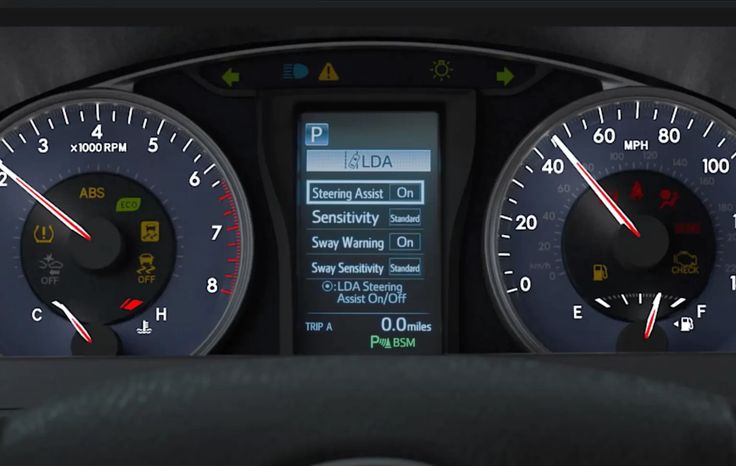
What Is Toyota Lane Departure Alert (LDA)?
Toyota Lane Departure Alert (LDA) is an advanced driver assistance feature designed to help reduce the risk of unintended lane departures. As part of the Toyota Safety Sense package, the system uses a forward facing camera mounted near the top of the windshield to monitor lane markings on the road. When the vehicle begins to drift out of its lane without the turn signal being activated, the system alerts the driver through visual, audible, or steering wheel notifications.
The primary purpose of LDA is to improve driver awareness and help prevent accidents caused by distraction, fatigue, or momentary lapses in attention. While the system does not replace safe driving practices, it serves as an additional layer of protection during everyday driving and long highway journeys.
In many modern Toyota models, LDA works together with other safety technologies such as Lane Tracing Assist, Dynamic Radar Cruise Control, Automatic High Beams, and the Pre Collision System. These features rely heavily on accurate camera input, which means a malfunction affecting the LDA system can also impact the performance of other driver assistance technologies.
Understanding how the Lane Departure Alert system works is important when diagnosing problems. Since the feature depends on cameras, software, and clearly visible lane markings, even minor issues such as dirt on the windshield or poor road conditions can temporarily prevent the system from functioning correctly.
Warning Signs Your Toyota LDA Is Not Working
A malfunctioning Lane Departure Alert system often provides warning signs before the issue becomes more serious. Recognizing these symptoms early can help drivers identify the cause and avoid unnecessary repairs.
One of the most common indicators is the appearance of an LDA warning light on the dashboard. Depending on the model, the icon may illuminate in yellow or amber, signaling that the system is unavailable or has detected a fault.
Another frequent symptom is a message displayed on the instrument cluster. Drivers may see notifications such as “Lane Departure Alert Unavailable,” “Front Camera Unavailable,” or “LDA Malfunction Visit Your Dealer.” These messages typically indicate that the system cannot accurately detect lane markings or communicate with related components.
Some drivers notice that lane markers no longer appear on the multi information display while driving. In normal operation, the vehicle recognizes lane boundaries and displays them on the dashboard screen. If these visual indicators disappear, the camera may be unable to identify the road markings.
Unexpected deactivation is another warning sign. The system may function normally for part of a trip and then suddenly disable itself. This often occurs during heavy rain, dense fog, snow, direct sunlight, or when visibility conditions change rapidly.
In certain situations, drivers may also experience the loss of steering assistance or lane centering features. Since many Toyota models integrate LDA with Lane Tracing Assist, a fault in one system can affect the performance of the other.
Common Causes of Toyota LDA Not Working
Dirty or Obstructed Windshield Camera
The most common cause of Toyota LDA problems is a blocked front camera. Since the system relies on visual data to identify lane markings, dirt, dust, bug residue, snow, ice, or even condensation on the windshield can interfere with camera performance.
Drivers may notice intermittent operation, warning messages, or complete loss of lane detection. In many cases, simply cleaning the windshield around the camera housing restores normal functionality.
Poor Weather Conditions
Toyota’s Lane Departure Alert system requires a clear view of the road to operate effectively. Heavy rain, fog, snow, dust storms, and low visibility conditions can prevent the camera from accurately recognizing lane markings.
When this occurs, the system may temporarily disable itself as a safety precaution. Once weather conditions improve and visibility returns to normal, the feature often resumes operation automatically.
Faded or Poorly Marked Roads
Even when the vehicle is functioning correctly, the system may struggle to detect lane boundaries on roads with worn paint, construction zones, temporary lane markings, or poorly maintained highways.
Drivers sometimes assume the LDA system has failed when the real issue is the road itself. Testing the vehicle on a well maintained highway with clearly visible lane markings can help determine whether the problem lies with the vehicle or the driving environment.
Windshield Replacement Without Calibration
Many Toyota owners experience LDA problems immediately after replacing their windshield. Because the front camera must be positioned with extreme precision, even a slight change in alignment can affect system accuracy.
After a windshield replacement, the camera often requires recalibration using specialized equipment. Failure to perform this procedure may result in warning messages, inaccurate lane detection, or complete system failure. This is one of the most overlooked causes of Toyota LDA malfunction complaints.
Misaligned Front Camera
The forward facing camera is the heart of the Lane Departure Alert system. Even a slight shift in its position can cause inaccurate readings and trigger warning messages. Camera misalignment may occur after a minor collision, windshield replacement, suspension modifications, or even severe road impacts.
When the camera is not properly aligned, the system may fail to recognize lane markings, generate false alerts, or disable itself entirely. Because camera alignment requires specialized calibration equipment, professional inspection is usually necessary to resolve the issue.
Software Glitches and Electronic Errors
Modern vehicles depend heavily on software to manage advanced safety systems. Like any electronic component, the Toyota LDA system can occasionally experience software bugs, communication errors, or temporary malfunctions.
Drivers may notice that warning messages appear unexpectedly and disappear after restarting the vehicle. In some cases, outdated software may affect the performance of Toyota Safety Sense features. A system update performed by a dealership can often resolve these issues and restore normal operation.
Low Battery Voltage
Many drivers are surprised to learn that a weak battery can affect advanced driver assistance systems. The Lane Departure Alert feature relies on stable electrical power to operate cameras, sensors, and control modules.
When battery voltage drops below normal levels, the vehicle may disable certain non essential systems to protect critical functions. Symptoms often include multiple warning lights appearing simultaneously, intermittent safety system failures, and unexpected electronic behavior. Testing the battery and charging system should always be part of the diagnostic process when investigating LDA problems.
Faulty Camera Module
If cleaning, recalibration, and software updates do not resolve the issue, the camera itself may be defective. Internal hardware failures can prevent the camera from transmitting accurate information to the vehicle’s control modules.
A faulty camera often triggers persistent warning messages that remain active regardless of weather conditions or road quality. Diagnostic scanning tools can help identify camera related fault codes and confirm whether replacement is required.
Wiring and Electrical Connection Problems
The Lane Departure Alert system depends on a network of wiring harnesses, connectors, and electronic control units. Damaged wiring, loose connections, corrosion, or rodent damage can interrupt communication between system components.
Electrical issues may be difficult to identify because symptoms often appear intermittently. The system may function normally one day and fail the next. Professional diagnostics are usually required to locate wiring faults hidden behind vehicle panels or within the dashboard.
Toyota Safety Sense System Faults
Since LDA operates as part of the broader Toyota Safety Sense package, problems affecting the main safety system can also impact lane departure functionality. A malfunction in one module may trigger warnings across multiple driver assistance features.
Drivers may notice that Lane Departure Alert, Pre Collision System, Dynamic Radar Cruise Control, and Lane Tracing Assist become unavailable at the same time. When multiple safety systems fail simultaneously, a comprehensive diagnostic inspection is essential.
Sensor Calibration Issues
Many advanced safety systems require precise calibration to function correctly. Camera calibration can be affected by suspension repairs, wheel alignment changes, collision repairs, or modifications to vehicle ride height.
When calibration values fall outside acceptable limits, the vehicle may disable the Lane Departure Alert system to prevent inaccurate operation. Recalibration performed according to manufacturer specifications often restores normal functionality.
Environmental Factors
In some situations, there may be nothing wrong with the vehicle at all. Direct sunlight, glare, reflections, road debris, heavy traffic, or unusual road layouts can temporarily confuse the camera system.
Sharp curves, merging lanes, construction zones, and roads with inconsistent lane markings may reduce the system’s ability to accurately detect lane boundaries. Understanding these limitations can help drivers distinguish between normal operating restrictions and actual system faults.
How to Troubleshoot Toyota LDA Problems at Home
Before scheduling an expensive repair appointment, there are several simple checks you can perform yourself to identify the source of the problem.
Start by inspecting the windshield area directly in front of the camera. Remove any dirt, dust, ice, moisture, or stickers that could obstruct the camera’s view. Even a small obstruction can interfere with lane detection performance.
Next, verify that the Lane Departure Alert feature is enabled in the vehicle settings menu. Drivers sometimes accidentally disable the system while adjusting vehicle preferences. Reviewing the settings can quickly eliminate this possibility.
Check the condition of the vehicle’s battery. If the battery is old or showing signs of weakness, low voltage may be contributing to the malfunction. Many auto parts stores offer free battery testing services that can provide valuable diagnostic information.
After performing these checks, restart the vehicle and take a test drive on a well marked highway. Choose a route with clearly visible lane markings and favorable weather conditions. This allows the system to operate under ideal circumstances and helps determine whether the issue is environmental or mechanical.
If warning messages continue to appear, use an OBD2 scanner capable of reading manufacturer specific diagnostic trouble codes. The stored fault codes can provide important clues regarding camera failures, calibration errors, communication problems, or electrical faults.
When basic troubleshooting fails to resolve the issue, professional diagnosis is recommended. Continuing to drive with unresolved safety system faults may prevent other Toyota Safety Sense features from functioning correctly and could lead to more expensive repairs in the future.
When Should You Visit a Toyota Dealer?
While many Lane Departure Alert issues can be resolved through basic troubleshooting, certain situations require professional attention. Ignoring persistent warning messages may compromise the effectiveness of your vehicle’s safety systems and potentially lead to more expensive repairs later.
One of the clearest signs that professional diagnosis is necessary is a warning light that remains illuminated after cleaning the windshield, restarting the vehicle, and testing the system under normal driving conditions. Persistent warnings often indicate underlying hardware, calibration, or communication problems that cannot be resolved without specialized equipment.
You should also schedule an inspection if the issue appeared immediately after a windshield replacement. Modern Toyota vehicles require precise camera calibration after windshield installation. Without proper calibration, the Lane Departure Alert system may not accurately detect lane markings, resulting in false warnings or complete system deactivation.
Another situation that warrants professional attention is the simultaneous failure of multiple Toyota Safety Sense features. If Lane Departure Alert, Dynamic Radar Cruise Control, Lane Tracing Assist, or the Pre Collision System become unavailable at the same time, the problem may involve a shared control module or communication network within the vehicle.
Drivers should also seek professional assistance if they notice unusual steering behavior, repeated system shutdowns, or diagnostic trouble codes that continue to return after being cleared. Certified Toyota technicians have access to manufacturer specific diagnostic tools that can accurately identify and correct complex issues.
Prompt diagnosis not only restores the functionality of your Lane Departure Alert system but also ensures that all connected safety technologies continue operating as designed.
How Much Does It Cost to Fix Toyota LDA?
The cost of repairing a Toyota Lane Departure Alert system varies depending on the underlying cause. Some issues can be resolved with a simple cleaning or software update, while others may require component replacement and advanced calibration procedures.
Camera recalibration is one of the most common services associated with LDA repairs. Depending on the vehicle model and service provider, calibration typically costs between $150 and $500. This procedure is often required after windshield replacement or collision repairs.
If the forward facing camera has failed internally, replacement costs can range from $500 to more than $2,000, including parts, programming, and calibration. Luxury Toyota models and newer vehicles equipped with advanced driver assistance technologies may fall toward the higher end of this range.
Battery related issues are generally less expensive to address. Replacing a weak battery typically costs between $150 and $400, depending on battery type and installation fees. Since low voltage can trigger multiple safety system warnings, battery testing is often a worthwhile first step.
Electrical repairs involving damaged wiring or connectors can vary significantly in cost. Minor repairs may cost as little as $100, while more extensive wiring diagnostics and repairs can exceed $800 if multiple components are involved.
Diagnostic inspections themselves usually range from $100 to $200. Although some drivers hesitate to pay for diagnostic testing, accurate identification of the root cause often prevents unnecessary parts replacement and reduces overall repair expenses.
Understanding these potential costs can help vehicle owners make informed decisions and avoid surprises when seeking professional repair services.
Frequently Asked Questions
The most common reasons include a dirty windshield camera, poor weather conditions, faded lane markings, camera calibration issues, software malfunctions, or low battery voltage. The exact cause can usually be identified through basic troubleshooting or diagnostic scanning.
Can I drive with Toyota LDA not working?
Yes, the vehicle can still be driven safely in most cases. However, you will lose the lane departure warning functionality and potentially other Toyota Safety Sense features that depend on the same camera system. Extra caution should be exercised until the problem is resolved.
Does windshield replacement affect Lane Departure Alert?
Yes. Many Toyota models require camera recalibration after windshield replacement. If calibration is not performed correctly, the system may display warning messages or fail to recognize lane markings accurately.
Can a weak battery cause LDA warnings?
Absolutely. Low battery voltage can affect electronic control modules and driver assistance systems, leading to temporary or persistent warning messages.
How do I reset Toyota Lane Departure Alert?
In some cases, turning the vehicle off and restarting it may clear temporary faults. However, recurring warning messages usually indicate an underlying issue that must be diagnosed and repaired.
Conclusion
The Toyota Lane Departure Alert system plays a critical role in helping drivers maintain lane awareness and avoid unintended departures. As an important component of Toyota Safety Sense, it relies on accurate camera data, proper calibration, and reliable electronic communication to function effectively.
When your Toyota LDA is not working, the cause may be as simple as a dirty windshield or as complex as a faulty camera module. Understanding the warning signs, performing basic troubleshooting, and addressing issues promptly can often prevent more serious problems and costly repairs.
Whether the issue stems from poor weather, faded lane markings, low battery voltage, or calibration errors, taking action early is the best way to restore full system functionality. If warning messages persist after basic checks, professional diagnosis is strongly recommended to ensure all safety systems operate as intended.
By maintaining your Toyota’s advanced driver assistance technologies and responding quickly to warning signs, you can continue to benefit from the safety, convenience, and peace of mind that the Lane Departure Alert system was designed to provide.